
Psychology Says Dogs Develop Trust Issues After Rehoming That Can Take Years of Consistency to Repair
#1: The Psychological Impact of Losing an Attachment Figure

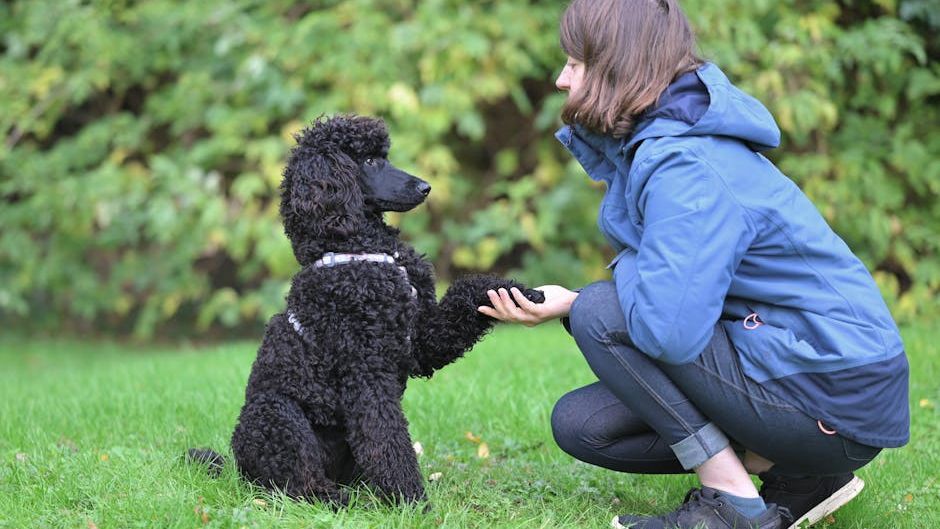
Dogs don’t just live alongside humans. They attach to us in ways that closely mirror how human infants attach to their caregivers. The dog-human dyad is believed to involve attachment bonds similar to those that characterize human caregiver-infant relationships, with dogs showing proximity-seeking behavior as a means of coping with stress, while the absence of an attachment figure can trigger separation-related distress.
When rehoming removes that figure from a dog’s life, it isn’t simply a change of address. When a securely attached dog is separated from their owner, exploratory behaviors decrease while distress behaviors and vocalizations increase significantly, and a stranger cannot comfort the dog during that period of separation. The dog’s entire sense of safety has been restructured without its consent.
Research has found that dogs experience increased levels of stress during their owner’s absence, with heightened heart rates and more frequent pacing or vocalizations, and the longer the separation, the more intense the emotional response. This isn’t behavioral stubbornness. It’s grief, filtered through a nervous system that has no language for what happened.
#2: What Stress Actually Does to a Dog’s Body After Rehoming

The impact of rehoming isn’t just emotional. It’s deeply physical. The stress of rehoming affects dogs on a physiological level, not just behaviorally, and understanding these biological processes helps explain why decompression takes time. The body registers what the mind is struggling to process.
Excess cortisol can trigger anxiety, cause digestive problems, slow wound healing, and interfere with learning, and it can take weeks or even months for cortisol levels in a dog living with chronic stress to reduce to normal levels. This means the beautiful dog sitting quietly in your living room may be operating in a state of prolonged chemical distress that isn’t visible to the naked eye.
Studies have shown that chronic stress, resulting in sustained high cortisol levels, is linked to anxiety, aggression, and fear-related behaviors. For dogs coming from neglectful or difficult backgrounds, the situation can be even more pronounced. Research found that dogs from known adverse backgrounds exhibited significantly higher salivary cortisol levels than other shelter dogs, and during social interactions with an unfamiliar human, these dogs displayed more fear behavior and lower levels of affiliative behavior.
#3: The Behavioral Signs That Signal a Dog Doesn’t Yet Trust You
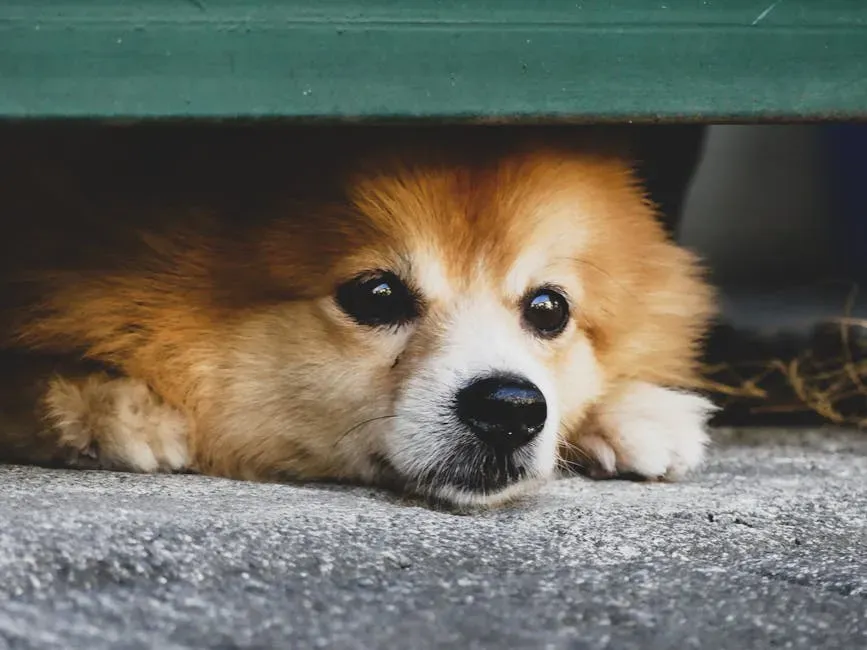
Trust issues in dogs rarely look like aggression alone. More often, they’re subtle and easy to misread. Stress-related behaviors can range from “shutting down” to being fearful, vocal, destructive, ill-mannered, or aggressive. A dog that hides under the bed for days isn’t being antisocial. It’s communicating that the world still feels dangerous.
Other anxiety-associated behaviors include those related to autonomic arousal such as panting, drooling, urination and defecation, as well as motor restlessness including pacing, digging, destructiveness, excessive licking, hiding, shedding, and whining. These are the body’s stress signals, not personality flaws. Recognizing them as fear responses rather than bad behavior is one of the most important shifts a new owner can make.
Published literature on adoption success in shelters consistently reports behavioral problems as being the most likely cause of surrender or return of a dog to a shelter, with the most commonly reported issues including aggression toward people or other animals, social and non-social fear, house soiling, and destructiveness. Most of these behaviors trace back to a fractured sense of safety, not a dog that’s “difficult.”
#4: The 3-3-3 Framework and Why It’s Just the Beginning
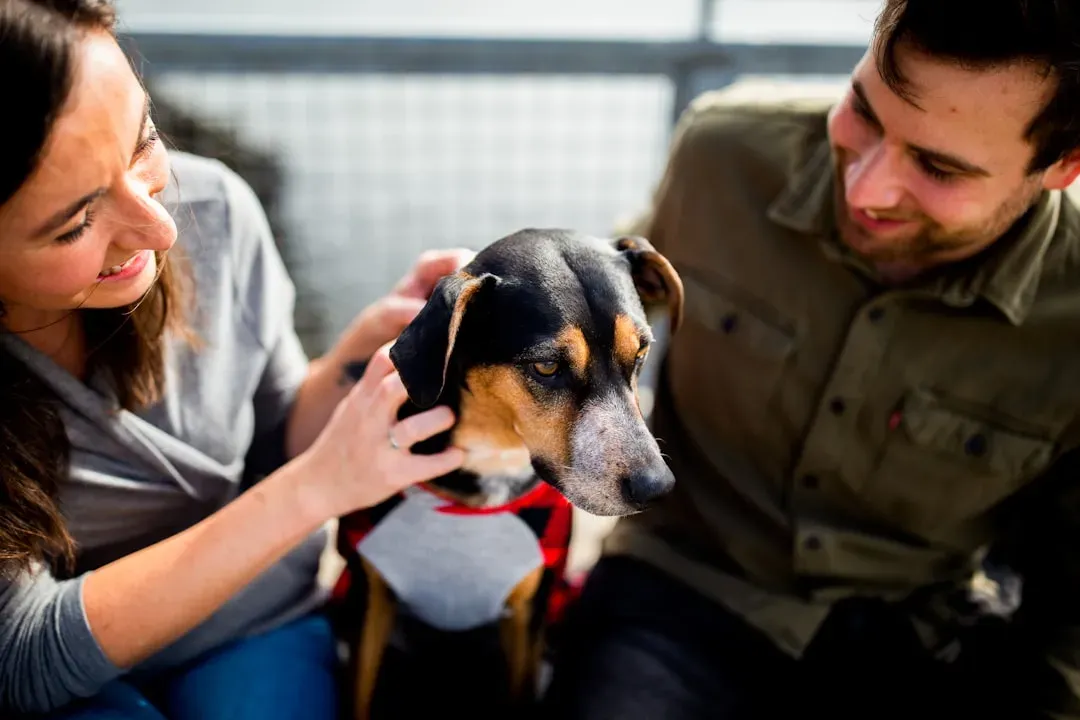
Many animal welfare organizations point to what’s widely known as the 3-3-3 rule as a starting framework for understanding the adjustment timeline. The 3-3-3 guideline for pet adoption is a phased adjustment period to help with the decompression and adjustment during a pet’s transition into a new home, with the first three days often marked by stress, overwhelm, and possible signs of anxiety or fear. It’s a useful map, though not a guarantee.
For most pets, it takes on average three months to fully become comfortable and acclimated to their new home, though some pets may need longer to adjust while others may adapt more quickly. Three months is a milestone, not a finish line. Dogs with more complex histories often need considerably more time before they show anything close to full emotional availability.
Each time a dog changes homes or environments, they experience stress, and dogs that have bounced between multiple homes or shelters often take longer to trust that their new home is permanent. For a dog that has been rehomed more than once, the psychological calculus is harder. Each transition becomes evidence that no situation is truly safe or stable.
#5: What Consistency Actually Means in Practice
Saying “be consistent” is easy. Understanding what that really requires is another matter. Starting by establishing a daily routine so the dog can expect when to eat, go for walks, play, and relax is fundamental, as is setting clear boundaries from the beginning and being consistent with them. Predictability is a form of safety language that dogs understand before they understand kindness.
Building trust with a new dog requires paying into what could be called a trust bank account before making withdrawals, which include potentially stressful situations like crating, bathing, or introducing other animals. Attempting these situations before trust is established could leave a lasting impression and cause behaviors the dog wouldn’t have otherwise shown. Rushing the process doesn’t just stall progress. It can actively set things back.
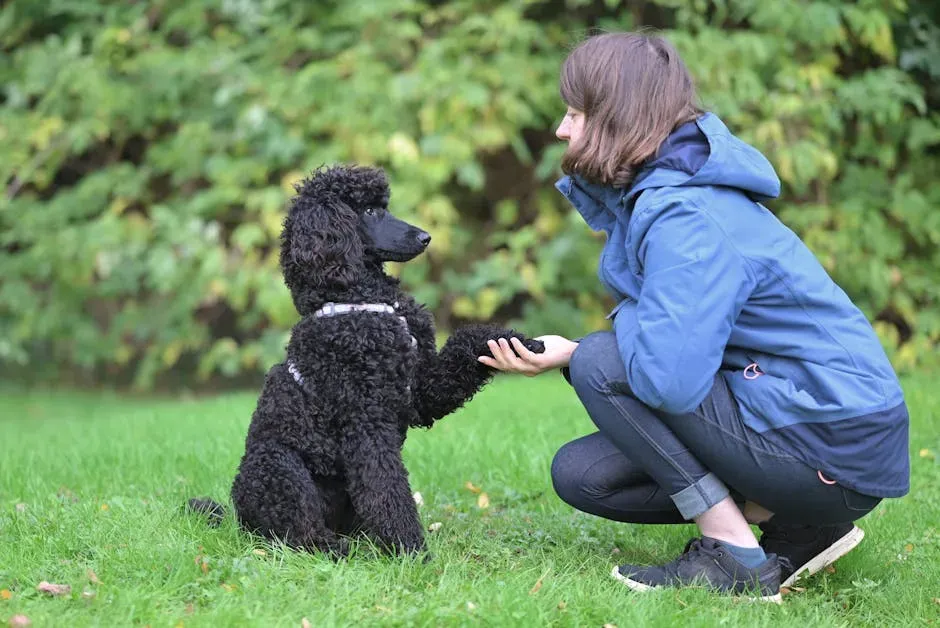
Giving a new dog the opportunity to come to you rather than reaching into their space is important, as they may be uncomfortable with direct approaches, head-on contact, or reaching hands. Letting them enter your space on their own terms is how trust actually develops. The owner who waits is, in a very real way, the owner who wins.
#6: The Long Game: When Healing Takes Years, Not Months
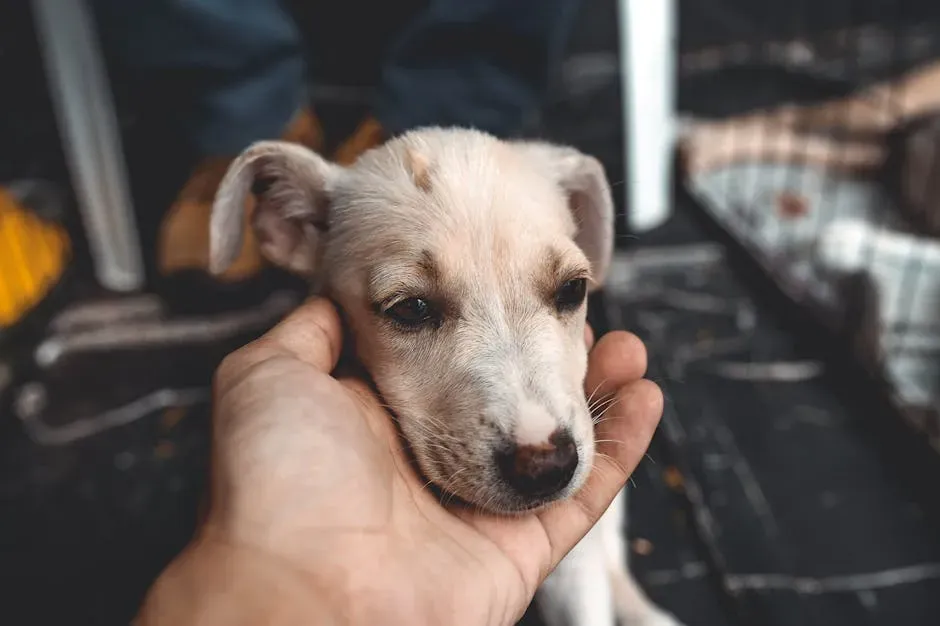
For some dogs, particularly those with histories of neglect, abuse, or repeated displacement, the road to trust stretches far beyond a few seasons. Severely fearful, anxious, and aggressive dogs need time and specialists who, with slow and careful behavior modification and possibly medication, can teach them to trust. There is no shortcut, and pretending otherwise does the dog a disservice.
Findings suggest that dogs from adverse backgrounds experience altered hormonal and behavioral profiles even after they are rescued and placed in homes. This is a critical point that too many people miss. Placement in a loving home is not, by itself, rehabilitation. It’s the beginning of a much longer process that requires education, patience, and often professional support.
While dogs may experience significant stress during the rehoming process, those that are successfully rehomed demonstrate a remarkable ability to adapt and form strong relationships with their new owners. That word “successfully” is doing a lot of heavy lifting. Building trust with any animal takes time and patience, but even more is needed for a rescue dog that may have had a tough life before. The time it takes for a rescue dog to bond can vary greatly, with some warming up within days while others may take weeks or even several months to fully trust their new family.
Conclusion: Trust Is Earned in the Quiet Moments
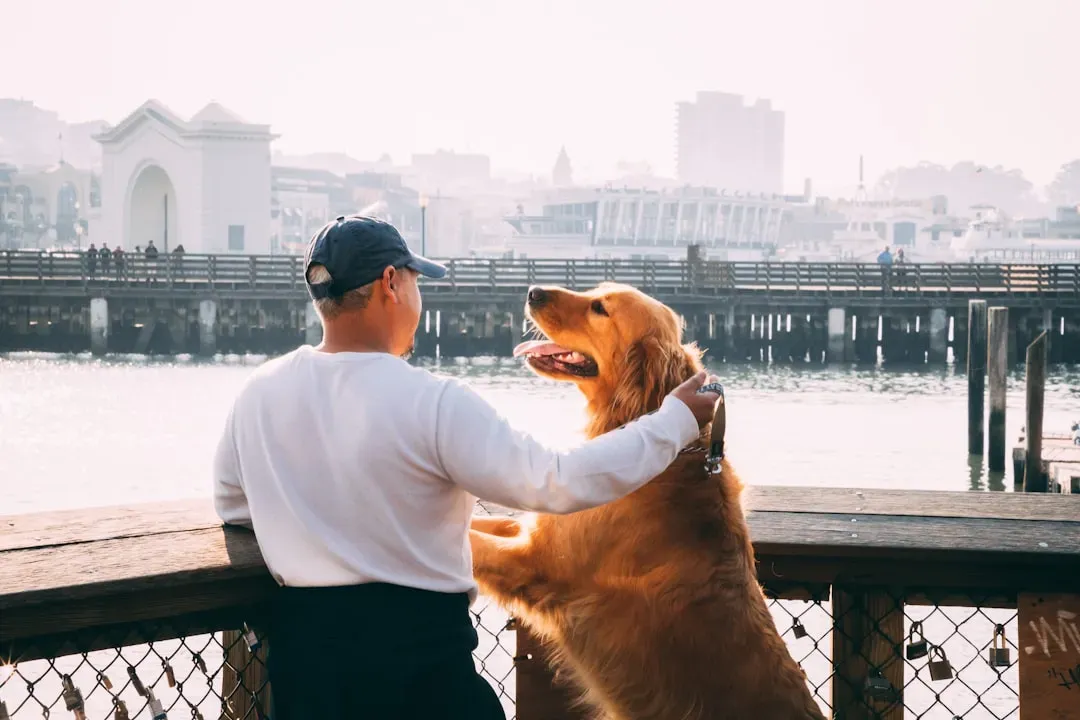
There’s something both humbling and beautiful about what dogs ask of us. Not grand gestures. Not expensive toys or elaborate outings. Just presence. Calm, unwavering, day-after-day presence that tells them, without words, that this time is different.
What the research makes clear is that rehoming genuinely disrupts a dog’s psychological foundation, and the repair isn’t measured in weeks. It’s measured in thousands of small, consistent moments stacked on top of each other over time. A dog that finally chooses to sleep at your feet, or presses its nose into your hand without being coaxed, isn’t just comfortable. It’s healed something.
We live in a world that’s quick to move on and slow to sit with discomfort. But the dogs we bring home from shelters, rescues, and difficult circumstances deserve better than our impatience. They deserve owners who understand that trust, once broken, is rebuilt one quiet moment at a time. That’s not a burden. That’s the whole point.