Dogs have shared our homes and lives for thousands of years, yet many owners still overlook how their own moods shape what their pets do every day. A quiet observation often sparks the realization that certain actions from the dog line up too neatly with personal stress or calm to be coincidence alone. This connection runs deeper than simple training or routine.
Your Dog Yawns Right After You Do
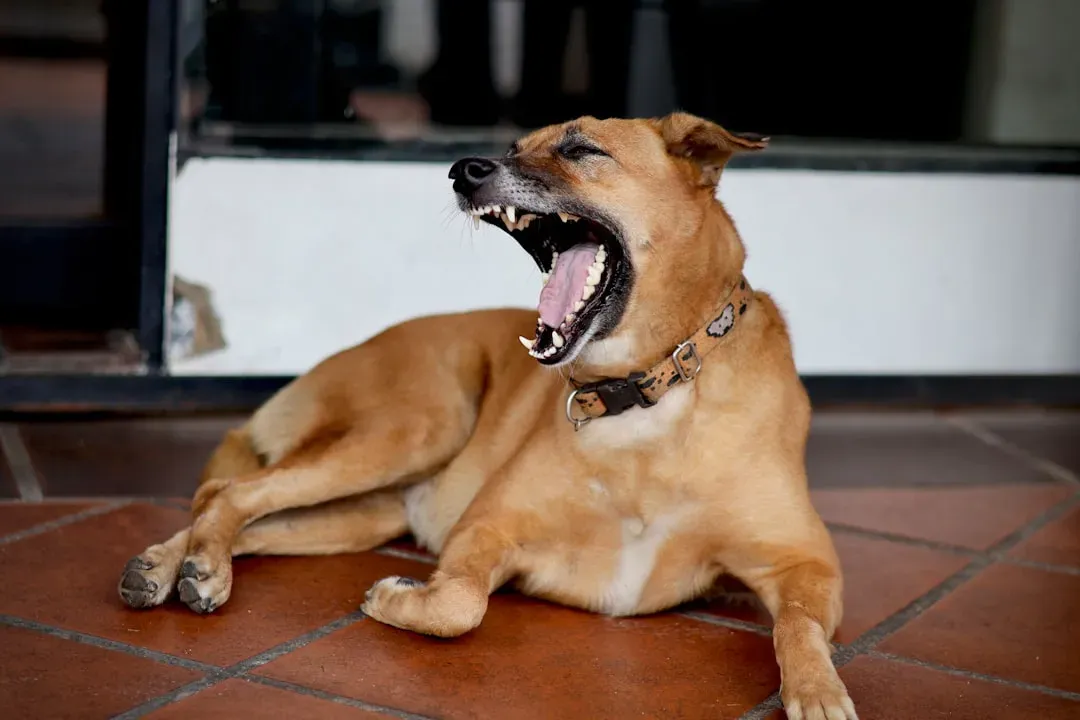
Your Dog Yawns Right After You Do (Image Credits: Unsplash)Contagious yawning appears in many social species, and dogs show it too when they pick up on human tension. Psychologists note that this response often surfaces during moments of shared unease rather than random timing. It serves as an early signal that the household atmosphere carries more weight than usual. The behavior tends to cluster around periods when owners report feeling overwhelmed or distracted. Watching for these yawns can highlight patterns in daily stress that might otherwise slip by unnoticed. Over time the link becomes clearer through repeated observation across different situations.
Your Dog Stays Close and Nuzzles During Sad Moments
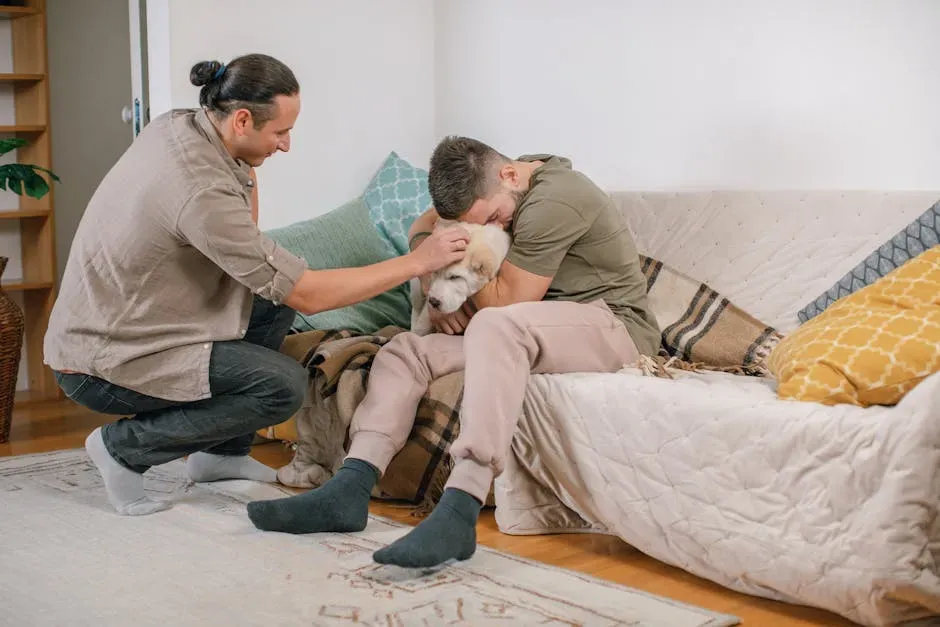
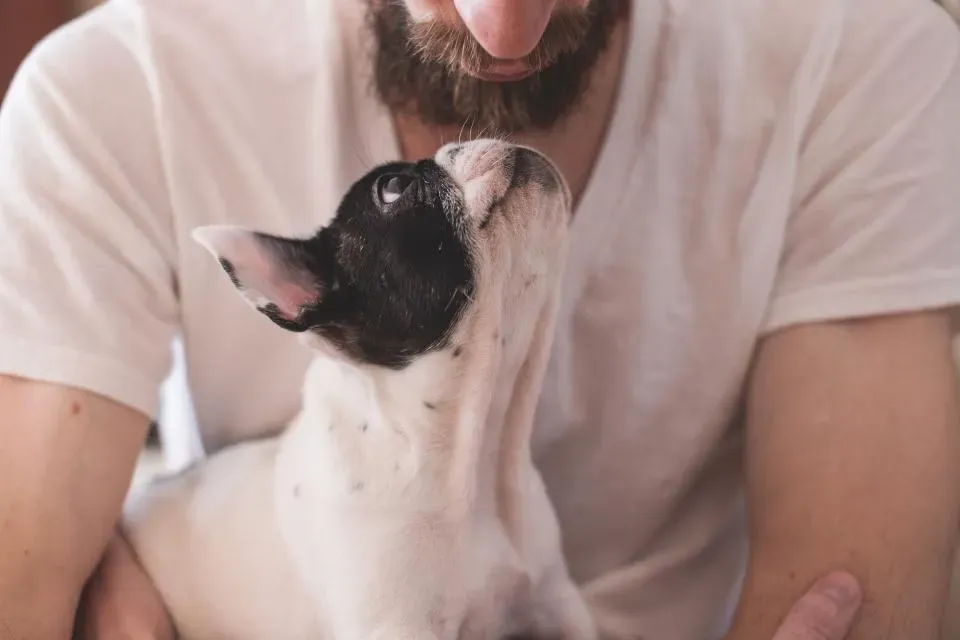
Your Dog Stays Close and Nuzzles During Sad Moments (Image Credits: Pexels)When owners display visible distress like tears or slumped posture, many dogs move in with gentle contact or leaning. Research on emotional recognition shows dogs distinguish these cues and respond with proximity rather than withdrawal. This approach often happens even with strangers in controlled tests, pointing to a broad sensitivity. The timing of these comforting gestures frequently matches spikes in owner low moods. Owners who track this pattern notice it intensifies on tougher days and eases when spirits lift. Such responses underscore how dogs read subtle shifts without needing words.
Your Dog Gazes Less or Jumps Around Less When You Feel Down
Your Dog Gazes Less or Jumps Around Less When You Feel Down (Image Credits: Unsplash)Studies tracking dog reactions to owner sadness reveal reduced eye contact and playful jumping in those moments. The change reflects an adjustment to the emotional tone rather than disinterest. Dogs appear to dial back their usual engagement as a form of attunement. This shift shows up consistently across different breeds and living situations. It provides a visible marker that something in the owner’s state has registered with the dog. Repeated instances help confirm the connection beyond one-off events.
Your Dog Mirrors Your Restlessness With Pacing or Panting
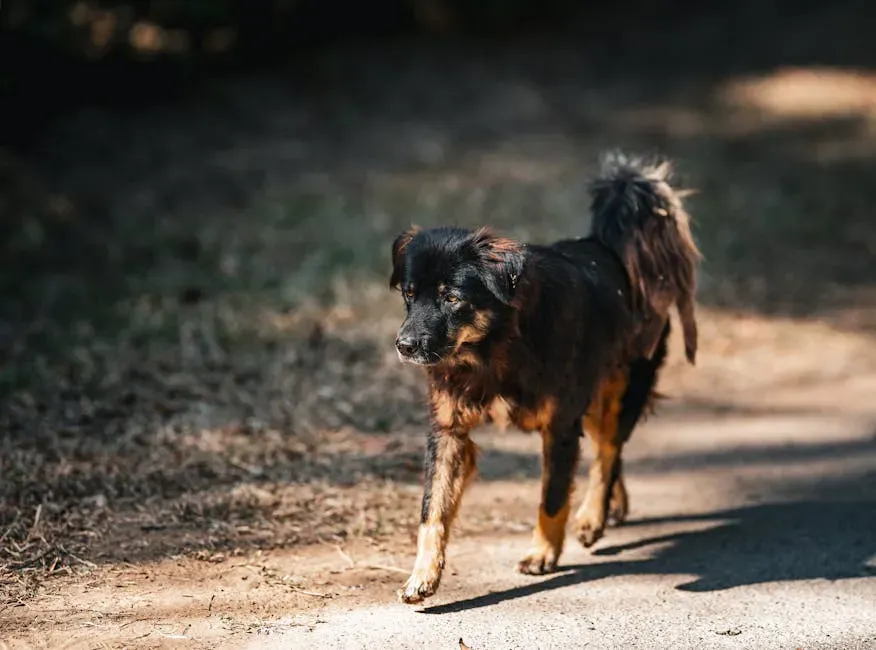
Your Dog Mirrors Your Restlessness With Pacing or Panting (Image Credits: Pexels)Elevated owner anxiety often translates into matching physical signs in the dog, such as extra movement or heavier breathing. Long-term stress studies using cortisol measurements in hair demonstrate this synchronization over months. The dog’s body language becomes a living record of the shared environment. These signs tend to appear during the same windows when owners feel pressure from work or life changes. Not every restless moment stems from the human side, yet the overlap grows noticeable with attention. It offers a practical cue for checking in on personal well-being.
Your Dog Shows Reduced Playfulness on Your Tense Days
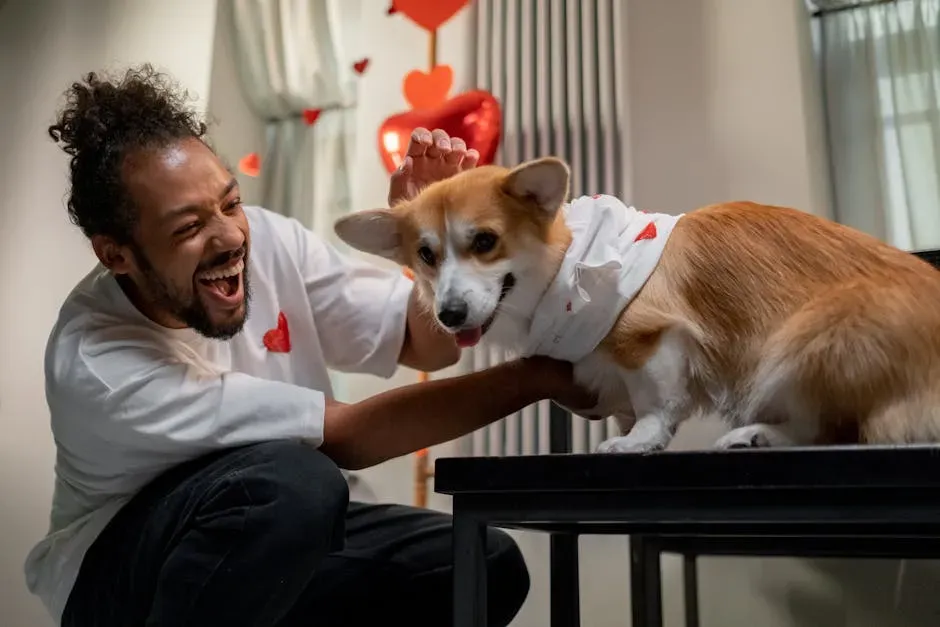
Your Dog Shows Reduced Playfulness on Your Tense Days (Image Credits: Pexels)Energy levels in dogs frequently dip when owners carry heavier emotional loads. Psychologists link this to emotional contagion, where the dog’s usual enthusiasm for toys or walks fades in step with the household mood. The pattern holds even when external factors like weather stay constant. Owners who compare play sessions across weeks often spot the correlation. A normally eager dog turning subdued can flag underlying tension worth addressing. This behavioral dip acts as an honest mirror rather than a training issue.
Your Dog Licks Its Mouth More Around Negative Expressions
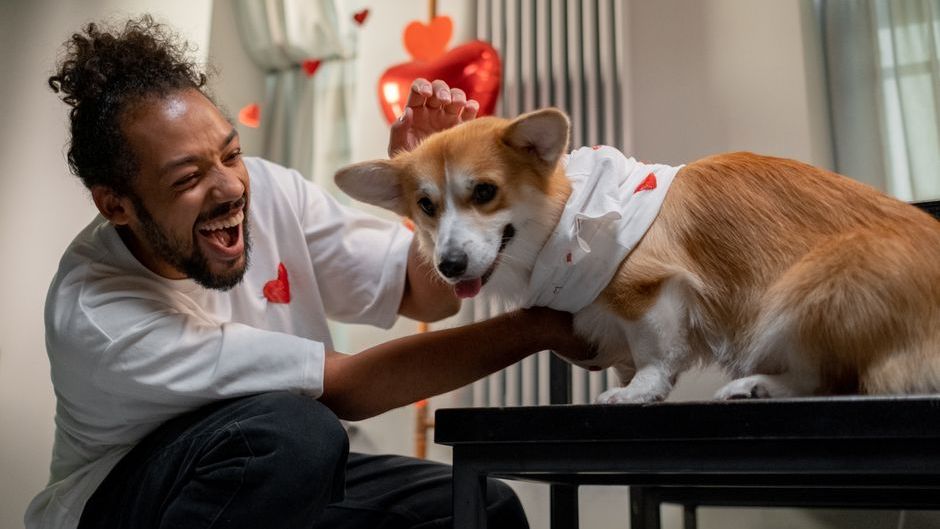
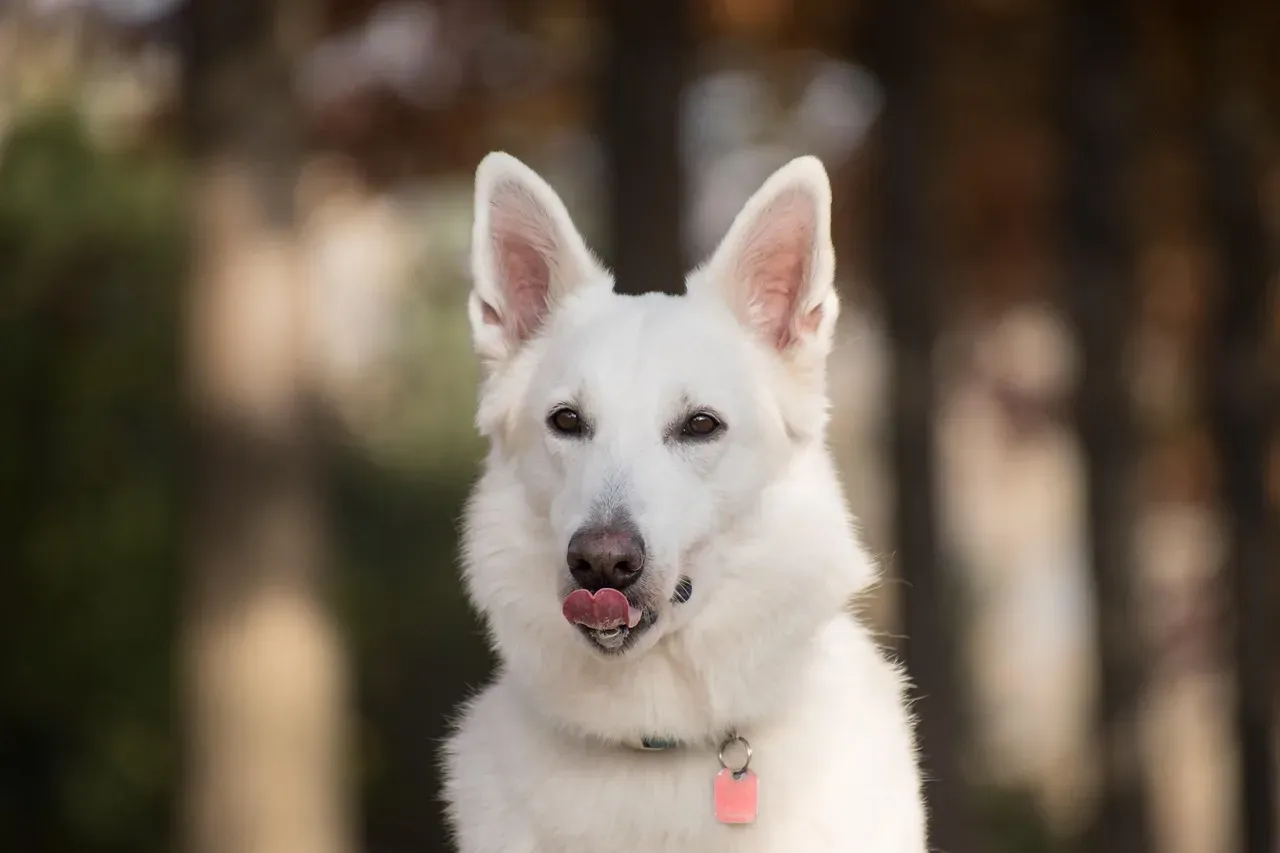
Your Dog Licks Its Mouth More Around Negative Expressions (Image Credits: Pixabay)Mouth licking serves as one observable response when dogs encounter human faces showing anger or distress. Experiments isolating facial cues found this action increases specifically with negative signals. It functions as a subtle indicator of the dog’s reading of the situation. The behavior clusters during interactions where owners feel frustrated or upset. Tracking it alongside personal feelings reveals how dogs process and reflect those states. It adds another layer to everyday observations around the home.
Your Dog Adjusts Approach to New Objects Based on Your Cues
Your Dog Adjusts Approach to New Objects Based on Your Cues (Image Credits: Stocksnap)Social referencing appears when dogs look to owners for guidance on unfamiliar items or people. Positive owner signals encourage exploration while worried ones prompt caution or retreat. This decision-making process ties directly to the emotional information the dog gathers. The adjustment happens in real time during walks or home introductions. It highlights how owner mood shapes the dog’s confidence in the moment. Patterns emerge most clearly in repeated similar scenarios.
Your Dog’s Heart Rate and Activity Sync With Yours
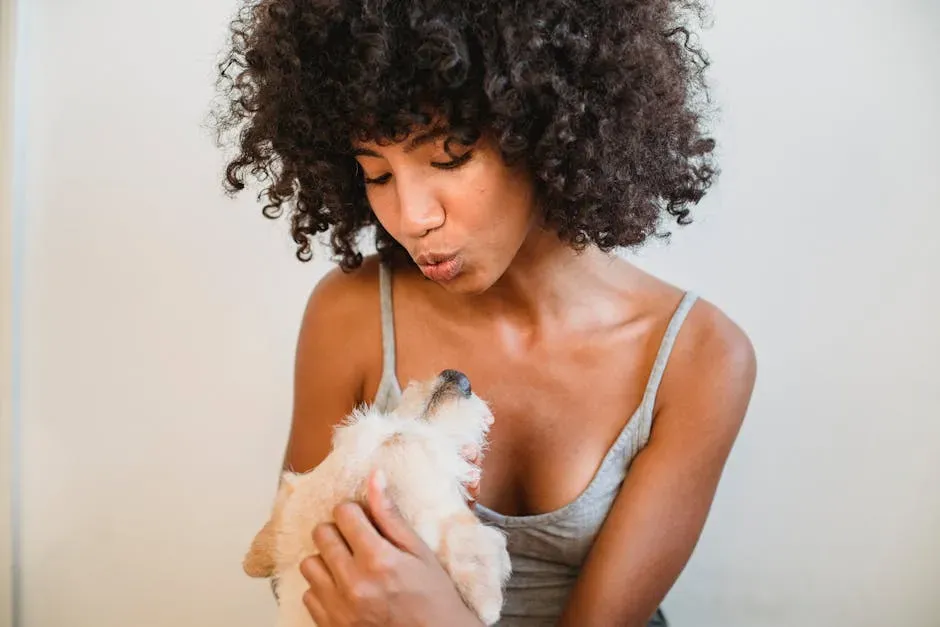
Your Dog’s Heart Rate and Activity Sync With Yours (Image Credits: Pexels)Close bonds lead to measurable alignment in heart rate variability between dogs and owners during shared activities. This physiological mirroring extends to periods of calm or heightened alertness. Behavioral changes like synchronized settling or movement follow as visible outcomes. The effect strengthens with time spent together and emotional closeness. Owners monitoring both themselves and their dogs notice the parallel shifts during daily routines. It points to a two-way influence that builds gradually.
Your Dog Develops Similar Overall Temperament Traits Over Time
Your Dog Develops Similar Overall Temperament Traits Over Time (Image Credits: Pexels)Longer studies show dogs often reflect owner personality markers such as general anxiety levels or sociability. Calm households tend to produce more relaxed pets while tense ones see more vigilance or withdrawal. The mirroring occurs through consistent exposure rather than genetics alone. This broader alignment becomes evident after months or years in the same home. It serves as a cumulative signal of the emotional climate. Regular reflection on both sides helps maintain balance. Dogs offer these steady, wordless insights into our inner worlds through actions that unfold in ordinary moments. Paying attention turns routine interactions into useful feedback about personal states. The bond grows stronger when both sides stay attuned to what the other communicates without effort.