
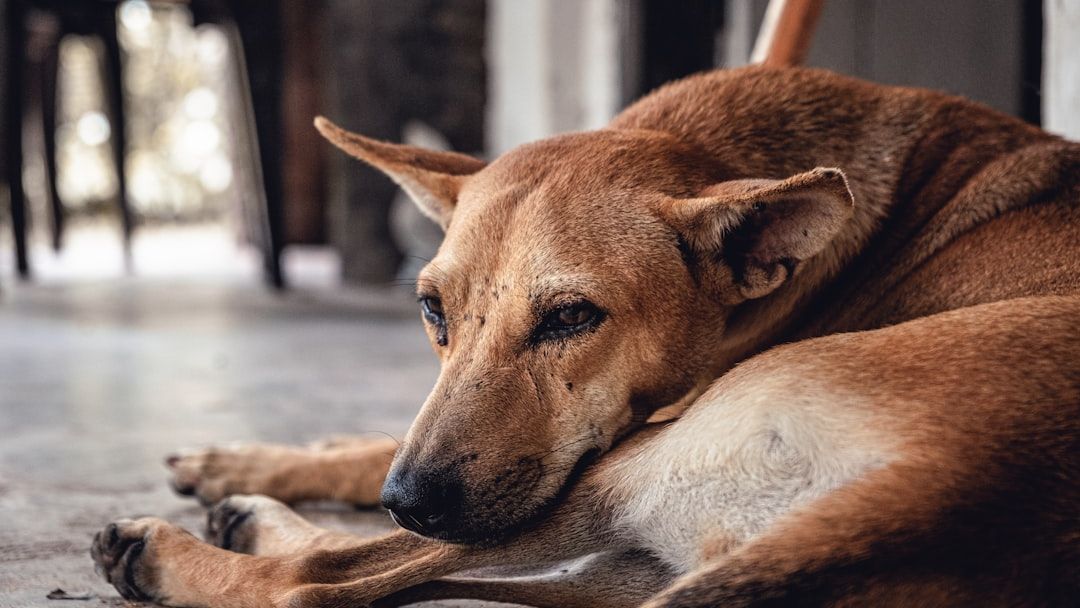
Many dog owners face the daily decision of how long their pets can remain at home without company. The choice carries real consequences for a dog’s emotional and physical well-being. Separation anxiety and destructive behavior often surface when time alone stretches beyond what an individual dog can comfortably handle.
Common Challenges Dogs Face When Left Unattended
Dogs are social animals by nature, and extended periods without human interaction can trigger stress responses. Some begin to pace, bark excessively, or chew furniture and other household items as outlets for their unease. These behaviors are not signs of spite but rather attempts to cope with isolation that feels overwhelming.
Over time, repeated exposure to long stretches alone can deepen anxiety rather than build independence. Owners may notice changes in appetite, sleep patterns, or even house-training setbacks in dogs that previously had no such issues. Recognizing these patterns early helps prevent minor discomfort from developing into more serious problems.
Factors That Shape Safe Alone Time
Age plays a significant role in determining how much time a dog can manage independently. Puppies and senior dogs generally require more frequent check-ins because of their higher needs for bathroom breaks and companionship. Adult dogs in good health often tolerate longer intervals, though individual temperament still matters greatly.
Breed tendencies and past experiences also influence tolerance levels. Some working breeds thrive on mental stimulation and may grow restless faster than others. Dogs with a history of rescue or previous abandonment situations sometimes show heightened sensitivity to being left behind, even for shorter durations.
The home environment itself adds another layer. Access to safe toys, a comfortable resting area, and background noise such as a radio can make a noticeable difference in how calmly a dog passes the hours. Conversely, homes with frequent external sounds or limited space may increase restlessness.
Practical Steps to Support Dogs During Alone Time
Gradual training remains one of the most effective approaches. Starting with very short absences and slowly extending the duration allows many dogs to adjust without distress. Consistency in departure and return routines can further reduce uncertainty for the animal.
Enrichment options help occupy a dog’s mind and body. Puzzle feeders, durable chew toys, and frozen treats provide mental engagement that mimics the satisfaction of interaction. Some owners also explore doggy daycare or midday visits from a trusted walker when schedules demand longer absences.
Monitoring progress through cameras or simple check-ins offers valuable feedback. If signs of stress persist despite adjustments, consulting a veterinarian or certified behaviorist can identify underlying medical or emotional factors that need attention.
When Professional Guidance Becomes Essential
Persistent issues such as nonstop vocalization, self-injury, or elimination indoors signal that current arrangements may not suit the dog. Early intervention often leads to better outcomes than waiting for problems to intensify. Resources from animal behavior organizations can connect owners with tailored support.
Every dog is different, and what works for one household may not suit another. Paying close attention to individual signals and remaining flexible with routines helps maintain a balanced life for both pet and owner.


