
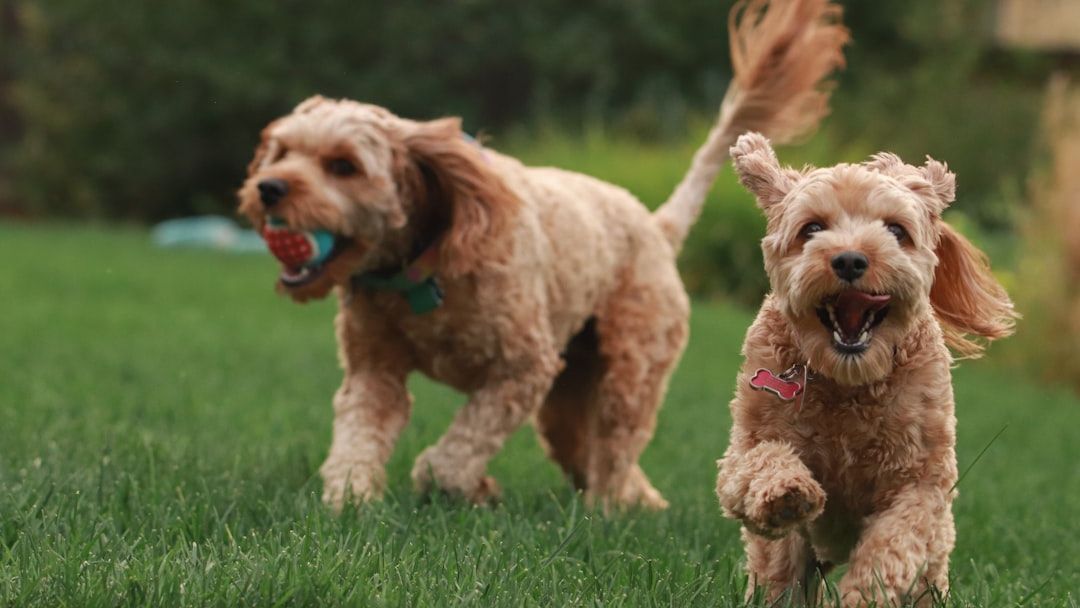
Dogs often give the impression that they move through life one joyful moment at a time. Yet anyone who has watched a dog light up at the sight of a long-lost person or freeze at a familiar sound knows there is more going on beneath the surface.
Their memories run deeper than daily routines suggest, shaping how they greet the world even after years apart. What lingers in a dog’s mind can surprise even experienced owners.
The People Who Raised Them
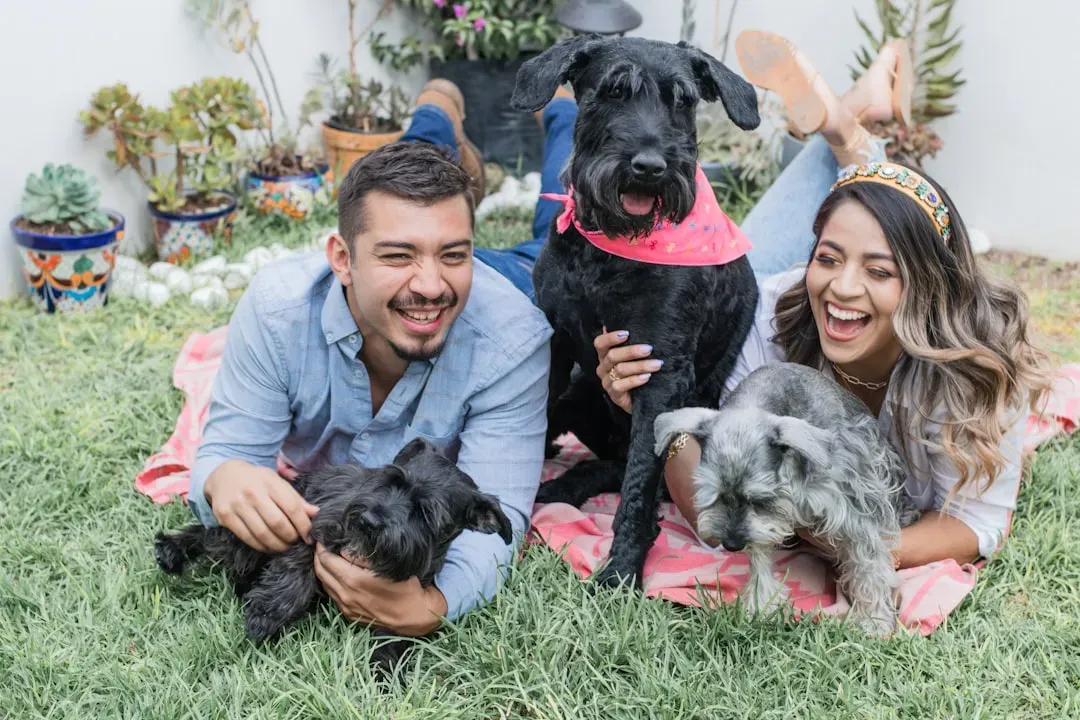
Dogs form strong attachments early in life that do not simply fade with distance or years. Studies of canine cognition show they can recognize familiar human faces and voices long after separation, responding with the same excitement or calm they showed as puppies.
That recognition often appears in subtle ways, such as a sudden tail wag or a soft whine when an old scent drifts by. Owners who reunite with dogs they placed years earlier frequently report the same instant connection, as if no time had passed at all.
Places They Once Called Home
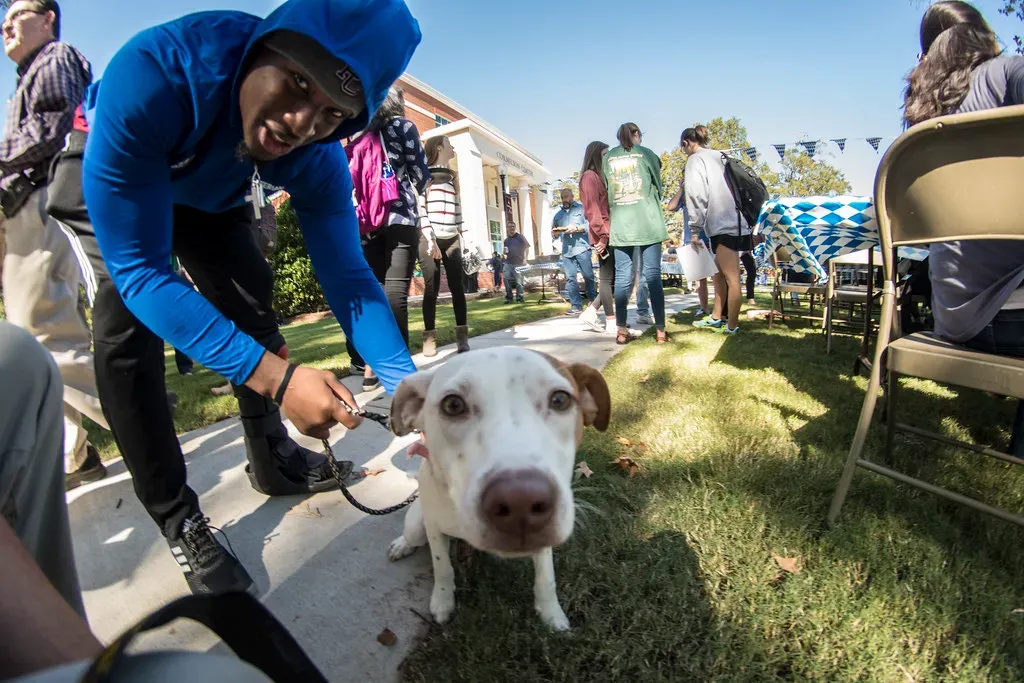
A dog’s sense of territory runs deep, and familiar rooms or yards stay etched in memory. Even after moving across the country, many dogs will pause at the old front door or head straight for a favorite corner when brought back for a visit.
Scents embedded in floors and furniture act as powerful triggers. These environmental cues help dogs orient themselves quickly, turning a strange house into something that still feels partly theirs.
Other Dogs They Bonded With
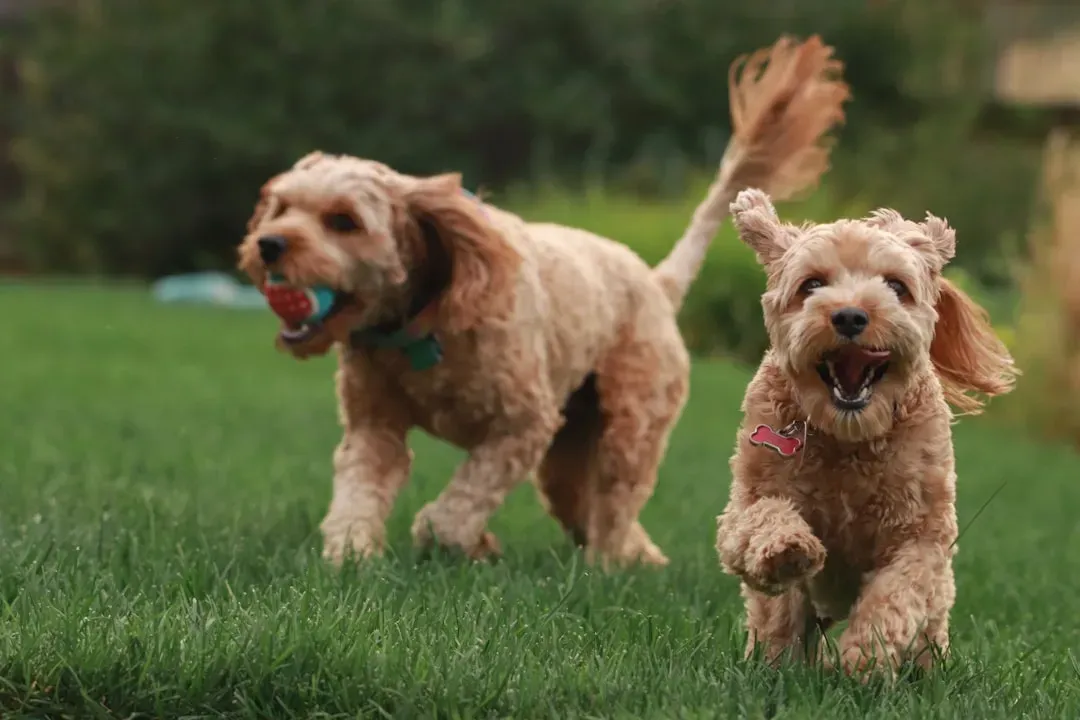
Canine friendships leave lasting impressions that surface during chance encounters. Dogs that played together as puppies often greet each other with the same play bows and excited circles years later.
Memory of a littermate or longtime companion can influence how a dog behaves around similar breeds or sizes. The emotional tone of those early relationships carries forward, coloring new introductions in quiet but noticeable ways.
Scary or Painful Experiences

Negative events create especially durable memories that help dogs stay safe. A single loud thunderstorm or an unexpected vet visit can make a dog wary of similar sounds or settings long afterward.
These recollections serve a practical purpose, prompting caution rather than blind fear. Owners notice the pattern when a dog avoids a particular street or tenses at the sight of a certain object, even after the original incident has been forgotten by everyone else.
Favorite Foods and Treats

The taste and smell of special rewards stay vivid in a dog’s mind. A particular brand of biscuit or the sound of a treat bag opening can bring an older dog to full attention decades after the last time it received that exact item.
This kind of memory supports survival by helping dogs remember what sustained them. It also explains why some dogs will ignore newer, supposedly better options in favor of the flavor they first learned to love.
Training and Commands
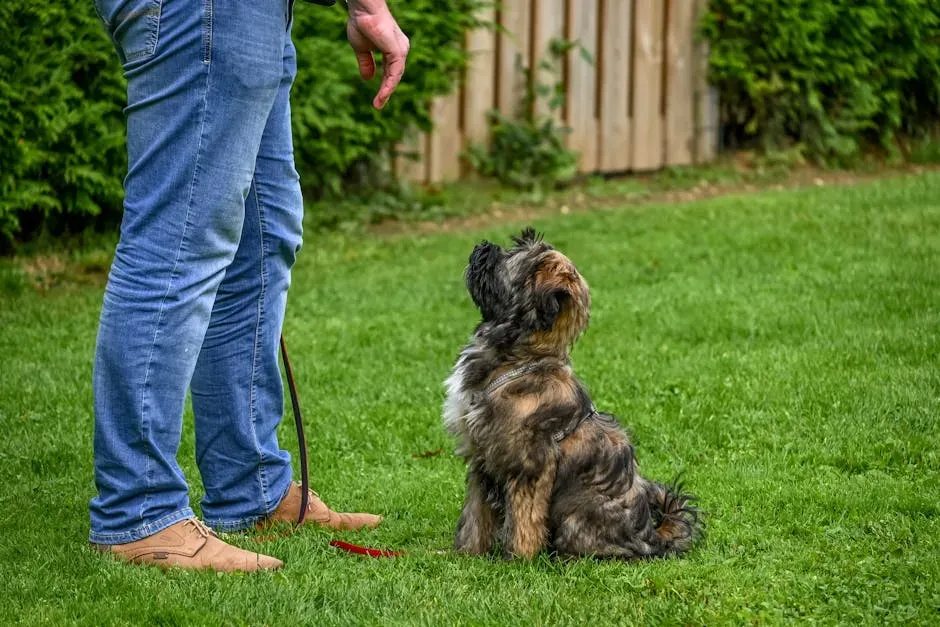
Basic cues learned in puppyhood often remain accessible even when daily practice stops. Sit, stay, and come continue to work reliably for many dogs well into old age, sometimes after months or years without reinforcement.
The consistency comes from repeated association rather than rote repetition alone. Hand signals and tone of voice become part of the dog’s mental map, ready to surface when needed.
The Sound of a Loved One’s Voice

Human voices carry emotional weight that dogs store carefully. A familiar laugh or the particular way someone says their name can stop a dog mid-stride, even across a crowded room or through a phone speaker.
Recordings and live calls both trigger these responses, showing that the memory is tied to pitch and rhythm rather than physical presence alone. Owners separated by distance often use this connection to keep bonds strong until they can meet again.
Dogs carry these quiet archives with them through every stage of life, turning ordinary days into layered experiences. The result is a steadier kind of loyalty that rewards patience and presence more than perfect recall on our part. In the end, what they remember most is simply that we mattered.


