
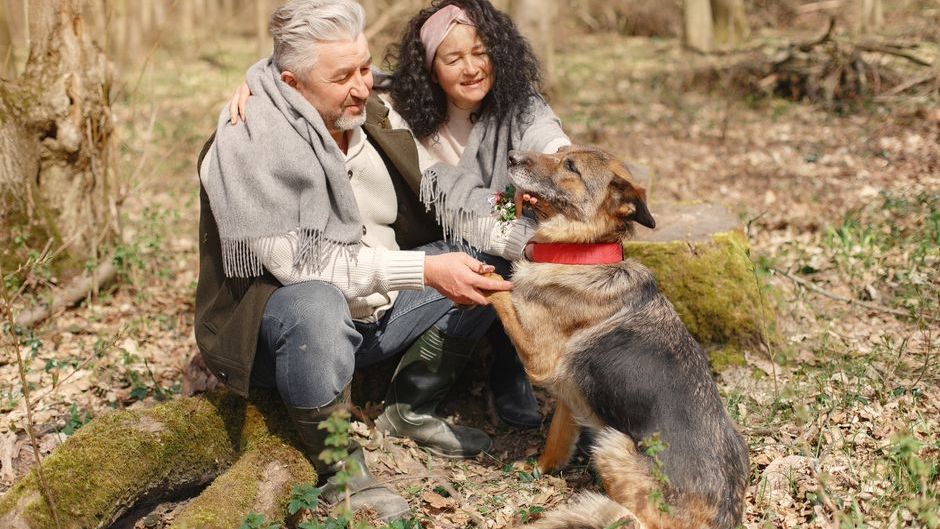
Choosing a dog later in life often comes down to finding a calm companion who fits a slower pace. Yet some breeds bring demands that can quickly overwhelm even the most devoted owner.
The right match makes daily life easier and more joyful. The wrong one can lead to frustration or extra help from others.
Border Collie
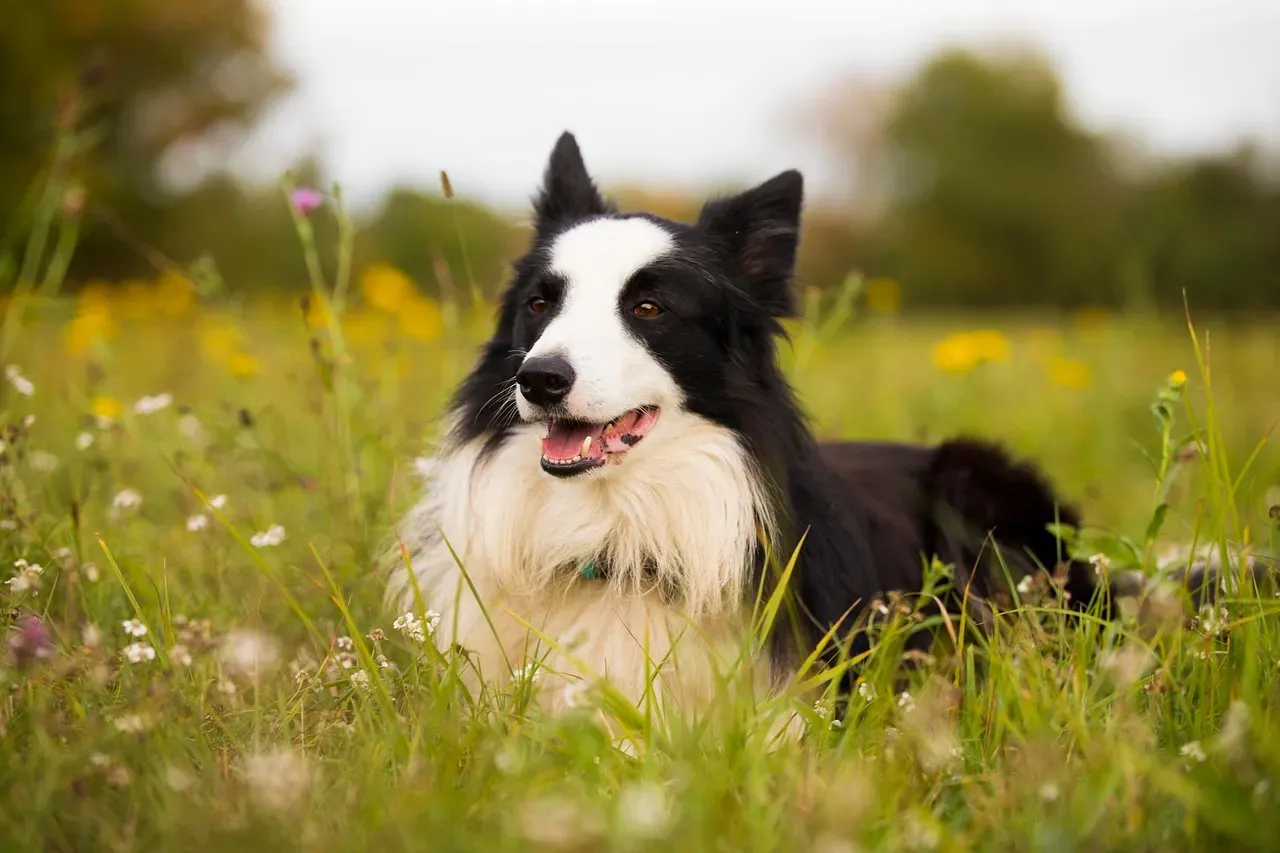
Border Collies rank among the most intelligent dogs around. Their herding instincts drive them to stay active for hours each day. often find the constant need for mental stimulation and physical exercise hard to meet. Without enough outlets these dogs can develop destructive habits around the house.
Training sessions that work for younger owners may feel exhausting over time. Many families discover too late that this breed thrives on jobs rather than quiet companionship. A senior looking for gentle walks might end up managing a dog that pulls or circles endlessly instead.
Siberian Husky
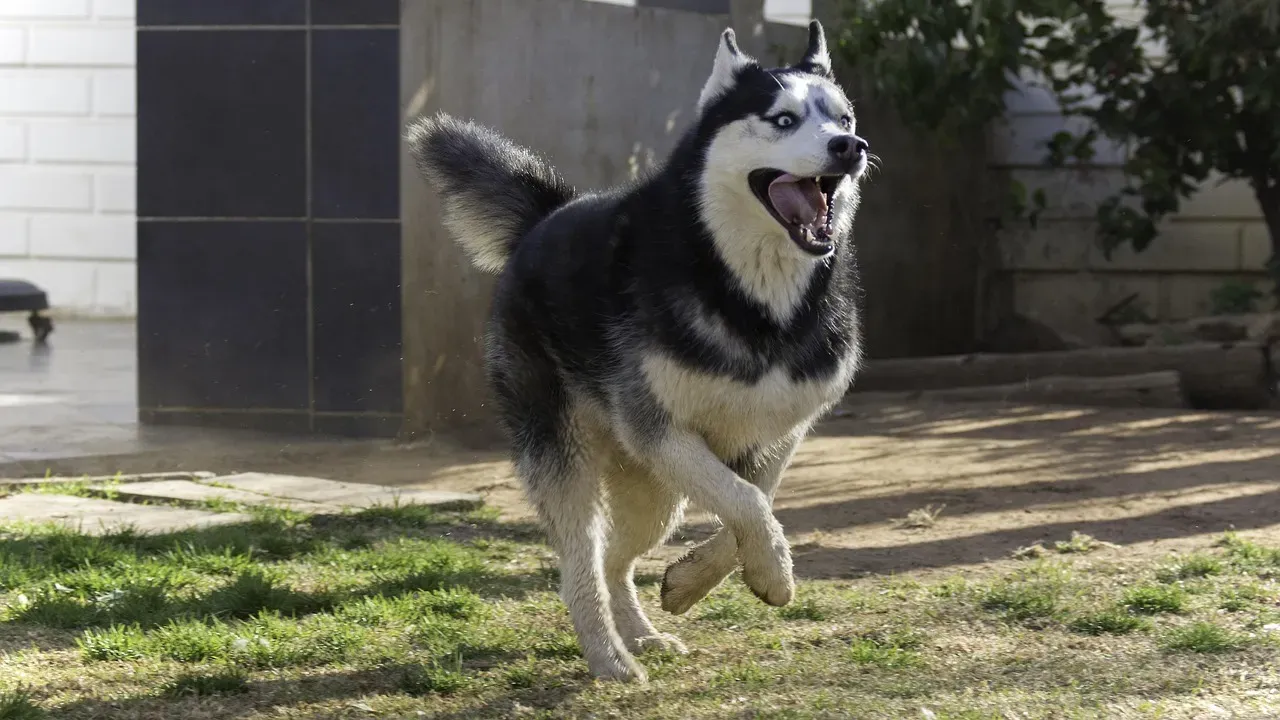
Siberian Huskies carry thick coats that require regular brushing and shed heavily twice a year. Their high energy levels come from a history of pulling sleds across long distances. frequently report that these dogs need more running room than a typical backyard provides. Escape attempts become common when boredom sets in.
The breed also tends to be independent which makes consistent training a challenge. Health concerns like eye issues can add unexpected vet visits. What starts as an appealing wolf like appearance often turns into daily management that feels heavier than expected.
Jack Russell Terrier
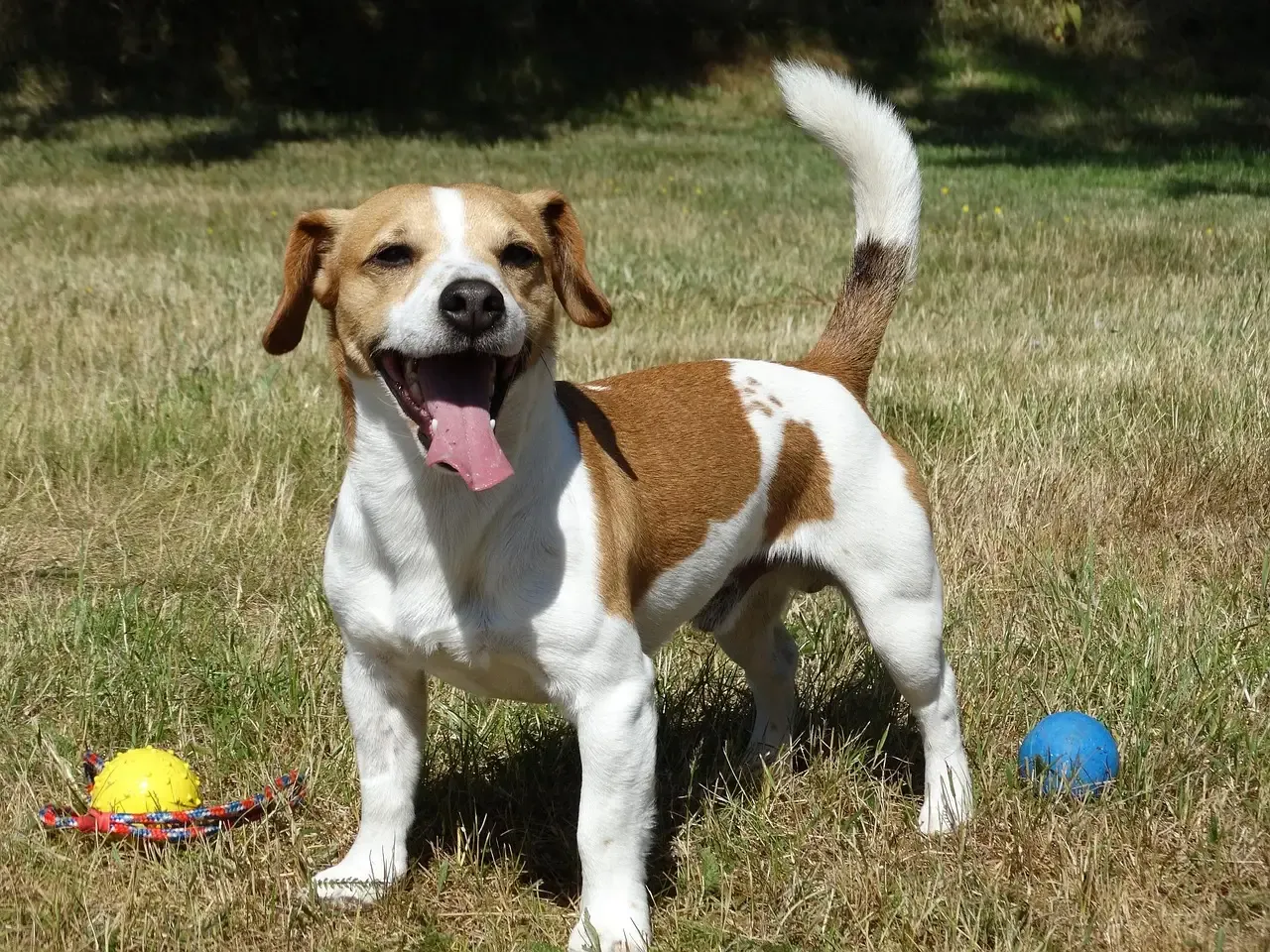
Jack Russell Terriers pack surprising energy into a small frame. Their hunting background leaves them alert and quick to chase anything that moves. sometimes struggle with the breed persistent barking and digging tendencies. Short legs do not mean low exercise needs.
These dogs demand firm boundaries from the start. Without daily games or puzzle toys they can turn furniture into chew toys. Many owners note that the terrier spark stays bright well into old age for the dog itself.
Australian Shepherd
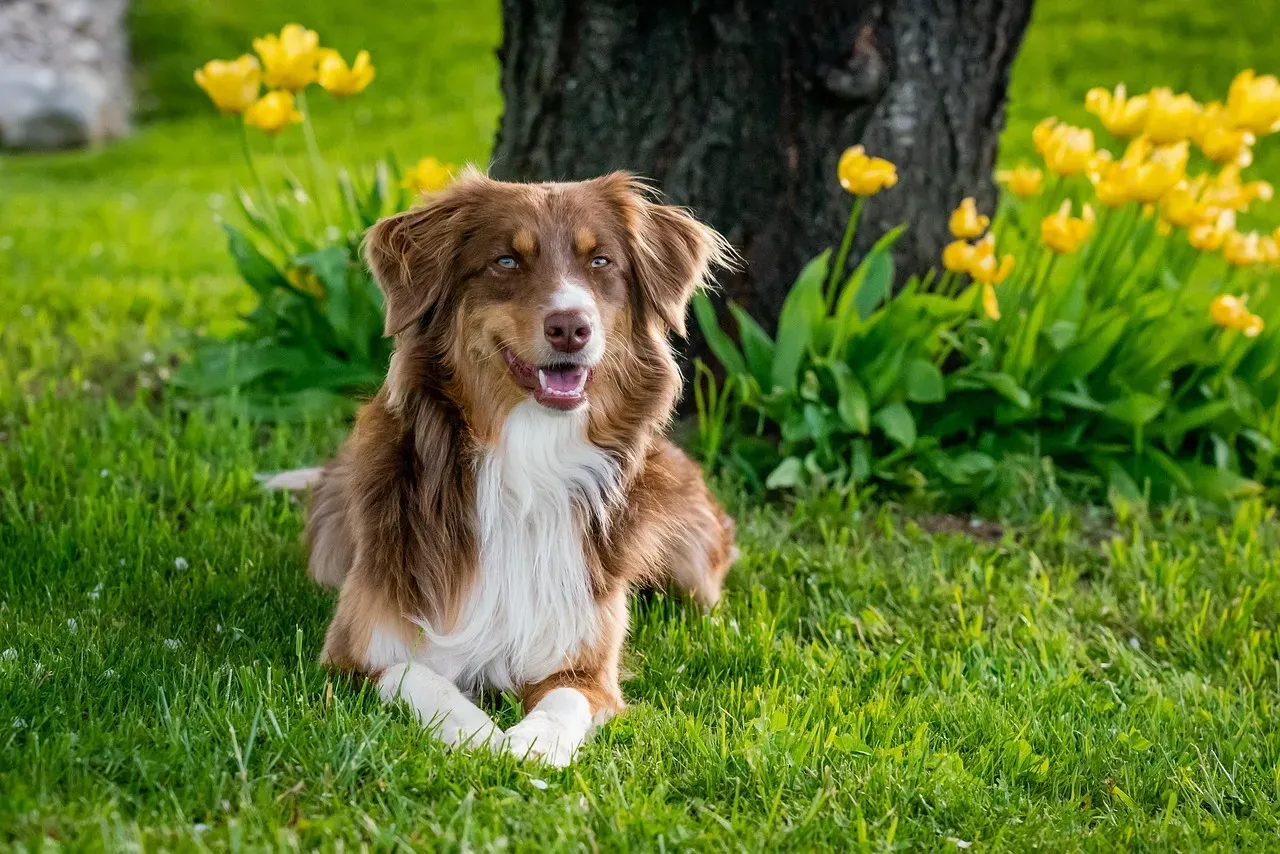
Australian Shepherds form strong bonds with their people yet require steady activity to stay balanced. Their herding drive shows up in nipping at heels during walks. often find the breed loyalty wonderful until the need for structured play becomes clear. Coat care adds another layer of upkeep throughout the seasons.
Without outlets these dogs may herd children or other pets in the home. Intelligence helps with learning tricks but also means they notice every change in routine. A quiet retirement can feel at odds with what this breed naturally seeks.
Weimaraner
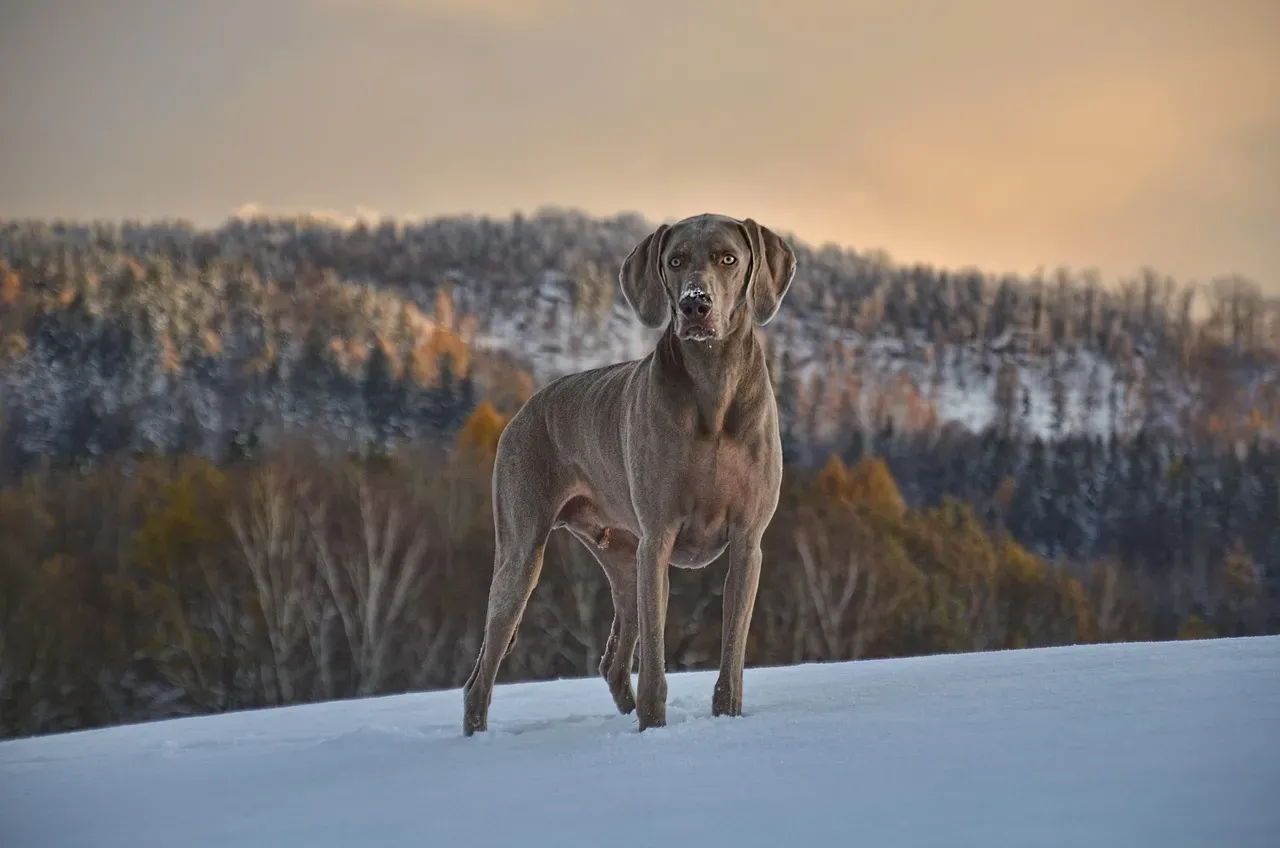
Weimaraners grow into large athletic adults that need plenty of space to stretch. Their sleek build hides a strong prey drive that surfaces on every outing. report that leash walks turn into workouts when the dog spots a squirrel. The breed also tends to stay velcro close which can feel overwhelming indoors.
Early training helps yet the energy level rarely fades with age. Health screenings for hips and eyes become routine considerations. What looks like an elegant companion often reveals itself as a dog built for active days.
Dalmatian
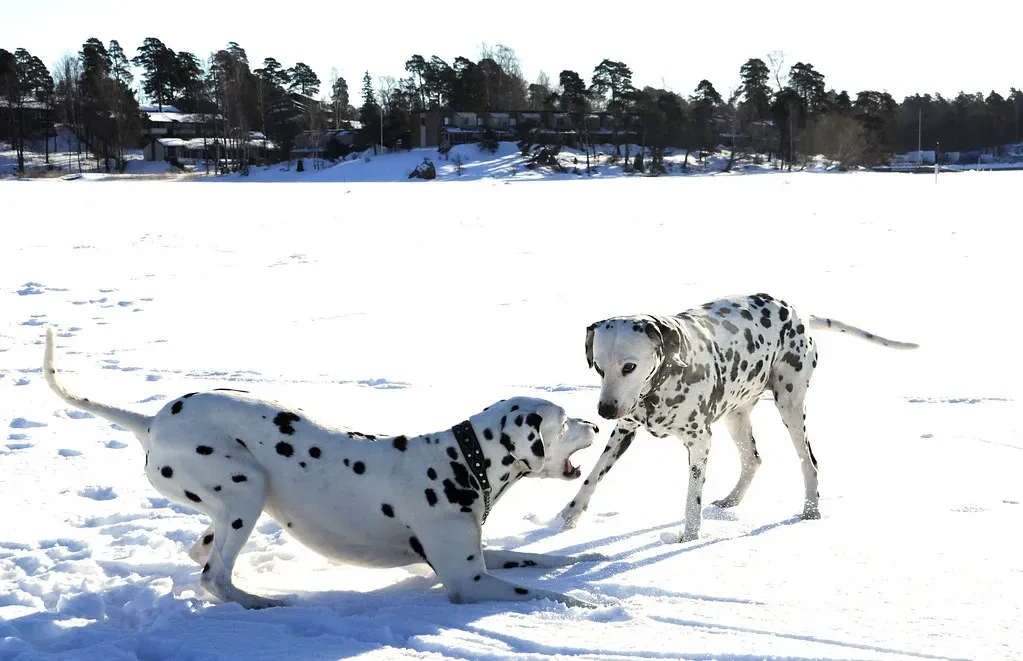
Dalmatians carry a reputation for spots and stamina from their carriage dog past. They need consistent exercise to avoid restlessness that leads to mischief. sometimes discover the breed sensitivity to loud noises and tendency toward deafness in one or both ears. Daily brushing keeps the short coat in check but does not reduce the activity requirement.
These dogs form attachments yet can become protective without proper socialization. Long periods alone do not suit them well. Many households find the combination of energy and care needs more than anticipated for later years.
German Shepherd
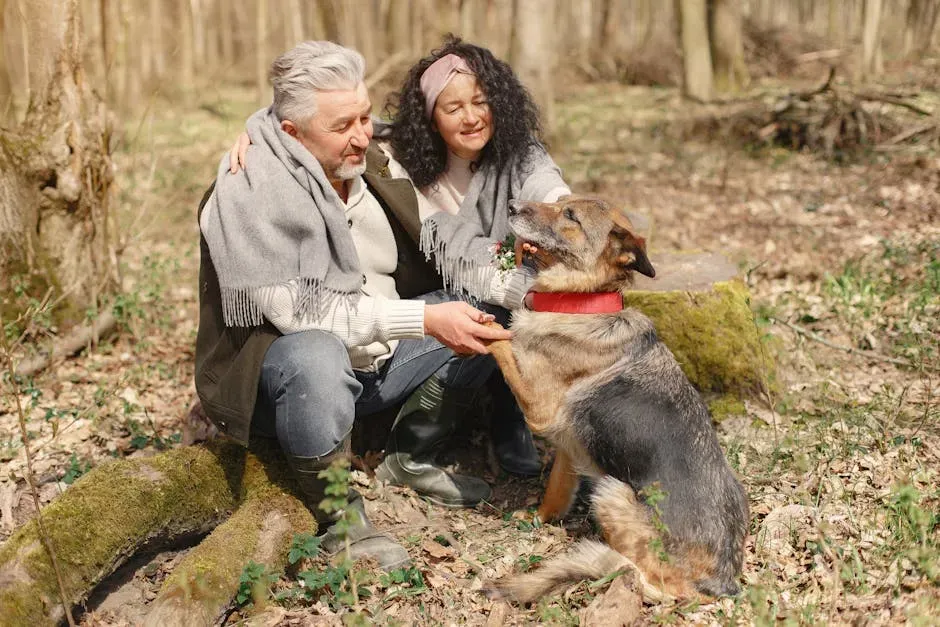
German Shepherds bring loyalty and intelligence that many admire. Their size and strength however can make handling difficult for someone with reduced mobility. Daily exercise and mental work keep them content yet the commitment lasts well beyond puppyhood. Hip and elbow concerns often appear as the dog matures.
Protective instincts require careful management around visitors. Grooming the double coat adds regular sessions throughout the year. What begins as a majestic presence can shift into a dog that needs more support than a senior lifestyle easily provides.
Rottweiler
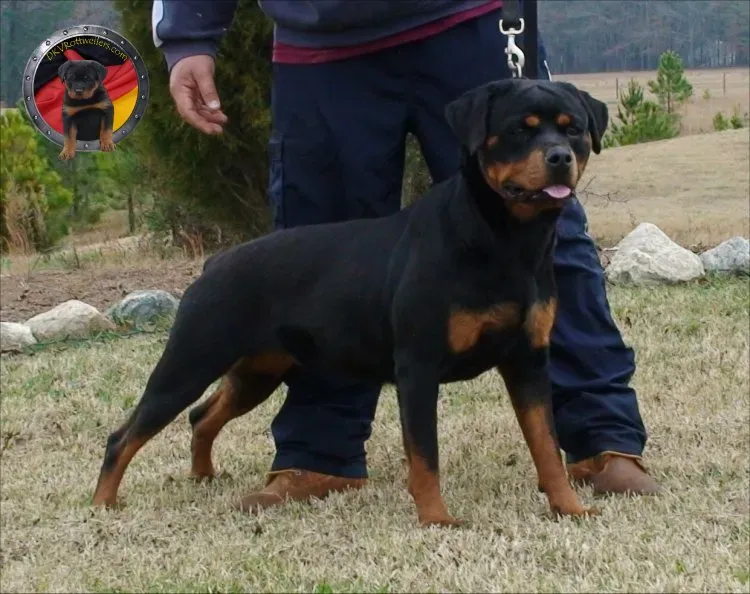
Rottweilers develop into powerful adults that benefit from experienced handling. Their calm demeanor at rest contrasts with the need for structured activity to prevent boredom. often note that early socialization makes a big difference yet the physical presence remains. Joint health becomes a focus as the years pass.
Feeding and weight management require attention to avoid strain on the frame. Training consistency helps channel their protective side. The breed rewards steady routines but those routines can feel demanding over time.
Great Dane
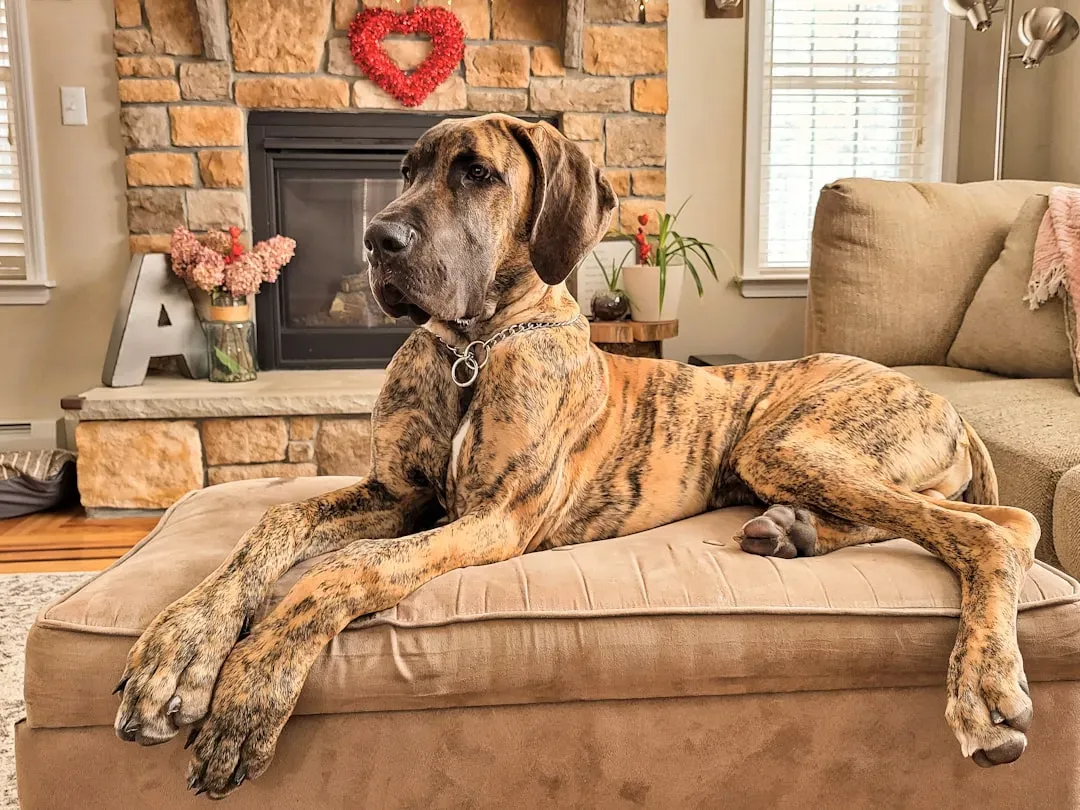
Great Danes reach impressive heights that bring their own set of practical considerations. Their gentle nature appeals yet the sheer size means even gentle bumps carry weight. frequently mention the need for larger living spaces and sturdier furniture. Short life spans compared with smaller breeds add an emotional layer.
Exercise stays moderate but daily care includes watching for bloat and joint support. Feeding large portions becomes part of the schedule. Many owners appreciate the calm presence until the logistics of size enter the picture.
English Bulldog
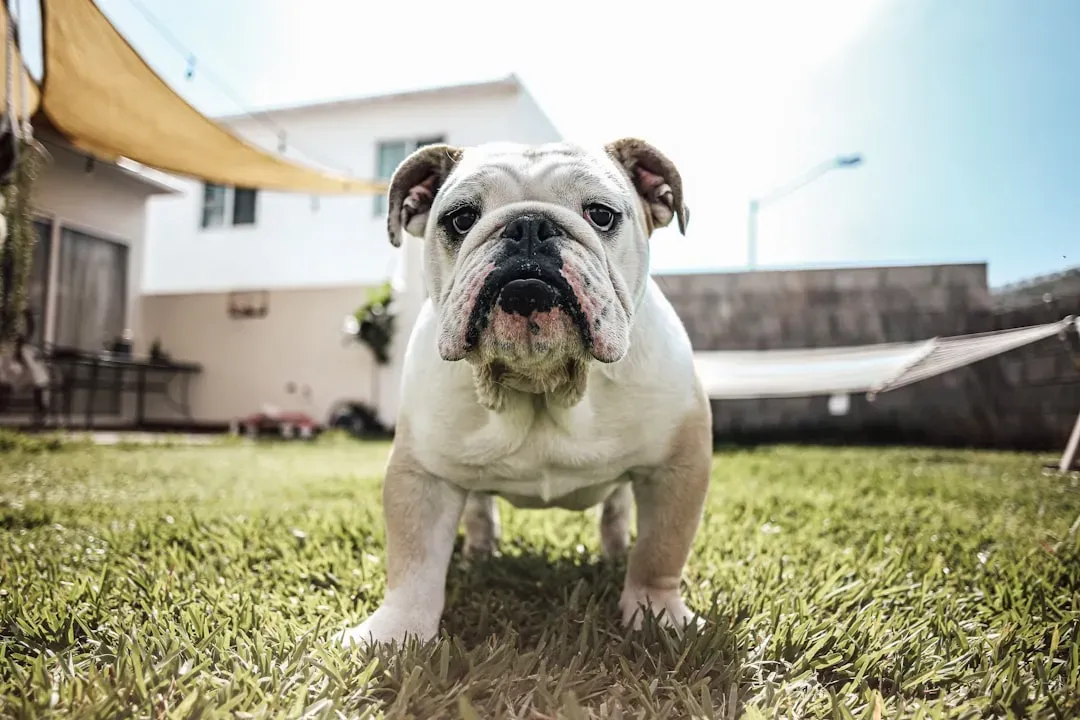
English Bulldogs carry a distinctive look paired with breathing challenges that need monitoring. Their low energy appeals at first glance yet skin folds require daily cleaning to stay healthy. sometimes find the breed prone to overheating even on mild days. Weight control plays a constant role in keeping them comfortable.
Short walks suit them better than long hikes. Veterinary attention for common issues like cherry eye adds up. The affectionate personality shines through but the health upkeep can feel heavier than expected.
Pug
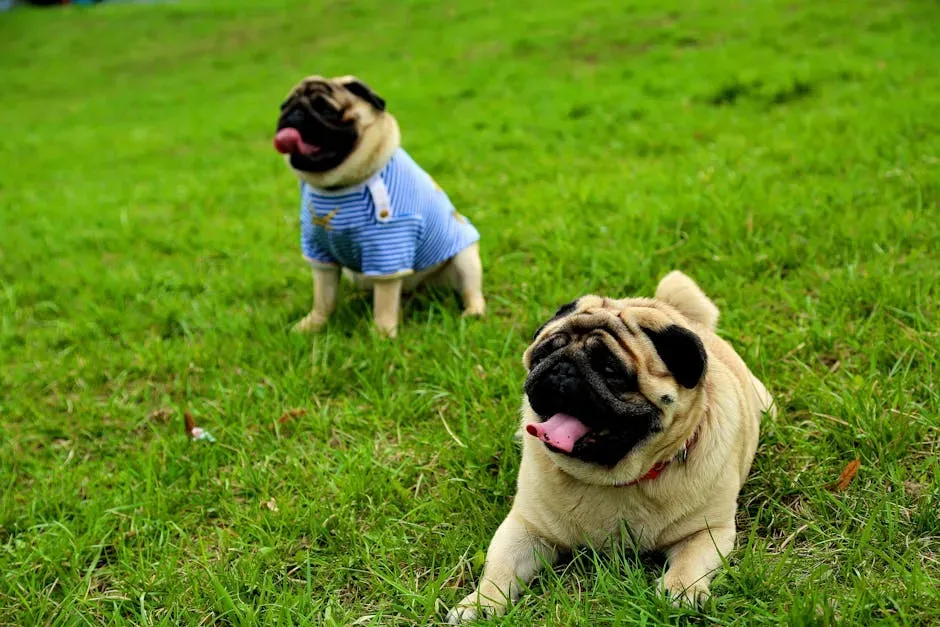
Pugs bring compact size and a friendly face that draws many people in. Their flat faces lead to breathing difficulties that worsen with heat or excitement. report that eye care and skin folds need regular attention to prevent infections. The breed tendency toward obesity requires careful portion control.
Exercise stays light yet daily walks still matter for joint health. Snoring and wheezing can disrupt quiet evenings. What seems like an easy lap dog often reveals ongoing maintenance that adds up.
Afghan Hound
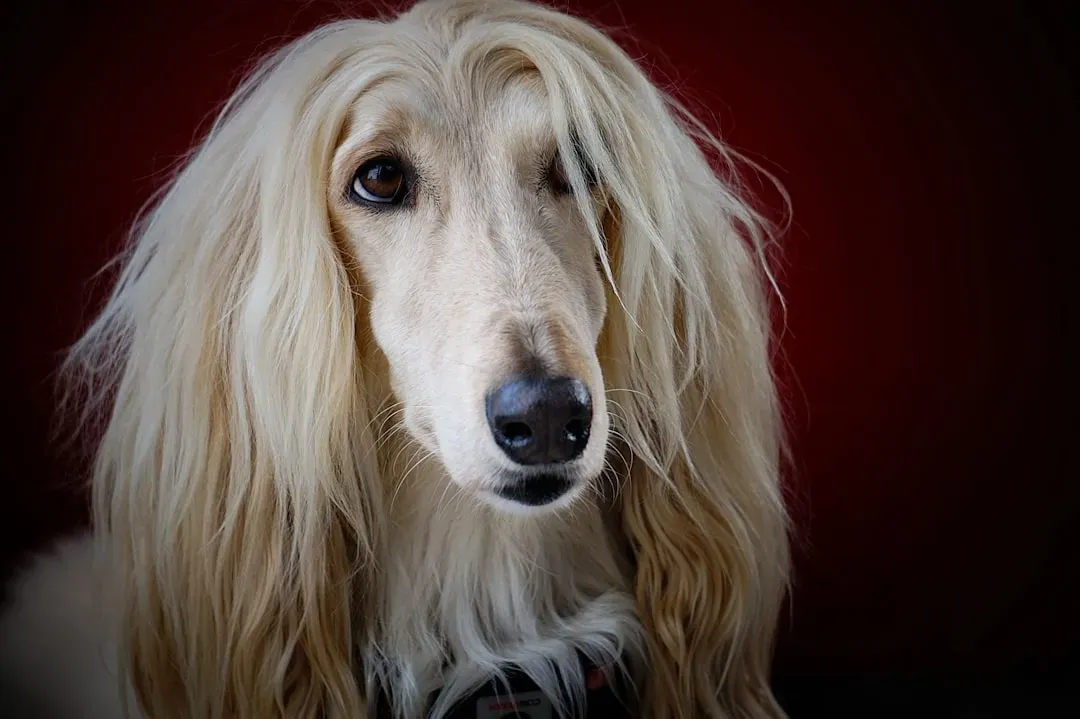
Afghan Hounds display striking coats that demand professional level grooming on a regular schedule. Their independent streak shows in training sessions that move at their own pace. often discover the breed needs space to run yet resists coming back on command. The long silky hair mats quickly without consistent brushing.
Exercise needs stay moderate but the upkeep does not. Health screenings for eyes and hips enter the picture as they age. The elegant appearance comes with a commitment that many find surprising.
Chow Chow
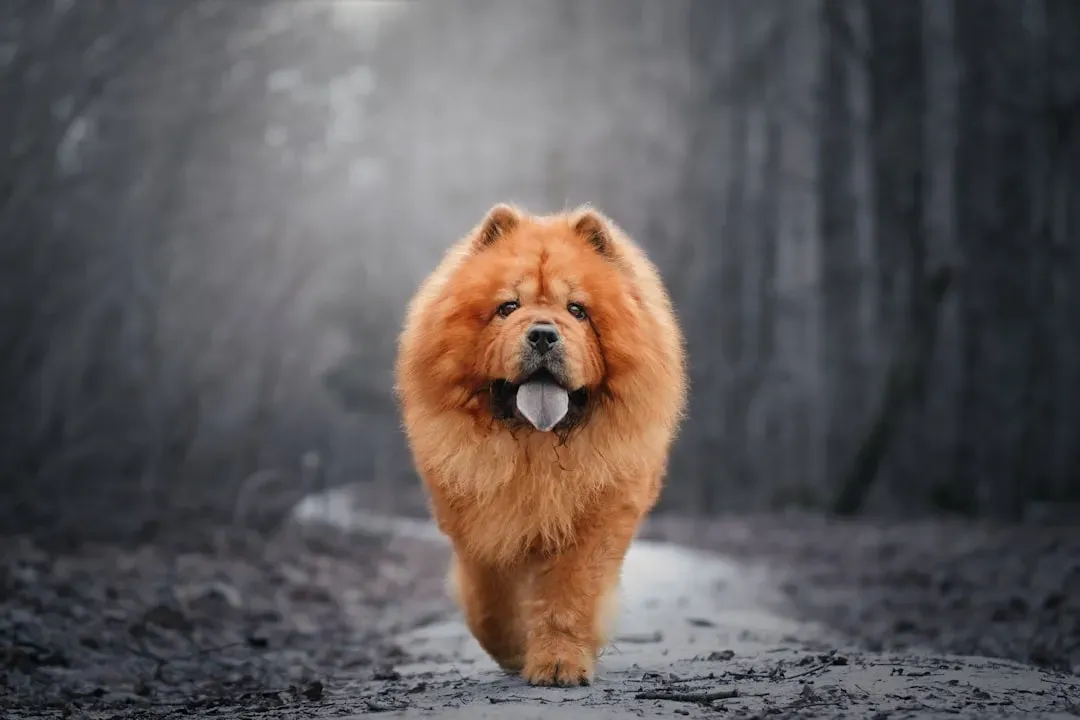
Chow Chows carry a lion like mane and a reserved temperament that sets them apart. Their thick coats shed seasonally and require thorough brushing. note that early socialization helps yet the breed can remain aloof with strangers. Joint issues appear more often in this sturdy frame.
Daily routines benefit from consistency rather than high activity. The independent nature means they do not always seek constant attention. What looks like a striking companion can turn into a dog that prefers its own space.
Akita
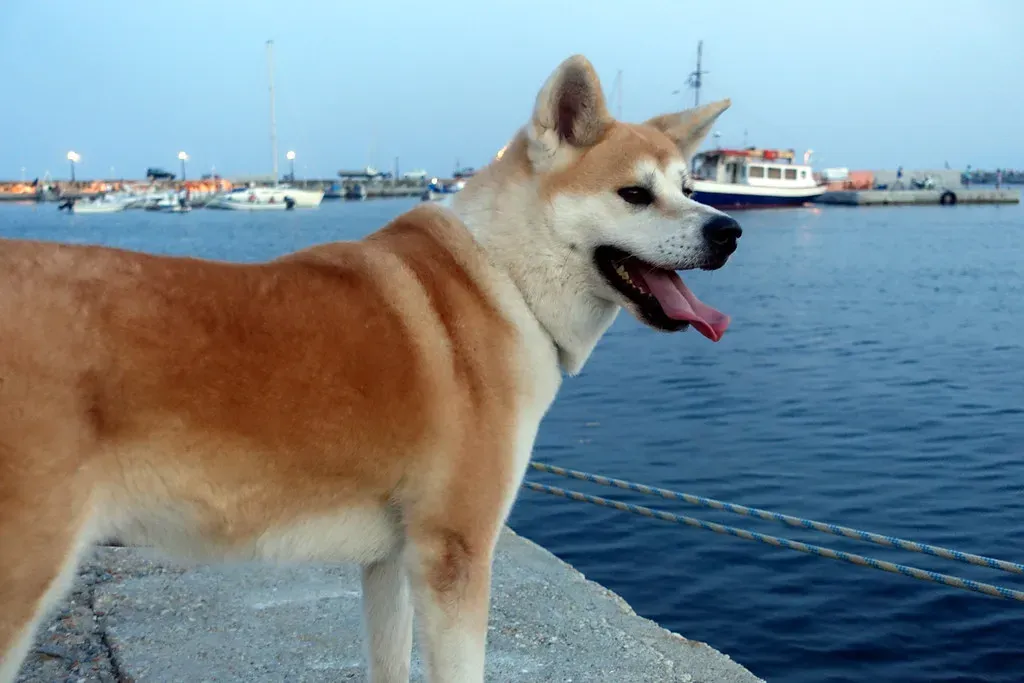
Akitas grow into large dignified adults with strong protective instincts. Their double coats need regular care especially during heavy shedding periods. frequently mention that training and socialization from puppyhood make a lasting difference. The breed loyalty runs deep yet can translate into wariness around new people.
Exercise stays moderate but mental engagement helps prevent boredom. Health considerations include hips and eyes as the years advance. The calm presence appeals until the size and temperament needs become clear.
Belgian Malinois
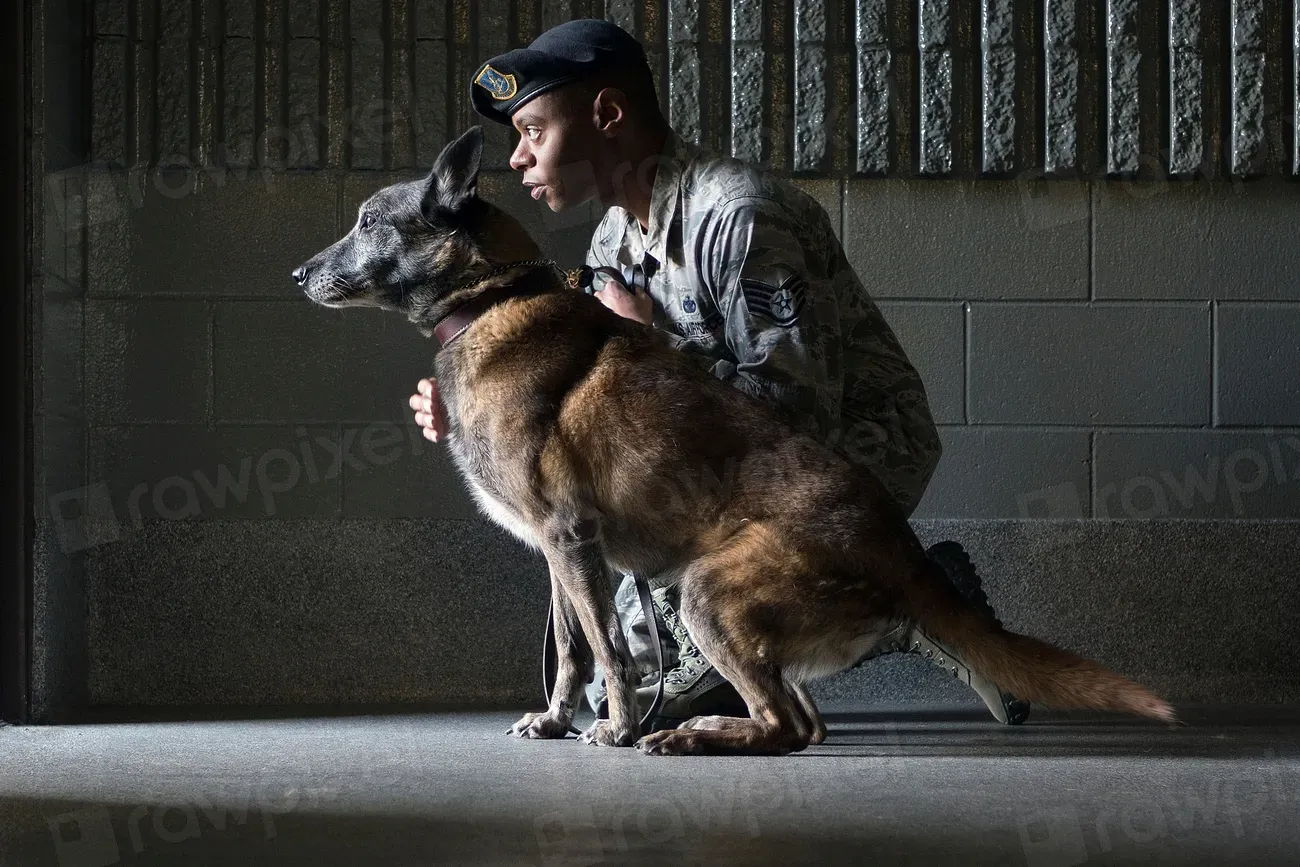
Belgian Malinois bring intense drive and intelligence that suit working roles. Their energy levels often exceed what a typical home provides. report that these dogs need structured tasks or they channel energy into unwanted behaviors. Coat care stays simple yet the activity demand does not.
Training consistency becomes essential from the start. The breed forms tight bonds yet requires an experienced hand. Many households find the combination of drive and physical presence more than a relaxed retirement easily accommodates.
Ultimately the best companion for later years matches the energy and care level a person can comfortably offer. Avoiding high demand breeds often leads to smoother days and stronger bonds. A thoughtful choice turns a pet into a steady source of quiet comfort rather than added responsibility.


