

Picture this. Your dog stares up at you with those big eyes while you finish dinner, and it feels almost impossible not to share a bite. Yet what seems like a harmless treat can turn into a trip to the vet before you know it.
Plenty of well meaning owners learn the hard way that feeding routines hide quiet risks. A few simple habits make all the difference between a healthy companion and unnecessary worry.
Never Offer Chocolate or Foods With Xylitol
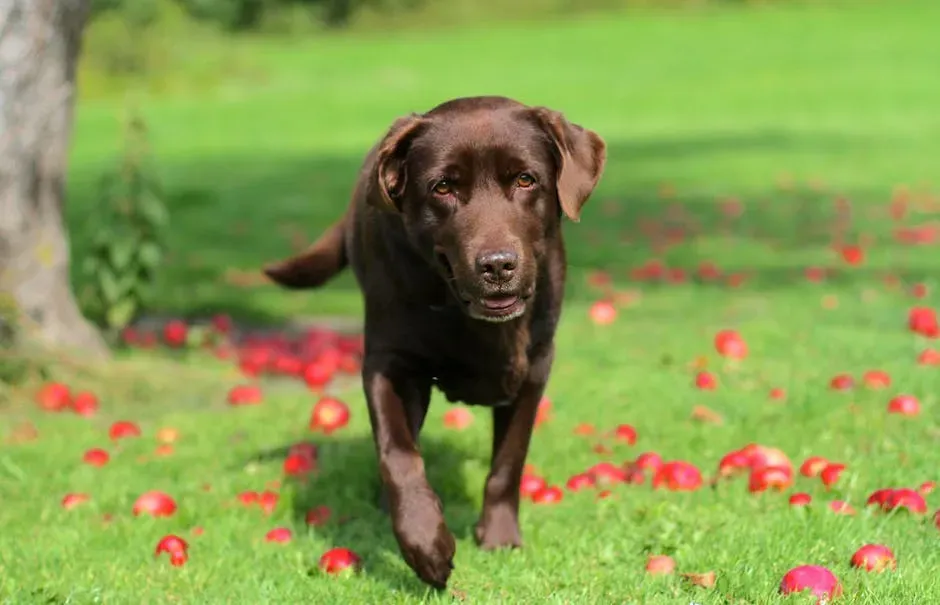
Chocolate contains theobromine, a compound dogs metabolize very slowly. Even small amounts can trigger vomiting, rapid heart rate, or seizures depending on the type and quantity involved. Dark chocolate and baking varieties carry higher concentrations that demand extra caution around the house.
Xylitol appears in sugar free gums, candies, and some peanut butters. This sweetener causes a sudden drop in blood sugar and potential liver damage in dogs. Checking labels before any shared snack prevents these hidden dangers from reaching your pet.
Skip Grapes, Raisins, and Currants Entirely
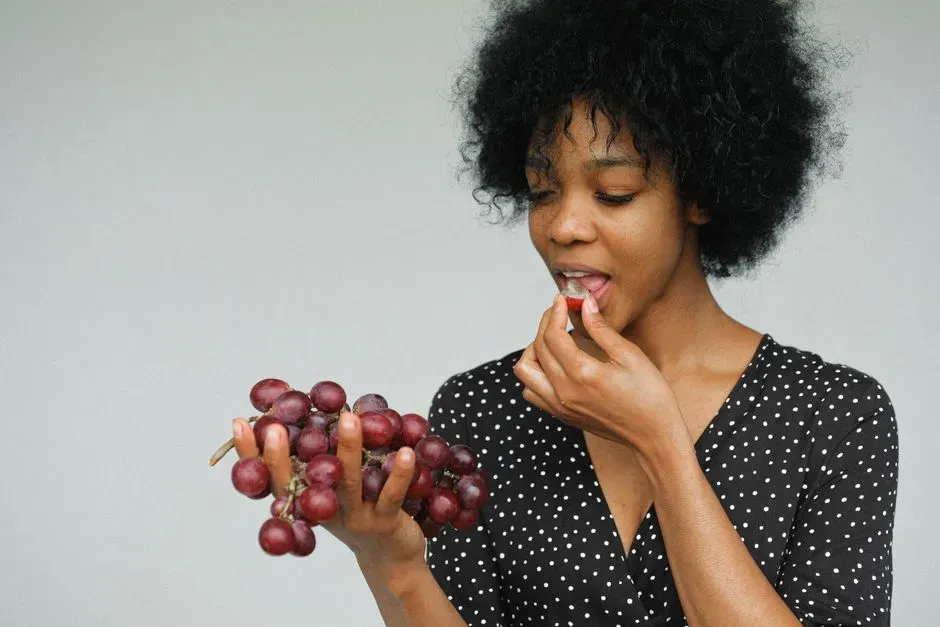
Grapes and raisins can lead to acute kidney failure in some dogs, though researchers still do not fully understand why certain animals react while others do not. The effect shows no clear link to the amount eaten, which makes any portion risky. Dried fruits hide in trail mixes, baked goods, and even some cereals.
Owners sometimes assume a single grape will not matter. Yet cases reported to veterinary poison centers show that even tiny servings have caused serious illness. Keeping these fruits out of reach protects dogs from an unpredictable threat.
Avoid Onions, Garlic, and Related Vegetables
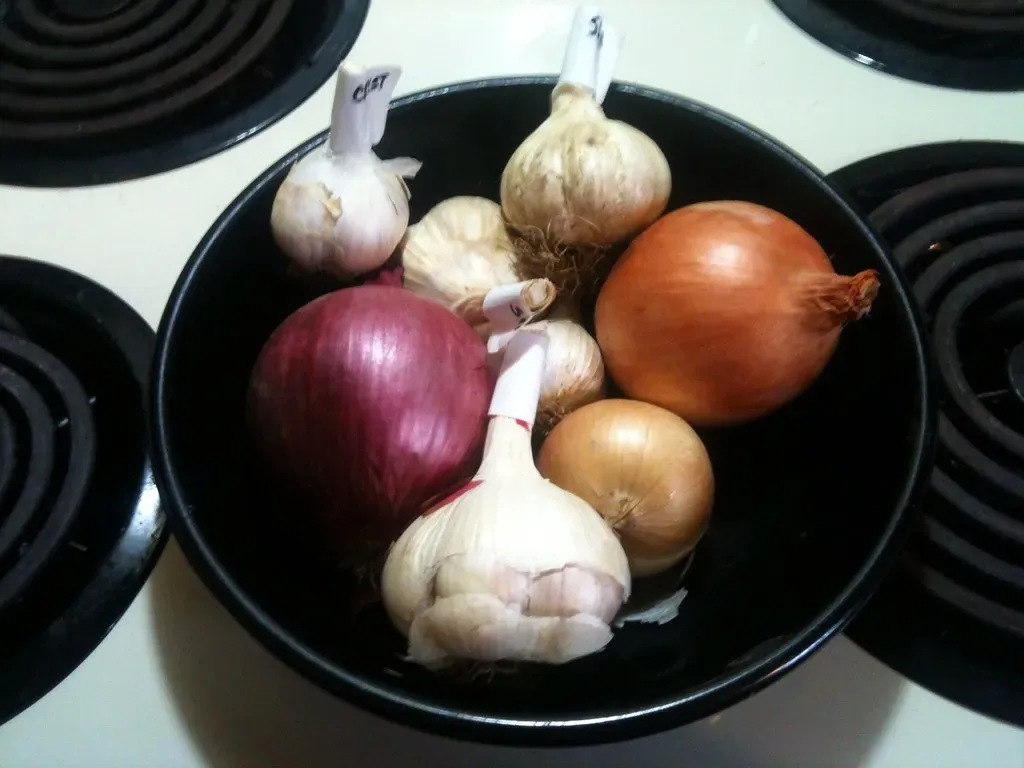
Onions and garlic damage red blood cells over time, leading to anemia that may not appear until days after ingestion. Both raw and cooked forms carry the same risk, and powdered versions concentrate the harmful compounds. Many prepared foods contain these ingredients without obvious labels.
Dogs lack the enzymes needed to break down the sulfur compounds responsible for the damage. Regular small exposures add up just as easily as one large serving. Reading ingredient lists on commercial treats and human leftovers helps avoid cumulative harm.
Do Not Give Dairy Products or Milk
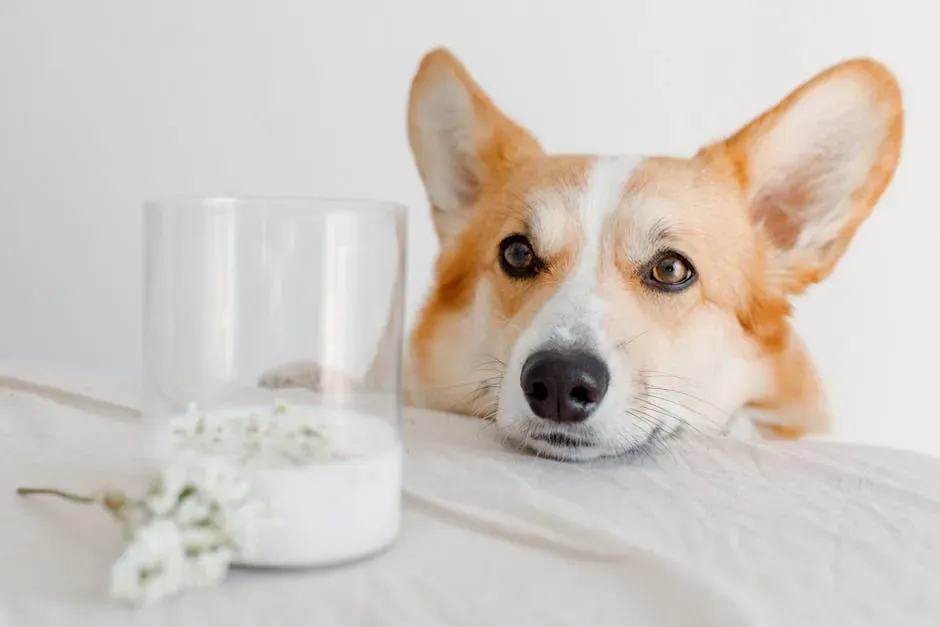
Most adult dogs lose the ability to digest lactose after puppyhood. Milk and cheese often cause digestive upset ranging from gas to diarrhea. Even small amounts can leave a dog uncomfortable for hours.
Some owners offer dairy as a calcium source or bonding treat. Yet lactose intolerance affects the majority of dogs, and symptoms can mimic other issues. Plain water or formulated dog milk alternatives serve better when extra hydration seems needed.
Refrain From Feeding Cooked Bones of Any Kind
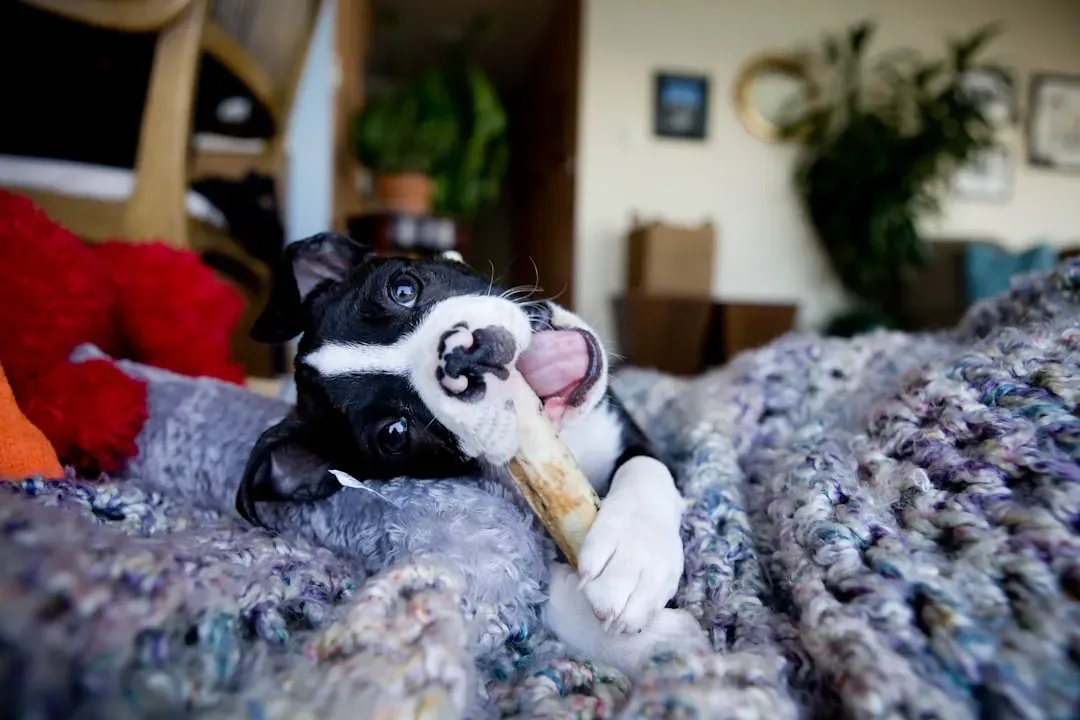
Cooked bones become brittle and splinter into sharp fragments that can lodge in the throat or puncture the digestive tract. Both poultry and beef bones pose this hazard once heated. Many dogs enjoy the chewing action, yet the risk outweighs any satisfaction.
Raw bones carry their own concerns around bacteria and dental fractures if too hard. Safer chew options include dental treats designed specifically for dogs or rubber toys that encourage gnawing without breakage. Supervision remains essential with any chew item.
Never Switch Foods Abruptly
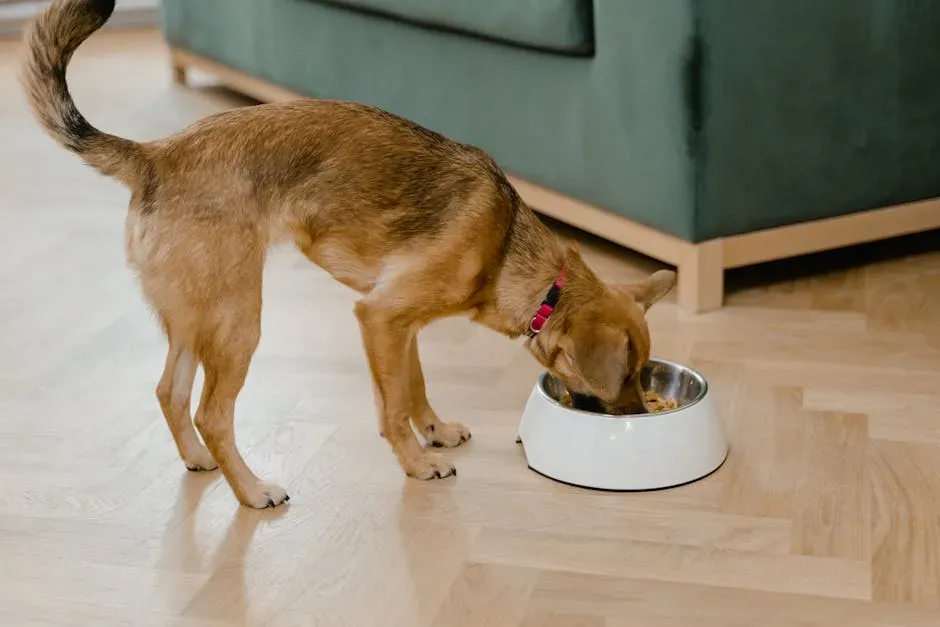
A sudden change in diet disrupts the balance of gut bacteria and often produces vomiting or loose stools. Dogs thrive on consistency, and their systems adjust gradually over several days. Mixing old and new food in increasing proportions allows smoother adaptation.
Even premium foods can cause reactions if introduced too quickly. Puppies and seniors show particular sensitivity to these shifts. Planning transitions with a veterinarian ensures the new option meets nutritional needs without temporary discomfort.
Stop Free Feeding or Leaving Food Out All Day
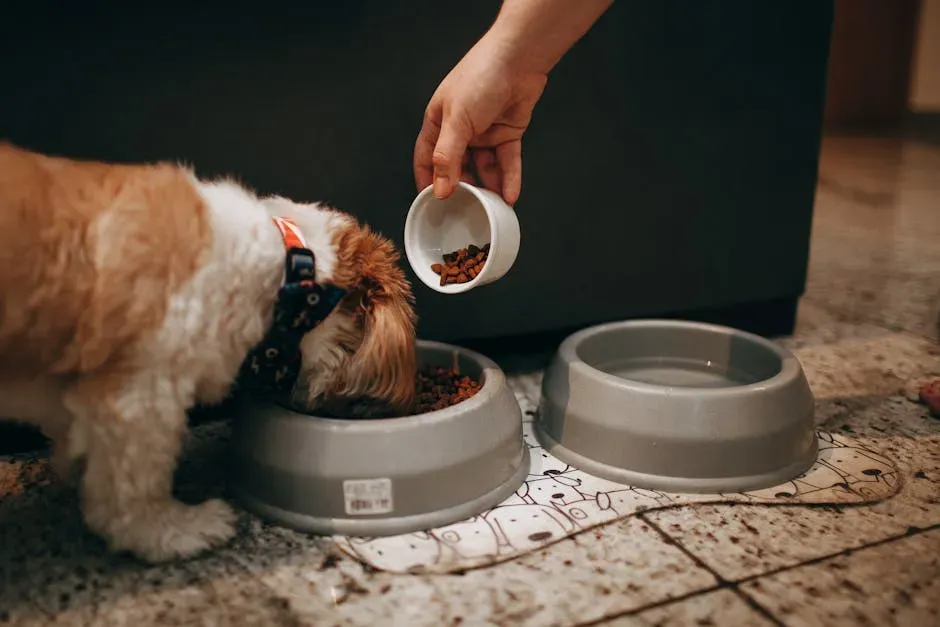
Constant access to food encourages overeating in many dogs and complicates weight management. Obesity contributes to joint strain, diabetes, and reduced lifespan. Scheduled meals help owners monitor intake and notice appetite changes that may signal health concerns.
Some dogs self regulate better than others, yet the majority benefit from portion control. Measuring food according to age, activity level, and body condition keeps weight stable. Regular weigh ins at home or during checkups catch trends early.
Small adjustments in daily routines protect dogs from avoidable problems. Paying attention to what goes into the bowl builds a longer, more comfortable life together.


