
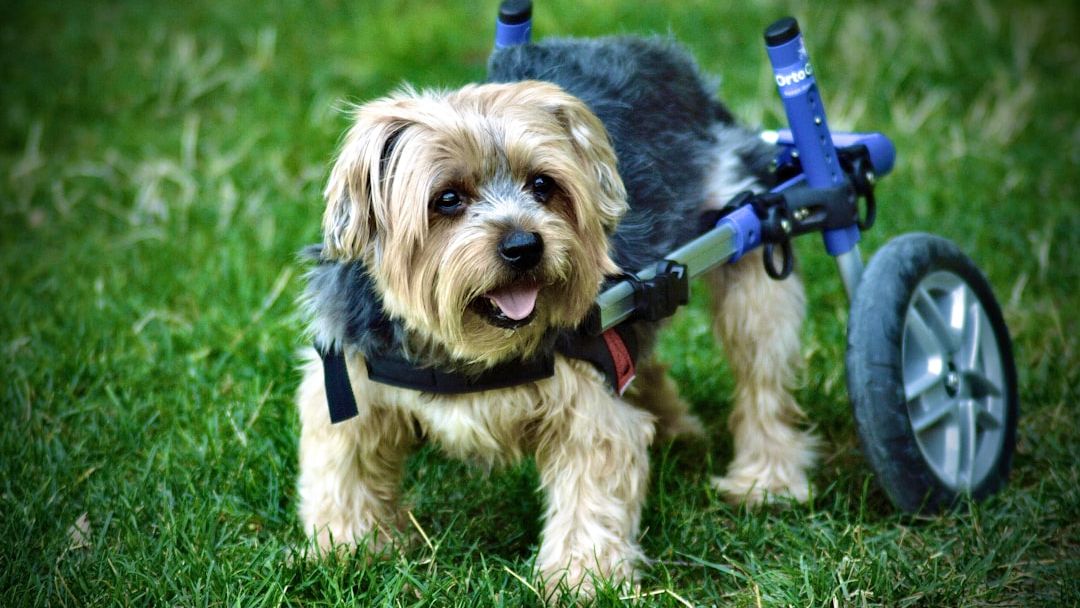
Many people assume their senior dog will simply slow down gracefully, with the same spark and ease of younger years. In reality, the later stages often bring surprises that catch owners off guard, turning routine days into something far more complicated.
These shifts rarely announce themselves clearly in advance. Instead, they unfold gradually until one morning the full weight of what has changed becomes impossible to ignore.
The Veterinary Bills Climb Steadily Without Warning

Regular checkups that once felt routine start to uncover issues requiring ongoing medication or specialist visits. What began as an occasional expense quickly turns into a monthly commitment that strains household budgets in ways few anticipate.
Owners often find themselves weighing treatment options against quality of life, a calculation that arrives later than expected. Preventive steps taken earlier could have softened the financial impact, yet the window for those choices closes quietly over time.
Mobility Issues Turn Simple Outings Into Major Efforts
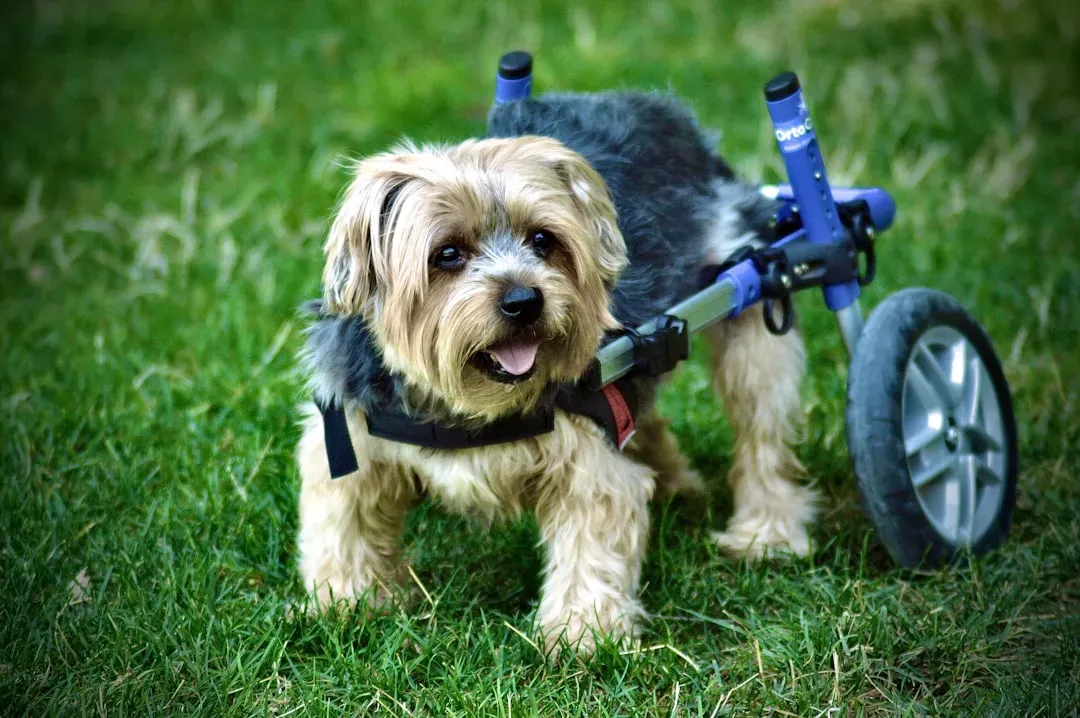
Stairs that once posed no problem now demand ramps or carrying assistance, and short walks stretch into careful negotiations around stiffness and balance. What used to be a quick trip around the block becomes a planned activity with rests and support gear.
Many households discover that their living space needs adjustments only after a fall or hesitation appears. The physical demands on caregivers increase steadily, reshaping daily schedules around the dog’s new limitations rather than the other way around.
Cognitive Decline Changes Familiar Behaviors in Quiet Ways
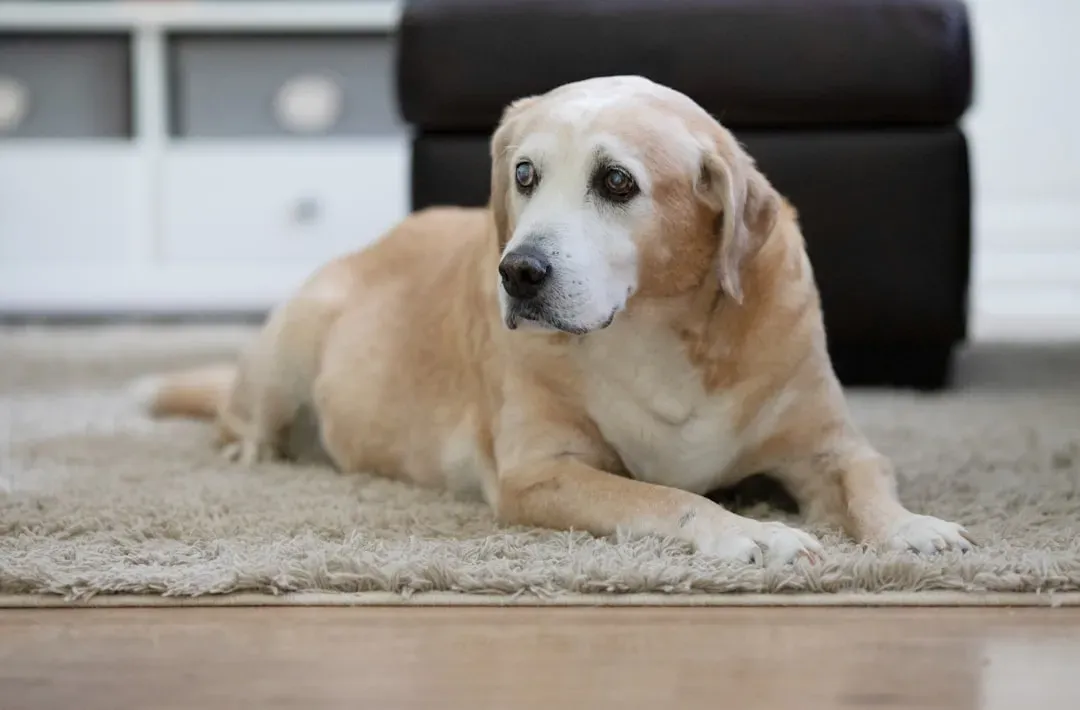
Dogs that once greeted family members with enthusiasm may wander rooms aimlessly or forget established routines like meal times. These shifts often start small enough to dismiss as normal aging before they compound into noticeable confusion.
Owners frequently report disrupted sleep patterns when nighttime pacing begins, adding fatigue to an already emotional situation. Early recognition of these patterns allows for environmental tweaks that ease the transition, though the signs can be easy to overlook until they dominate the household rhythm.
End of Life Conversations Arrive Sooner Than Anyone Plans
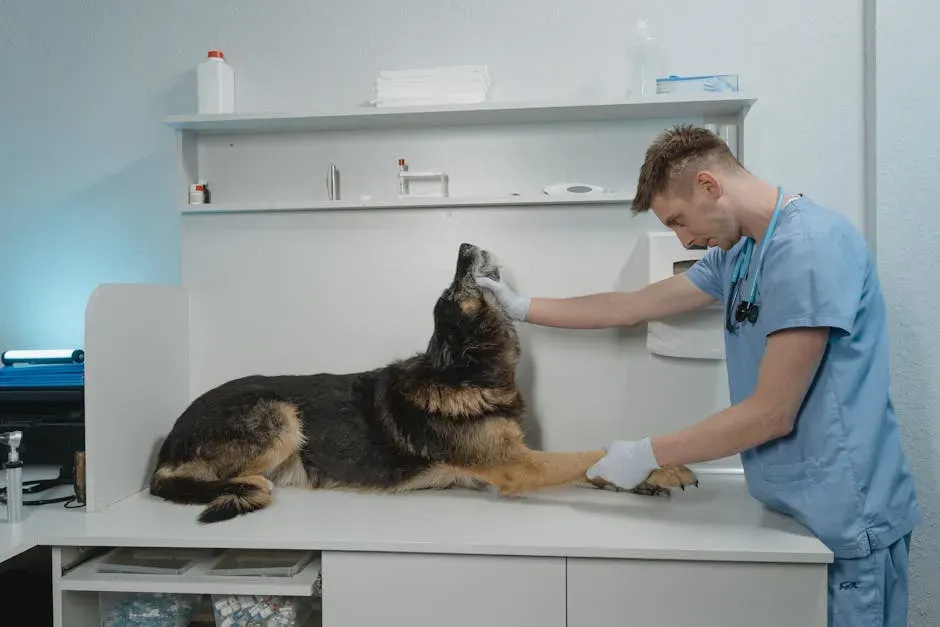
Discussions about comfort care and final decisions surface during what feels like an ordinary vet appointment rather than a prepared moment. The emotional weight lands heavily because most people picture these talks happening much further down the road.
Waiting too long to consider options can limit choices, leaving families to make calls under pressure. Preparing mentally in advance, even when the dog still seems stable, helps preserve clarity when the time comes.
Daily Care Requirements Grow More Physically Taxing

Lifting a larger senior dog for grooming or assistance becomes a strain that younger owners once handled without thought. Joint support for the human side of the equation often gets neglected until back discomfort appears.
Simple tasks like nail trimming or ear cleaning turn into multi person efforts or professional services. The cumulative effect on caregiver energy levels surprises many who assumed the later years would involve less hands on work rather than more.
Regret Over Missed Experiences Surfaces Unexpectedly
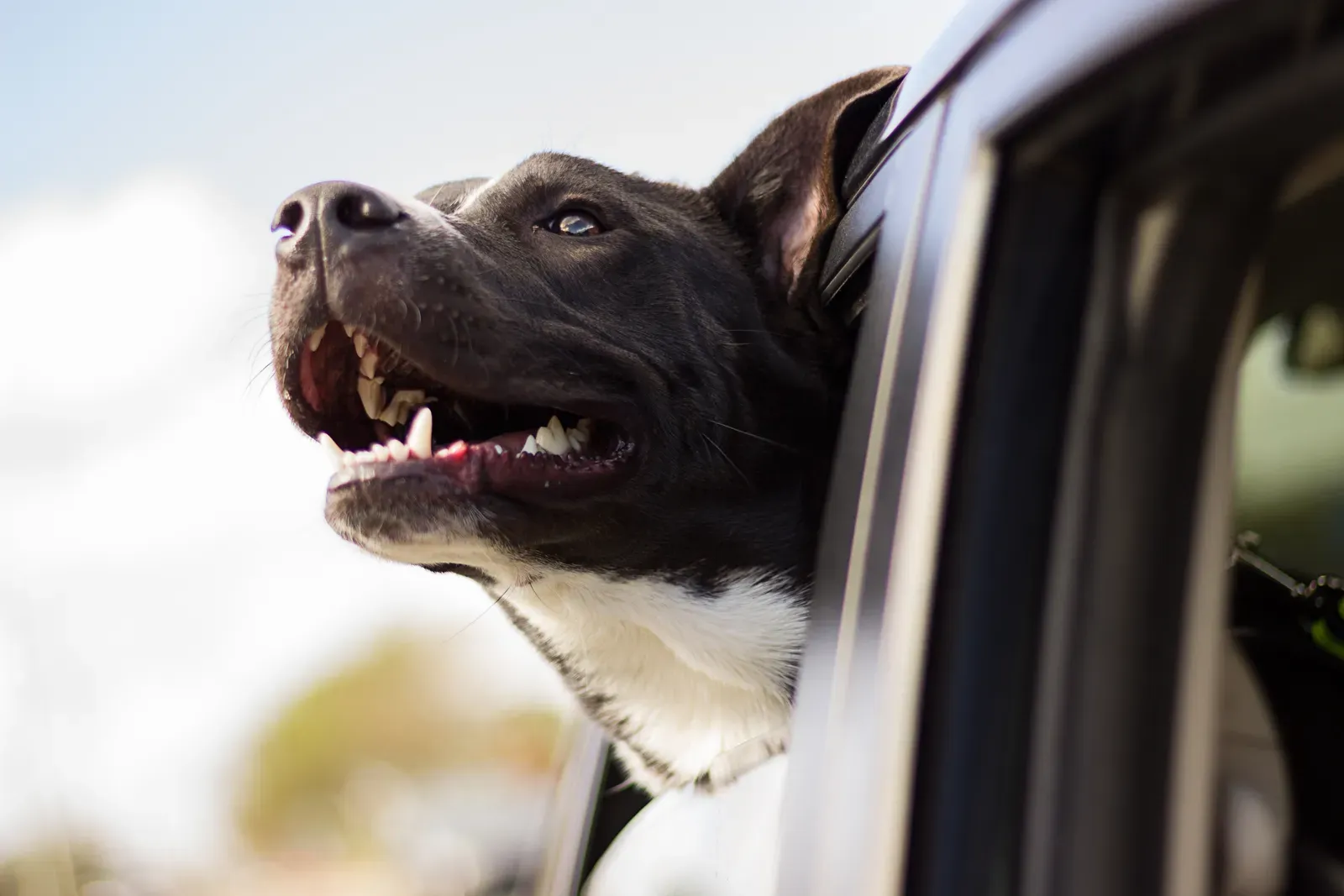
Photos from earlier years highlight adventures that could have continued with minor modifications, yet the chance has passed. Owners often wish they had scheduled one more trip or introduced a new toy while mobility allowed it.
Small gestures like extra cuddles or favorite treats gain importance only in hindsight. The realization that certain windows close permanently arrives after the fact, coloring memories with a sense of what might have been.
Support Networks Prove Essential But Hard to Locate Quickly
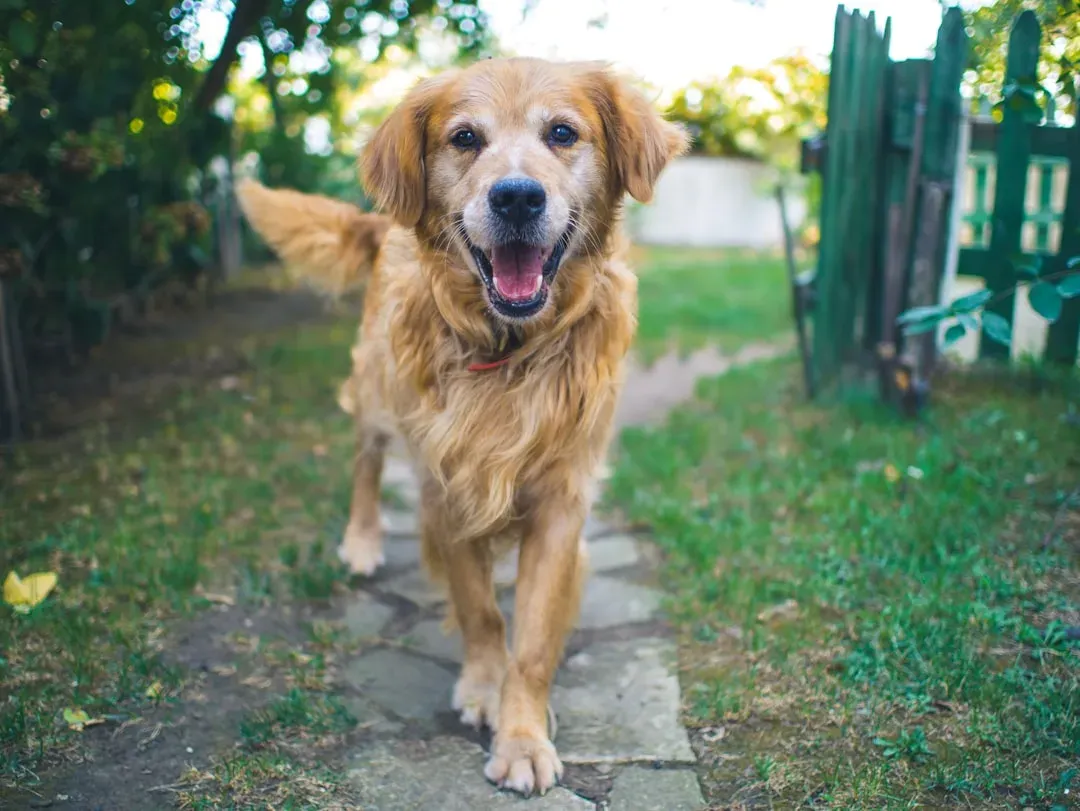
Local resources for senior pet care, from physical therapy to hospice style support, exist in many areas yet remain unknown until a crisis forces the search. Building connections with knowledgeable veterinarians or online communities earlier eases the process considerably.
Friends and family may offer sympathy but lack practical experience with aging dogs, leaving primary caregivers to navigate alone at first. Reaching out proactively creates a buffer that reduces isolation when challenges intensify.
These truths do not diminish the joy of sharing life with an older dog. They simply underscore the value of paying closer attention while time remains, turning potential regrets into moments of presence instead.


