
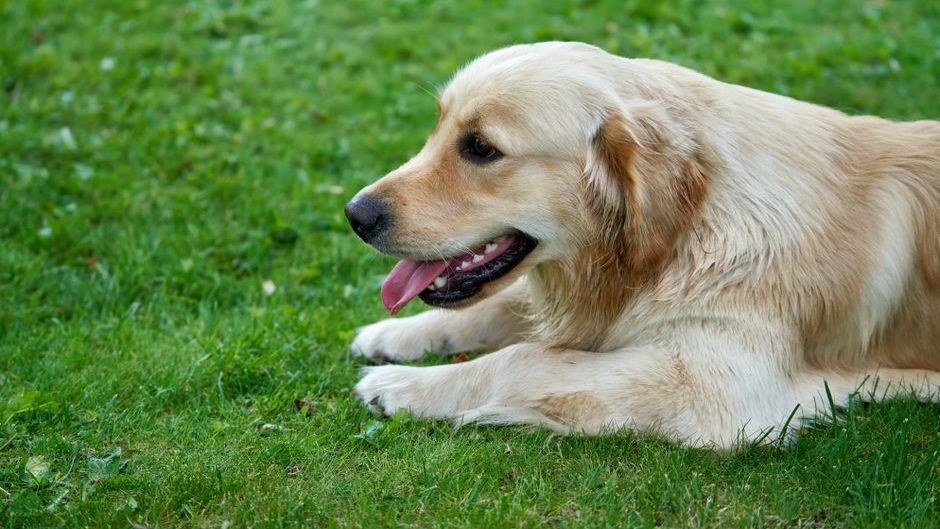
Dogs have an extraordinary sense of smell that far surpasses our own, and over centuries of selective breeding certain breeds developed noses tuned to pick up the faintest traces in the world around them. Today that same talent lets some of them alert people to the earliest signs of illness, from cancer to low blood sugar. The connection feels almost magical until you trace it back to the practical jobs these dogs were created to perform.
Labrador Retriever
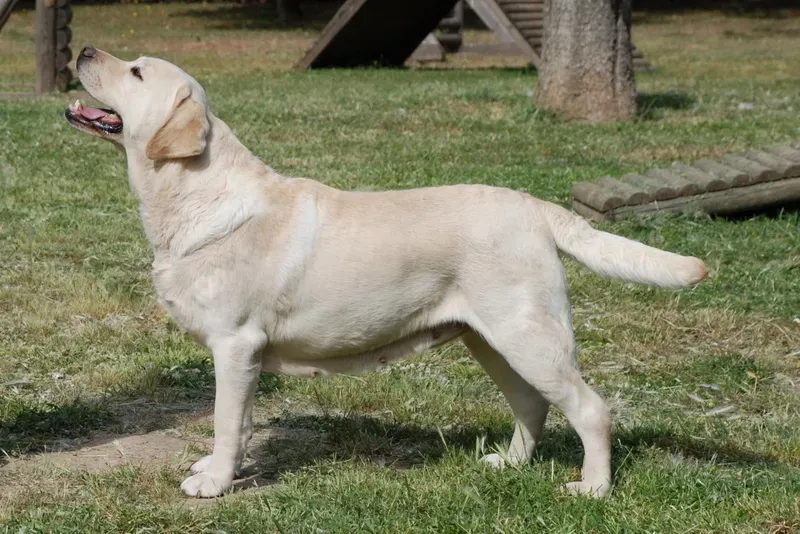
Labrador Retrievers trace their roots to fishing communities in Newfoundland where they retrieved nets and fish from icy waters. Their powerful noses and steady focus made them ideal for scent work long before anyone thought of medical applications. Those same traits now help them identify subtle changes in human scent that signal disease.
Trainers value their eagerness to please and calm temperament during long detection sessions. Labs remain one of the most common breeds in medical detection programs because their original retrieving drive translates directly into sustained concentration on odor samples. Their friendly nature also makes them easy partners for people who need daily alerts.
Golden Retriever
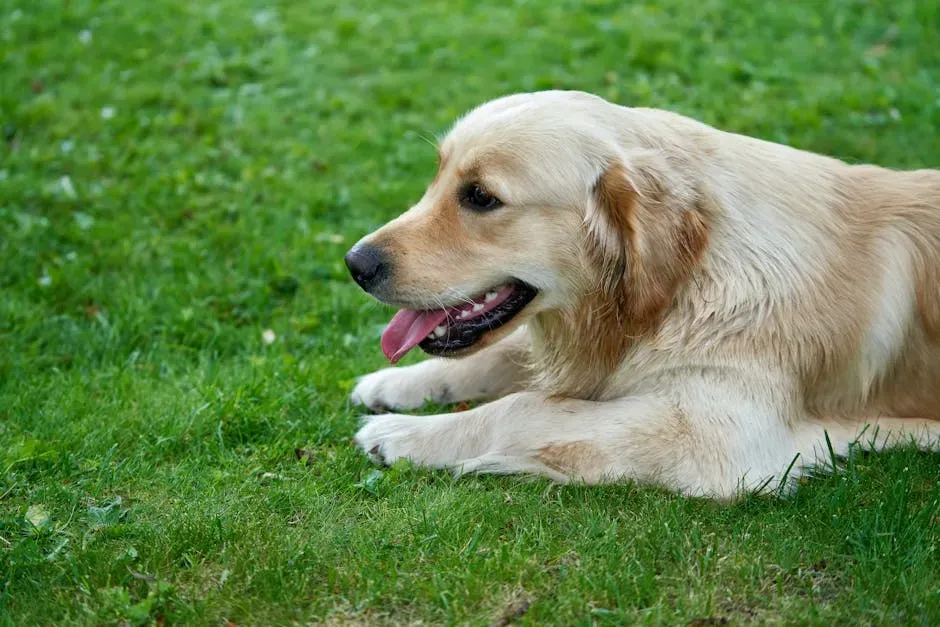
Golden Retrievers were developed in Scotland as hunting companions skilled at finding and gently carrying game. Their soft mouths and reliable scent tracking came from careful breeding for field work. That heritage gives them an edge when learning to recognize the volatile compounds associated with certain illnesses.
Goldens bring patience and a gentle disposition to detection tasks that can last hours. Their original role required working closely with handlers in varied terrain, a skill that carries over to clinical or home settings. Many programs choose them for their balance of drive and sociability.
German Shepherd
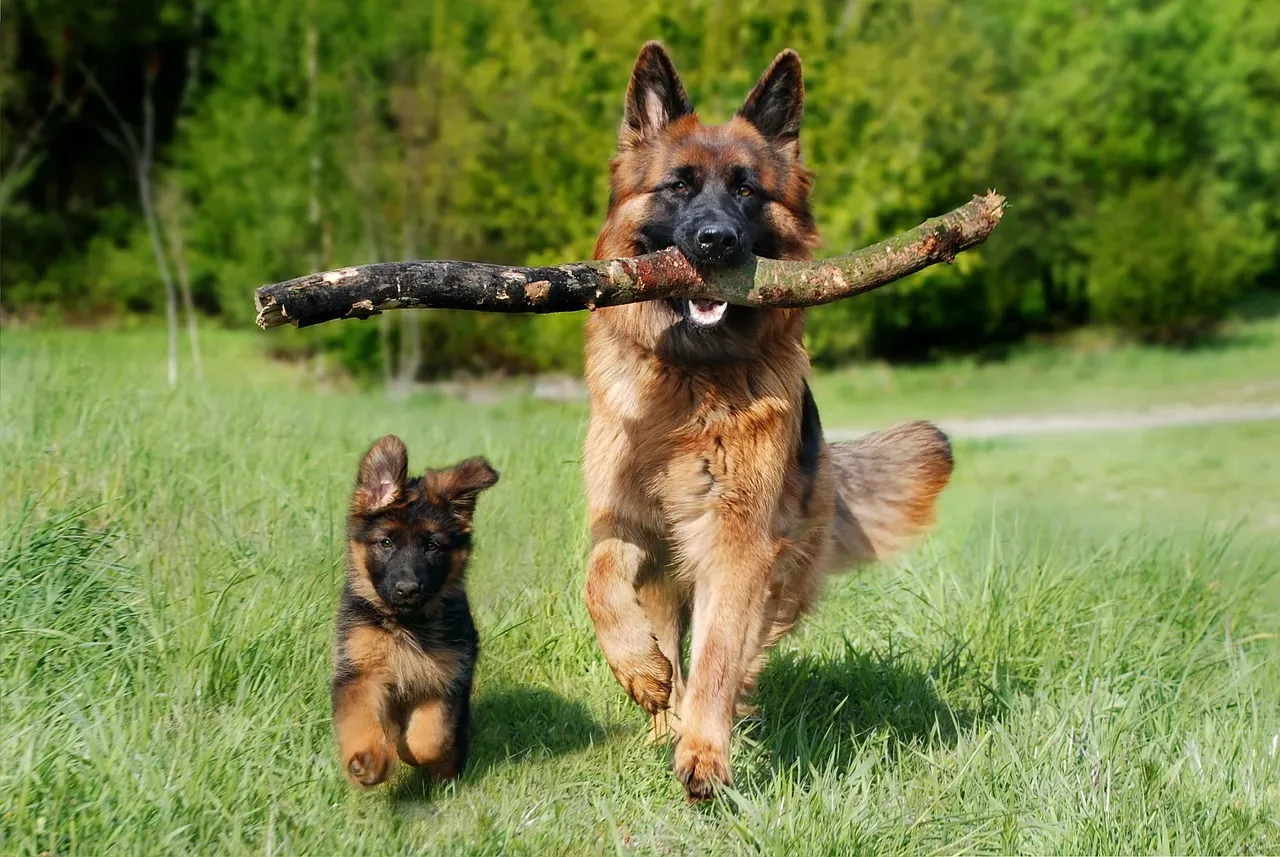
German Shepherds emerged in Germany as herding and guarding dogs with sharp senses and high intelligence. Their breeding emphasized endurance and the ability to follow faint trails across open land. Those qualities make them natural candidates for modern scent detection roles.
Shepherds excel when tasks demand both precision and physical stamina. Their original protective instincts pair well with focused odor work once proper training channels their energy. Handlers often note how quickly they adapt to new scent profiles linked to health conditions.
Belgian Malinois
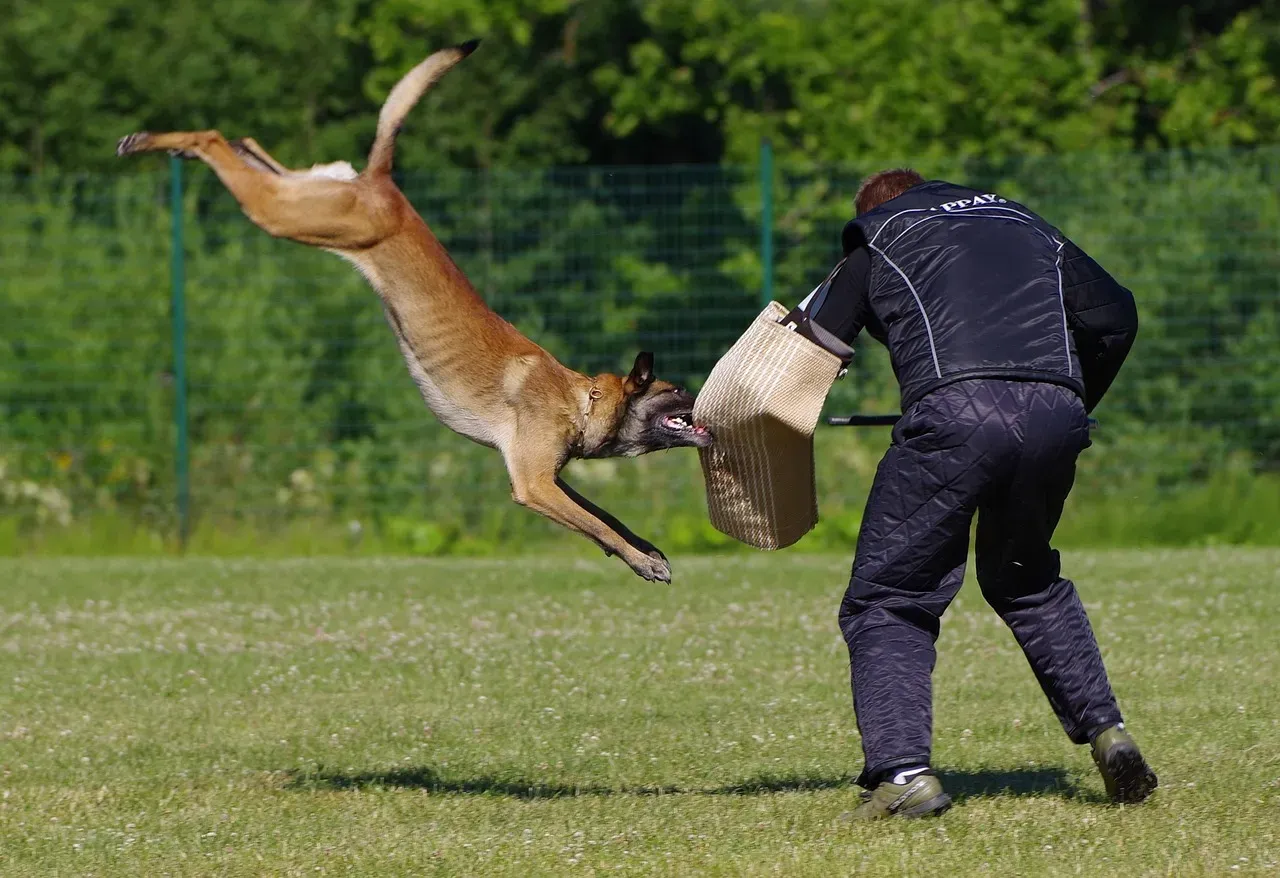
Belgian Malinois were bred in Belgium for herding livestock and later excelled in police and military work. Their intense drive and exceptional olfactory ability stem from generations of demanding physical and mental tasks. This background equips them well for pinpointing disease-related odors.
Malinois thrive on complex challenges that keep their minds engaged during detection training. Their original herding work required reading subtle environmental cues, a talent that supports accurate medical alerts. Programs appreciate their speed and focus when screening multiple samples.
Beagle
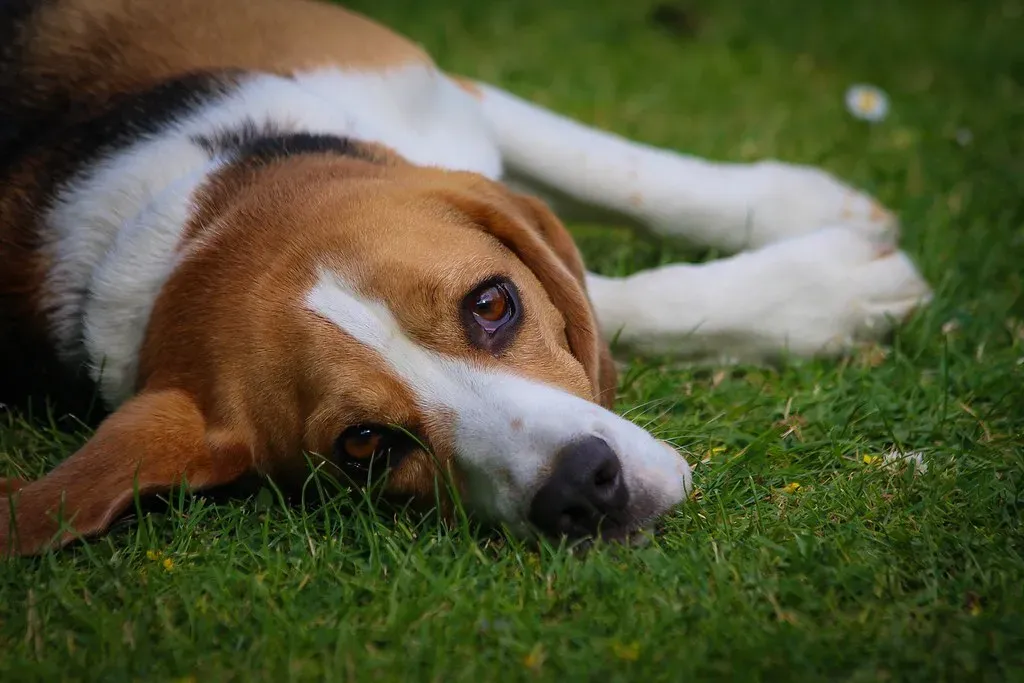
Beagles originated in England as pack hunters tracking small game by scent alone. Their compact size and tireless noses resulted from selective breeding for long hunts over varied ground. That single-minded scent pursuit now serves them in medical detection settings.
Beagles bring persistence and a cheerful attitude to repetitive odor tasks. Their original role demanded working independently yet within a group, skills that help during both solo and team detection exercises. Their smaller stature makes them practical for indoor or travel use.
Bloodhound
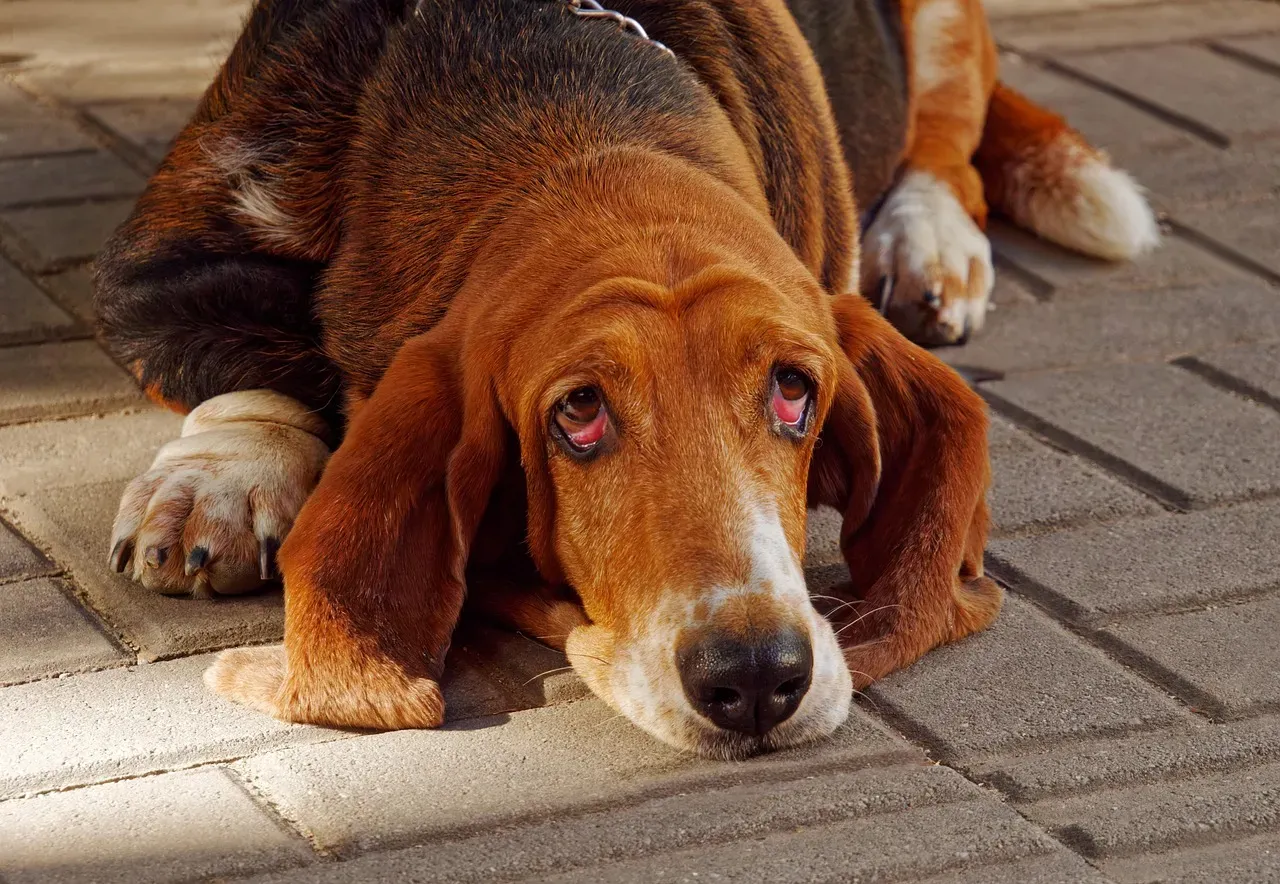
Bloodhounds developed in Europe as tracking dogs capable of following a scent trail for miles. Monks and hunters prized their unmatched ability to distinguish one individual scent from another. This legendary nose remains their defining trait centuries later.
Bloodhounds approach detection work with calm determination rooted in their tracking heritage. Their original purpose required ignoring distractions while staying locked on a target odor, exactly the focus needed for illness identification. Their droopy features and gentle demeanor belie a serious working ability.
Springer Spaniel
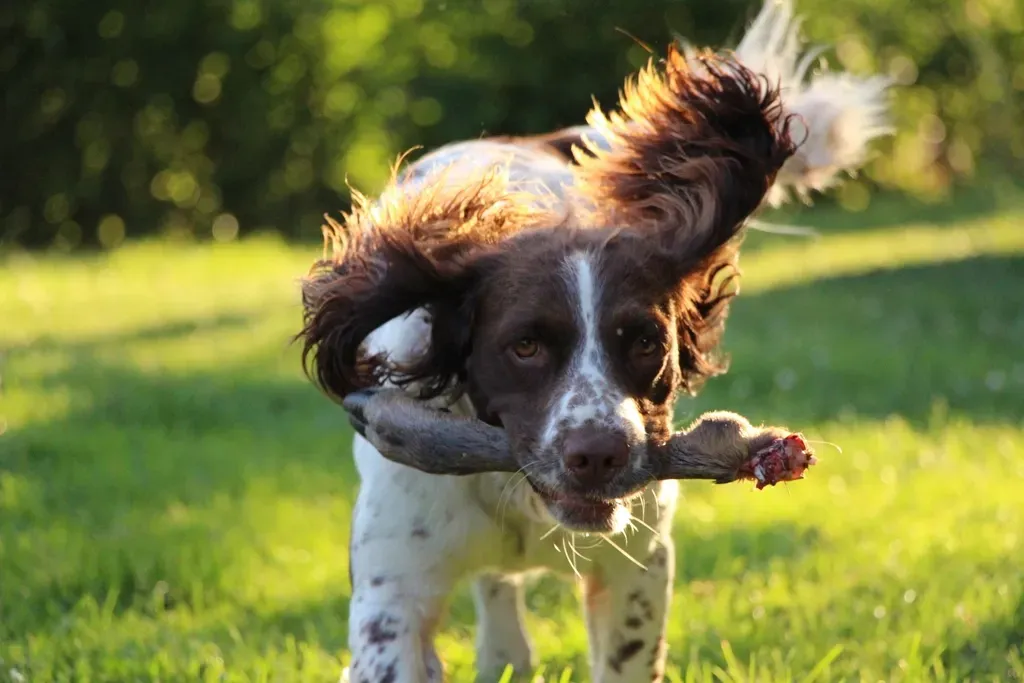
Springer Spaniels were bred in England to flush and retrieve game from dense cover. Their energetic style and keen noses came from field trials that rewarded quick scent location. Those instincts translate smoothly to controlled detection environments.
Spaniels maintain high motivation during repeated scent exercises thanks to their sporting background. Their original flushing work involved close cooperation with hunters, fostering the handler bond essential in medical roles. Many detection teams favor their compact energy and enthusiasm.
Cocker Spaniel
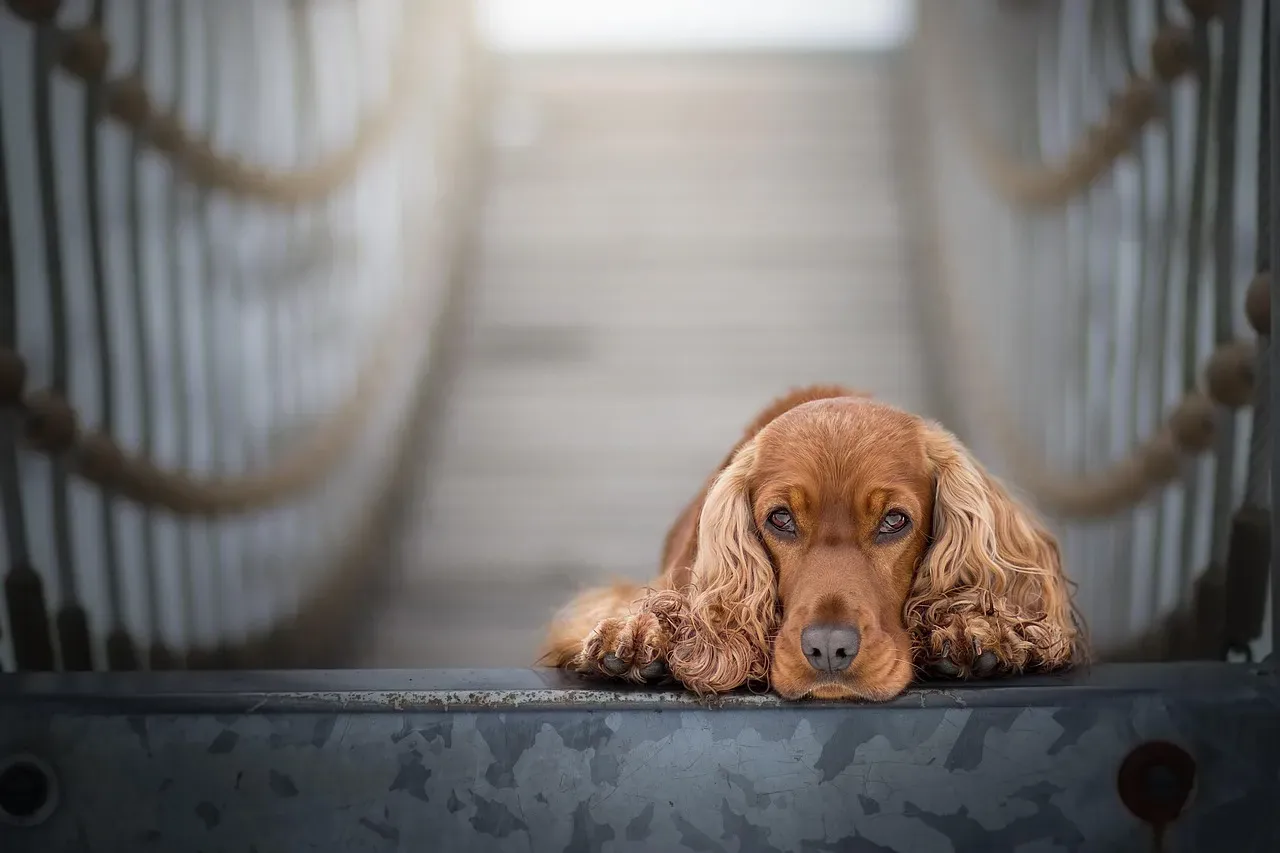
Cocker Spaniels trace to England and were refined as gun dogs flushing birds from underbrush. Selective breeding emphasized a sensitive nose paired with a compact, agile frame. That combination supports precise odor work in tighter spaces.
Cockers bring steady concentration and a willing spirit shaped by generations of field partnership. Their original hunting duties required sorting relevant scents amid distractions, a direct parallel to medical detection demands. Their affectionate nature strengthens the daily working relationship with owners.
These breeds remind us that the most useful modern skills often grow from practical roots rather than deliberate invention. Their noses continue to bridge the gap between ancient instincts and new possibilities in human health. Watching them work feels like witnessing history quietly adapting to the present.


