
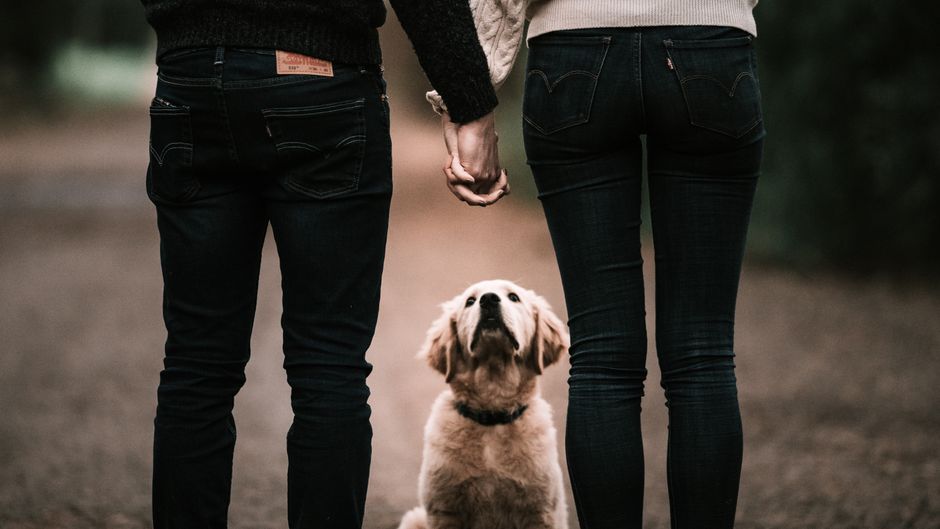
Picture this scene in a quiet living room. Your dog lounges nearby while you reach over to scratch behind the ears of a visiting friend’s pup. Within seconds, your own dog is suddenly at your side, nosing in or even wedging a paw between you and the other animal. It feels personal, almost as if the dog is making a point.
That reaction lines up with what researchers have observed in controlled settings. Studies suggest dogs respond to divided attention in ways that go beyond simple excitement or confusion. The pattern raises questions about how deeply these animals experience social bonds and what they do when those bonds seem threatened.
The Experiment That Sparked the Conversation
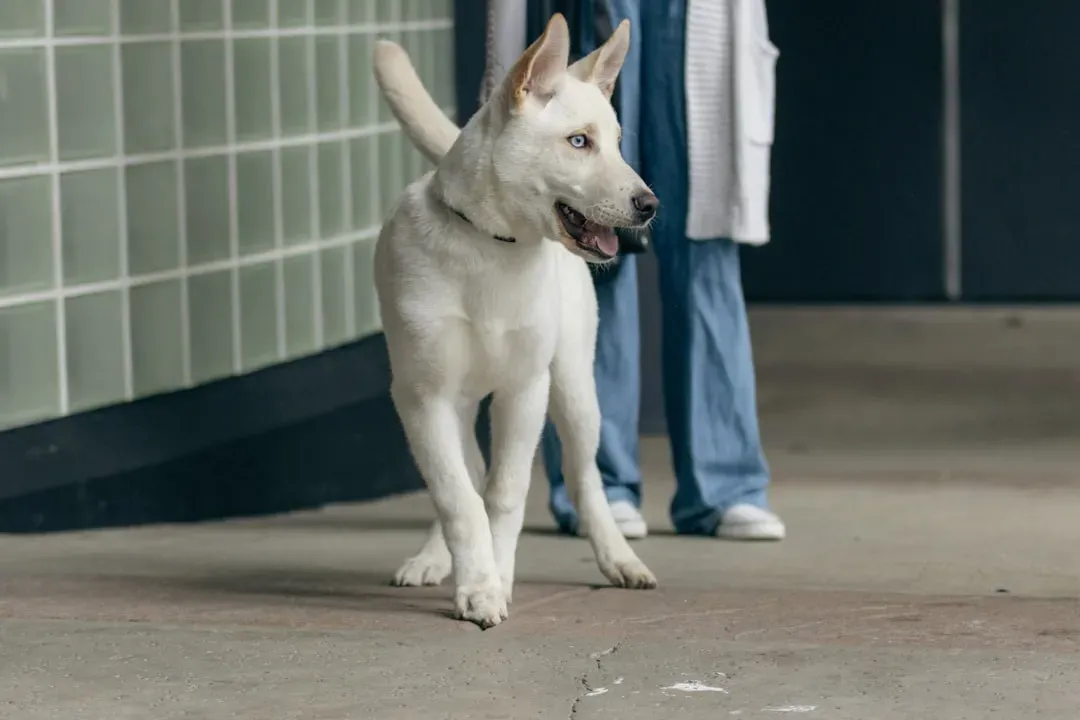
One of the earliest clear tests came in 2014 when psychologists set up a simple comparison. Owners interacted with a stuffed dog that moved and made sounds, then with an ordinary pail, and finally with a book. Dogs pushed, snapped, and tried to insert themselves far more often during the stuffed dog trials than in the other conditions.
The difference pointed to something specific about a perceived social rival rather than just any distraction. Later work built on this setup and found similar patterns even when the rival interaction happened out of direct sight. These findings helped shift the discussion from casual observation to measurable behavior.
Behaviors That Look Like Jealousy
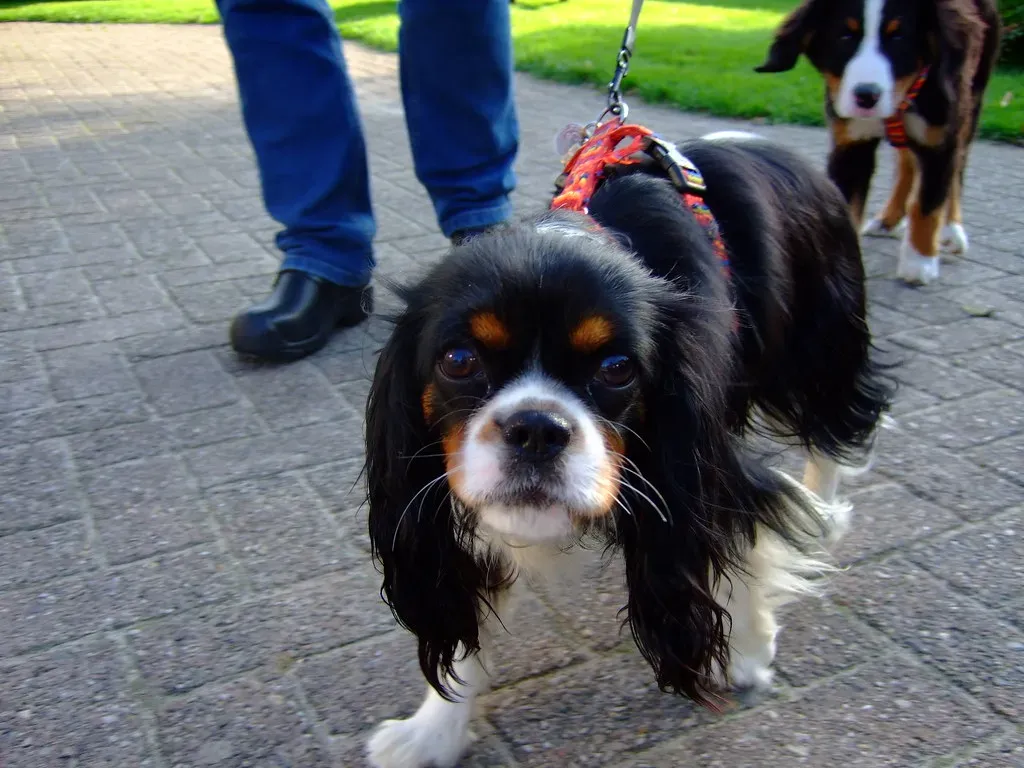
Dogs in these tests often gaze at the owner, vocalize, or physically interrupt the interaction. Some snap toward the rival or push against the owner’s hand or arm. The actions appear aimed at redirecting focus back to themselves rather than random play.
Researchers note that these responses occur more frequently when the owner directs affection toward another dog than toward an object. The consistency across different studies suggests the behavior is not isolated to one breed or setting. It shows up reliably enough to invite closer examination of the underlying emotion.
Deliberate Interruptions in Action
Recent observations highlight how dogs actively break into ongoing interactions. They may step between the owner and the other animal or offer their own paw or body as an alternative focus. These moves seem timed to the moment attention shifts away.
One 2025 study documented higher rates of interruption attempts, vocalizations, and even snapping specifically when owners petted a rival dog compared with simply reading. The pattern supports the idea that dogs monitor social exchanges and act to restore balance when they sense exclusion.
Evidence of Mental Representation
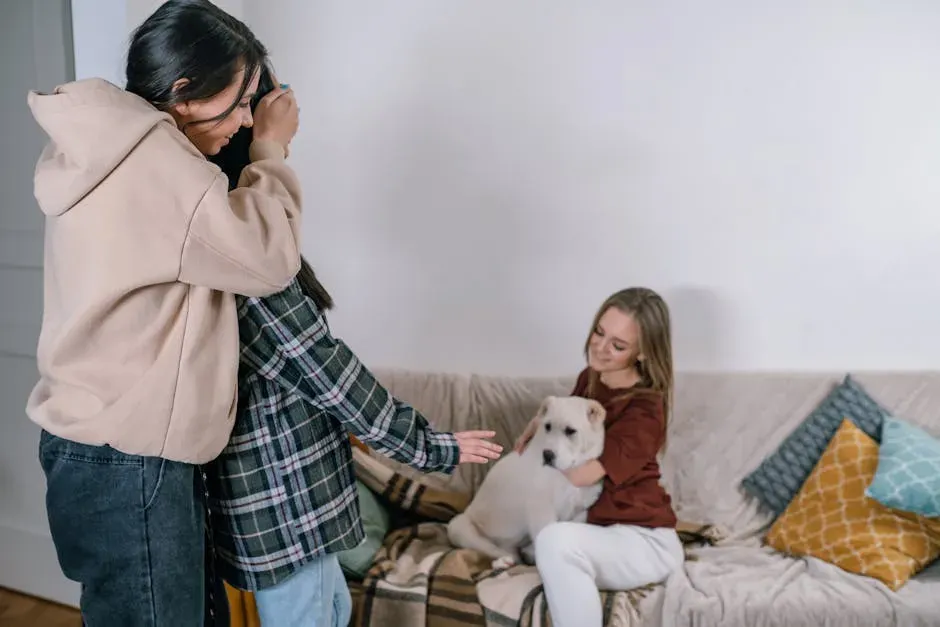
Dogs appear to form an idea of the rival even without seeing every detail of the interaction. In one set of trials, reactions persisted when the owner’s attention seemed directed at a competitor hidden from view. This points to an internal model rather than a purely visual trigger.
Such mental tracking aligns with broader findings on canine social cognition. Dogs track human attention and intentions in other contexts too, from following gaze to responding to pointing. The jealousy related behaviors may draw on the same underlying abilities.
Evolutionary Perspective on These Responses
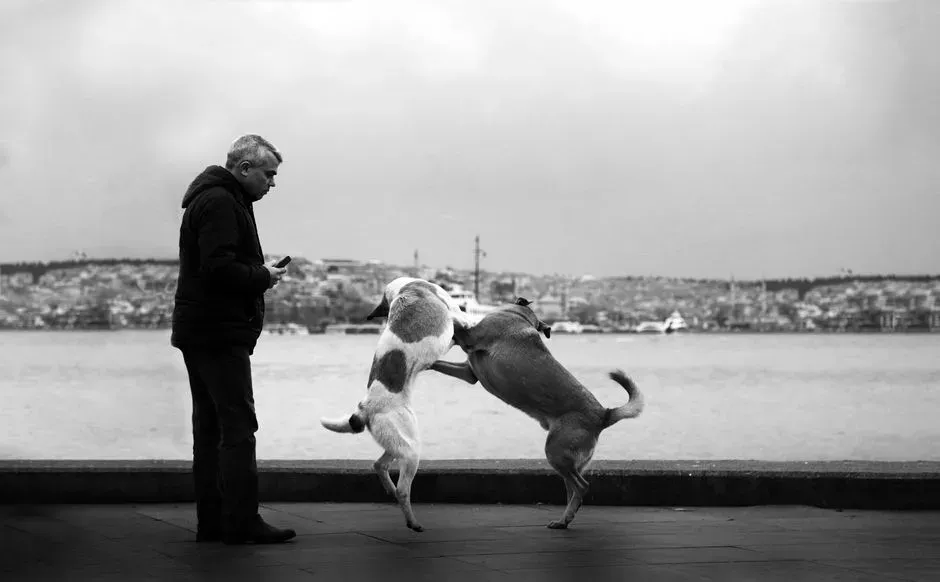
Protecting access to a valued social partner makes sense from an evolutionary standpoint. In wild canid groups, maintaining close bonds can influence access to resources and safety. Domestic dogs may carry forward a version of that sensitivity shaped by thousands of years alongside humans.
The emotion researchers describe is often called a primordial form of jealousy. It lacks the complex narratives humans attach to the feeling yet serves a similar protective function. This simpler version still produces clear behavioral outcomes that owners recognize instantly.
Practical Takeaways for Everyday Life
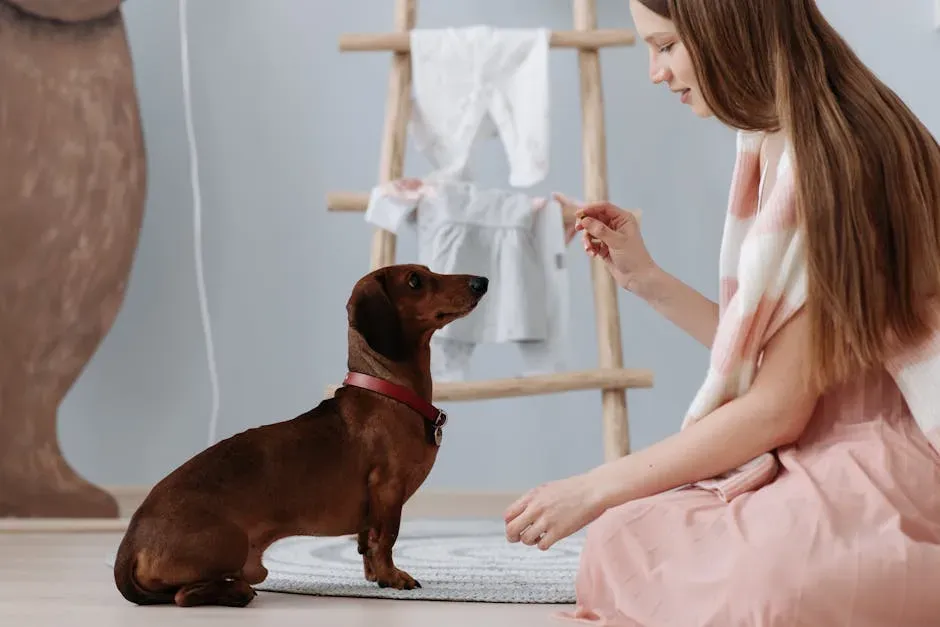
Recognizing these patterns can help owners respond thoughtfully rather than with frustration. Providing brief reassurance or structured turns of attention sometimes reduces the intensity of the interruption. Training that rewards calm waiting can also ease repeated demands.
At the same time, the research reminds people that dogs form strong attachments and notice when those attachments feel uneven. Small adjustments in how attention is shared can make daily routines smoother for everyone involved.
Where the Research Might Lead Next
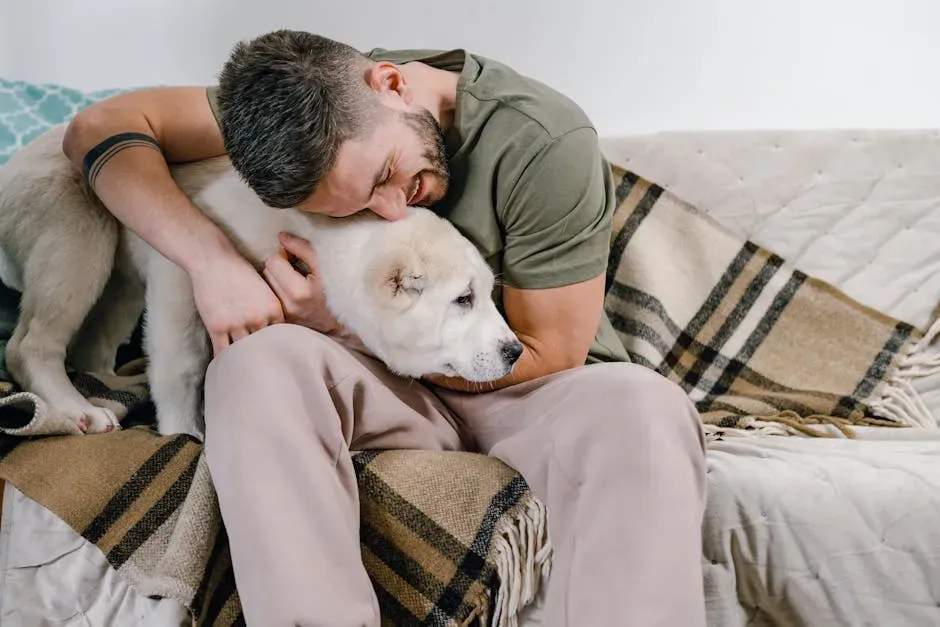
Continued work will likely explore how individual differences in temperament or early experience shape these responses. Breed tendencies, age, and household composition all remain open areas for finer analysis. The existing evidence already shows that dogs are more socially attuned than many once assumed.
Ultimately, these studies reinforce the depth of the human dog relationship. When a dog steps in to reclaim attention, it reflects a real investment in the bond rather than mere habit. That perspective invites owners to meet the behavior with understanding and steady connection.


