

Most people believe dogs live purely in the moment – that whatever happened this morning is already gone by lunchtime. But canine cognition research tells a very different story. Dogs form detailed emotional memories of charged interactions and carry them for years, quietly letting those memories shape how much they trust you, how safe they feel, and how they behave when no one’s paying attention.
What makes this genuinely unsettling – and worth reading every entry – is that the moments dogs remember most aren’t the big dramatic ones. They’re not the birthday treats or the beach trips. They’re the quiet, overlooked, sometimes uncomfortable moments you’ve already forgotten. And some of them are still running in the background right now.
Fast Facts
- Dogs use both semantic memory (learned facts) and episodic-like memory (specific events) to navigate their world.
- A landmark 2016 study in Current Biology confirmed dogs can recall specific actions they witnessed – even without being told to remember them.
- Dogs’ long-term associative memory can span months or even years, especially for emotionally charged events.
- Their amygdala – the brain’s emotional processing center – is highly active, making emotional memories especially vivid and durable.
- Dogs have 125–300 million scent receptors, meaning smell alone can instantly unlock a stored emotional memory.
#13 – The Day You First Left Them Alone for Hours
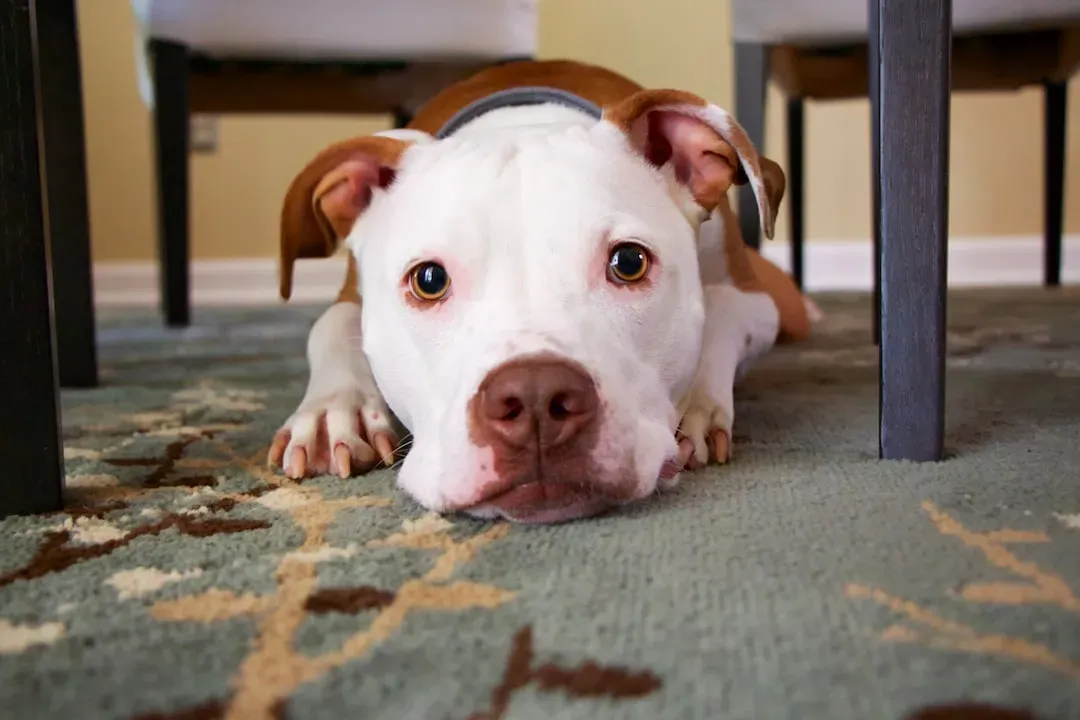
That very first long absence doesn’t just fade – it gets filed away as a foundational reference point. Your dog wasn’t simply bored or restless while you were gone. They were cataloguing the entire departure sequence: the sound of keys, the specific way the door closed, the time of day, even what you were wearing. That whole package becomes the emotional template for every separation that follows.
This is why dogs can develop sudden barking or destructive behavior years later in response to cues that seem completely unrelated. They’re not reacting to the current moment – they’re replaying the original one. Most owners attribute the anxiety to breed or personality, never connecting it back to that first afternoon alone. The memory didn’t fade. It just went quiet until something woke it up again.
#12 – The Time You Ignored Their Warning Growl
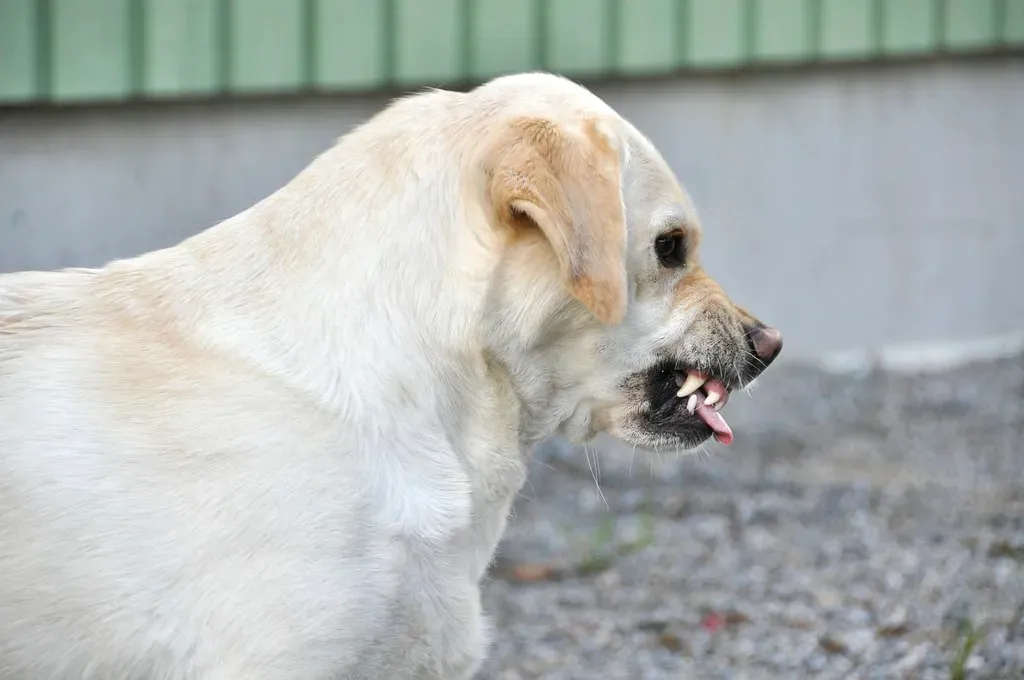
A growl is communication – one of the clearest signals a dog can offer. When that signal gets dismissed or punished, dogs don’t just let it go. They store it as evidence that speaking up doesn’t work. The specific moment gets logged with surprising detail: the room, your facial expression, the context. It becomes a precedent.
Over time, dogs who’ve had warning growls repeatedly ignored stop issuing them at all. That might sound like progress to an owner who found the growling annoying, but behaviorists will tell you it’s actually far more dangerous – because the next response in the chain isn’t a growl. The memory of that dismissed warning quietly rewrites the dog’s entire communication strategy, often in ways that don’t show up until a high-stress moment arrives.
Worth Knowing
- Dogs who lose their “warning growl” don’t become calmer – they become less predictable in high-pressure situations.
- Unlike humans, dogs interpret communication primarily through body language, posture, vocal tone, and scent – not words.
- A dog suppressing warning signals is considered a red flag by most professional behaviorists and trainers.
- Punishing a growl can cause a dog to skip warning signals entirely and move straight to a bite in a future stressful moment.
#11 – When You Cried and They Approached
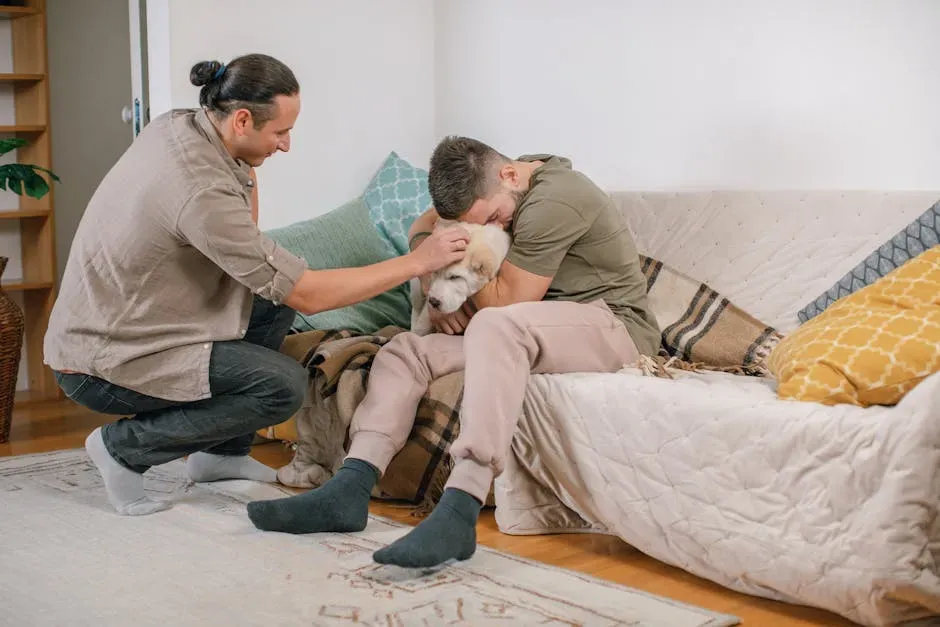
Dogs read distress signals with extraordinary sensitivity – the shift in your breathing, the change in your scent, the way your posture collapses when you’re struggling. When a dog chooses to cross the room and press against you in that moment, they’re not just acting on instinct. They’re making a decision, and the memory of that moment, and what it meant, stays with them.
This kind of emotionally loaded memory often outweighs dozens of play sessions in terms of long-term bond formation. It locks in their sense of purpose around you. Dogs who carry this memory become quieter guardians – the ones who appear at your side during a hard evening without being called, who stay closer during illness or grief. They’re not guessing. They’re remembering.
The dog lives for you as much as it lives for itself.
Roger Caras
#10 – The Vet Visit Where You Seemed Nervous
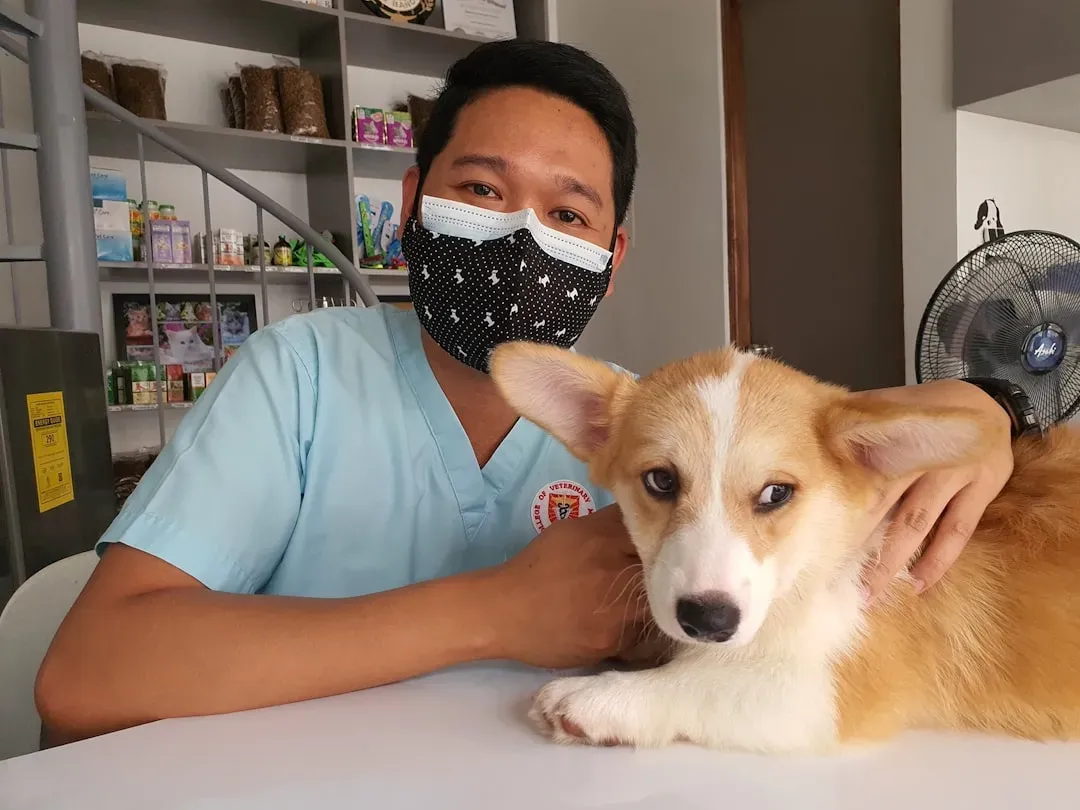
Dogs don’t just remember their own fear at the vet. They remember yours. Your grip on the leash, the slight tremor in your voice, the way your body language shifted in the waiting room – all of it gets absorbed and stored as part of the shared experience. In their memory, your anxiety and their anxiety become one event, not two separate feelings.
This is why some dogs develop resistance to vet visits even when their own experiences there were relatively uneventful. They’re not just reacting to the smell of the clinic or the examination table. They’re replaying a memory in which the person they trust most signaled that something was genuinely threatening. Future visits don’t start from scratch. They start from that stored fear.
#9 – The Night You Slept on the Couch After an Argument
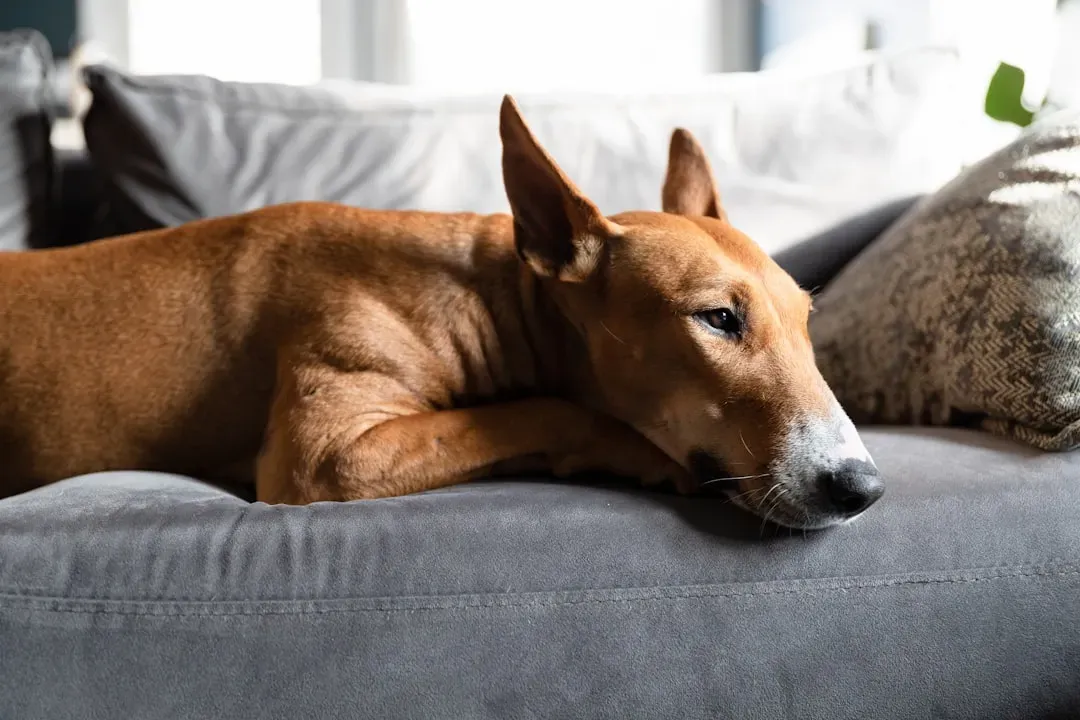
Dogs don’t understand the content of arguments, but they understand the atmosphere of one with uncomfortable clarity. Raised voices, sharp energy, the sudden departure from a familiar routine – and then your absence from the spot where you’re supposed to be. All of that gets catalogued not as a human relationship problem but as a potential threat to the stability of the home itself.
The memory surfaces later as pacing, hovering, or unusual clinginess during moments of household tension – even minor ones. Your dog isn’t being dramatic. They’re pattern-matching against a stored memory that told them disruption is possible and the signs come before the fallout. They learned to watch for them. You gave them that lesson without meaning to.
At a Glance: What Dogs Actually Pick Up During Conflict
- Raised vocal pitch and volume — registers as a threat signal, not just noise
- Disrupted routine — sleeping arrangements, mealtimes, and movement patterns all read as instability
- Cortisol in your scent — stress hormones are detectable to a dog’s 125–300 million scent receptors
- Owner absence from expected space — even one night in a different room breaks a foundational pattern
#8 – When a Stranger Petted Them Without Asking
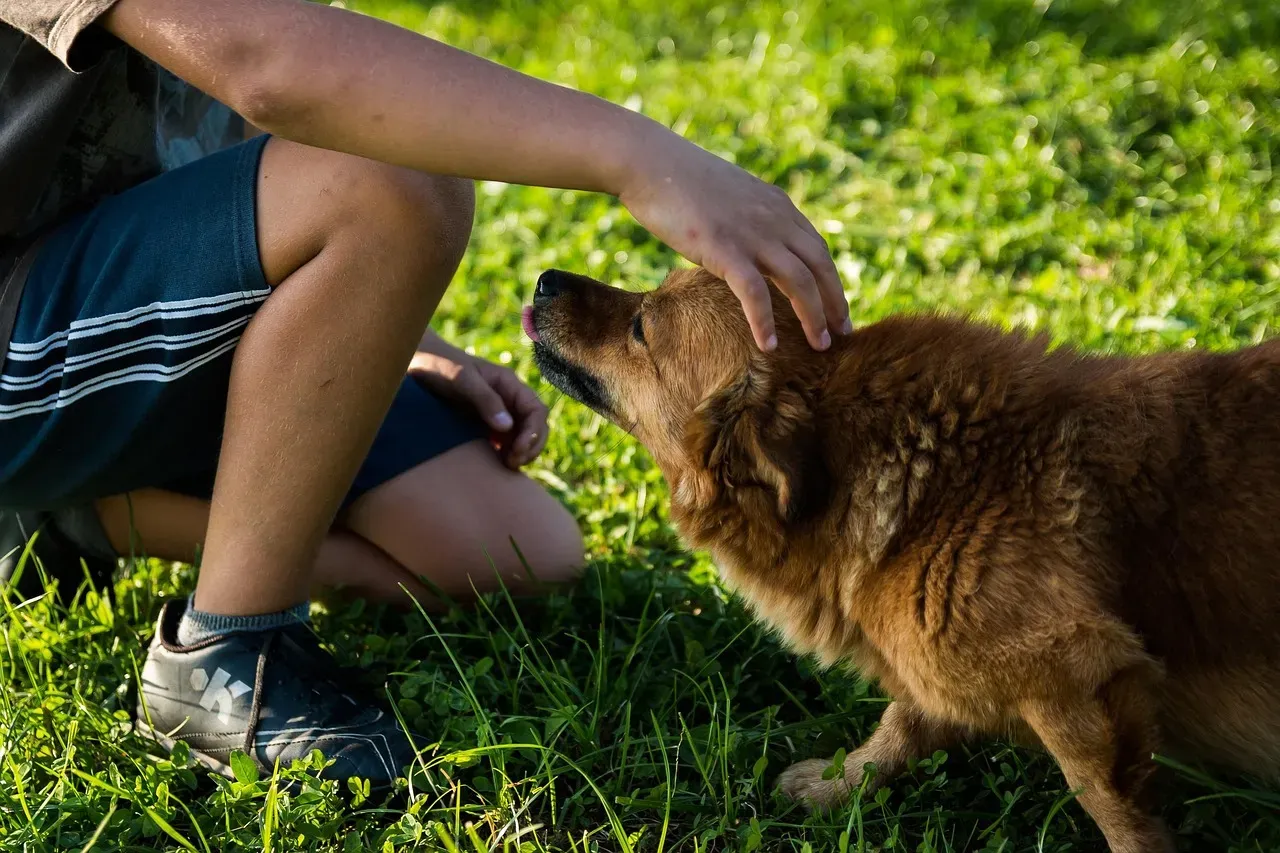
From a dog’s perspective, physical contact from an unfamiliar person is a genuine vulnerability. When a stranger reaches past their boundaries and touches them, dogs look to their owner immediately – for a signal, for intervention, for some indication that the situation is safe. If that signal doesn’t come, the absence gets stored right alongside the unwanted touch.
What stays in the memory isn’t just the stranger’s scent or height or voice. It’s your inaction. Dogs who’ve experienced this repeatedly become selectively guarded with new people in ways their owners often find frustrating and inexplicable. The wariness isn’t random. It’s a learned conclusion: unfamiliar contact happens, and the person I trust doesn’t always stop it. Future greetings carry that weight.
#7 – The Walk Where You Rushed Past Their Favorite Spot
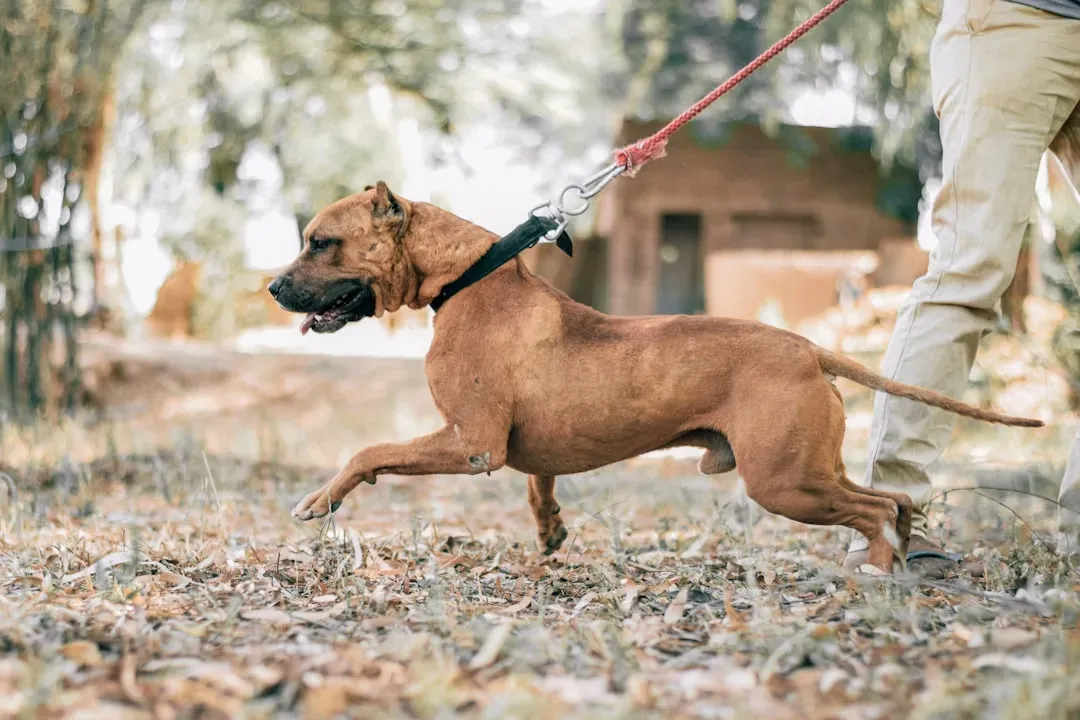
For a dog, a walk isn’t just exercise – it’s information gathering, territorial check-in, and one of the few spaces where they have some agency over their own experience. When you rush past a spot they’ve marked as significant, particularly one they’ve been allowed to explore before, it registers as a withdrawn permission. A broken expectation within a ritual they count on.
Dogs remember the specific location and your impatient energy with enough precision that they’ll begin pulling toward that spot on future walks, sometimes urgently, sometimes anxiously. They’re not being stubborn. They’re trying to reclaim a moment that mattered to them, because the memory of having it taken away didn’t disappear – it just made the spot more important.
#6 – Your Reaction to Their First Accident Indoors
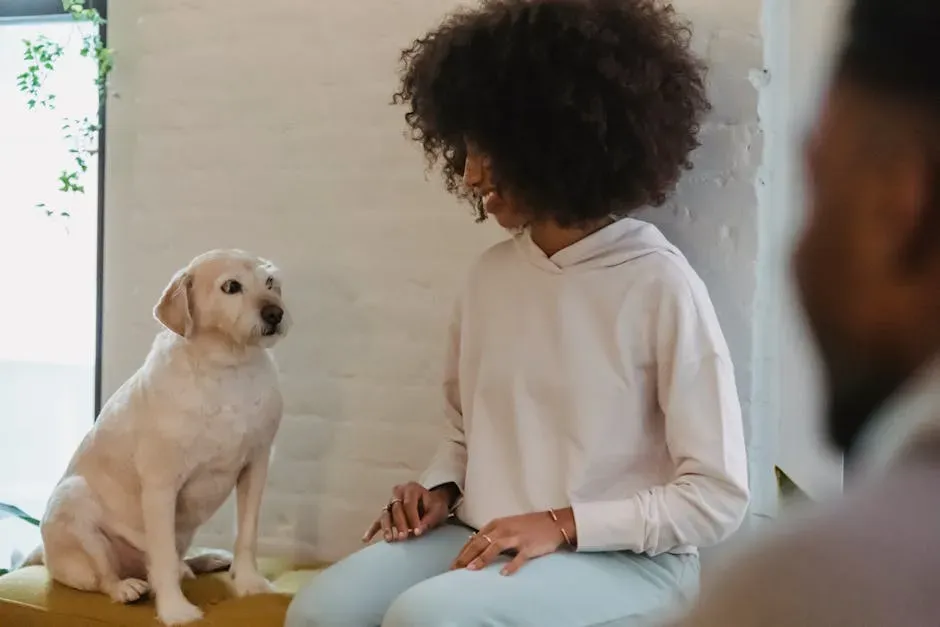
Early training moments carry enormous emotional weight because everything is unfamiliar and the stakes feel total. When a puppy has an accident and the response from their owner is sharp – voice raised, body language tense, face tight with irritation – that emotional signature gets stored more durably than the lesson itself. Dogs are reading your body far more than your words in those moments.
Months later, hesitation around certain floors, reluctance to go near specific rooms, or unusual anxiety around bathroom routines can often be traced back to those early scolding memories. The dog hasn’t connected the correction to the behavior in the way the owner intended. They’ve connected it to a feeling – and that feeling lives on long after the puddles stopped.
#5 – The Holiday When Relatives Overwhelmed the House
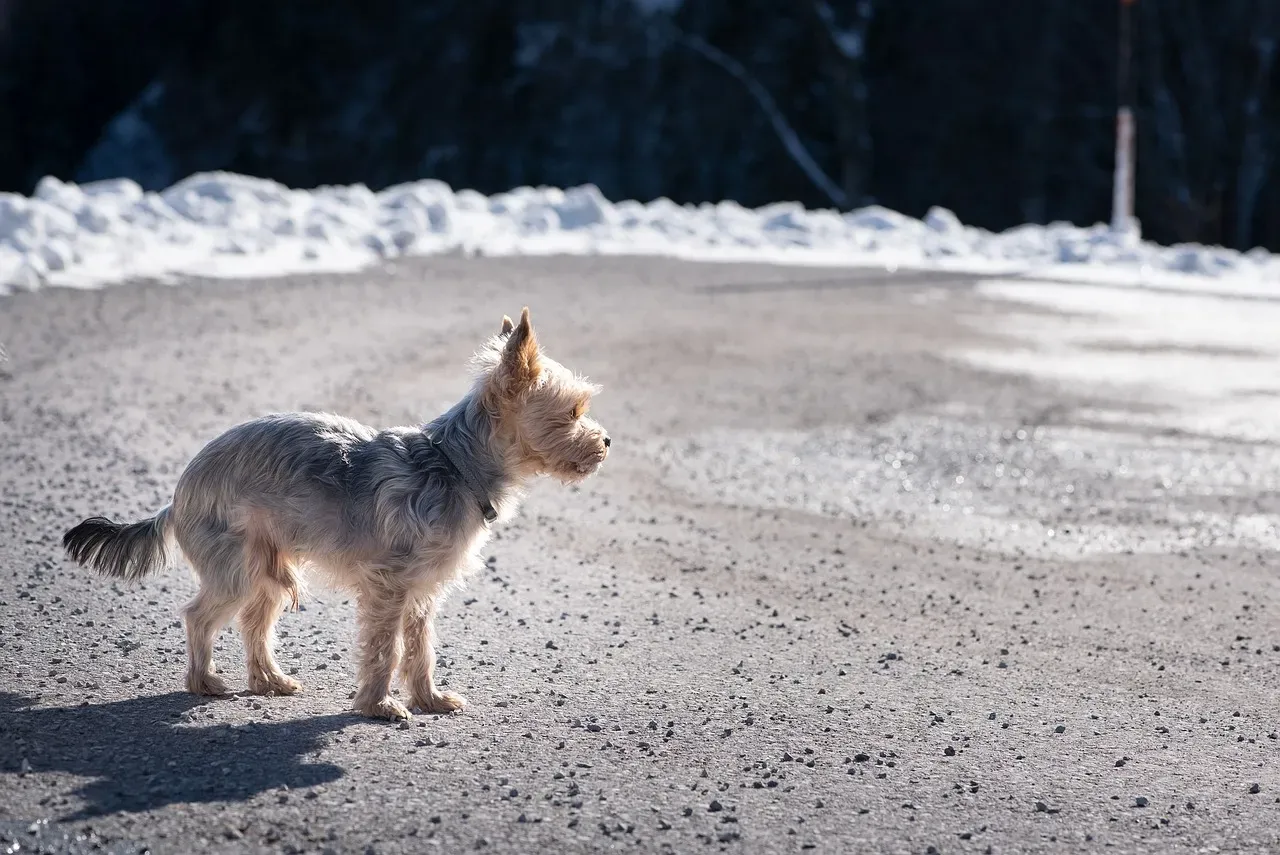
A sudden influx of unfamiliar people, strange smells, disrupted routines, and – crucially – a version of you they don’t fully recognise because your attention is fractured and your energy is different. For a dog whose entire sense of safety is built around the predictability of their person, the holiday gathering isn’t festive. It’s genuinely disorienting, and the memory of it is vivid.
The lingering effect shows up as heightened wariness around visitors in otherwise calm settings, even people the dog has met before in quieter contexts. The social threshold shifts. What they remember isn’t just the crowd – it’s the specific combination of lost territory, unfamiliar voices, and a version of home that stopped feeling like home. That recalibration doesn’t fully reset when the guests leave.
#4 – When You Came Home Smelling Like Another Dog
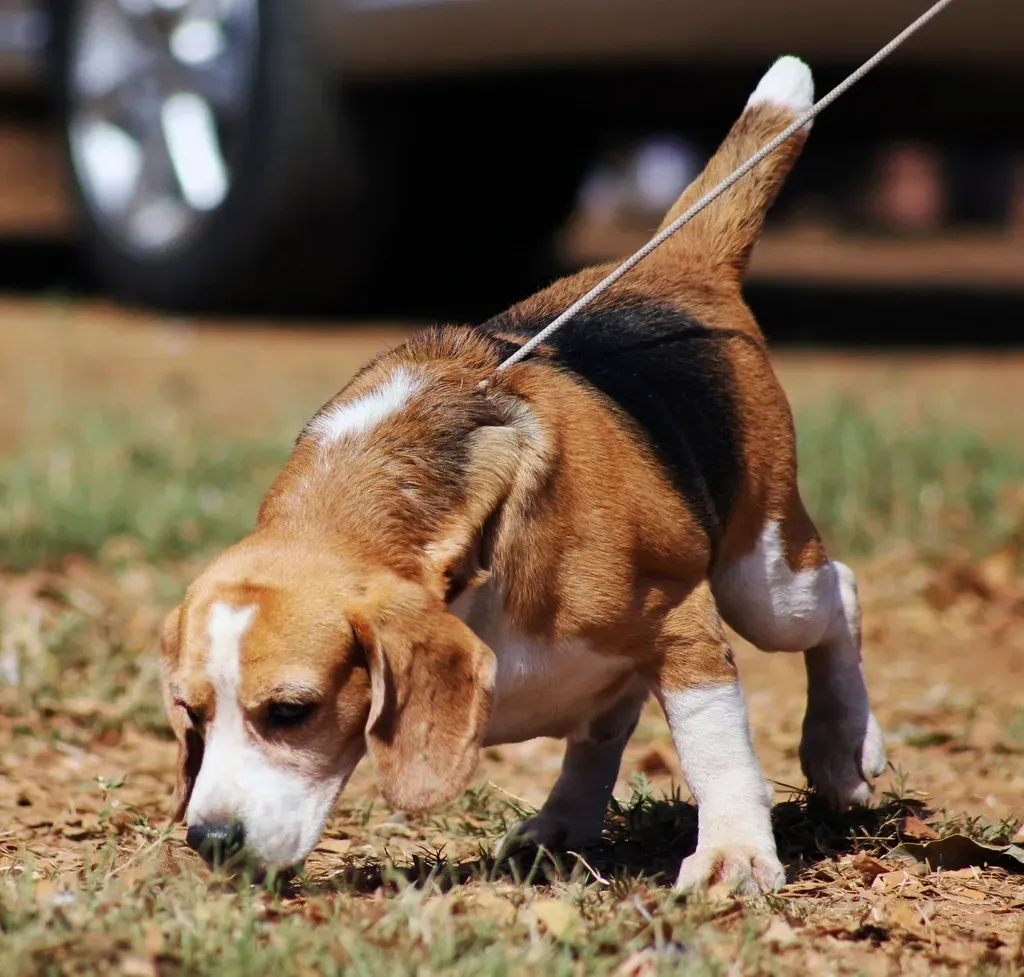
Dogs live in a scent-based world with a level of detail humans genuinely can’t imagine. When you walk through the door carrying the distinct chemical signature of another dog – especially an unfamiliar one – it’s not background noise to them. It’s a message, and they spend a significant amount of time investigating exactly what that message means.
What gets stored isn’t just the foreign scent. It’s the duration you were gone, the particular smell, and what followed – whether you paid them attention, whether the hierarchy of the household felt stable. Dogs who carry this memory can develop low-level resource guarding or unusually intense affection-seeking in the days afterward. They’re not jealous in a human sense. They’re running a quiet loyalty calculation based on evidence they found on your coat.
Quick Compare: How Dogs Process Scent vs. Sight
| Sense | Dog vs. Human | Memory Role |
|---|---|---|
| Smell | 125–300M receptors vs. ~6M in humans | Primary emotional memory trigger |
| Hearing | ~4× stronger than humans | Links tone and voice to stored events |
| Vision | Dichromatic, less sharp | Secondary; relies more on movement |
| Touch | Highly sensitive, especially face/paws | Stores context of physical interactions |
#3 – The Evening You Forgot Their Dinner on Time
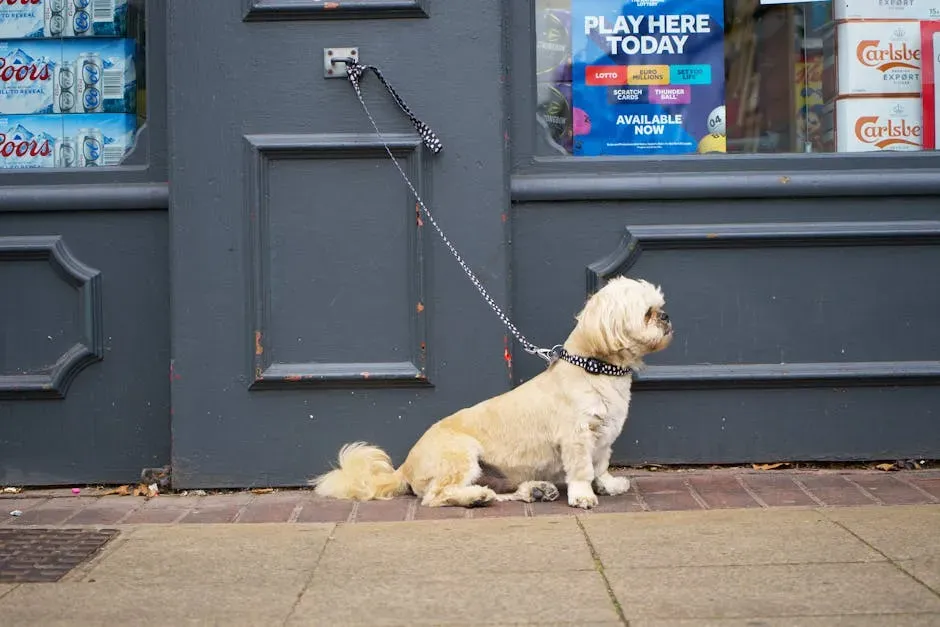
Routine is not a luxury for dogs – it’s a core component of how they experience safety. Meal times in particular carry a kind of clockwork certainty that dogs rely on more than owners realise. When that certainty breaks, even once, the disruption registers not as a minor inconvenience but as a signal that the system can fail. That signal gets remembered.
The behavioral fallout is often puzzling to owners who don’t connect it back to the original event. Increased vocalization at feeding time, restless pacing in the hour before meals, anxious check-ins near the food bowl – these can all trace back to a single missed dinner weeks earlier. The dog isn’t being dramatic. They’re hedging against a pattern they’ve now seen evidence for. The consistency you provide isn’t just convenient. To them, it’s proof you’re reliable.
#2 – Your Face When You Said Goodbye Before a Long Trip
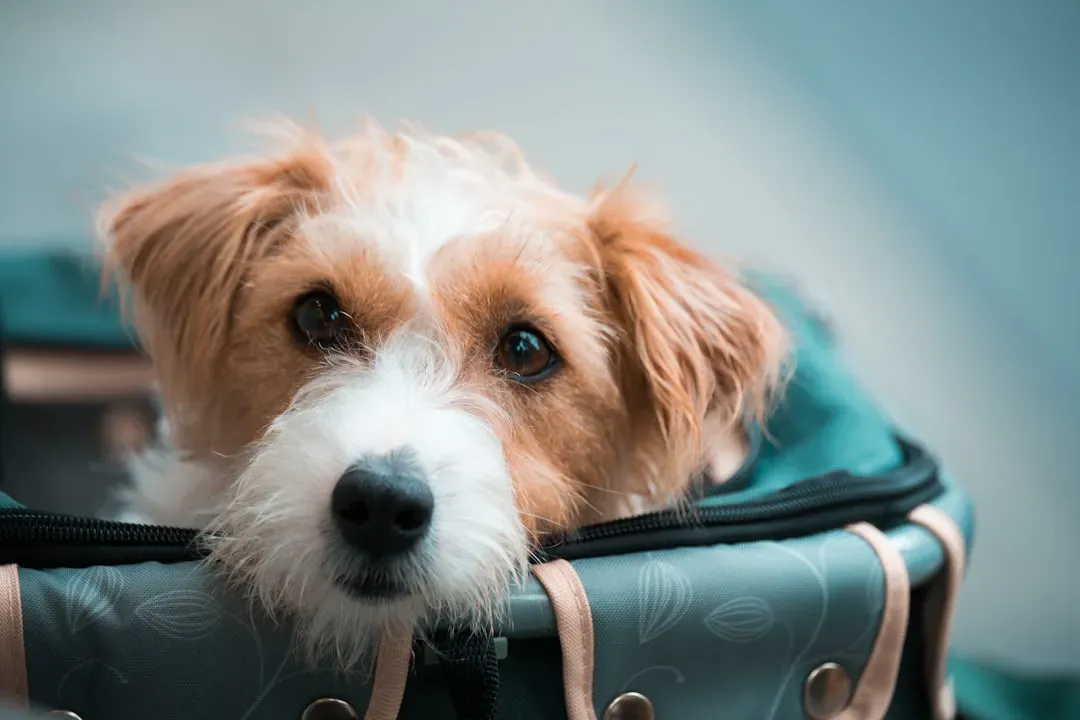
Dogs are fluent in human faces in a way that still surprises researchers – they process emotional expressions with a level of nuance closer to what humans apply to each other than anyone expected. The goodbye before a long absence is one of the moments they read most carefully, and what they see gets stored with unusual precision: your expression, the room lighting, what you were wearing, the specific emotional weight of the moment.
This is why the suitcase alone can trigger anxiety days before a trip. The dog isn’t responding to the luggage – they’re matching the current scene against a stored memory in which that same object appeared just before the longest, hardest absence they can recall. The dread isn’t anticipation of the future. It’s a replay of the past. And the face you made when you said goodbye is still in there, clear as a photograph.
#1 – The Quiet Moment You Simply Sat With Them After a Hard Day
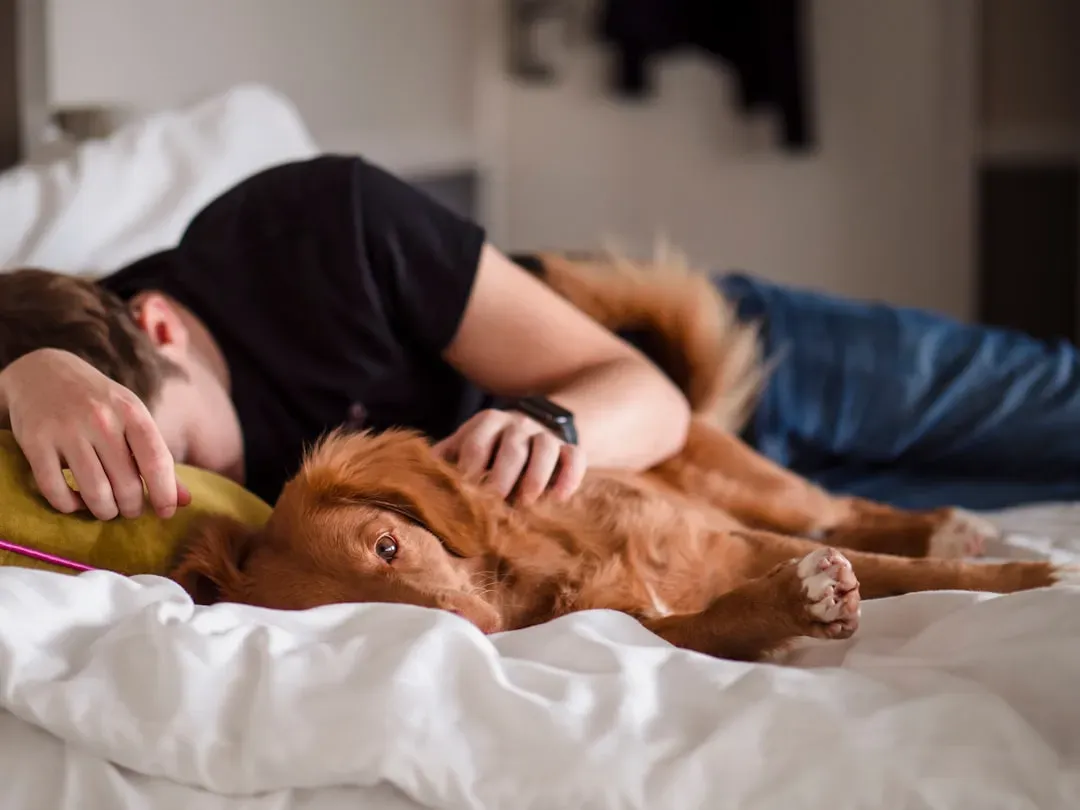
No commands. No performance required. Just you, tired and human, sitting on the floor or the couch, and your dog settling in beside you without fanfare. It doesn’t feel significant in the moment – and that’s exactly why it is. Dogs read the absence of demands as profoundly as they read the presence of affection. A moment when you needed nothing from them and they stayed anyway is one of the most powerful experiences they can have with you.
This kind of memory – quiet, undramatic, unconditional – becomes the emotional anchor dogs return to when everything else feels uncertain. It outranks training victories, treats, and even play in terms of how deeply it shapes their sense of belonging. On the days they seem to appear from nowhere and press against your leg for no obvious reason, this is often what they’re drawing on. Not instinct. Memory. The specific, stored memory of a night when you let them just be with you, and that was enough.
Why It Stands Out: What Makes a Memory Stick for Your Dog
- Emotional charge — positive and negative experiences both create stronger, more lasting memories than neutral ones
- Your involvement — memories formed with you at the center are the most durable of all
- Routine disruption — anything that breaks an expected pattern gets flagged and stored automatically
- Sensory richness — scent, sound, and touch all deepen how thoroughly a moment is encoded
- Repetition — even a single emotionally intense event can anchor a lasting behavioral pattern
The moments that define your dog’s inner world aren’t the ones you planned. They’re the ones that carried real feeling – your real feeling, unfiltered and unguarded. Dogs don’t keep score the way we fear they might, but they do keep a record. And the entries that matter most are the ones where you were simply, honestly, present. That record is already being written. The only question is what’s in it.


