
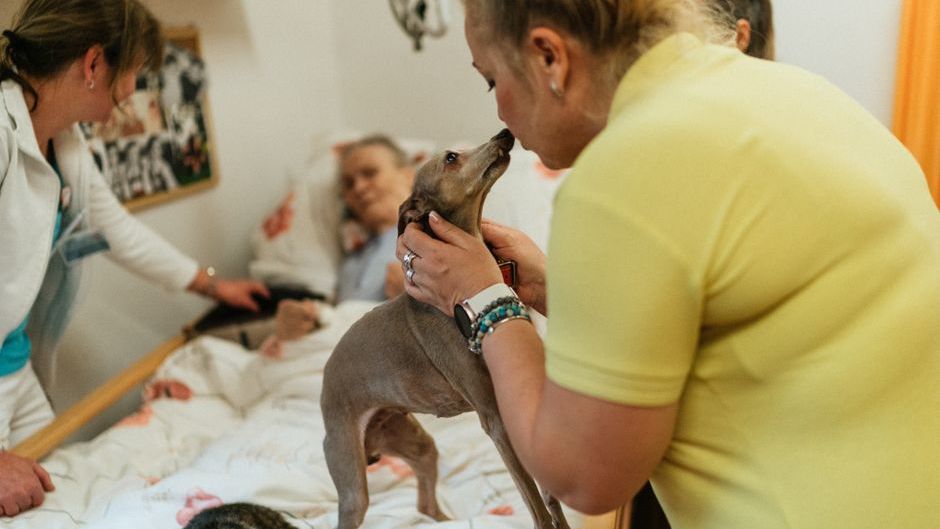
Walk through any neighborhood park on a weekday afternoon and you will likely overhear someone narrating their morning to a dog or asking a cat for advice on dinner plans. The scene feels ordinary, yet it often prompts quiet assumptions about isolation or eccentricity. In reality, the habit may reveal something quite different about how a person navigates feelings and relationships.
Psychologists have long studied the ways humans form emotional bonds outside traditional social circles. When those bonds involve pets, the conversations that follow can serve as quiet indicators of deeper awareness rather than withdrawal. This perspective shifts the focus from what might be missing to what is actually present in the interaction.
What Emotional Intelligence Actually Involves
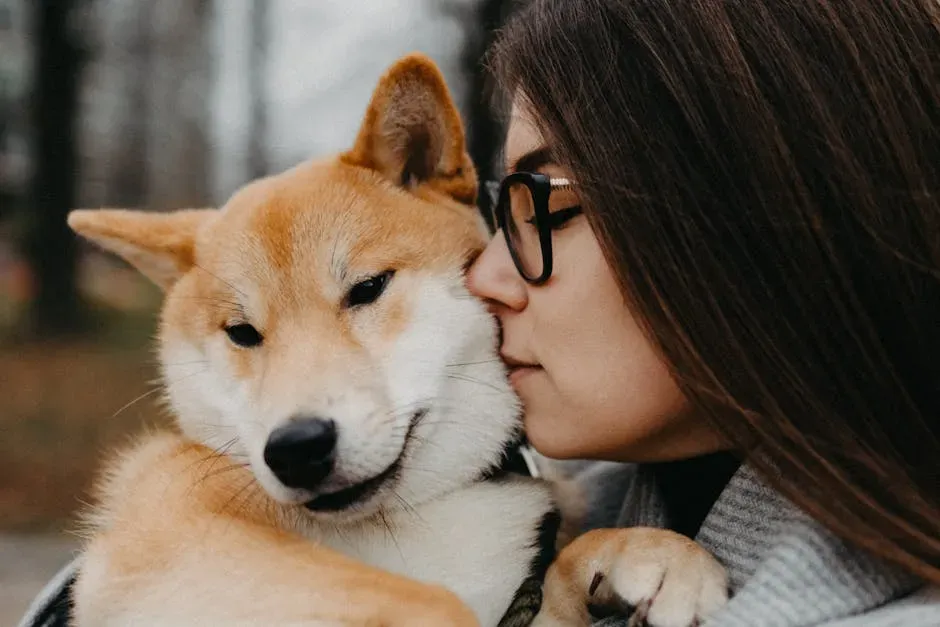
Emotional intelligence centers on the ability to notice, understand, and respond to feelings in oneself and others. It includes skills such as recognizing subtle shifts in mood and adjusting behavior accordingly. People who score higher on these measures often maintain steady connections even when circumstances limit human contact.
Pets provide a low stakes space for practicing those same skills. A person who pauses to interpret a dog’s hesitation or a cat’s sudden stillness is exercising attention to nonverbal cues. Over time, that practice can strengthen the same capacities used in human relationships.
Pets as Safe Practice Partners

Conversations with animals tend to happen without fear of judgment or interruption. Owners describe explaining frustrations or celebrating small wins to a pet that simply listens. This pattern creates a reliable outlet for processing emotions that might otherwise stay bottled up.
The safety of the exchange matters. A pet does not offer advice or change the subject, which allows the speaker to complete a thought fully. That completion itself can clarify feelings and reduce internal tension before the person returns to other parts of life.
Distinguishing the Habit From Loneliness

Loneliness usually involves a persistent sense of disconnection and a desire for more human interaction. Talking to a pet, by contrast, often occurs alongside existing social ties rather than in their absence. The two experiences can coexist, yet one does not automatically signal the other.
Many people who chat regularly with their animals also maintain friendships, family contact, and work relationships. The pet conversation functions as an additional layer rather than a replacement. Observers sometimes miss this distinction when they focus only on the visible one sided dialogue.
How Empathy Shows Up in These Moments

Empathy appears when an owner adjusts tone or topic based on the animal’s body language. A raised voice might soften if the dog looks away, or a story might shorten if the cat begins to wander. These small adjustments reflect an ongoing read of another being’s state.
Such responsiveness builds over repeated interactions. Owners learn patterns unique to their pet and respond in kind. The skill transfers readily to noticing similar cues in colleagues or family members during ordinary exchanges.
Everyday Benefits That Accumulate

Regular pet talk can lower stress by giving voice to thoughts that might otherwise loop internally. It also creates moments of lightheartedness that interrupt heavier mental patterns. Over weeks and months, these brief exchanges contribute to a steadier emotional baseline.
Physical health markers sometimes improve as well. Reduced cortisol levels and steadier heart rates have been noted in studies of human animal interaction. The verbal component adds a layer of active engagement that passive pet presence alone may not provide.
Why This Trait Matters More Than It Seems
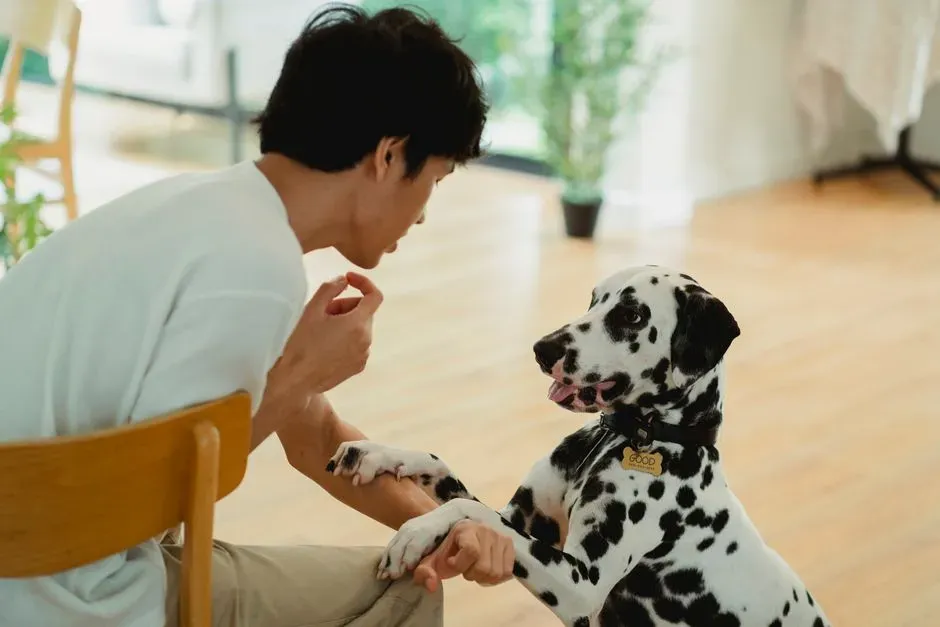
In a time when many interactions occur through screens, the willingness to speak openly to a pet stands out as a form of emotional directness. It bypasses the filters people apply in human conversations and allows raw expression. That directness can serve as a quiet counterbalance to digital distance.
Recognizing the behavior as a sign of emotional intelligence invites less judgment and more curiosity. It encourages owners to value the connection rather than hide it. The result is a broader acceptance of varied ways people meet their needs for understanding and expression.
Looking Ahead at Human Animal Bonds
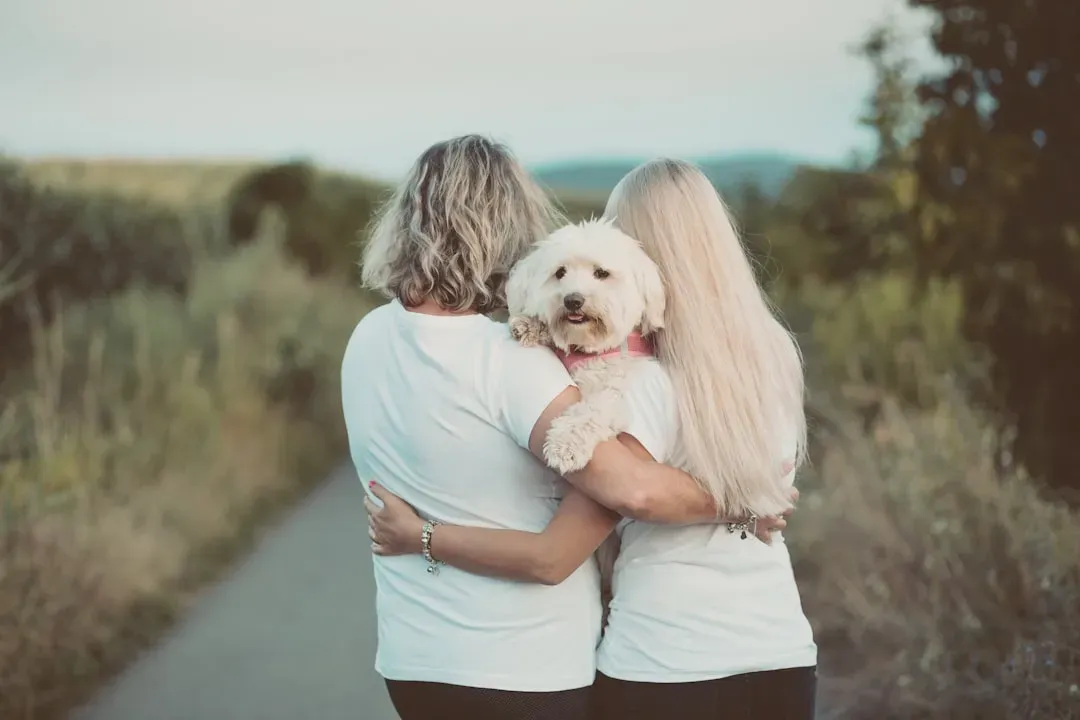
The tendency to talk with pets reflects a flexible approach to emotional life rather than a deficit. It suggests comfort with vulnerability and an ability to find meaning in simple presence. These qualities remain useful across changing social landscapes.
Ultimately, the habit points toward a capacity for connection that extends beyond species lines. People who nurture it often carry that same attentiveness into other relationships. In that sense, the conversations are less about filling silence and more about practicing the kind of awareness that enriches daily experience for everyone involved.


