
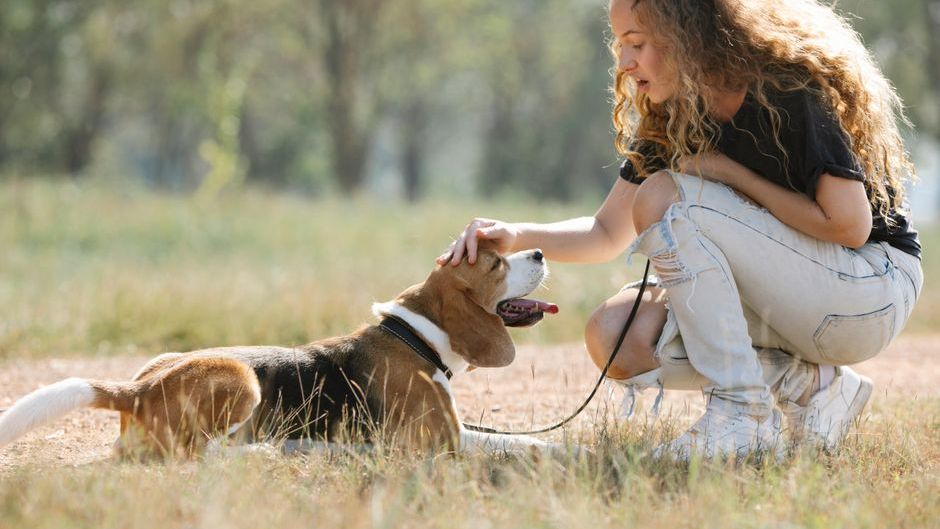
You didn’t necessarily do anything dramatic to earn it. No grand rescue moment, no expensive bed, no Instagram-worthy adoption photo. And yet your dog follows you to the bathroom, sighs when you sit down, and places one paw on your foot like you’re the only solid thing in the world. That’s not random. That’s a choice – and dogs don’t make it lightly.
The gestures that seal that bond aren’t the ones most people expect. They’re small. Repeated. Easy to miss if you don’t know what you’re building. But stack enough of them together and something shifts – your dog stops looking for safety and starts being it, because you showed them the world is okay. Here are the 14 tiny things that mean everything to a dog who has already decided you’re their person.
#14 – Letting Them Claim the Best Spot on the Couch
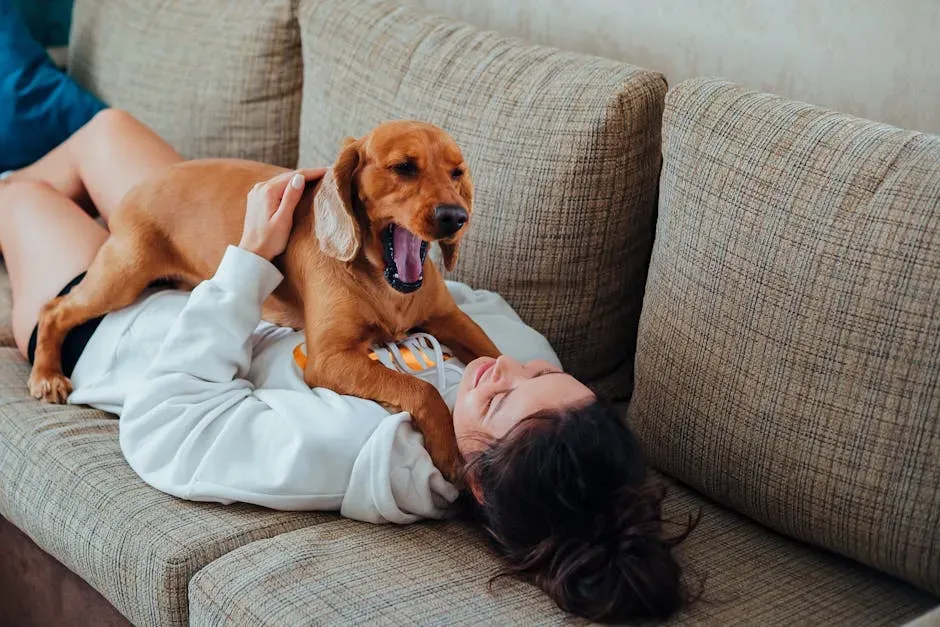
There’s something quietly profound about scooting over so your dog can have the good cushion – the one with the view, the warmth, the prime real estate. It looks like a small thing. It is a small thing. But to a dog, it reads as a clear signal: you’re not just tolerated here, you belong here, above the furniture rules and above the idea that your comfort is secondary.
Dogs who are consistently given that kind of spatial respect settle faster and show fewer low-level stress signals – the kind most owners write off as personality quirks. The most surprising part isn’t that they relax more. It’s that they start seeking you out for these moments instead of finding a corner to disappear into. They chose the couch. More importantly, they chose to share it with you.
Fast Facts
- Dogs form attachment bonds structurally similar to the parent-child bond in humans.
- A dog’s brain reward system lights up more strongly when it detects its familiar human’s scent than when it detects another dog’s scent.
- Both dogs and humans release oxytocin – the “love hormone” – during shared quality time together.
- Mutual gazing between a dog and owner measurably increases oxytocin levels in both parties.
- Dogs have been living alongside humans for an estimated 15,000+ years – the bond is literally ancient.
#13 – Using the Secret Nickname Only You Know
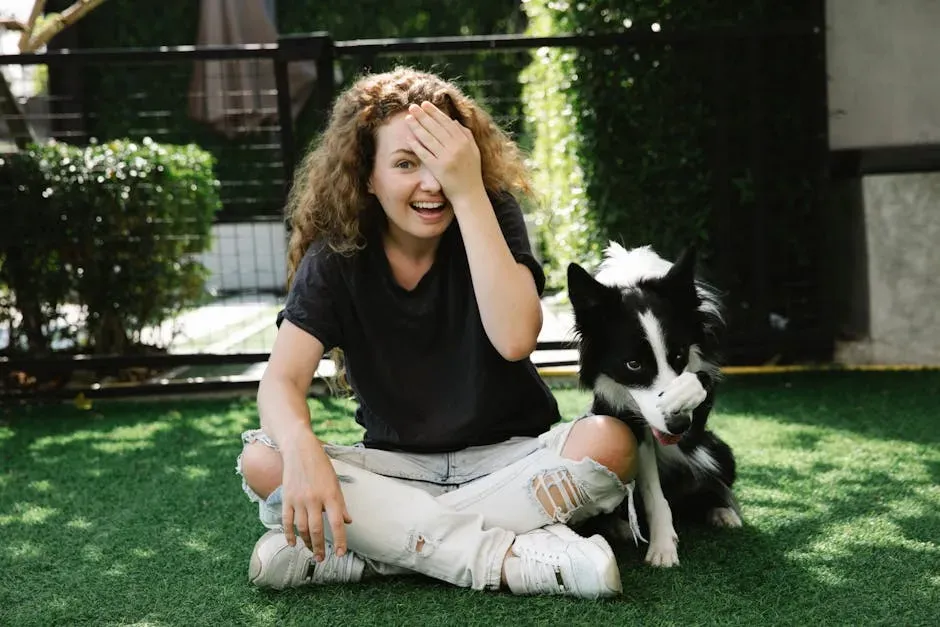
“Biscuit.” “Moo-bear.” “Sir Flops-a-lot.” Whatever ridiculous name you invented for them in a quiet moment – that name does something their registered name never quite does. It belongs to no one else. No vet, no dog park stranger, no house guest calls them that. Just you. And dogs know the difference in a way that’s almost eerie.
They perk up faster to that invented sound because their brain has wired it to one thing: you, being warm, expecting nothing. Some handlers use the private nickname specifically during high-stress moments – before storms, in waiting rooms – because the association is so clean it cuts through the anxiety faster than commands can. Owners who skip this step often can’t explain why their dog seems less magnetized to them than to someone else in the house. The nickname is part of the answer.
#12 – Sharing Your Blanket Without Being Asked
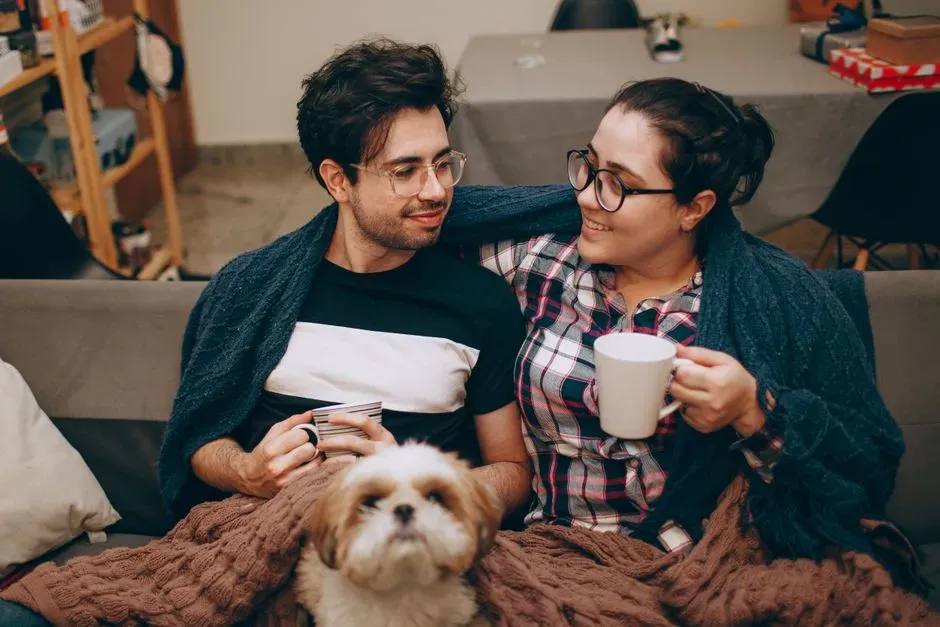
There’s no command for this. No training protocol. You just look over at your resting dog and drape part of your throw over them – and that’s it. That simple reach says: I notice you, I want you warm, and I’m not waiting for you to ask. For dogs who came from shelters, from uncertainty, from crates that smelled like strangers, this gesture lands somewhere deep.
The blanket also carries your scent, which turns it from a piece of fabric into a portable version of your presence. Behaviorists who work with formerly stray dogs note this kind of low-pressure closeness – offering contact without demanding it – reduces nighttime restlessness more reliably than almost any purchased product. You don’t need a calming bed if you share the one you’re already using.
#11 – Slow-Blinking Back When They Stare
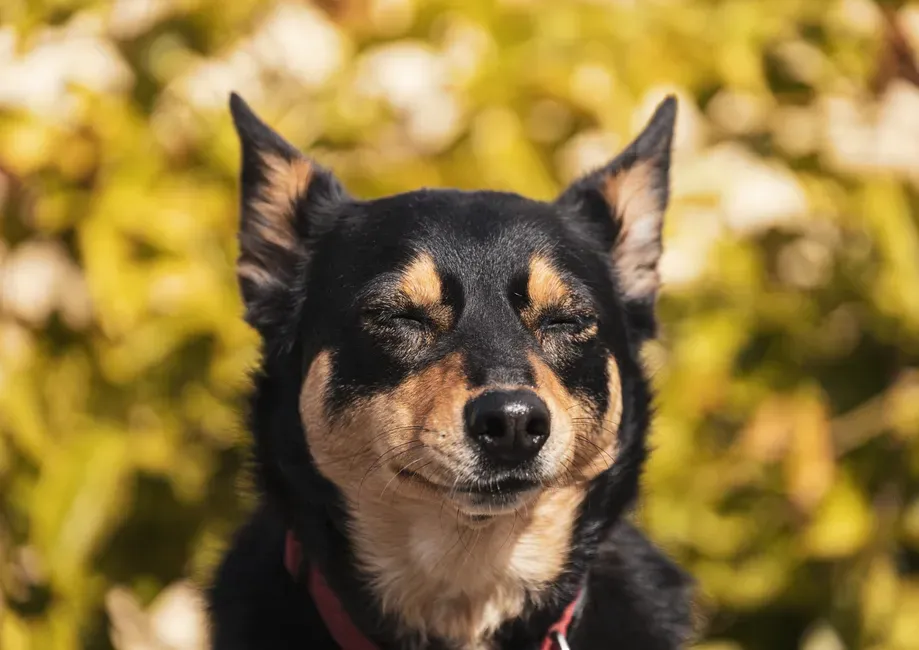
When a dog holds your gaze with soft eyes and you meet it with a slow, deliberate blink, you’re speaking their language back to them. It’s a calming signal – the same one they use with each other to say “I’m not a threat, we’re okay here.” Most people stare too hard or look away too quickly, missing the exchange entirely. The slow blink is different. It’s a conversation.
Trainers who work with reactive or fear-based dogs use this tool daily to reset the emotional temperature of a room. It takes maybe three seconds. The dog’s body usually softens – ears drop slightly, jaw relaxes, they look away and back again in that loose, easy way. The detail that matters: it has to be genuine, not performative. An exaggerated slow blink reads as weird. A real one reads as safe.
#10 – Handing Over Their Favorite Toy Mid-Play
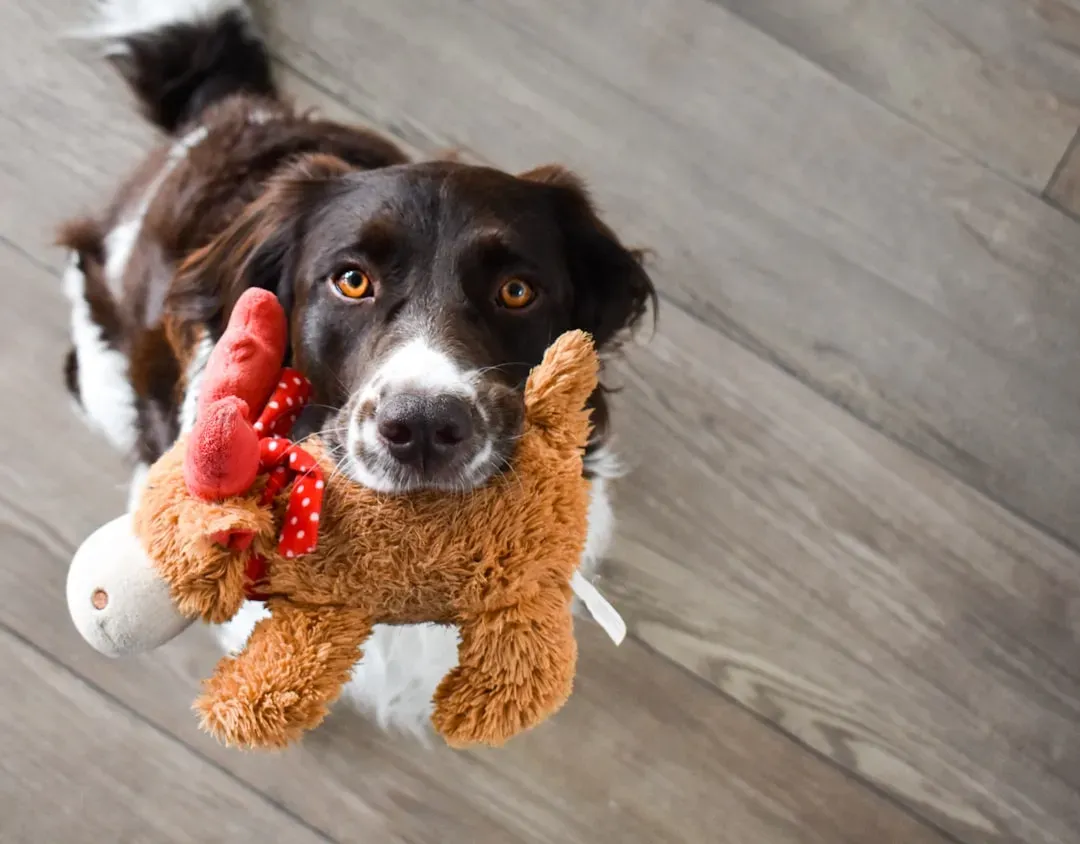
Most play sessions run on the human’s terms. We pick the toy, set the pace, decide when it’s over. So when you stop mid-game, notice which toy they dropped earlier, and hand it back to them unprompted – that breaks the pattern in a way dogs remember. It says: I was paying attention to what you wanted, not just what I thought was fun.
Dogs who receive this kind of attentiveness start initiating play more often, because they’ve learned you’ll actually follow their lead instead of overriding it. The gesture costs nothing. It requires only that you noticed. And for a dog who has chosen you, being noticed is the whole point – it’s the evidence they keep collecting that you’re worth staying close to.
At a Glance: What Play Actually Builds
- Regular interactive play makes dogs measurably more responsive and focused on their person.
- Play that follows consistent patterns teaches dogs their human is reliable and safe – not just fun.
- Dogs who feel heard during play initiate bonding interactions more often throughout the day.
- Letting your dog “win” occasionally during games reinforces confidence, not bad behavior.
#9 – Taking the Sniffing Detour They Choose
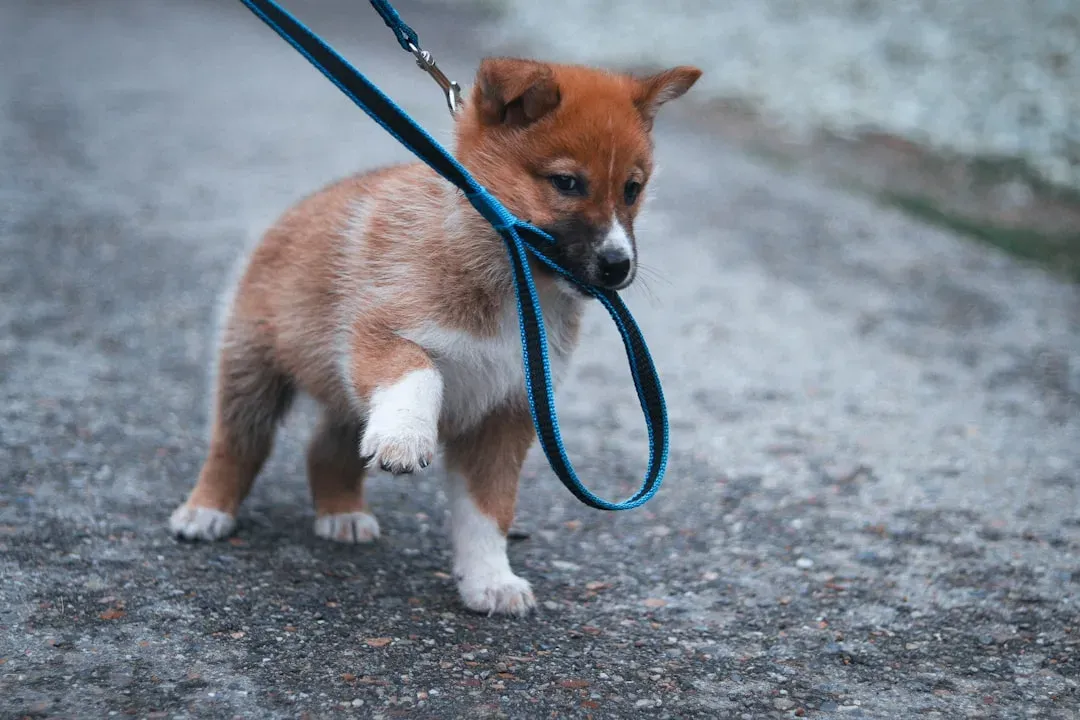
To a dog, that particular bush on the corner isn’t just a bush. It’s a full news cycle – who passed through, when, what their health was like, whether they were afraid. Letting your dog linger there instead of tugging them forward is the equivalent of someone respecting your need to finish reading an important message before rushing you out the door. It’s basic dignity, and dogs feel the difference.
Over time, these unhurried pauses actually reduce leash pulling – because the dog stops bracing for the yank and starts trusting the walk will give them what they need. Scent work experts sometimes call these unstructured sniff moments “information deposits” that help keep stress hormones regulated. The controversial truth is that constant forward momentum on walks often weakens the bond rather than building it. Slowing down is the work.
Worth Knowing: The Science of the Sniff
- Dogs permitted to sniff freely during walks show lower cortisol levels – the primary hormone linked to stress.
- Sniffing activates the parasympathetic nervous system, which governs rest, digestion, and calm.
- A dog’s nose contains up to 300 million olfactory receptors – about 40 to 50 times more than a human’s.
- Sniff-focused walks can reduce reactive behavior even without changing the route or environment.
- Your dog can smell your stress chemicals before you’ve consciously registered feeling anxious.
#8 – Massaging Their Ears in the Exact Way They Lean Into
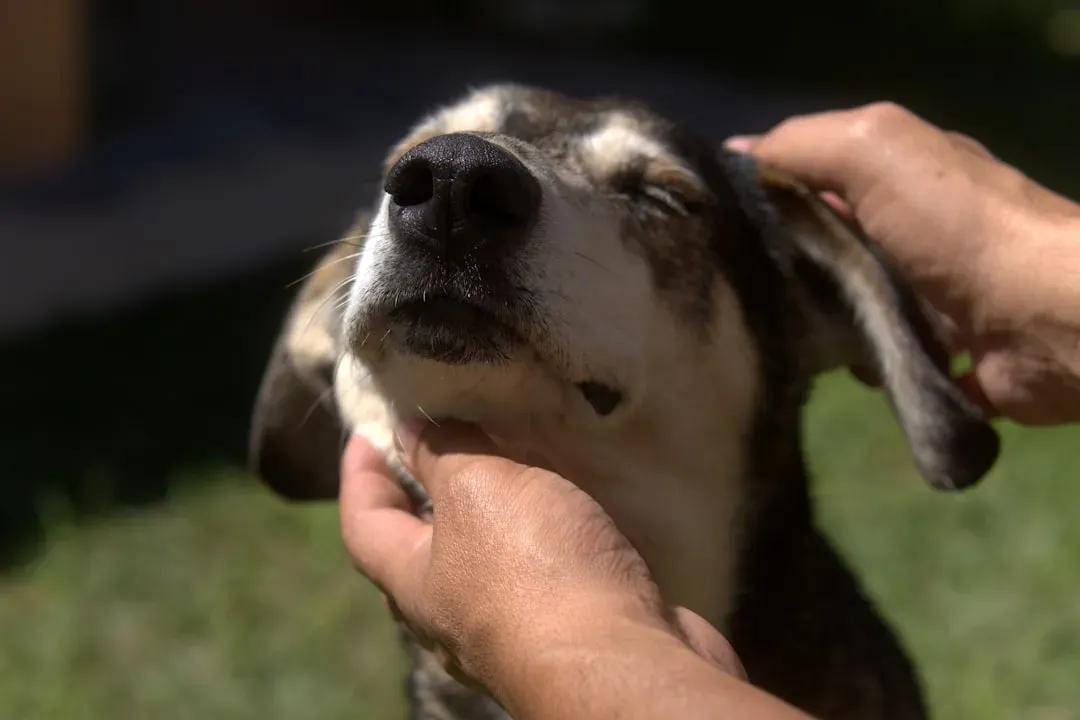
Generic petting is fine. But the dog who has chosen you gets something better – you’ve figured out the exact spot behind their ear, at the exact pressure, with the exact rhythm that makes them go boneless. That level of personalization isn’t luck. It’s the result of paying close enough attention to read what their body is asking for instead of just doing what’s convenient for your hand.
When you find it – and you’ll know, because they sigh and lean harder and stop scanning the room – it becomes a ritual. The end of the day, the signal that the world has stopped demanding things from both of you. There’s a neurological reason this works so well: the vagus nerve – the longest nerve in the body, running from the brainstem to the abdomen – has branches that pass near and through the midportion of the ear. Gentle massage in that zone can help shift a dog into a genuine “rest and digest” state, slowing heart rate and lowering blood pressure. Most people stay at surface scratches their whole dog’s life and never discover how much deeper the trust goes when you actually study them. That study is an act of love dogs understand completely.
#7 – Speaking in Their Private High-Pitched Tone
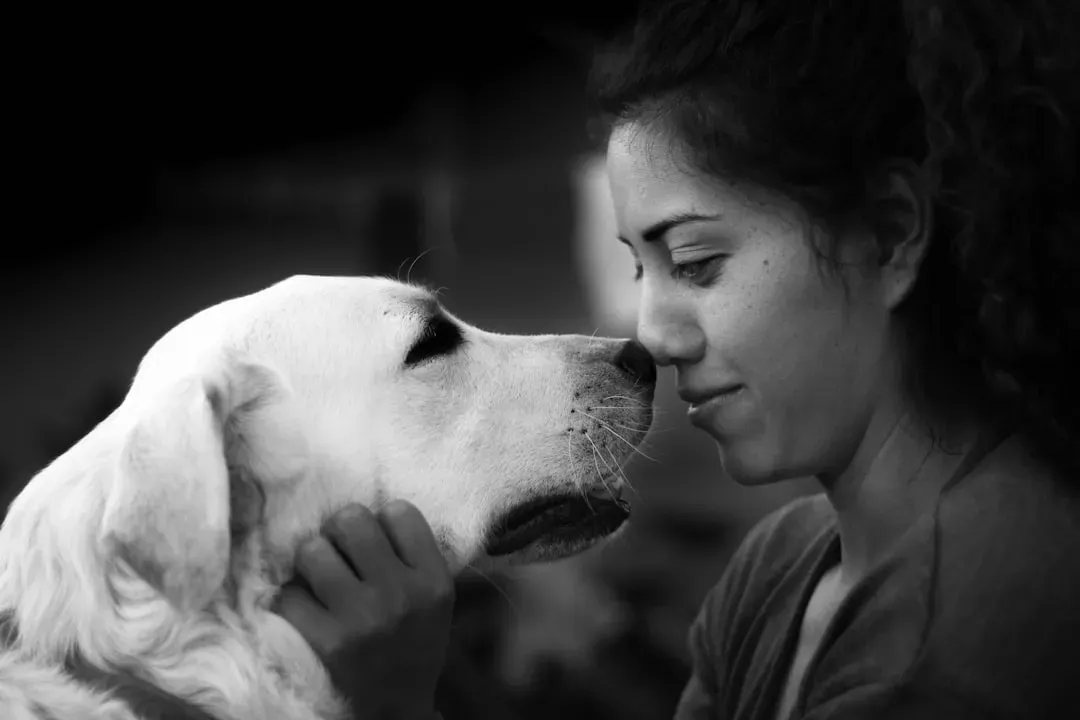
You know the voice. The one you’d be mortified to use in public. The one that comes out when it’s just the two of you and you’re telling them they’re the greatest creature who ever lived in a frequency that could shatter glass. That voice matters more than most people realize – not because of the words, which are often complete nonsense, but because of what the tone signals: no commands, no expectations, just affection with nowhere to be.
The way we talk to our dogs reveals what we actually think of them – whether they’re a project to be trained or a relationship to be tended.
Alexandra Horowitz, dog cognition researcher, “Inside of a Dog”
Canine cognition research has found measurably lower stress responses in dogs hearing familiar, upbeat voices from their person – even when the words are gibberish. The mistake most people make is saving the silly voice only for commands or high-energy moments. The real bonding happens when you use it in the quiet, ordinary seconds when nothing is being asked of either of you.
#6 – Placing Their Water Bowl Exactly Where They Prefer
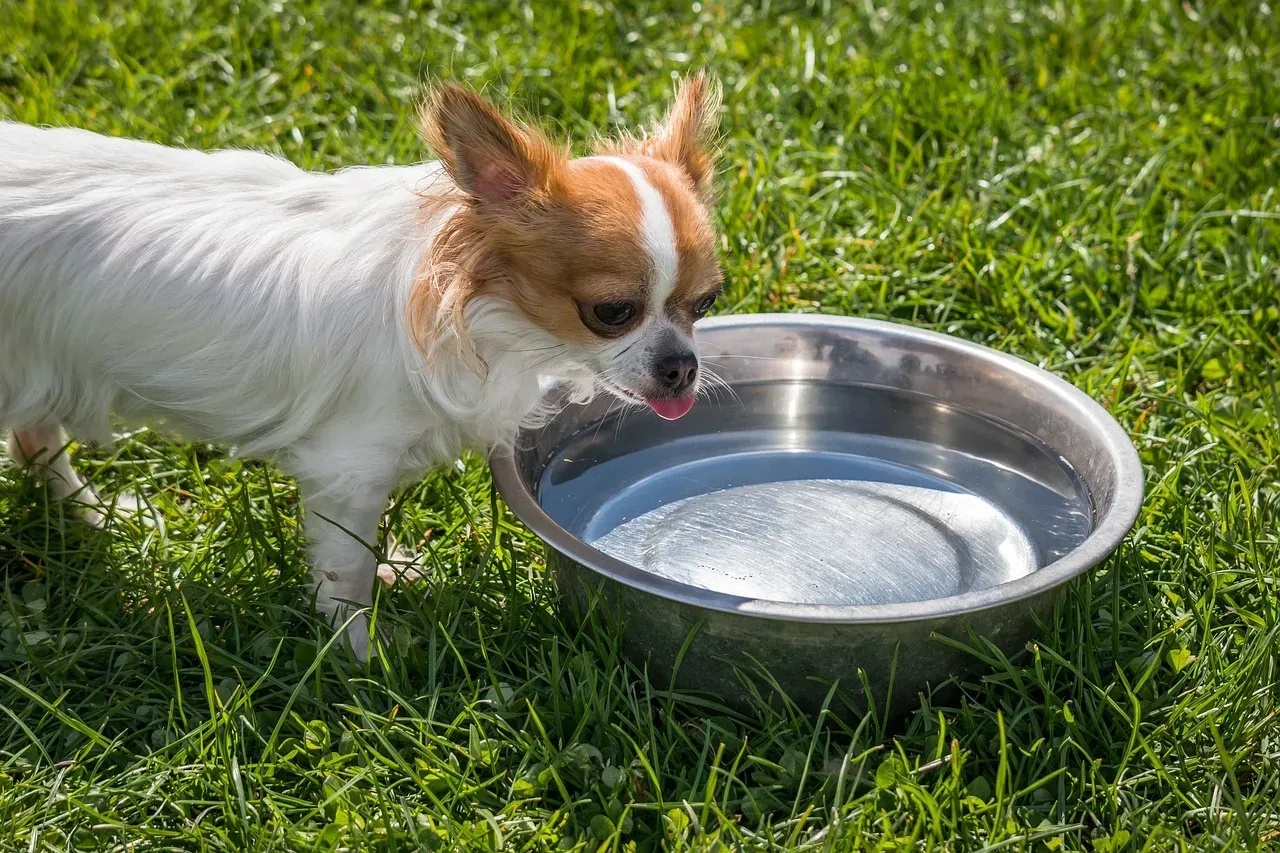
You moved it two feet to the left because that’s where they always drifted to drink. It took ten seconds. They will never be able to tell you what that meant to them – but their behavior will. Dogs who live in predictable environments, where small preferences are honored instead of overridden, show less resource hesitation, less low-grade anxiety, and more willingness to relax fully in their space.
People who don’t have dogs sometimes call this overthinking. People who do have dogs and track these small details tend to report something striking: calmer households overall. Not because the bowl location is magic, but because honoring it is part of a pattern – a daily series of signals that say “I see how you work, and I’m arranging things around that” instead of “adapt or deal.” Dogs read that pattern clearly.
#5 – Sitting on the Floor Beside Them During Storms
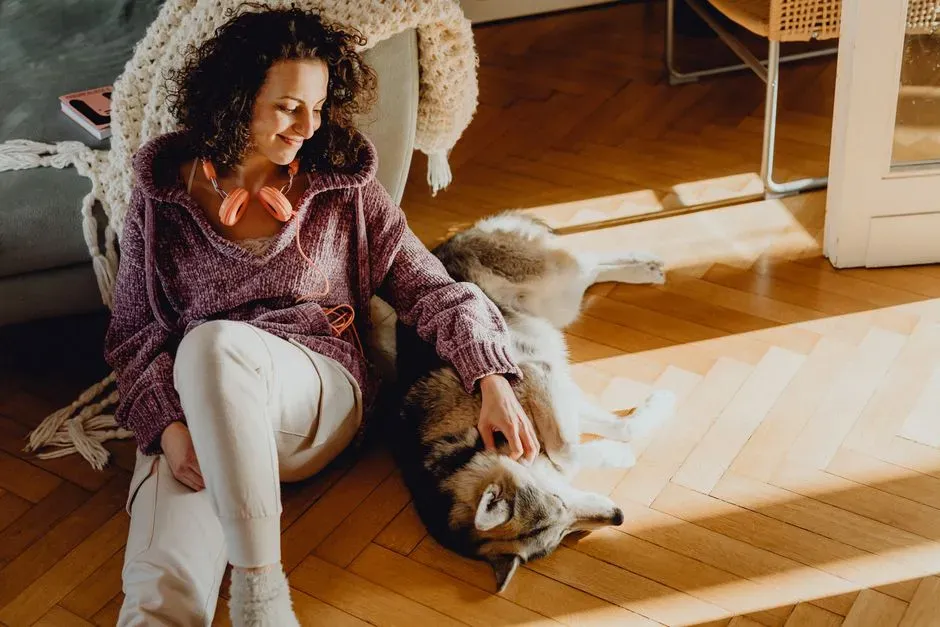
This one costs you something – the comfort of your seat, maybe your dignity, definitely your dry-cleaned pants. And that’s exactly why it works. When you get down on the floor beside your terrified dog instead of patting the couch and hoping they’ll climb up, you’re meeting them where the fear actually lives. You’re not asking them to come to safety. You’re bringing it to them.
The physical presence at their level, without pressure or performance, often breaks through faster than treats, thunder shirts, or any product designed for the purpose. Many dogs stop trembling sooner – not because the storm changed, but because their nervous system found the signal it was looking for: their person, steady and close, telling them through their body that this is survivable. The idea that dogs should “just get over” fear ignores how profoundly this one gesture reshapes their recovery. You sitting on the floor is the whole intervention.
Quick Compare: Floor Sitting vs. Common Storm Remedies
- Owner on the floor, calm and close: Directly addresses the attachment need; no cost; works even for severe fear responses.
- Thunder shirts: Useful for mild-to-moderate anxiety; most effective when introduced before a storm, not during.
- Calming supplements: Variable results; typically need 30–60 minutes to take effect – often too slow for acute panic.
- Distraction with treats: Works for low-level anxiety; most dogs too aroused to eat when genuinely frightened.
- Leaving the dog alone to “self-soothe”: Generally worsens fear responses over time without a trust anchor present.
#4 – Brushing Them in Short, Voluntary Sessions
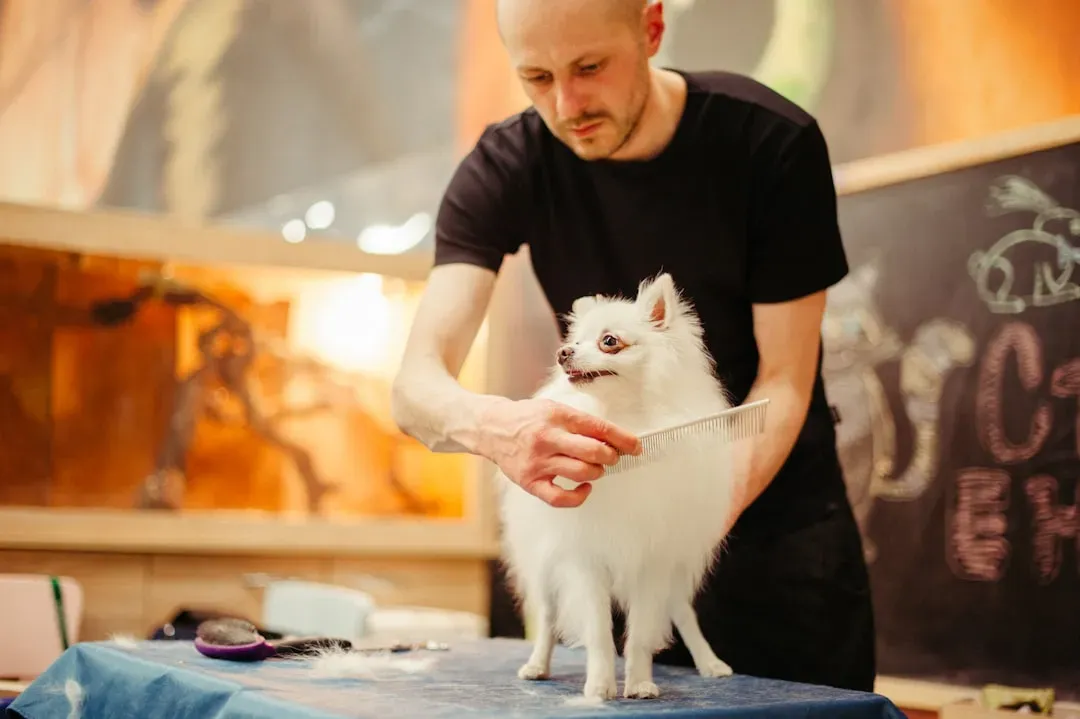
Offer the brush. Watch what they do. If they lean in, keep going. If they step away, stop – and mean it. That’s the whole protocol, and it sounds almost too simple until you watch a dog who’s been given that control start seeking the brush out, nosing toward it, asking for the thing they were previously dragged through. Consent in grooming isn’t a trend. It’s the difference between touch that builds trust and touch that erodes it.
Dogs who control the length of their own grooming sessions tend to tolerate vet exams better, accept handling from strangers more calmly, and show less avoidance around routine care in general. The regular short sessions also mean you catch lumps, skin changes, and matting before they become problems – which is its own form of devotion. Owners who force longer sessions when the dog is clearly done often create an avoidance pattern that takes months of patient work to undo. Stopping early is not giving up. It’s building the next session.
#3 – Leaving a Worn T-Shirt in Their Bed
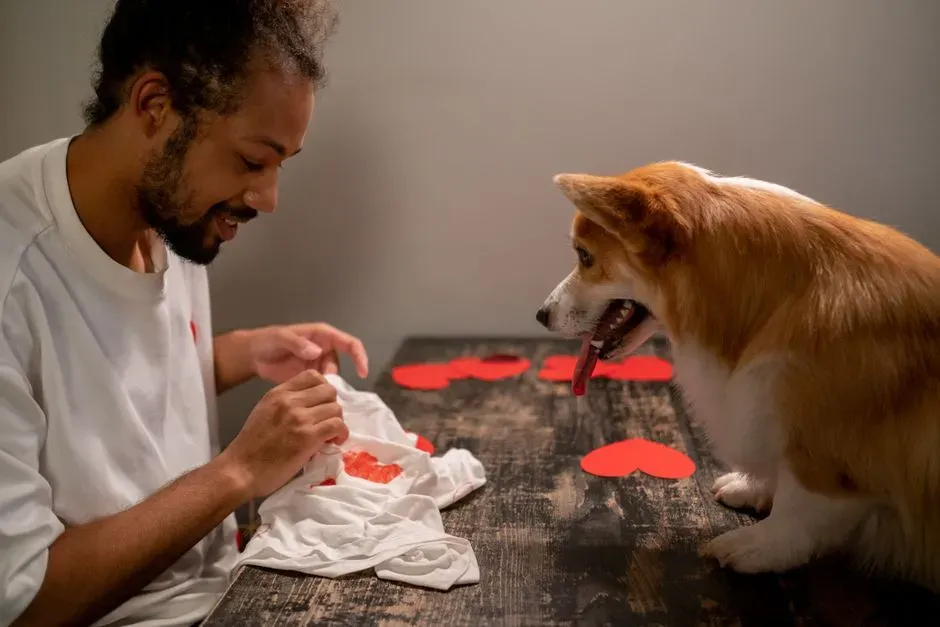
Not a clean one. Not one that’s been through the wash. The shirt you wore yesterday, the one that still carries the specific, unrepeatable scent of you going about your life. Placed in their sleeping spot before you leave. This is low-tech, costs nothing, and works with a reliability that surprises people who try it for the first time – especially with dogs who struggle with being alone.
Scent is a dog’s primary language, and your scent in their space translates roughly to: I was here, I’m coming back, you’re not abandoned. Separation anxiety affects an estimated 10 to 40 percent of dogs to some degree, and a recently worn item from their person is one of the most consistently recommended interventions – by behaviorists, shelters, and veterinary clinics alike. It works even for dogs who shred other comfort objects, because they’re not trying to destroy it. They’re trying to get closer to it.
#2 – Ending Every Walk With Their Favorite Route Home
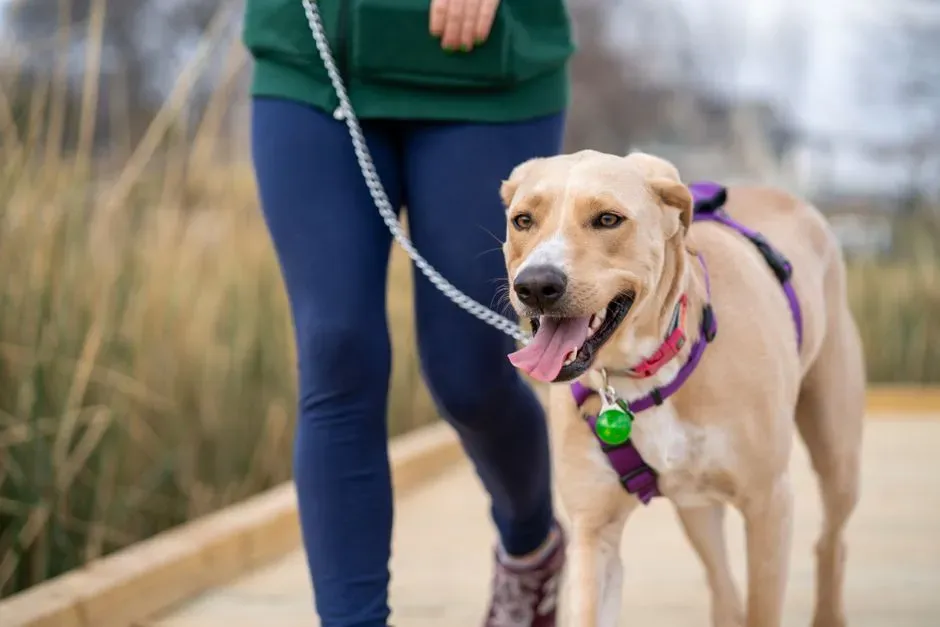
It adds maybe two minutes. You go left instead of right on the final block, past the yard with the interesting fence or the spot where something happened once that only they remember. You do it because they clearly prefer it – because their whole body changes on that stretch, looser and more curious and more themselves. That two-minute detour is two minutes of proof that their preferences have weight.
Dogs who have a predictable, enjoyable end to their walks show less end-of-walk pulling, more willingness to head home without protest, and more overall enthusiasm at the leash the next morning. The outing stops being a function and becomes a shared ritual – something you do together the way you’d do anything with someone whose company you actually enjoy. Some trainers push efficiency above everything. But efficiency isn’t what builds a dog who chooses you every single day.
#1 – Staying Calm When They’re Overwhelmed
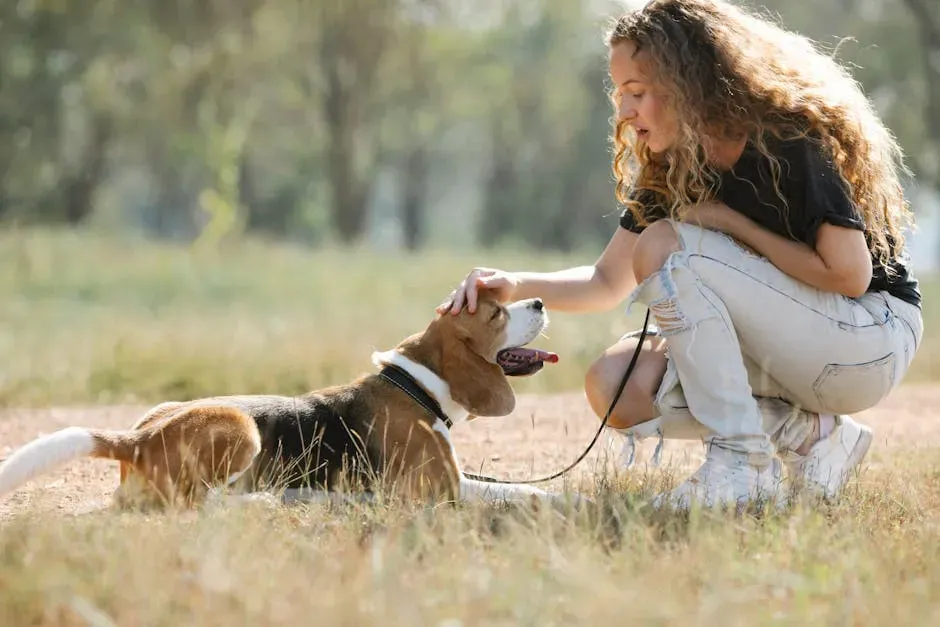
This is the hardest one, and the most important. When your dog is spinning out – thunderstorm, strange dog, car backfire, inexplicable Tuesday panic – every cell in your body wants to react: voice rising, hands moving, energy spiking. And in that exact moment, your dog looks to you to decide how serious this is. Your nervous system is their compass. If yours is steady, theirs has somewhere to anchor.
No gadget replicates this. No supplement, no behavioral aid, no amount of expensive gear substitutes for a person who has trained themselves to stay soft-voiced and slow-moving when everything in them wants to do the opposite. Dogs don’t ultimately choose the person who gives the most things. They choose the one whose presence makes the world feel smaller and safer – the one whose calm, in the middle of their chaos, says: I’ve got you, this will pass, I’m not going anywhere. That’s the whole bond, distilled to its simplest form.
Why It Stands Out: Signs Your Dog Has Truly Chosen You
- They follow you from room to room even when no food or walk is involved.
- They seek you out specifically after anything frightening – not just any human in the room.
- A stranger cannot comfort them during separation the way you can.
- They rest their chin on you or press their body against yours without any prompting.
- Their stress behaviors visibly decrease within seconds of your calm physical presence.
The Truth About Being Chosen
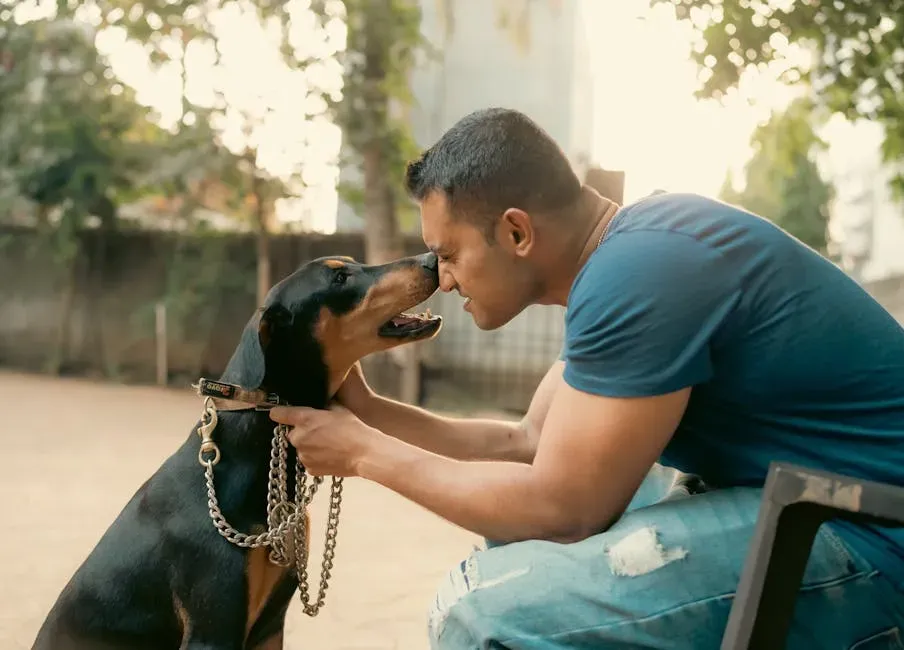
Here’s an opinion worth defending: most dog owners are performing care rather than giving it. They buy the right food, book the right vet, post the right photos – and still wonder why their dog seems to love the neighbor more. The answer is almost always in the small, unwitnessed moments. The scoot on the couch. The floor sit during a storm. The two extra minutes on the good street. None of it trends. None of it photographs well. All of it matters enormously to the dog watching you decide, again and again, whether their comfort counts.
The strongest bonds aren’t built in dramatic moments. They’re built in the hundred tiny daily choices to actually see the animal in front of you – not the idea of a pet, not a project, not a reflection of your identity as an owner, but a specific creature with specific preferences and a specific kind of trust that took real time to earn. If your dog follows you from room to room and rests their chin on your foot and seeks you out after anything frightening – that’s not just affection. That’s the result of everything on this list, already working. Don’t stop now.


