

Picture a dog that once bounded over for every pat or cuddle, only to grow quieter over time. The shift can feel sudden, yet it often traces back to patterns that build gradually in the relationship.
Owners notice the change in small ways at first. A tail that no longer wags quite as readily, or eyes that glance away instead of seeking contact. Psychology offers a lens for why this happens, drawing from ideas about how animals form expectations around connection and safety.
Attachment Theory Applied to Canine Bonds

Dogs form attachments much like young children do with caregivers. Research on the human animal bond shows that consistent responses from owners help dogs feel secure and willing to seek closeness. When those responses become unpredictable or absent, dogs may adapt by pulling back.
Avoidant patterns appear in some studies where dogs keep distance after separation rather than approaching for comfort. They might explore the room instead or accept attention from strangers more readily. This shift protects them from repeated disappointment in the bond they share with their person.
Learned Helplessness and Withdrawn Behavior

Classic experiments revealed how animals stop trying when outcomes feel beyond their control. Dogs exposed to unavoidable stressors later failed to act even when escape became possible. The same principle can extend to social bids for affection that go unanswered.
Over time a dog learns that initiating contact rarely leads to the desired response. The effort itself starts to feel pointless. What begins as hopeful approaches turns into quiet acceptance that connection may not come.
Signs of Expecting Rejection in Daily Life
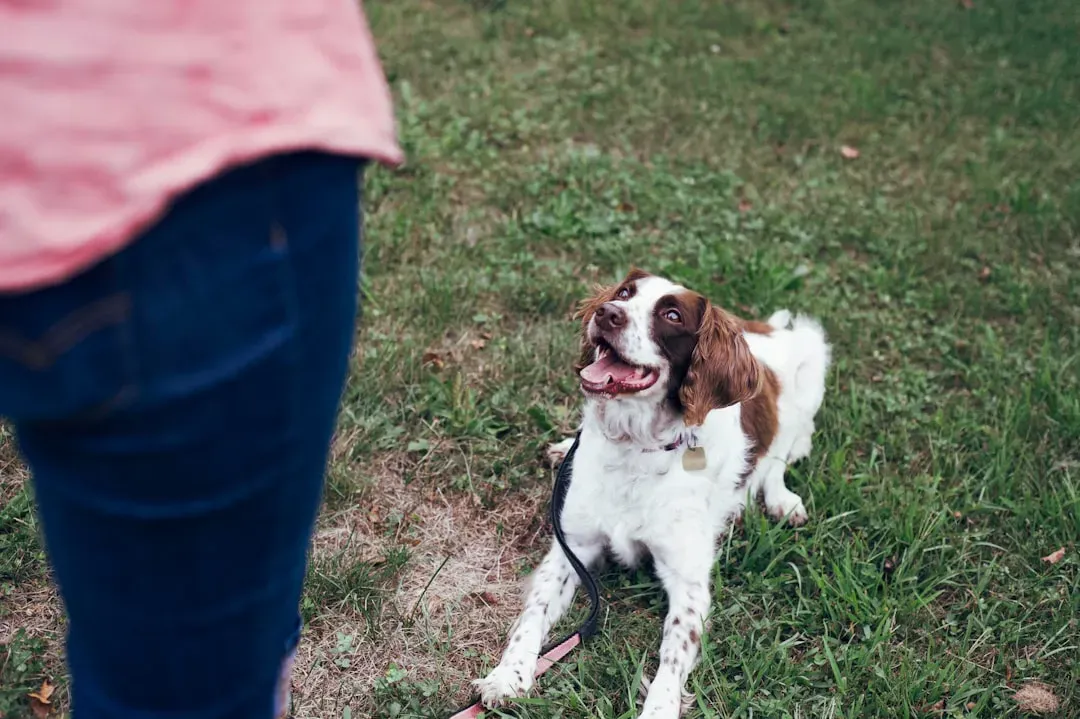
Watch for subtle changes in how a dog greets you at the door or settles nearby. Some stop offering their head for scratches or curling up close during quiet moments. These behaviors fade not because the dog cares less but because past experiences taught caution.
Other clues include turning away during attempts at interaction or showing less enthusiasm for play that once invited closeness. The dog still values the relationship yet protects itself by waiting for clear signals rather than risking the first move.
The Impact of Inconsistent Attention Over Time

Busy schedules or shifting priorities can create gaps where a dog’s bids for connection go unnoticed. A few missed moments rarely cause lasting change. Repeated patterns though send a clearer message that affection may not be reliably returned.
Dogs notice these rhythms through tone, body language, and timing. When owners frequently overlook small requests for contact the animal adjusts its strategy. Withdrawal becomes a learned way to conserve emotional energy.
Parallels Between Human and Dog Responses
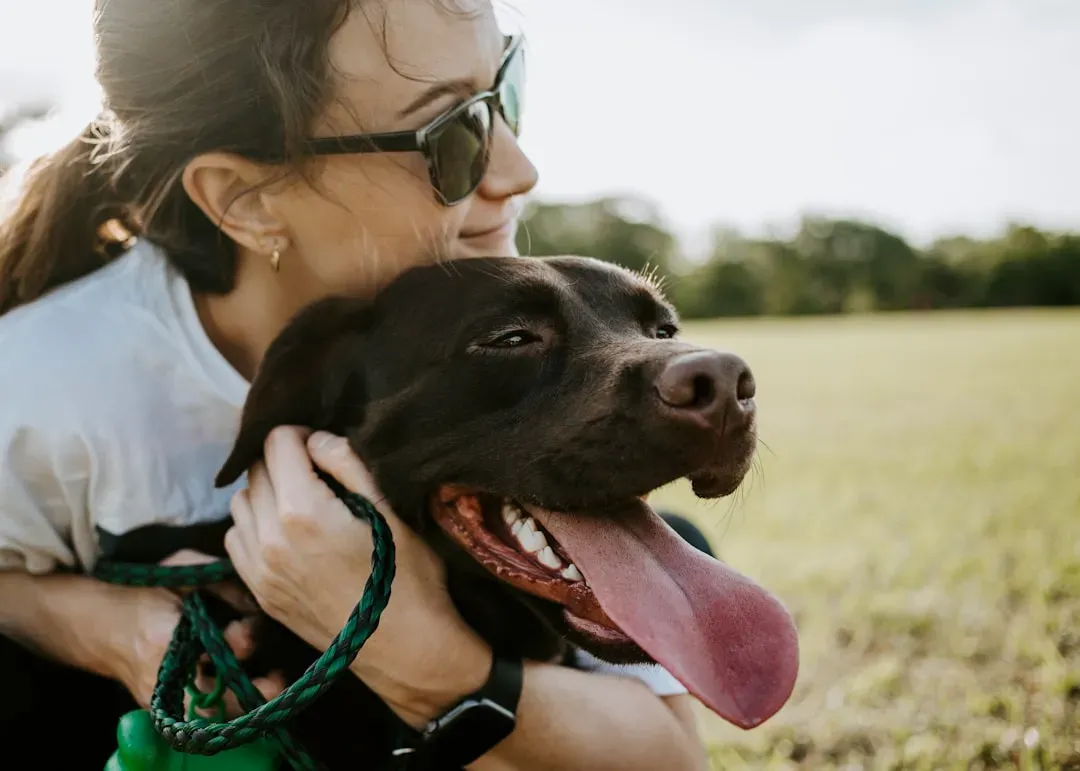
Rejection sensitivity appears across species when bonds feel uncertain. Humans with anxious attachment styles often amplify efforts to regain connection while avoidant ones create distance. Dogs display similar adaptations based on their history with caregivers.
Studies of pet attachment highlight how secure bonds buffer stress for both sides. Insecure patterns on the other hand lead to guarded interactions. The parallel reminds us that emotional safety matters deeply in any relationship that involves trust and repeated contact.
Rebuilding Trust Through Small Consistent Steps

Restoring a dog’s willingness to initiate affection starts with reliable responses to even minor bids. Noticing when a dog leans in or offers a paw and meeting that moment with calm attention helps rewrite old expectations. Patience matters more than grand gestures.
Owners can create predictable routines around greeting times or quiet companionship. Over weeks these steady signals allow the dog to test the waters again. The process works best when it feels natural rather than forced.
Reflections on What Dogs Teach Us About Connection

Observing these shifts in dogs invites a closer look at how we show up in relationships of all kinds. The quiet withdrawal serves as a reminder that affection thrives on mutual responsiveness rather than one sided effort. Small adjustments in daily attention can prevent the need for such protective distance.
Ultimately the bond with a dog reflects back the care we offer consistently. When that care remains steady the dog regains confidence to reach out first. The lesson lingers long after any single interaction ends.


