
How Dogs Form Emotional Bonds

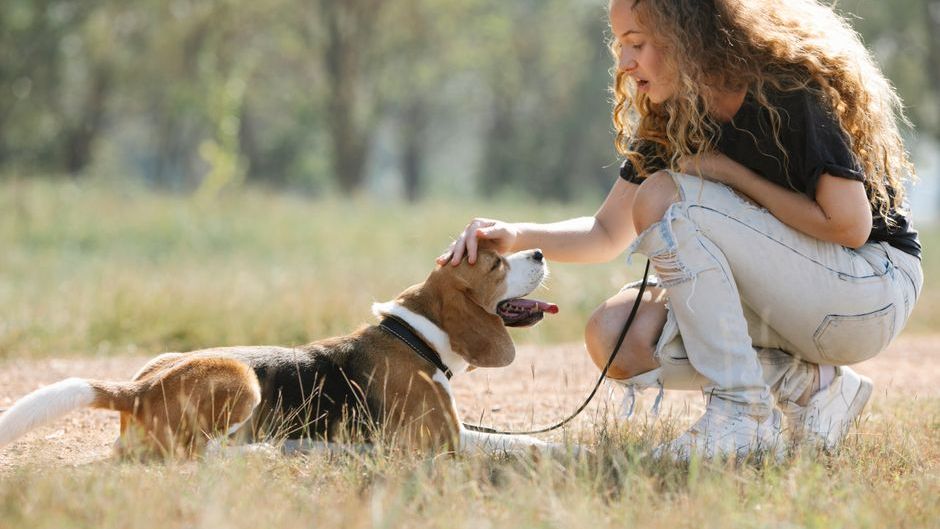
Dogs rely on stable relationships with their caregivers much like young children do. They learn to read routines, voices, and body language as signals of safety. When those patterns break during rehoming, the foundation of security can feel uncertain.
Research in animal behavior shows that dogs develop attachment styles over time through repeated positive interactions. A sudden change in environment removes those familiar cues. The result is often a cautious approach to new people and places until new patterns prove reliable.
The Disruption Caused by Rehoming
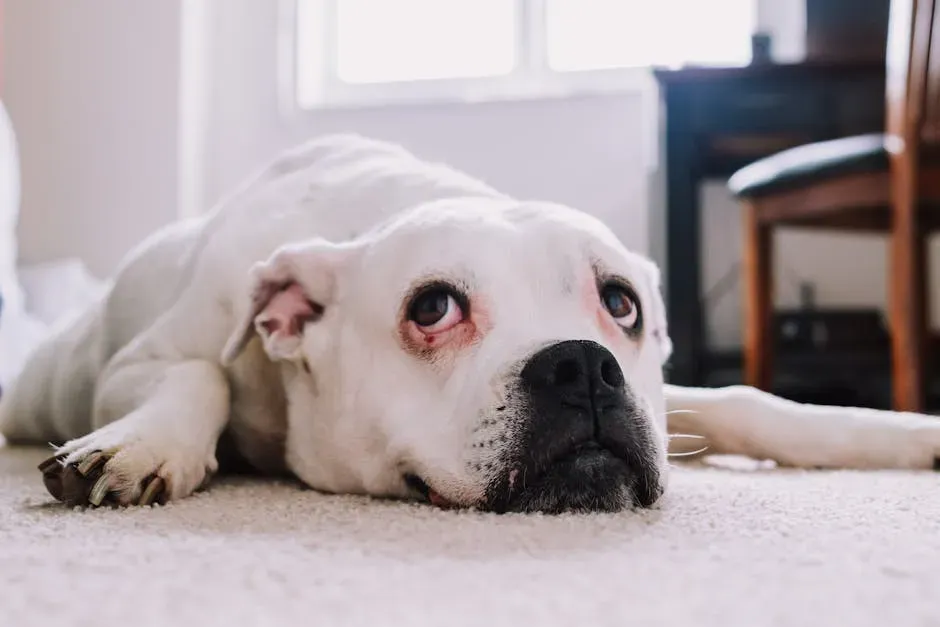
Moving to a new home means losing familiar smells, sounds, and daily rhythms all at once. Dogs process these losses as significant stress. Their nervous systems may stay on alert for weeks or months while they assess whether the new setting offers genuine safety.
Multiple transitions compound the challenge. A dog that has lived in several homes learns to withhold full trust as a protective measure. This learned caution serves them well in unstable situations but requires deliberate effort to ease once stability returns.
Recognizing Signs of Trust Challenges
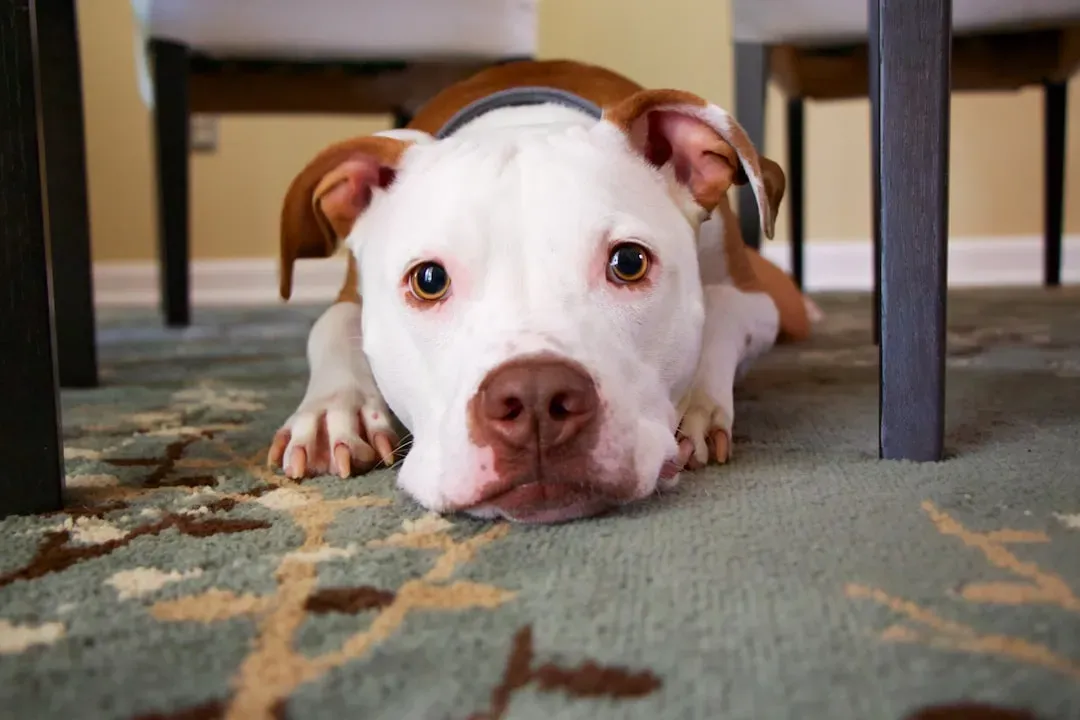
Owners might notice a dog that follows them everywhere yet flinches at sudden movements. Others see selective affection that appears only during calm moments and disappears when visitors arrive. These patterns reflect an ongoing evaluation of risk rather than outright fear.
Some dogs show their uncertainty through subtle body language such as lowered tails during greetings or hesitation before accepting treats. Sleep disturbances or changes in appetite can also appear. Each signal offers a window into the dog’s internal assessment of its surroundings.
The Role of Daily Consistency
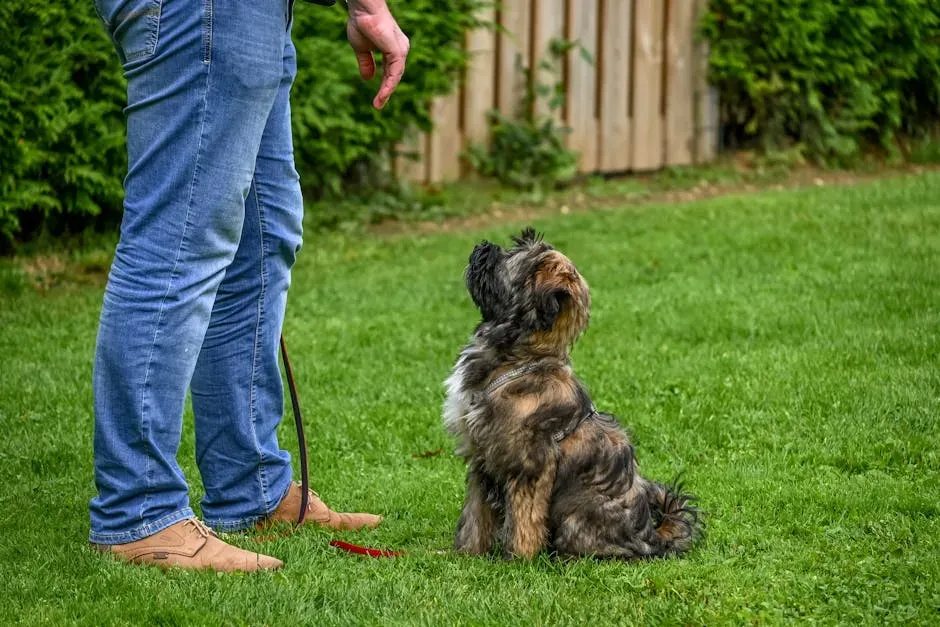
Simple repeated actions like feeding at the same times and using the same walking routes help rebuild a sense of predictability. Dogs notice these small consistencies and gradually link them to safety. Over months, the accumulation of reliable experiences begins to outweigh earlier disruptions.
Training sessions that focus on calm cooperation rather than performance also support trust. When commands come with gentle tone and clear rewards, dogs start to view their new person as a steady source of good outcomes. This process unfolds slowly because the brain needs repeated confirmation before updating its expectations.
Why Recovery Often Takes Years
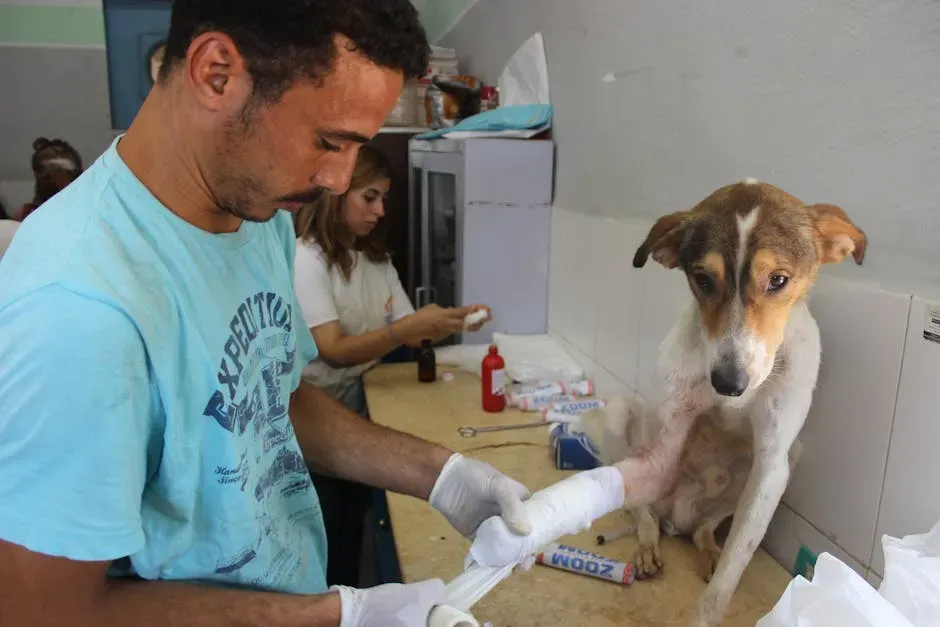
Emotional healing in dogs follows no fixed timeline because each animal carries its own history. A dog with one prior stable home may adjust faster than one with repeated moves. Age, breed tendencies, and the quality of early socialization all play parts in the pace of progress.
Even after visible improvements, underlying wariness can linger during stressful events such as vet visits or changes in household routine. Full integration of new trust patterns requires ongoing reinforcement. Many behaviorists observe that meaningful shifts appear after one to three years of steady care, with deeper security continuing to develop beyond that point.
Practical Ways Owners Can Help
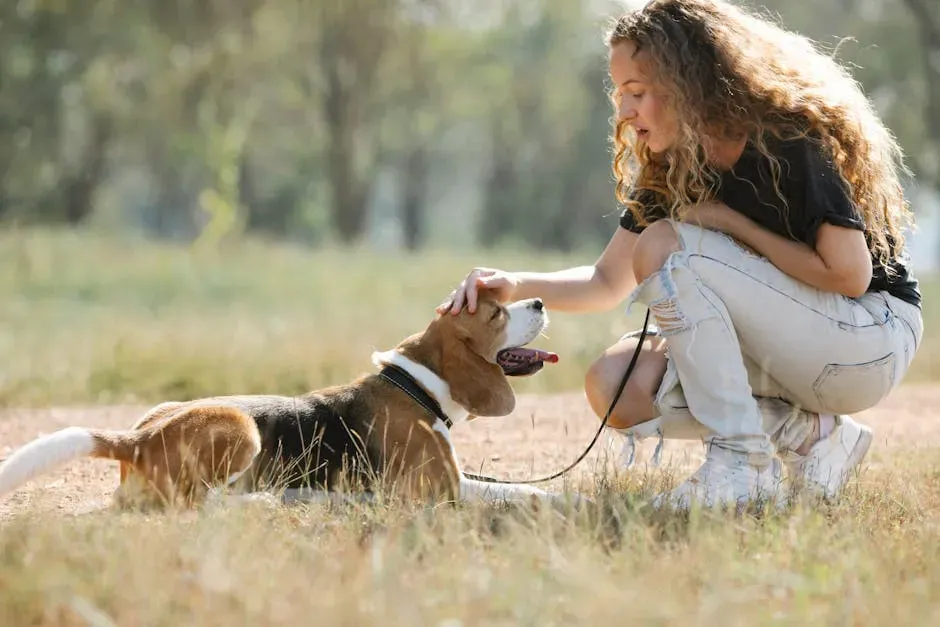
Creating quiet spaces where the dog can retreat without pressure gives it control over its environment. Allowing the dog to approach new people or situations at its own speed reduces the sense of threat. Small choices like these communicate respect for the dog’s pace.
Pairing everyday activities with calm presence helps link the owner with positive feelings. Sitting nearby during meals or offering gentle petting during relaxed moments strengthens the association. Over time these ordinary interactions become the building blocks of a secure relationship.
Looking Ahead With Patience and Hope
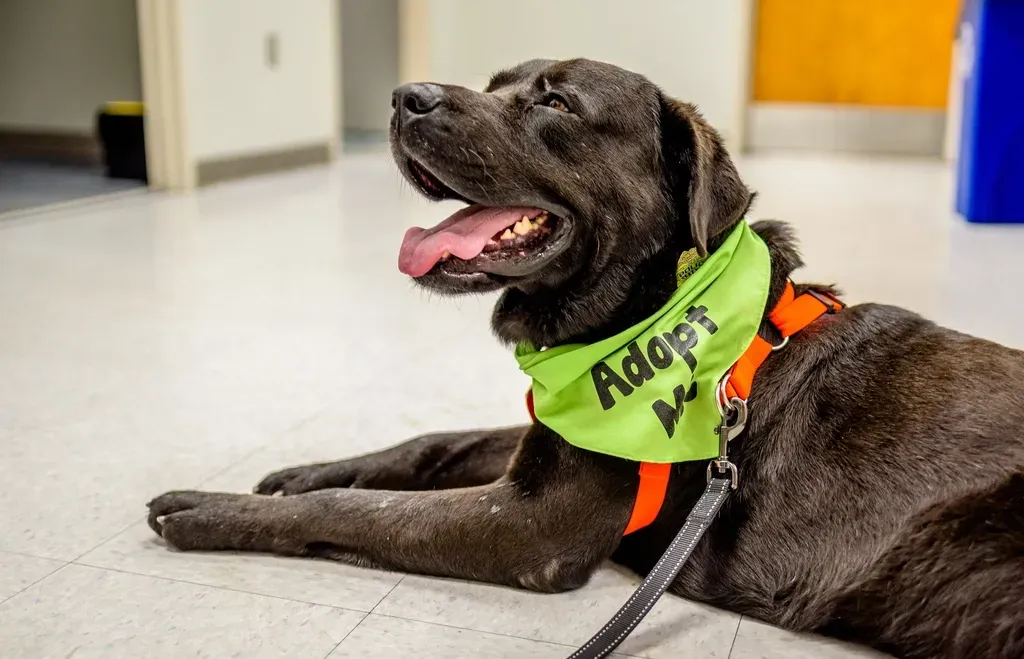
Rehoming a dog carries real emotional costs, yet the capacity for recovery remains strong when new caregivers commit to steady presence. The process rewards those willing to meet the dog where it stands rather than expecting immediate openness. Trust earned through consistency tends to run deep once it takes hold.
Every dog that learns to relax fully in its forever home demonstrates the resilience built into these animals. The years spent on repair become part of a shared story that strengthens the bond between human and dog. In the end, the quiet patience shown during the hardest months often creates the most lasting connection of all.


