
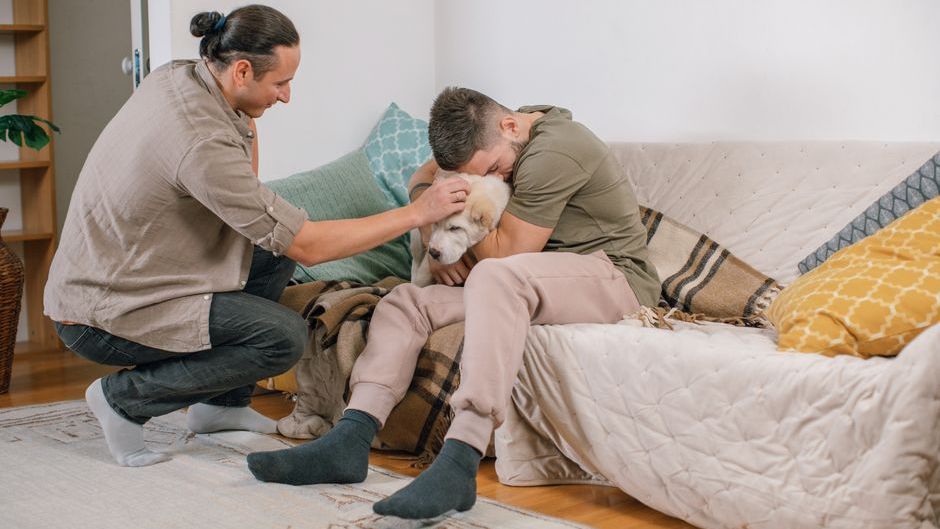
Dogs notice shifts in the air that people often overlook. Their senses pick up on tension, changes in scent, and tiny movements that hint at discomfort or hidden motives. Many owners have watched their pets react in ways that seem to flag when a story does not quite add up.
These behaviors rarely prove deception on their own. Still, they can serve as quiet signals worth paying attention to when something feels off in the household.
They Hold a Steady Stare
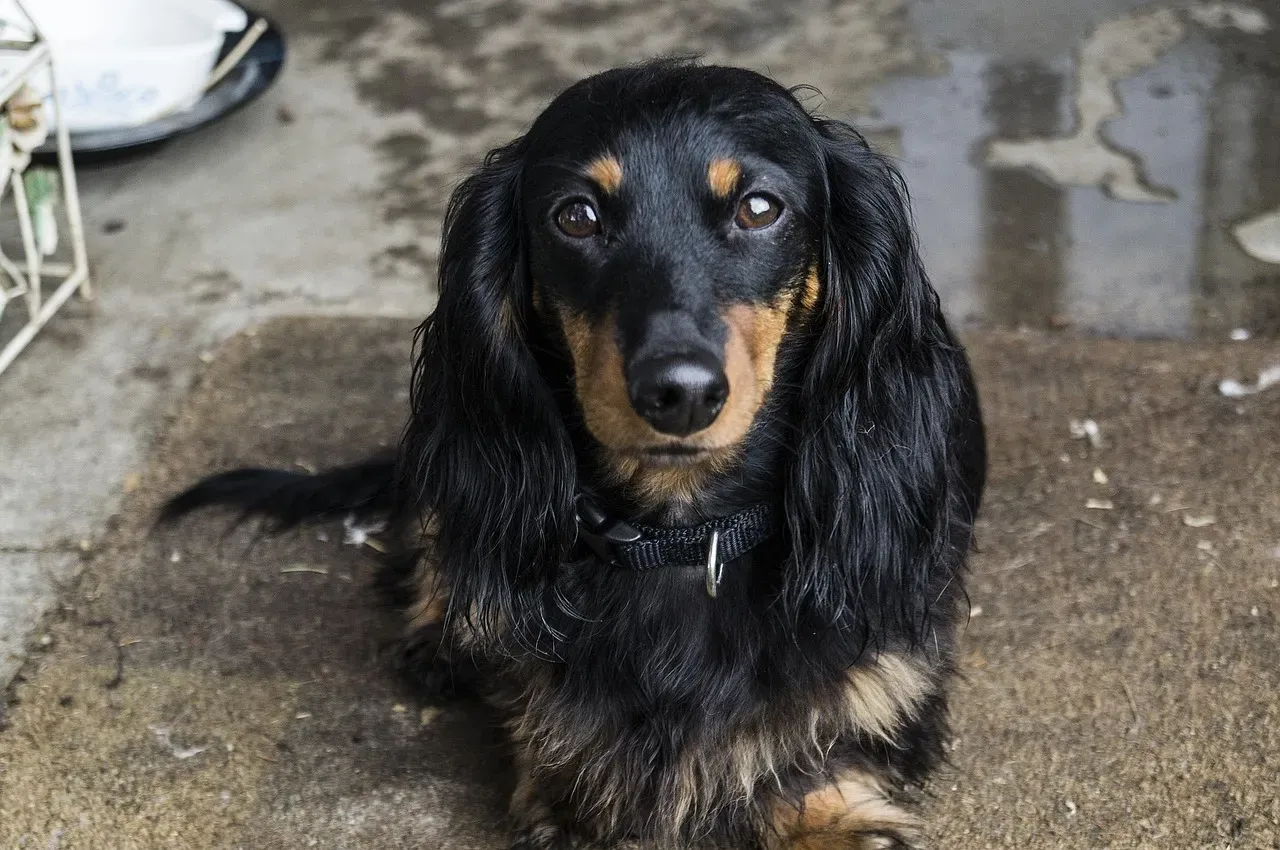
A dog that locks eyes on one person for longer than usual often signals something unusual. The gaze can feel intense, almost questioning, as if the animal is waiting for the next move or word. This focused attention tends to appear when voices rise or stories shift mid conversation.
Owners report the stare lasting through an entire exchange, only breaking when the person leaves the room. It differs from the casual glances dogs give during normal play or meals. The behavior draws notice because it singles out one individual amid a group.
They Produce Soft Whines or Low Growls
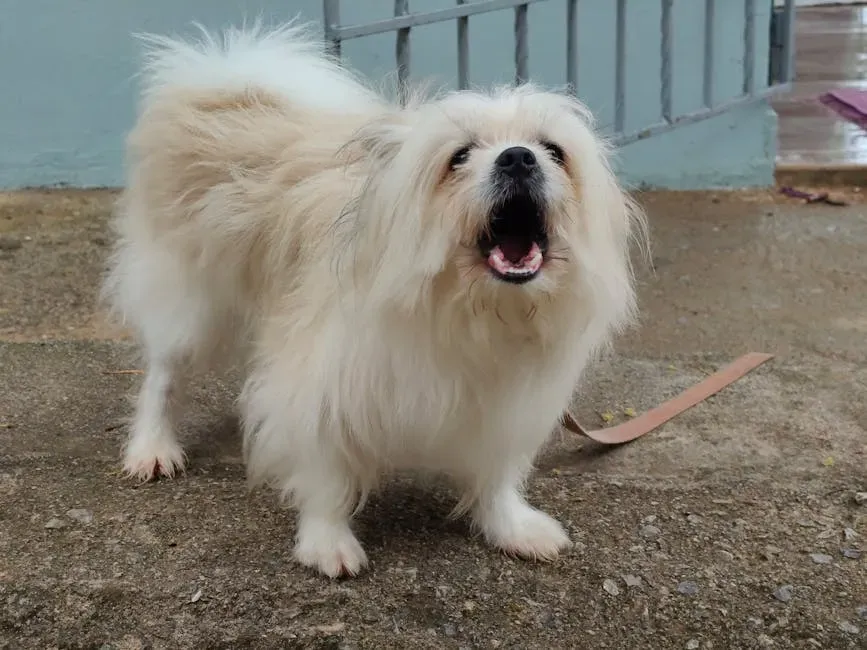
Subtle sounds can emerge when a dog senses unease in the room. A quiet whine might interrupt a tense moment, or a low rumble could follow a particular statement. These vocalizations usually stay soft rather than loud or aggressive.
The timing often lines up with moments of hesitation or evasive answers. Dogs may repeat the sound if the conversation continues along the same lines. Such noises stand out because they break the normal quiet of the household without clear external triggers like doorbells or strangers.
They Pace Between People
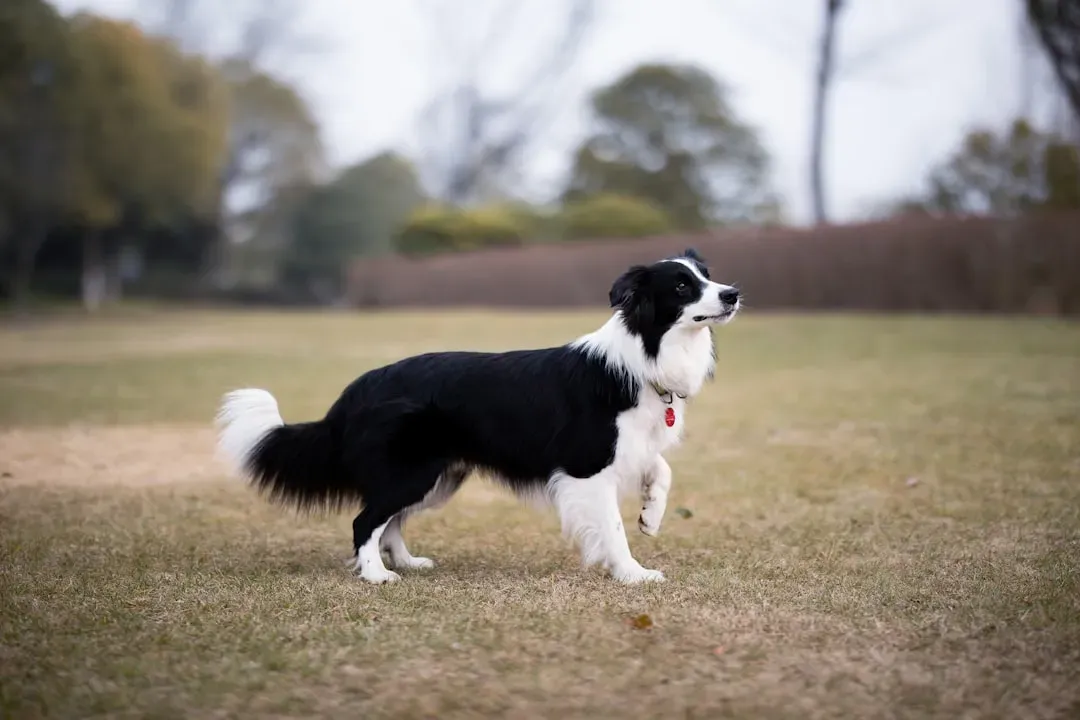
Restless movement from one person to another can mark a dog trying to process conflicting signals. The animal might circle the room, pausing near the individual whose words seem inconsistent. This back and forth happens more often during group discussions than during calm evenings.
Pacing tends to increase when the same person speaks repeatedly. It gives the impression the dog is checking each face for confirmation. The pattern usually settles once the topic changes or the group disperses.
They Sniff More Intently
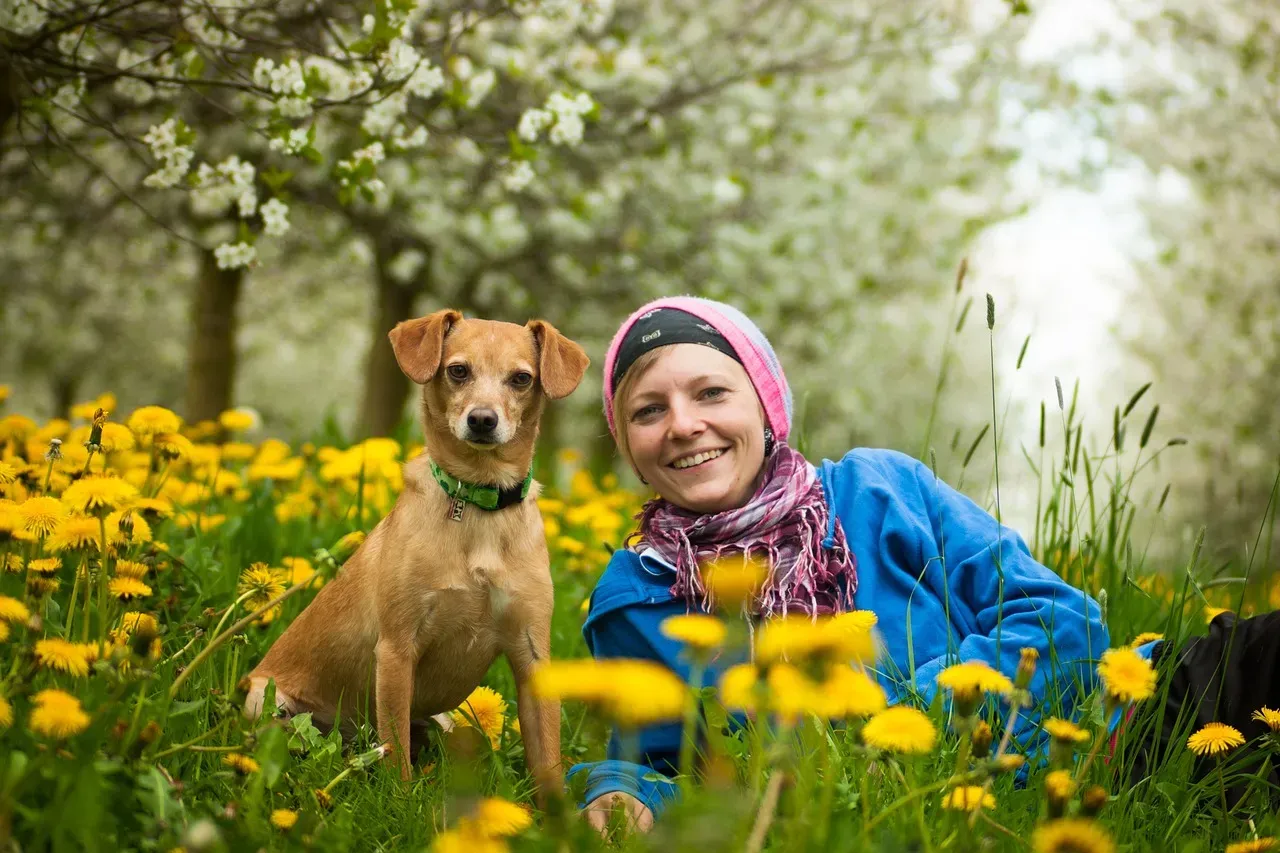
Extra sniffing around a specific person can point to scent changes tied to stress or adrenaline. Dogs rely heavily on smell, and shifts in body chemistry sometimes register as off. The behavior shows up as repeated approaches rather than a single curious sniff.
Owners notice the dog returning to the same spot on clothing or hands. This happens even when no new food or outdoor scents explain it. The focused investigation often ends once the person moves away or the atmosphere lightens.
They Show Lip Licking or Yawning
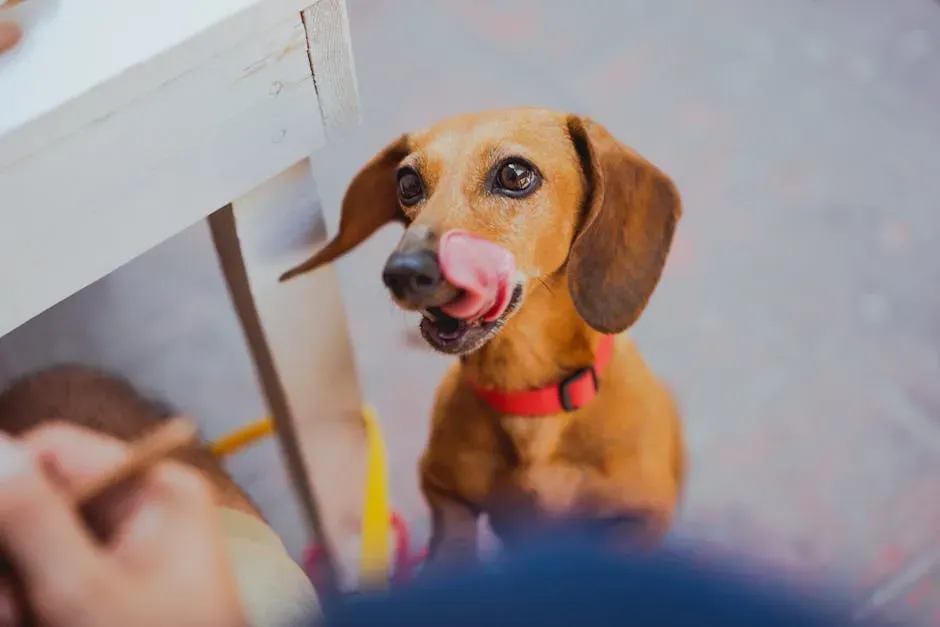
These small stress signals appear when a dog feels the room’s energy change. Lip licking can happen quickly between sentences, while yawning might occur without tiredness. Both actions serve as calming signals in canine body language.
The gestures tend to cluster around one speaker rather than spreading evenly. They stand out because they interrupt normal relaxed postures. Many owners connect the timing to moments when explanations grow complicated or defensive.
They Seek Extra Contact With One Person
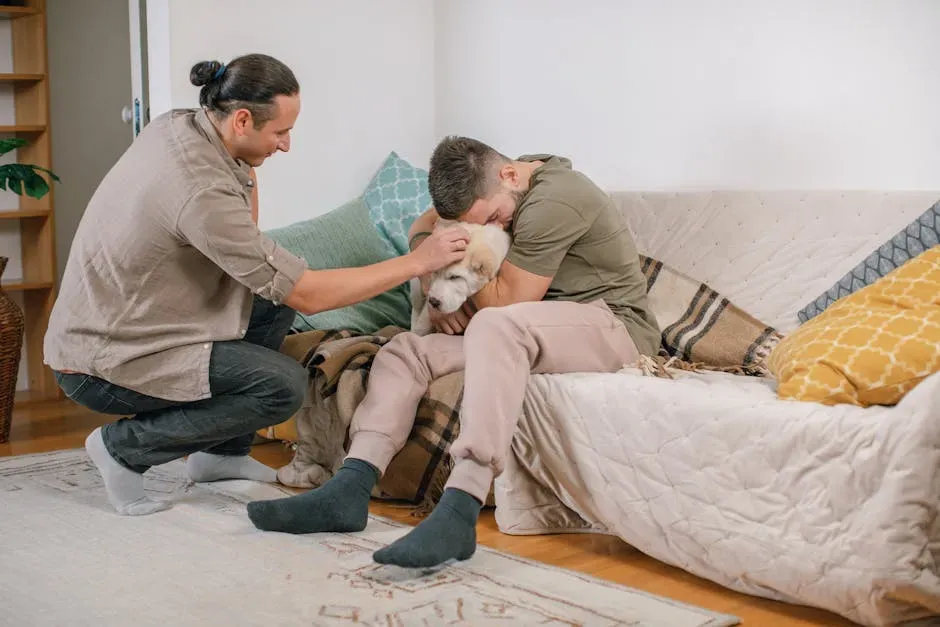
Pressing against a particular family member can reflect an attempt to offer or seek reassurance. The dog might lean in during pauses in conversation or rest a head on a lap. This contact often feels deliberate rather than random affection.
The choice of person sometimes shifts based on who appears most unsettled. It provides a physical anchor amid verbal uncertainty. The behavior fades as the discussion moves to lighter topics.
They Alter Their Tail Position
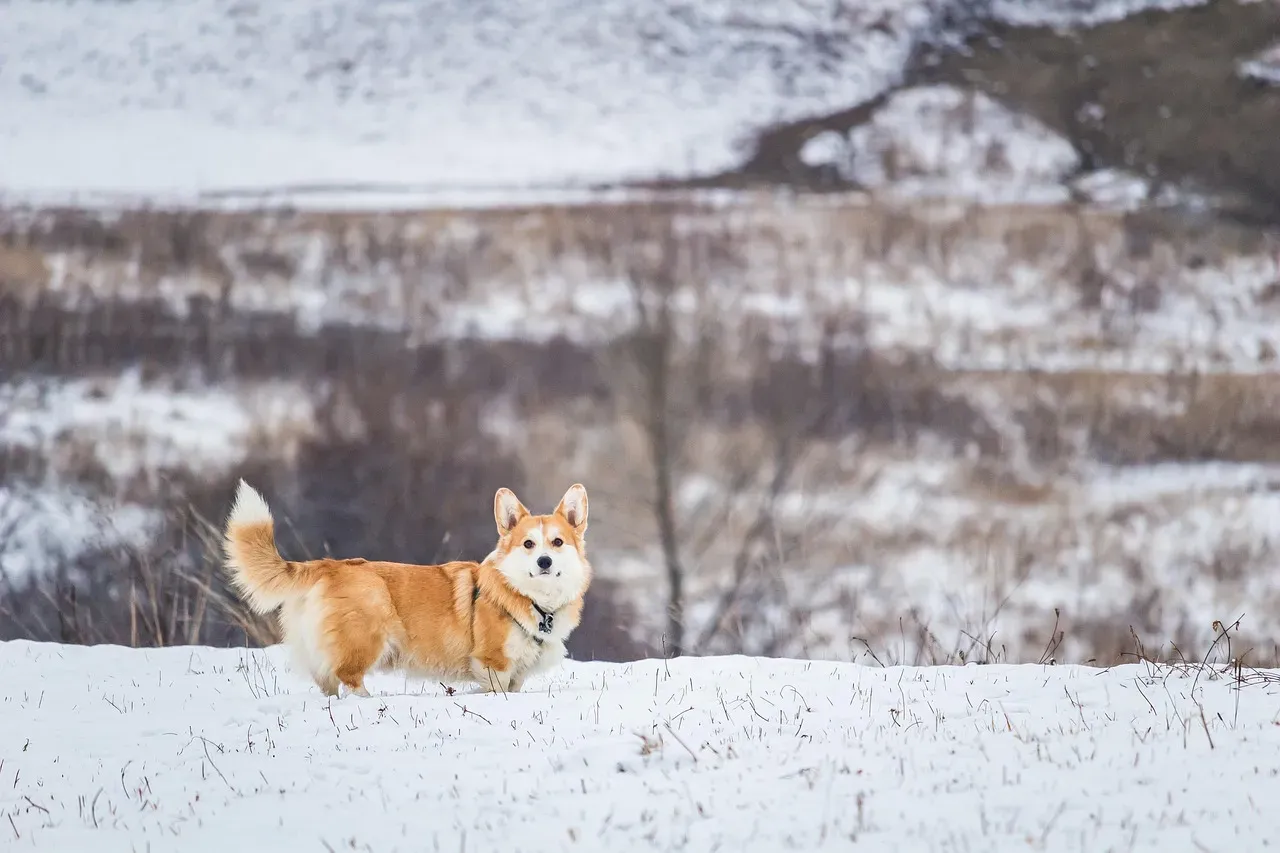
A tail that stays low or tucks slightly can indicate discomfort with the current exchange. The change appears without obvious threats like loud noises or sudden movements. It contrasts with the relaxed wag seen during ordinary family time.
Owners observe the tail returning to neutral once the speaker steps back or the group laughs. The adjustment happens quickly and repeats if the same tone resumes. Such shifts draw attention because they align with specific voices rather than the overall room activity.
They Interrupt Play or Rest
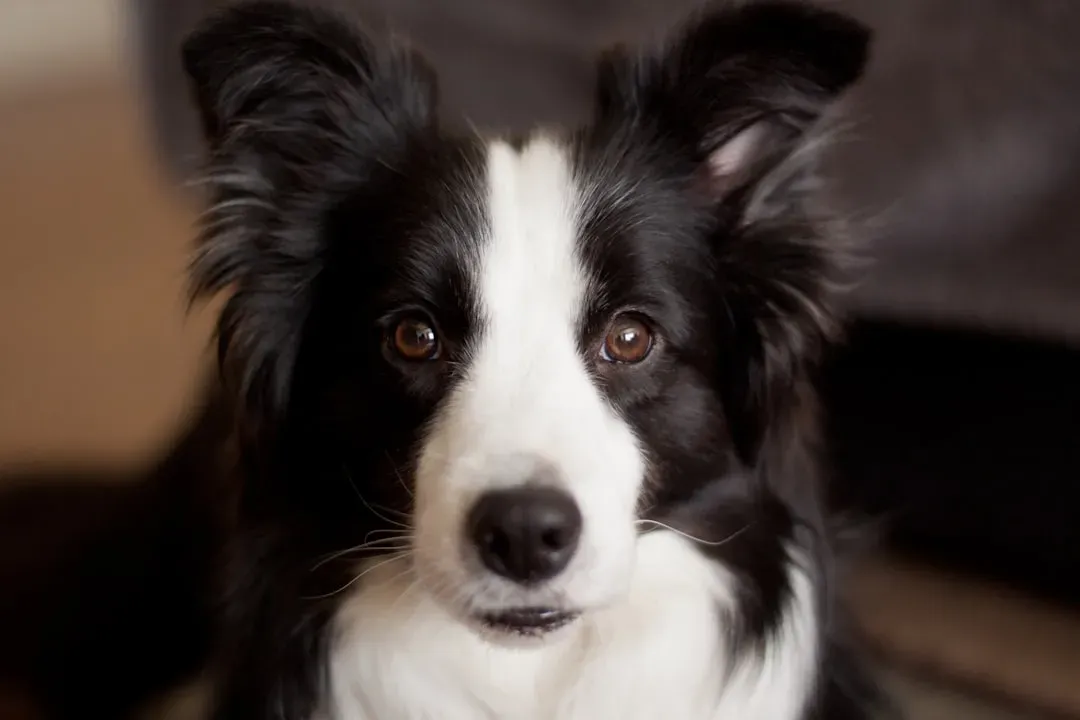
A dog that suddenly stops a game or leaves a comfortable spot can highlight an unexpected cue. The pause often occurs right after a questionable remark. The animal may stand alert, ears forward, before deciding whether to rejoin the activity.
This break in routine feels noticeable because it disrupts an otherwise steady flow. It tends to happen more than once if the conversation stays on the same track. The return to normal play usually follows a change in subject or speaker.
They Follow One Person More Closely
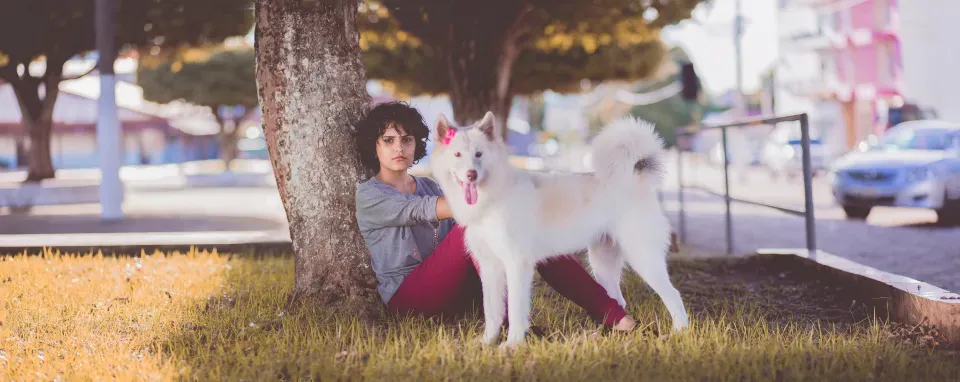
Shadowing a single individual through the house can mark heightened interest in their movements. The dog stays near without demanding attention, simply observing. This pattern emerges during evenings when stories are shared or plans are discussed.
The following stops when the person sits down or the group separates. It differs from the usual companionship dogs offer throughout the day. Owners often link the behavior to moments when answers seem delayed or details feel inconsistent.
Paying attention to these signals can deepen the connection between people and their dogs. The observations remain rooted in everyday experiences rather than proven detection of lies. Still, they remind us that animals often read the room in ways that invite closer listening from everyone involved.


