
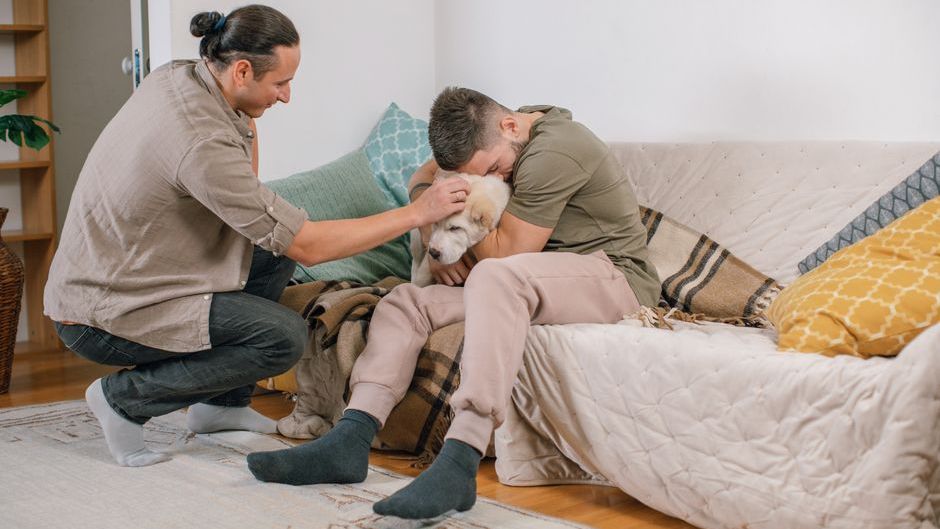
Staying Glued to Your Side
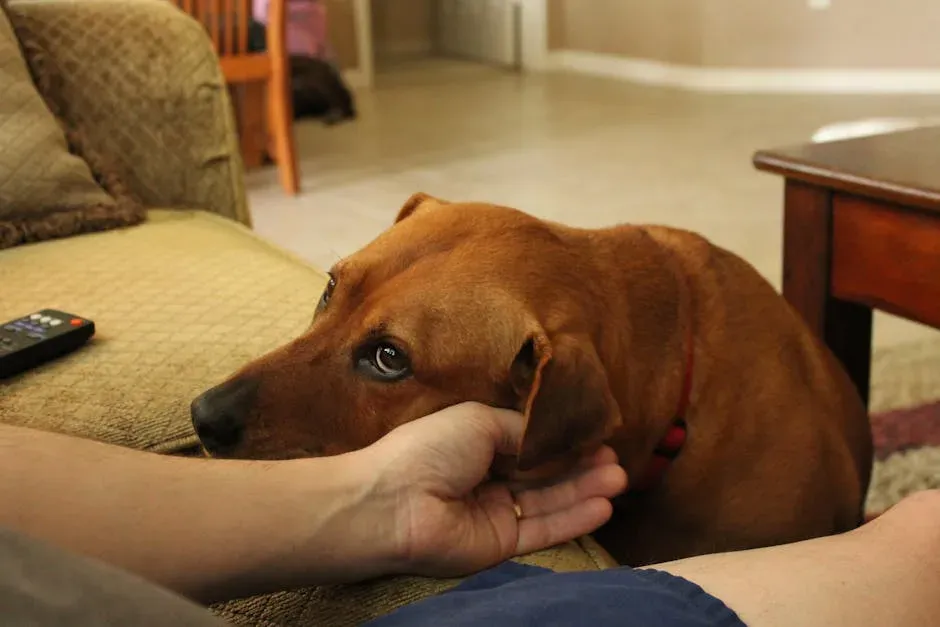
Dogs often shadow their owners more closely when something feels off. They might follow from room to room or settle right next to the couch or bed instead of their usual spot. This closeness tends to increase when daily routines slow down or energy levels drop.
Owners frequently describe the dog refusing to leave even for short periods. The behavior stands out because it differs from normal patterns of independence. It reflects how dogs notice reduced movement and altered habits right away.
Fixing You With a Steady Stare

An intense, prolonged gaze can signal that your dog senses a shift. They may sit across the room and watch without the usual play invitation or tail wag. This focused attention often lasts longer than typical curious looks.
The stare sometimes comes with a tilted head or soft whining. It gives the impression the dog is trying to understand or communicate something. Many seniors report this happening during periods of dizziness or fatigue that they have not yet named.
Offering Extra Cuddles and Physical Contact
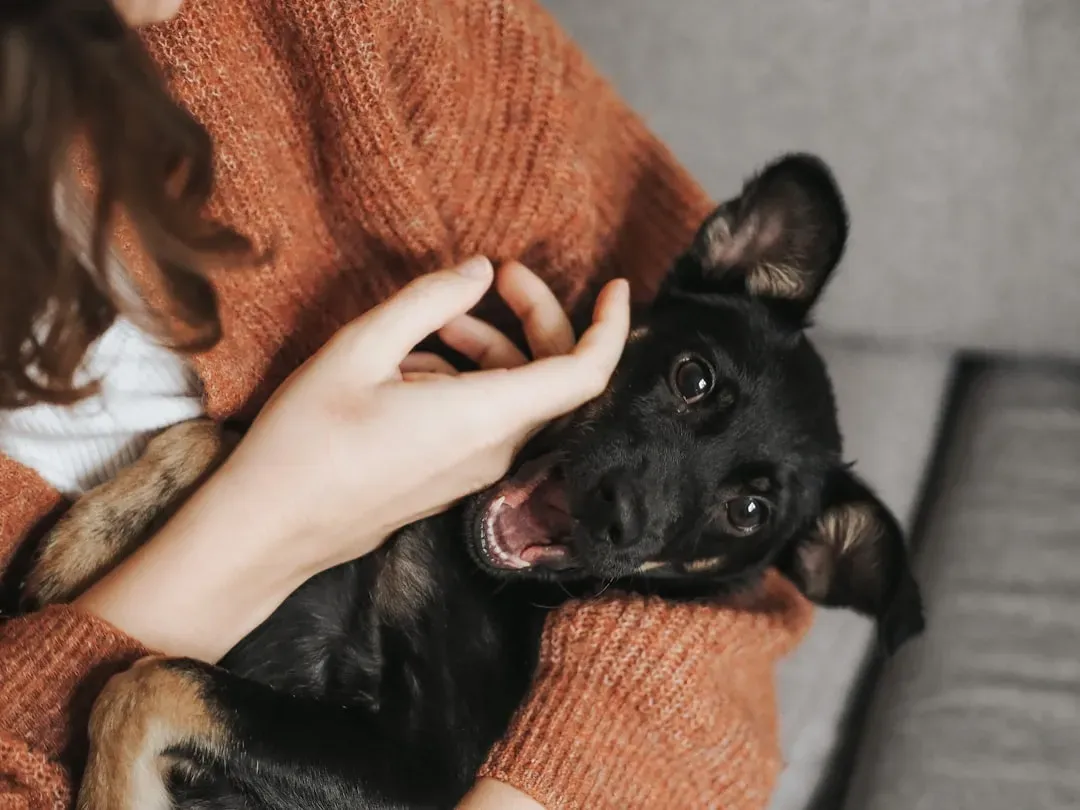
Some dogs become unusually affectionate when they detect changes. They press against legs or climb onto laps more often than before. The contact feels deliberate rather than random seeking of warmth.
This increase in closeness can include gentle leaning or resting a head on your knee. It provides a form of quiet support that aligns with times when movement feels harder. The pattern repeats across many accounts from older adults managing ongoing health matters.
Sniffing or Pawing at Specific Areas
Dogs may focus their nose or paws on one part of the body repeatedly. They linger near an arm, leg, or torso where subtle scent changes occur. The action stands out because it targets the same spot over several days.
Such targeted investigation often appears before obvious symptoms emerge. It draws on the dog’s powerful sense of smell that picks up tiny chemical differences. Seniors sometimes connect these moments to later medical findings about inflammation or other issues.
Changing Their Own Vocal Patterns
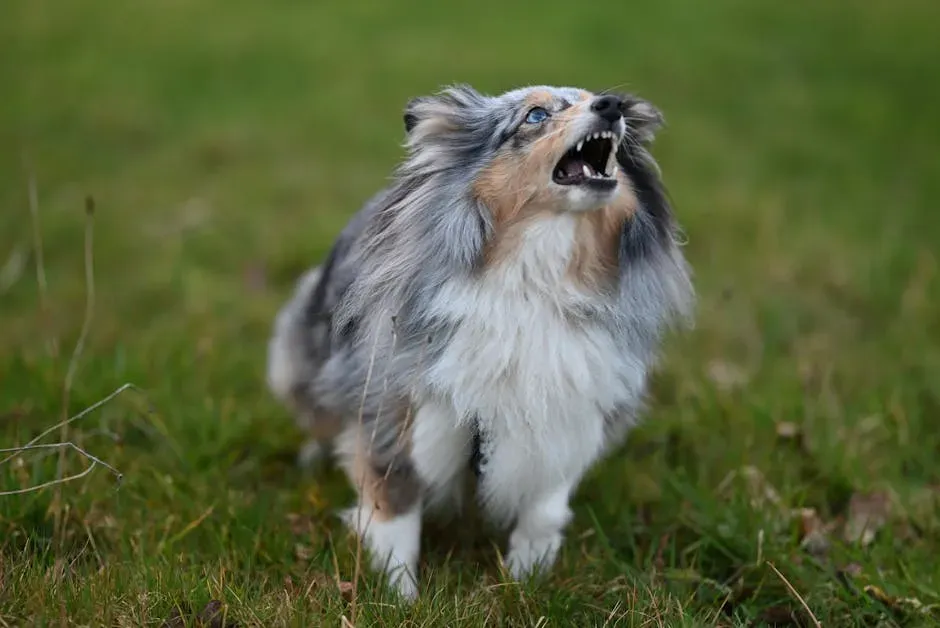
Whining, soft barking, or unusual sounds can mark a dog’s response to an owner’s condition. The noises tend to happen at times when the person rests more or moves less. They differ from the usual requests for food or walks.
These vocal shifts often serve as gentle alerts rather than demands. They may occur when the dog senses something needs attention. The change feels noticeable because it breaks the established daily soundscape of the home.
Bringing Toys or Comfort Items
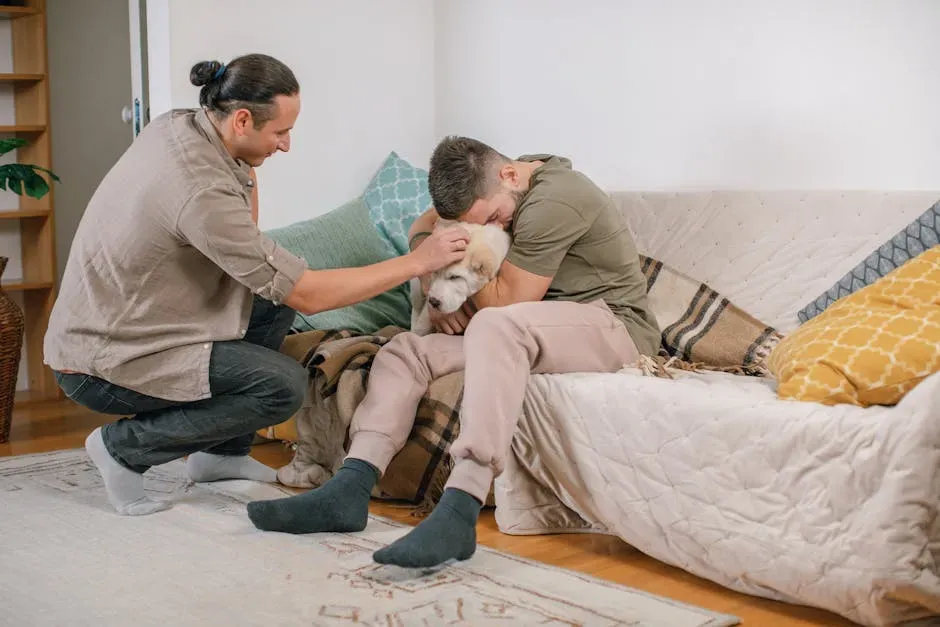
A dog might carry favorite toys or blankets toward the owner during quieter days. They drop the items nearby or place them on a lap or bed. The gesture appears aimed at offering something familiar and soothing.
This behavior shows up more when normal play decreases. It reflects an attempt to engage or provide distraction in a gentle way. Many older adults recognize the pattern as tied to periods of feeling less well.
Acting Protective or Guarding Your Space
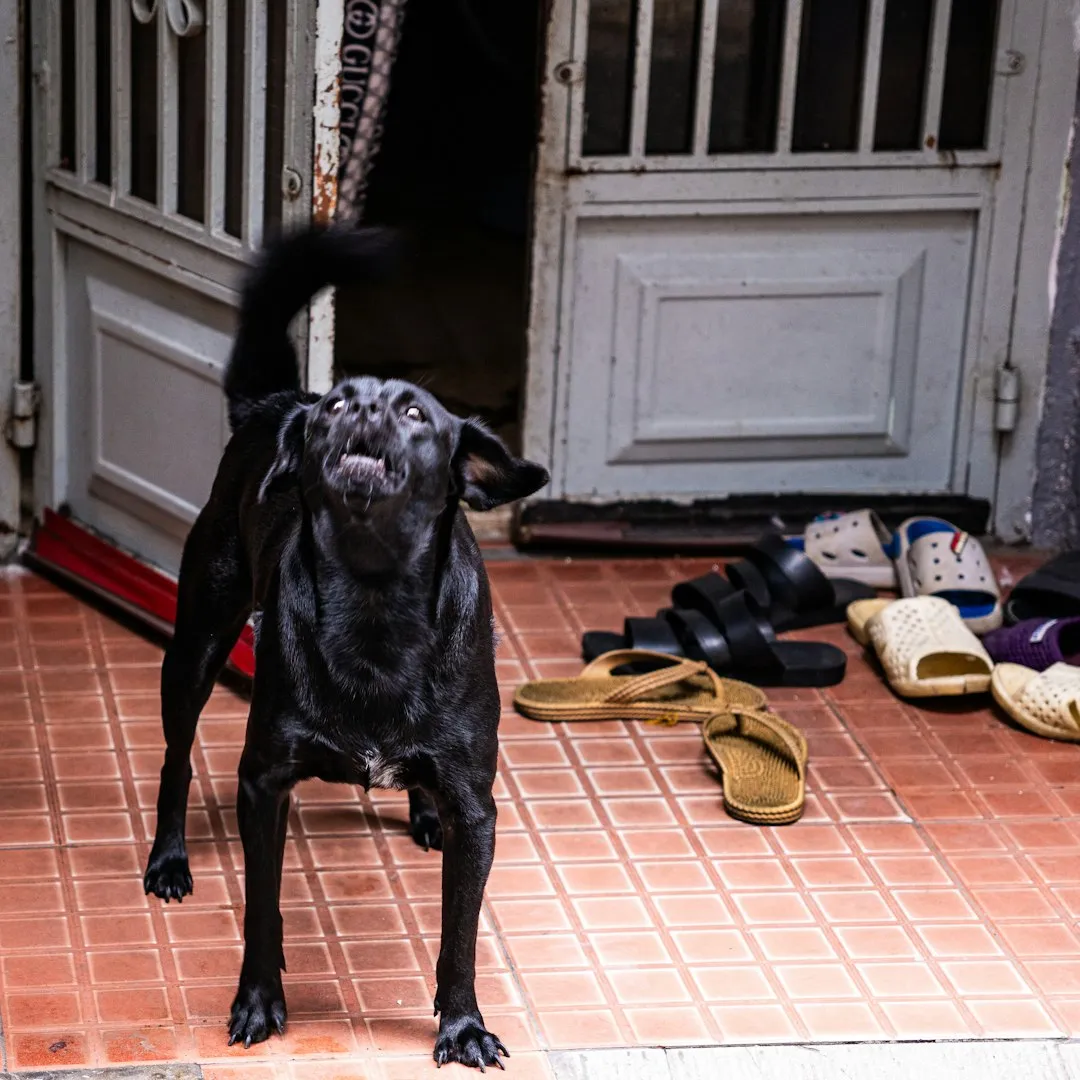
Some dogs position themselves between their owner and visitors or doorways. They may bark more at outside noises or stay alert in ways that feel heightened. The stance creates a buffer around the person resting.
This protective layer often emerges alongside other changes in closeness. It suggests the dog registers vulnerability and responds by watching over the area. The shift becomes clear when compared to the dog’s usual relaxed demeanor around the house.
Dogs have long shared daily life with seniors, and these quiet signals add another layer to that bond. Paying attention to them can encourage earlier check ins with a doctor while also deepening appreciation for the animal’s presence. In the end, the real value lies in the steady companionship that makes those uncertain days feel less alone.


