
Most dog owners have noticed their pet shifting position during tense moments, yet few pause to consider what drives that quiet adjustment. It turns out the behavior may run deeper than simple loyalty, touching on how dogs read the subtle chemical signals their humans give off under stress.
The Cortisol Connection in Human Stress
Cortisol rises when people feel threatened or uneasy, creating a scent profile that dogs appear equipped to notice. Studies on canine olfaction show they can distinguish stress related odors from neutral ones with surprising accuracy. This chemical awareness lets them respond before any visible argument or raised voice occurs.
Owners often report their dogs moving closer during visits from certain relatives or during heated phone calls. The positioning between owner and the source of tension feels deliberate rather than random. It suggests an instinctive effort to create a buffer in the moment.
How Dogs Detect Emotional Shifts
Dogs rely on a combination of smell, body language, and tone of voice to gauge human moods. When cortisol levels climb, subtle changes in sweat and breath provide early clues. These signals reach the dog long before the owner consciously registers discomfort.
Breeds with strong protective histories show this pattern more consistently in home settings. Even mixed breed companions display similar tendencies once bonded closely with one person. The response seems tied to attachment rather than training alone.
Protective Positioning as an Instinct
Placing themselves in the middle creates a physical barrier that can lower the perceived threat. This action mirrors ancient pack behaviors where animals shielded vulnerable members from outsiders. Modern dogs apply the same logic to household visitors who trigger unease.
The move often happens without commands or obvious cues from the owner. It unfolds quietly, sometimes just a slight shift of weight or a step forward. Observers describe it as calm rather than aggressive, focused on presence instead of confrontation.
Everyday Scenarios Where This Appears
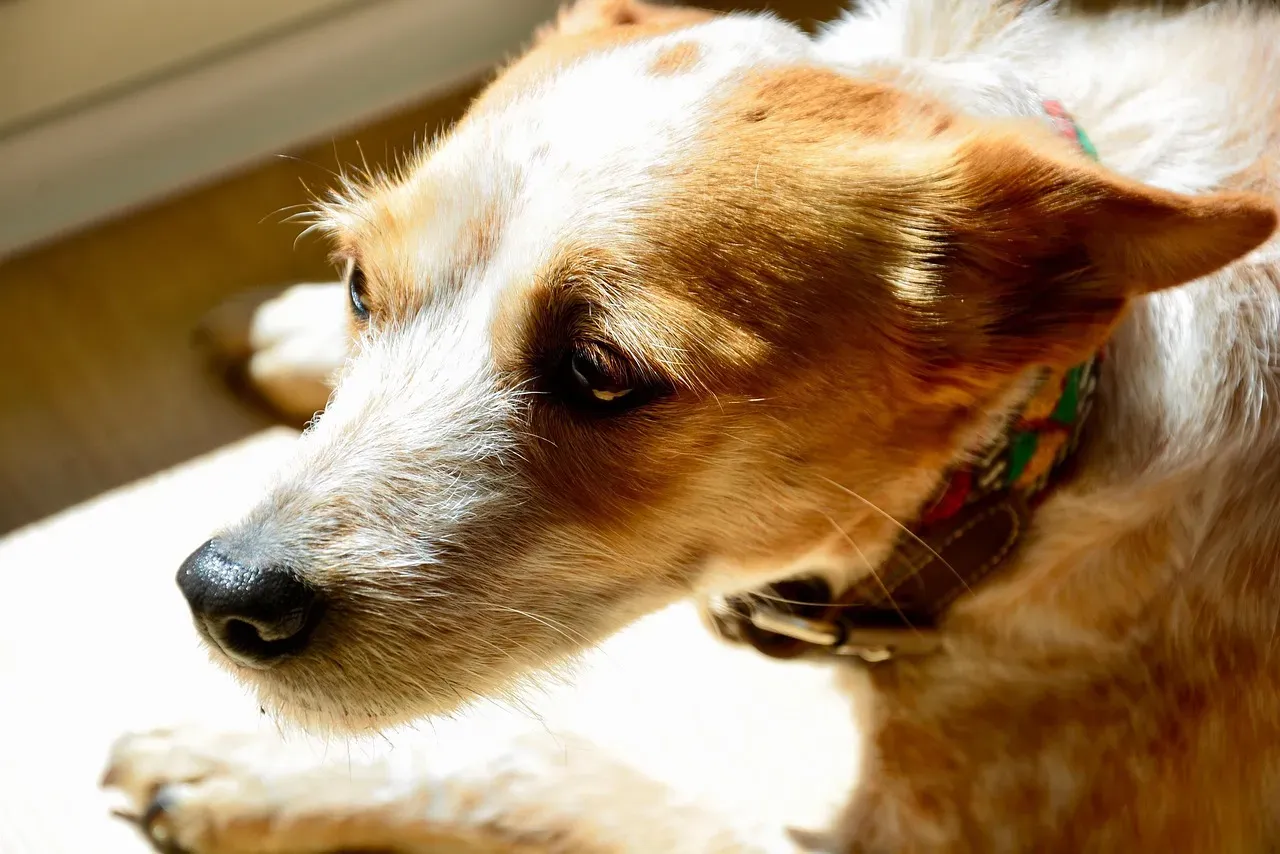
Family gatherings bring out the behavior when a new partner or distant relative enters the room. Dogs may settle between their owner and the newcomer, glancing back frequently for reassurance. The pattern repeats across different homes and situations.
Work from home setups reveal it during video calls that turn stressful. A dog might rise from its bed and stand near the desk, facing the screen direction. Such moments highlight how routine interactions can activate the instinct without warning.
Impact on the Human Dog Bond
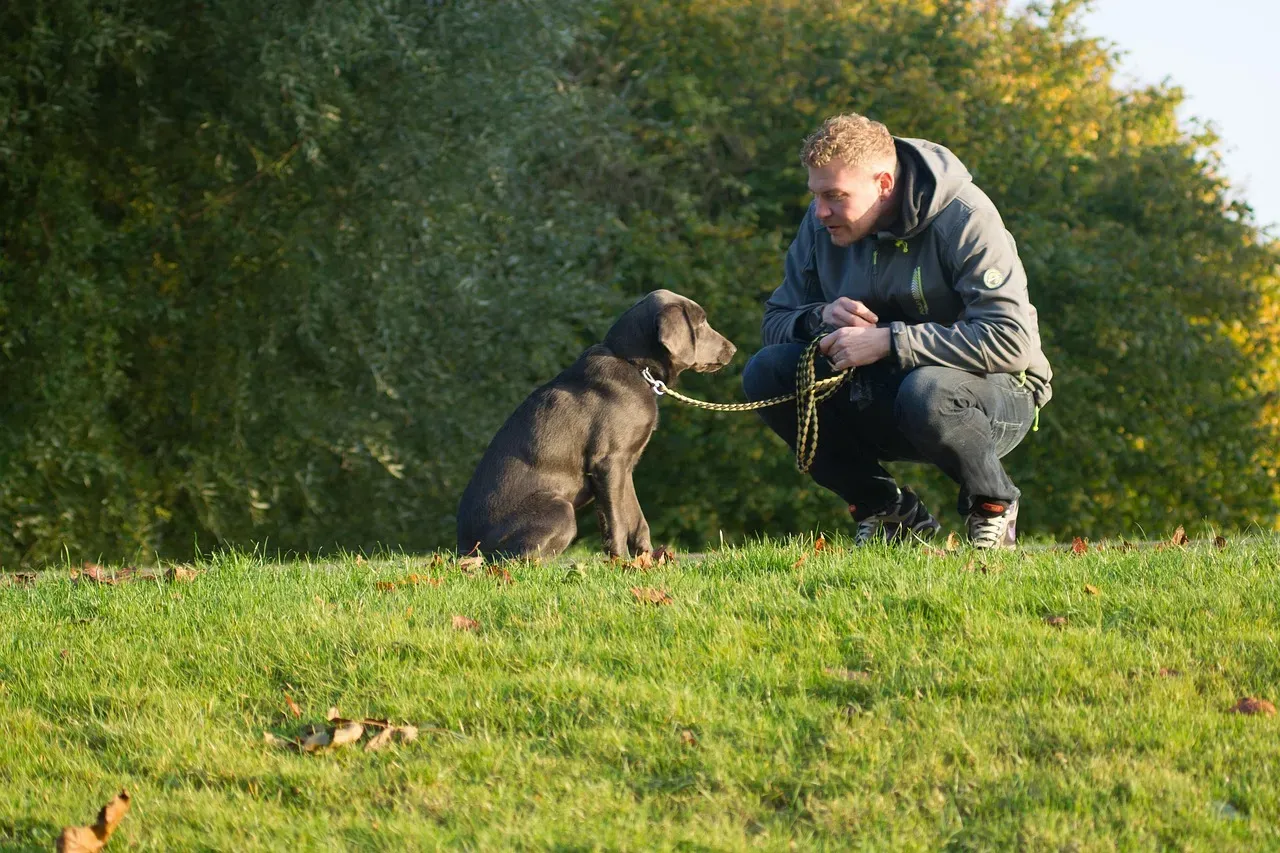
This instinctive response strengthens the sense of security many owners feel with their pets. Knowing the dog monitors emotional states adds a layer of unspoken support during difficult days. The dynamic deepens trust on both sides over time.
Owners who recognize the behavior often adjust their own reactions, speaking more softly or shortening tense encounters. The dog receives confirmation that its efforts matter. Mutual awareness grows from these small exchanges.
Recognizing and Supporting the Behavior
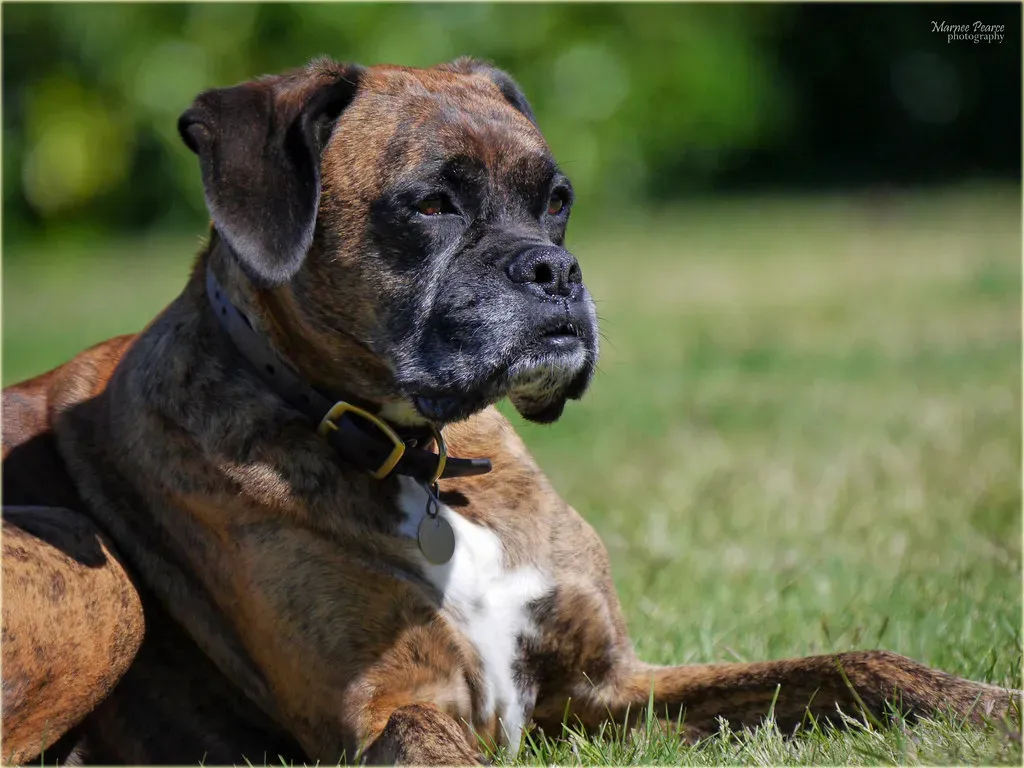
Watch for steady eye contact with the owner paired with a relaxed yet alert posture. The dog rarely growls or lunges, choosing instead to occupy space calmly. Noting these details helps distinguish protection from simple curiosity.
Allowing the positioning without correction reinforces the dog’s role in the household. Gentle praise afterward can encourage the same calm approach in future situations. Over time the behavior becomes a reliable part of daily life together.
Reflections on Canine Awareness

Dogs continue to surprise us with their sensitivity to the unseen pressures we carry. Their willingness to step in without being asked speaks to a form of care that goes beyond basic companionship. In a world full of distractions, that quiet vigilance offers something steady and real.
Paying attention to these moments invites a deeper appreciation for the animals sharing our homes. The bond gains richness when we notice how they read us. Ultimately their instincts remind us that connection often shows itself in small, protective acts rather than grand gestures.


