
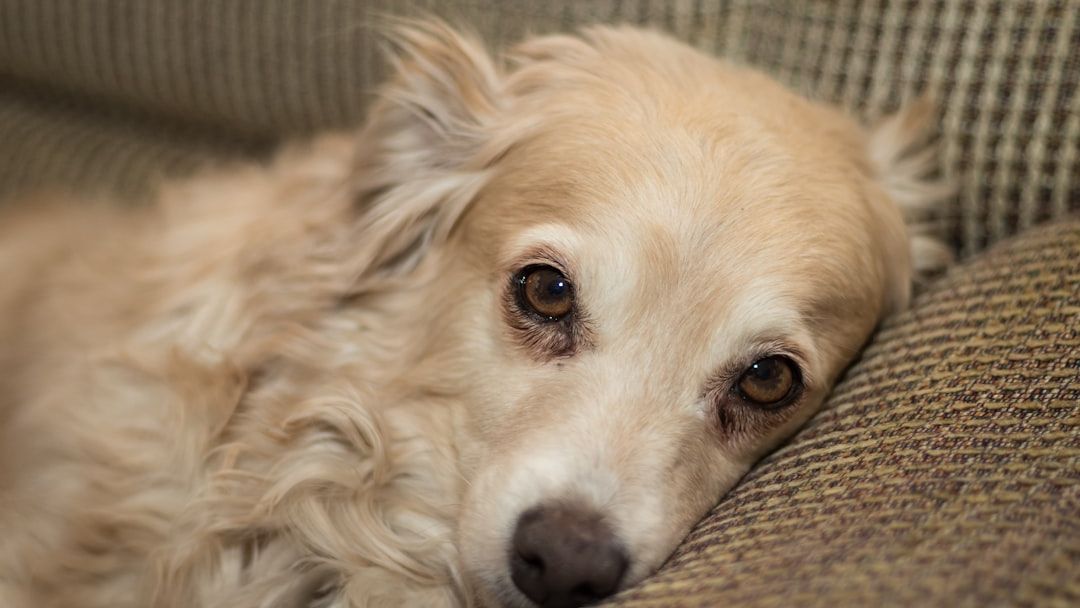
The Side Sleeper
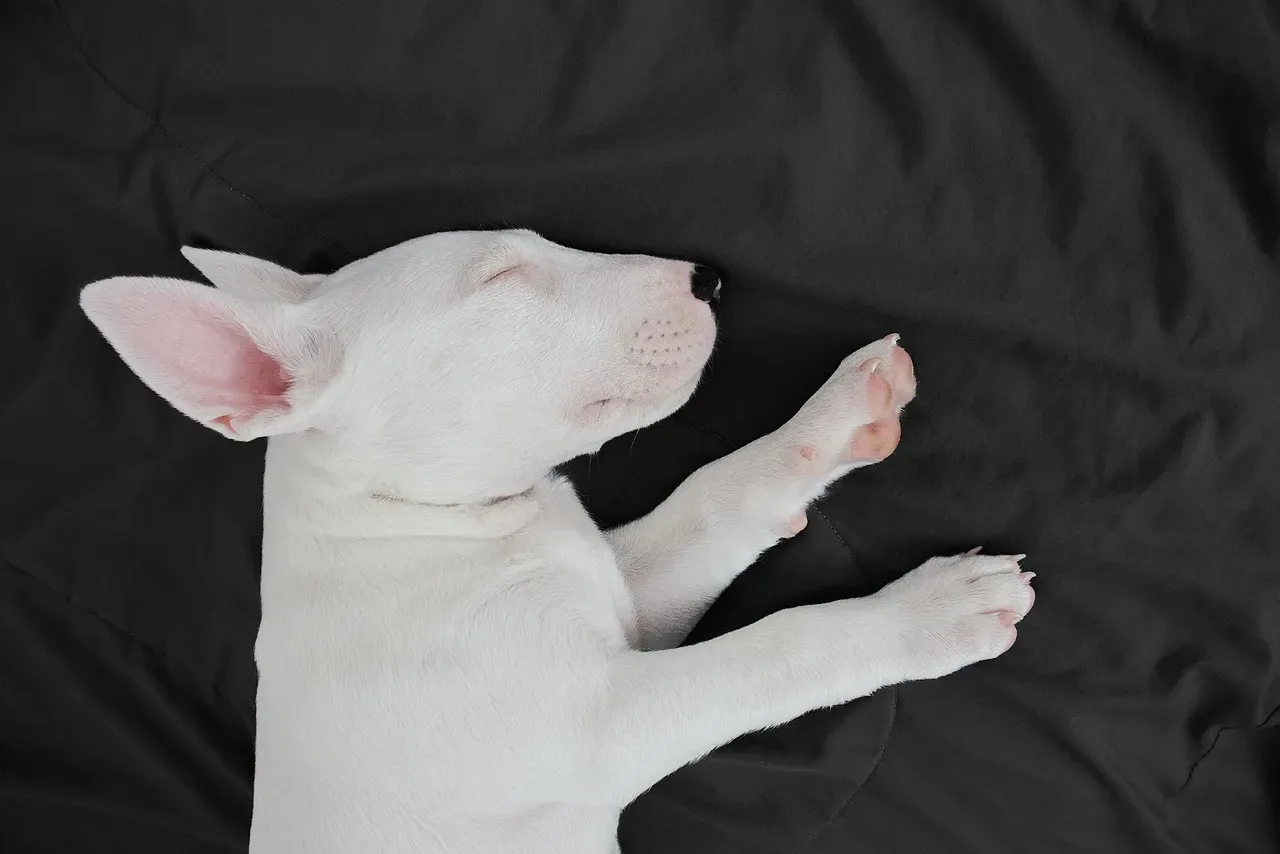
Dogs stretched out on their sides often appear completely at ease, with bellies exposed and limbs relaxed. This posture tends to emerge once a dog feels secure in their surroundings, which can take time for those who arrived from uncertain backgrounds.
Over months or years, the shift toward this position may reflect gradual healing from earlier instability. It does not pinpoint exact events, yet it can signal that past stresses no longer dominate their sense of safety. Owners sometimes notice this change coincides with stronger bonds and consistent routines at home.
The Curled Donut Pose
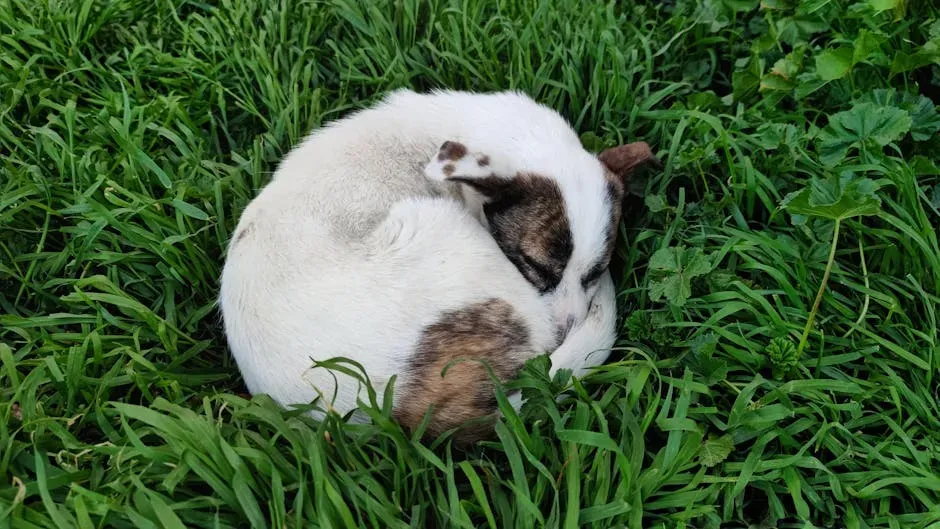
When a dog tucks tightly into a ball, they conserve warmth and protect their core. This compact shape appears more frequently in animals adjusting to new homes or carrying memories of exposure to cold or unpredictable conditions.
While common across many dogs, the persistence of this pose in adopted pets can suggest lingering caution. It offers a practical way to self soothe without requiring much space. Over time, as trust builds, many dogs loosen the curl or alternate with more open postures during rest.
The Belly Up Position
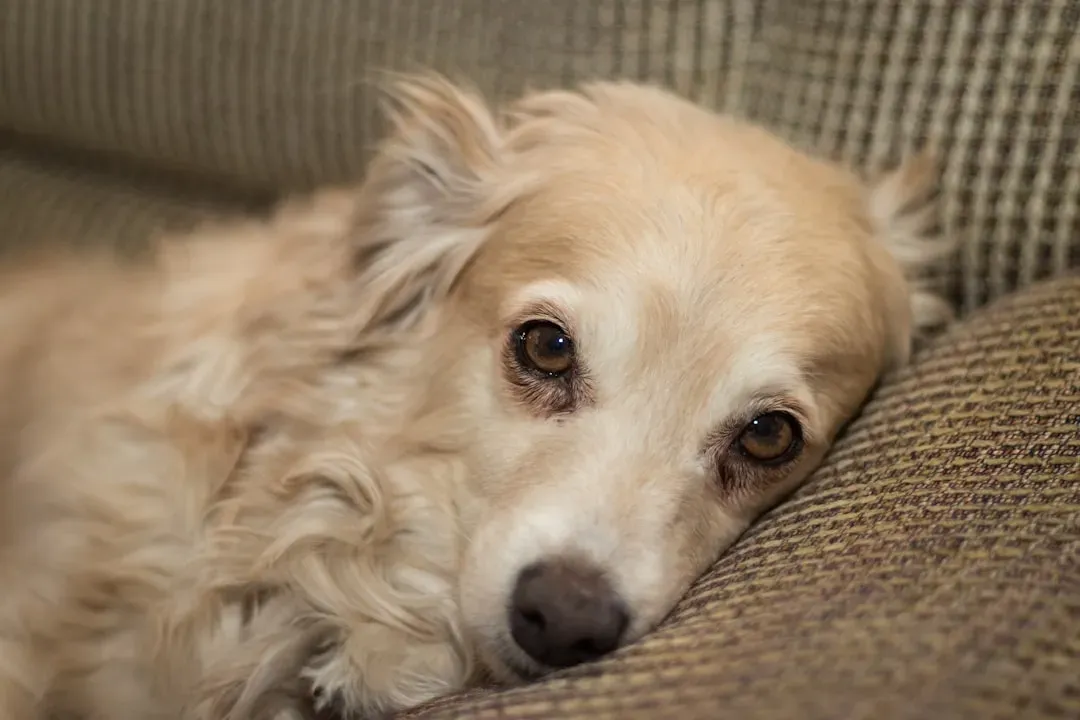
Lying on the back with paws in the air leaves a dog at their most vulnerable. This choice usually indicates deep relaxation and confidence that no threat exists nearby.
For dogs with difficult histories, reaching this state might mark a significant milestone in recovery. It rarely shows up right after adoption and instead develops alongside positive experiences. The posture invites gentle interaction and often pairs with slow breathing that reflects genuine rest.
The Lion Or Sphinx Stance
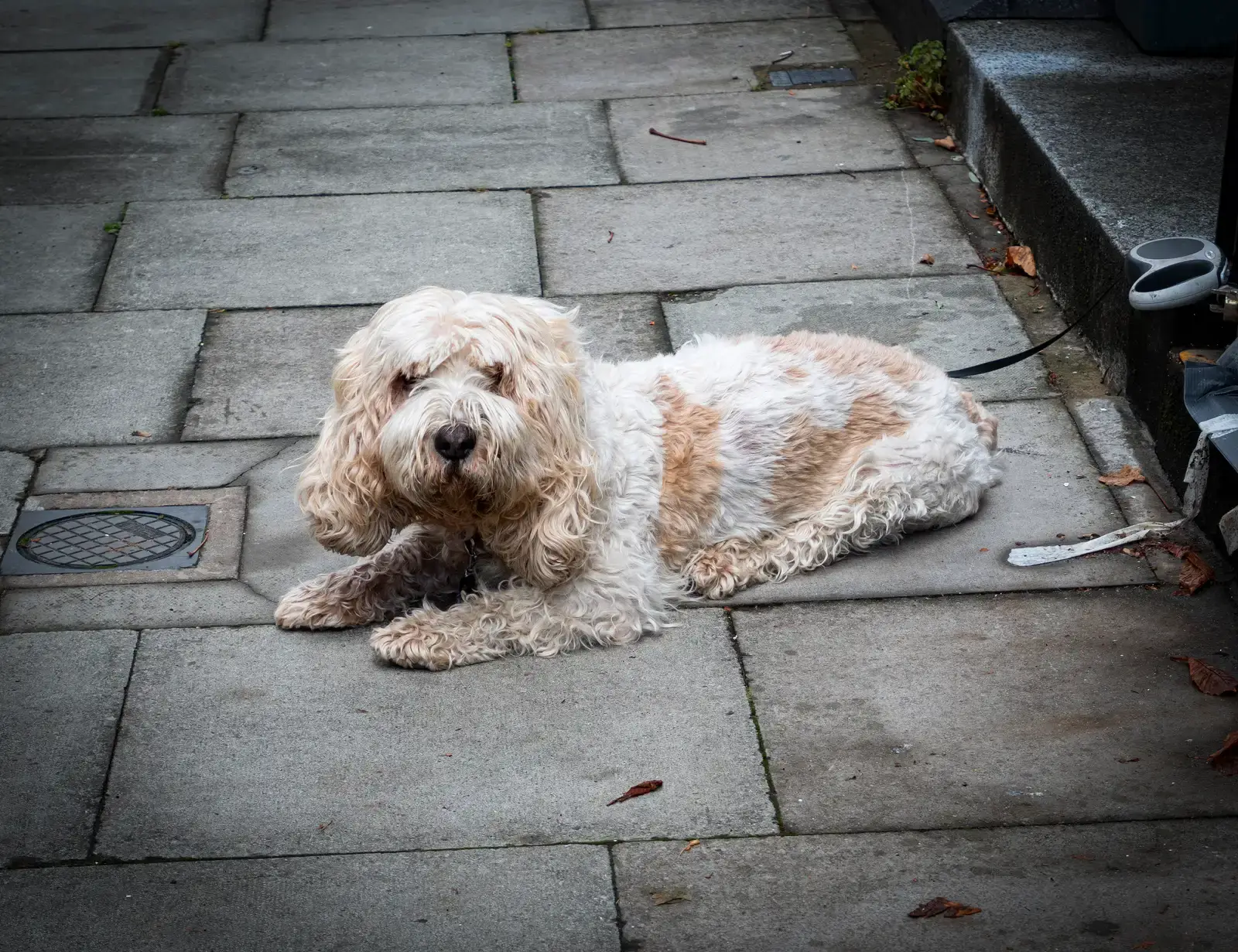
In this alert yet resting pose, a dog keeps their head up and front legs extended forward. It allows quick response if needed while still permitting light sleep.
Rescued dogs sometimes favor it during the early weeks in a new environment. The position can reflect an ingrained habit of staying ready, possibly shaped by past situations where vigilance mattered. As comfort increases, the same dog may transition into deeper sleep more often.
The Burrower Or Under Cover Style
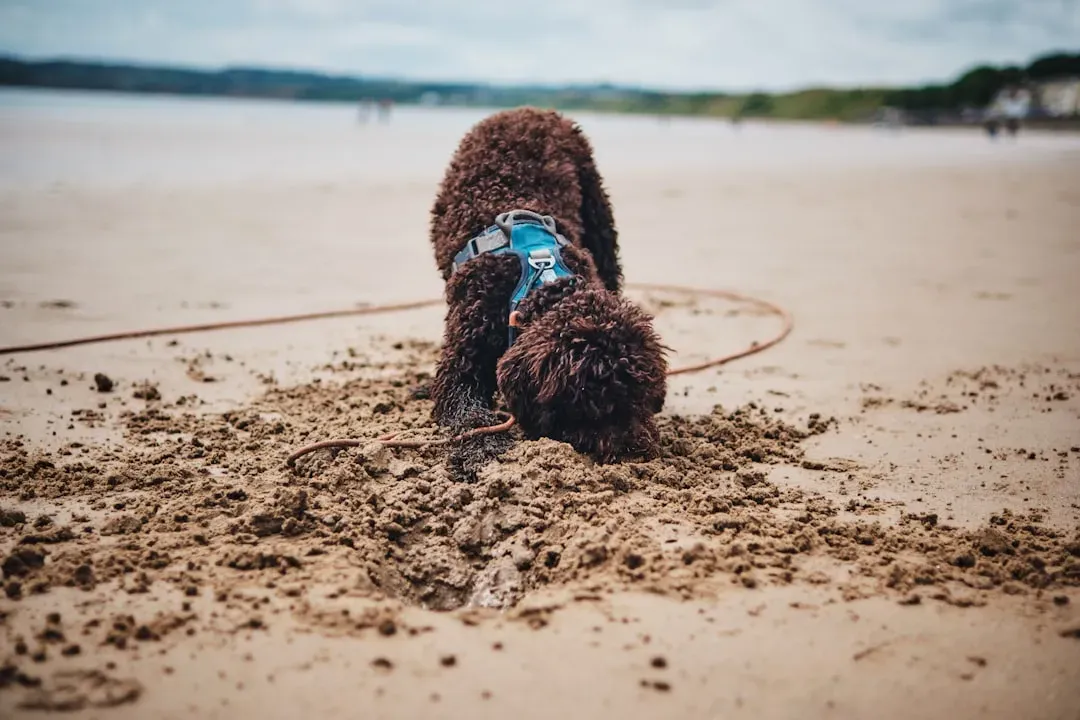
Dogs that nestle beneath blankets or press against furniture create their own small den. This behavior provides extra security and can help regulate temperature or reduce outside stimuli.
Adopted dogs who burrow frequently may carry forward a preference developed in less stable settings. The action itself feels comforting and familiar. With patience and a consistent safe space, some gradually spend more time resting in the open.
The Superman Stretch
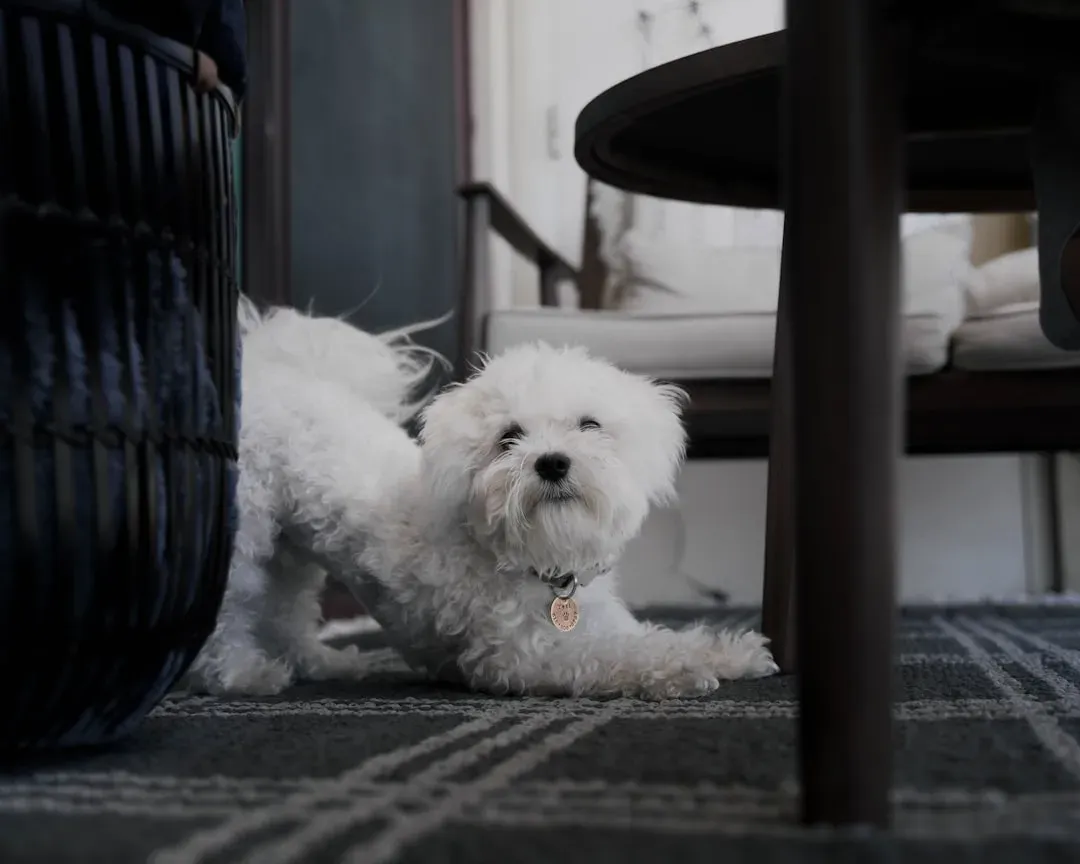
Flat on the stomach with legs extended resembles a ready to spring pose. It often appears when a dog feels tired yet remains somewhat engaged with their surroundings.
In rescued animals this can hint at an underlying readiness that once served a purpose. The posture supports quick movement if the situation changes. Over time many dogs mix it with longer periods of full relaxation as their daily life becomes more predictable.
Understanding The Bigger Picture
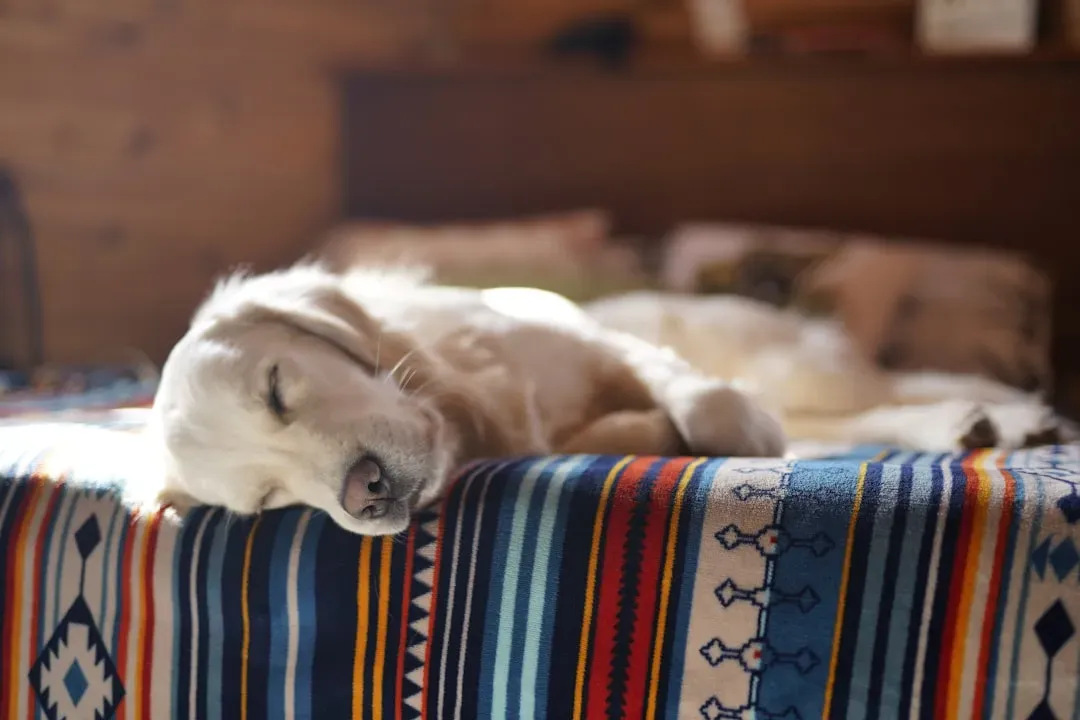
Sleeping positions offer one window into a dog’s current emotional state rather than a precise map of past events. Changes in how they rest often track with improvements in health, routine, and relationship with their new family.
Professional guidance from a veterinarian or behaviorist remains the best step when concerns arise about anxiety or discomfort. Every dog carries their own history, and the real progress shows in small daily shifts toward ease. Paying attention to these quiet signals helps build the steady trust that makes adoption rewarding for both sides.


