
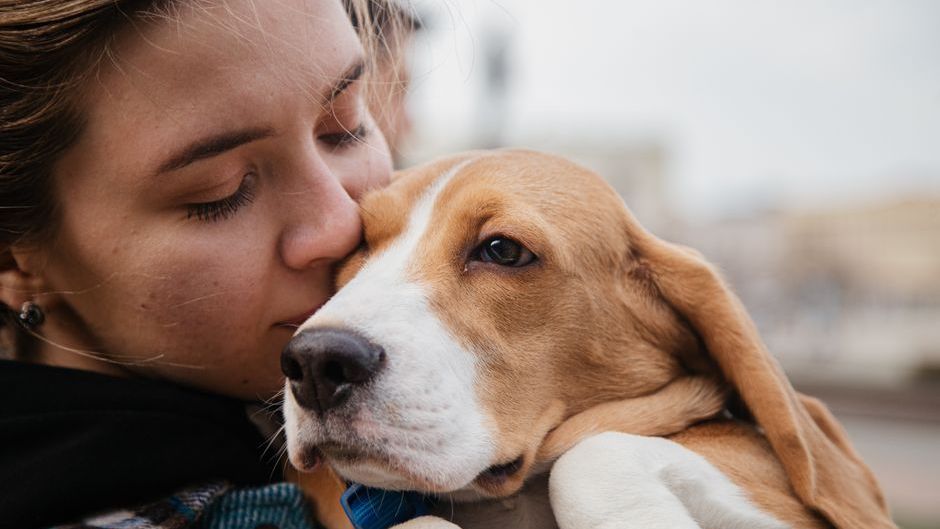
Picture a quiet afternoon in the park. Someone leans down to their dog and says, in a full conversational tone, exactly what they would say to a close friend. The scene feels ordinary at first. Yet it often points to something deeper about how that person reads and responds to emotions around them.
Psychologists have long noted patterns in how people interact with their pets. Recent observations tie this particular habit to a specific strength in emotional intelligence. The behavior stands out because it goes beyond simple commands or baby talk.
Recognizing the Habit in Everyday Moments

Many owners slip into full sentences when their dog tilts its head or watches them closely. They explain their day, share frustrations, or ask questions that expect no verbal reply. This pattern appears most often during routine activities like walks or evening wind downs.
The choice of language matters. Full sentences carry nuance, tone shifts, and emotional context that simple commands lack. Observers notice the consistency across different situations and moods. It becomes a reliable window into how the person processes feelings.
Emotional Intelligence at Its Core
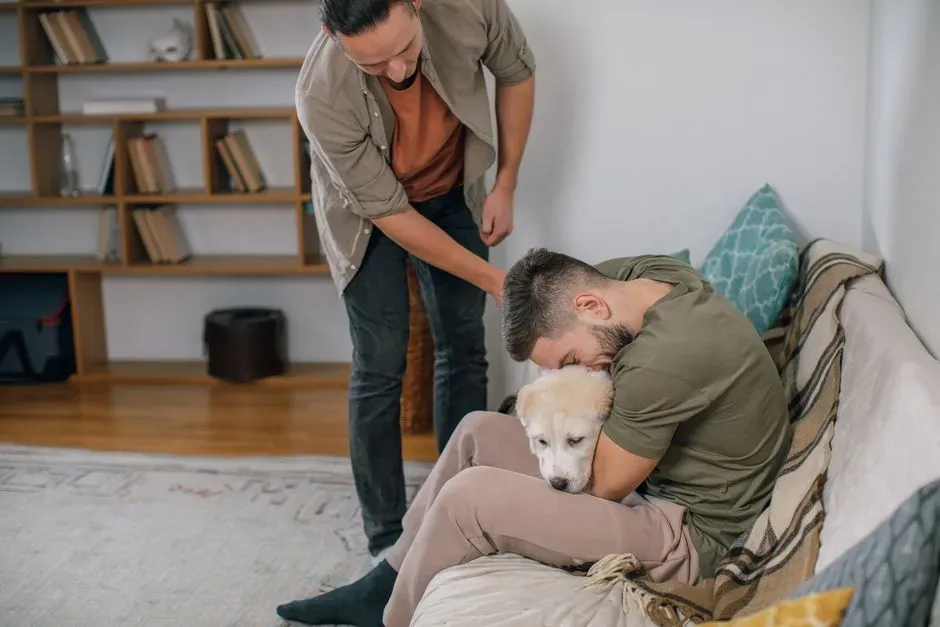
Emotional intelligence involves recognizing emotions in oneself and others, then responding appropriately. It includes skills like self awareness, self regulation, motivation, empathy, and social skills. People vary widely in how strongly these abilities show up in daily life.
Strong emotional intelligence helps navigate relationships, reduce misunderstandings, and build trust. It shows in small choices, such as pausing before reacting or adjusting tone based on subtle cues. The trait develops through experience and reflection rather than formal training alone.
The Rare Trait Behind the Conversations
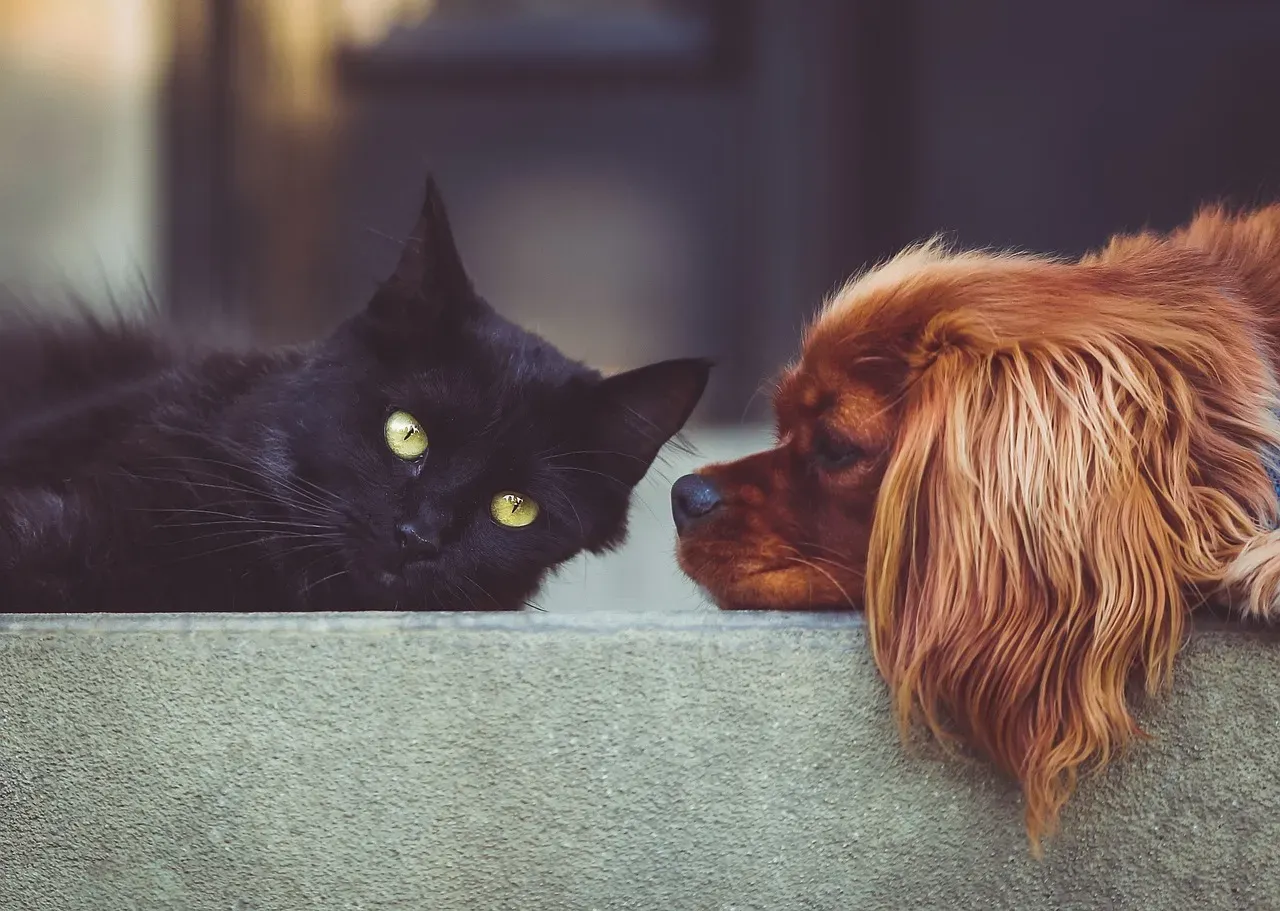
The specific quality linked to this habit is a heightened form of cross species empathy. It reflects an unusual ability to attribute emotional states and intentions to animals as readily as to people. This goes beyond general kindness and enters the territory of accurate emotional reading across species lines.
Psychologists describe it as an extension of perspective taking that feels natural rather than forced. Those who display it often sense shifts in their dog’s posture or energy without needing obvious signals. The trait remains relatively uncommon because it requires both strong empathy and a willingness to treat non human cues with the same weight as human ones.
How the Trait Appears During Interactions
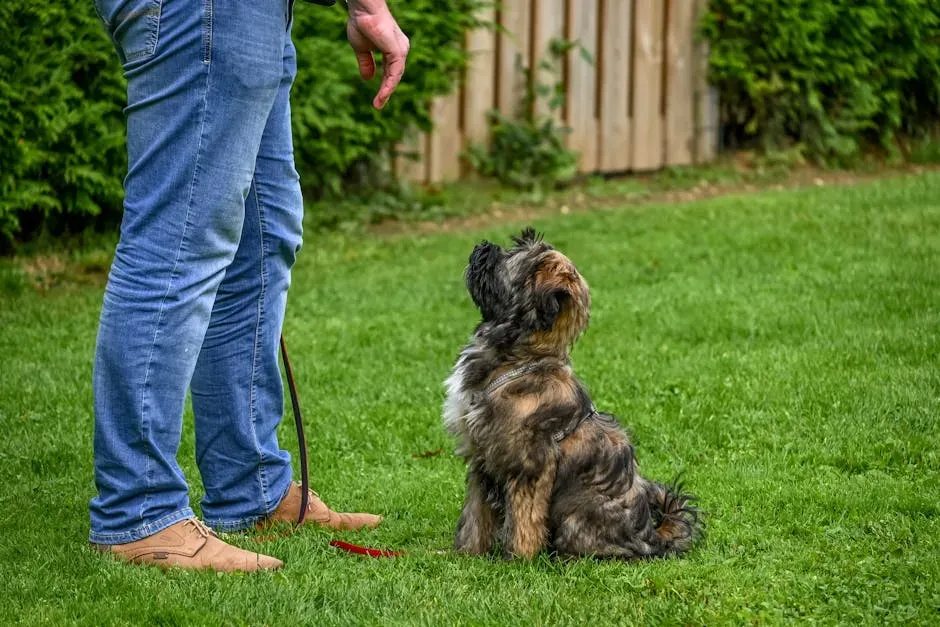
Owners with this strength pause to interpret their dog’s reactions before continuing the conversation. They adjust their words based on whether the dog seems relaxed, alert, or distracted. The exchange feels reciprocal even though only one side speaks.
Over time the pattern builds a shared rhythm. The dog learns to respond with body language that matches the emotional tone offered. The owner in turn refines their approach through repeated observation. This loop strengthens the bond and reinforces the underlying emotional skill.
Evidence From Broader Patterns

Studies on pet owners consistently link higher empathy scores with more human like communication styles toward animals. The connection holds across different breeds and household types. It appears in both long term owners and those newer to pet care.
Researchers note that the behavior correlates with better performance on tasks measuring emotional recognition in general. People who talk this way often score higher on measures of reading subtle facial expressions or vocal tones in humans too. The overlap suggests the skill transfers across contexts rather than staying limited to pets.
Effects on Daily Life and Relationships

This emotional approach often carries into human interactions. People who practice it with their dogs tend to listen more carefully during conversations with friends or family. They pick up on understated feelings and respond with greater sensitivity.
The habit can also support personal well being. Regular emotional expression, even directed at a dog, provides an outlet that reduces stress and improves mood regulation. It creates a safe space for processing events without judgment. Over months the practice reinforces a steadier emotional baseline.
Why This Quality Deserves Attention
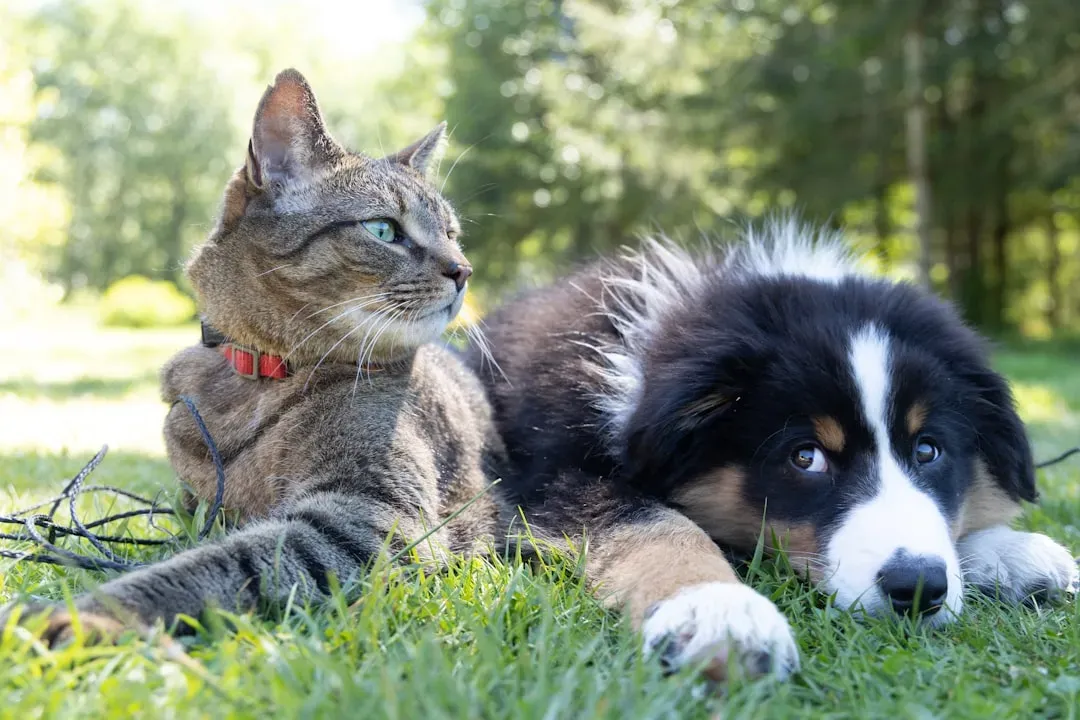
Recognizing the trait highlights how emotional intelligence can extend beyond human circles in meaningful ways. It reminds us that empathy does not require shared language to operate effectively. Those who cultivate it often find richer connections in unexpected places.
In a world that prizes quick responses, this slower, attentive style offers a quiet advantage. It encourages presence and reduces assumptions. People who lean into it tend to build more resilient relationships overall, both with animals and with the humans around them. The real value lies in the consistent choice to treat every interaction as worth emotional effort.


