

Compromised Immune Defenses
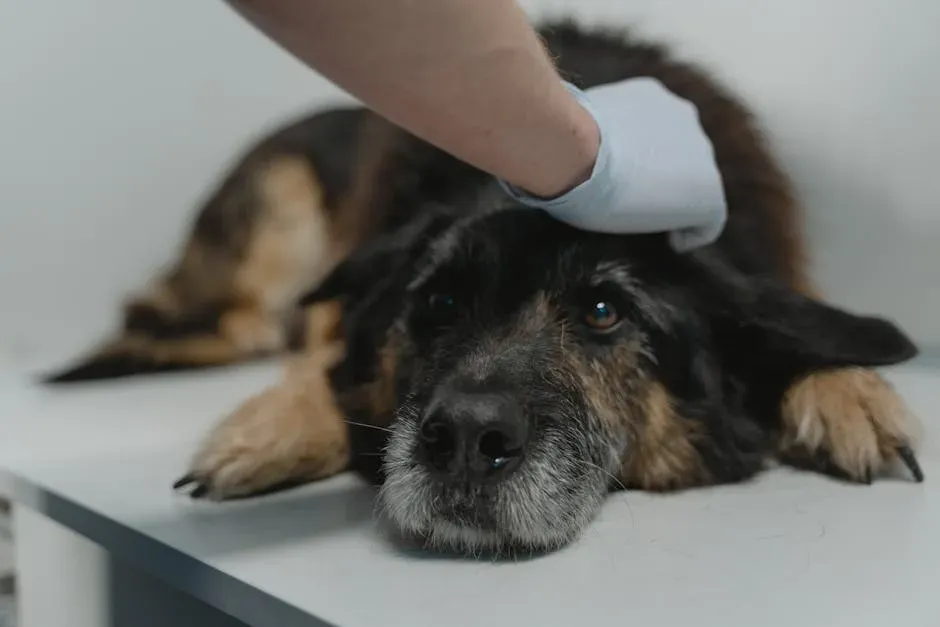
Chronic emotional distance raises stress hormones in dogs over time. Elevated cortisol interferes with normal immune activity, leaving the animal more open to common infections and slower recoveries from minor illnesses.
Owners often notice repeated bouts of kennel cough or lingering skin irritations that do not respond as quickly as they once did. Regular veterinary checks may reveal no single cause, yet the pattern points back to ongoing emotional strain rather than isolated events.
Digestive Upsets That Keep Returning

Stress from feeling ignored can trigger stomach and intestinal reactions that range from loose stools to outright vomiting. These episodes tend to come and go without clear dietary triggers, frustrating owners who keep changing food brands in search of answers.
The gut and brain stay closely linked in dogs, so emotional neglect registers as physical discomfort in the digestive tract. Over months this cycle can lead to weight loss or picky eating that further weakens the animal.
Skin and Coat Deterioration

Emotional neglect often shows up first in the coat through excessive shedding, dullness, or hot spots that dogs lick raw. The constant low level stress disrupts normal skin barrier function and invites secondary bacterial or yeast problems.
Veterinarians frequently see these cases in dogs whose daily routines lack meaningful interaction. Topical treatments help temporarily, yet the underlying tension must ease before the skin truly settles.
Unexplained Weight Shifts

Some dogs respond to emotional distance by overeating when food becomes the only reliable comfort. Others lose interest in meals altogether, leading to gradual but steady weight loss that puzzles owners who still fill the bowl on schedule.
Both patterns strain joints, organs, and energy levels. Blood work may look normal at first, yet the physical change traces back to missing emotional engagement rather than simple calorie imbalance.
Cardiovascular Strain Over Time

Prolonged stress hormones place extra load on the heart and blood vessels. Dogs living with emotional neglect can develop higher resting heart rates and, in some cases, earlier signs of heart muscle changes than their emotionally supported peers.
Regular exercise helps, but it cannot fully offset the absence of calm companionship. Annual heart checks become more important for dogs whose home life feels emotionally thin.
Joint and Muscle Tension

Without regular positive interaction, many dogs move less and hold tension in their bodies. This reduced activity combined with stress related muscle tightness can speed up stiffness and discomfort in hips, shoulders, and back.
Owners sometimes assume age alone explains the slowing down. Yet younger dogs in emotionally distant homes show similar patterns, suggesting the emotional climate plays a measurable role in mobility.
Dental Problems From Stress Behaviors

Neglected dogs may chew excessively on inappropriate objects or grind their teeth at night, wearing enamel and irritating gums. The resulting inflammation can progress to painful infections that affect eating and overall comfort.
Routine dental cleanings help, but they do not address the root behavior driven by emotional need. Consistent, calm engagement often reduces these damaging habits more effectively than toys alone.
Breathing and Energy Irregularities

Chronic emotional stress can produce shallow breathing, excessive panting even at rest, and general fatigue that owners describe as the dog seeming “off.” These signs reflect the body staying in a low level alert state rather than true rest.
Over time the pattern drains reserves and makes everyday activities feel harder. Addressing the emotional side often brings noticeable improvement in breathing ease and daily energy before any medication enters the picture. Emotional neglect does not always announce itself loudly, yet its physical effects accumulate in ways that shorten quality time together. Paying attention to the quiet signals and restoring daily connection offers one of the most direct paths to keeping a dog both mentally and physically sound for longer.


