
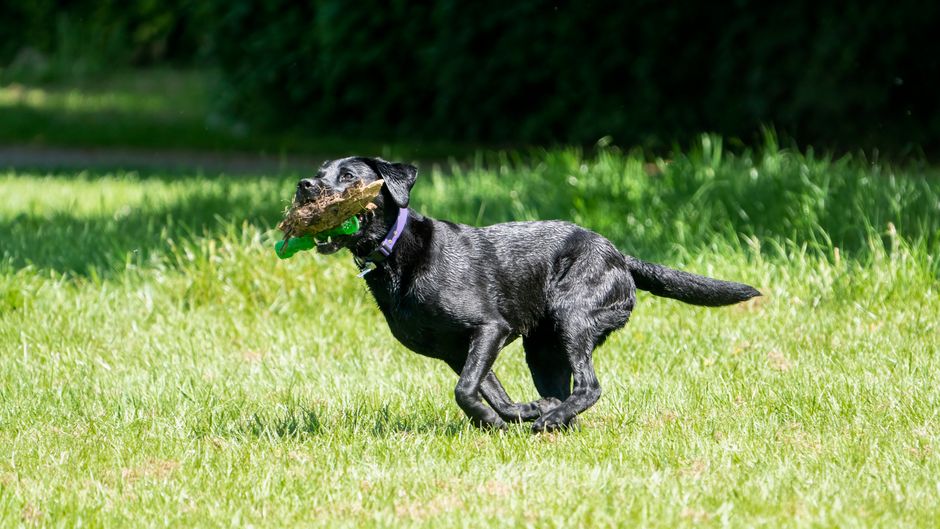
Watch your dog trot over with a slipper, a toy, or even a random leaf from the yard, and it is easy to smile at the sight. Yet behind that simple act lies a deeper message about how dogs see their place in the household and their bond with the people they live with.
The behavior often surprises owners who assume it is only about play or attention seeking. In reality, it reflects a quiet effort to draw you into their daily experiences and share what matters to them at that moment.
Understanding the Gesture
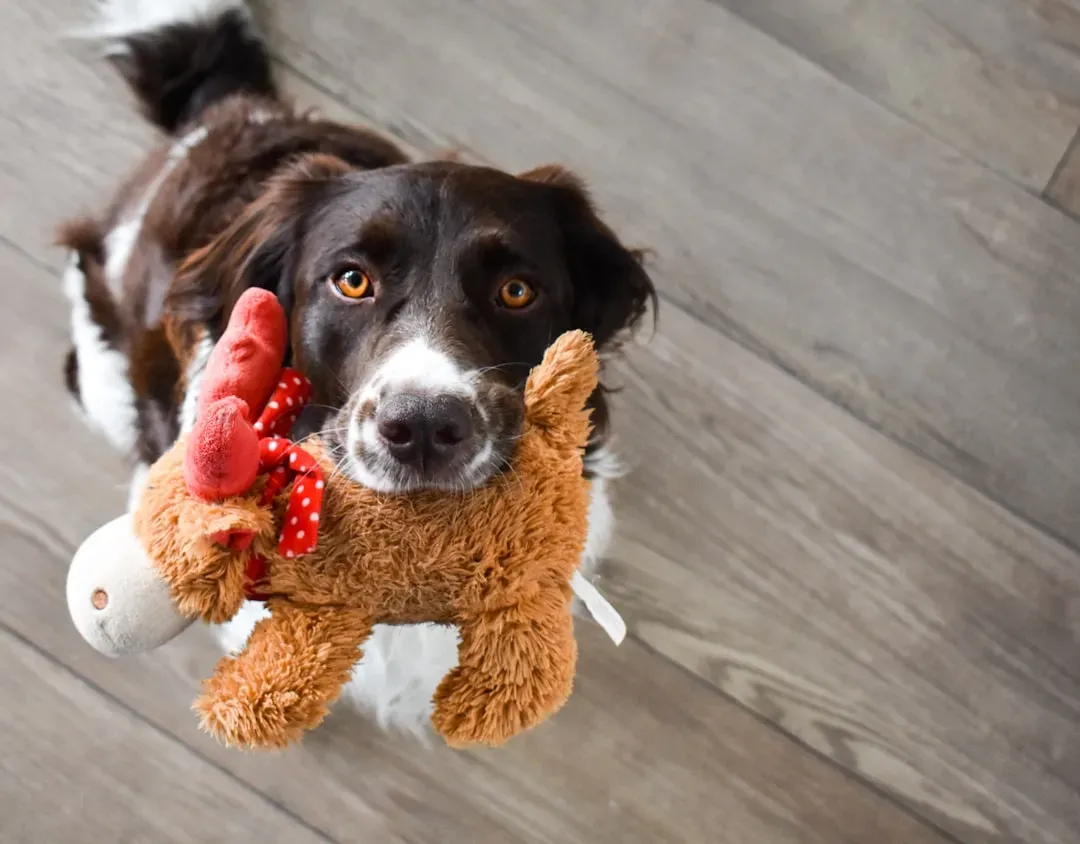
Dogs live in a world shaped by scent, movement, and social signals that differ from human routines. When they carry an object to you, they are often extending an invitation rather than demanding something specific. This action mirrors how they might approach another dog in a group setting.
Trainers note that the choice of item can vary widely, from favorite toys to household objects that hold no obvious value to us. The consistency of the delivery suggests a deliberate choice rather than random impulse. Over time, the pattern becomes a reliable way for the dog to start an interaction on their own terms.
The Role of Play in Canine Life
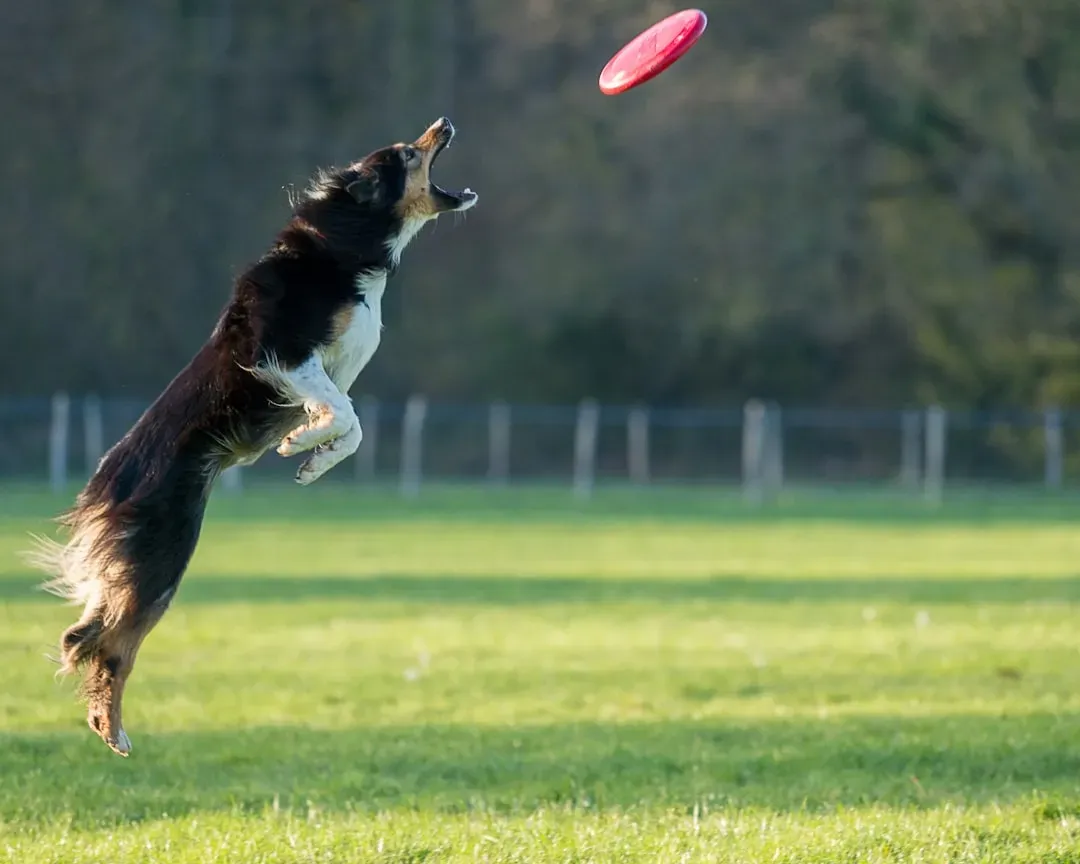
Play serves as both exercise and social glue for dogs, helping them practice skills and release energy in safe ways. Bringing an object turns that play into a shared activity rather than a solo one. It transforms a solitary chew session into something that involves another living being.
Many dogs learn early that certain items trigger positive responses from their humans, reinforcing the habit through repetition. The act itself carries emotional weight because it combines physical movement with the anticipation of connection. Owners who respond with engagement often see the behavior increase in frequency and variety.
Social Inclusion in the Pack
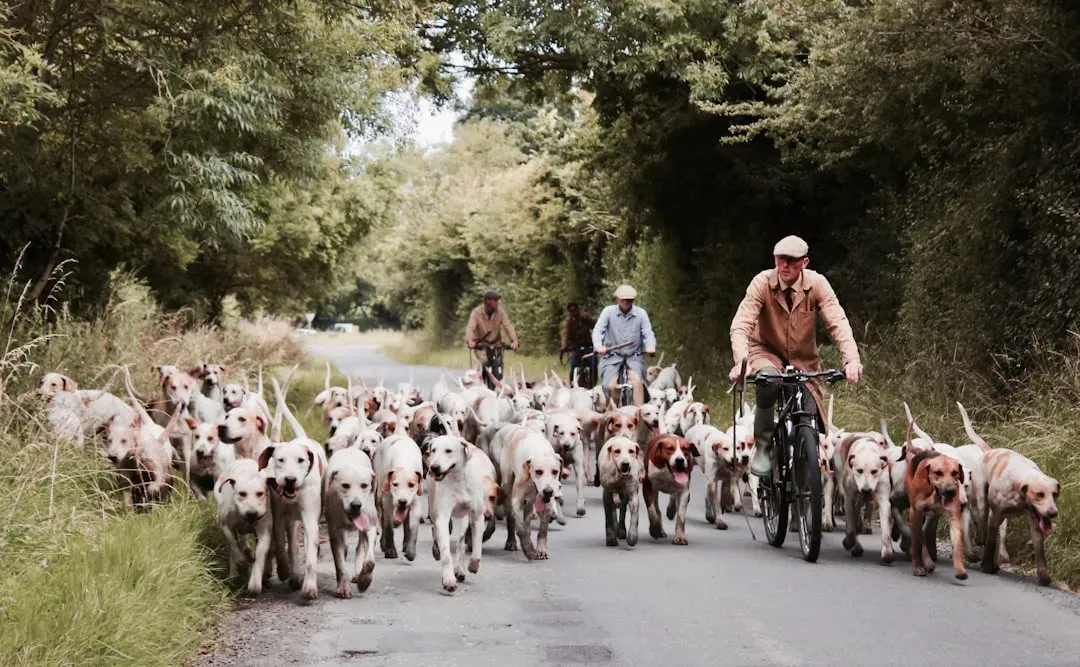
In a dog’s mind, the household functions much like a pack where every member contributes to daily life. Offering an object can represent an attempt to involve you in whatever the dog considers important right then. This mirrors how wild canids share resources or signals within their groups.
The gesture also reflects trust, since the dog must approach and release the item without fear of rejection. Dogs that feel secure in their environment tend to initiate these exchanges more readily. Over months or years, the habit becomes a quiet language of belonging that strengthens the overall relationship.
Variations Across Breeds and Personalities
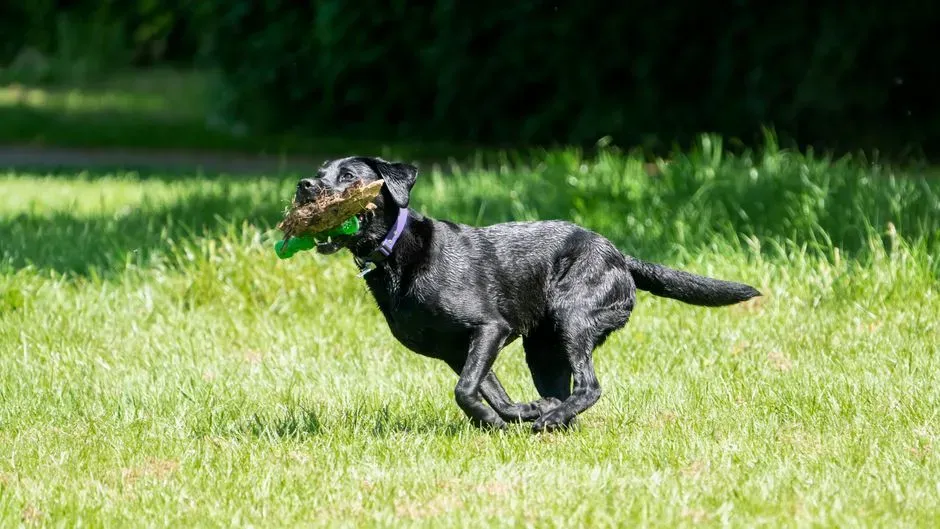
Some breeds with strong retrieving instincts, such as retrievers or spaniels, display this behavior more often because it aligns with their working heritage. Yet even small companion dogs show similar patterns when they feel particularly bonded to one person. Individual temperament plays a larger role than breed alone.
Shy dogs might bring items only in private moments, while outgoing ones repeat the action throughout the day. Age also influences frequency, with younger dogs using it more as exploration and older ones reserving it for familiar routines. These differences highlight how personal history shapes the expression of the same underlying drive.
When to Encourage or Redirect the Behavior
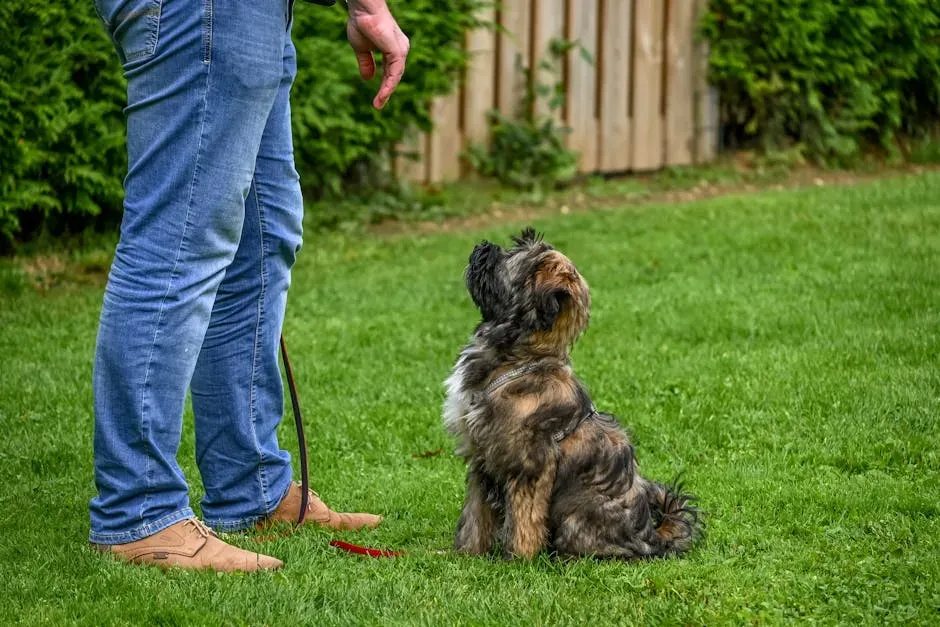
Encouraging the habit works well when the dog chooses safe items and the timing fits household life. Gentle praise or a short game reinforces the positive intent without creating chaos. Many owners find that setting aside a few minutes each day for these exchanges deepens the sense of partnership.
Redirecting becomes useful if the dog grabs valuables or interrupts important tasks repeatedly. Offering an approved toy in exchange teaches boundaries while preserving the social element. Consistency from all family members helps the dog understand which moments suit the gesture best.
Strengthening Your Connection
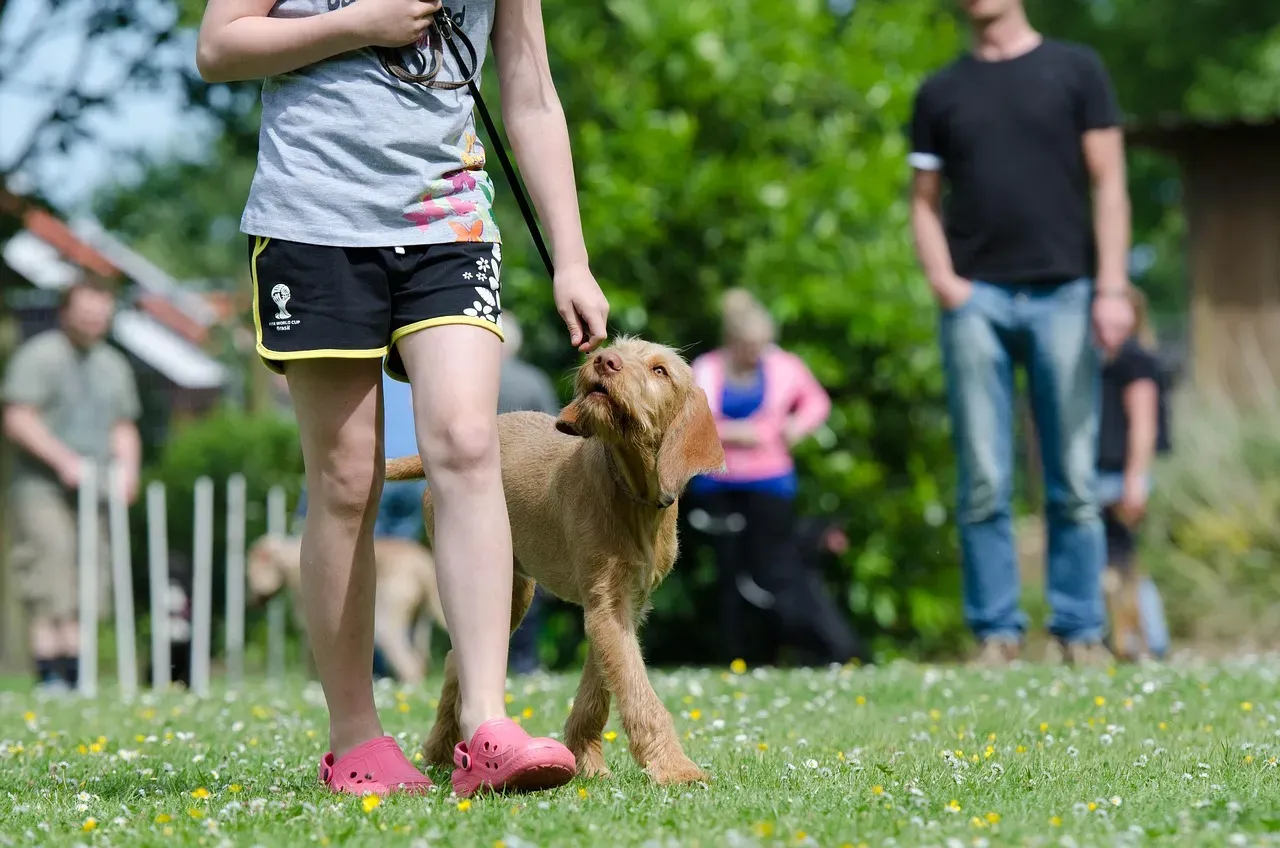
Responding to these offerings builds a two way dialogue that goes beyond basic commands or feeding times. It shows the dog that their choices matter and that you value their attempts at communication. Small adjustments in daily routines, such as keeping a basket of approved items nearby, make participation easier for everyone.
Over time, the behavior can evolve into a reliable cue that the dog seeks closeness or reassurance. Owners who notice patterns in timing or location often gain fresh insight into their pet’s emotional state. This mutual awareness turns ordinary moments into opportunities for quiet understanding.
A Thoughtful Perspective on These Moments
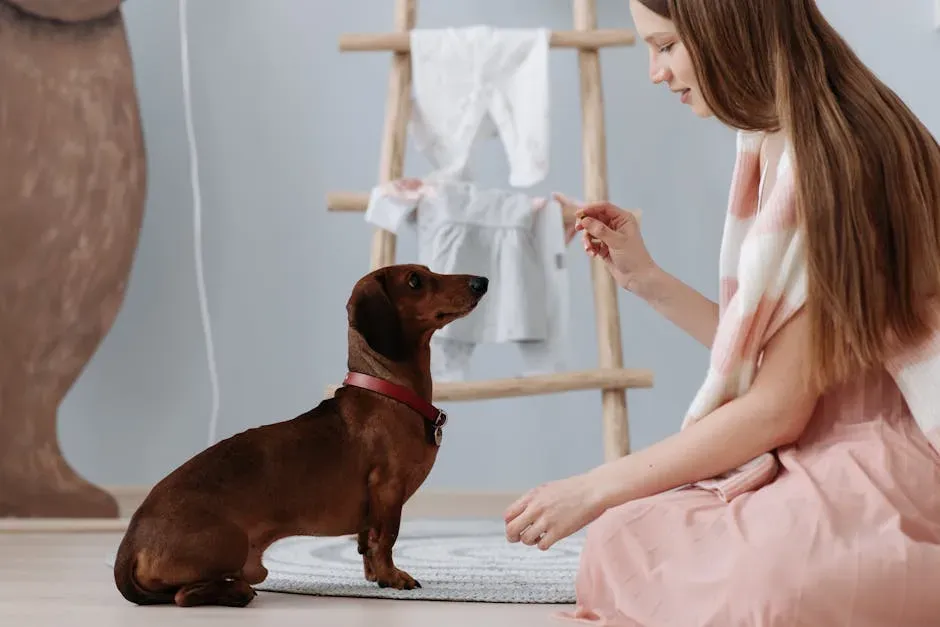
Seeing the behavior as an effort at inclusion shifts how owners interpret everyday interruptions. It invites patience rather than frustration and opens space for small rituals that matter to the dog. The result is often a household where both species feel more attuned to each other’s rhythms.
In the end, these random deliveries remind us that dogs experience their world through relationships rather than isolation. Paying attention to them rewards both sides with a richer, more connected daily life. That quiet invitation deserves a response that honors the trust behind it.


