
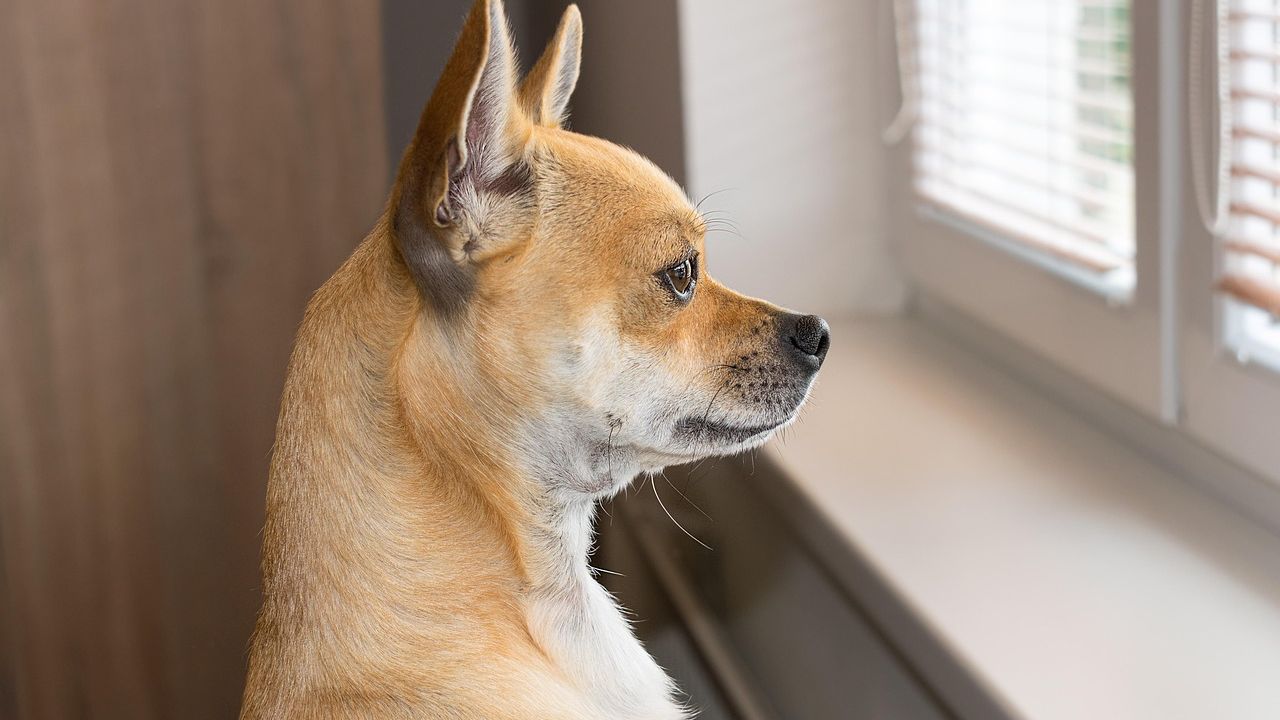
Many dog owners have noticed the same thing. Their pet starts pacing or settling by the front door well before anyone is expected home. It feels almost like the dog is keeping track of the hours on some invisible watch.
Yet the reality turns out to be more about habit than any built in sense of clock time. Dogs pick up on repeating sequences in their daily environment and respond to those cues instead. This distinction changes how we understand what our companions are actually doing when they wait.
Understanding Canine Time Perception
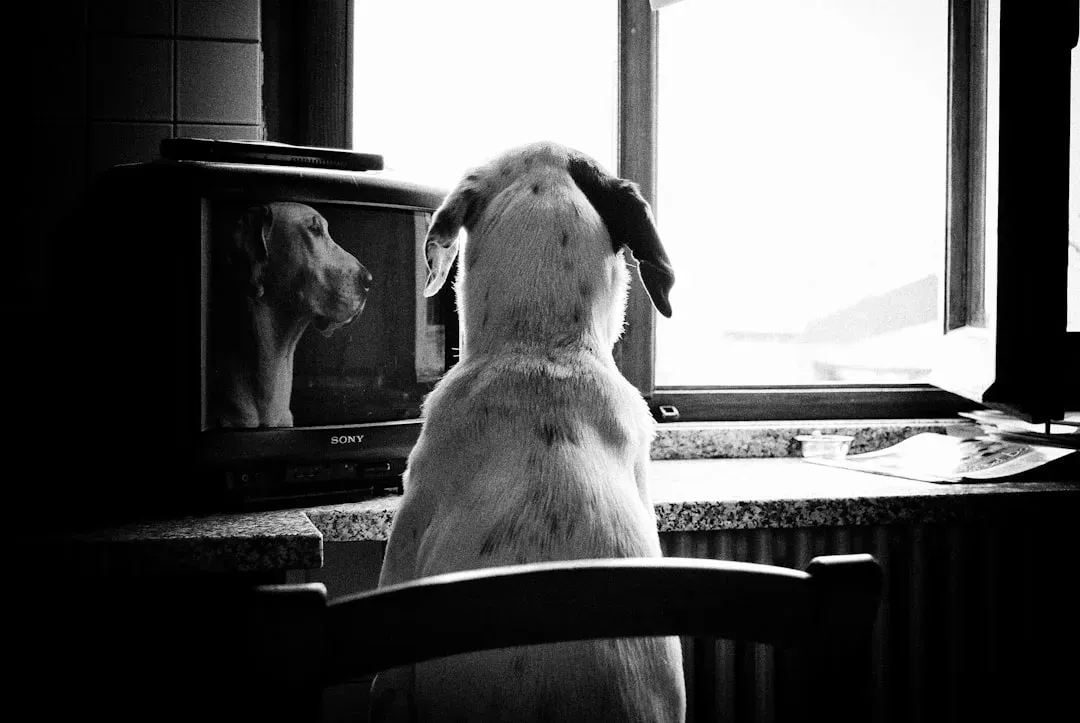
Dogs experience the passage of time through a combination of internal rhythms and external signals rather than any precise mental clock. Their bodies follow natural cycles tied to light and darkness along with regular feeding or walking times. These rhythms help them anticipate events without needing to count minutes.
Research into animal behavior shows that dogs excel at pattern recognition over abstract measurement. They notice when certain sounds repeat or when the house grows quieter at predictable moments. This ability keeps them in sync with household life in practical ways.
Patterns Over Precise Timing
A dog waiting by the door usually reacts to a chain of familiar events that unfold in the same order each day. The sound of a car engine two blocks away or the fading light through the windows can serve as reliable markers. These cues line up with the owner’s typical return rather than any awareness of the actual hour.
Changing the routine often shifts the waiting behavior right along with it. If an owner starts coming home earlier or later the dog adjusts after a few repetitions. The focus stays on the sequence itself instead of a fixed time of day.
Environmental Signals That Trigger Waiting
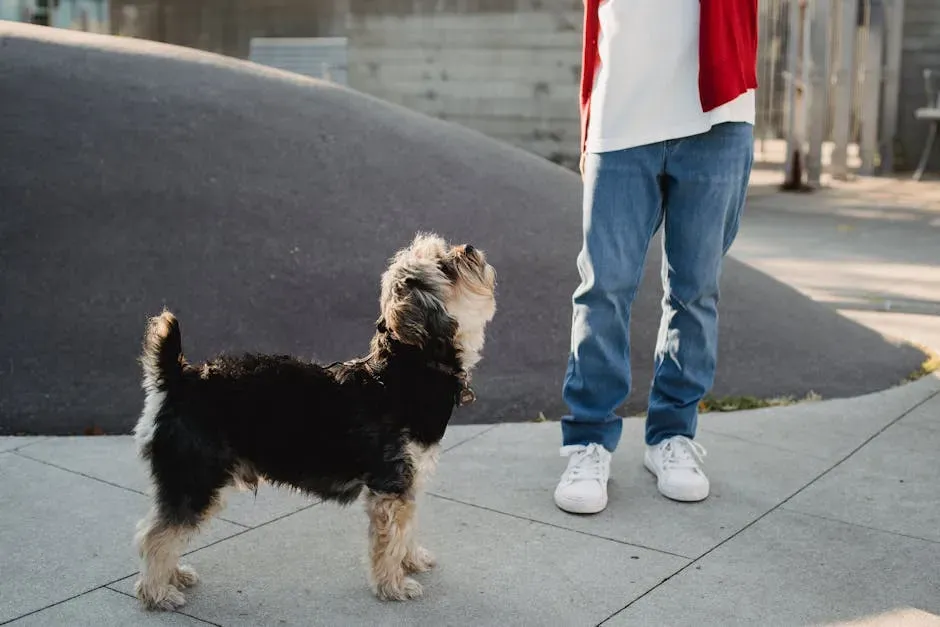
Every home carries its own set of reliable indicators that dogs learn to read. Footsteps on the stairs outside or the click of a neighbor’s gate can become part of the expected pattern. Even subtle shifts in room temperature or background noise play a role in building anticipation.
These signals work because they appear consistently before the owner arrives. Dogs do not need to understand hours or minutes when the environment itself provides the timeline. Over time the association becomes automatic and strong.
The Door as a Learned Association
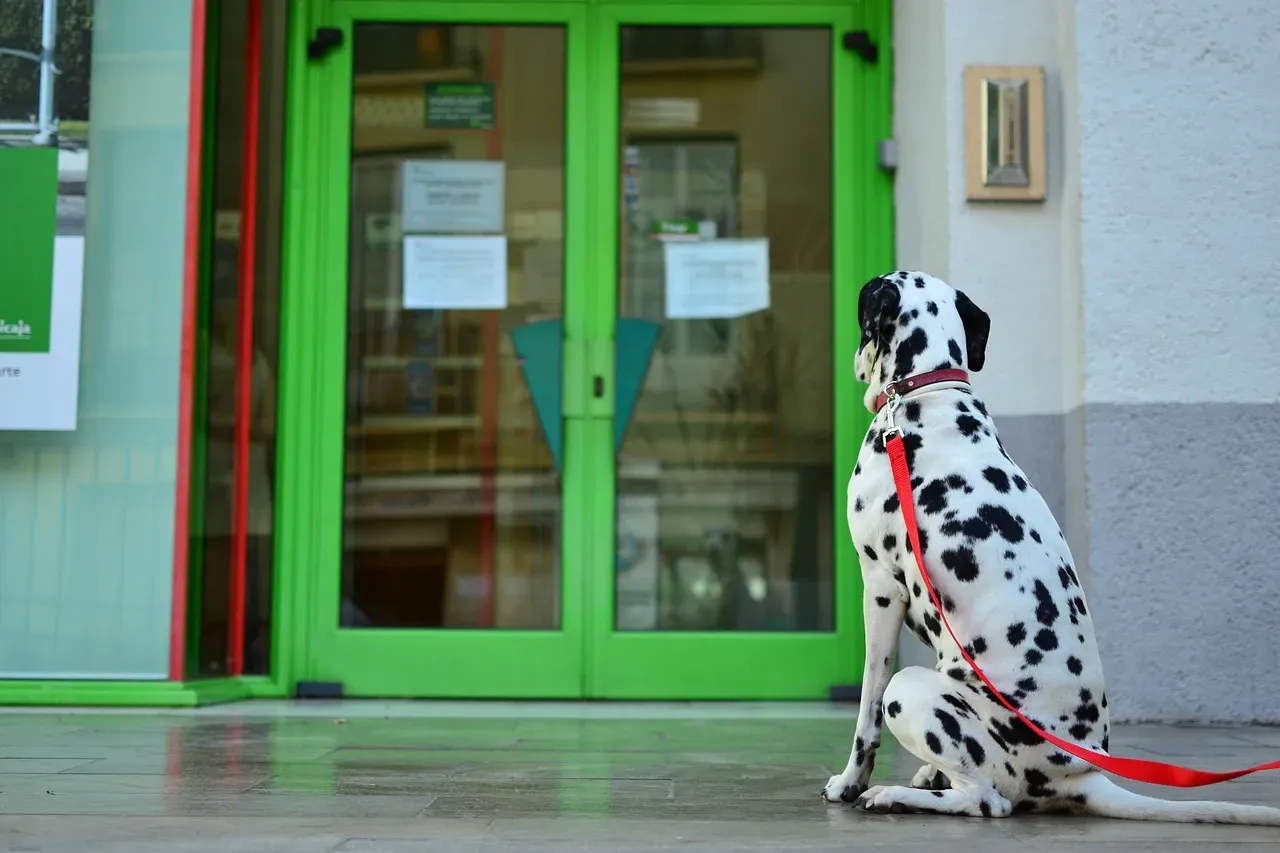
The front door turns into a special spot because it marks the exact place where the owner reappears after each absence. Dogs quickly connect the location with the positive outcome of reunion and attention. This makes the area a natural gathering point once the preceding cues begin.
Repeated experiences strengthen the link until the behavior feels almost instinctive. A dog may settle there even on days when the schedule varies slightly because the overall pattern still holds. The door itself carries emotional weight built from many small moments.
Individual Differences Among Dogs
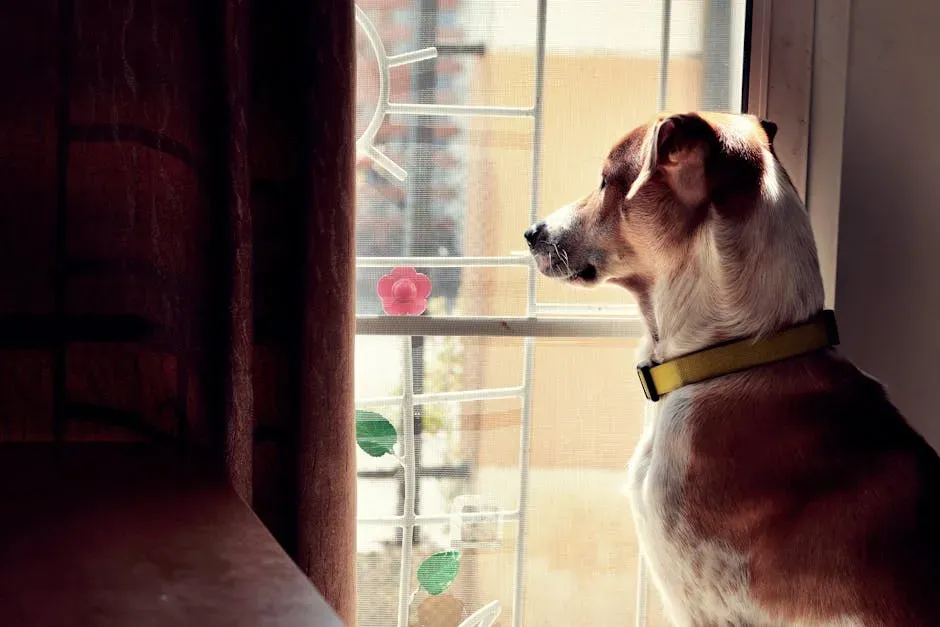
Not every dog shows the same intensity when waiting by the door. Some breeds or individuals seem more attuned to routines while others respond more to immediate sights and sounds. Age and past experiences also shape how strongly a dog relies on these patterns.
Rescue dogs with inconsistent histories sometimes take longer to settle into clear expectations. In contrast dogs raised in steady homes often display more predictable waiting times. These variations remind us that each animal brings its own history to the behavior.
Implications for Daily Life With Pets
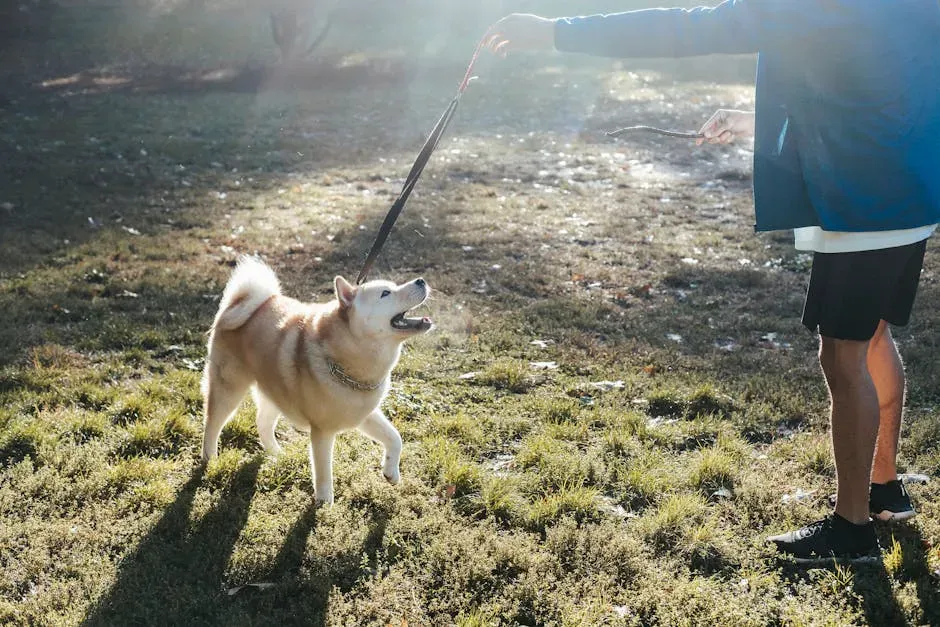
Recognizing that dogs follow patterns rather than clocks helps owners create smoother transitions. Small adjustments like consistent departure rituals can reduce anxiety when schedules must change. It also explains why sudden shifts sometimes lead to confusion or restlessness.
Paying attention to the cues a dog uses allows for better communication between human and pet. Simple changes such as varying the order of morning activities can test how flexible the pattern has become. This awareness turns everyday routines into opportunities for stronger bonds.
Rethinking How We Interpret Our Dogs Behavior
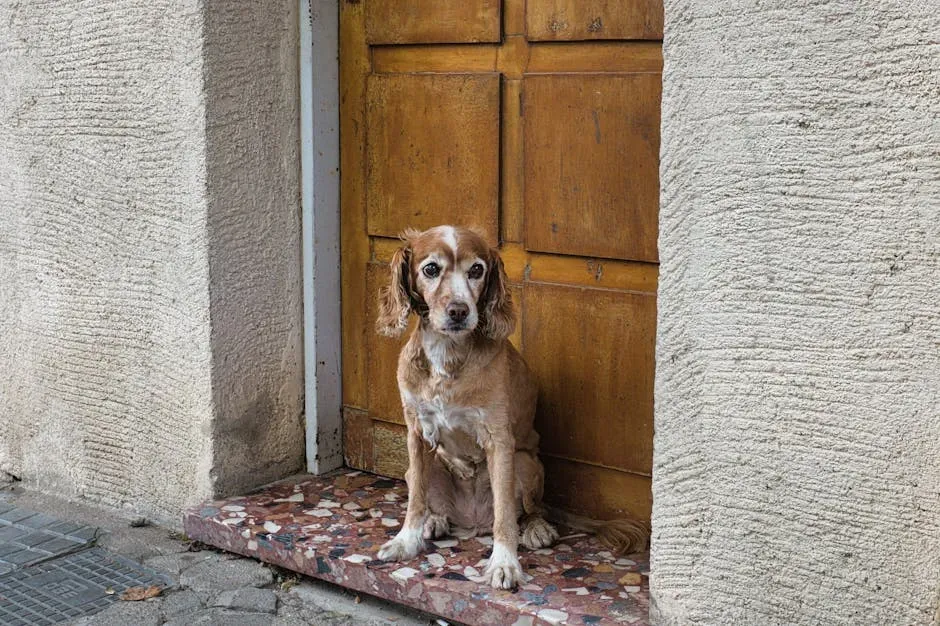
Viewing the door waiting as pattern based rather than time based invites a more patient approach to training and care. It shifts the focus from correcting a supposed mistake to understanding a natural response. Owners who see the behavior this way often feel more connected to what their dog is experiencing.
The insight encourages small experiments with routines to see what truly drives the anticipation. Over time these observations build a clearer picture of each dog’s unique way of navigating the day. Such understanding deepens the quiet partnership that makes living with dogs so rewarding.
In the end the simple act of waiting by the door reveals how deeply dogs tune into the rhythms we create together. It is a quiet reminder that their world is shaped by reliable sequences rather than abstract hours. Paying attention to those sequences can make daily life feel more in sync for everyone involved.


