
The Gentle Way You First Held Them
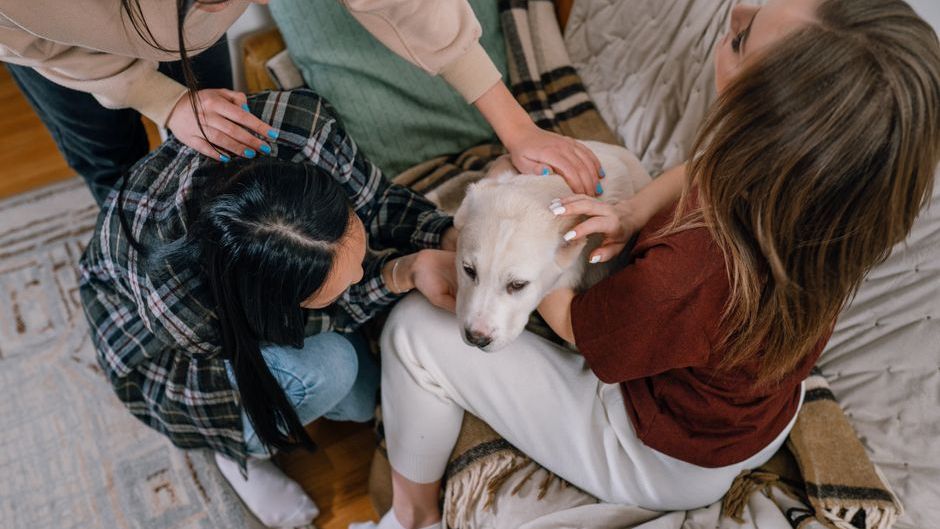
Puppies learn safety through consistent, careful handling in those opening weeks. When you scoop them up with steady hands and calm breathing, they file away the sensation as a signal that the world can be trusted. This early pattern often shows up years later when your adult dog leans into your lap or presses against your side during quiet evenings.
Handlers who practiced gentle restraint during vet visits or grooming sessions helped build a foundation of patience. Dogs remember the absence of sudden movements or loud reactions, and they carry that forward into how they accept affection without flinching. The result is a dog who seeks your arms not out of habit alone, but because the memory still registers as comfort.
The Sound of Your Voice During Feeding
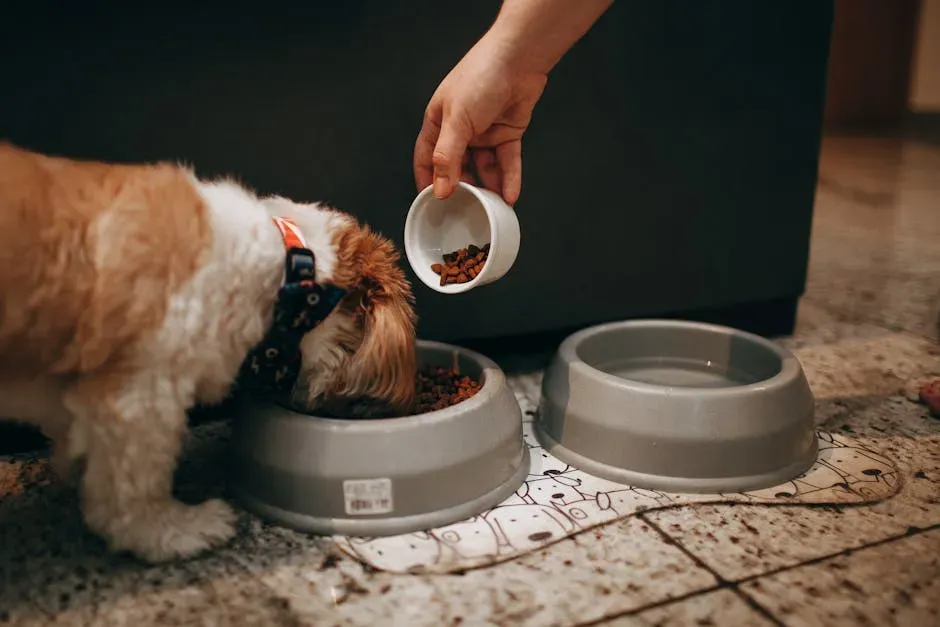
Mealtimes in puppyhood pair your tone with the relief of hunger satisfied. A soft word or familiar phrase spoken while the bowl appears creates a lasting link between your presence and security. Adult dogs often pause and tilt their heads at the same cadence, even when the bowl is already full, because the sound itself triggers a sense of being cared for.
Variations in pitch and volume from those early days become part of their emotional map. A dog might settle faster when you speak in the low, steady register used during bottle or bowl time as a pup. That remembered reassurance turns ordinary meals into repeated moments of connection that reinforce loyalty without any extra effort.
Play Sessions That Matched Their Energy
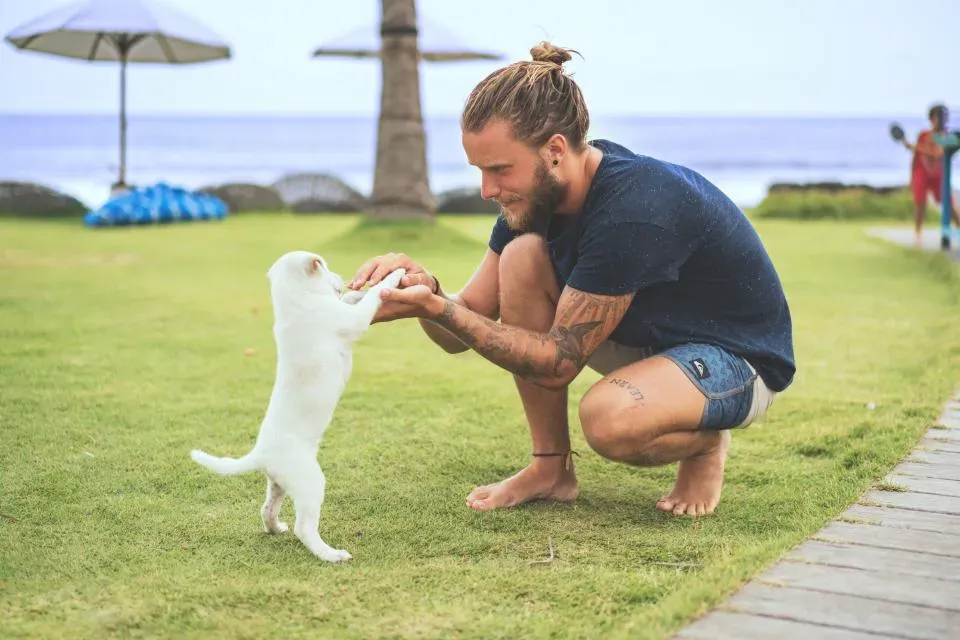
Short bursts of chase or tug in the first months teach dogs which games feel safe and fun with their person. When play stays light and ends before frustration sets in, puppies store the experience as positive shared time. Later, the same dog may bring toys to your feet at predictable hours, seeking the rhythm that once made them feel understood.
Handlers who watched for tail wags and adjusted intensity helped shape a preference for interactive rather than solitary play. The memory lingers in how your dog watches your face for cues during games, waiting for the signal that the fun continues. Those early matches in energy level keep the invitation to play alive long after the puppy stage ends.
The Scent of Your Clothes and Hands
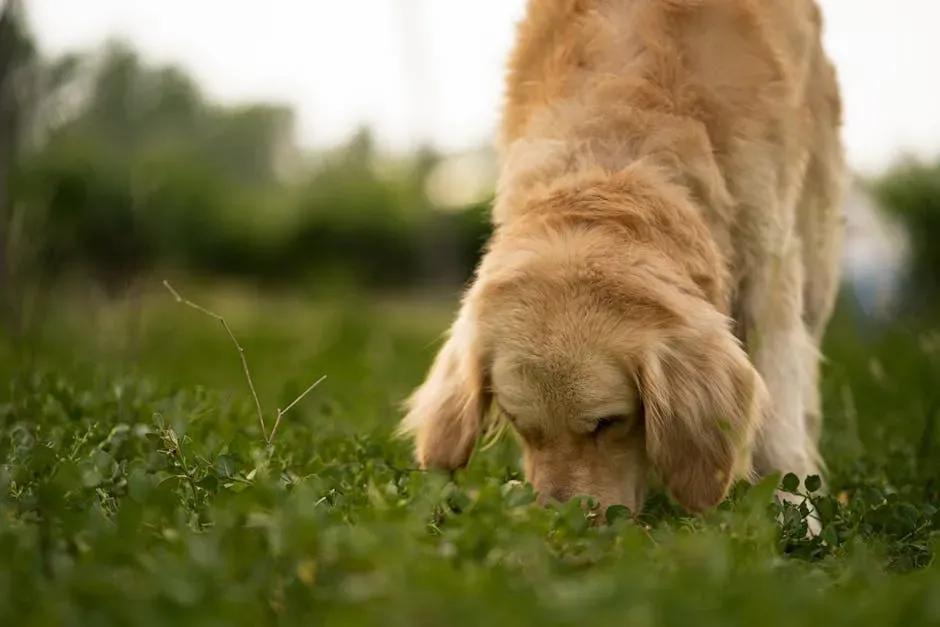
Puppies explore the world nose first, and the unique smell of their caregiver becomes a constant anchor. Fabric that carries your scent during naps or after walks gets linked with warmth and rest. Years on, many dogs still bury their faces in a discarded shirt or sniff your palms upon greeting because the odor continues to signal home.
Repeated exposure to the same laundry detergent or hand lotion during handling sessions strengthens the association. A dog may linger near your closet or press against your leg after you return from errands, drawing on that stored familiarity. The scent memory operates quietly, yet it underpins the steady preference for your company over others.
Early Training That Felt Like a Game
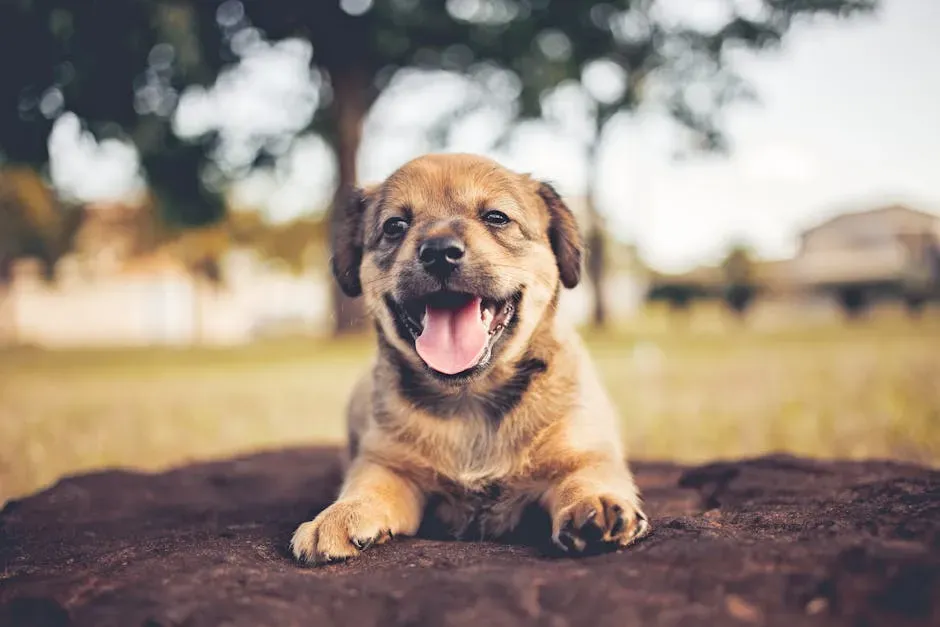
Simple cues taught with treats and praise during the critical socialization window turn into lifelong habits of attention. When lessons stayed short and ended with success, puppies learned that listening brought good things. Adult dogs often respond to the same words with immediate eye contact or a quick sit because the original context still feels rewarding.
Handlers who kept sessions upbeat avoided creating resistance that could last into adulthood. The remembered pleasure of earning praise shows up when your dog checks in during walks or waits at doors without prompting. Those first positive exchanges continue to shape how readily they offer cooperation as a form of affection.
Quiet Moments Spent in the Same Space
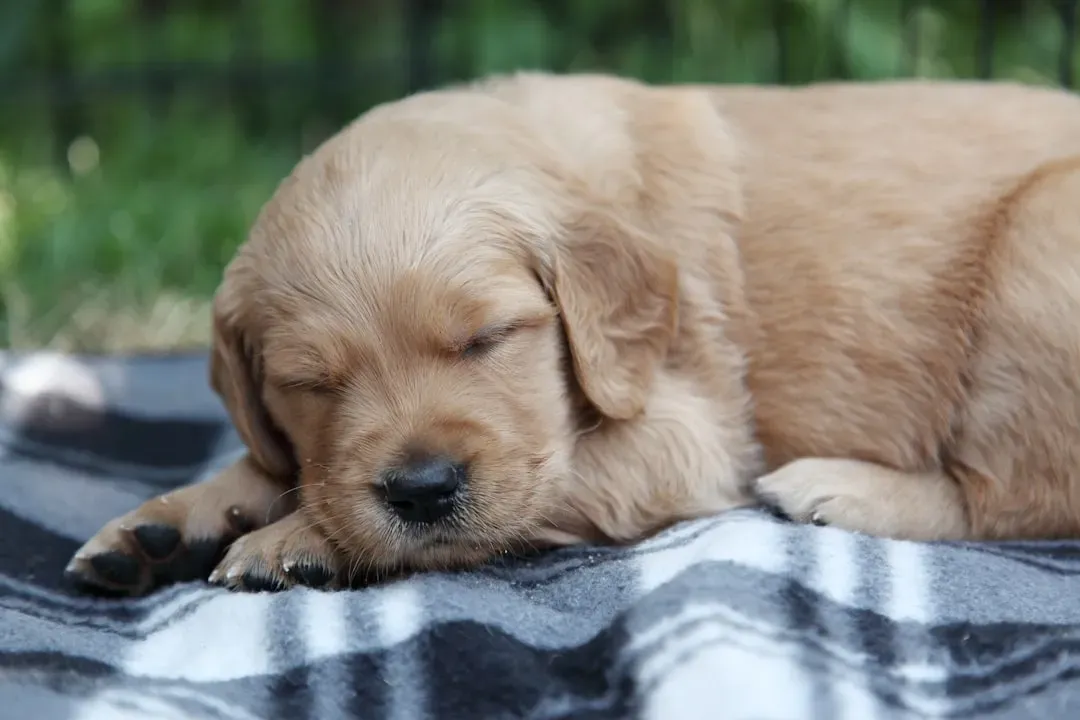
Puppies who spent calm hours near their person learned that stillness together counts as connection. Background sounds of breathing or page turning became part of the safe environment. Later, the same dog may choose to lie in the same room even when toys or food are elsewhere, because the memory of shared quiet remains soothing.
Consistent presence during naps or evening wind-downs reinforced the idea that proximity itself is comforting. Dogs carry forward a preference for your nearness during storms or unfamiliar visitors, drawing on the early pattern. The habit strengthens the sense that your company is the default setting for feeling settled.
First Introductions to New People and Places
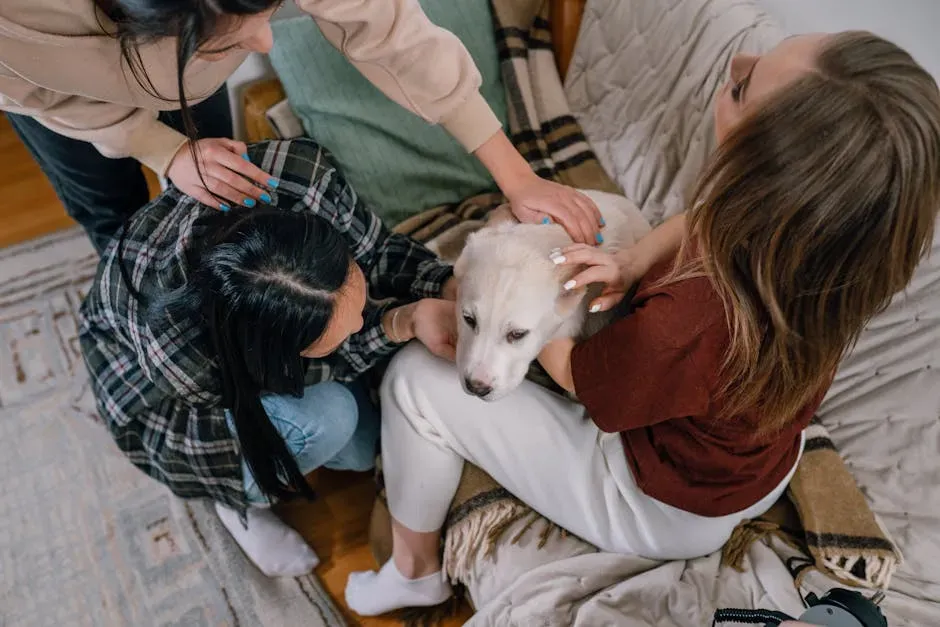
Controlled, positive meetings with strangers and different locations in puppyhood build a template for trust. When those experiences stayed brief and ended with return to safety, dogs stored the pattern as manageable rather than alarming. Adult behavior often reflects this when your dog greets visitors with curiosity instead of retreat, because the early framework still guides their response.
Gradual exposure paired with familiar rewards helped prevent lasting wariness. The memory surfaces in how readily your dog explores new rooms or accepts a pat from a friend, expecting the same reassuring outcome. Those initial lessons keep social interactions lighter and more open across the years.
The Routine of Bedtime and Waking
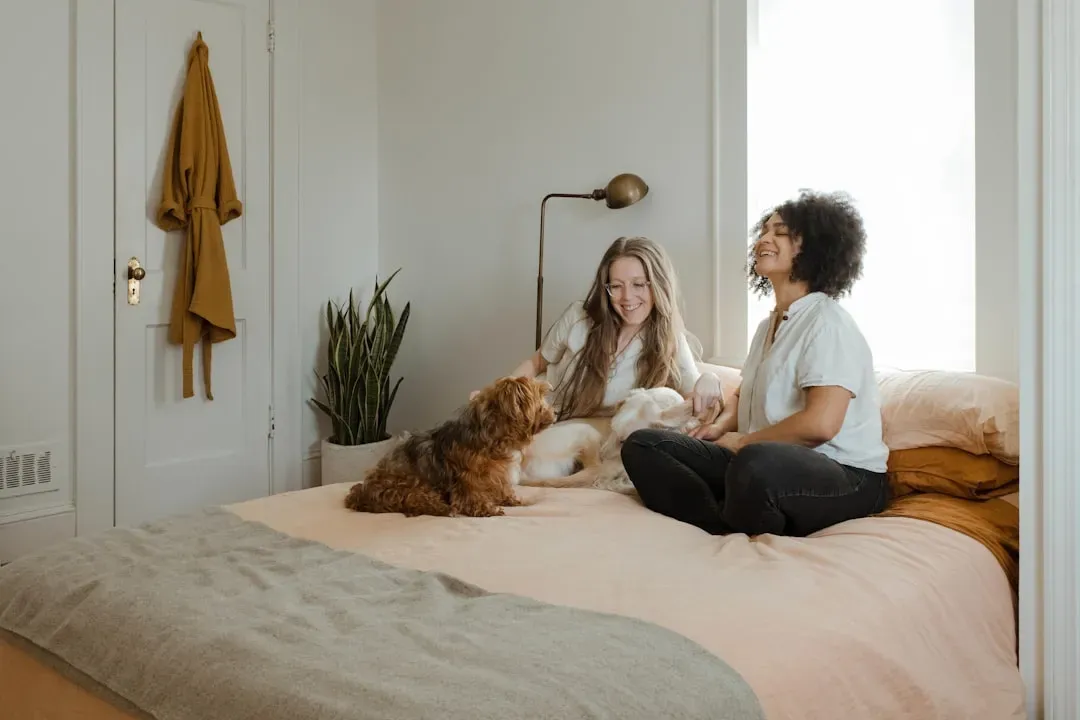
Consistent evening rituals and morning greetings in the litter or first home create expectations around daily cycles. Puppies who experienced predictable settling and rising times linked those moments with your involvement. Adult dogs frequently mirror the pattern by seeking you at the same hours for a final pat or an early stretch together.
Handlers who kept the sequence steady, even on busy days, helped embed the rhythm as reliable. The memory appears when your dog waits by the door at dusk or nudges you awake with the same gentle insistence from years before. That shared schedule continues to mark the day with small acts of attachment that feel instinctive yet trace directly to puppyhood.
Understanding these threads does not require perfect recall of every detail from those first months. It simply invites noticing how ordinary moments still carry weight. The bond grows steadier when you treat those remembered preferences as part of the language your dog already speaks.


