
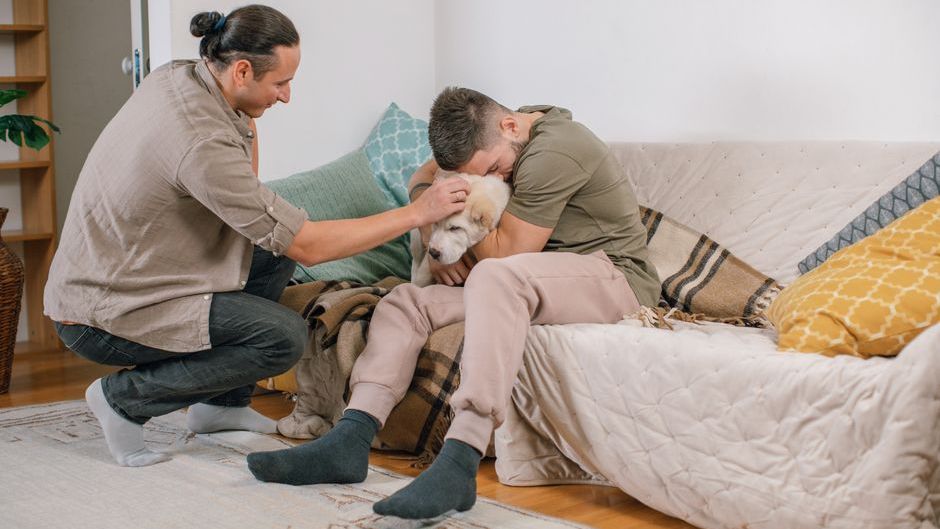
Dogs have an uncanny way of picking up on shifts in our mood long before we reach for a tissue. One moment everything feels ordinary, and the next your companion is acting differently in ways that feel almost deliberate. It leaves many owners wondering exactly how they sense the tears coming.
These signals often appear subtle at first, yet they stand out once you start noticing the pattern. They rarely show up during ordinary sadness or stress, which makes them feel specific to that quiet buildup before crying begins.
Prolonged Soft Staring
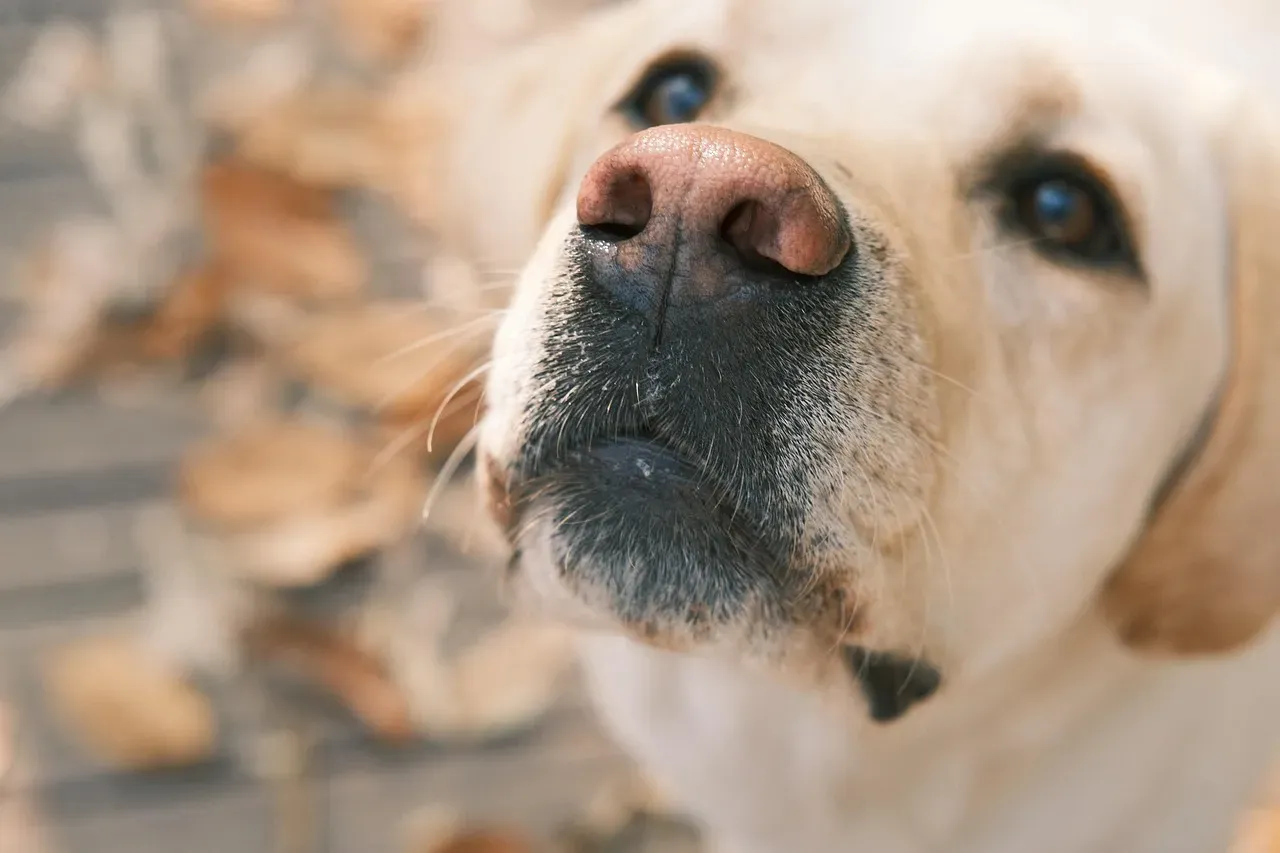
Your dog may lock eyes with you in a gentle, unwavering way that feels different from their usual glances. This look often lasts longer than typical curiosity and carries a calm steadiness rather than excitement or demand for attention. The gaze tends to soften around the edges, as if they are checking in without needing anything in return.
Owners frequently report this happening right as emotions start to swell, before any visible tears appear. It serves as an early alert that something has shifted in the room. The behavior stands apart from playful staring or the quick looks they give when hoping for a treat.
Quiet Nuzzling Against Your Leg
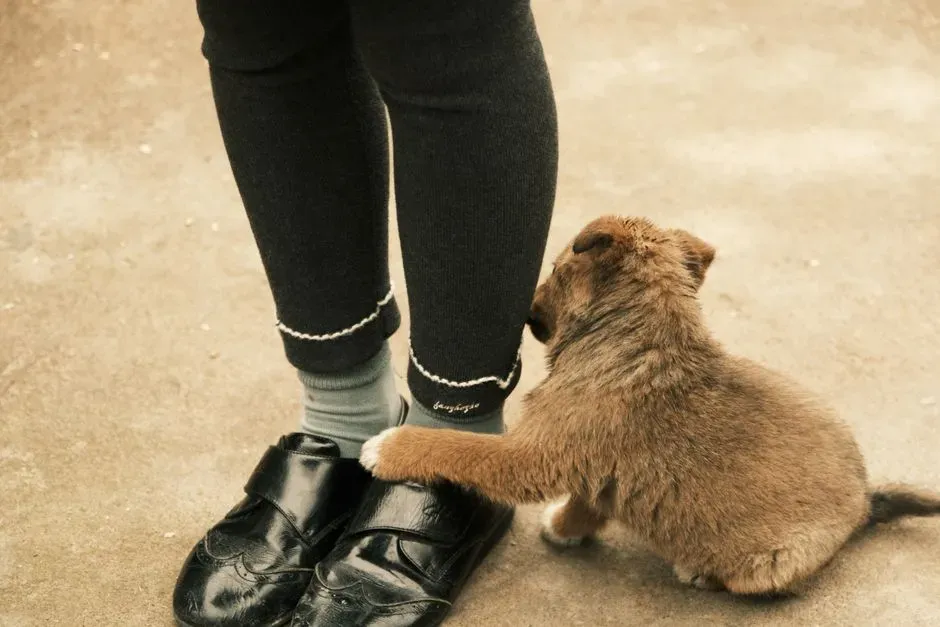
Instead of their usual energetic bumps or requests to play, some dogs press their nose or head lightly against your leg or arm. The contact feels deliberate and steady, almost like a quiet anchor. They hold the position for several seconds without pushing for more interaction.
This nuzzling rarely occurs during everyday routines or when you simply look tired. It surfaces specifically in those moments when your breathing changes or your shoulders begin to tense. Many people describe it as comforting rather than attention seeking.
Bringing a Favorite Toy or Blanket
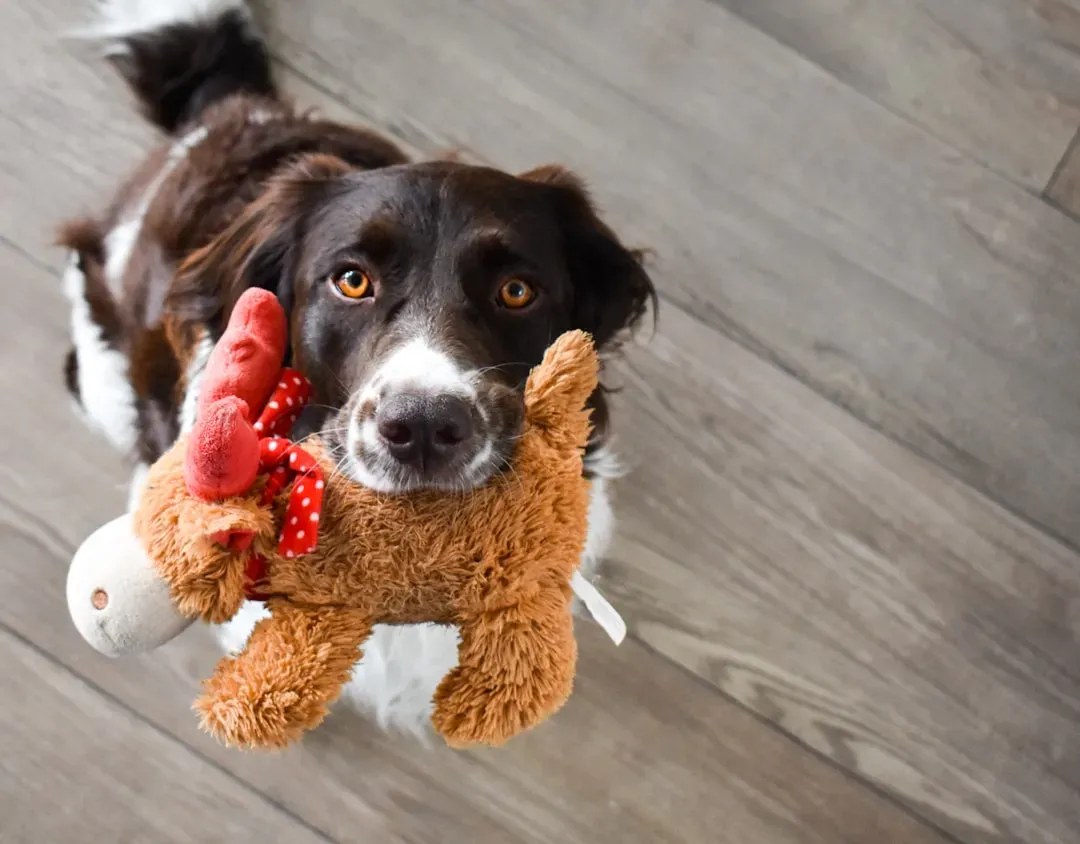
A dog might suddenly retrieve one of their own comfort items and place it near you without any prompting. The choice of object often feels intentional, as if they are offering something familiar and soft. They set it down and then watch for your reaction instead of launching into a game.
This gesture tends to appear only when the emotional shift feels imminent rather than during casual downtime. It differs from their normal toy presentations that come with tail wags and invitations to throw. The timing makes the action stand out as a response to your inner state.
Low, Gentle Whining
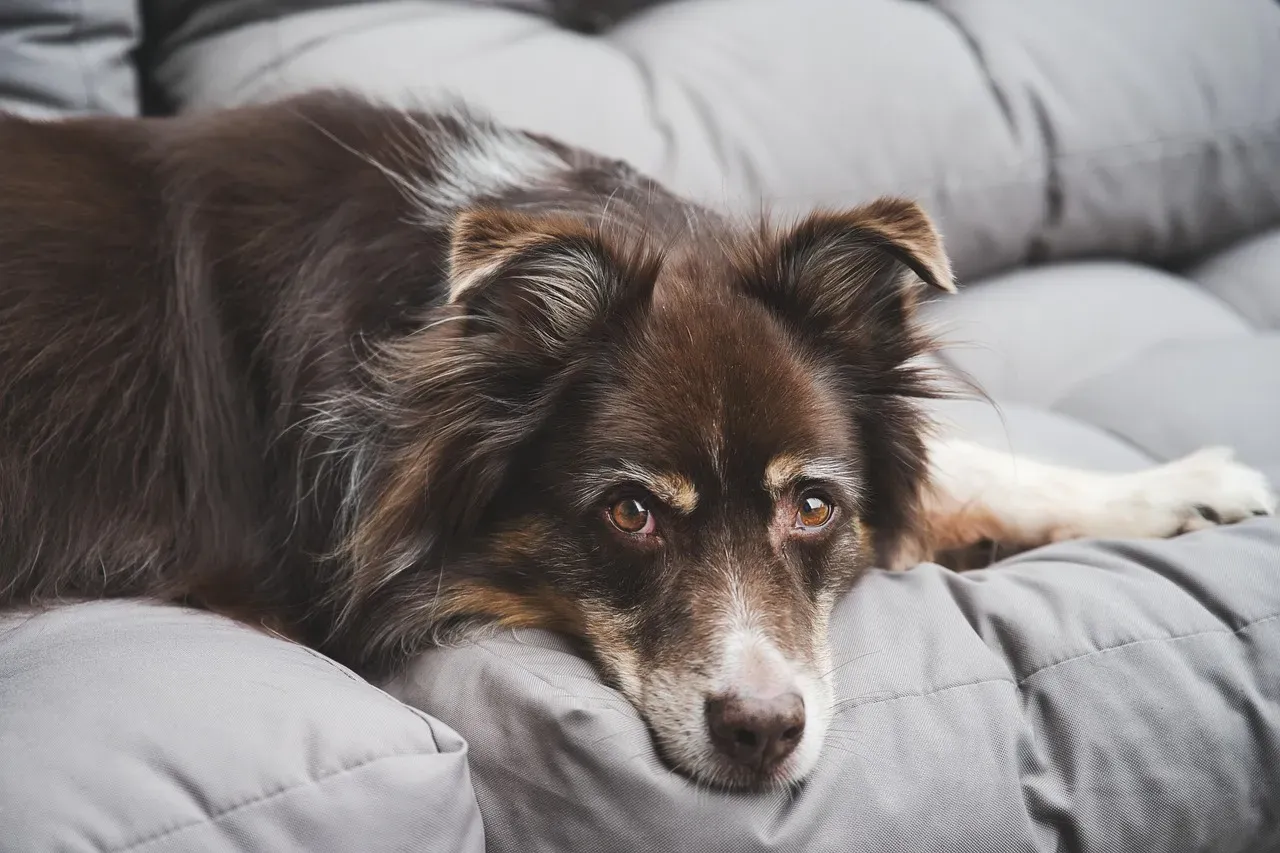
Some dogs produce a soft, almost melodic whine that lacks the urgency of hunger or the need to go outside. The sound stays quiet and intermittent, rising only slightly when you remain still. It carries a concerned tone rather than complaint or excitement.
This vocalization usually begins before any actual crying starts and fades once you acknowledge them or the moment passes. It does not match the louder complaints they make when bored or restless. Listeners often sense an element of empathy in the tone itself.
Following You From Room to Room
Your dog may shadow your movements more closely than usual, staying within a few feet even when you move to another space. They pause when you pause and settle nearby without demanding play or food. The closeness feels protective rather than needy.
This shadowing intensifies right before emotional release and eases once the wave passes. It stands apart from their normal habit of checking in occasionally throughout the day. The consistency of the behavior marks it as tied to that specific emotional cue.
Head Tilting With Focused Attention
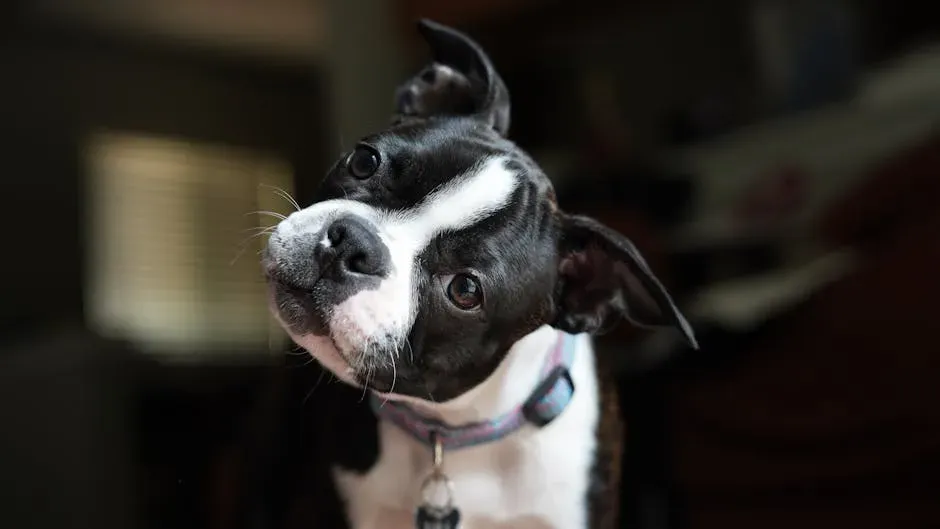
A slight head tilt combined with attentive ears often appears as your dog studies your face or posture. The movement looks thoughtful, as though they are trying to interpret small changes in your expression or breathing. They hold the position longer than during ordinary conversations or commands.
This tilt rarely shows up in neutral or happy moments and tends to coincide with the earliest signs of distress. It gives the impression of careful listening without any expectation of a response from you. Many owners notice it just before the first tear forms.
Offering a Paw Without Prompting
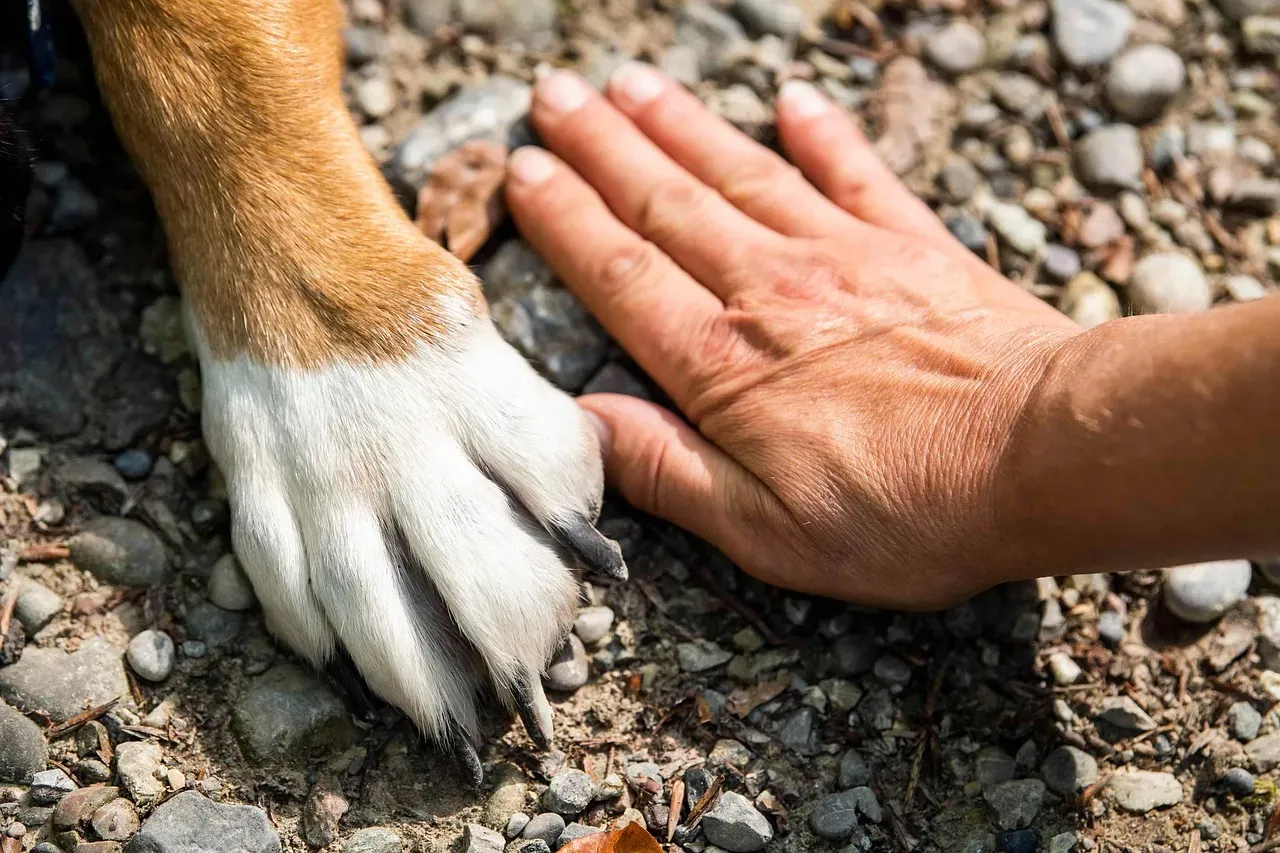
Your dog might extend a paw and rest it lightly on your hand or knee in a quiet gesture of contact. The action lacks the usual pawing for treats or attention and instead feels like a simple offer of presence. They leave the paw there for a moment before withdrawing it gently.
This behavior surfaces mainly during that narrow window when tears feel close but have not yet started. It differs from their excited paw raises during play or training sessions. The restraint in the gesture makes it feel especially attuned to your emotional state.
Final Thoughts on These Quiet Signals

These behaviors highlight how deeply dogs tune into the people they live with, often catching emotional shifts we barely register ourselves. They remind us that the bond goes beyond commands and routines into something more instinctive and attentive. Paying attention to these moments can strengthen that connection in everyday life.
Ultimately, recognizing these signs encourages us to value the quiet support our dogs provide without expecting anything dramatic in return. It is a small but steady reminder that companionship sometimes shows up in the gentlest ways.


