
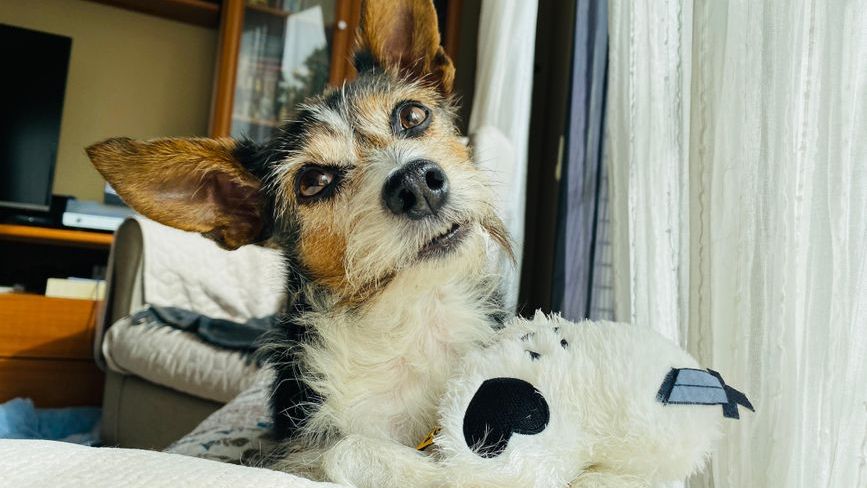
You have seen it happen more times than you can count. Your dog appears with a well chewed toy, places it carefully in front of you, and then settles into that steady, expectant gaze. The moment feels loaded with meaning, yet the exact message often stays just out of reach.
Owners have swapped stories about this scene for years, wondering whether it signals play, affection, or something quieter. Recent observations from behaviorists point to a handful of consistent explanations that fit most households.
The Everyday Mystery Unfolds
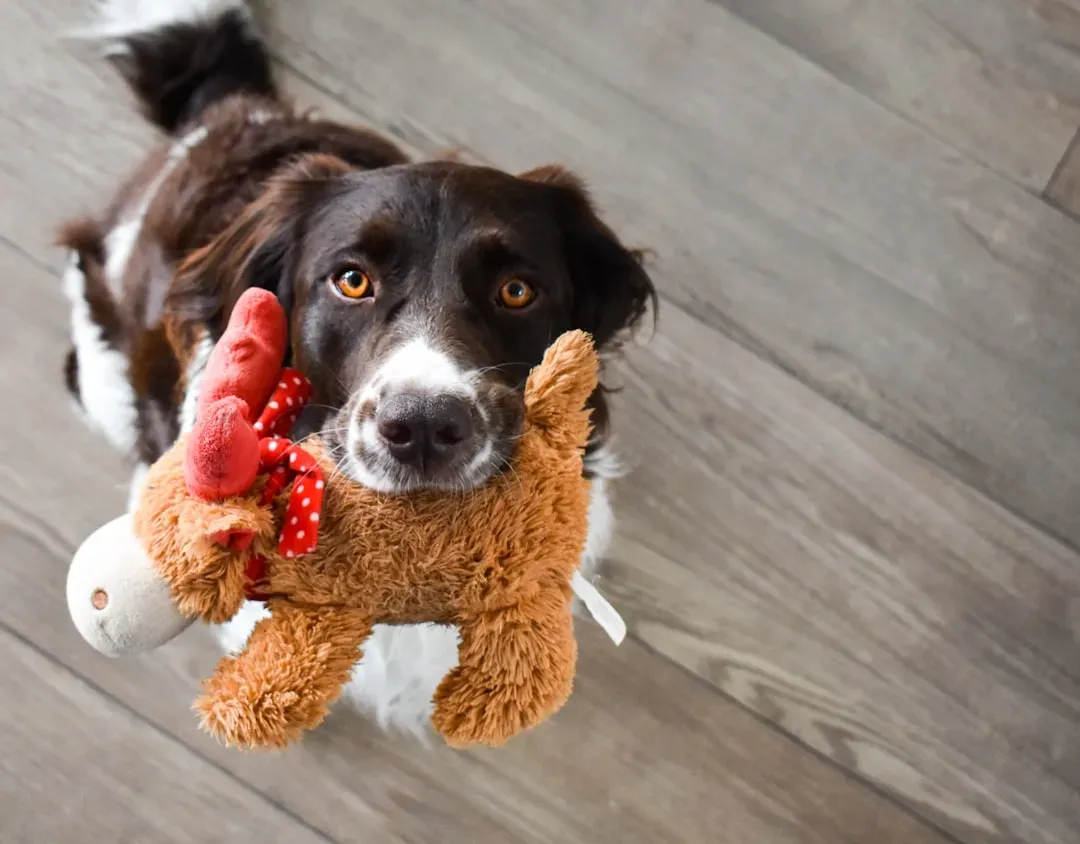
Dogs learn early that certain actions reliably produce a response from their people. Bringing a toy forward is one of those learned moves that usually leads to interaction of some kind. The stare that follows simply holds the moment open until you decide what happens next.
Over time the pattern becomes a small ritual inside the daily routine. Your dog knows the toy works as a reliable opener, and the pause afterward gives you space to notice and reply. It is a simple, repeatable way to start a conversation without words.
Playtime Is the Primary Goal
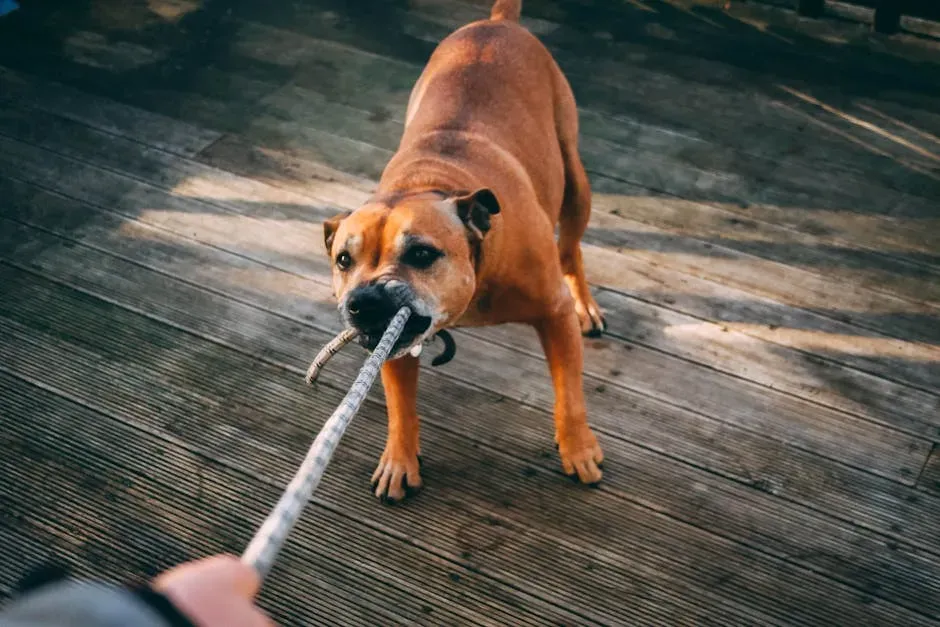
Most often the toy arrives because your dog wants a game to begin. The stare serves as a clear prompt that says the ball or rope is ready and waiting for you to join in. Behaviorists note that this sequence appears across many breeds when energy levels rise and a familiar play partner is nearby.
The pause after delivery lets your dog read your body language before committing further. If you reach for the toy or smile, the game starts quickly. If you stay still, the dog may nudge the toy closer or offer a small bark to keep the invitation alive.
Attention Seeking in Action
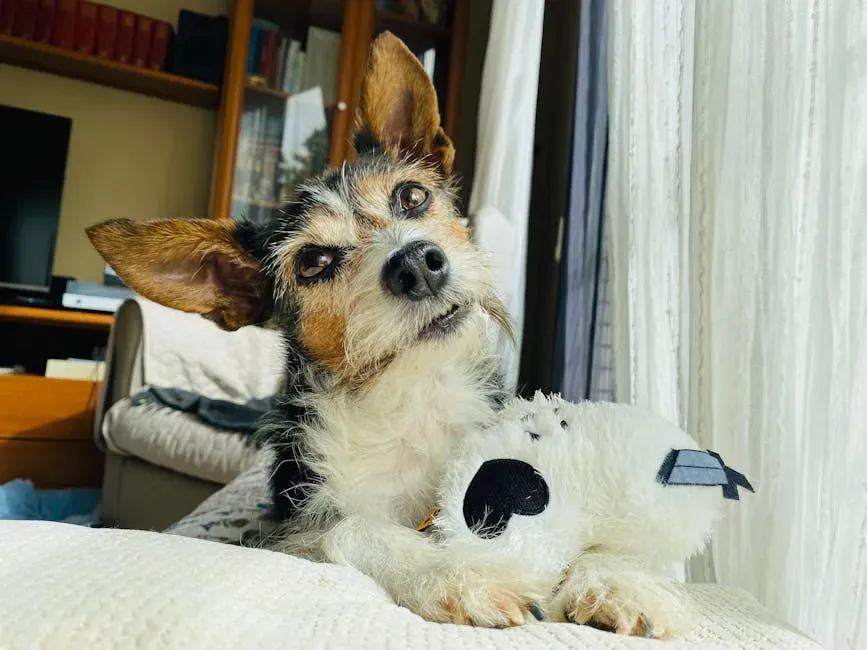
Sometimes the behavior has less to do with the toy itself and more to do with simply being seen. Your dog has learned that presenting an object draws your eyes and voice in their direction. The stare then locks in that connection until you respond with words or touch.
This pattern shows up especially when the household has been quiet for a while or when other family members are occupied. The toy becomes a portable signal that works even when your hands are busy elsewhere. It is an efficient way to reopen the channel of attention without needing to jump or whine.
A Gesture of Trust and Love
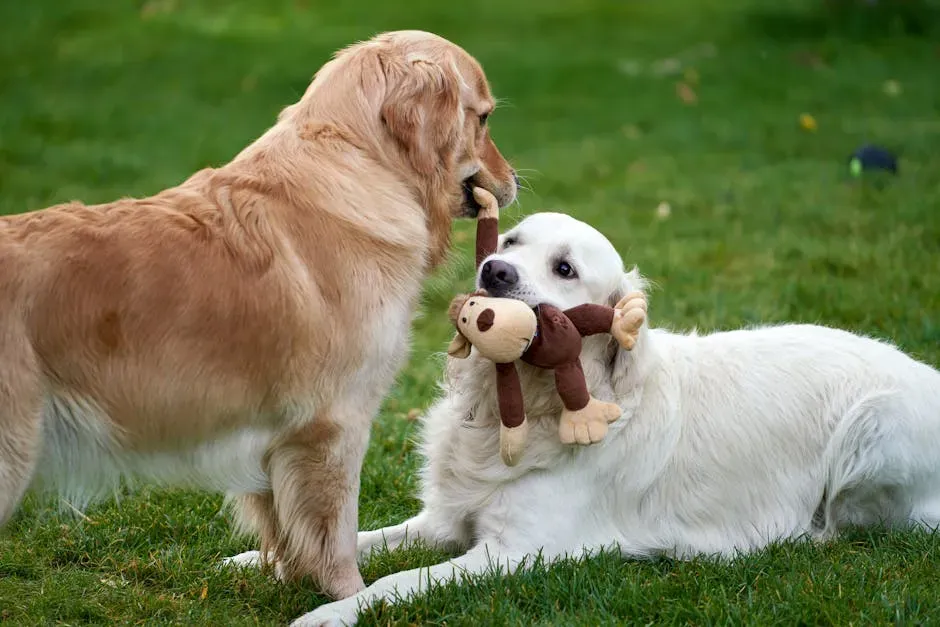
Bringing a prized possession and then waiting can also reflect a growing sense of safety with you. The dog is offering something valuable and then giving you time to accept or return it. That small act of sharing carries weight in the quiet language dogs use with their closest people.
Over months or years the same toy may appear during calm evenings when nothing else is happening. The stare in those moments feels softer, less urgent, and more like an invitation to simply sit together. Behaviorists see this as one quiet marker of a secure attachment that has built up through daily life.
Variations Across Different Dogs
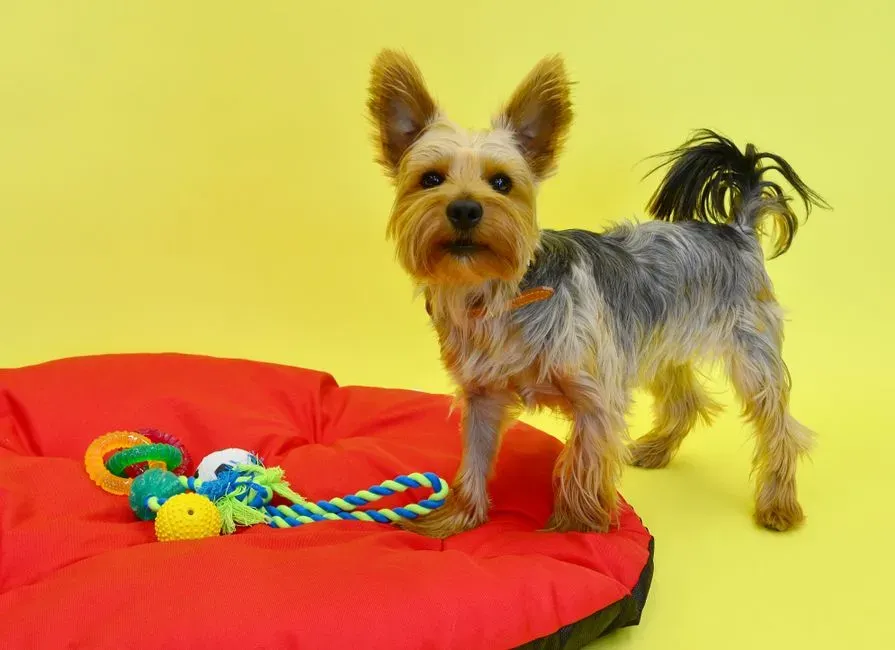
Not every dog uses the same toy ritual in the same way. Younger dogs tend to bring toys more often during bursts of energy, while older dogs may reserve the gesture for specific times of day. Individual personality also shapes how long the stare lasts and how insistent it becomes.
Breed tendencies play a role too. Herding breeds sometimes treat the toy like a task that needs completing, while retrievers may hold the item longer before releasing it. These small differences mean the same surface behavior can carry slightly different weight depending on the dog standing in front of you.
Context Matters More Than You Think
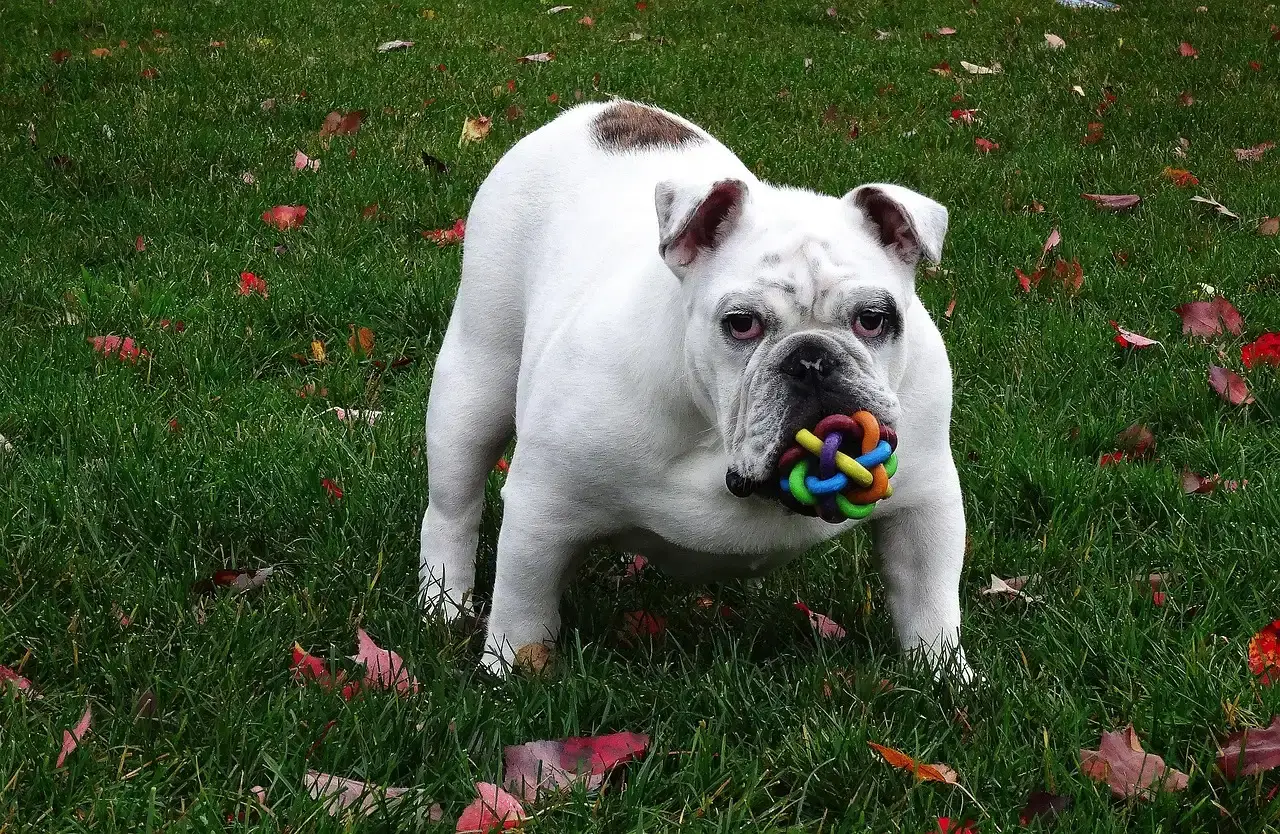
The meaning shifts with what else is happening in the room. A toy delivered after a long workday often carries a different tone than one offered right after a walk. Your dog reads the overall mood and timing before deciding the toy is the right tool for the moment.
Changes in routine can also alter how often the behavior appears. A new work schedule or the arrival of a visitor may increase or decrease the frequency of toy deliveries. Watching the surrounding circumstances helps separate a simple play request from a request that carries extra emotional weight.
Practical Ways to Engage
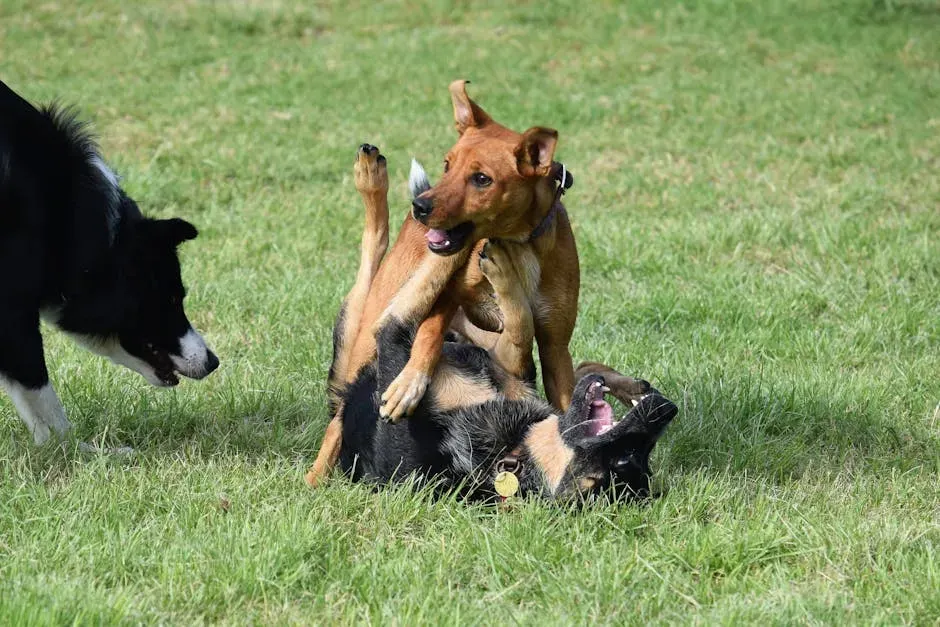
Responding consistently helps the dog understand which signals work best. Picking up the toy and starting a short game reinforces the positive connection. A calm verbal reply followed by a gentle pat can also satisfy the need for attention without turning every moment into play.
Some owners keep a few different toys available so the dog can choose which one feels right that day. Rotating options prevents the ritual from becoming repetitive and keeps the interaction fresh. Small adjustments like these turn the staring moment into a reliable bridge between you and your dog.
Why These Small Moments Matter
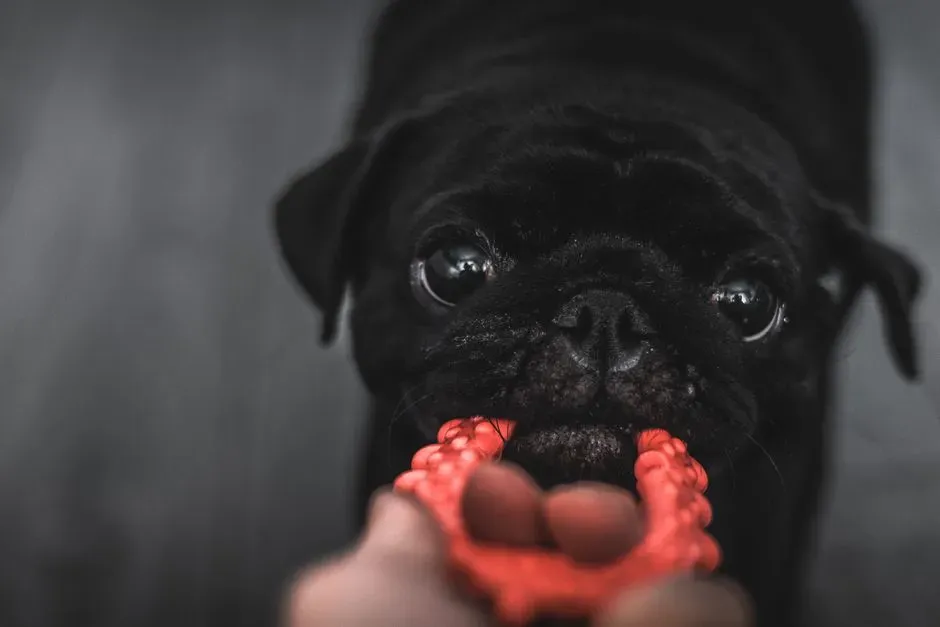
Over time the toy and stare ritual becomes one thread in a larger pattern of daily communication. It reminds both of you that connection does not always require grand gestures or long training sessions. The simplicity of the act is part of what makes it reliable and comforting.
I believe paying attention to these quiet signals deepens the relationship more than most people realize. When you meet the stare with presence instead of distraction, you reinforce the trust your dog already shows by offering the toy in the first place. Those brief exchanges add up to a steadier, more mutual bond that feels good on both ends of the leash.


