Returning home to a beloved dog who suddenly avoids your gaze can be both puzzling and disheartening. This behavior, often misinterpreted as guilt or defiance, is actually a window into your dog’s emotional state. Understanding the nuances behind this eye avoidance is crucial for strengthening the bond between you and your furry friend.
Decoding the Canine Gaze: More Than Meets the Eye
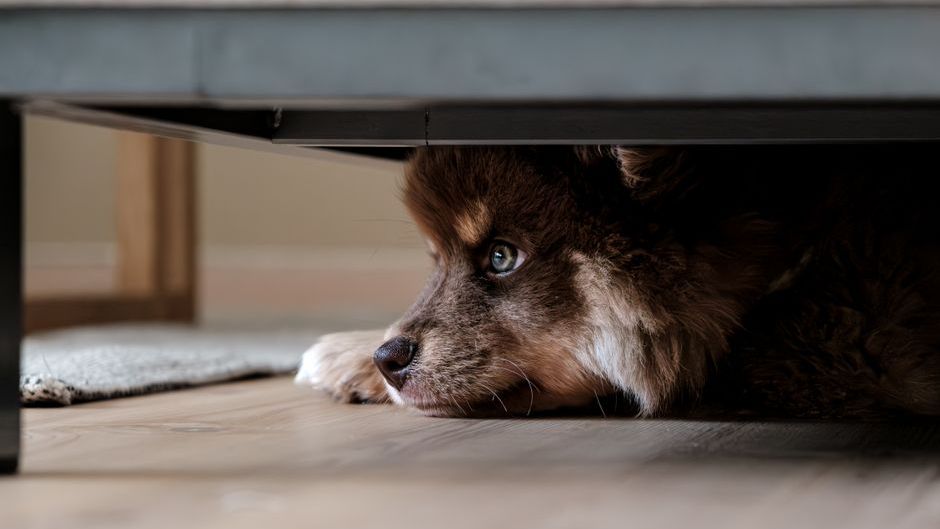
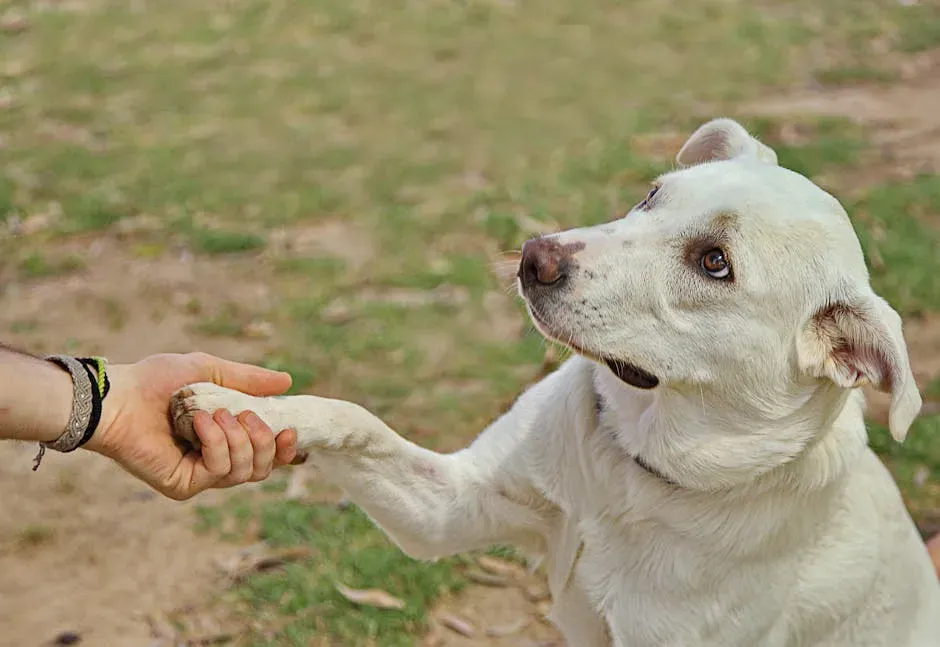
Decoding the Canine Gaze: More Than Meets the Eye (Image Credits: Pexels)In the human world, eye contact signifies connection and trust. However, for dogs, direct eye contact can be perceived as a challenge or threat. This instinctual behavior harks back to their wild ancestors, where prolonged staring often preceded confrontations. When your dog averts their eyes upon your return, it’s not an act of defiance but a natural response to perceived tension.This avoidance is a form of appeasement, a dog’s way of saying, “I mean no harm.” It’s a subtle signal aimed at maintaining harmony within the pack – your family. Recognizing this can shift your perspective from frustration to empathy, allowing you to address the root cause of their discomfort.
Unraveling the Triggers: What Causes Eye Avoidance?
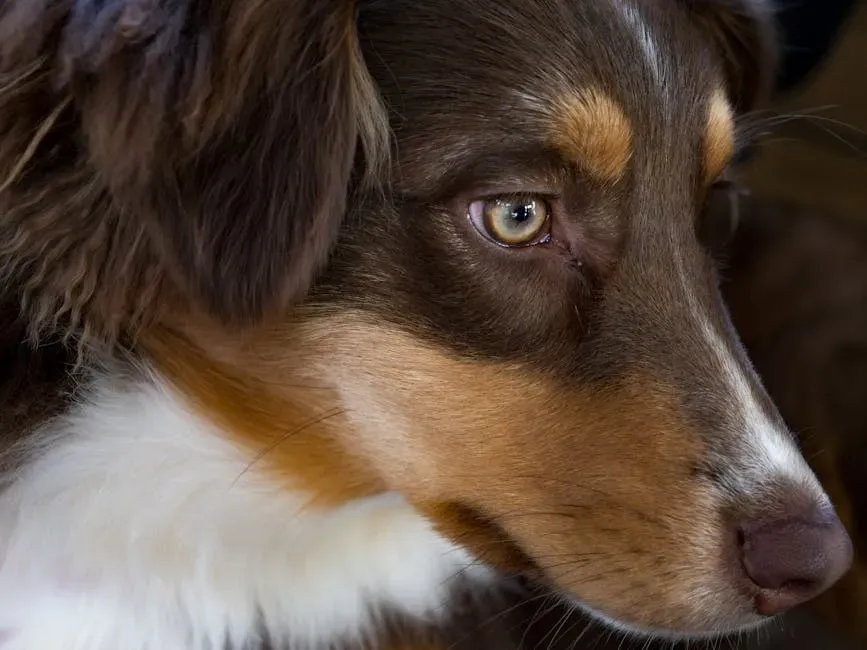
Unraveling the Triggers: What Causes Eye Avoidance? (Image Credits: Pexels)Several factors can prompt your dog to avoid eye contact after you’ve been away. Changes in routine, such as your absence, can induce anxiety. Dogs thrive on consistency, and deviations can unsettle them, leading to stress-related behaviors like eye avoidance.Additionally, if your departure was abrupt or prolonged, your dog might feel insecure or abandoned. This emotional turmoil can manifest in their reluctance to engage visually. Understanding these triggers is the first step toward alleviating their stress.
Recognizing the Signs: Beyond Eye Avoidance
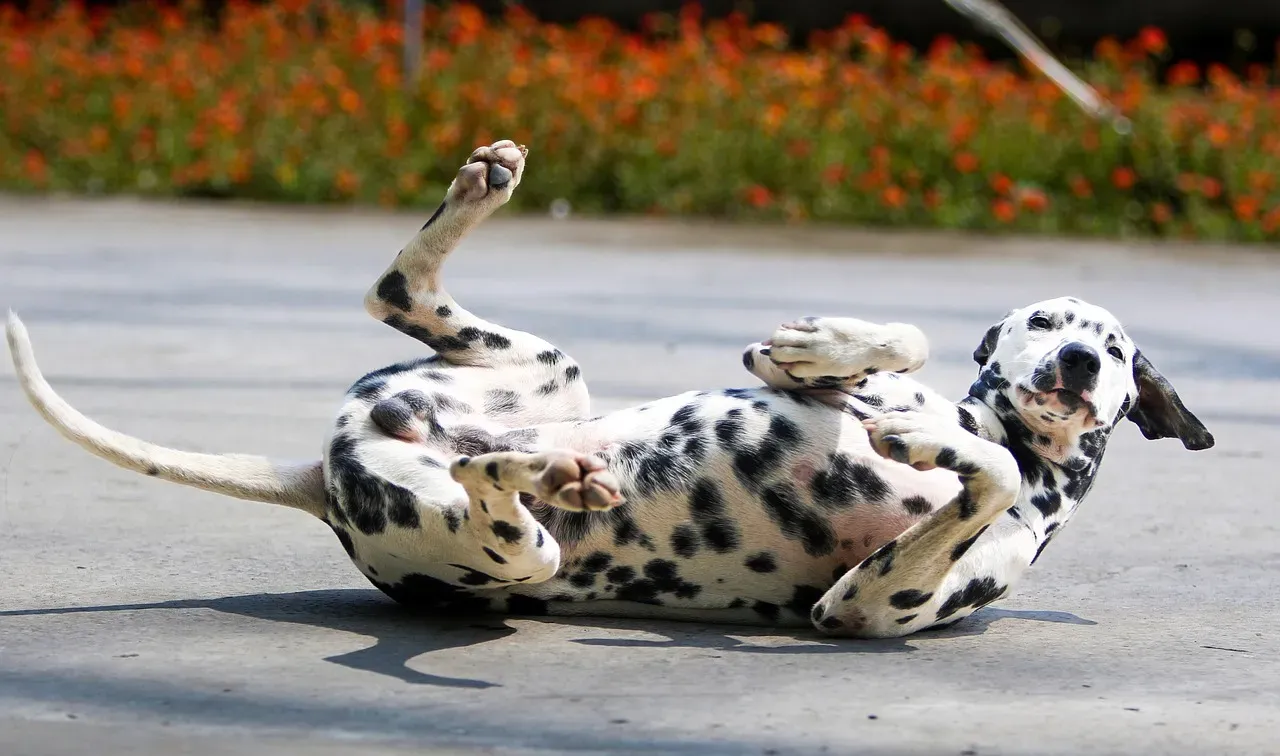
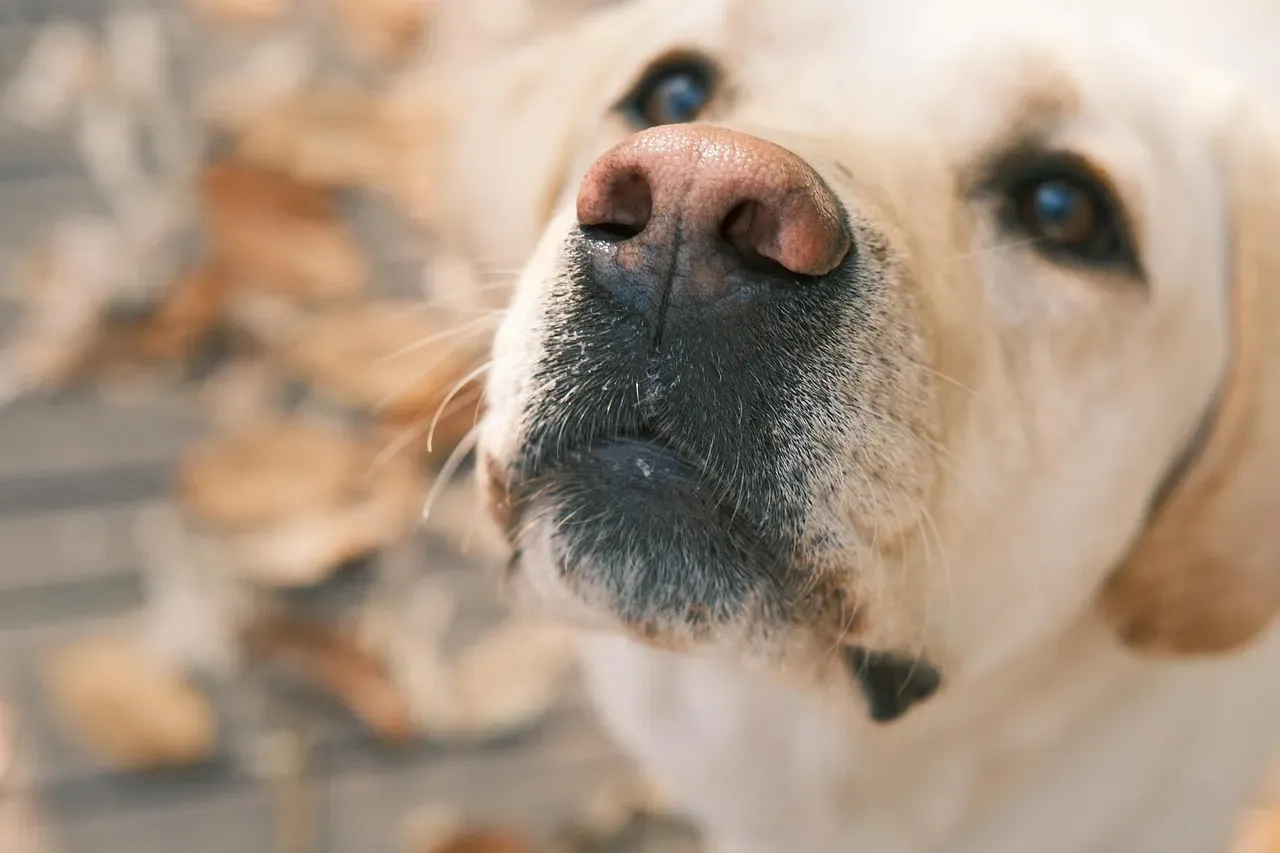
Recognizing the Signs: Beyond Eye Avoidance (Image Credits: Pixabay)Eye avoidance is often accompanied by other stress indicators. You might notice your dog displaying behaviors such as lip licking, yawning, or turning their head away. These are all appeasement gestures aimed at diffusing perceived tension.Physical signs like a tucked tail, lowered ears, or a stiff posture further signal discomfort. By observing these cues, you can gain a comprehensive understanding of your dog’s emotional state and respond appropriately.
Building Trust: Strategies to Reassure Your Dog
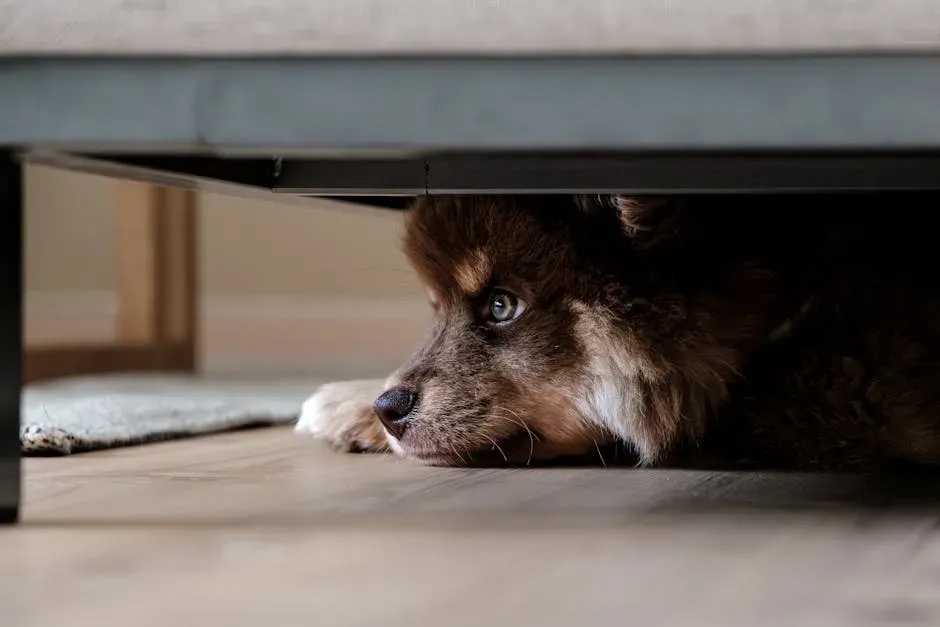
Building Trust: Strategies to Reassure Your Dog (Image Credits: Pexels)Patience and positive reinforcement are key to rebuilding trust. Upon returning home, approach your dog calmly, avoiding direct eye contact initially. Allow them to come to you at their own pace, offering gentle praise and treats to create positive associations.Engage in activities your dog enjoys, such as playtime or walks, to reinforce your bond. Consistency in your interactions will help your dog feel secure, gradually reducing their stress and eye avoidance behavior.
Training Techniques: Encouraging Comfortable Eye Contact
Training Techniques: Encouraging Comfortable Eye Contact (Image Credits: Pixabay)Teaching your dog that eye contact is safe and rewarding can be beneficial. Start by holding a treat near your face and rewarding your dog when they glance in your direction. Gradually increase the duration of eye contact before offering the treat.Use a cue like “look” to associate the behavior with a command. Keep training sessions short and positive, ensuring your dog remains comfortable throughout the process. Over time, this practice can help your dog feel more at ease with eye contact.
When to Seek Professional Help: Recognizing Persistent Issues
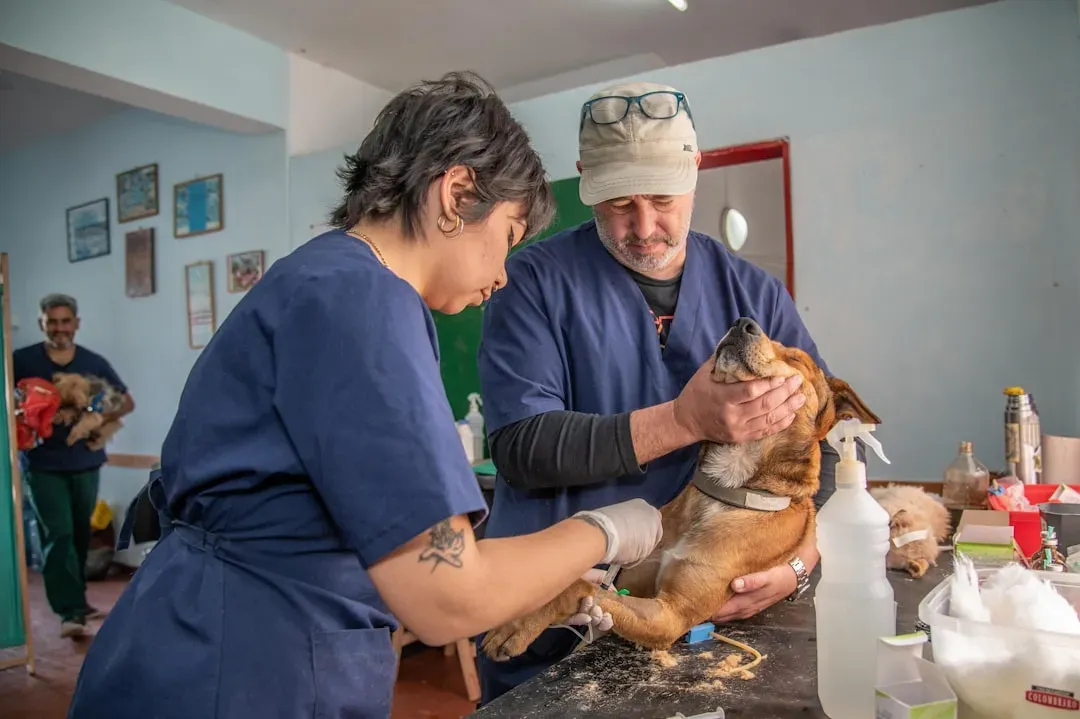
When to Seek Professional Help: Recognizing Persistent Issues (Image Credits: Unsplash)If your dog’s eye avoidance persists despite your efforts, it may be time to consult a professional. A veterinarian can rule out medical issues, while a certified dog behaviorist can provide tailored strategies to address underlying anxiety or fear.Early intervention is crucial to prevent stress behaviors from becoming ingrained. Professional guidance can offer insights and techniques to help your dog feel more secure and confident.
Conclusion: Embracing Empathy in Canine Communication
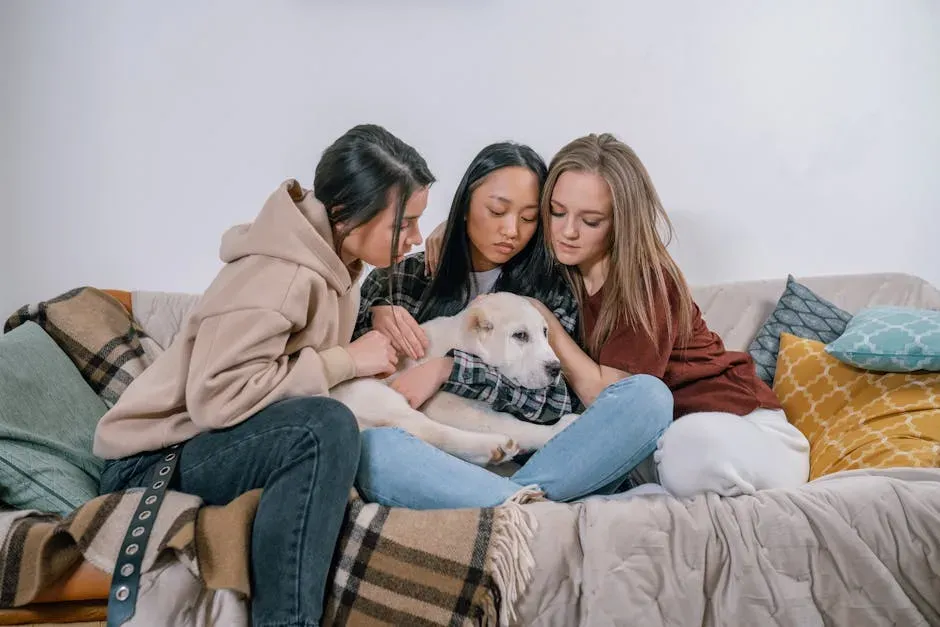
Conclusion: Embracing Empathy in Canine Communication (Image Credits: Pexels)Understanding that your dog’s avoidance of eye contact is a natural response to stress allows you to approach the situation with empathy and patience. By recognizing the underlying causes and implementing positive reinforcement strategies, you can help your dog feel more secure and strengthen your bond. Remember, the journey to mutual trust is built on understanding and compassion. How will you apply these insights to deepen your connection with your canine companion?