
1. The Importance of Matching Energy Levels

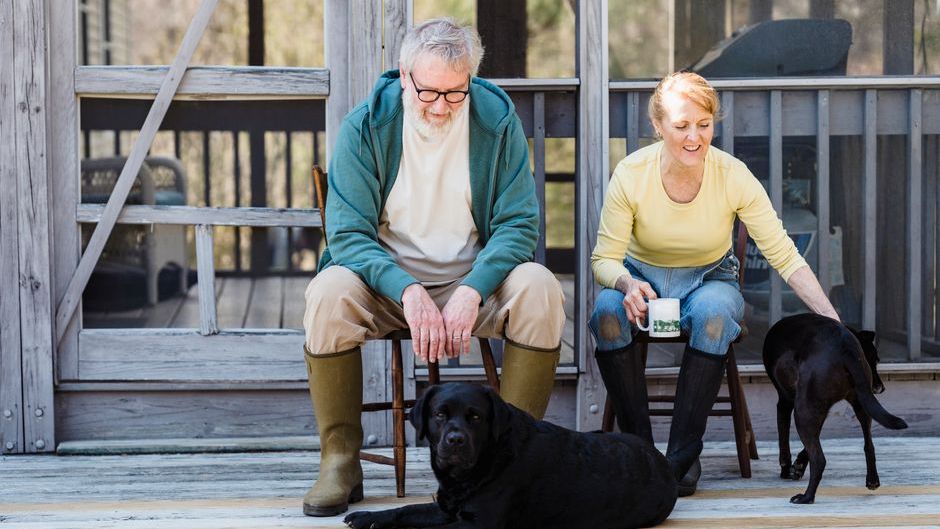
It’s easy to fall in love with a playful puppy, but their boundless energy can be overwhelming. Many seniors have found that adopting a dog whose energy aligns with their own lifestyle leads to a more harmonious relationship. A calm, older dog often makes a better companion for those seeking a relaxed pace.
Considering your daily routine and physical capabilities is crucial. A high-energy breed may require more exercise and stimulation than you’re prepared to provide, leading to frustration for both you and your pet.
2. Financial Considerations Go Beyond Adoption Fees

While the initial adoption fee might seem manageable, the ongoing costs can add up. Veterinary care, grooming, food, and unexpected medical expenses can strain a fixed income. It’s essential to budget for these recurring costs to ensure your dog’s well-being.
Some owners have been caught off guard by the price of medications or specialized diets, especially as their dogs age and develop health issues. Planning ahead can prevent financial stress down the line.
3. The Reality of Aging Together

As both you and your dog age, mobility can become a shared concern. Dogs may develop arthritis or other conditions that limit their movement, requiring modifications to your home and routine. Installing ramps or providing orthopedic beds can make a significant difference in their comfort.
Additionally, consider how your own health might impact your ability to care for a pet. Having a support system in place, such as family or neighbors who can assist, is invaluable.
4. The Emotional Impact of Shorter Lifespans
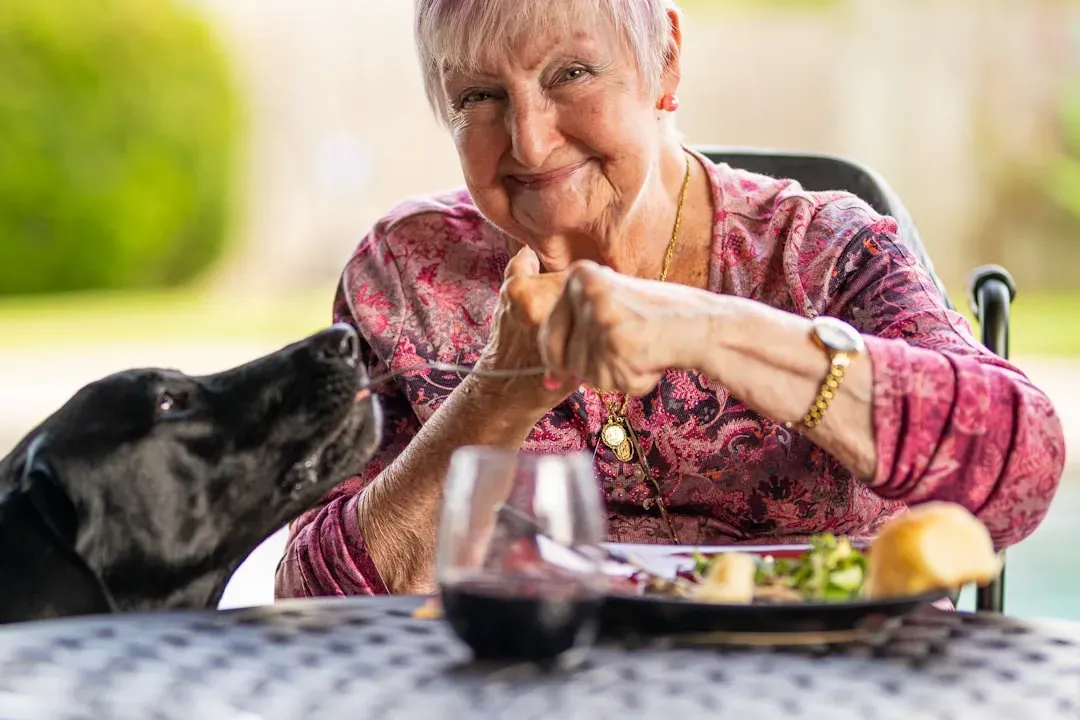
Adopting a senior dog can be incredibly rewarding, but it also means facing the reality of a shorter time together. Many owners express that while the bond formed is deep, saying goodbye sooner than expected can be heart-wrenching.
Being mentally prepared for this eventuality and focusing on providing a loving home for their remaining years can help mitigate the emotional toll.
5. The Benefits of Established Temperaments

One advantage of adopting an older dog is the predictability of their personality. Unlike puppies, whose behaviors can change as they mature, senior dogs have established temperaments, making it easier to find a match that suits your lifestyle.
This stability can be particularly comforting, as you’re less likely to encounter unexpected behavioral issues that require extensive training or adjustment.
6. The Necessity of a Support Network
Life is unpredictable, and situations may arise where you need assistance with your pet. Having a reliable support network – friends, family, or pet care services – ensures that your dog is cared for during emergencies or times when you’re unable to provide care.
Establishing this network before adopting can alleviate stress and provide peace of mind, knowing that your furry friend will always have someone to look after them.
7. The Joy of Companionship
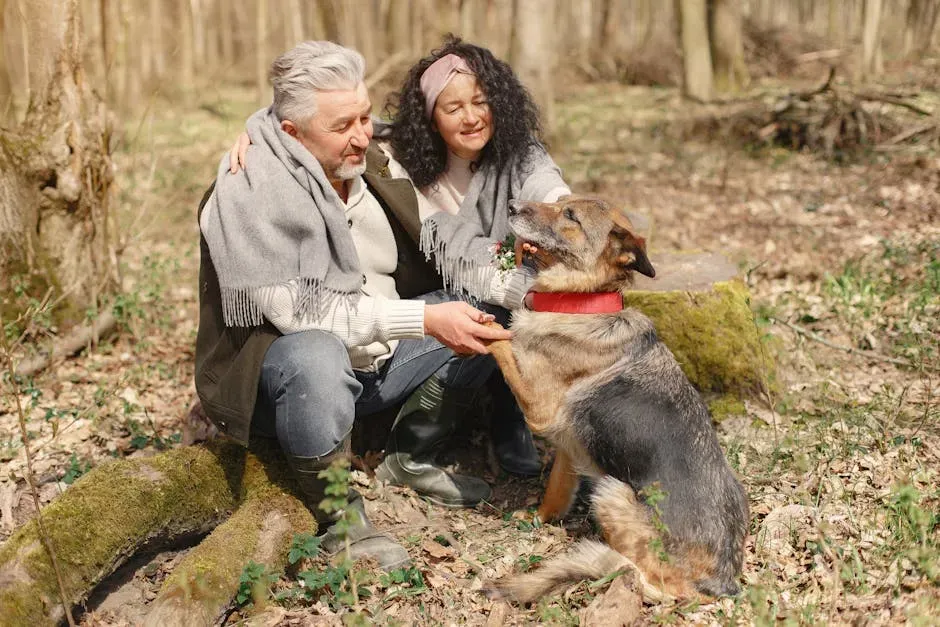
Despite the challenges, many seniors find that the companionship of a dog brings immense joy and purpose to their lives. The routine of caring for a pet can provide structure, encourage physical activity, and combat feelings of loneliness.
The unconditional love and loyalty of a dog can be a source of comfort and happiness, enriching your golden years in ways you might not have anticipated.
8. The Importance of Training and Socialization
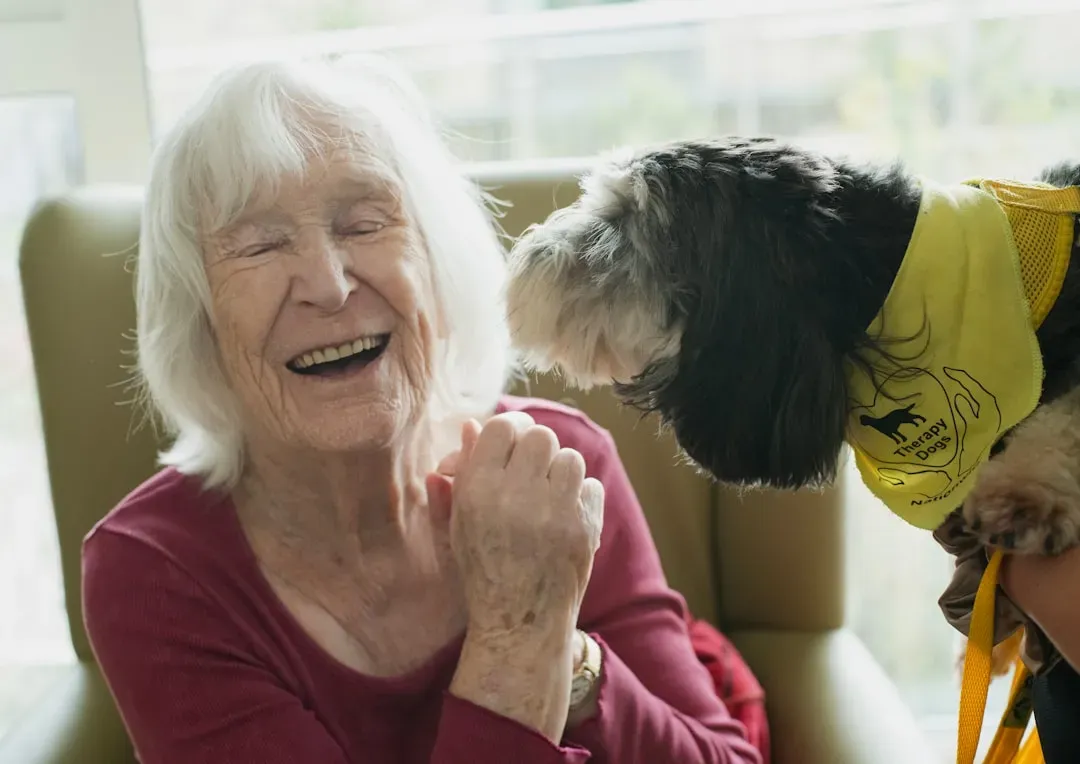
Even older dogs can benefit from training and socialization. Addressing behavioral issues early on and exposing your dog to various environments and people can lead to a more well-adjusted and confident companion.
Investing time in training strengthens your bond and ensures that your dog is a pleasant addition to your community, making outings and interactions more enjoyable for both of you.
9. The Need for Regular Veterinary Care
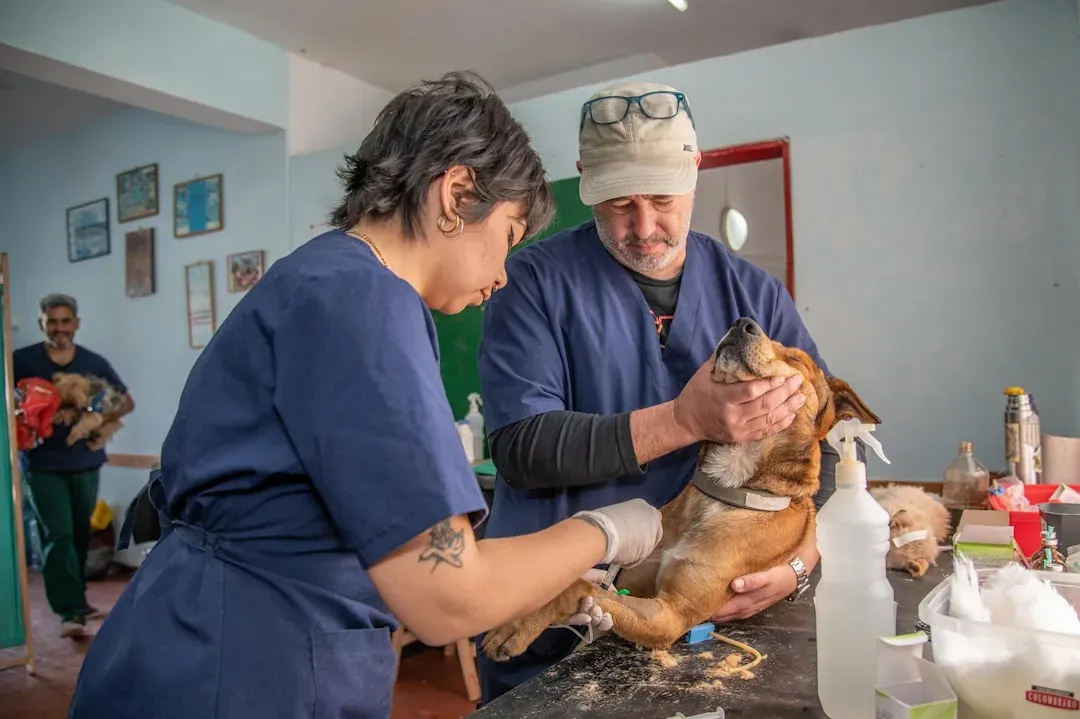
Regular check-ups are vital to catch potential health issues early. Senior dogs, in particular, may require more frequent visits to monitor for age-related conditions. Establishing a relationship with a trusted veterinarian can make all the difference in your dog’s quality of life.
Preventative care, such as vaccinations, dental cleanings, and routine screenings, can extend your dog’s lifespan and keep them comfortable as they age.
10. The Value of Patience and Understanding

Adopting a dog later in life requires patience and understanding. Adjusting to each other’s routines and quirks takes time. Being prepared for an initial period of adjustment can set the stage for a rewarding relationship.
Remember, every dog has a unique history and personality. Embracing their individuality and providing a stable, loving environment will help them thrive in their new home.
In conclusion, while adopting a dog after 60 comes with its set of challenges, the rewards often outweigh the difficulties. By considering these insights and preparing accordingly, you can ensure a fulfilling and joyful companionship. After all, isn’t the love and loyalty of a furry friend worth it?


