
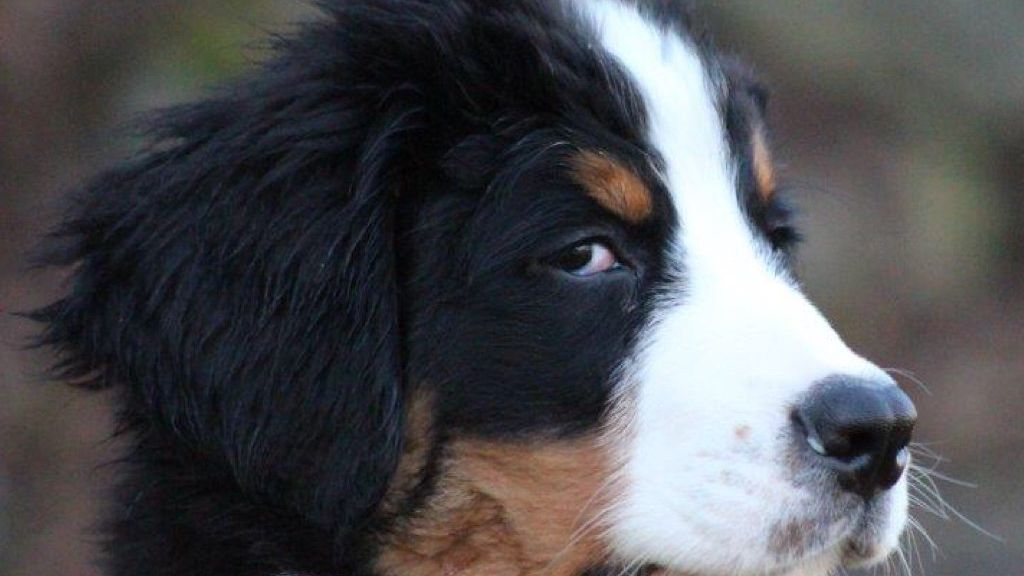
Picture this. You walk through the door after a long day and spot the shredded cushion on the floor. Your dog does not bound over with the usual enthusiasm. Instead something shifts in their posture and expression that makes the whole scene feel heavier than it should.
That reaction often sparks a familiar question among owners. Do dogs really pick up on when we feel disappointed or upset with them? The behaviors that follow suggest a surprising level of emotional attunement even if the inner workings remain a bit mysterious.
They Tuck Their Tail and Lower Their Head
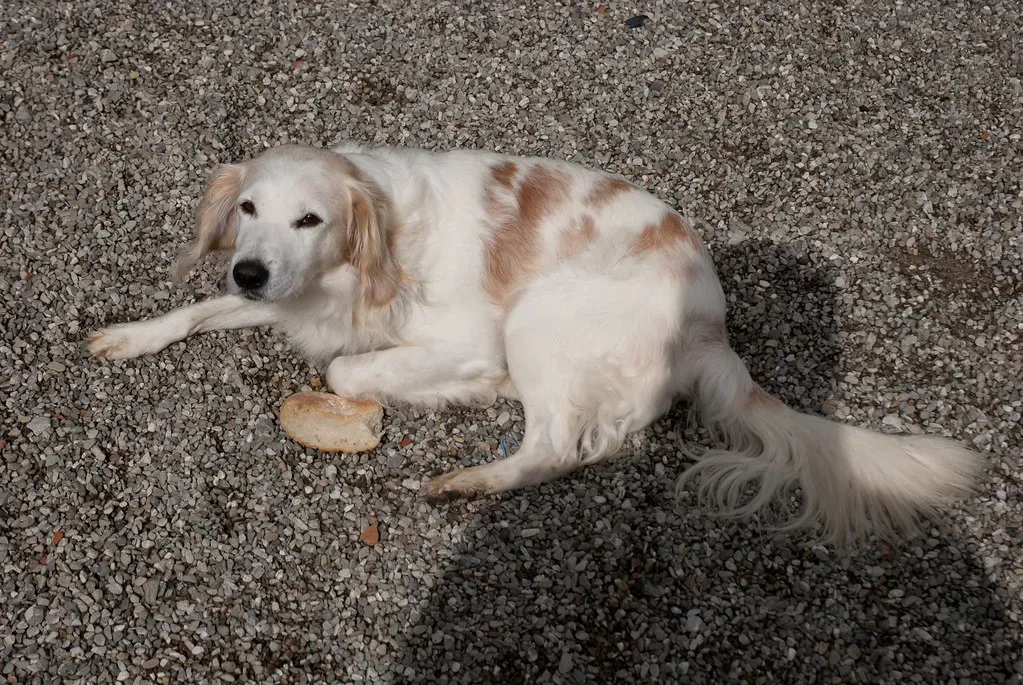
Many dogs respond to a scolding tone by pulling their tail tight against the body and dropping the head low. This posture appears quickly once they sense tension in your voice or movements. It creates an immediate visual signal that they register the shift in your mood.
Owners often notice the change happens even before any direct confrontation. The dog may stay in that lowered position while watching you from the corner of the room. Such consistent body language points to an ability to link their actions with your emotional response.
They Steal Quick Glances Then Look Away
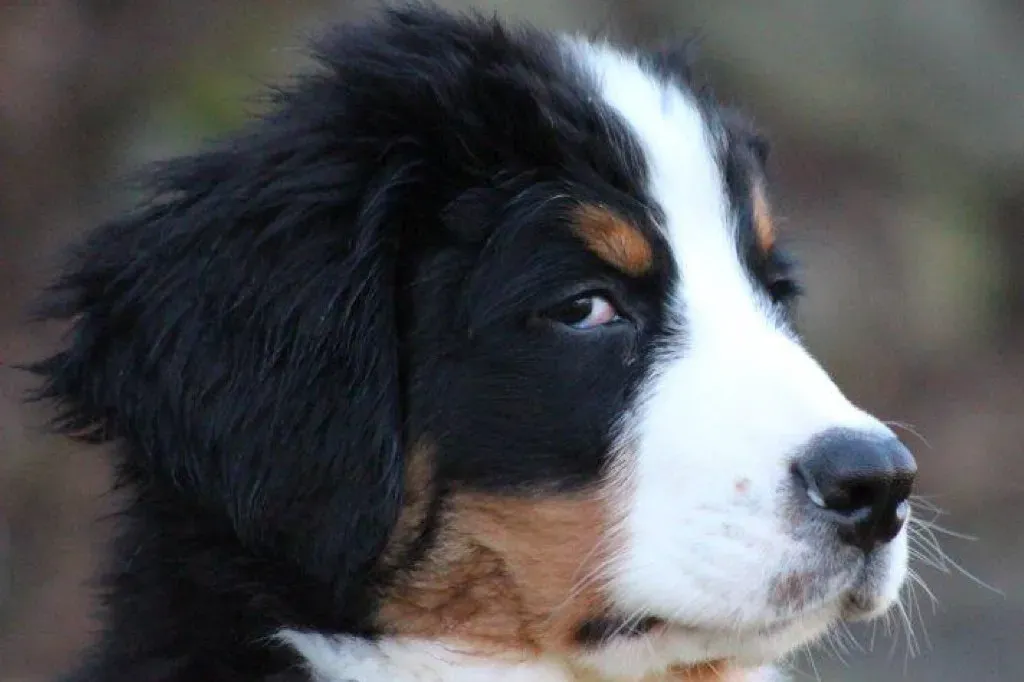
A dog that has done something off limits will often peek at you and then turn the head aside. These fleeting looks seem designed to gauge your reaction without inviting more attention. The pattern repeats until they feel the air has cleared.
This side eye behavior shows up reliably in households where routines include clear feedback after mishaps. It suggests the dog tracks your facial cues and adjusts their own actions accordingly. Over time the glances become a quiet way of checking whether the moment has passed.
They Retreat to Another Room or Corner
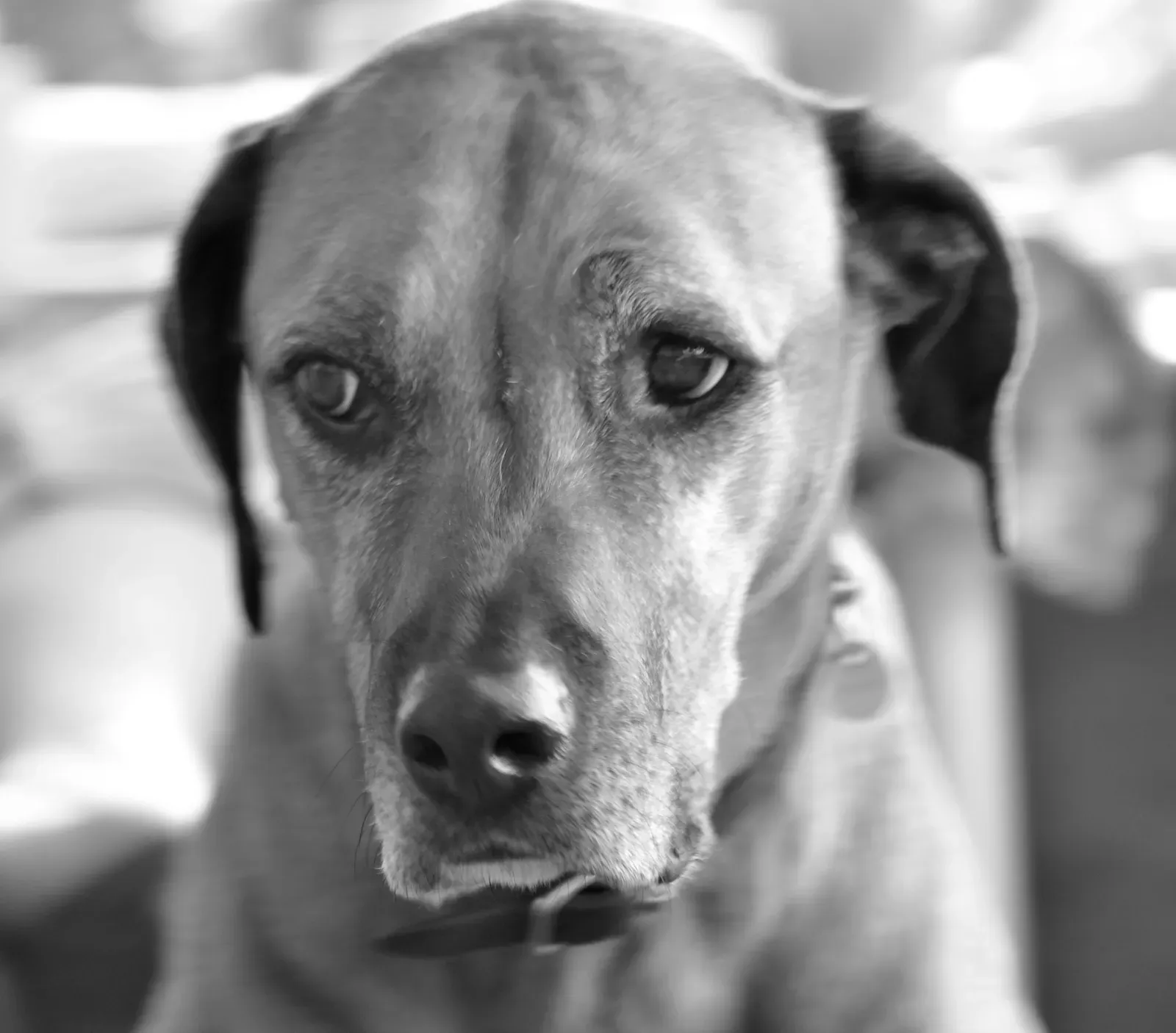
Some dogs choose distance after an incident that drew disapproval. They slip behind furniture or head to a different part of the house without being told. The move happens on their own timing rather than from any command.
That self imposed separation often lasts until the owner’s voice returns to normal. It gives the impression the dog understands the need for space during cooler moments. Many people describe it as the animal giving everyone time to settle.
They Offer a Toy or Perform an Old Trick
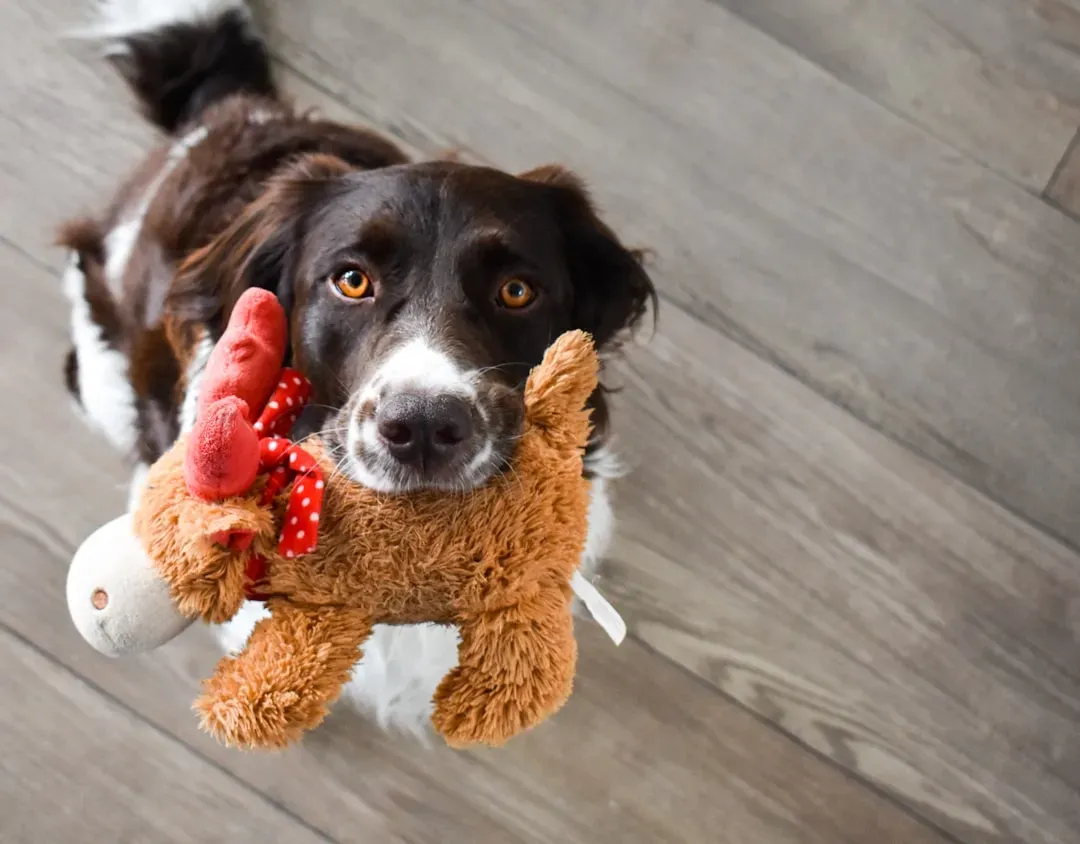
Bringing a favorite ball or suddenly sitting on command can appear right after tension rises. The gesture feels like an attempt to reset the interaction. Dogs repeat these familiar actions even when no request has been made.
The timing lines up closely with moments of human frustration. It hints at an awareness that certain behaviors once earned approval and might do so again. Owners frequently see this pattern strengthen in homes with consistent training routines.
They Whine or Make Soft Vocal Sounds

Low whines or short whimpers sometimes surface when a dog senses disapproval. The sounds stay quiet and lack the excited pitch used during play. They tend to stop once the owner relaxes or offers reassurance.
This vocal response shows up across different breeds and ages. It serves as another layer of communication that matches the emotional temperature in the room. People who live with sensitive dogs often recognize the sound as a direct reply to their own mood.
They Follow You at a Polite Distance
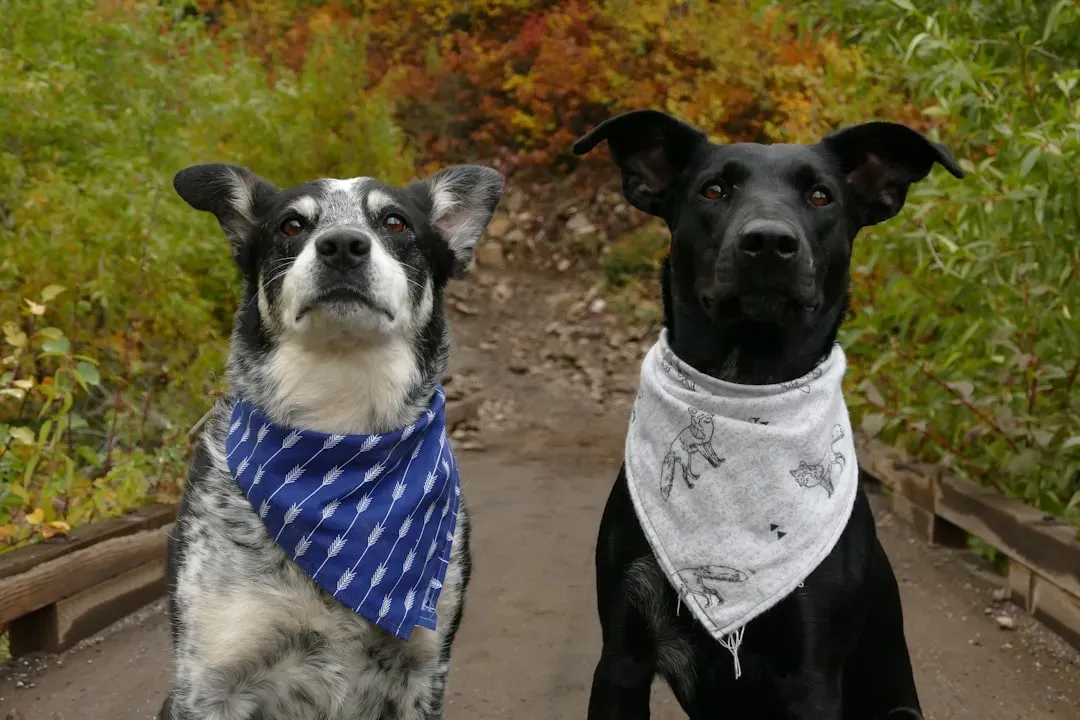
Instead of pressing close for attention some dogs trail behind at a respectful space. They keep you in sight yet avoid crowding until invited. The distance feels deliberate rather than accidental.
This shadowing behavior often continues through the rest of the evening after an earlier mishap. It reflects a careful reading of when closeness feels welcome again. Many owners interpret it as the dog waiting for the right signal before rejoining normal interaction.
They Show Submissive Postures Like Rolling Over
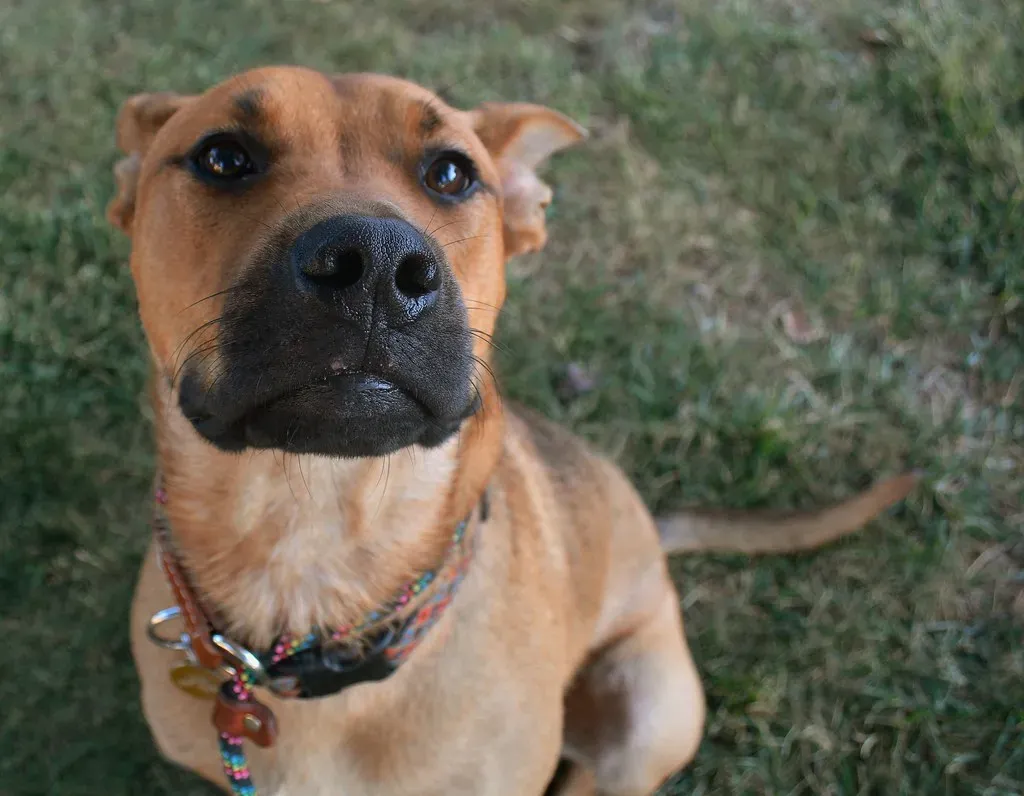
Rolling onto the back with paws up appears in some dogs right after they sense upset. The position exposes the belly and keeps the body still. It tends to coincide with softer voices or calmer movements from the owner.
The posture rarely shows up during neutral or happy times. Its appearance after clear disapproval suggests the dog connects the two events. Over repeated experiences the signal becomes a reliable part of how the household resets.
These small signals add up to something that feels deeply connected even if science continues to debate the exact label for it. Watching them unfold day after day reminds us how closely dogs track the people they live with. In the end the real value lies in the quiet understanding that grows between a dog and their person rather than in perfect definitions. That bond stays worth noticing every time it shows itself.


