
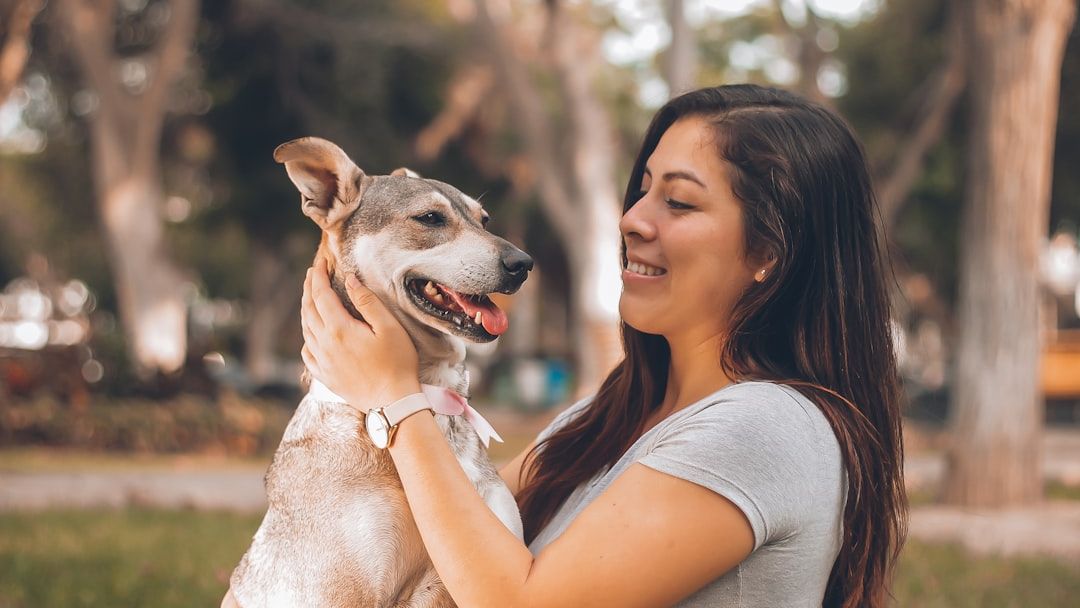
It’s a scene that haunts many pet owners: a beloved dog, once the heart of the home, now retreating into solitude as its final days approach. This behavior, while deeply distressing, is rooted in complex instincts and physiological changes that many veterinarians seldom discuss openly.
The Instinctual Drive for Seclusion
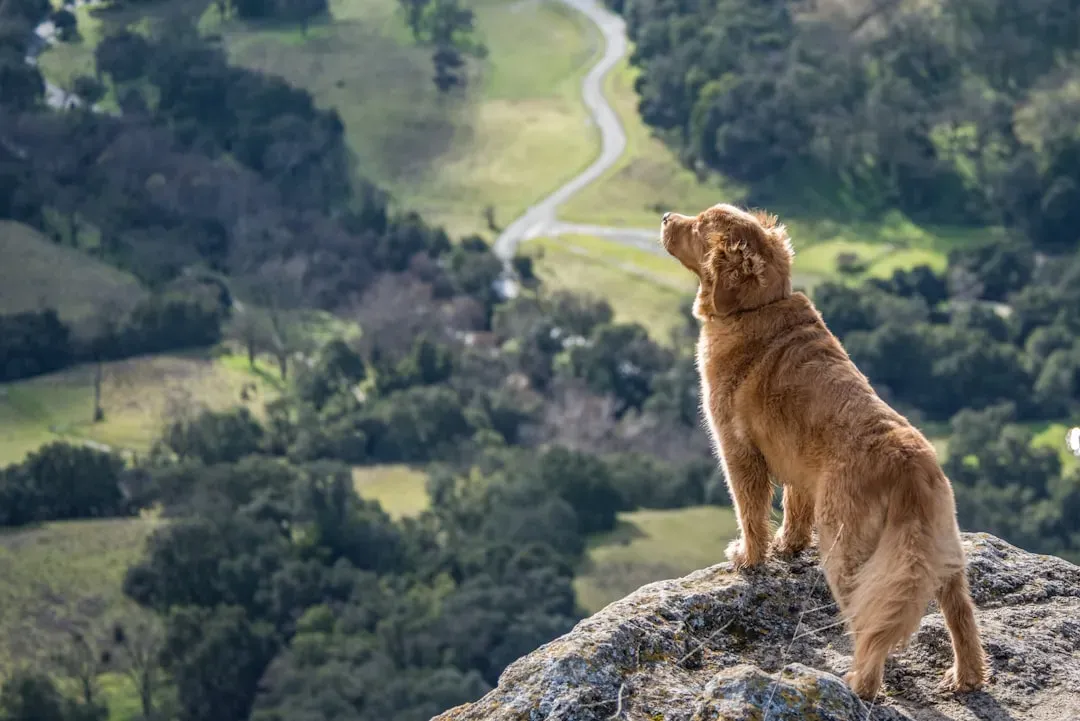
In the wild, ailing animals often isolate themselves to avoid attracting predators. This survival mechanism is deeply embedded in a dog’s DNA. When domesticated dogs sense their end is near, they may instinctively seek out quiet, secluded places, mirroring their ancestors’ behavior to protect both themselves and their pack from potential threats.
While our homes are safe havens, this ingrained instinct doesn’t fade. A dog might hide under a bed or retreat to a seldom-used room, not out of rejection, but as a natural response to vulnerability.
Physical Discomfort and Sensory Overload
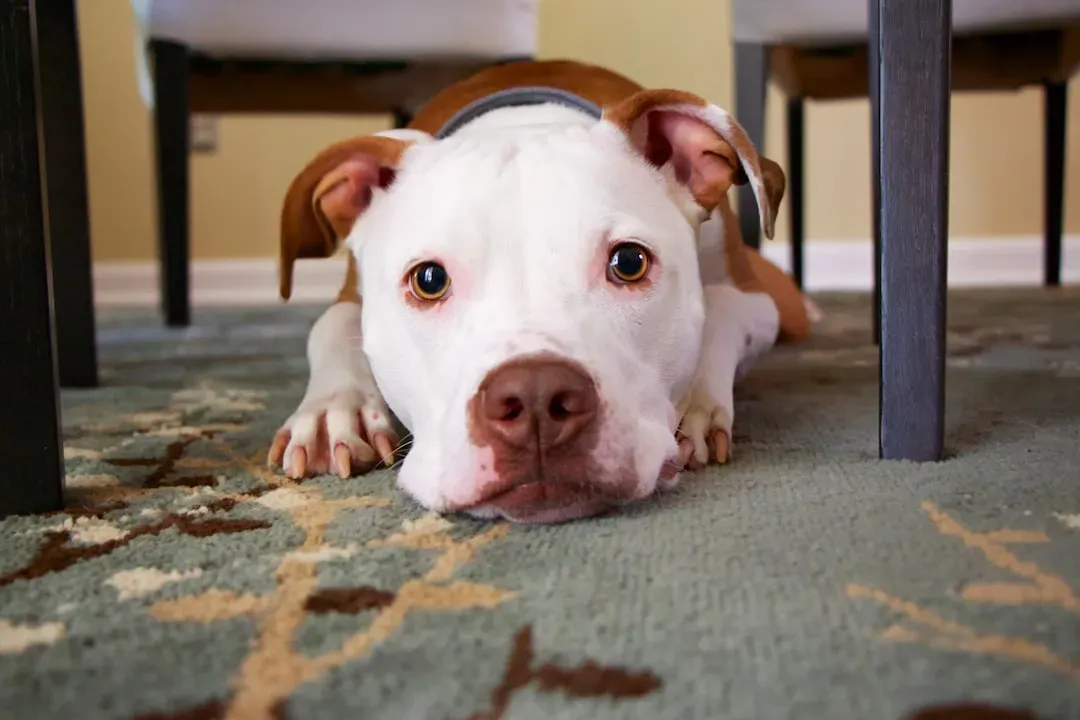
As a dog’s body begins to shut down, they may experience pain, nausea, or general discomfort. Seeking solitude allows them to rest without disturbances, conserving their dwindling energy. The hustle and bustle of daily life can become overwhelming, making quiet spaces more appealing.
Additionally, heightened sensitivity to light, sound, and touch can make familiar environments feel hostile. Isolation becomes a coping mechanism to manage these intensified sensations.
Cognitive Decline and Disorientation

Aging dogs often face cognitive dysfunction, akin to dementia in humans. This decline can lead to confusion, anxiety, and altered behavior patterns. A once sociable dog might withdraw, not out of choice, but due to an inability to process their surroundings as they once did.
Disorientation can cause them to seek out hidden spots, providing a sense of security in an increasingly perplexing world.
Emotional Responses to Mortality
Dogs are deeply empathetic creatures, attuned to their owners’ emotions. As they sense their own decline, some may isolate themselves to spare their humans the pain of witnessing their deterioration. This act isn’t about seeking solitude for themselves but protecting their loved ones from grief.
Conversely, some dogs may become more clingy, seeking constant reassurance. Each dog’s response to their mortality is unique, influenced by their bond with their human family.
The Role of Veterinary Practices
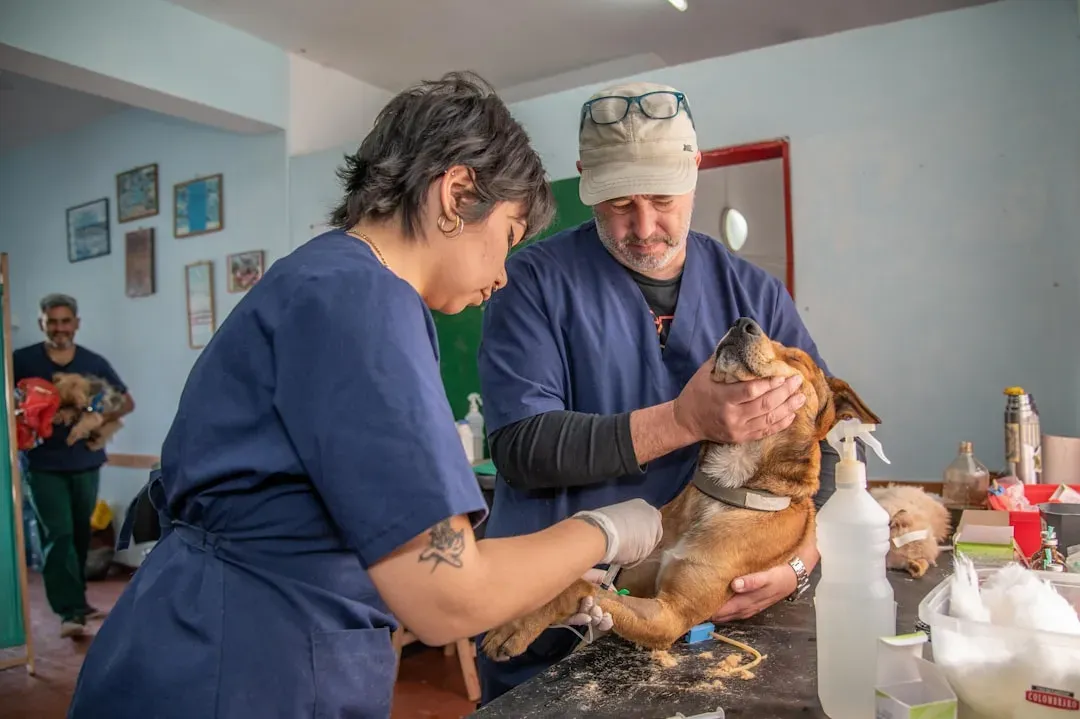
Veterinarians often focus on the clinical aspects of a dog’s decline, sometimes overlooking the emotional and instinctual behaviors that accompany the end of life. This omission can leave pet owners unprepared for their dog’s withdrawal, interpreting it as a personal rejection rather than a natural process.
Open discussions about these behaviors can help owners provide the comfort and understanding their pets need during this time.
Providing Comfort in Their Final Days

Recognizing and respecting a dog’s need for solitude is crucial. Creating a quiet, comfortable space where they can retreat without feeling isolated can offer them peace. Soft bedding, familiar scents, and minimal noise can make this space a sanctuary.
Balancing this with gentle interactions, based on the dog’s cues, ensures they feel loved without overwhelming them. It’s a delicate dance between presence and space, guided by the dog’s needs.
Challenging the Myth of the Lone Death
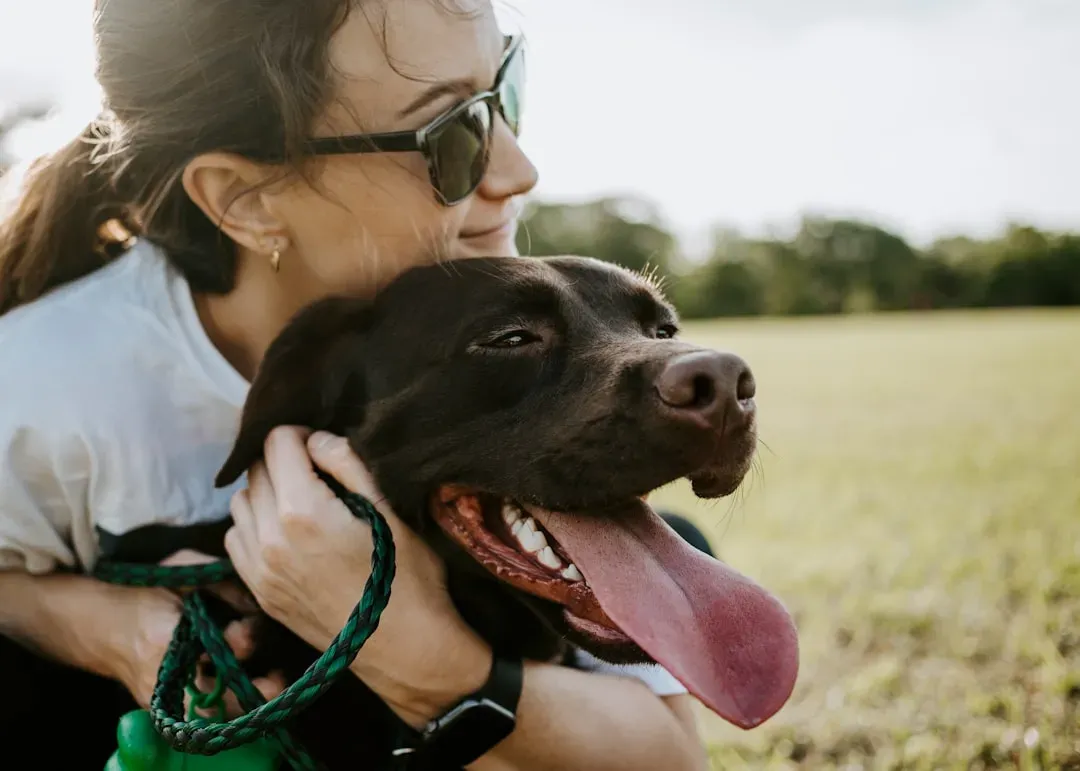
The belief that dogs prefer to die alone is a simplification of a complex behavior. While some may seek solitude, others crave closeness. Understanding that these actions are driven by instinct, discomfort, or cognitive changes allows us to respond with empathy rather than hurt.
By shedding light on these behaviors, we can better support our canine companions, ensuring their final moments are filled with the same love and care that defined their lives.
In the end, it’s not about whether a dog chooses to die alone or surrounded by loved ones. It’s about honoring their needs, understanding their behaviors, and providing unwavering support as they transition from this life. Isn’t that the least we can do for our loyal friends?


