
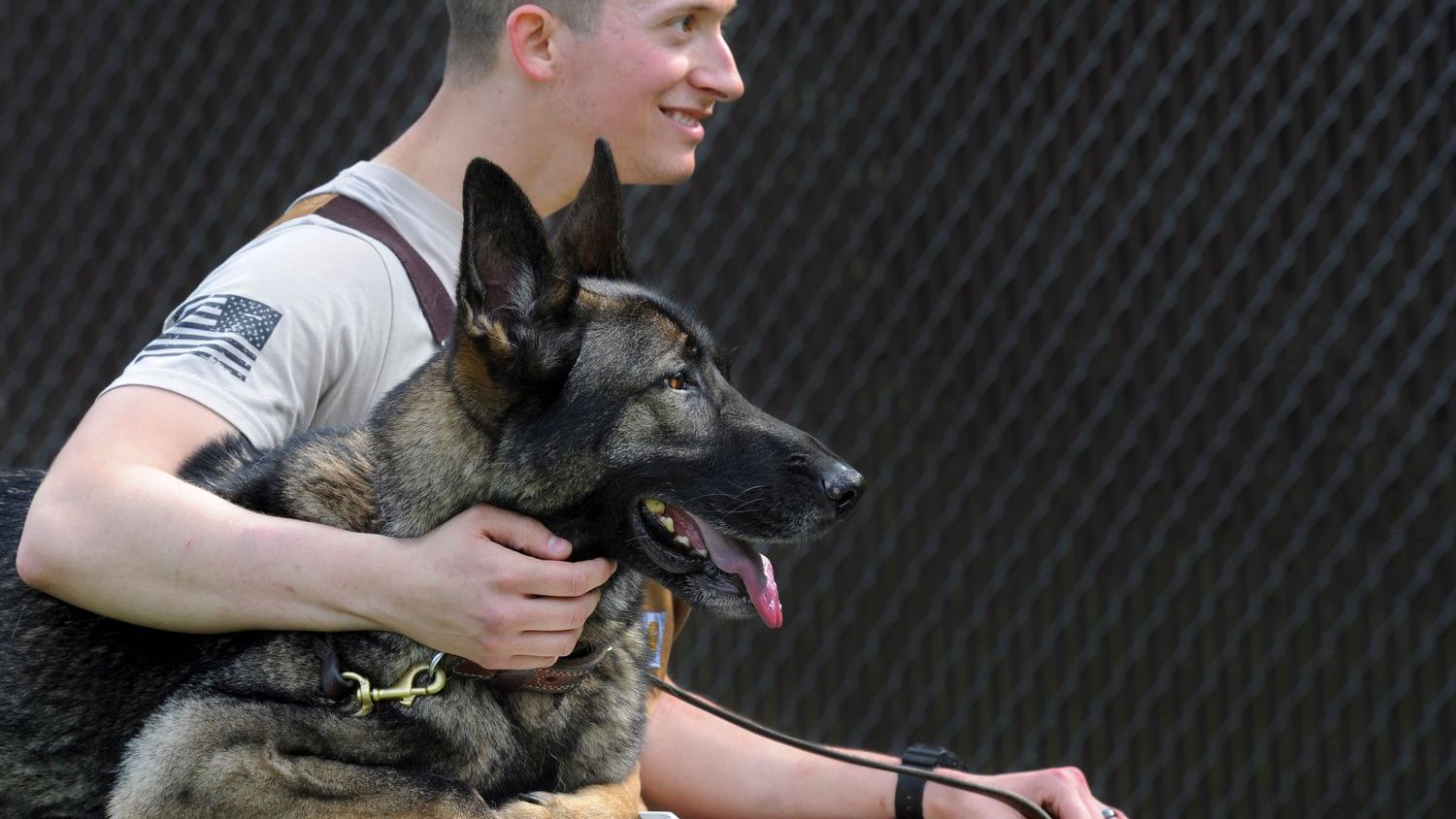
Imagine this: your once easygoing dog now shadows a particular family member, growling or snapping at anyone who comes too close. It’s a startling shift that leaves you wondering, “Why the sudden change?” Understanding the roots of this behavior is crucial for restoring harmony in your home.
Resource Guarding: Protecting What’s Precious
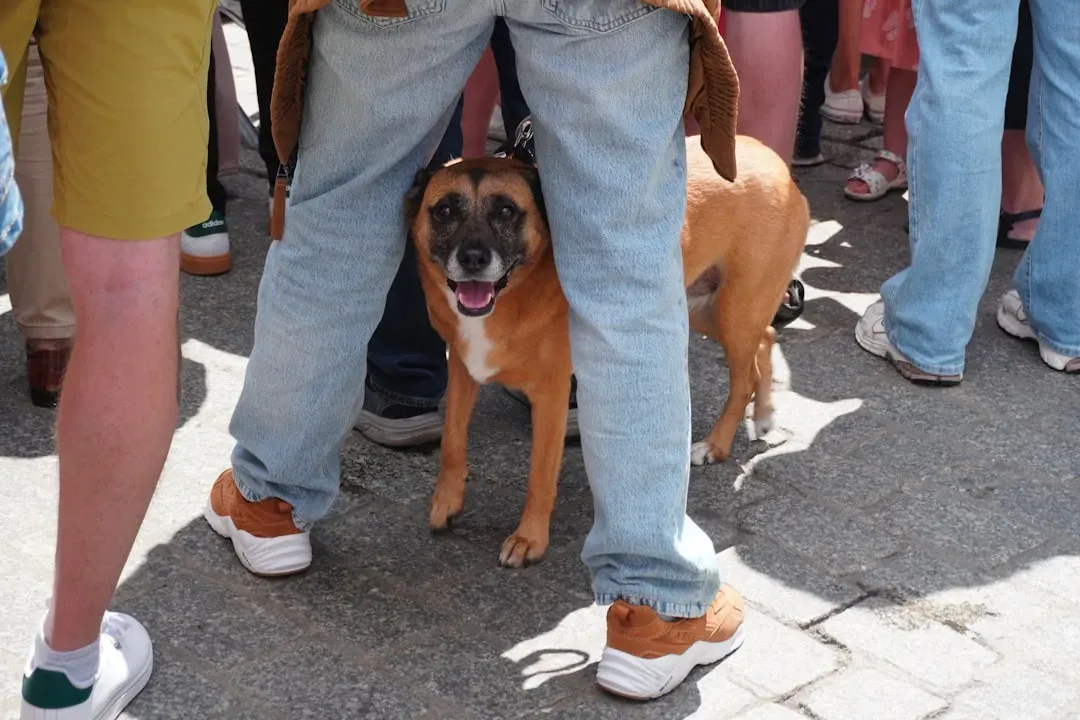
Dogs, much like their wild ancestors, have an instinct to protect valuable resources. This behavior, known as resource guarding, isn’t limited to food or toys; it can extend to people as well. When a dog perceives a family member as a prized possession, they may exhibit protective behaviors to prevent others from getting too close. This can manifest as growling, snapping, or even biting when someone approaches the person they’re guarding.
Such behavior often stems from a dog’s fear of losing something important. If they’ve had past experiences where resources were scarce or taken away, they might develop a heightened sense of protectiveness. It’s their way of ensuring that what they value remains within their control.
Group Insecurity: Responding to Household Dynamics
Dogs are highly attuned to the emotional atmosphere of their environment. Changes in household dynamics, such as the arrival of a new family member, a shift in routines, or even tension among residents, can lead to feelings of insecurity. In response, a dog might become overly protective of one person, viewing them as a stable anchor amidst the chaos.
This behavior serves as a coping mechanism. By guarding a specific individual, the dog attempts to create a sense of security and control in an environment that feels unpredictable or threatening.
Recognizing the Signs of Protective Behavior
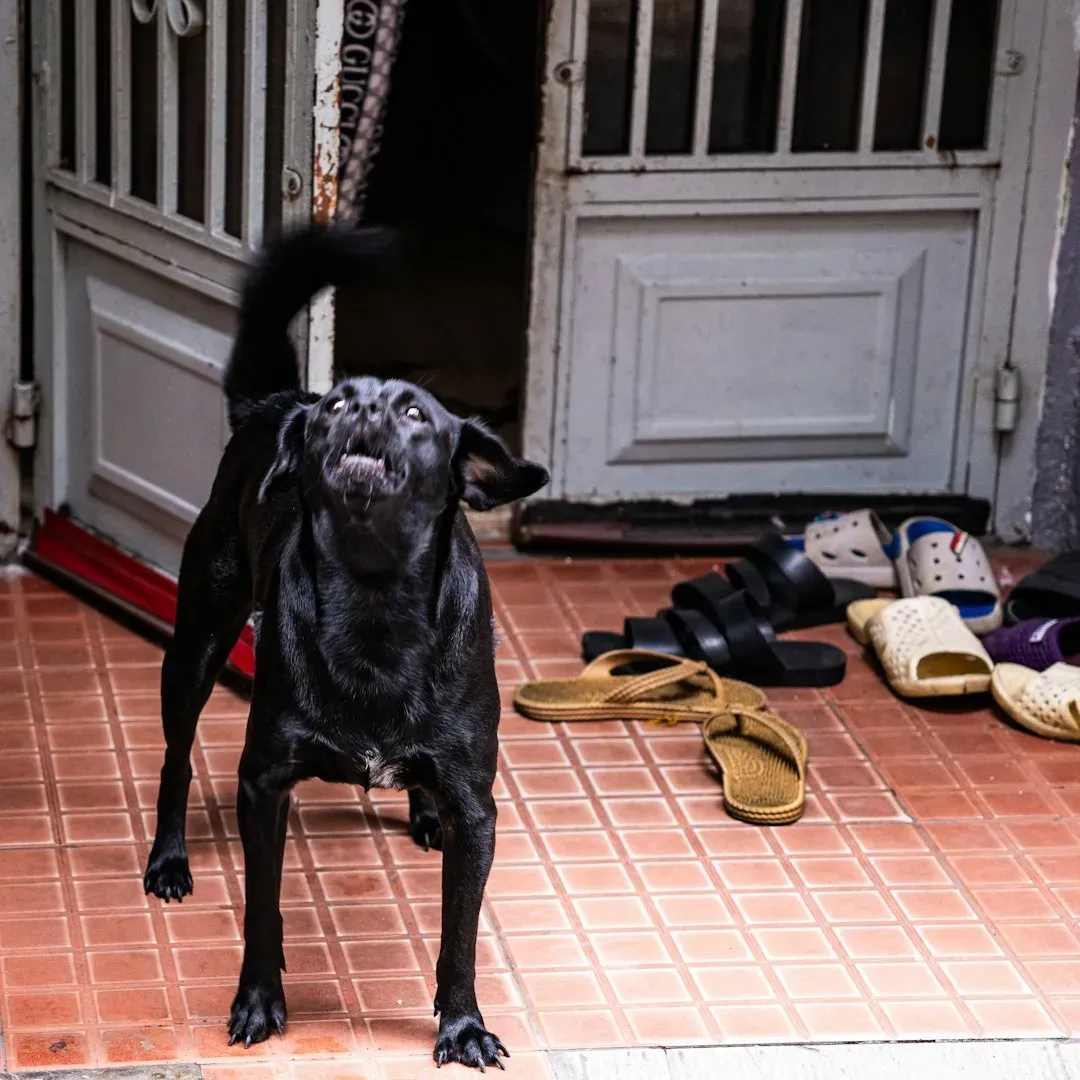
Identifying protective behavior is the first step toward addressing it. Common signs include:
- Positioning themselves between the guarded person and others.
- Growling or snapping when someone approaches the person they’re protecting.
- Displaying tense body language, such as stiff posture or intense staring.
- Following the person closely, even in familiar settings.
These behaviors indicate that the dog perceives a threat and is acting to defend their chosen individual.
Addressing and Managing Protective Behavior
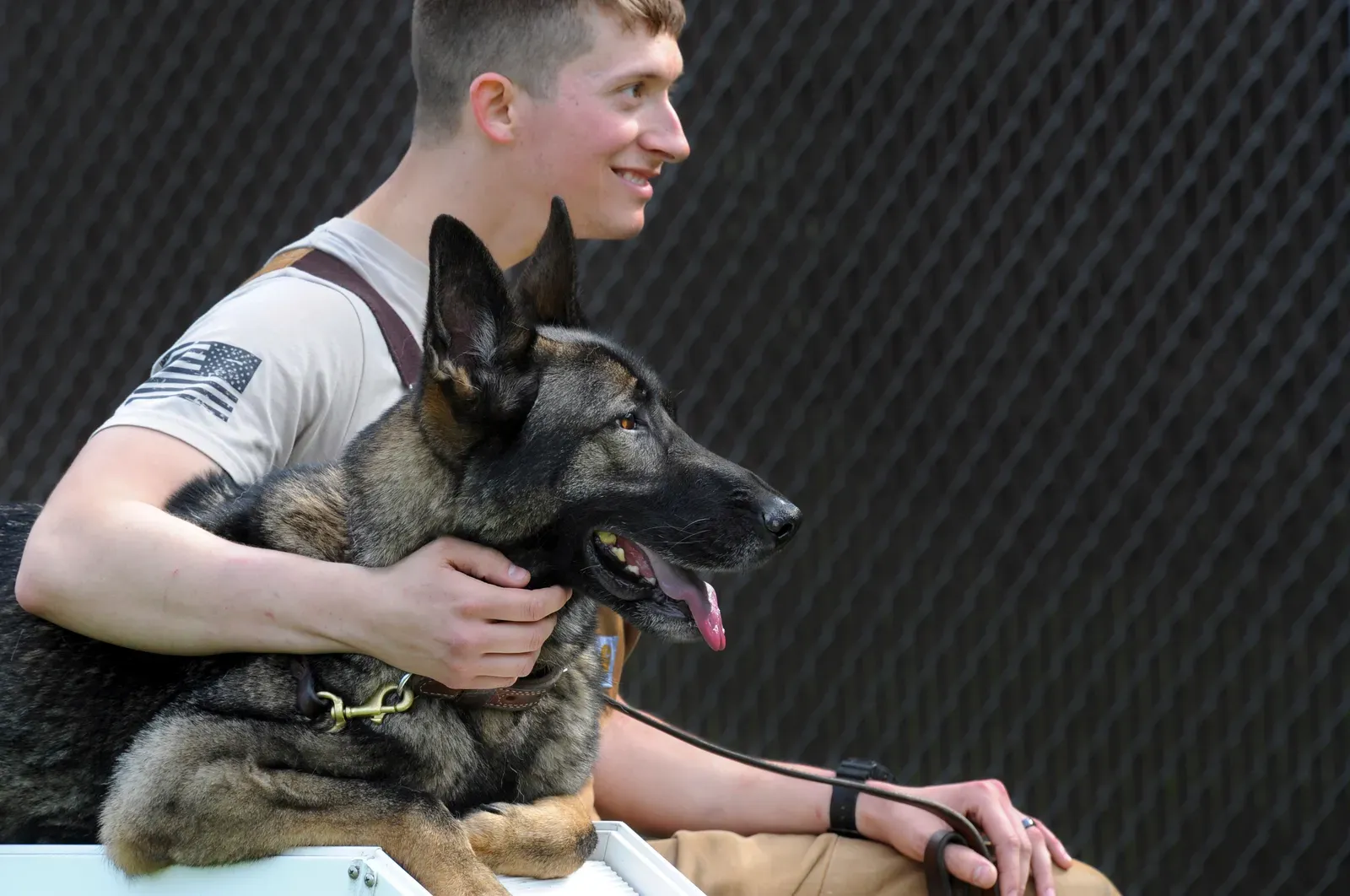
Managing a dog’s protective behavior requires patience and consistency. Here are some strategies to consider:
- Positive Reinforcement Training: Reward your dog for calm behavior around the person they’re guarding. This helps them associate positive outcomes with relaxed interactions.
- Desensitization: Gradually expose your dog to situations that trigger their protective behavior, ensuring each experience is positive and non-threatening.
- Consistent Boundaries: Establish clear rules about acceptable behavior. Consistency helps reduce confusion and anxiety in dogs.
- Professional Guidance: If the behavior persists or escalates, consult a professional dog trainer or behaviorist for personalized advice.
Remember, punishment can exacerbate the issue. Focus on reinforcing desired behaviors rather than punishing unwanted ones.
The Role of Socialization in Preventing Protective Behavior
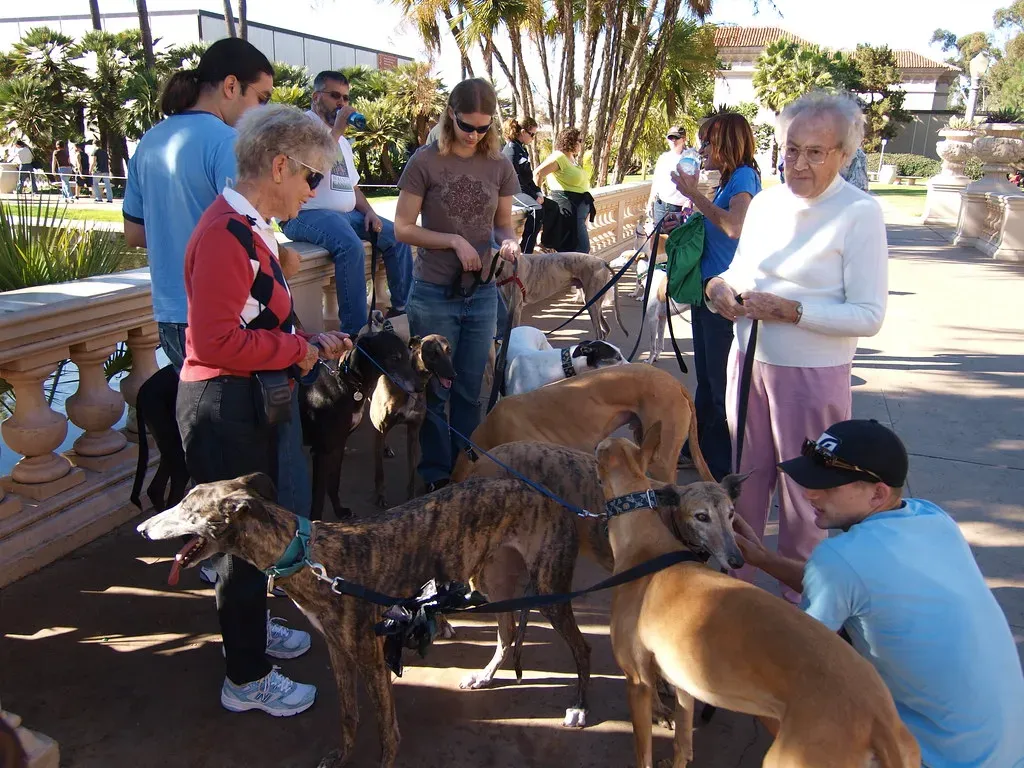
Early and ongoing socialization plays a pivotal role in preventing protective behaviors. Exposing your dog to various people, environments, and situations helps them develop confidence and reduces anxiety-driven guarding tendencies.
Regular socialization teaches dogs that new experiences and individuals aren’t threats, fostering a more relaxed and adaptable temperament.
When to Seek Professional Help
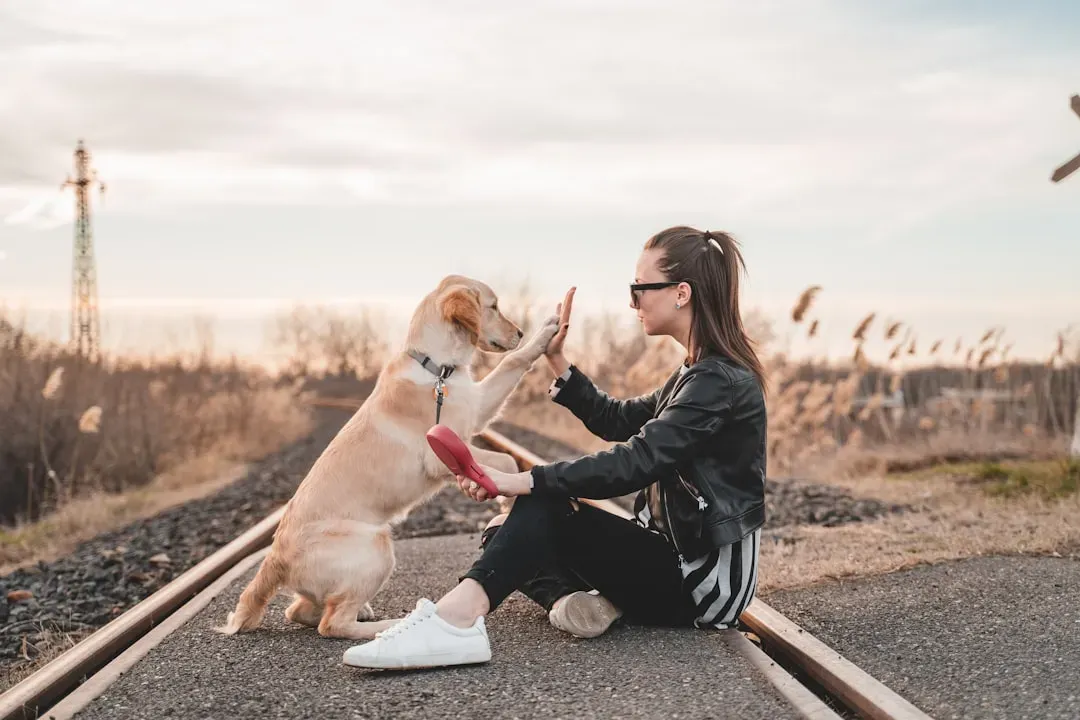
If your dog’s protective behavior becomes aggressive or poses a risk to others, it’s essential to seek professional assistance. A certified dog behaviorist can assess the situation and develop a tailored plan to address the behavior safely and effectively.
Early intervention increases the likelihood of successfully modifying the behavior and ensures the safety of all family members.
Conclusion: Understanding and Addressing Protective Behavior
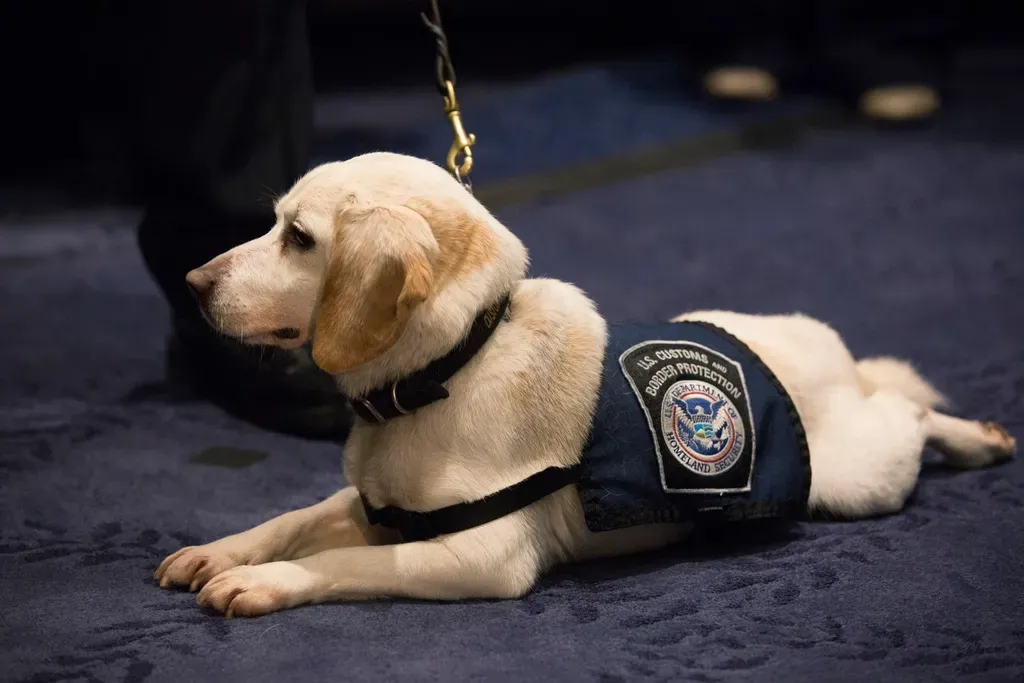
When your dog suddenly becomes protective of one family member, it’s often a response to perceived threats or changes in their environment. By understanding the underlying causes – be it resource guarding or group insecurity – you can implement strategies to address the behavior. Through positive reinforcement, consistent training, and, when necessary, professional guidance, you can help your dog feel secure without resorting to protective behaviors.
Have you noticed similar behaviors in your dog? What steps have you taken to address them?


