Ever wondered what it’s like to experience the world through a dog’s senses? Recent scientific breakthroughs have unveiled astonishing insights into how our canine companions perceive their surroundings. From their extraordinary olfactory abilities to unique visual perceptions, these discoveries challenge our understanding of the canine experience. Let’s dive into nine remarkable findings that shed light on .
Dogs’ Sense of Smell Is Integrated with Vision
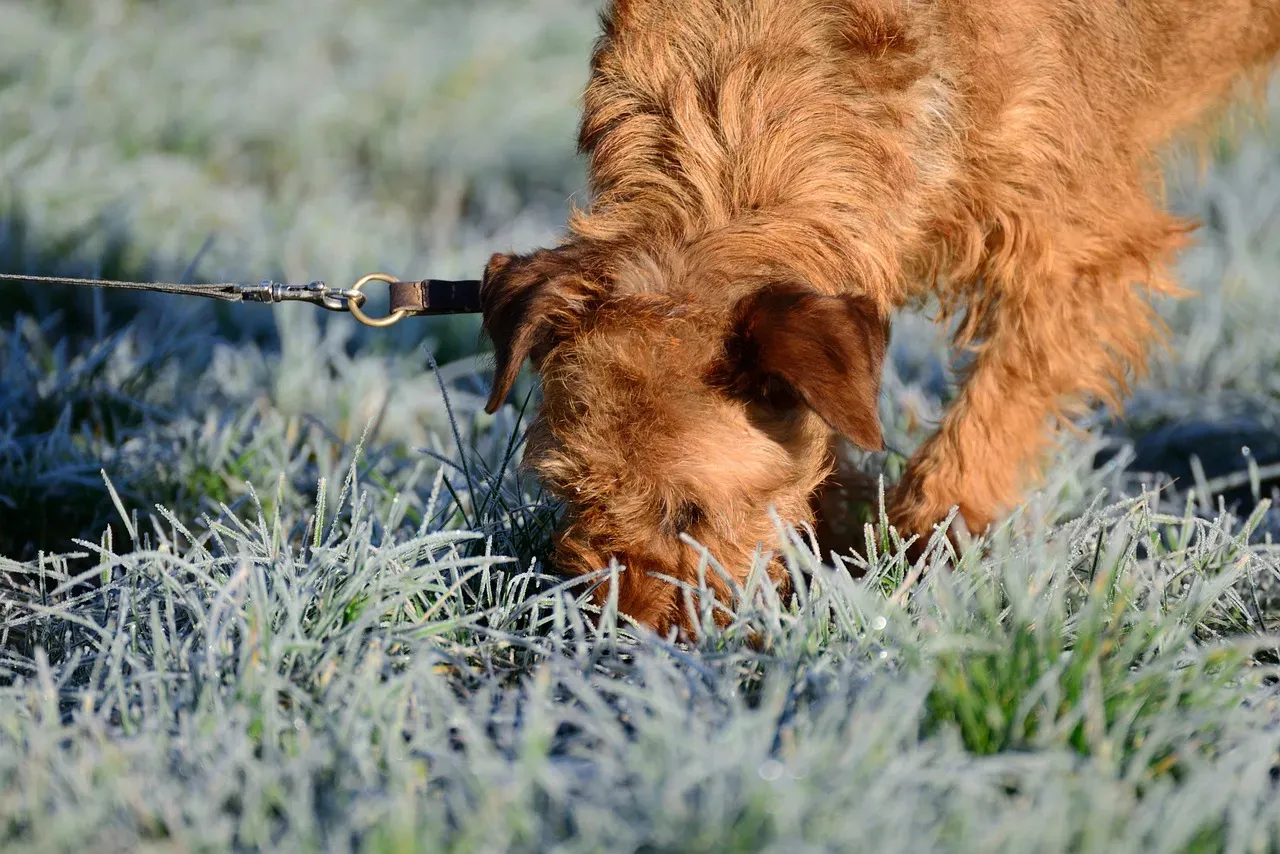
Dogs’ Sense of Smell Is Integrated with Vision (Image Credits: Pixabay)It’s long been known that dogs have an exceptional sense of smell, but recent research reveals that their olfactory system is directly connected to their visual cortex. This integration allows dogs to process scent and sight simultaneously, enhancing their ability to navigate and understand their environment. Unlike humans, who primarily rely on vision, dogs use this combined sensory input to form a more comprehensive perception of their surroundings.
Canines Can Detect Weak Thermal Radiation
Canines Can Detect Weak Thermal Radiation (Image Credits: Unsplash)In a surprising discovery, scientists found that dogs can sense weak thermal radiation with their noses. This ability enables them to detect the body heat of other animals or humans, even from a distance. This thermal sensitivity likely plays a crucial role in hunting and social interactions, allowing dogs to locate warm-blooded creatures in their vicinity.
Dogs Recognize Human and Canine Emotions
Dogs Recognize Human and Canine Emotions (Image Credits: Unsplash)Dogs are not only attuned to human emotions but can also recognize and differentiate between various emotional expressions in both humans and other dogs. They can integrate visual and auditory cues to assess emotional states, demonstrating a sophisticated level of social cognition. This ability enhances their interactions with humans and other dogs, fostering stronger social bonds.
Olfaction Dominates Over Vision in Detection Tasks
Olfaction Dominates Over Vision in Detection Tasks (Image Credits: Unsplash)When it comes to tasks like detecting explosives, dogs rely more heavily on their sense of smell than on vision. Studies have shown that even in low-light conditions, dogs’ detection abilities remain unaffected, highlighting the dominance of olfaction over vision in such scenarios. This reliance on scent underscores the importance of olfactory training in working dogs.
Dogs Process Faces and Emotions Rapidly
Dogs Process Faces and Emotions Rapidly (Image Credits: Pexels)Research using electroencephalography (EEG) has demonstrated that dogs process human and canine faces, as well as emotional expressions, within milliseconds. This rapid processing indicates that dogs have specialized neural mechanisms for recognizing faces and emotions, which likely aids in their social interactions and bonding with humans.
Canines Are Susceptible to Visual Illusions
Canines Are Susceptible to Visual Illusions (Derek Bridges, Flickr, CC BY 2.0)Dogs can be tricked by certain visual illusions, much like humans. For instance, they are susceptible to the Kanizsa’s triangle illusion, where they perceive a triangle that isn’t actually present. This susceptibility suggests that dogs’ visual perception involves complex cognitive processes similar to those in humans.
Dogs’ Olfactory Abilities Aid in Time Perception
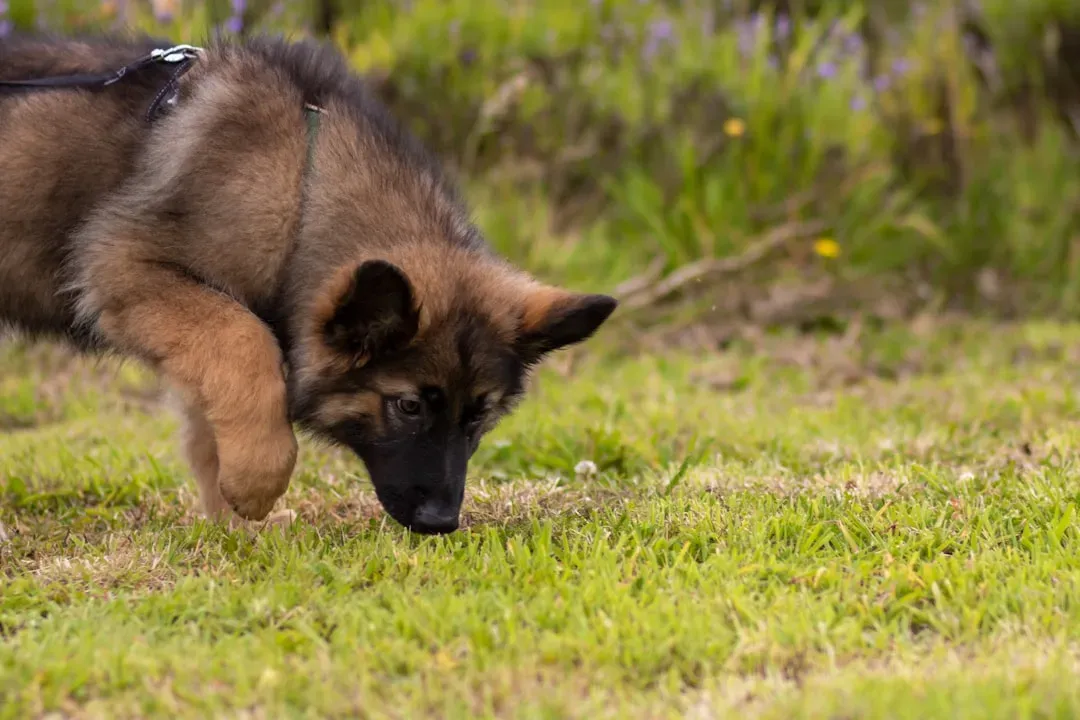
Dogs’ Olfactory Abilities Aid in Time Perception (Image Credits: Pexels)Dogs may use their sense of smell to perceive the passage of time. By detecting how scents change and fade over time, they can gauge how long ago an event occurred. This olfactory time perception allows dogs to track the movements of other animals or humans and anticipate future events based on scent cues.
Canines Exhibit Left-Bias in Emotional Processing
Canines Exhibit Left-Bias in Emotional Processing (Image Credits: Pixabay)Studies have found that dogs display a left-gaze bias when looking at human faces, particularly when assessing emotional expressions. This left-bias is similar to patterns observed in humans and suggests that dogs process emotional information in a lateralized manner, with the right hemisphere of their brain playing a dominant role.
Dogs’ Visual Perception Is Influenced by Breed and Morphology
Dogs’ Visual Perception Is Influenced by Breed and Morphology (Image Credits: Unsplash)A dog’s breed and physical characteristics, such as skull shape and eye placement, can significantly influence their visual perception. For example, brachycephalic (short-nosed) breeds may have a different field of vision compared to dolichocephalic (long-nosed) breeds. These differences can affect how dogs perceive and interact with their environment.These nine discoveries offer a fascinating glimpse into the sensory world of dogs, revealing complexities that go beyond our previous understanding. Recognizing these unique sensory abilities not only deepens our appreciation for our canine companions but also underscores the importance of considering their perceptual world in training, communication, and care. As we continue to uncover the mysteries of canine perception, one can’t help but wonder: what other hidden talents do our furry friends possess?