
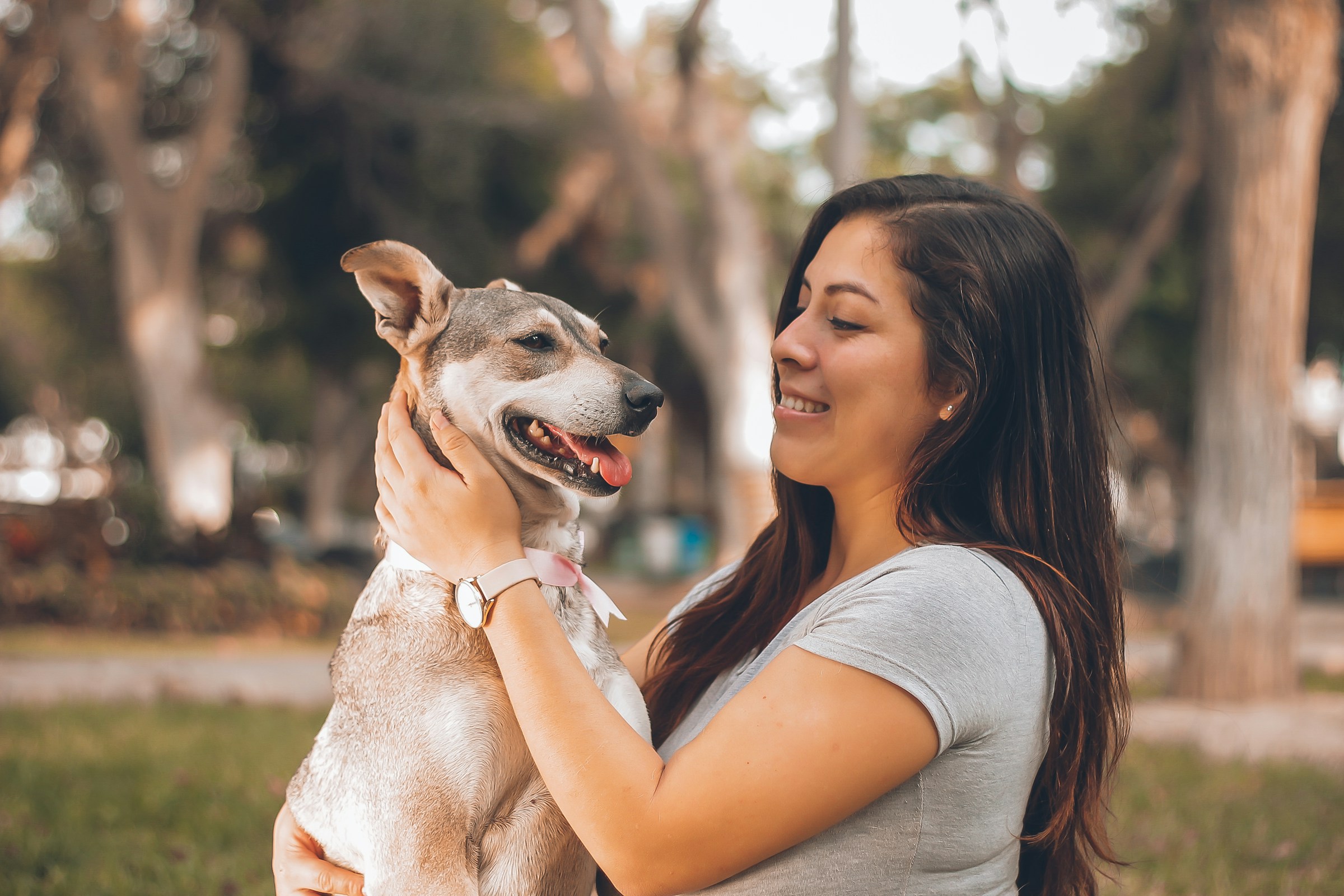
Ever noticed your dog acting differently before you even realize you’re upset? It’s not your imagination. Dogs have an uncanny ability to detect our emotional shifts, often before we express them. This isn’t just a quirky trait; it’s deeply rooted in their psychology and evolutionary history.
The Evolutionary Bond Between Humans and Dogs

Dogs and humans have shared a unique bond for thousands of years. This co-evolution has led dogs to become highly attuned to human behaviors and emotions. Their survival once depended on understanding human cues, making them exceptional at reading us.
This deep connection means dogs are not just pets; they’re partners who have evolved alongside us, developing an intrinsic understanding of our emotional states.
Canine Sensory Perception: More Than Meets the Eye

Dogs experience the world differently than we do. Their senses, especially smell and hearing, are far more acute. This heightened perception allows them to pick up on subtle changes in our body language, tone of voice, and even our scent.
For instance, when we’re stressed, our bodies release specific chemicals that dogs can detect through their extraordinary sense of smell. This means they can sense our anxiety or sadness even before we consciously acknowledge it.
Reading Human Emotions: A Canine Specialty

Research has shown that dogs can distinguish between different human emotions. They can tell when we’re happy, sad, or angry just by observing our facial expressions and body language. This ability isn’t just about recognizing emotions; it’s about responding appropriately to them.
For example, a dog might become more subdued when they sense their owner is upset, offering comfort in their own way. This empathetic response showcases their deep understanding of human emotional states.
The Role of Oxytocin in Human-Dog Interactions
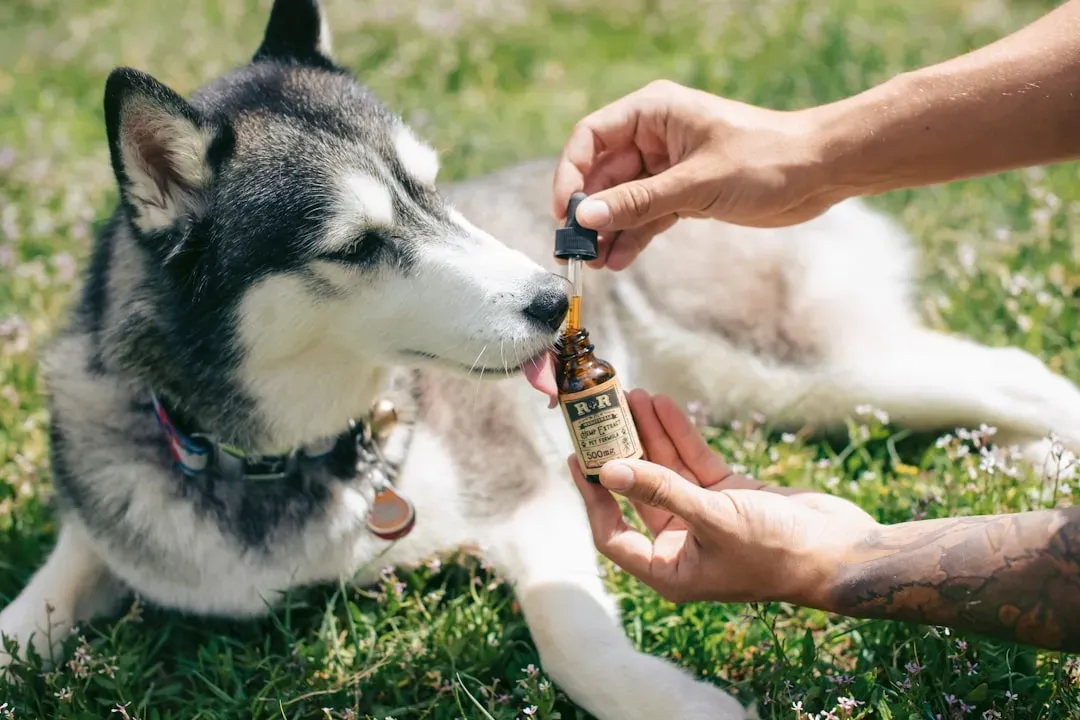
Oxytocin, often referred to as the “love hormone,” plays a significant role in the bond between humans and dogs. When we interact positively with our dogs, both parties experience a surge in oxytocin levels. This hormonal response enhances feelings of trust and bonding.
This mutual hormonal boost not only strengthens our relationship but also makes dogs more sensitive to our emotional cues, further enhancing their ability to detect our feelings.
Behavioral Responses: How Dogs React to Our Emotions

When dogs sense a change in our emotional state, they often adjust their behavior accordingly. They might become more affectionate, stay close by, or even try to engage us in play to lift our spirits. These behaviors are their way of offering support and companionship.
Conversely, if they sense anger or frustration, they might become more submissive or choose to give us space, demonstrating their nuanced understanding of human emotions.
Training and Socialization: Enhancing Emotional Sensitivity
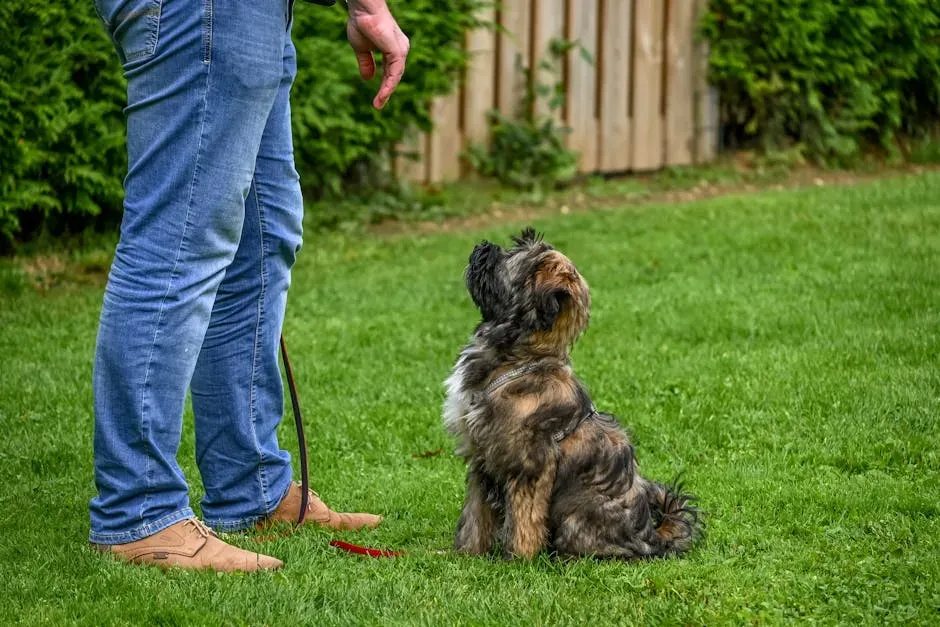
A dog’s ability to read human emotions can be enhanced through proper training and socialization. Exposing them to various human interactions and teaching them to respond to different cues can make them even more attuned to our feelings.
This training not only benefits the dog but also strengthens the human-dog bond, leading to a more harmonious relationship.
The Therapeutic Potential of Emotionally Attuned Dogs
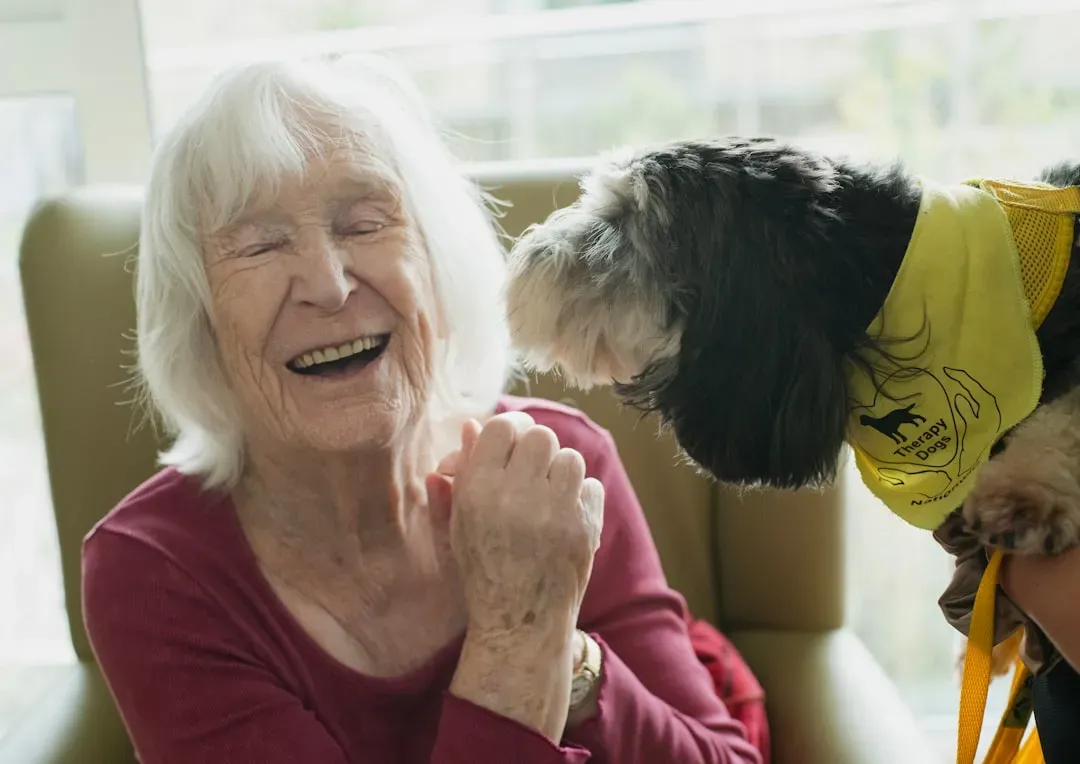
Dogs’ sensitivity to human emotions has been harnessed in therapeutic settings. Therapy dogs are trained to provide comfort and support to individuals experiencing emotional distress. Their innate ability to sense and respond to human emotions makes them invaluable in such roles.
This therapeutic potential underscores the profound impact dogs can have on human well-being, offering not just companionship but also emotional support.
Conclusion

Dogs’ ability to sense our emotional changes before we even express them is a testament to the deep bond we’ve shared for millennia. Their heightened senses, combined with their evolutionary history alongside humans, make them exceptional companions attuned to our feelings. Recognizing and appreciating this sensitivity can lead to a more fulfilling and empathetic relationship with our canine friends.
So, the next time your dog offers comfort before you even realize you need it, remember: they’re not just being affectionate; they’re responding to the emotional cues they’ve expertly learned to read.


