
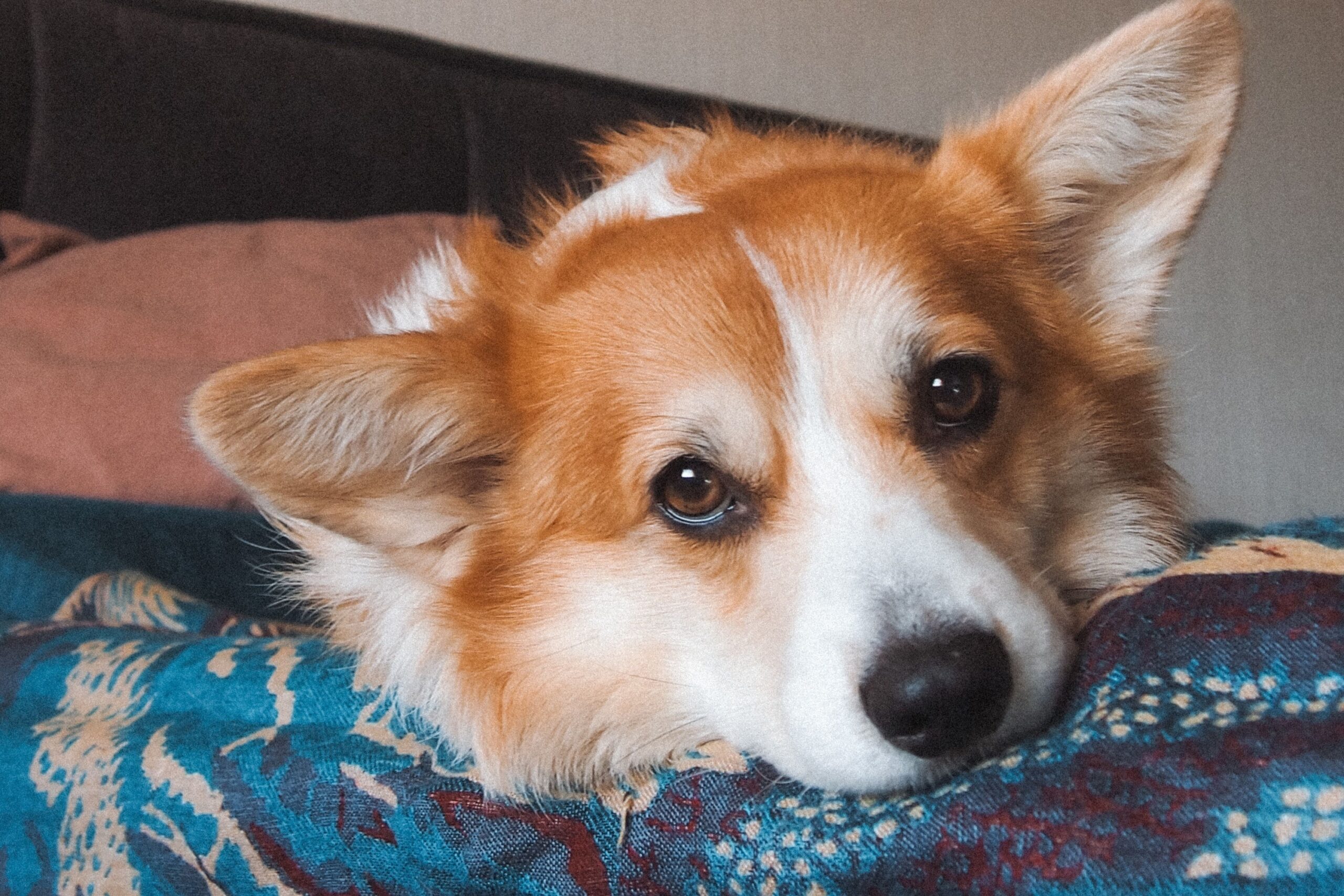
Ever noticed your dog gently placing their chin on your lap or arm and wondered what it means? This seemingly simple gesture is packed with emotional significance, revealing deep insights into your dog’s feelings and their bond with you.
Seeking Comfort and Security
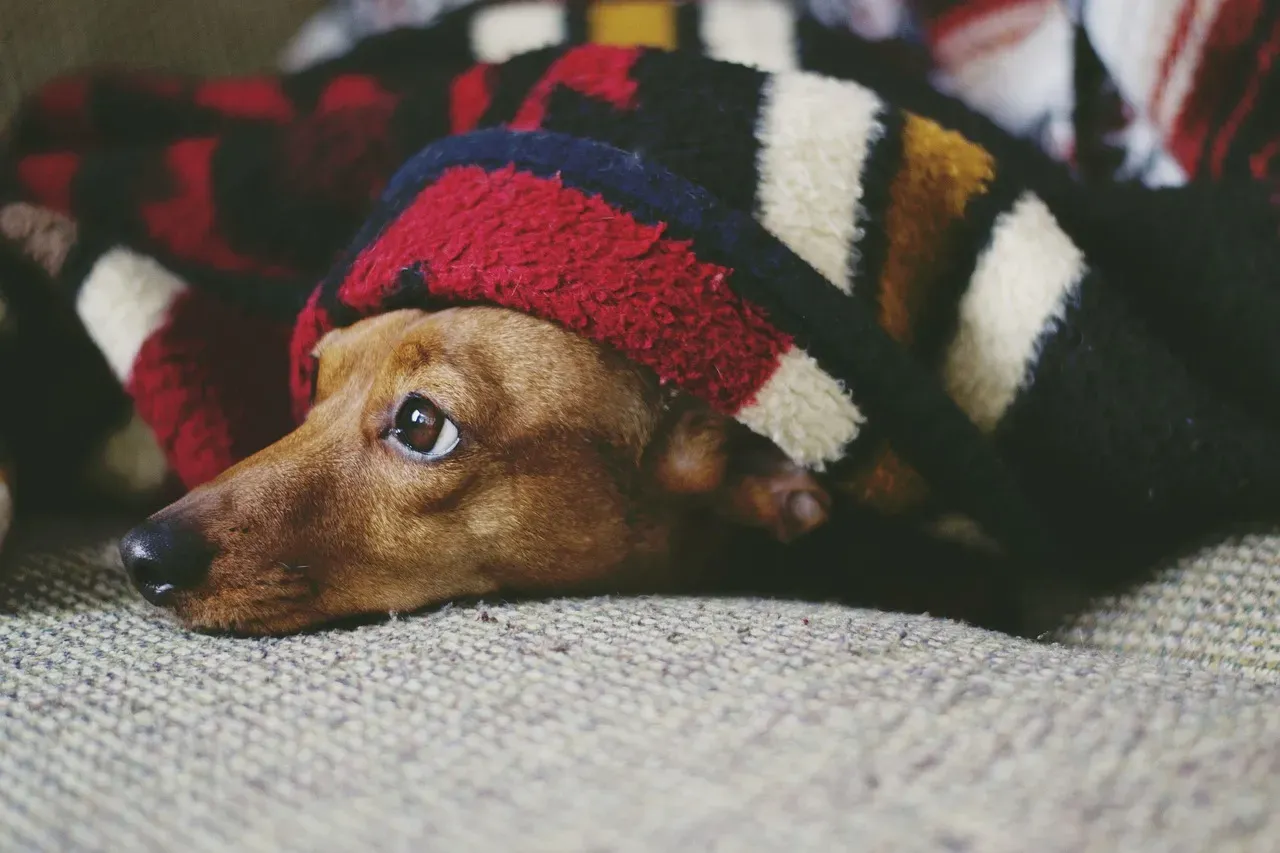
When your dog rests their chin on you, it’s often a sign they’re seeking comfort and security. This behavior is akin to a child reaching for a parent’s hand in unfamiliar situations. By making physical contact, your dog is expressing trust and looking to you for reassurance.
In moments of anxiety or uncertainty, such as during loud noises or when encountering new environments, this gesture becomes more pronounced. Your presence provides a safe haven, and the chin rest is their way of grounding themselves amidst the chaos.
Expressing Affection and Bonding
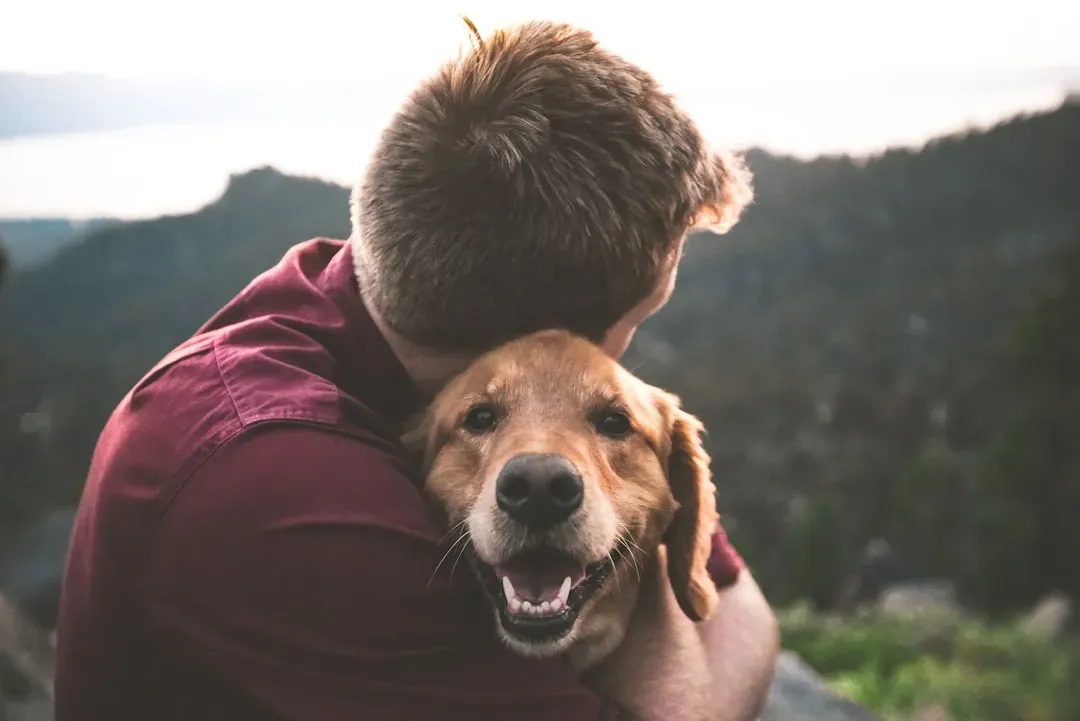
Beyond seeking comfort, resting their chin on you is a heartfelt display of affection. Dogs are social creatures that thrive on close relationships, and this behavior is a subtle yet powerful way of strengthening the bond between you.
It’s their version of a hug, a quiet moment of connection that says, “I love you, and I feel safe with you.” This simple act can deepen the trust and understanding between you and your furry friend.
Attention-Seeking Behavior
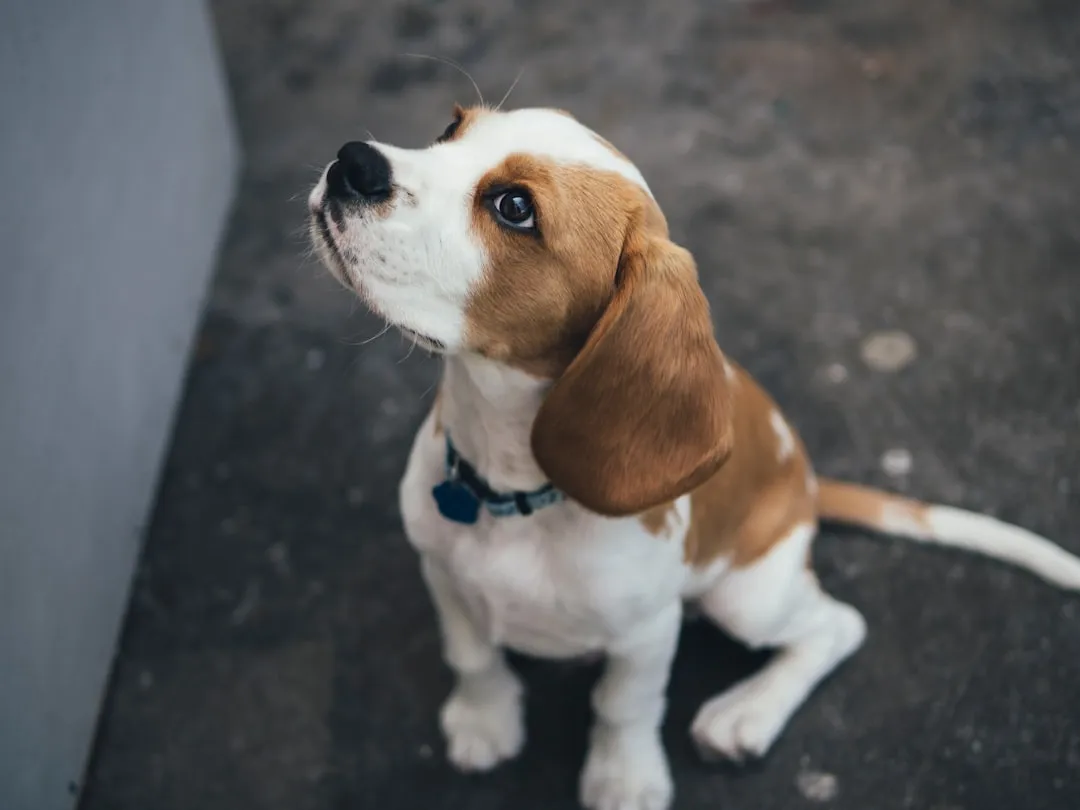
Sometimes, a chin rest is your dog’s polite way of saying, “Hey, notice me!” If you’re engrossed in work or a TV show, this gentle nudge serves as a reminder that they’d like some attention, whether it’s playtime, a walk, or just some cuddles.
Dogs quickly learn that this behavior often elicits a positive response, reinforcing their desire to connect with you. It’s their non-verbal cue to engage and interact, strengthening your mutual bond.
Marking Territory and Ownership
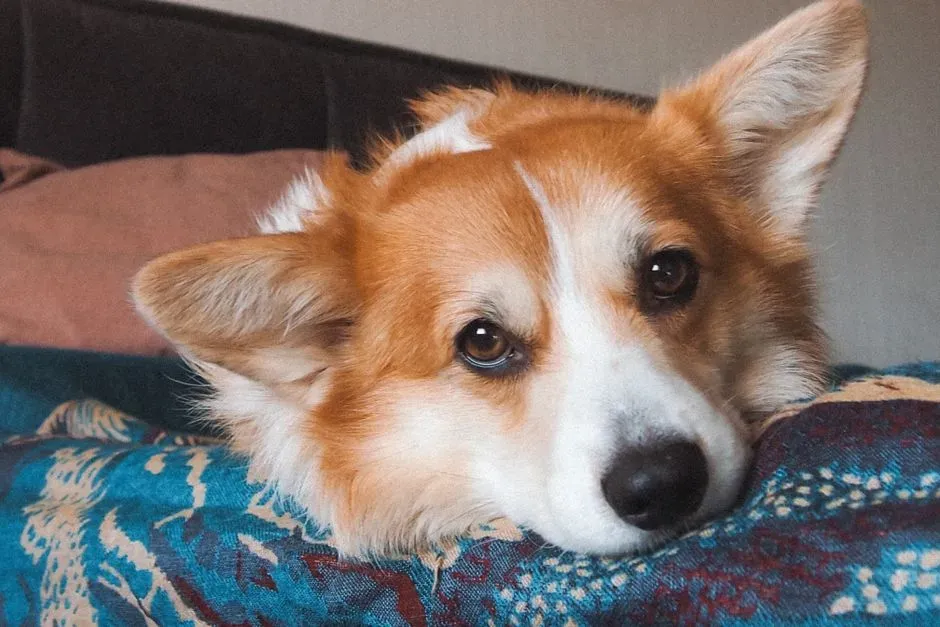
Interestingly, this behavior can also be a subtle form of marking territory. Dogs have scent glands on their faces, and by resting their chin on you, they’re leaving their scent, signaling to other animals that you belong to them.
While this might sound possessive, it’s a natural instinct that underscores the depth of their attachment. It’s their way of saying, “You’re part of my pack,” reinforcing the social bonds that are vital to their well-being.
Observing Context and Body Language
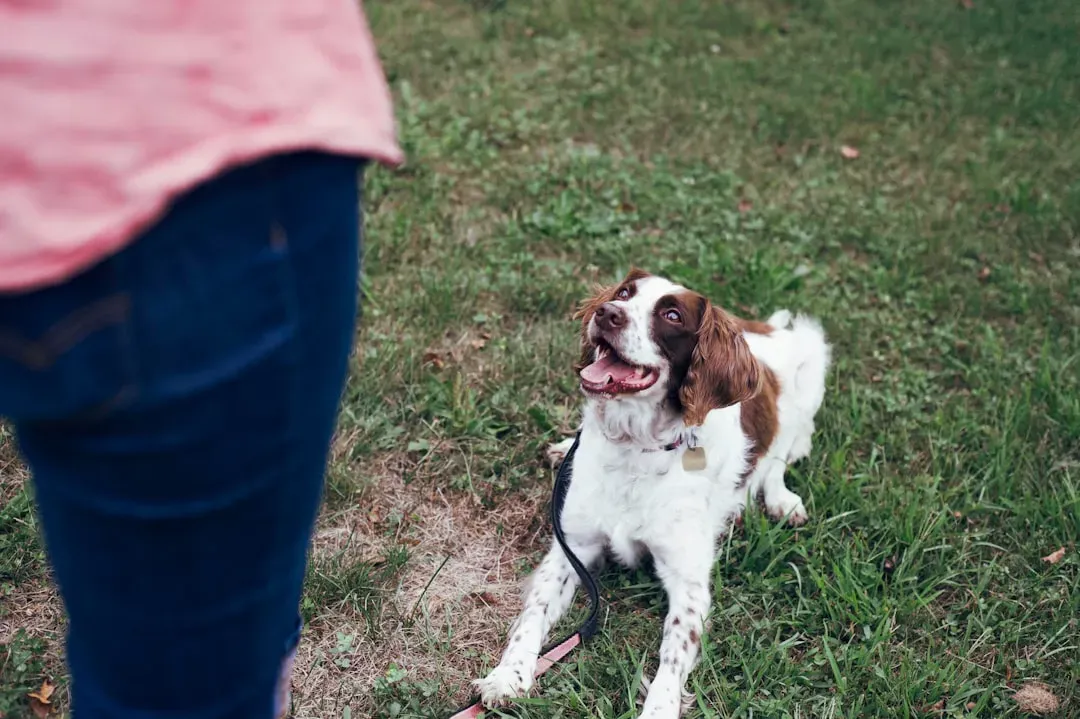
To fully understand the meaning behind your dog’s chin rest, it’s essential to consider the context and their overall body language. A relaxed posture and soft eyes typically indicate contentment and affection.
Conversely, if the behavior is accompanied by signs of stress, such as a tucked tail or tense muscles, it might suggest they’re seeking reassurance in a moment of discomfort. Being attuned to these cues can help you respond appropriately to your dog’s needs.
Encouraging Positive Interactions
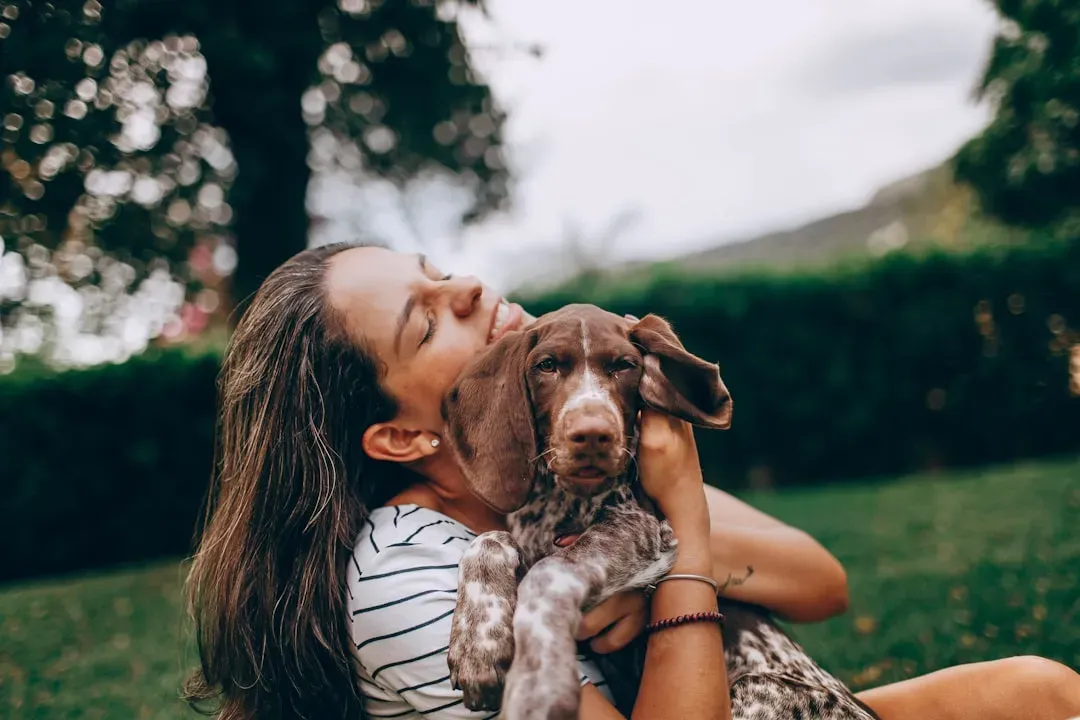
Embracing and positively reinforcing this behavior can enhance your relationship with your dog. Responding with gentle petting or soothing words when they rest their chin on you can make them feel valued and understood.
However, it’s also important to ensure that this behavior doesn’t become a means for them to demand attention excessively. Balancing affection with boundaries will help maintain a healthy dynamic between you and your pet.
When to Seek Professional Advice
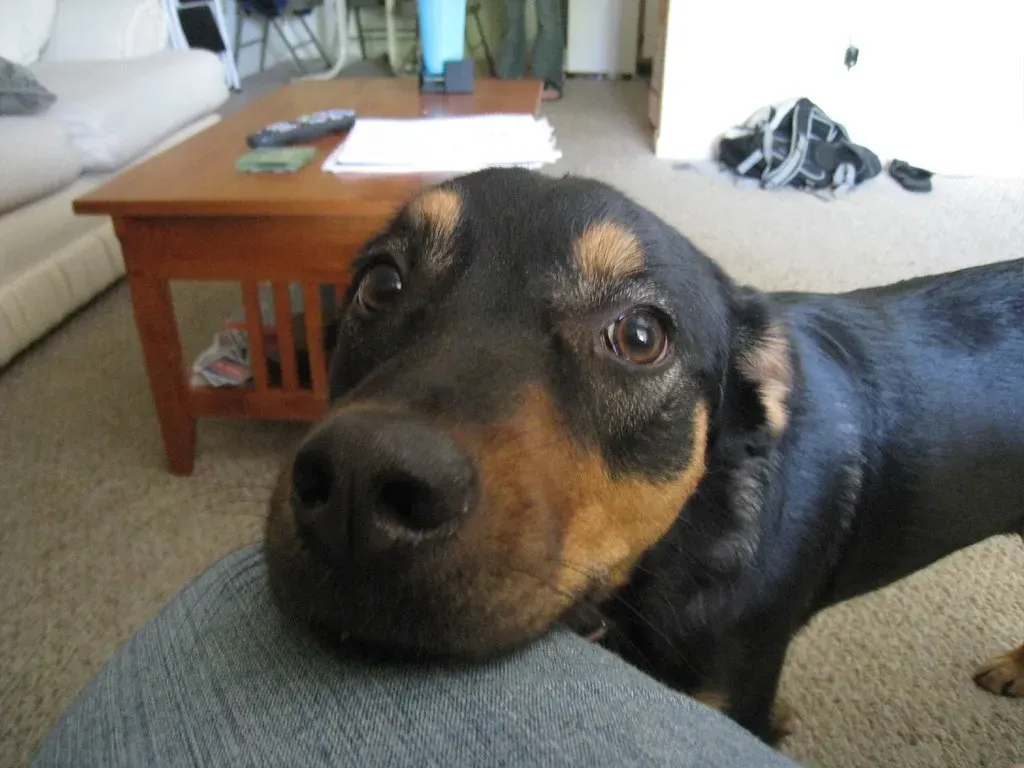
While this behavior is generally a normal and affectionate gesture, sudden changes or excessive chin resting might indicate underlying issues. If your dog starts displaying this behavior more frequently or in conjunction with other signs of distress, it may be time to consult a veterinarian or a professional dog behaviorist.
Addressing potential health concerns or behavioral issues early can prevent them from escalating and ensure your dog’s continued well-being and happiness.
In conclusion, when your dog rests their chin on you, it’s more than just a cute habit – it’s a multifaceted form of communication expressing trust, affection, and a desire for connection. By understanding and responding to this behavior, you can deepen the bond with your canine companion and ensure they feel secure and loved. So, the next time your dog lays their chin on you, take a moment to appreciate the silent message they’re conveying. What do you think your dog is trying to tell you?


