
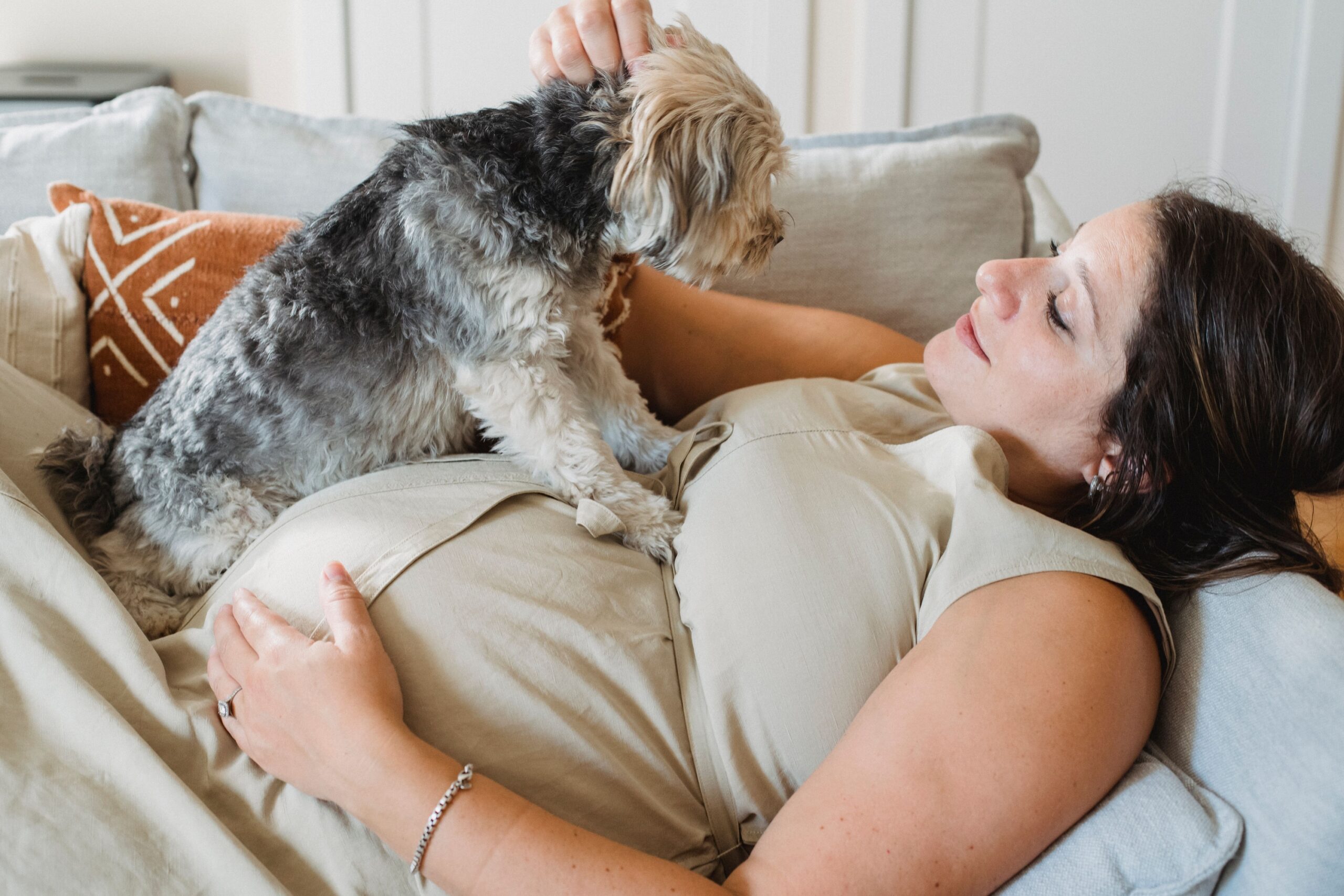
You think you’re good at hiding it. The tight jaw, the forced smile, the “I’m fine” you say through clenched teeth while scrolling through bad news. Humans have built entire careers on pretending to feel nothing. Your dog isn’t buying any of it.
Long before you’ve admitted the truth to yourself, your dog has already smelled it, heard it in the shake of your voice, and repositioned their body closer to yours because of it. What they’re picking up on isn’t guesswork or coincidence – it’s a level of emotional surveillance most people don’t realize is happening under their own roof. Here are 13 feelings you think you’re keeping private, and why your dog already knows better.
13. Stress You Think You’re Hiding

Stress doesn’t stay in your head. It leaks out through your skin in the form of hormones like cortisol, which subtly change your scent in ways your dog’s nose is built to catch. Add in a stiffer posture, a clipped tone of voice, or fidgety hands, and you’ve basically sent your dog a memo.
That’s why a stressed-out day at your desk often ends with your dog pacing, whining, or refusing to leave your side. They’re not being needy. They’re reacting to a version of you that’s quietly falling apart, even if your face never stops smiling.
Fast Facts
- A dog’s nose holds up to 300 million scent receptors, compared to roughly 6 million in humans.
- Cortisol, the body’s main stress hormone, can subtly alter sweat and breath chemistry within minutes.
- Dogs also track body language cues like posture, pacing, and a tighter grip on the leash.
- Pacing or whining in dogs often mirrors the very hormone shift they’re picking up on in you.
12. Fear You’re Trying to Swallow
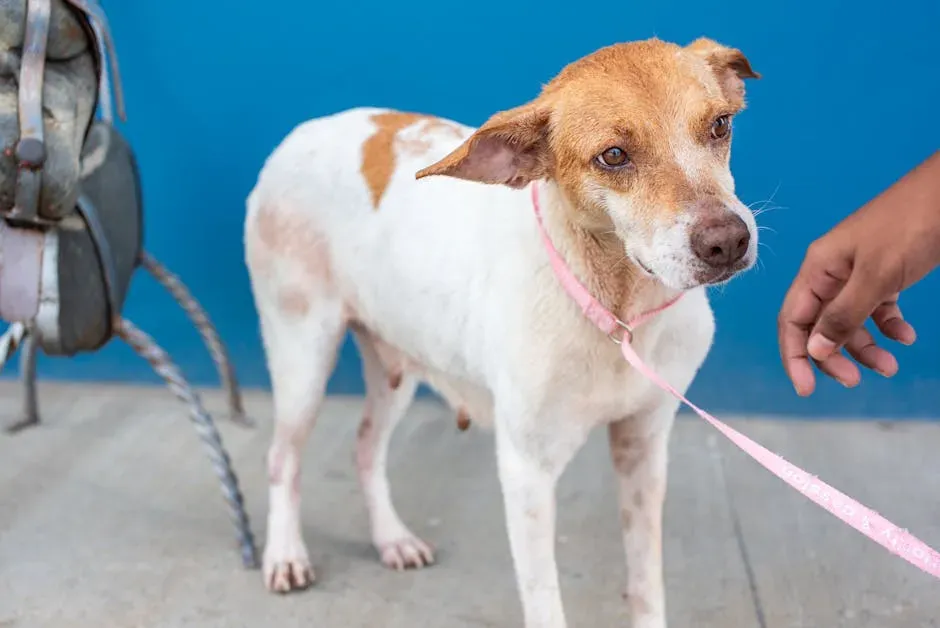
Fear triggers a chemical shift in your body almost instantly, and dogs are wired to notice it fast. A tense grip on the leash, a sudden stillness, a change in breathing – dogs read these micro-signals the way people read facial expressions.
What’s unsettling is how contagious it becomes. Once your dog senses fear, they often mirror it, growing more alert, more clingy, or more defensive. So the anxious walk past a barking dog down the street? Your own dog just absorbed your fear as if it were their own.
11. Sadness You Cover With a Smile

Dogs are shockingly good at spotting sadness, even the kind you think you’ve perfected hiding behind a neutral face. They notice softer eyes, slower movements, a voice that’s lost its usual bounce.
And they don’t just notice – they respond. Many dogs will nudge their owner, rest their head in a lap, or simply refuse to leave the room. It’s one of the clearest signs that your dog isn’t just living alongside your emotions. They’re actively responding to them.
10. Anxiety Simmering Under the Surface
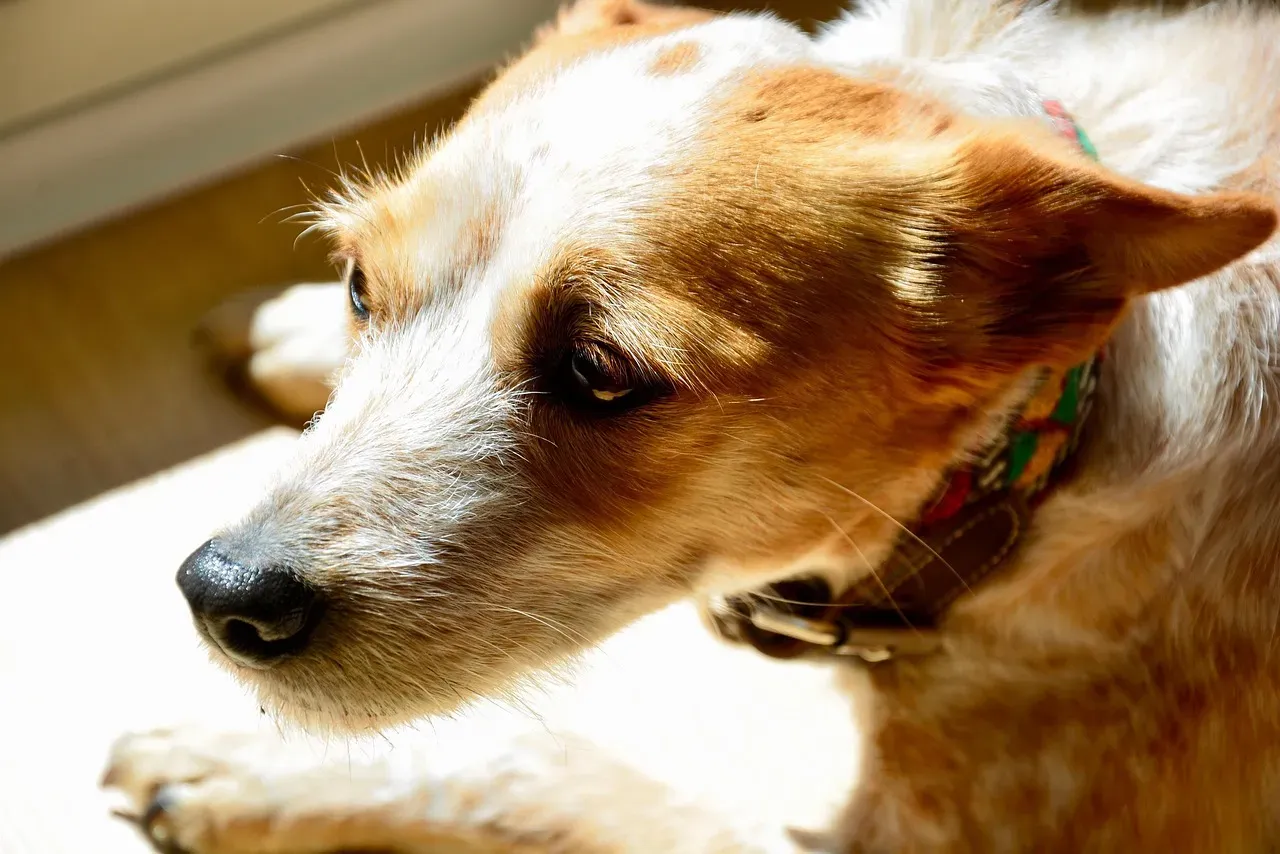
Anxiety has a smell, even if you can’t detect it yourself. The hormonal shift that comes with a racing mind changes your scent just enough for a dog’s nose to register something is off.
Layer that with shallow breathing or restless movement, and your dog senses the shift almost instantly. Some dogs respond by pacing right alongside you. Others press their body against yours, as if trying to physically anchor you back to calm.
9. Anger You’re Trying to Bottle Up
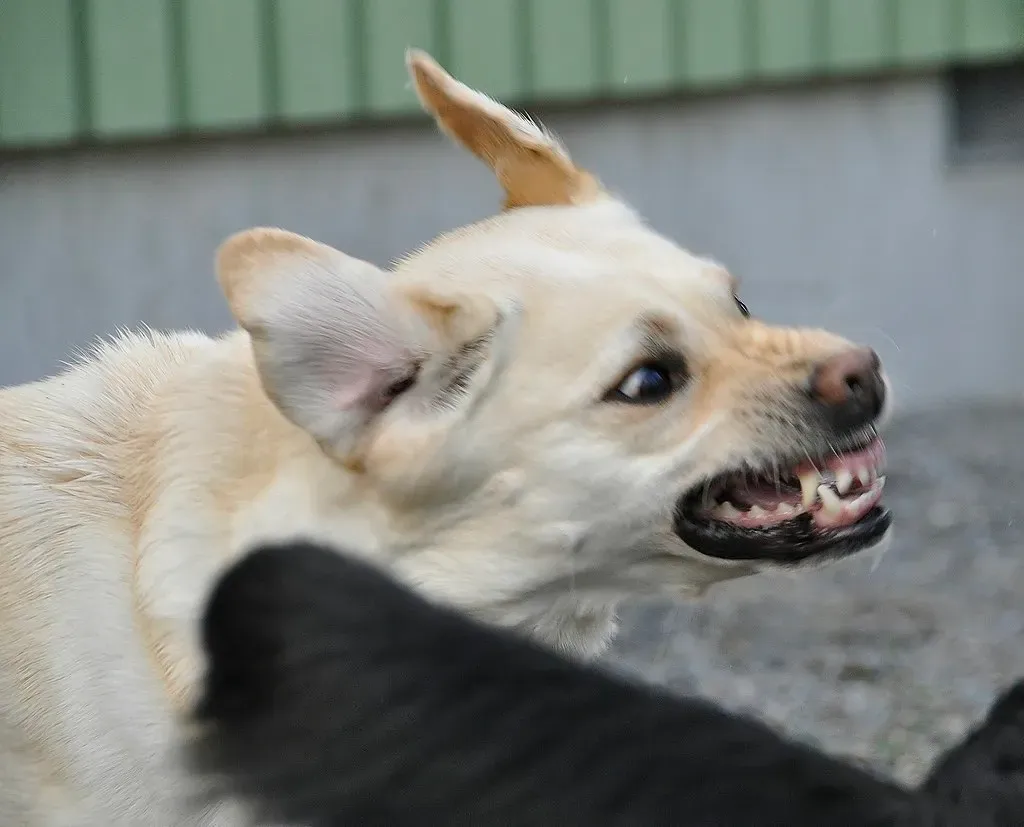
Dogs are experts at reading tension in a room, and anger is one of the loudest signals you can send without saying a word. A sharper tone, tighter movements, a jaw clenched just slightly too long – your dog notices before you’ve even realized you’re upset.
Most dogs respond by trying to de-escalate the moment. That’s why an angry outburst is often followed by your dog slinking away, avoiding eye contact, or suddenly becoming extra affectionate. They’re not scared of you. They’re trying to smooth things over.
8. Excitement You Can’t Quite Contain
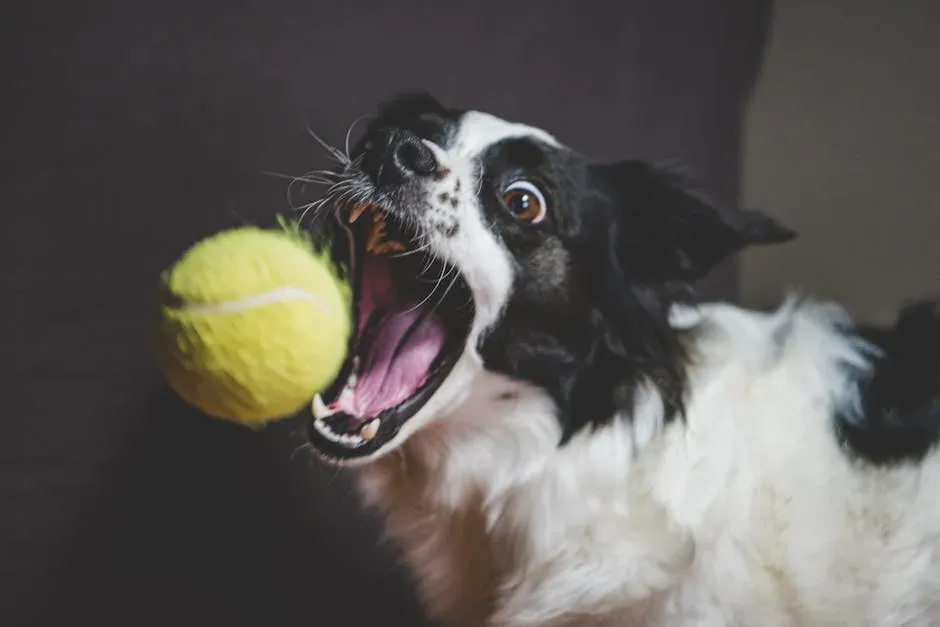
Excitement is one of the easiest emotions for your dog to catch, mostly because you’re terrible at hiding it. A faster voice, bouncier steps, wide eyes – your dog reads all of it as an invitation to join the party.
This is why the second you start getting ready for something fun, your dog is already spinning in circles before you’ve said a single word about where you’re going. Your energy becomes their energy, almost instantly.
7. Illness You Haven’t Noticed Yet
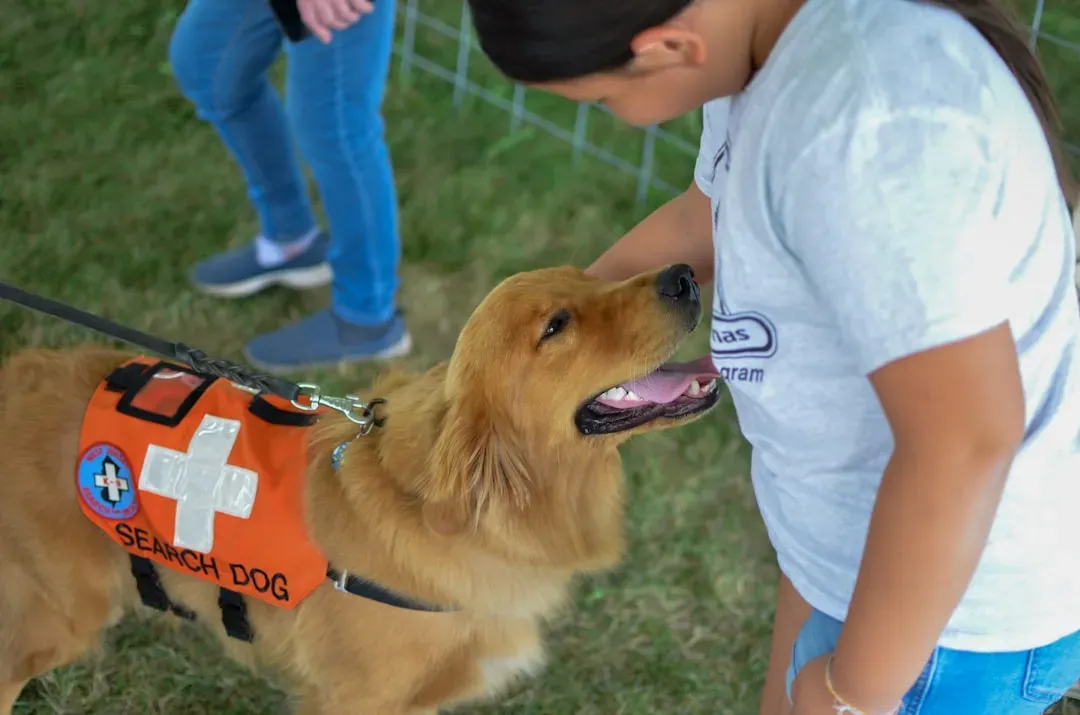
This is where things get eerie. Dogs can detect chemical changes in the body caused by illness, sometimes long before any symptoms show up. Their sense of smell is powerful enough to pick up on shifts tied to certain cancers and other health conditions.
Owners often describe a dog suddenly staring, sniffing obsessively at one spot on the body, or refusing to leave their side for no clear reason. It’s unsettling, but it’s also one of the most quietly remarkable things dogs can do for the people they love.
Worth Knowing
- A 2019 study found trained dogs could identify cancer in blood serum samples with close to 97 percent accuracy.
- Other research has shown dogs detecting lung and breast cancer through breath samples with high sensitivity.
- Diabetic alert dogs are trained to sense blood sugar swings by scent alone, sometimes before a glucose monitor reacts.
- Case reports of dogs noticing cancer in their owners date back decades, long before formal research began.
6. Pregnancy Before You’ve Told Anyone
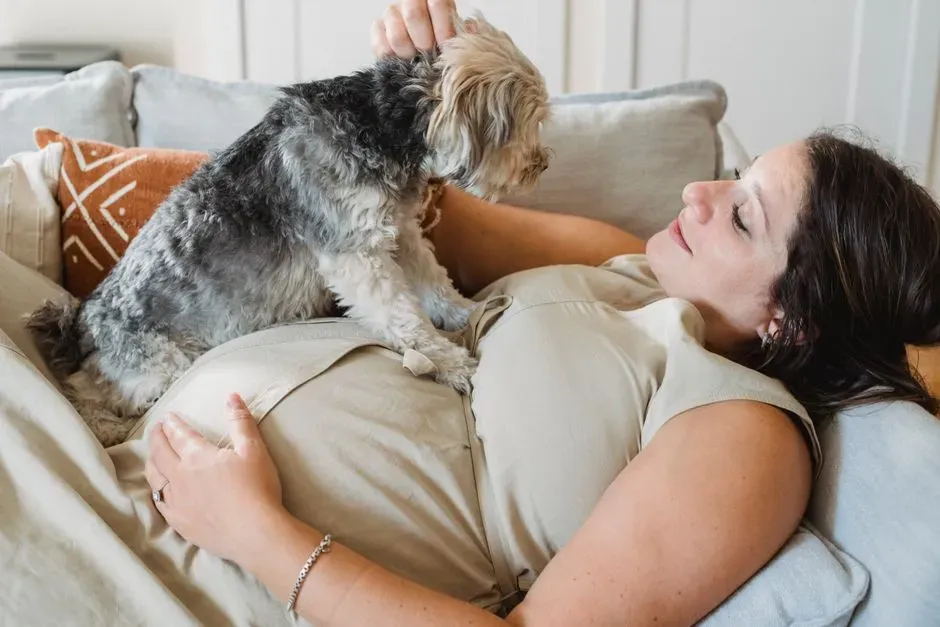
Hormonal shifts during early pregnancy change a woman’s scent in ways dogs seem to notice almost immediately. Long before an announcement is made, many dogs suddenly become clingier, more protective, or oddly gentle around their pregnant owner.
There’s no hard science confirming exactly what dogs are detecting, but the anecdotal pattern is strong enough that plenty of owners swear their dog knew before a pregnancy test did. Whether it’s scent, behavior, or some combination of both, something is clearly registering.
At a Glance
- Hormones like estrogen and progesterone can shift dramatically within the first few weeks of pregnancy.
- Owners frequently report a dog becoming clingier or more protective before any visible signs appear.
- The pattern is anecdotal rather than scientifically confirmed, but it shows up again and again in owner stories.
- Some dogs also react to changes in household routine and scent as life shifts around a pregnancy.
5. Depression You Think You’re Masking

Depression is harder to hide from a dog than from most people. The flattened voice, the disrupted routine, the days spent in bed – dogs notice every deviation from your normal rhythm.
Many dogs respond by staying unusually close, resting their head on their owner, or becoming quieter themselves. It’s not just comfort. It’s dogs syncing their behavior to match the emotional weather of the person they depend on most.
4. Grief That Hasn’t Found Words Yet

Grief changes everything about a person, from scent to voice to the way they move through a room, and dogs pick up on all of it. Many dogs become noticeably more affectionate after a loss in the family, staying closer than usual or refusing to leave a grieving owner alone.
Some dogs even seem to grieve alongside their owner, becoming subdued or withdrawn themselves. It’s one of the clearest examples of dogs absorbing human emotion rather than simply observing it from a distance.
3. Loneliness You Don’t Talk About
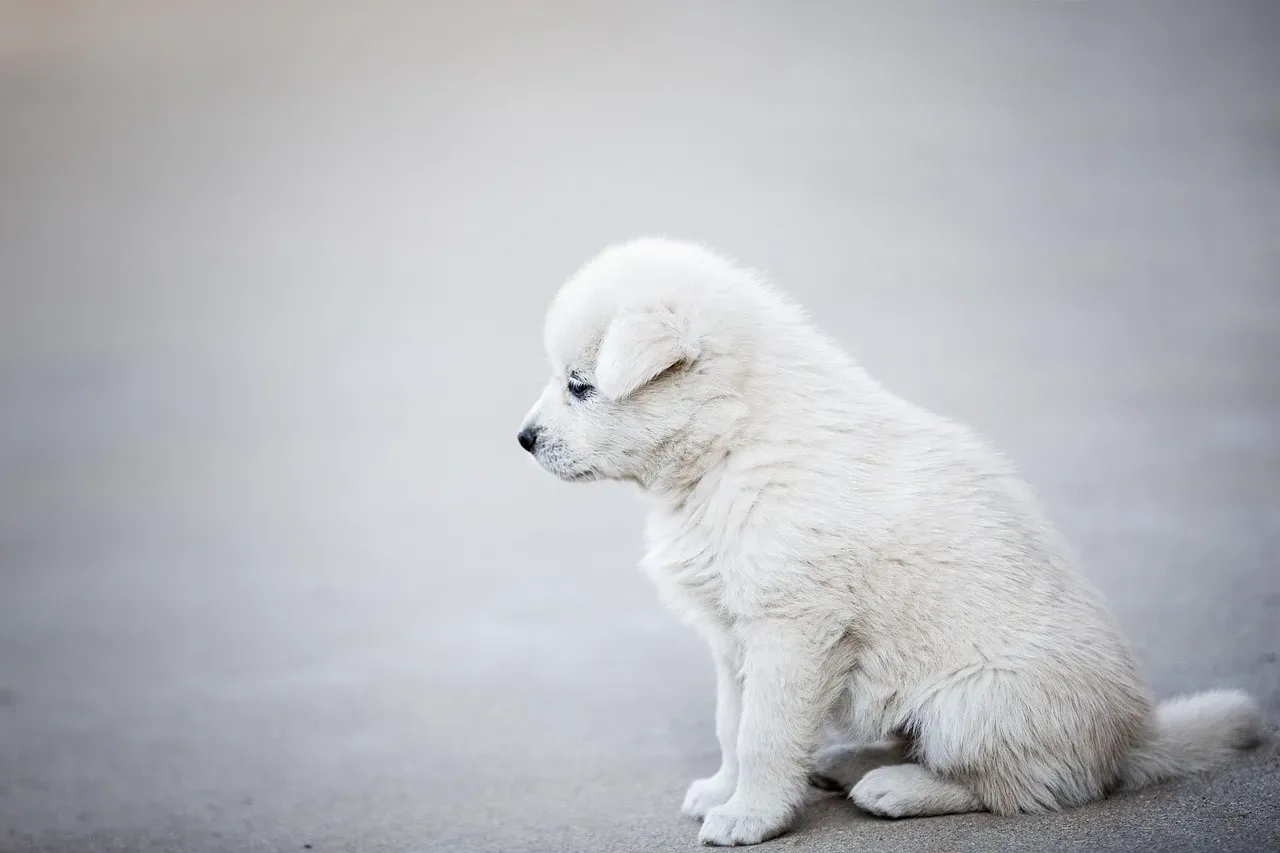
Loneliness doesn’t always look dramatic. Sometimes it’s just quiet evenings, a slower voice, less interaction than usual. But dogs notice the absence of energy just as clearly as they notice its presence.
Many dogs respond to a lonely owner by becoming more demanding of attention, following them room to room, or leaning into physical contact more than usual. It’s their version of closing the gap they can sense but can’t fully understand.
Why It Stands Out
- Dogs are among the few animals that actively seek human eye contact for connection, not just information.
- A quieter, lonelier household has less noise and movement, both of which dogs register as a shift from normal.
- Increased attention-seeking is often a dog’s way of trying to restore the energy it’s used to feeling.
- This sensitivity is part of why dogs are so often relied on for emotional support and companionship.
2. Insecurity You Try to Cover With Confidence
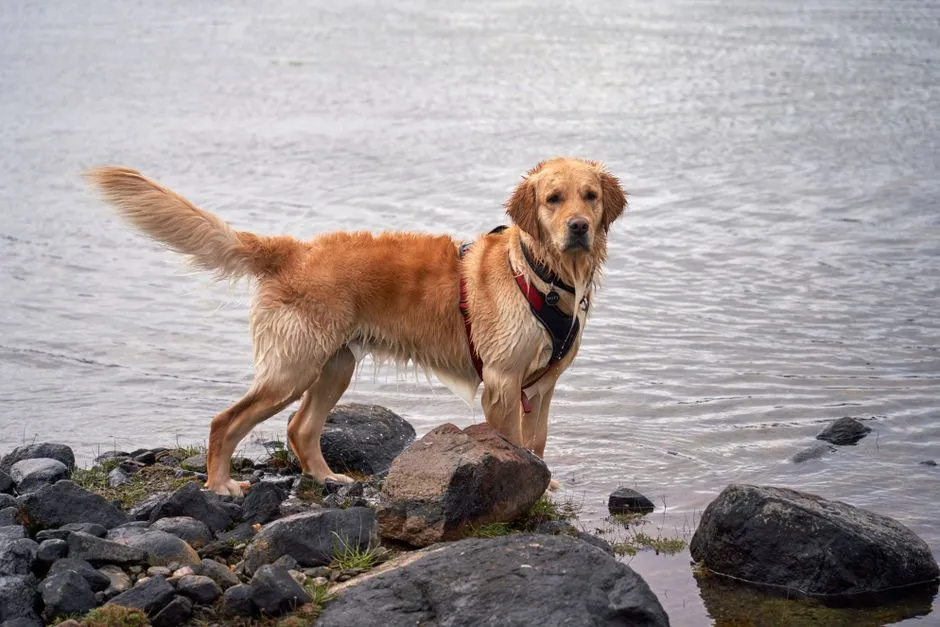
Self-doubt is one of the sneakiest emotions to hide, because it rarely shows up as sadness. It shows up as hesitation, tension, or a voice that’s just slightly less steady than usual, all of which dogs are remarkably good at detecting.
Some dogs respond by becoming protective, positioning themselves between their owner and a perceived threat. Others simply stay glued to their owner’s side, as if sensing that confidence is more fragile today than it looks on the surface.
1. Love You Think You Show Only in Words
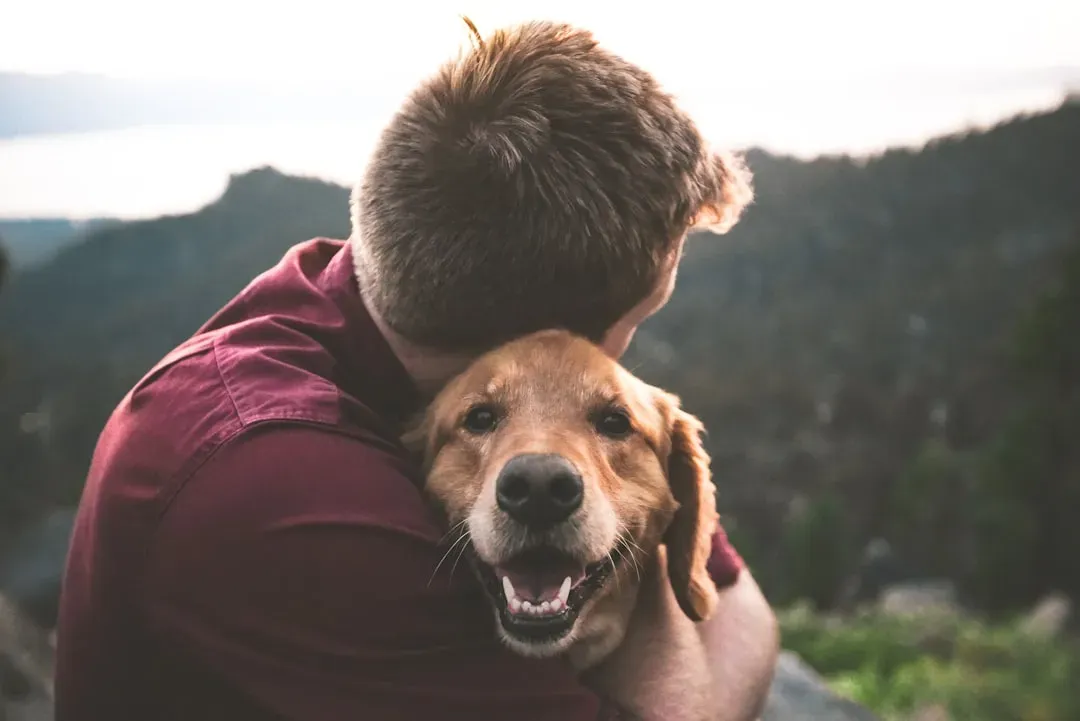
Of all the emotions dogs pick up on, love is the one they respond to most powerfully. They notice the softer tone, the slower movements, the way your whole body relaxes around them, and they mirror it right back with an intensity most humans can’t match.
This is why the bond between a person and their dog feels less like ownership and more like partnership. Dogs don’t just sense that you love them. They live inside that feeling every single day, whether or not you ever say it out loud.
Dogs are not our whole life, but they make our lives whole.
Roger Caras
Here’s the uncomfortable truth: your dog was never fooled. Not by the fake smile, not by the calm voice covering a racing mind, not by the “I’m fine” you’ve perfected for everyone else. Dogs don’t just live in your house. They live inside your emotional weather, reading it more honestly than most people in your life ever bother to. Maybe that’s not something to hide from at all. Maybe it’s the closest thing to being truly known.


