Research confirms that while dogs may prefer a primary handler, they form secure attachment bonds with multiple people, meaning dogs in multi-person households can develop bonds just as strong as those in single-owner homes.
Have you ever wondered if your dog loves everyone in the household equally, or if they have a favorite? Recent research sheds light on this, revealing that while dogs may show a preference for a primary handler, they are capable of forming strong, secure attachment bonds with multiple people in a household. This means that in multi-person homes, dogs can develop connections just as profound as those in single-owner environments.
Understanding Canine Attachment
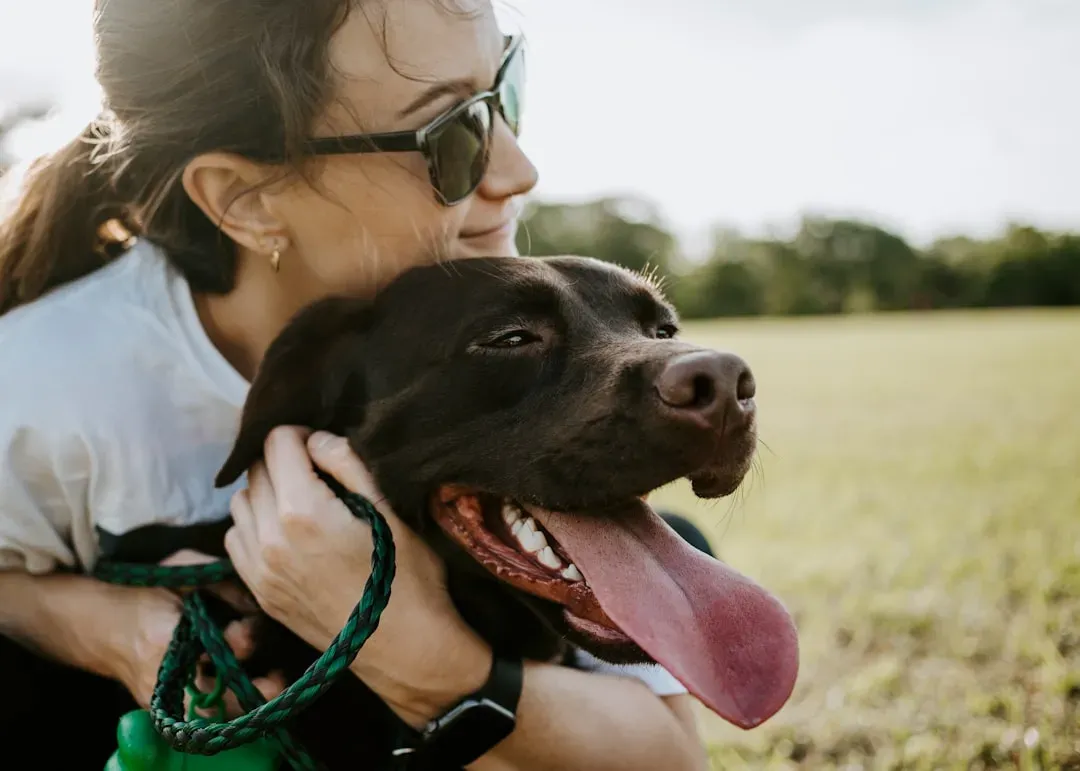
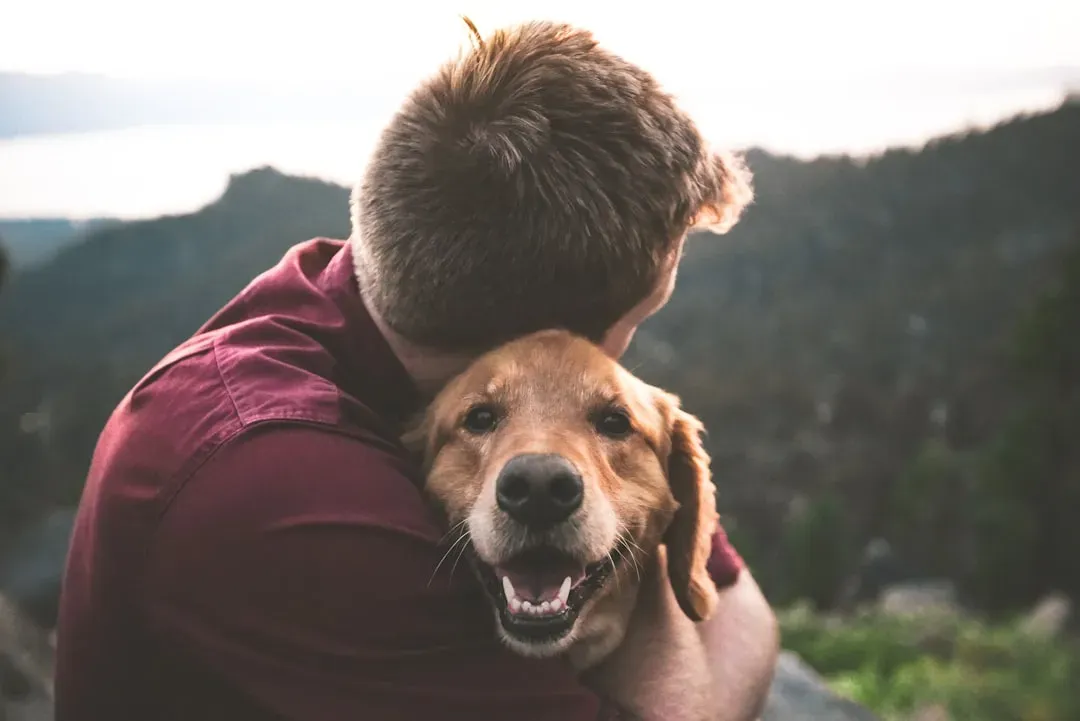
Understanding Canine Attachment (Image Credits: Unsplash)Attachment in dogs mirrors the bonds seen in human relationships. It’s characterized by behaviors such as seeking proximity, showing distress during separations, and using the attachment figure as a secure base for exploration. These behaviors indicate a deep emotional connection between the dog and their human companions.
Research on Multi-Person Households
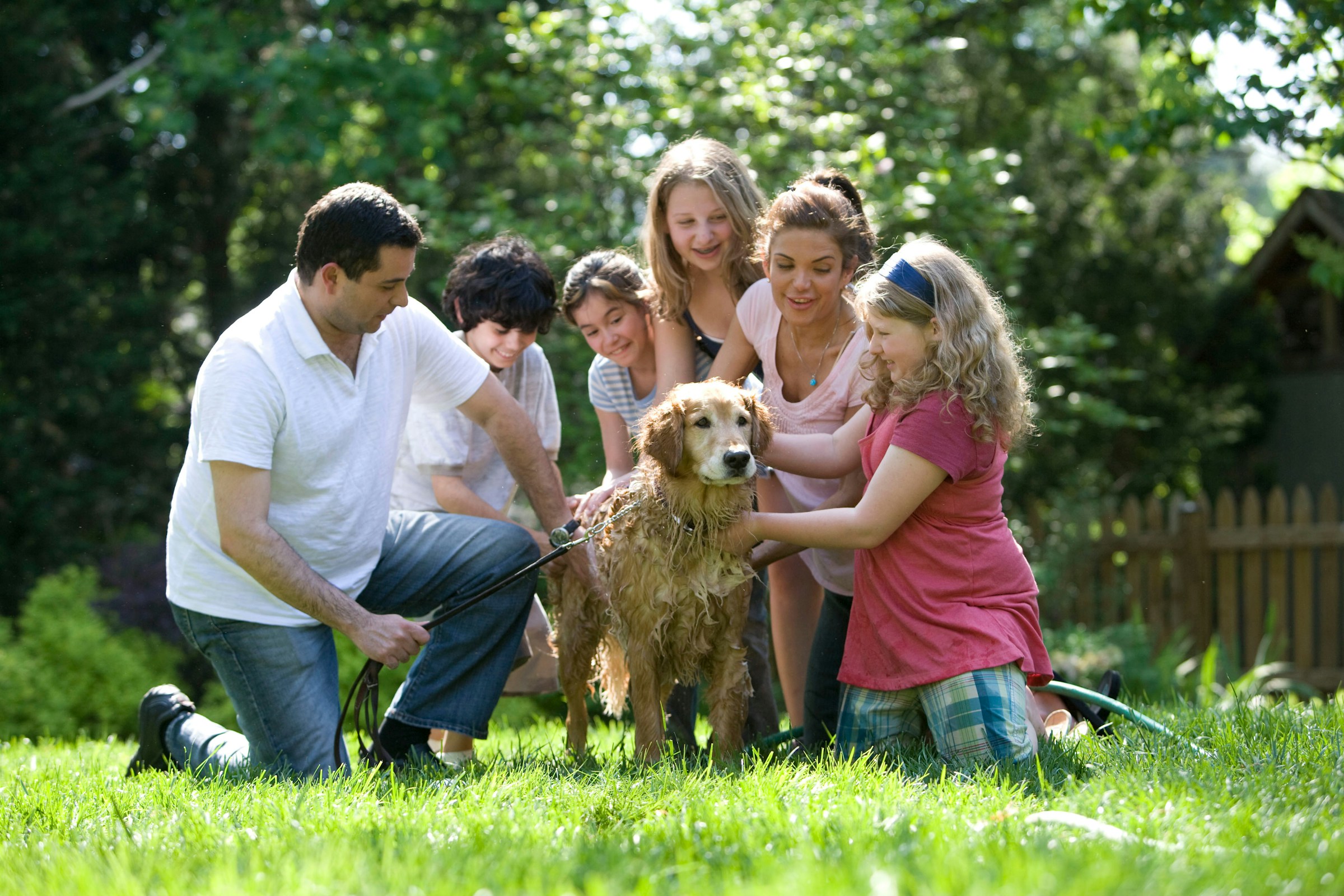
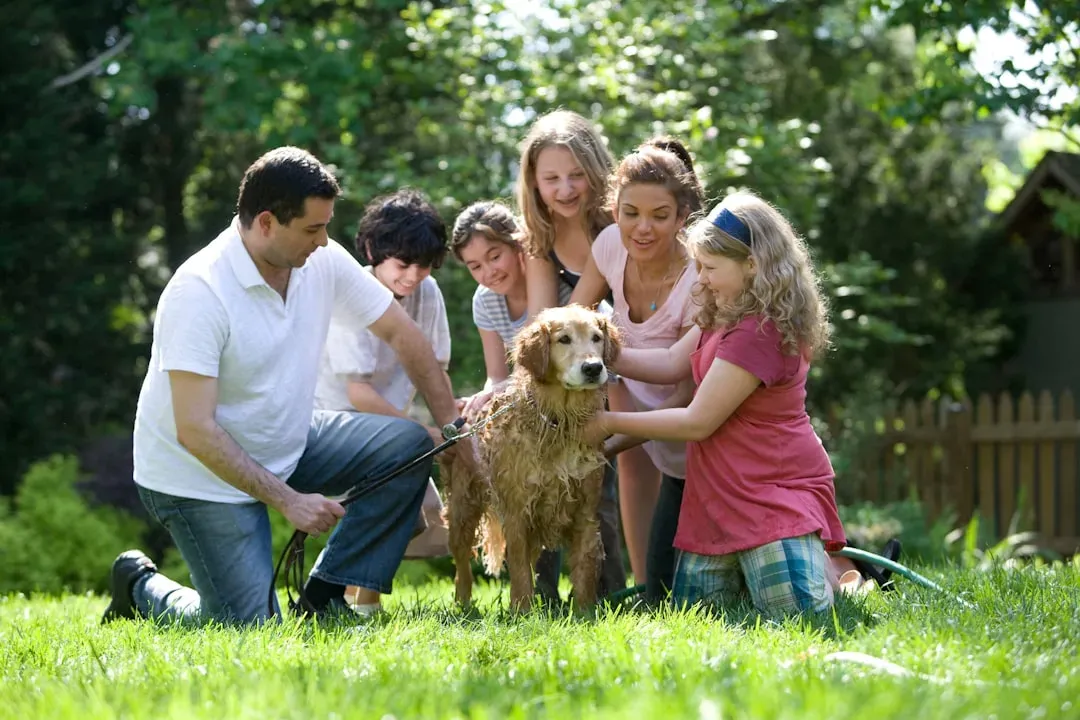
Research on Multi-Person Households (Image Credits: Unsplash)Studies have demonstrated that dogs in households with multiple people can form secure attachments with more than one individual. This challenges the notion that dogs bond exclusively with a single person and highlights their social flexibility. Such findings are particularly relevant for families or shared living situations, emphasizing that every member can share a meaningful bond with the family dog.
Factors Influencing Attachment Strength
Factors Influencing Attachment Strength (Image Credits: Unsplash)The strength of a dog’s attachment to an individual can be influenced by various factors, including the amount of time spent together, the quality of interactions, and the consistency of care provided. Engaging in regular play, training sessions, and providing comfort during stressful situations can all contribute to strengthening these bonds.
Implications for Dog Owners
Implications for Dog Owners (Image Credits: Pixabay)For dog owners, understanding that their pets can form multiple strong attachments is empowering. It encourages all household members to actively participate in the dog’s care and bonding activities. This collective involvement not only enriches the dog’s life but also fosters a harmonious living environment.
Benefits of Multiple Attachments
Benefits of Multiple Attachments (Image Credits: Pexels)Dogs with multiple secure attachments may exhibit greater social adaptability and reduced anxiety when separated from a particular individual. This can lead to a more balanced and confident demeanor, as the dog feels supported by a network of trusted humans.
Challenges and Considerations
Challenges and Considerations (Image Credits: Pexels)While multiple attachments are beneficial, it’s essential to ensure that the dog receives consistent training and care from all individuals. Inconsistencies can lead to confusion and behavioral issues. Open communication among household members about training methods and routines is crucial.
Conclusion
Conclusion (Image Credits: Unsplash)The ability of dogs to form secure attachments with multiple people underscores their remarkable social nature. It challenges the traditional view of the “one-person dog” and opens the door for richer, more inclusive relationships within multi-person households. By recognizing and nurturing these bonds, we can enhance the well-being of our canine companions and ourselves. Isn’t it heartening to know that your dog has enough love to go around?