
10 Dog Breeds That Become Shadows – Never More Than One Room Away From Their Person Until They Die
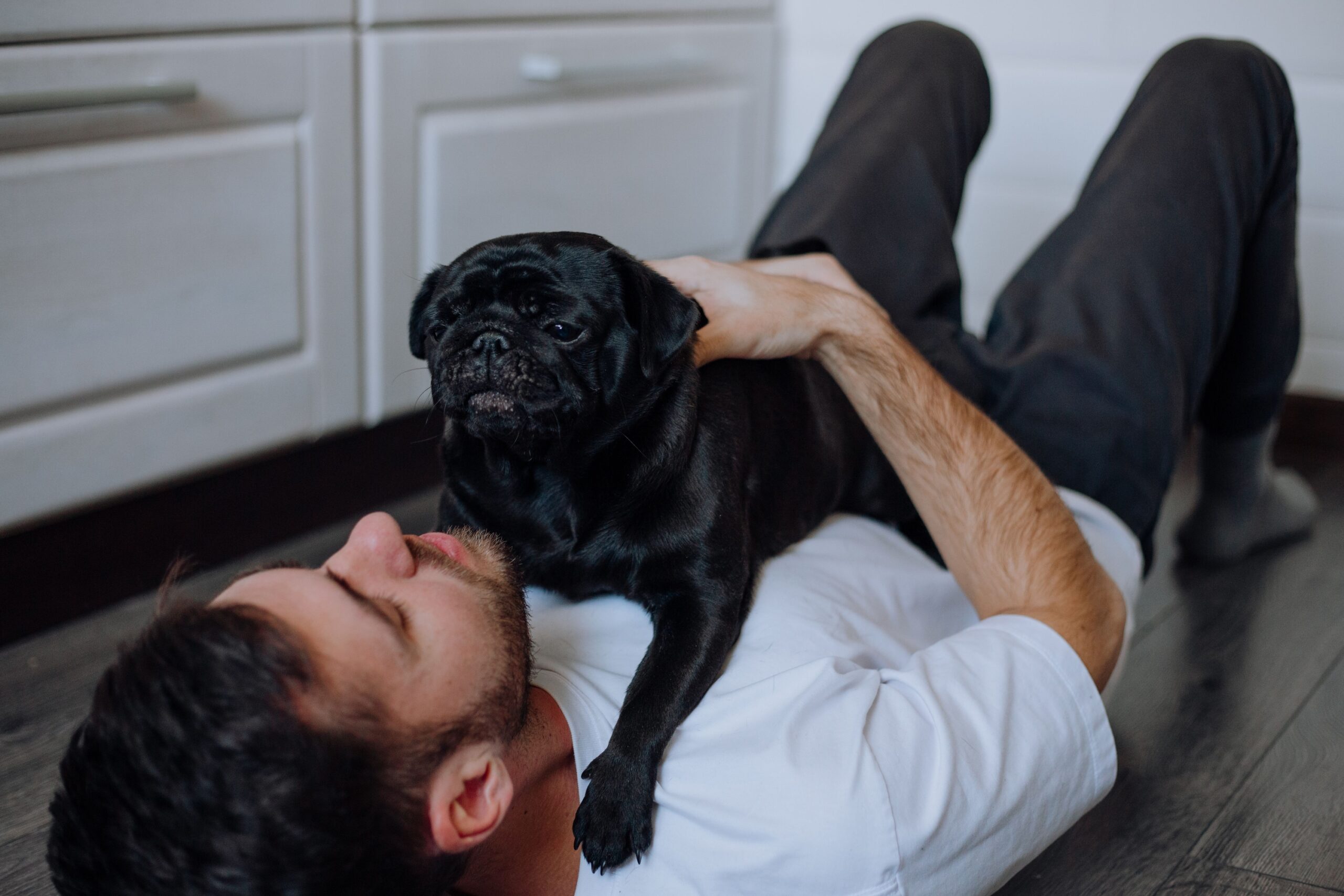
Ever feel like you’re being followed? If you’re a dog owner, that shadow trailing you from room to room isn’t your imagination – it’s your devoted canine companion. Some breeds are so attached to their humans that they earn the nickname “Velcro dogs,” sticking close no matter where you go. Let’s explore ten breeds known for their unwavering loyalty and constant companionship.
Vizsla

Often dubbed the ultimate Velcro dog, the Vizsla’s attachment to their owner is legendary. Originally bred in Hungary as hunting companions, they thrive on human interaction and can become anxious when left alone. Their affectionate nature means they’re happiest when they’re by your side, whether you’re lounging on the couch or going for a run.
To keep a Vizsla content, regular exercise and mental stimulation are essential. Without it, their clingy behavior can intensify, leading to separation anxiety. If you’re seeking a loyal companion who’s always up for an adventure, the Vizsla might be your perfect match.
German Shepherd
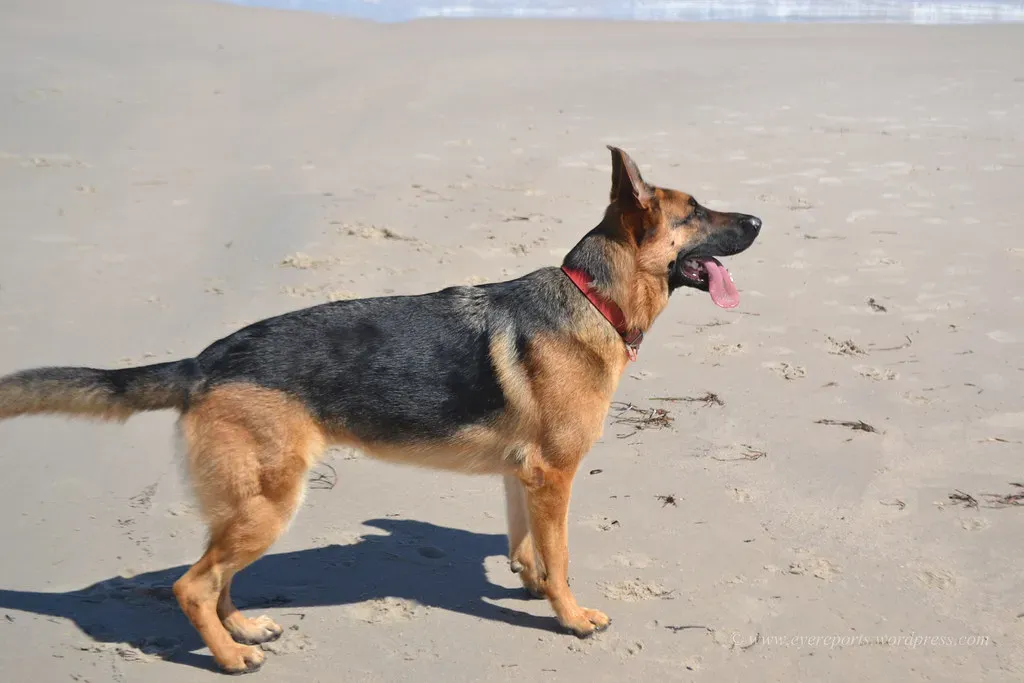
Renowned for their intelligence and loyalty, German Shepherds often form deep bonds with their families. This strong attachment can manifest as a constant desire to be near their owners, following them from room to room. Their protective instincts also play a role, as they feel responsible for keeping their loved ones safe.
While their devotion is admirable, it’s crucial to provide German Shepherds with proper training and socialization. This ensures their clinginess doesn’t become problematic and helps them develop confidence when alone.
Border Collie
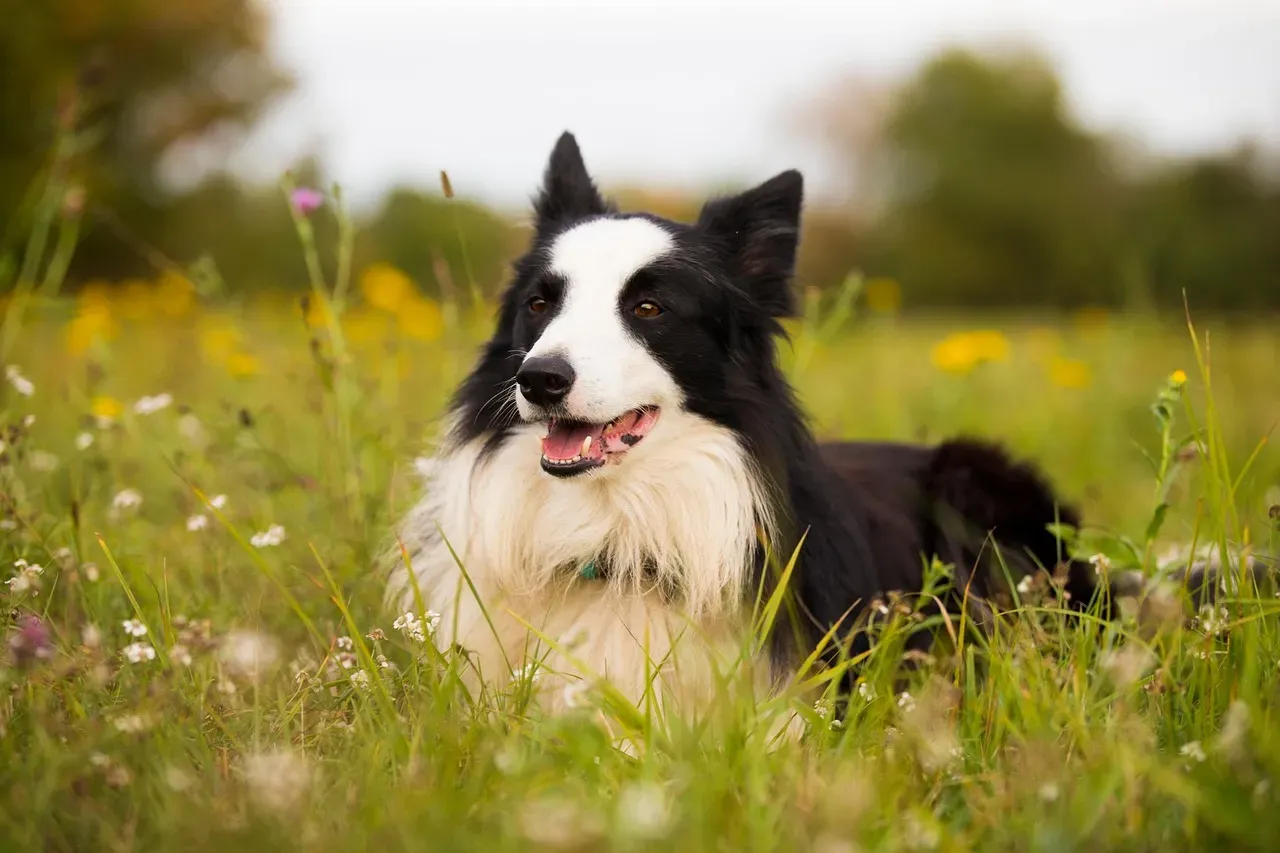
Border Collies are celebrated for their herding abilities and sharp minds. Their history of working closely with humans has ingrained a desire to stay near their owners, always ready to respond to commands. This breed’s energy and intelligence mean they require ample mental and physical stimulation.
Without sufficient activity, a Border Collie’s need to be close can become overwhelming. Engaging them in tasks or dog sports can help channel their energy and reduce excessive clinginess.
Chihuahua
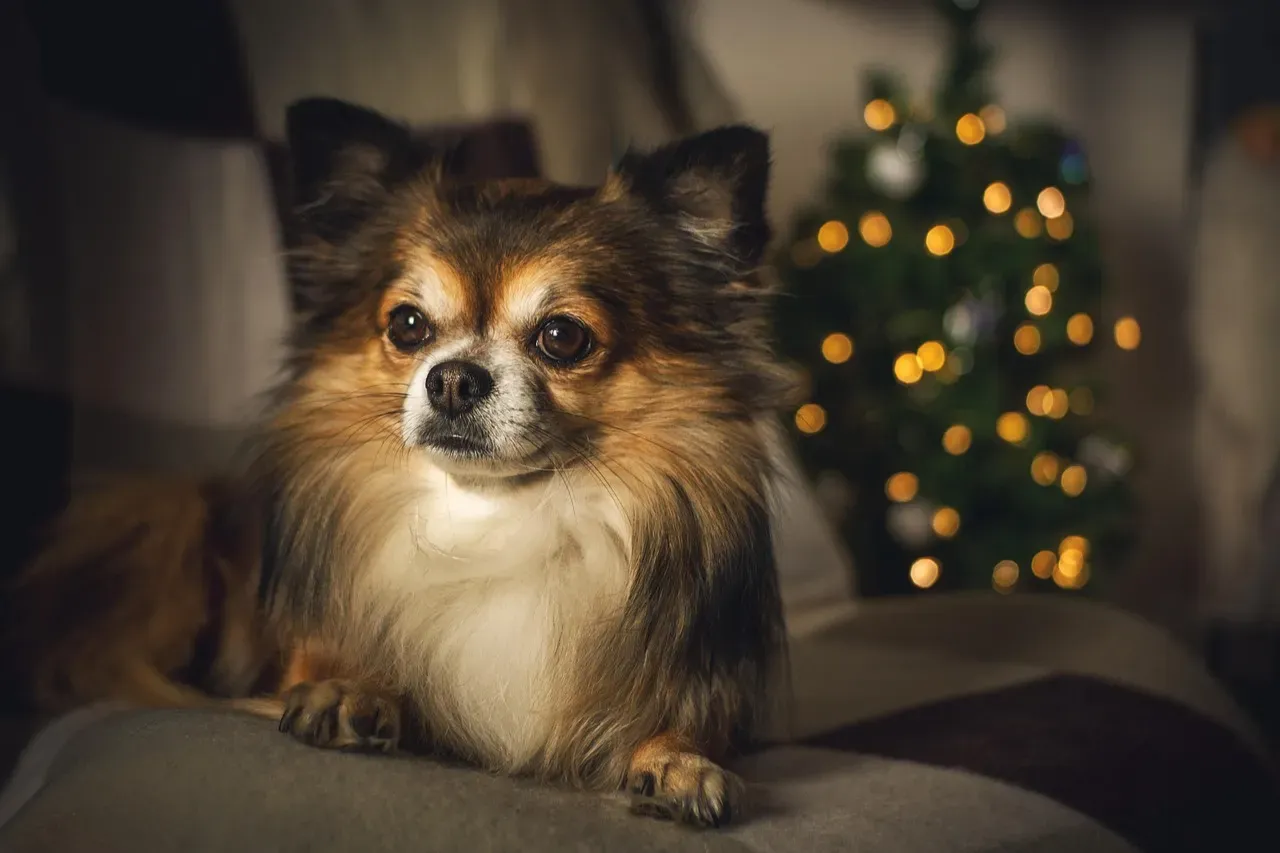
Despite their tiny stature, Chihuahuas have enormous personalities and a penchant for sticking close to their favorite person. Bred primarily as companion animals, they’ve developed a strong inclination to be near their owners at all times.
Their loyalty is endearing, but it’s essential to ensure they don’t become overly dependent. Encouraging independence through training and socialization can help prevent separation anxiety in these pint-sized companions.
Australian Shepherd
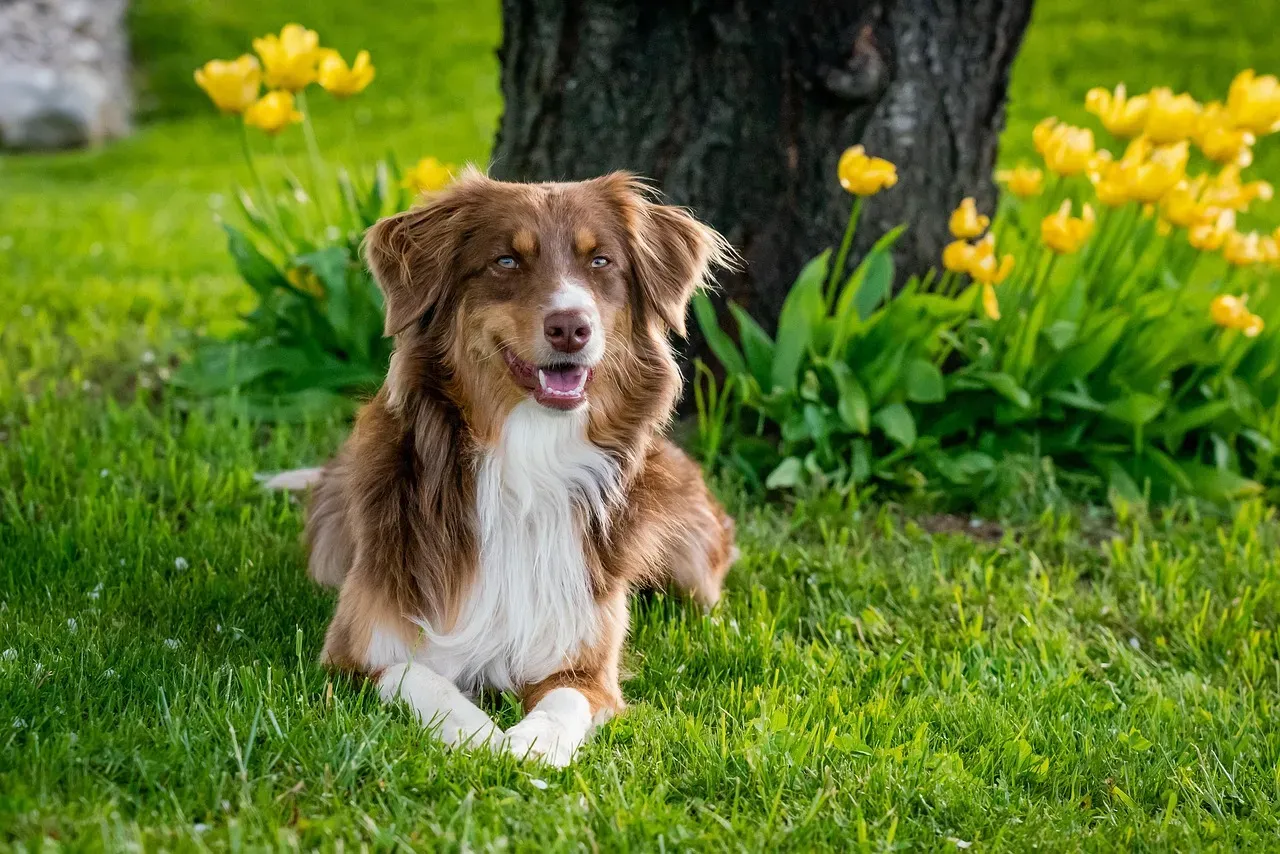
Australian Shepherds are energetic and intelligent dogs with a strong desire to be involved in all family activities. Their herding background means they’re naturally inclined to stay close, often following their owners from room to room.
To manage their clingy tendencies, it’s important to provide them with regular exercise and mental challenges. This not only keeps them physically fit but also helps them develop confidence when alone.
Italian Greyhound
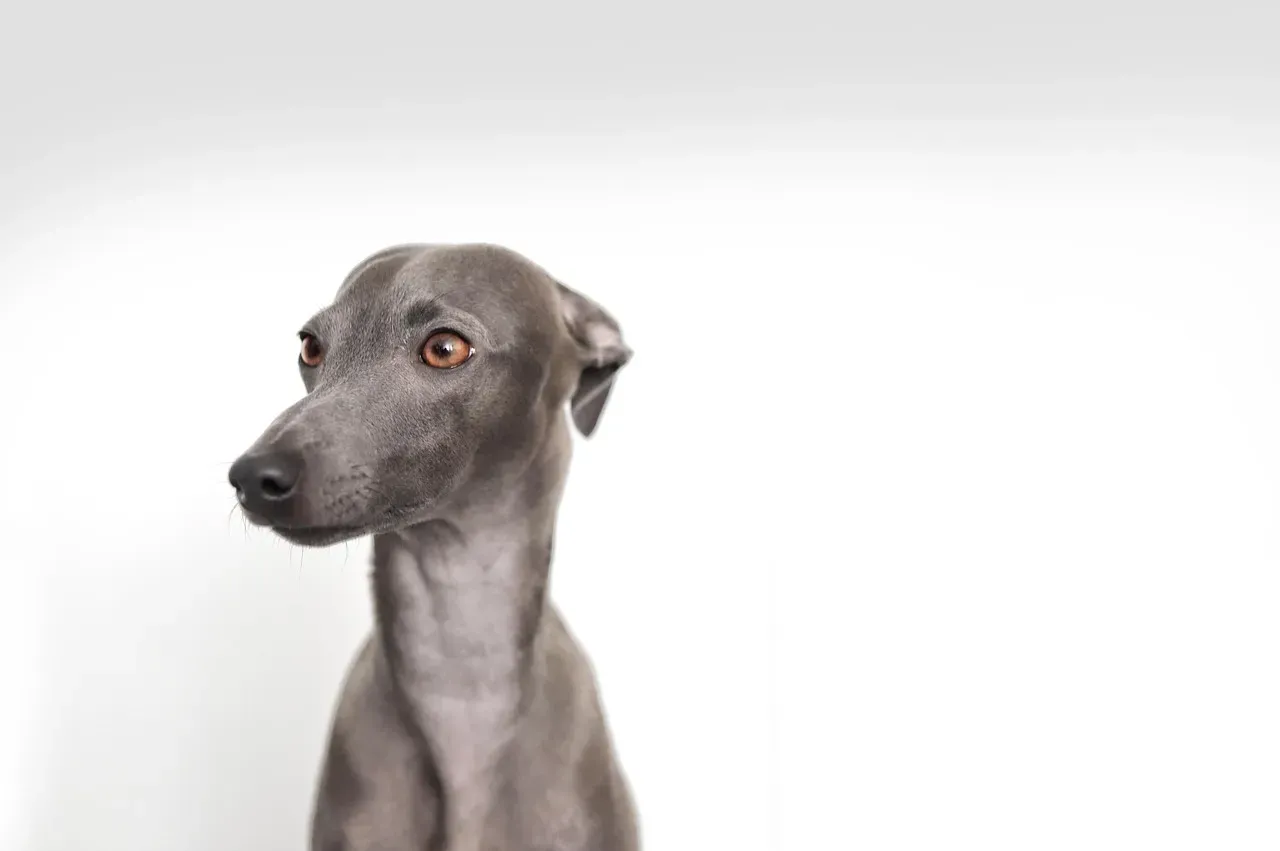
Italian Greyhounds are affectionate and sensitive dogs that form deep bonds with their owners. Their desire for companionship often leads them to shadow their humans throughout the day. They thrive on attention and can become distressed when left alone for extended periods.
Providing a consistent routine and gradual desensitization to alone time can help Italian Greyhounds feel more secure and reduce their need to be constantly by your side.
Pug
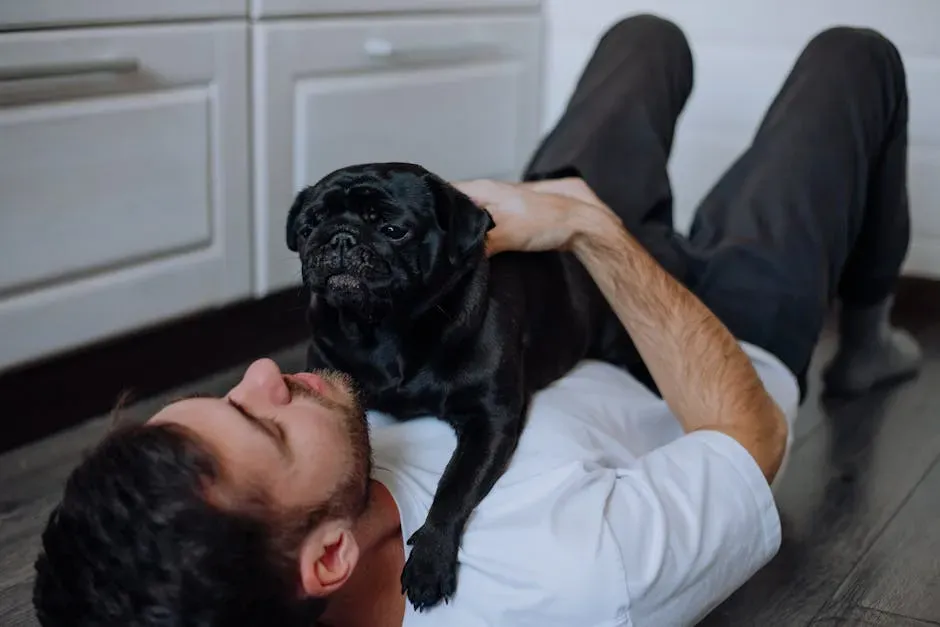
Pugs are known for their charming personalities and love of human companionship. They often prefer to be in close proximity to their owners, following them around the house and seeking attention. Their affectionate nature makes them excellent lap dogs.
While their devotion is heartwarming, it’s important to encourage independence to prevent separation anxiety. Providing interactive toys and positive reinforcement can help Pugs feel more comfortable when alone.
Golden Retriever
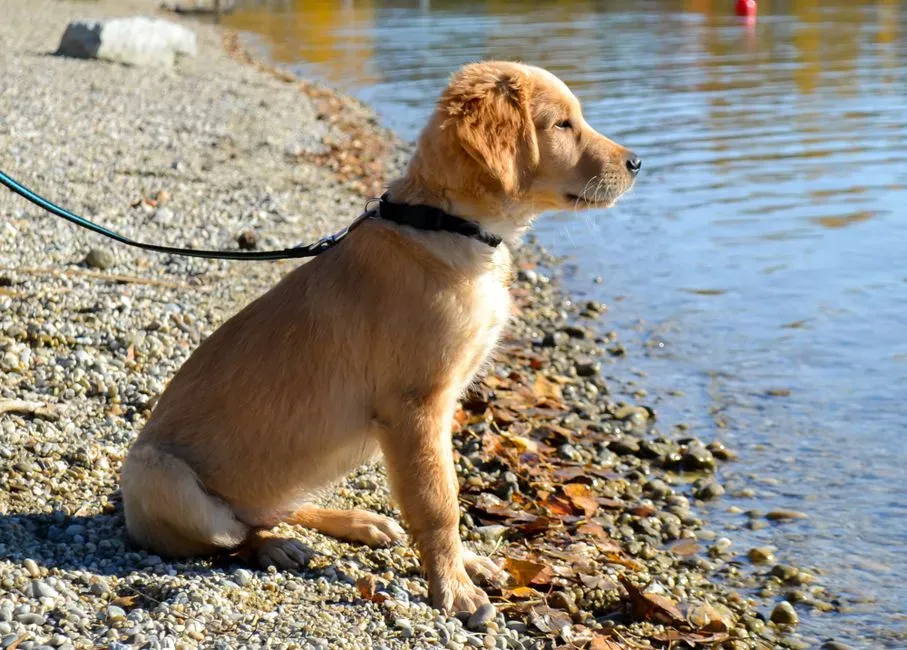
Golden Retrievers are friendly and loyal dogs that form strong emotional connections with their families. Their desire for affection and companionship often results in them following their owners everywhere. They thrive on human interaction and can become anxious when left alone.
Ensuring they receive regular exercise and mental stimulation can help manage their clingy behavior. Training and socialization from a young age can also promote confidence and independence.
Maltese
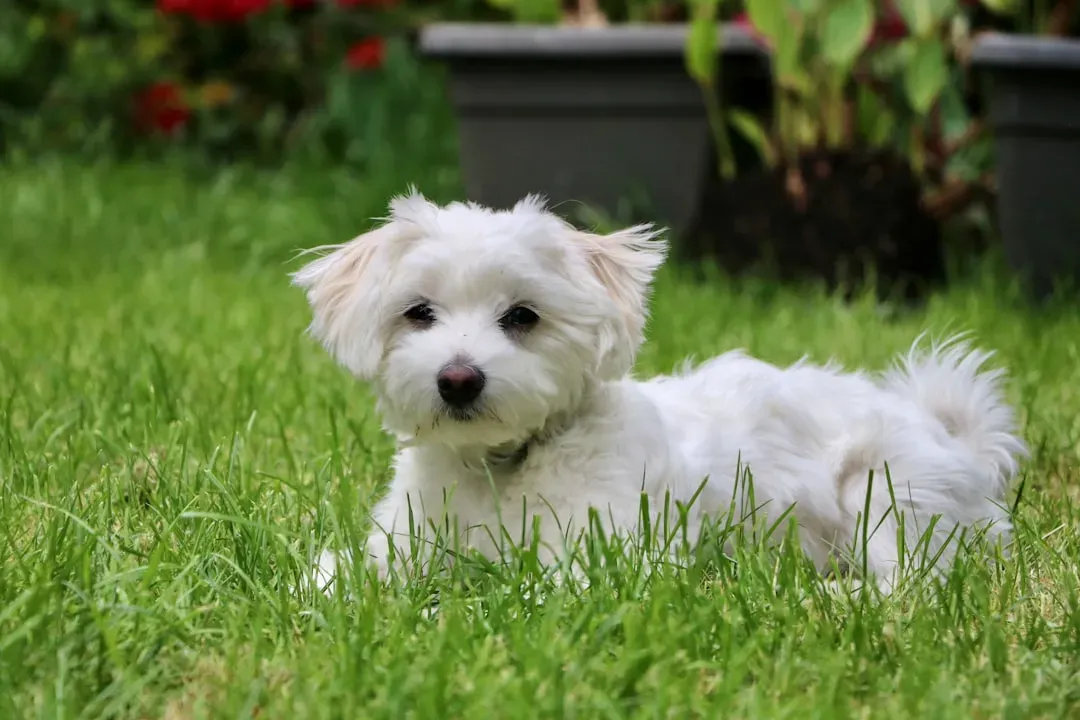
Maltese dogs are affectionate companions that often develop strong attachments to their owners. Their history as lap dogs means they prefer to be close, following their humans from room to room. They thrive on attention and can become distressed when separated.
To prevent over-dependence, it’s important to establish boundaries and encourage independent play. Providing a safe space where they can relax alone can also help reduce their need to be constantly near you.
Keeshond
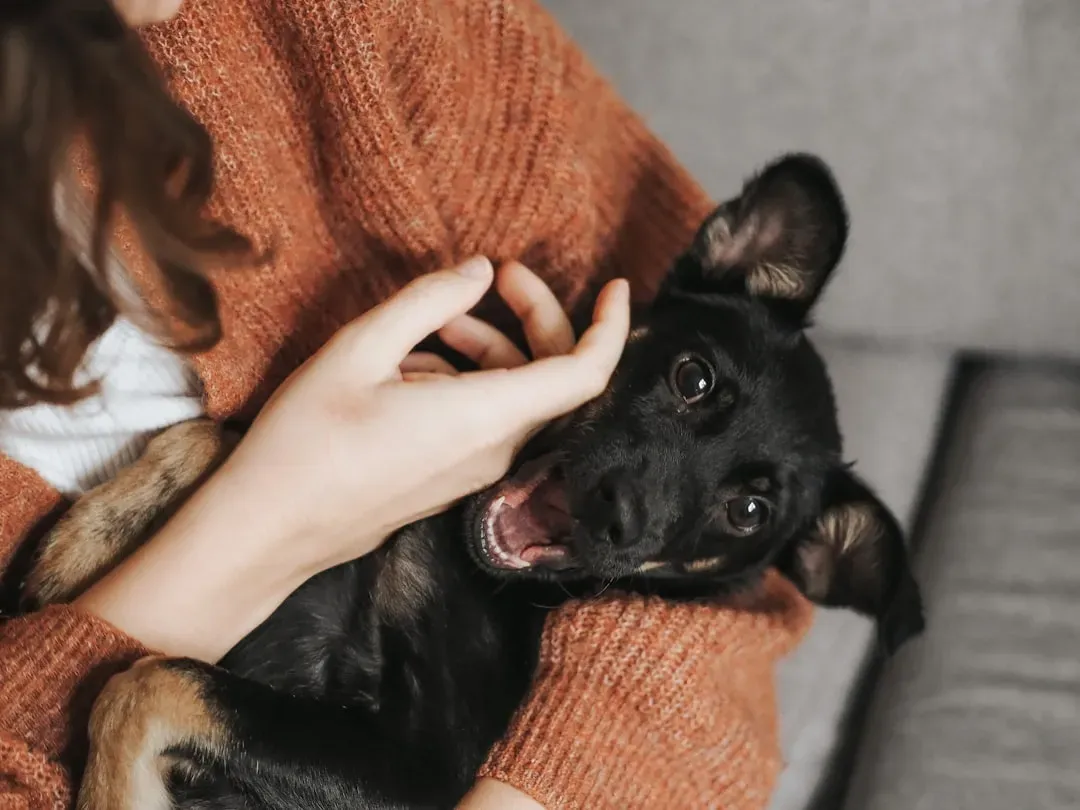
Keeshonden are known for their intuitive and empathetic nature, often forming strong bonds with their owners. They have a tendency to become especially clingy, sometimes referred to as “Velcro dogs.” They may sit and wait for their owner to reappear if they’re in another room, even if other people are present.
Providing regular exercise and mental stimulation can help manage their clingy behavior. Training and socialization can also promote confidence and reduce their need to be constantly by your side.
In conclusion, while the unwavering loyalty of these breeds is endearing, it’s essential to balance their need for companionship with encouraging independence. Proper training, socialization, and mental stimulation can help ensure that your devoted shadow remains a happy and well-adjusted member of your family. After all, isn’t it comforting to know that your best friend is always just a step away?