
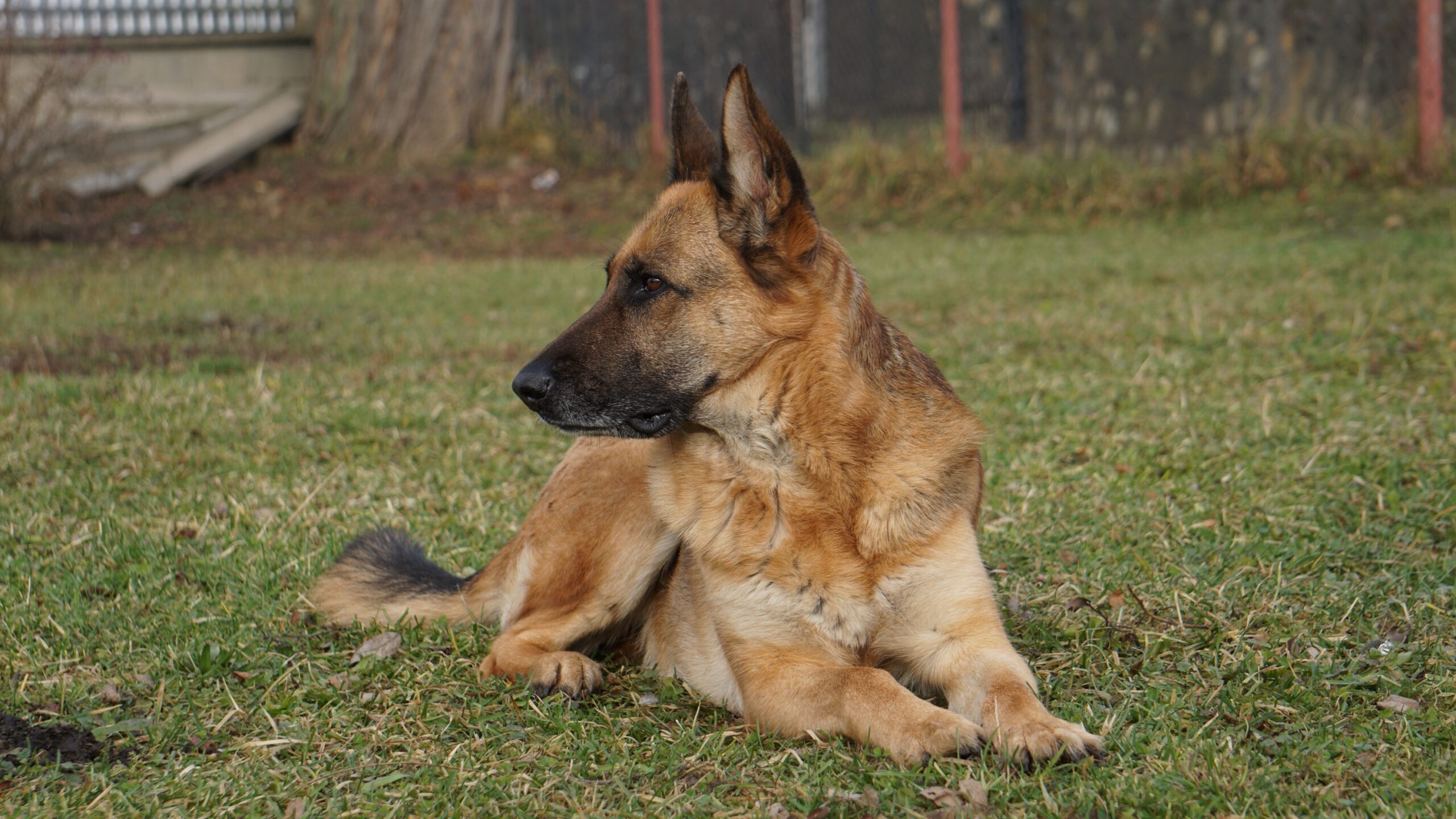
You know that feeling when you’re quietly falling apart on the couch and your dog suddenly appears, head on your lap, staring at you like you’re the only thing that matters? Moments like that are why so many people swear their dogs can actually sense sadness. And they are not imagining it: modern research shows dogs can pick up on human facial expressions, posture, tone of voice, and even changes in our scent when we’re stressed. But here’s the twist no one really talks about – some breeds are naturally more tuned in, while others are basically emotional toddlers who just want to play fetch and could not care less that you’re crying over your ex.
This article dives into both sides: twelve breeds that are truly gifted emotional barometers, and four that, frankly, are just living their best clueless lives. We’ll look at what science says about canine empathy, but we’ll keep it real and grounded in everyday life: the clingy Velcro dogs, the drama queens who share your mood, and the happy-go-lucky chaos machines who think tears mean it’s time for zoomies. None of this means one breed is better than another – but it can help you understand why one dog curls up with you during a sad movie while another shoves a squeaky toy in your face.
Labrador Retriever: The Classic Comfort Buddy
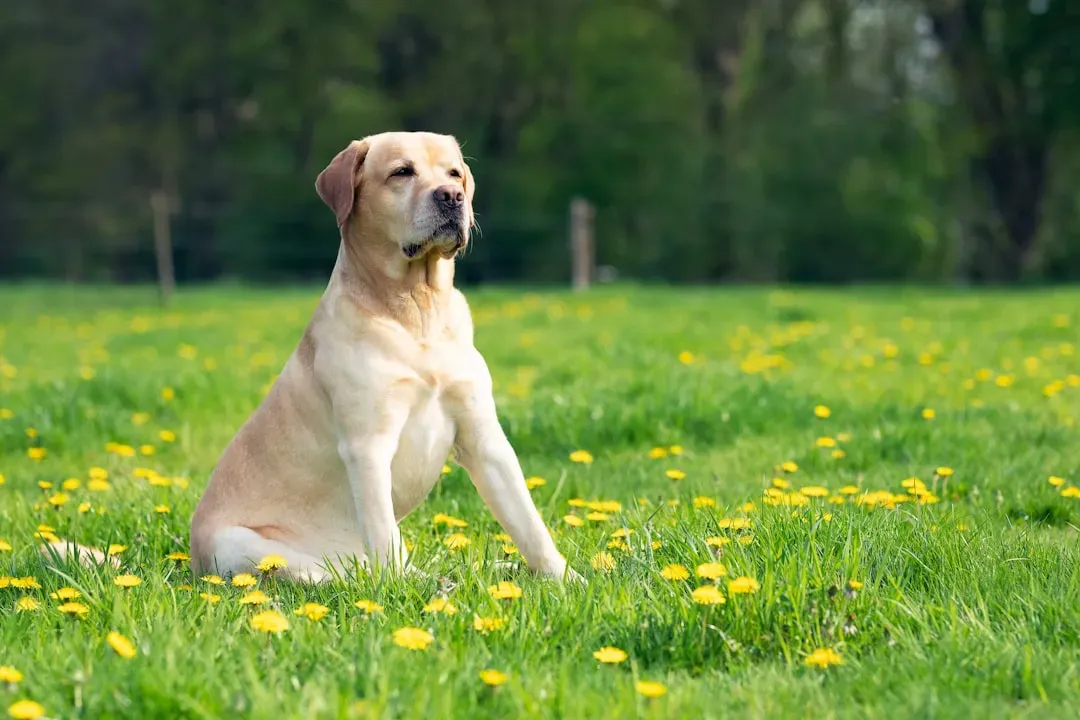
If you made a list of dogs most likely to shove their whole body into your personal space when you’re upset, the Labrador would sit comfortably at the top. Labs are famously people-oriented, bred for close cooperation with humans in hunting and retrieving, and that history translates into a strong sensitivity to human cues. Many therapy and assistance dogs are Labs for a reason – they tend to respond calmly when humans are distressed, moving closer instead of pulling away.
What I’ve seen over and over with Labs is that they do not overthink emotional signals; they just react with warmth. A Lab will often notice your slower movements or quieter voice and respond with gentle nudges, leaning their weight against you or quietly resting nearby. They’re not necessarily analyzing your feelings like a tiny furry therapist, but their temperament and attachment style make them naturals at emotional support without being too intense about it.
Golden Retriever: The Soft-Hearted Shadow
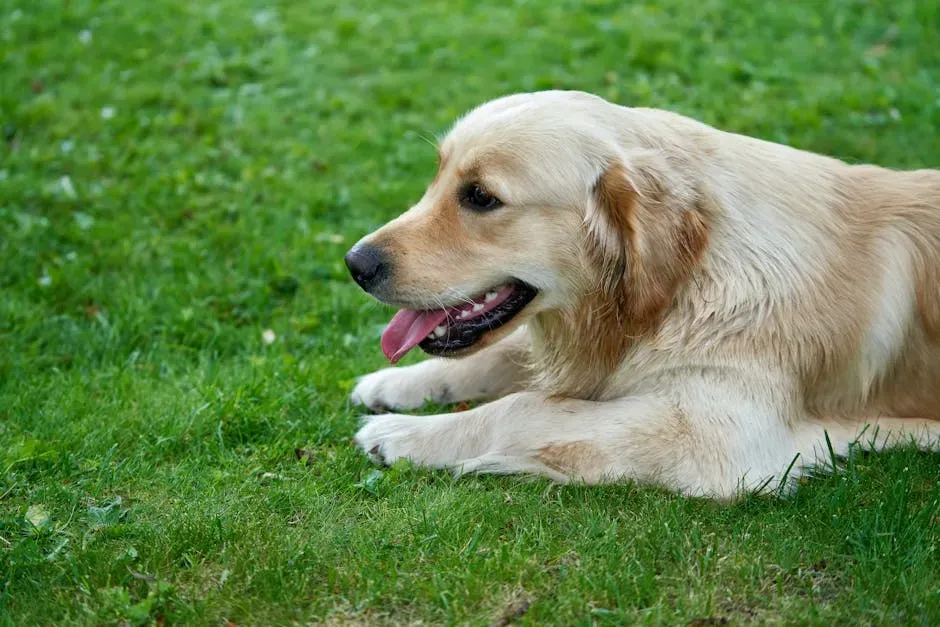
Golden Retrievers are like emotional mirrors with fur; they seem to soak up whatever energy is in the room and reflect it back with big, soulful eyes. Bred for similar work as Labs, they are incredibly attuned to body language and tone, and they often show what looks very much like concern when someone is sad. Many Goldens will slow down, tilt their heads, and quietly check in when they sense something is off, especially with their primary person.
What sets Goldens apart is their blend of sensitivity and optimism. Even when they sense sadness, they tend to respond with gentle attempts to cheer you up – bringing toys, pawing lightly, or just melting into your side like a weighted blanket with a wagging tail. They can be dramatic about it too; some will whine softly or follow you from room to room until your mood shifts. If you want a dog that takes your emotions personally, a Golden will absolutely sign up for that job.
Border Collie: The Hyper-Aware Emotion Scanner
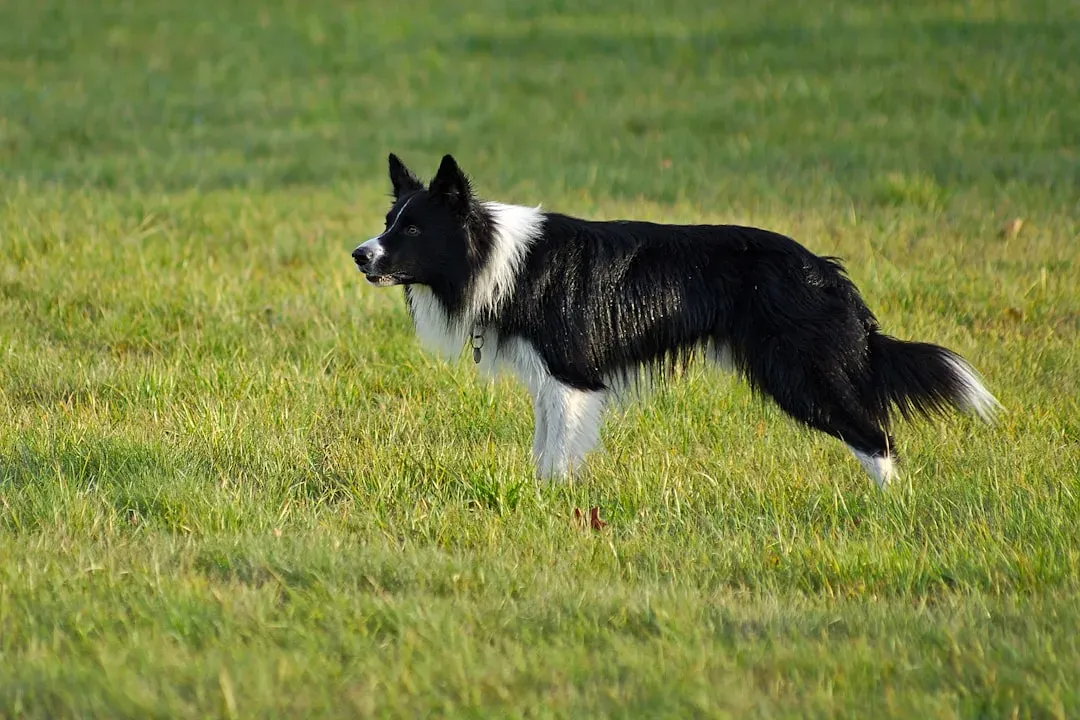
Border Collies notice everything. A tiny change in your gait, the way you pick up your keys, a half-second pause in your voice – they’re tracking it all. Originally bred to read subtle signals from shepherds over long distances, they’ve basically been wired to decode human behavior. That hyper-awareness often extends to emotional states: many Border Collies will react instantly if your energy drops, becoming quieter, more watchful, or extra clingy.
The catch is that their intensity can cut both ways. A highly sensitive Border Collie might actually become anxious when you are stressed or sad, pacing, panting, or trying to control the environment to make everything “right” again. Living with one can feel like living with an overachieving roommate who’s always asking if you’re okay. If you are naturally emotional, this breed will absolutely sense it – but you may need to actively help them feel safe too, because they absorb a lot of that tension.
Poodle (Standard and Miniature): The Brainy Empath
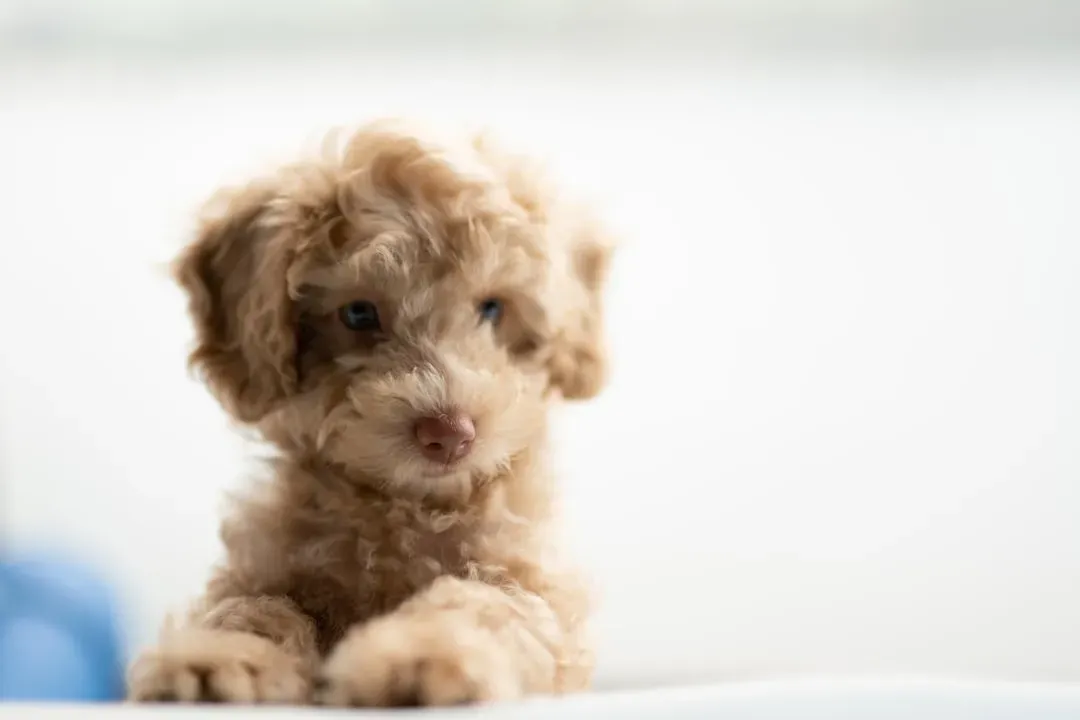
Poodles are often underestimated emotionally because people get distracted by the haircuts, but beneath that fluff is a sharp, observant mind paired with a surprisingly soft nature. They are highly trainable and have excellent memory, which means they quickly learn your patterns, moods, and routines. Many owners notice that their Poodles adapt their behavior on low days, going from bouncy to calm with almost no in-between.
What makes Poodles interesting is that their sensitivity doesn’t always come with chaos; many of them respond in a measured, almost deliberate way. Instead of panicking when you’re upset, they might quietly lie down nearby, checking in occasionally, or bring you a favorite toy as a gentle invitation back to normal. In my view, if dogs could be described as emotionally intelligent in a human sense, Poodles would be on that shortlist – they tend to notice, adjust, and stay attuned without making your sadness all about them.
Cavalier King Charles Spaniel: The Tiny Heart-On-Legs

Few breeds are as unapologetically people-focused as the Cavalier King Charles Spaniel. This is a dog bred primarily as a lap companion, and that job description comes through clearly: they want to be where you are, especially when your energy dips. Many Cavaliers will instinctively climb into your lap, press their chest against you, and settle in as soon as they sense you’re slowing down or sounding low.
Because they are small and generally gentle, their emotional support feels very accessible – you can literally hold one like a warm pillow. They may not have the working background of herding or retrieving breeds, but their entire design is about bonding closely with humans. If you’re crying on the couch, a Cavalier typically does not stay on the other side of the room wondering what’s up; they’ll be practically glued to your side, as if they believe their presence alone can patch the hole in your heart.
German Shepherd: The Serious Guardian Who Watches Everything
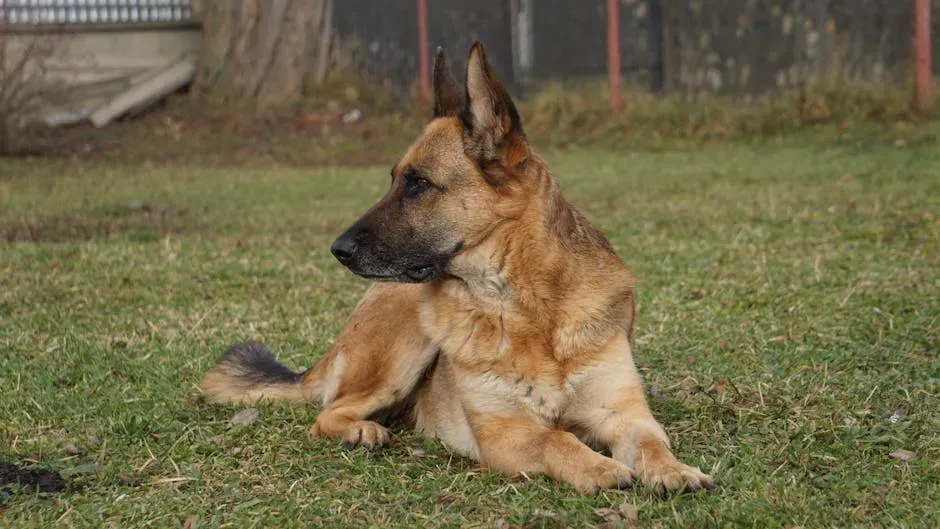
German Shepherds often present as strong and stoic, but underneath that, they are deeply attached to their people and hyper-aware of changes in their environment. Bred for protection and work, they constantly scan for threats or shifts in normal behavior, and emotional distress registers as a kind of “something is wrong” signal. Many Shepherds will respond to sadness by positioning themselves between you and the rest of the world, almost like a physical shield.
Their way of comforting can look less cuddly and more purposeful. Instead of crawling into your lap, they might sit at your feet, lean against your legs, or quietly accompany you from room to room. To me, it often feels like they’re saying, in their own way, that they’ve got the situation under control and you can fall apart if you need to. They may not be gushy about it, but few things feel more grounding than a German Shepherd calmly anchoring themselves right beside you when life is heavy.
Australian Shepherd: The Emotional Herd Manager
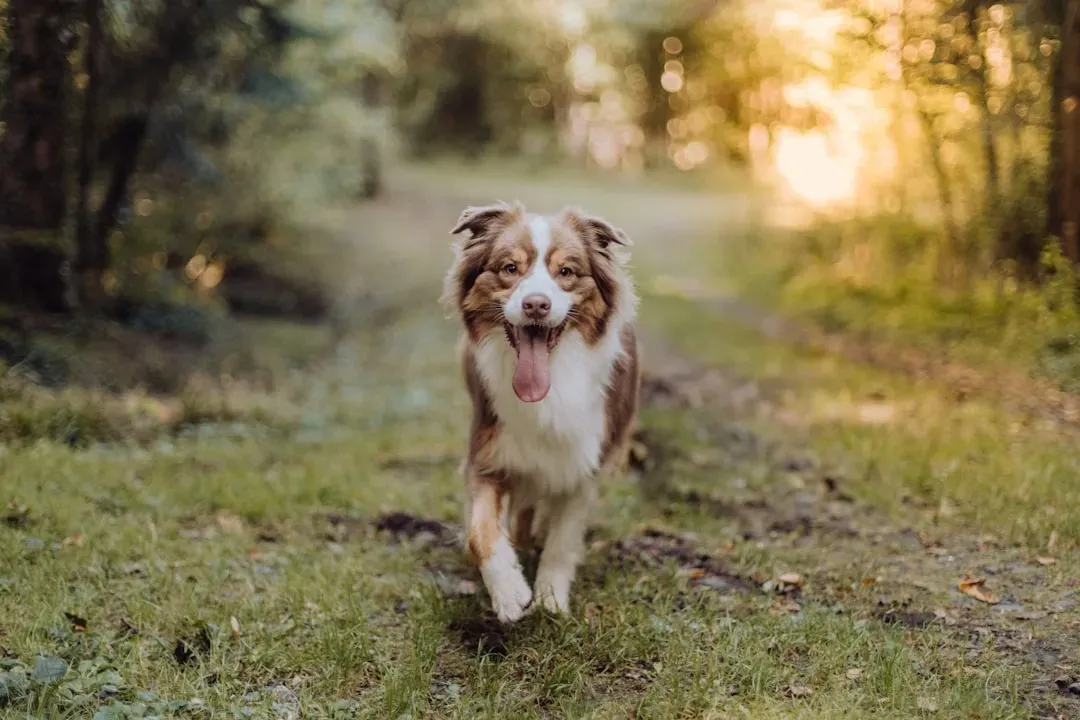
Australian Shepherds are working dogs to their core, and that includes working on your feelings, whether you asked for it or not. They are incredibly tuned into movement, posture, and tone, and they notice immediately when your normal rhythm is off. Many Aussies will respond to sadness or stress by sticking closer than usual, hovering near doorways, or gently nudging you as if to herd you back toward normalcy.
They can, however, be a bit intense about it. In homes where emotions run high, Aussies sometimes develop anxious behaviors, because they are constantly trying to manage the emotional “flock.” When they sense you’re down, they may bring toys, demand a walk, or insist you get up and move, almost like a personal trainer who refuses to accept your emotional sick day. For some people, that active encouragement is exactly what they need; for others, it’s a reminder of how sensitive this breed really is.
Boxer: The Clown Who Suddenly Gets Serious
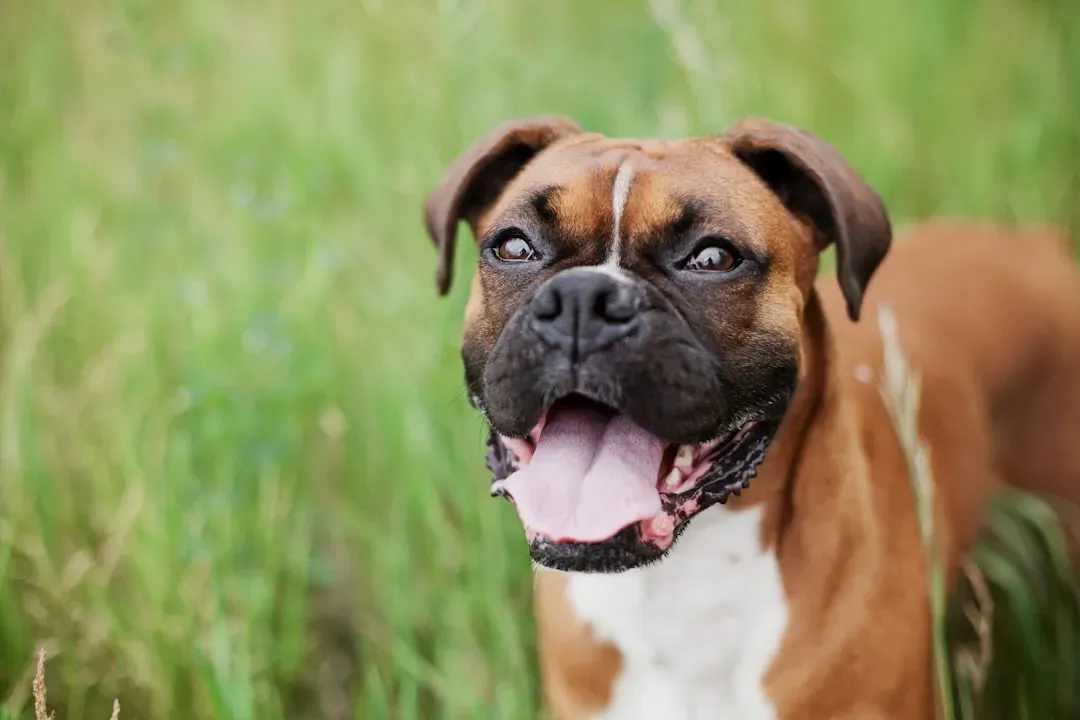
Boxers have a reputation for being goofy, high-energy clowns, but anyone who lives with one knows they have a surprisingly sensitive side. They’re extremely people-oriented and tuned into the emotional temperature of their household. When things are light, they’ll bounce off the walls; when someone is down, many Boxers will tone it way down, settling suddenly, leaning their solid weight against you, or quietly watching your face.
What fascinates me about Boxers is how quickly they can switch modes. One minute they’re zooming, the next they’re lying right against your legs if they sense something has shifted. They may still try to cheer you up with silly antics, but often there is real gentleness in the way they check in with you. Underneath the silliness, there’s a dog that takes your mood very seriously – like that friend who jokes all the time but shows up instantly when you really need someone.
Collie (Rough and Smooth): The Gentle Emotional Barometer
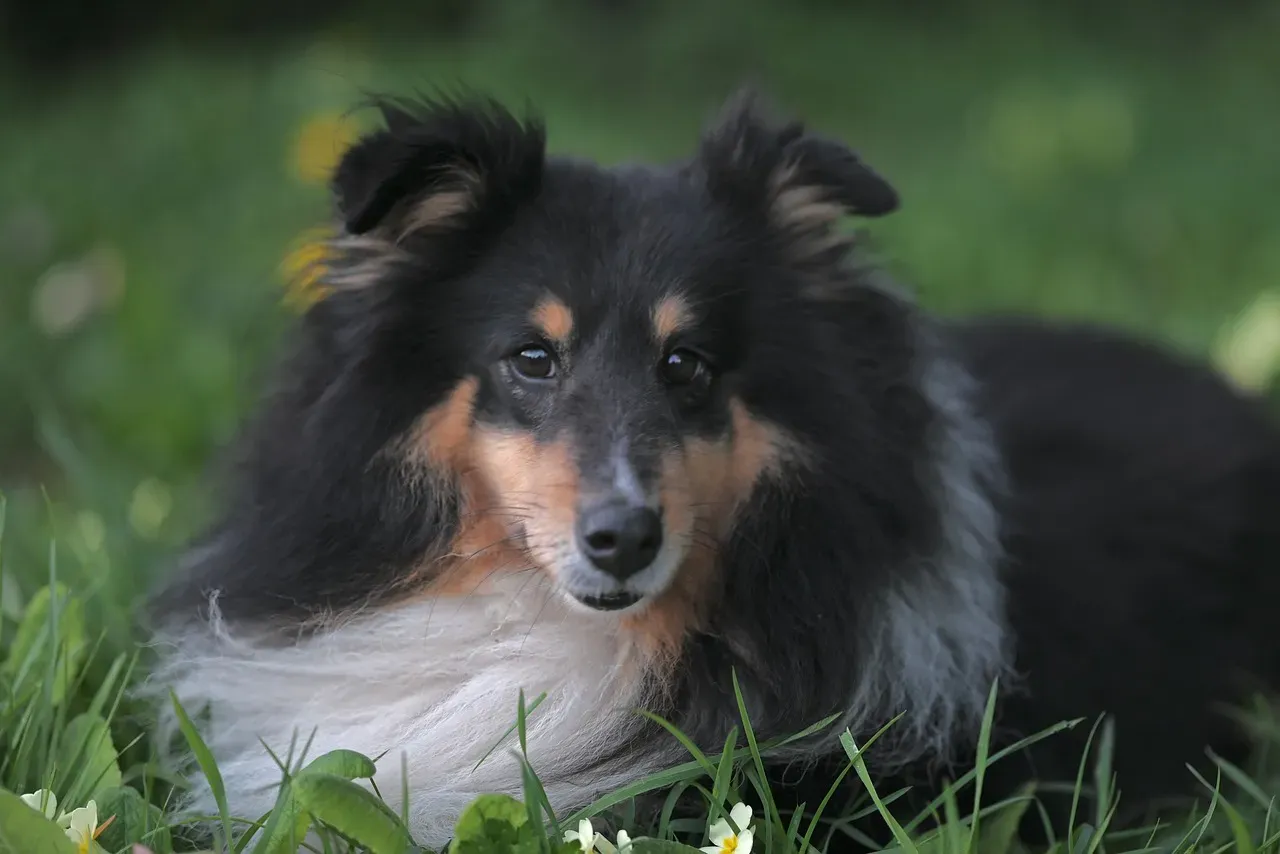
Collies – both rough-coated classics and sleek smooth-coated types – are known for their gentle, observant nature. Historically used as herding dogs, they had to stay tuned to their handler’s movements and signals, and that attentiveness often translates into emotional sensitivity in a modern home. Many Collies will visibly soften when someone is sad, lowering their posture, moving slowly, and approaching with almost exaggerated care.
They often respond to emotional distress with quiet presence rather than activism. Instead of demanding your attention, a Collie might simply lie near you, watching, occasionally nosing your hand as a soft reminder that you’re not alone. If you like the idea of a dog that seems to notice your feelings but doesn’t overwhelm you with intense energy, Collies fit that in-between space very well – they are aware, responsive, and soothing without being clingy.
Havanese: The Velcro Lap Dog With Big Feelings
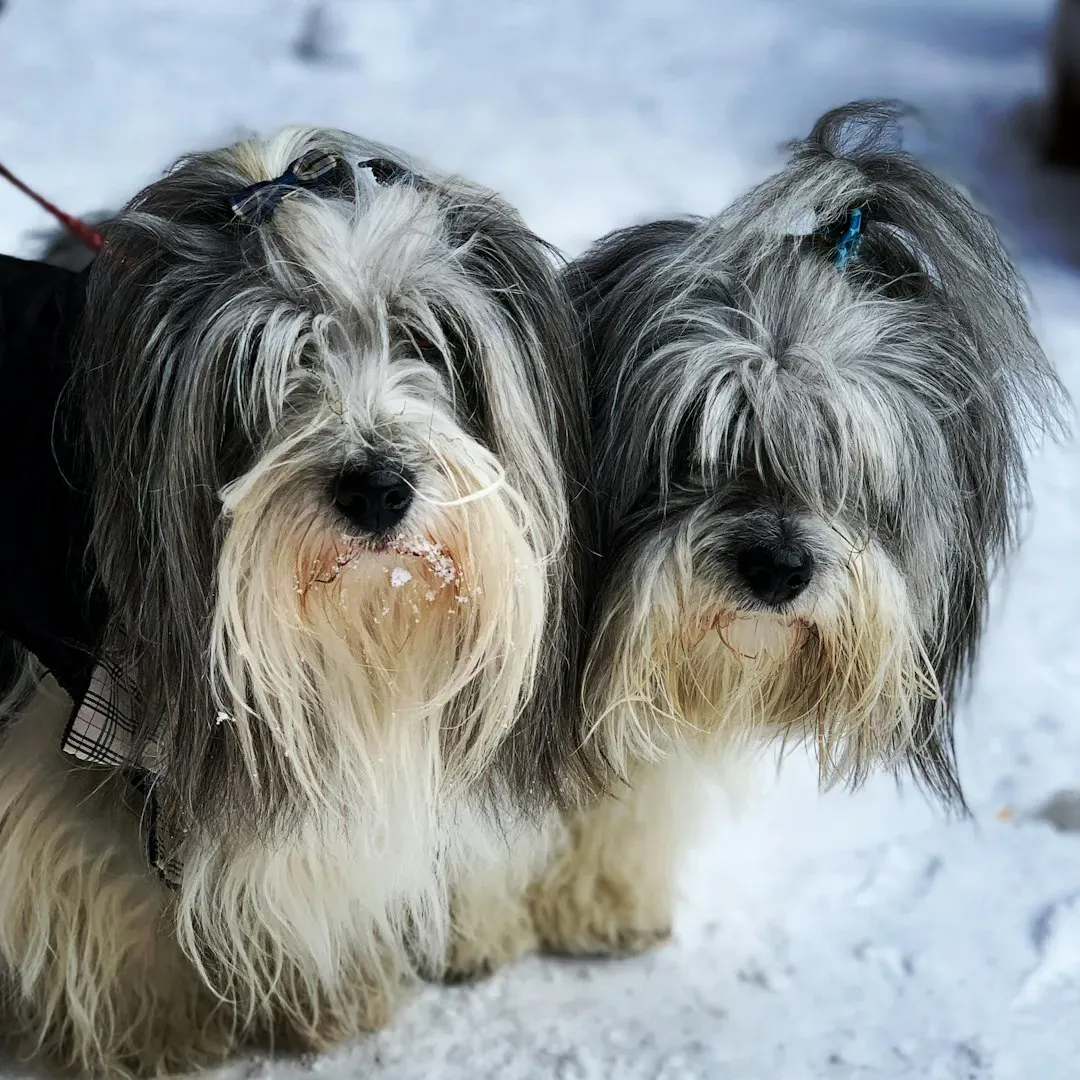
The Havanese is a toy breed that takes the concept of companion dog very seriously. They attach hard to their people and are constantly reading the room, especially in quieter households where subtle cues matter more. When you’re upset, many Havanese will physically climb as close as possible, curling into your body or pressing their tiny face against you, as if merging with your sadness.
Because of their size and affectionate temperament, their emotional support feels very immediate and personal. They may not have dramatic working-dog instincts, but they are experts in one thing: being with you. If you move to another room mid-sob, they’re going too; if you lie in bed all day, they’re right there, basically stapled to your side. For people who want a close, almost constant emotional shadow, the Havanese often delivers exactly that experience.
Great Dane: The Gentle Giant Who Thinks You’re Fragile
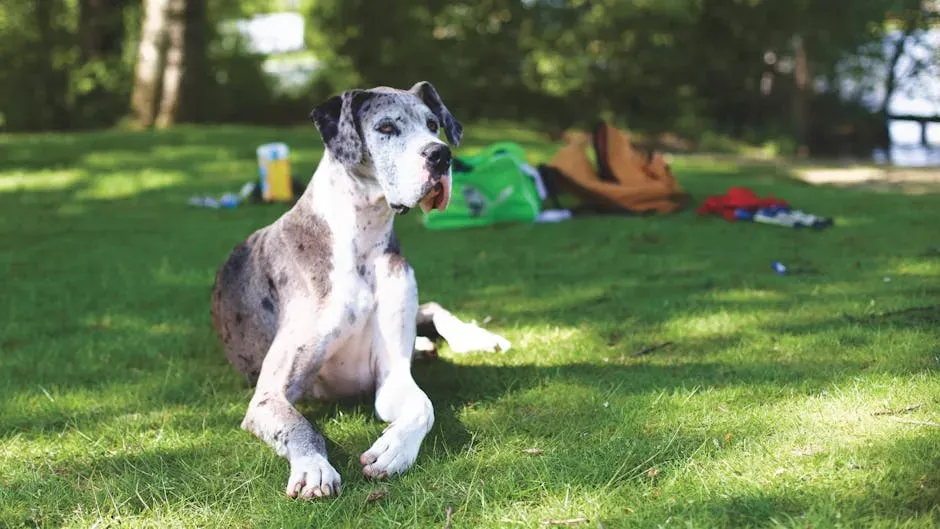
Great Danes look imposing, but spend any time with one and you realize they are emotional marshmallows. They often form deep bonds with their families and are surprisingly sensitive to tone and body language. When you’re sad or quiet, a Dane may respond by draping their huge head over your lap, leaning their massive body lightly against you, or standing close enough that you can feel their warmth like a living wall.
There’s something uniquely comforting about having such a large, calm animal choose to be quietly near you when you’re not okay. Many Danes will actually adjust their movement, becoming slower and more careful around a distressed person, almost as if they sense you might break. If you want a dog that makes you feel physically and emotionally protected at the same time, a Great Dane’s mix of size and tenderness can feel almost surreal.
Mixed Breeds and Rescues: The Streetwise Emotional Experts
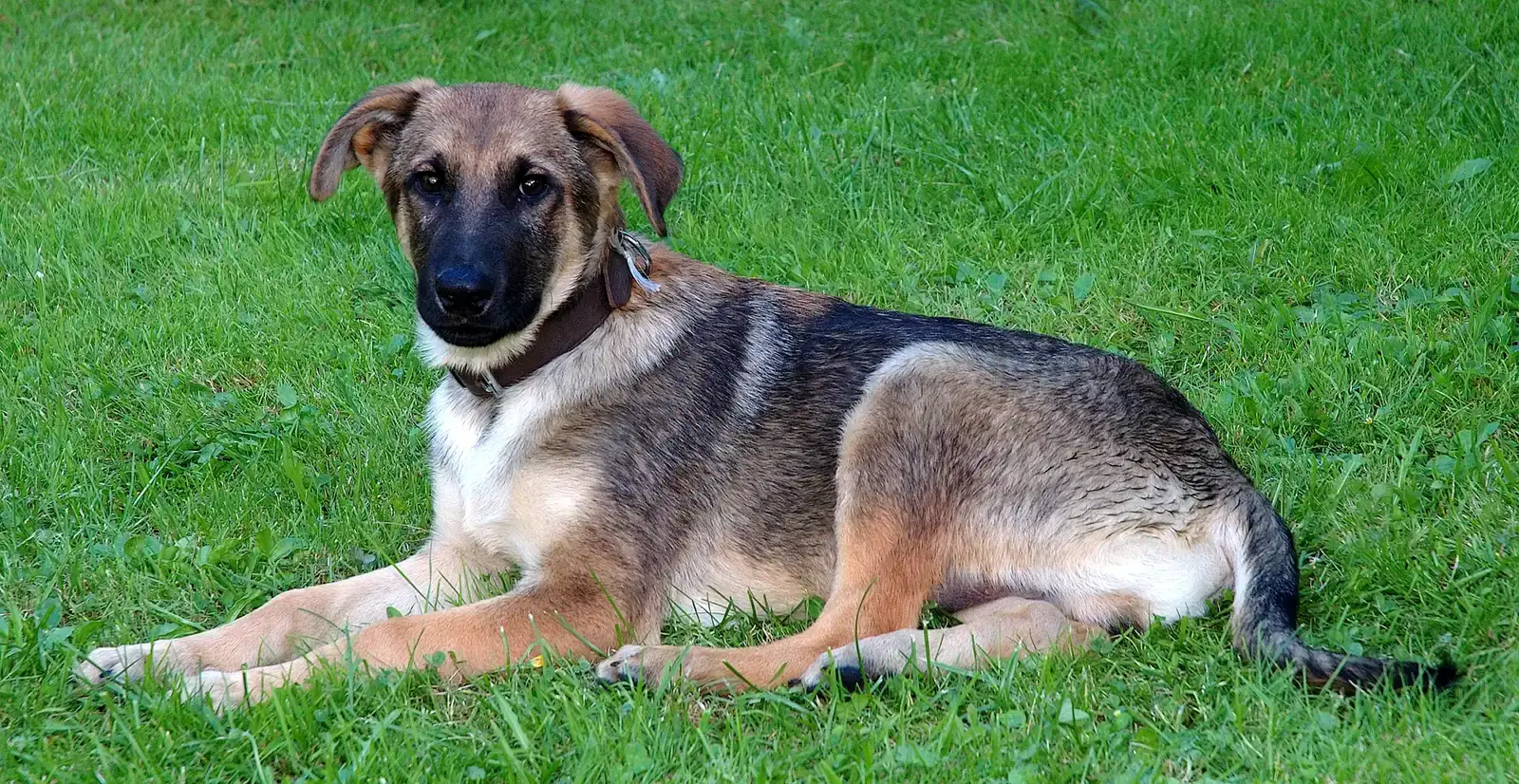
It might sound sentimental, but many mixed-breed and rescue dogs seem unusually tuned into human emotions, especially if they’ve had complicated pasts. Dogs that have had to navigate shelters, new homes, or inconsistent environments often become experts at reading people. They notice early signs of anger, sadness, or tension because, for them, those signals sometimes meant big changes.
Of course, not every mixed breed is automatically more empathetic, and breed labels at shelters can be wildly inaccurate. But if you’ve ever had a rescue dog press themselves against you during a panic attack or quietly curl up with you after a hard day, you know the look they give – it’s not pity, it’s recognition. In my opinion, when you give a rescue dog stability, many of them repay it by watching you more closely than nearly any pedigree dog ever could.
Chow Chow: Stoic, Independent, and Emotionally Unimpressed
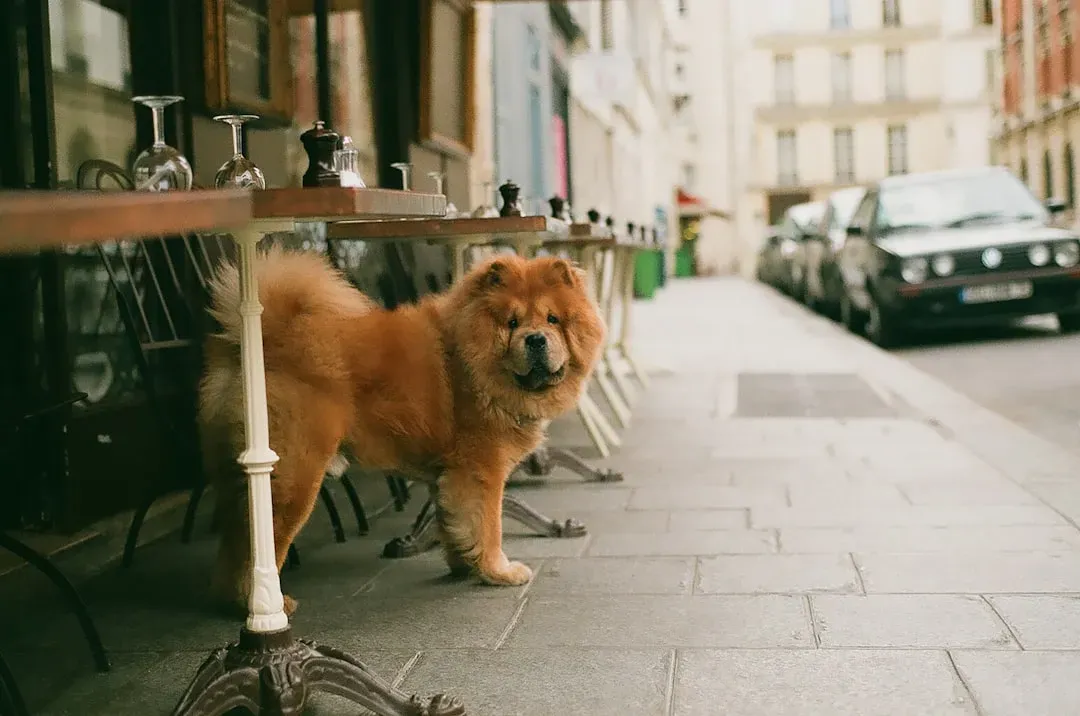
Now for the other side of the spectrum: the dogs that don’t really clock your tears as a call to action. Chow Chows are famously aloof and independent, often described as more cat-like in their behavior. They tend to bond strongly with one or two people, but even then, they are not naturally demonstrative or clingy. When you’re sad, a Chow may glance over, register that something is different, and then go right back to their nap.
This does not mean they do not care in their own way; it simply means that overt emotional caretaking is not in their wiring. Bred as guard and working dogs in cold, harsh environments, their survival did not depend on decoding human sadness. If you want a dog that gives you space, remains calm regardless of your emotional storms, and does not feel responsible for your feelings, a Chow Chow may be oddly perfect – even if they have absolutely no idea why you’re crying into your pillow.
Basenji: The Independent Thinker in Their Own World
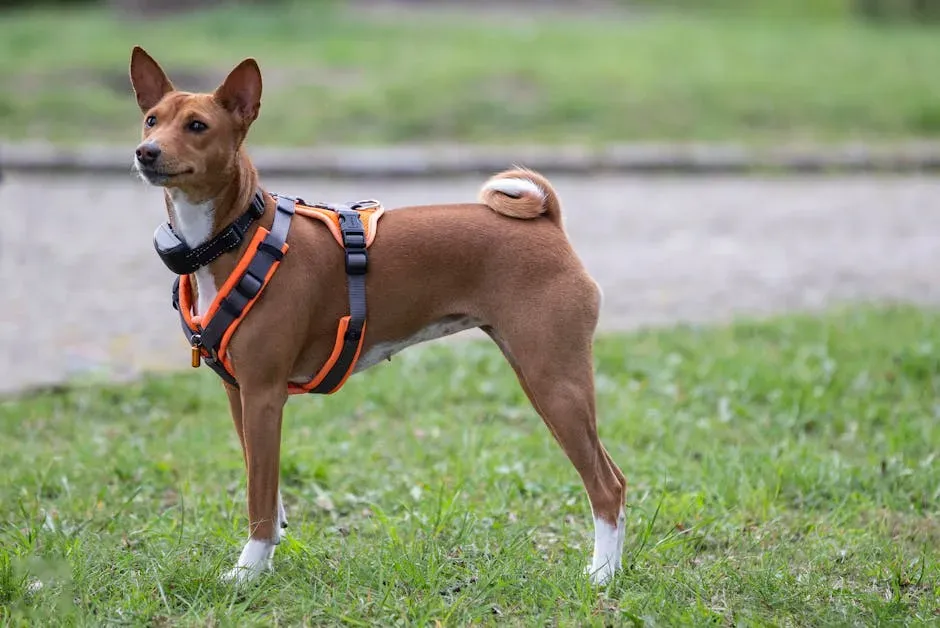
Basenjis are often called barkless dogs, but a more accurate description might be self-contained dogs. They’re intelligent, curious, and highly observant, but they lean heavily toward independence and self-interest. When you’re sad, many Basenjis will briefly register the change in routine and then go back to whatever puzzle or exploration they were focused on, as if your emotional state is interesting data but not particularly relevant to their plans.
Part of this comes from their background as hunting dogs that needed to think for themselves rather than constantly checking in with a human. They’re tuned to the environment more than to your inner world. If you picture your worst day, a Basenji is more likely to be looking out the window, plotting their next adventure, than crawling into your lap. For some owners, that emotional distance is refreshing; for others, it can feel like living with a charming but emotionally oblivious roommate.
Afghan Hound: The Elegant Space-Taker, Not a Space-Holder
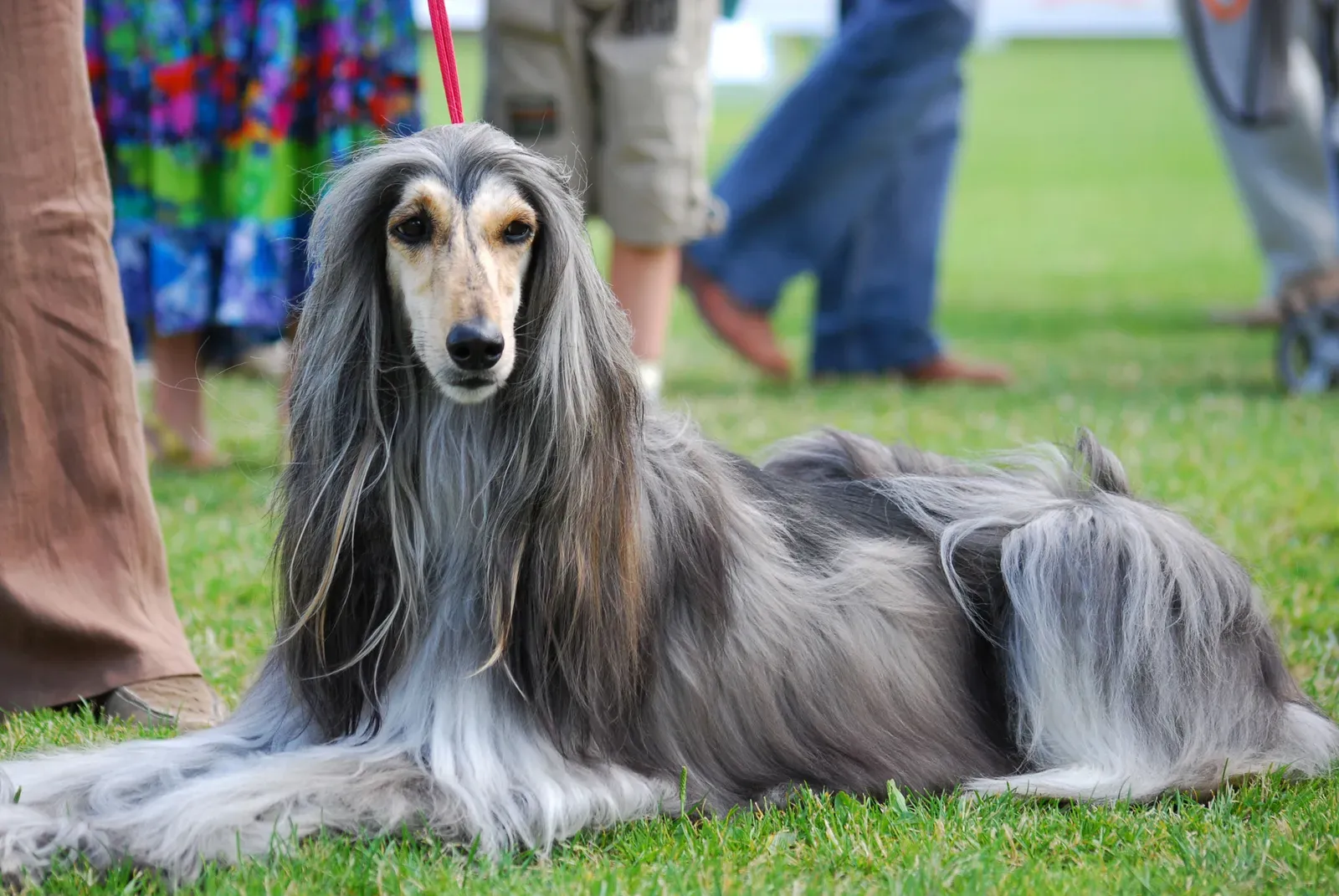
Afghan Hounds are stunning, graceful, and famously aloof. They were bred to work at a distance from humans in harsh, mountainous regions, which naturally selected for strong independence. When their person is sad, many Afghans will maintain their usual regal detachment, perhaps lying nearby but not altering their behavior dramatically or moving in to comfort.
Living with an Afghan can feel like sharing a home with a very beautiful artist who has their own inner world. They may enjoy your company and even seek affection on their terms, but they do not typically study your mood for micro-changes or adapt themselves like a therapy dog. If you cry, an Afghan might glance over with mild curiosity and then resume their elegant lounging, completely unbothered by the emotional weather in your head.
French Bulldog: Cheerful Companion, Selective Empath
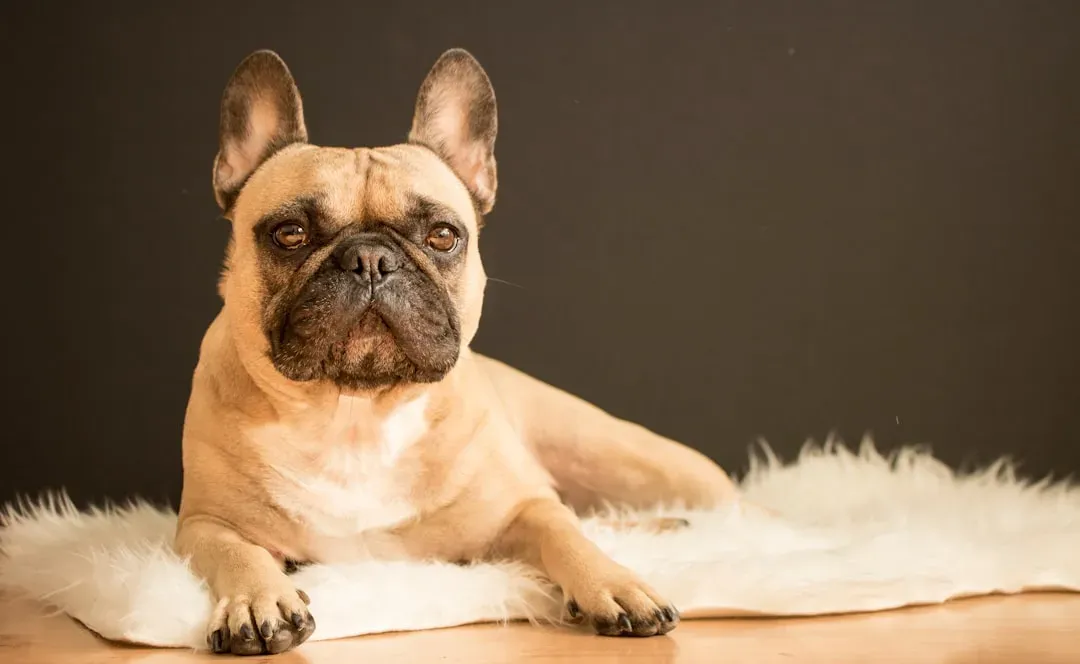
French Bulldogs are wildly popular, charming, and often very attached to their people – but they are not consistently tuned into negative emotions in the same way as, say, a Golden or a Shepherd. Many Frenchies seem hardwired for fun and comfort, and when you’re sad, they might respond in ways that feel unintentionally clueless: snorting, demanding play, or insisting on being petted as if nothing is wrong. They notice attention changes more than emotional nuances.
To be fair, some individual Frenchies do show comforting behaviors, but as a breed, they tend to focus more on their own needs and routines than on decoding sadness. If your tears mean you are sitting still and available as a warm spot on the couch, they are all in; if it means the walk is late, they might pout without any sense of why. If you want a dog that keeps things light and rarely gets dragged into your emotional storms, a French Bulldog’s oblivious optimism can be both infuriating and oddly healing.
Conclusion: Dogs Feel Us – But Not All in the Same Way
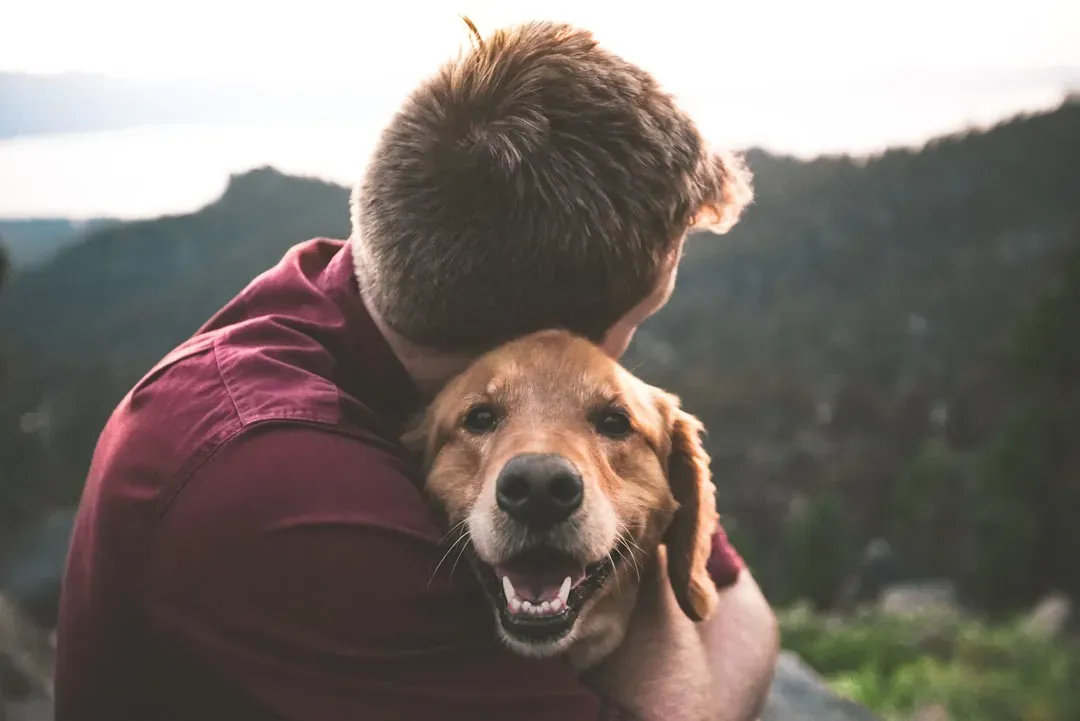
When you zoom out and look at all these breeds side by side, a pattern emerges: dogs absolutely respond to our emotions, but each breed filters that through its original purpose and temperament. The deeply people-focused breeds – retrievers, herders, lap dogs, and many mixed rescues – tend to act like emotional magnets, pulling in closer when we’re hurting. The more independent or aloof breeds notice us too, but they are not wired to step into a caregiving role, and expecting them to do so is more about our fantasy than their nature.
My personal take is that no dog “fails” the empathy test; they just express their connection to us in different ways. Some will press their hearts right up against your sadness, others will quietly exist beside you, and a few will offer distraction rather than comfort, which can sometimes be exactly what you need. The real magic is that, whether they sense your tears like a storm siren or breeze past them like background noise, dogs still pull us out of our own heads and back into the present. In a world that often feels overwhelming, what kind of emotional companion would you have guessed you needed – a soft shadow, a calm guardian, or a blissfully clueless chaos gremlin?


