
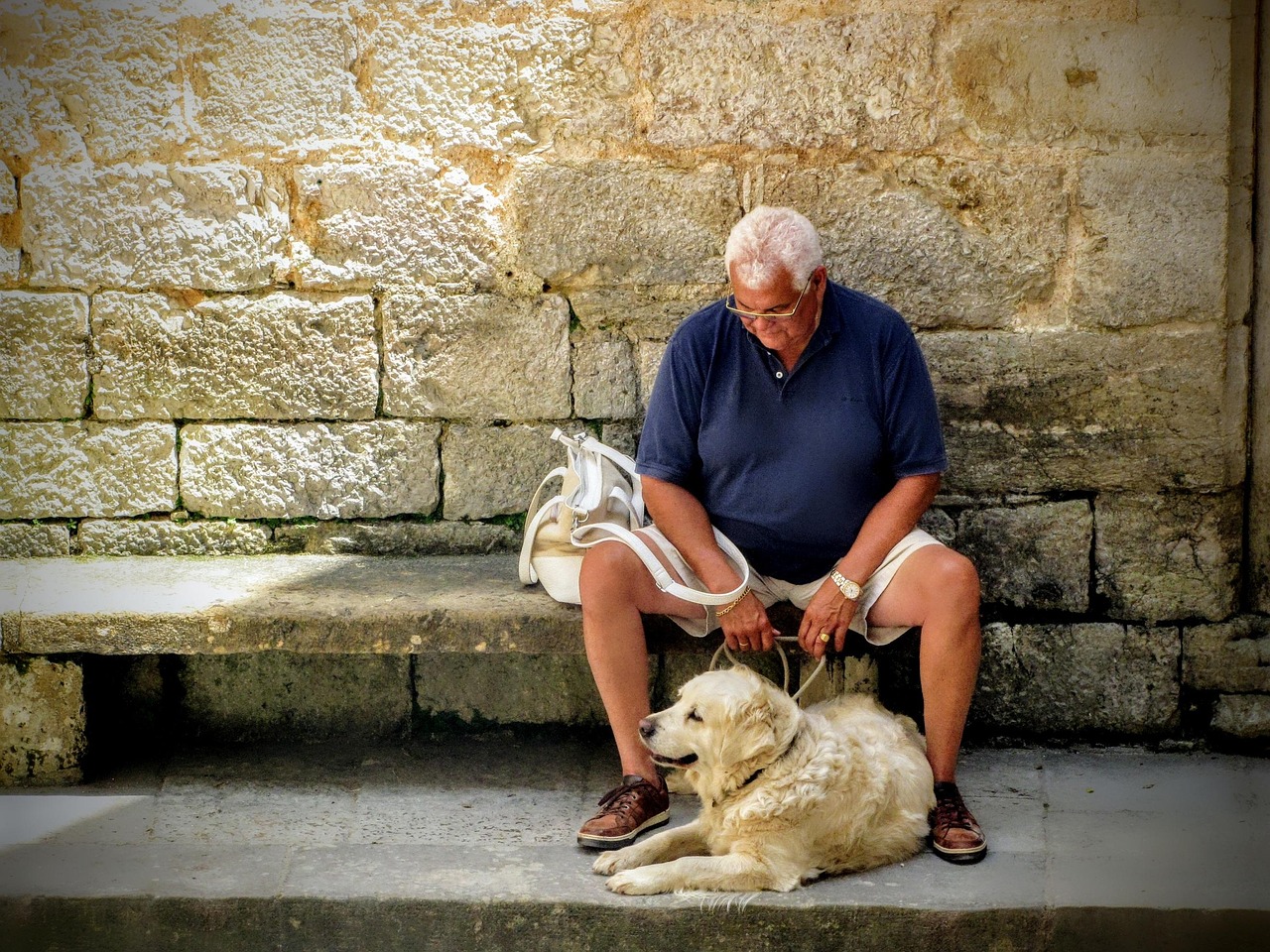
You watch your old dog shuffle instead of sprint, nap instead of play, and squint at you instead of leaping into your arms – and a quiet fear creeps in. Did something break? Did the bond fade along with the eyesight and the energy? Most owners assume yes. Most owners are wrong.
Animal behaviorists say the opposite is usually true: senior dogs often feel more deeply bonded than at any other point in their lives. The love didn’t disappear – it just got quieter, and most people never learn how to read the new language. Below are 13 signs, straight from how vets and behavior experts actually interpret senior dog behavior, that prove your old friend is still all in.
#1 – It Seeks You Out, Even If It Doesn’t Jump Up Anymore
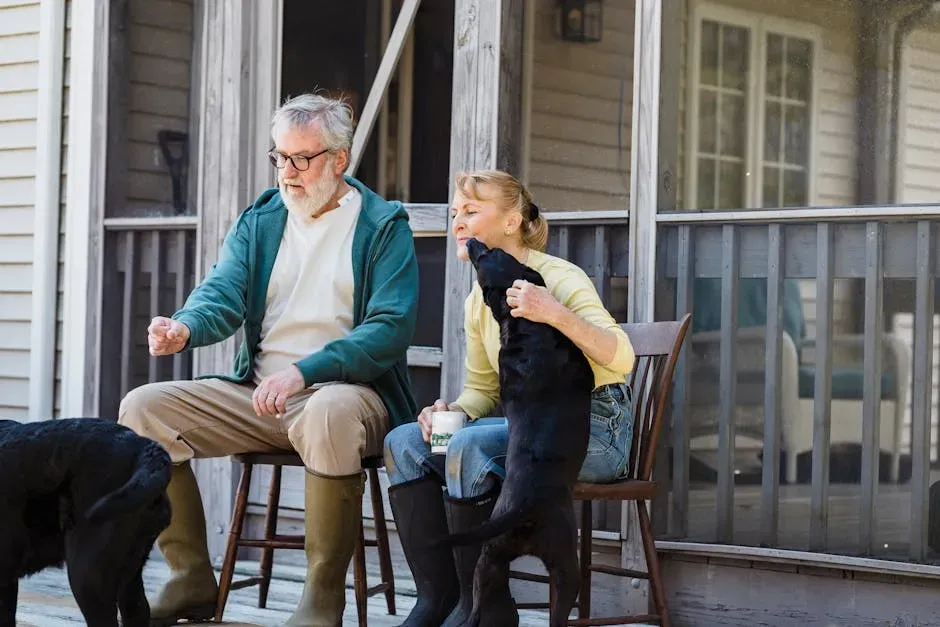
If your senior dog still chooses to be in the same room as you, that’s a giant green flag. The wild enthusiasm may be gone, but choosing your presence over a quiet room alone is a clear attachment signal. Older dogs often swap zoomies for what behaviorists jokingly call “shadow mode” – slowly following you from room to room, lying down nearby, or watching you from its bed without ever needing to move.
Instead of greeting you at the door with full-body wiggles, it might just get up slowly, wag its tail once, and shuffle over. That’s not less love – it’s a dog budgeting limited energy around stiff joints and tired muscles. Spending that energy to close the distance to you is, quietly, the loudest “I love you” a senior dog has left to give.
#2 – The Tail Still Gives You That Special Wag
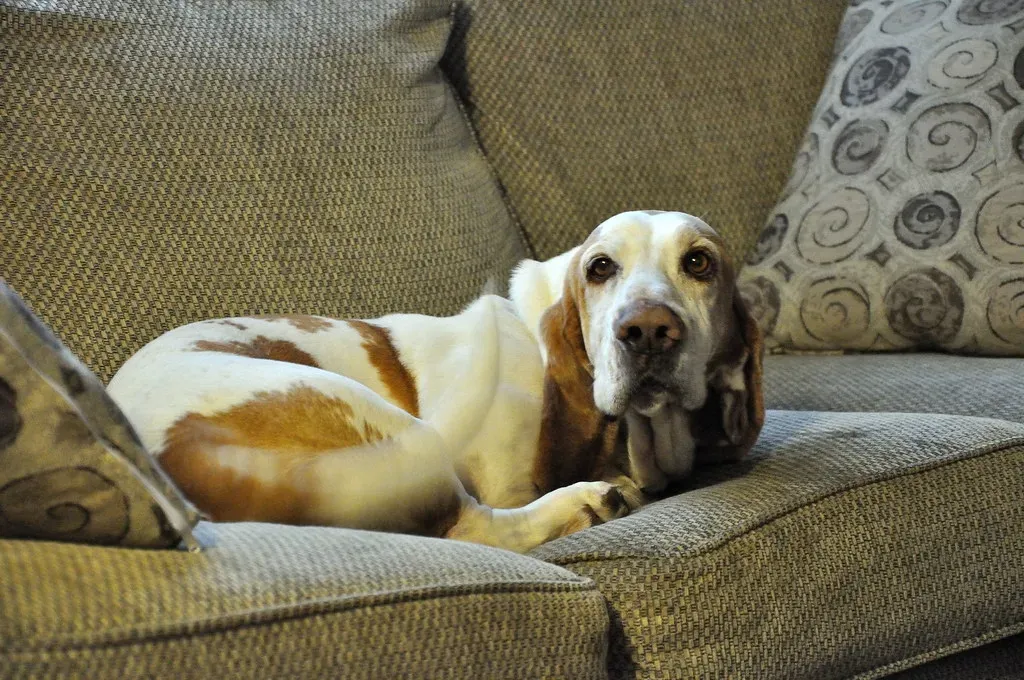
Most people expect big, dramatic tail action forever, and panic a little when it softens. The truth is that in seniors, the type of wag matters far more than the intensity. A slow, side-to-side “soft wag” that appears the moment you talk to them, look at them, or say their name is a powerful sign of comfort and emotional safety.
Watch for when the wag shows up – when you enter the room, or when you reach for their leash, meds, or food bowl. If your dog’s tail starts moving the second you interact, that’s emotional recognition, not autopilot. Many experts argue the calm, relaxed wag of an older dog is actually more meaningful than the frenzied helicopter spin of a puppy. It isn’t just excitement anymore. It’s trust that’s had years to settle in.
#3 – It Chooses To Rest Where Your Scent Is Strongest
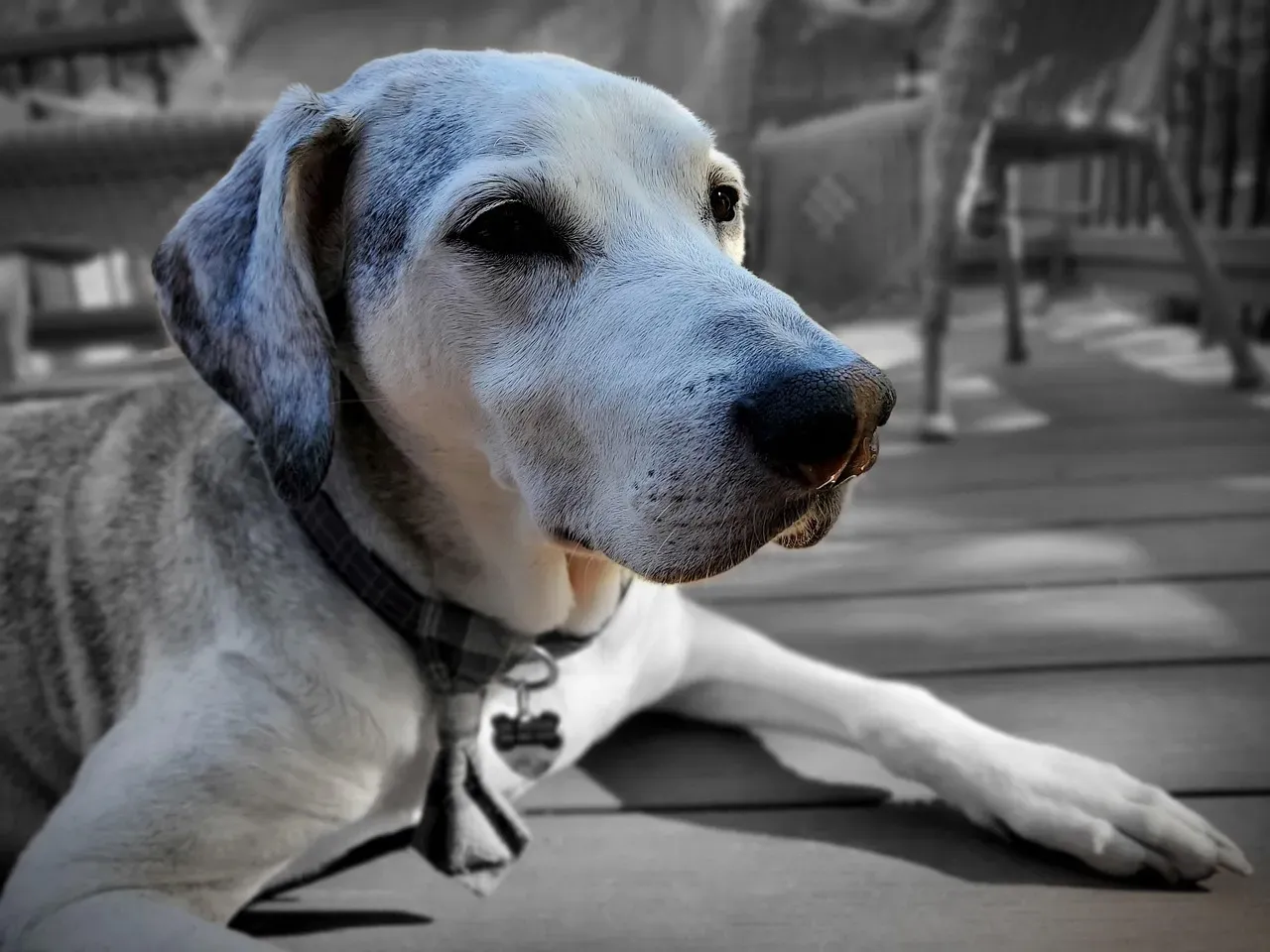
Some owners think if their dog isn’t constantly on their lap, it’s pulling away. In reality, seniors often prioritize comfort and temperature control over direct contact – but they still drift toward your smell like it’s gravity. Curling up on your side of the bed, on your worn sweatshirt, or in your exact spot on the couch are subtle but serious love signals.
Dogs rely on scent to feel safe, and your smell is basically their emotional security blanket. Older dogs with fading vision or hearing lean on it even harder, so nesting in your sheets or napping on your shoes is their version of surrounding themselves with “you.” If your dog keeps relocating to wherever your scent is strongest, it isn’t avoiding you – it’s quietly building itself a little bubble made entirely of you.
Fast Facts
- Experts estimate a dog’s nose is 10,000 to 100,000 times more sensitive than a human’s.
- Dogs carry up to 300 million scent receptors, compared to roughly 5 to 6 million in people.
- In a dog’s brain, scent is closely linked to memory, which is why your smell can trigger instant comfort.
- Like sight and hearing, a dog’s sense of smell naturally softens with age, which is exactly why the scents they can still pick up – especially yours – matter so much more.
#4 – It Adjusts Its Whole Routine Around Yours
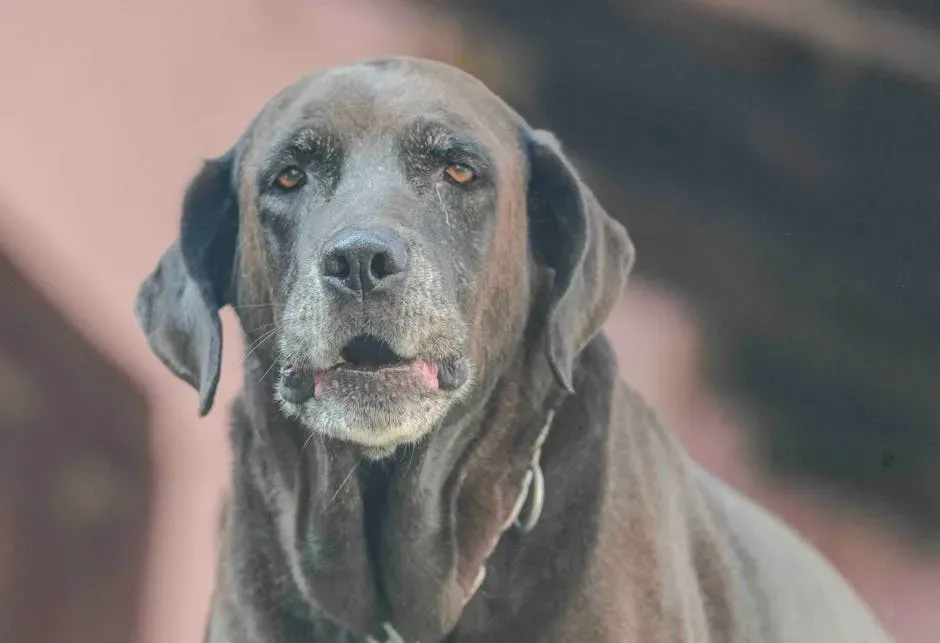
Most people underestimate how closely dogs track our daily patterns. When a senior dog keeps syncing its life to yours, it’s a quiet but powerful sign it still feels deeply connected. Maybe it waits to eat until you’re in the kitchen, insists on going out when you brush your teeth at night, or wanders over every single time you grab the remote.
Old dogs don’t waste effort on things that don’t matter. If yours still gets up when you move rooms, waits by the hallway or bathroom door, or only heads to bed once you do, that’s not just habit – it’s attachment. Behaviorists note that aging dogs often become slightly clingier, not less bonded, especially once you’ve spent years being their definition of safety. This gentle orbit around your schedule is their way of saying, “You’re still my home base.”
#5 – It Accepts Care It Never Needed When It Was Young
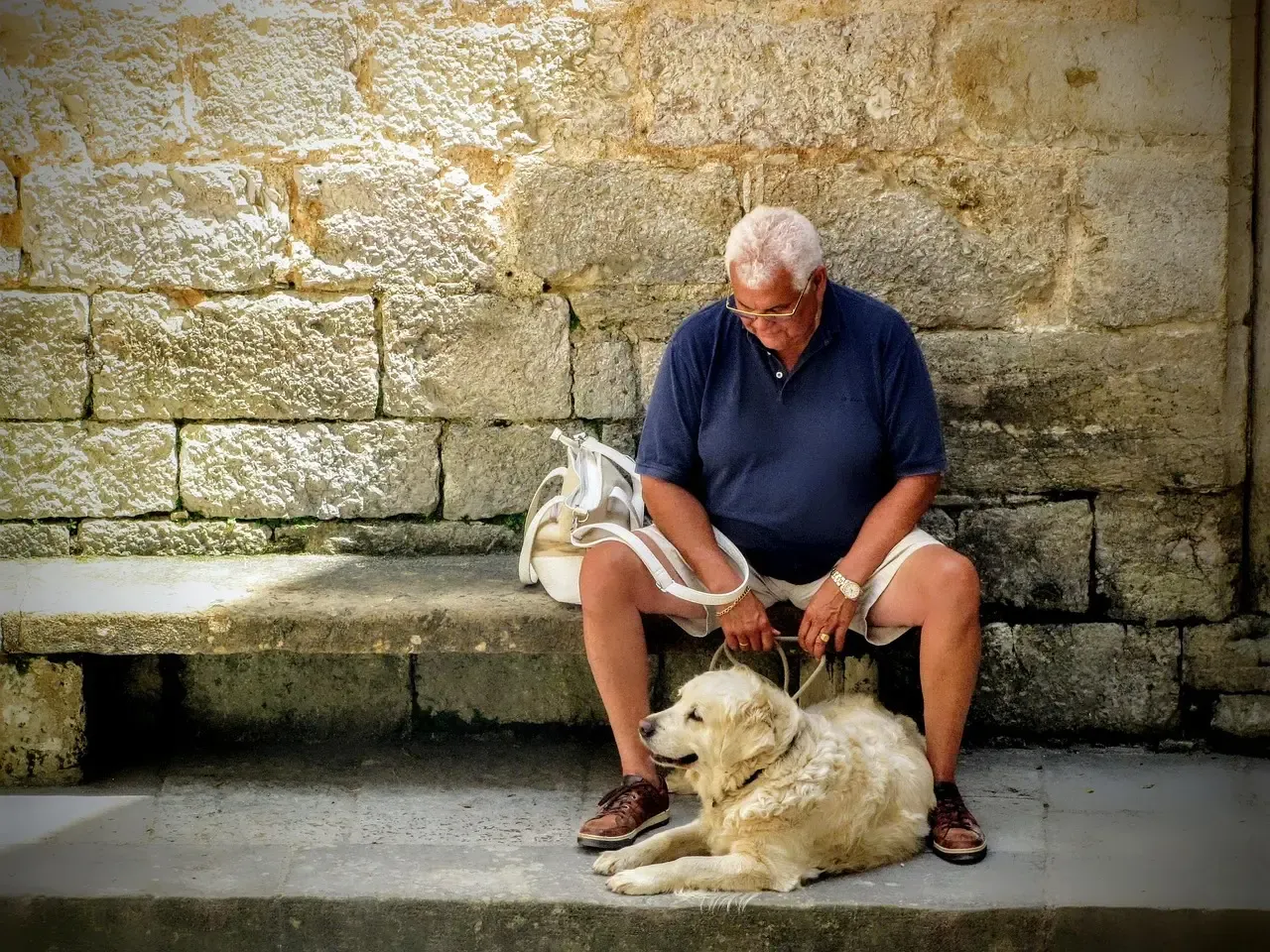
Here’s the controversial one: some owners feel guilty wiping eyes, giving meds, or helping with stairs, as if the care itself is annoying to the dog. In reality, willingly accepting your help is one of the clearest signs your senior trusts and feels loved by you. Dogs that don’t feel safe resist handling the moment they’re made vulnerable.
Pay attention during nail trims, ear cleaning, or being lifted into the car or onto the couch. If your dog leans into you, stays relaxed, or even sighs while you help, that’s not tolerance – that’s reliance. It might grumble at a pill once in a while, sure, but repeatedly letting you handle sore spots or guide fragile steps is a massive vote of confidence. It knows you’re not just the fun person. You’re the safe one.
#6 – It Still Lights Up In Tiny Ways When You Come Home
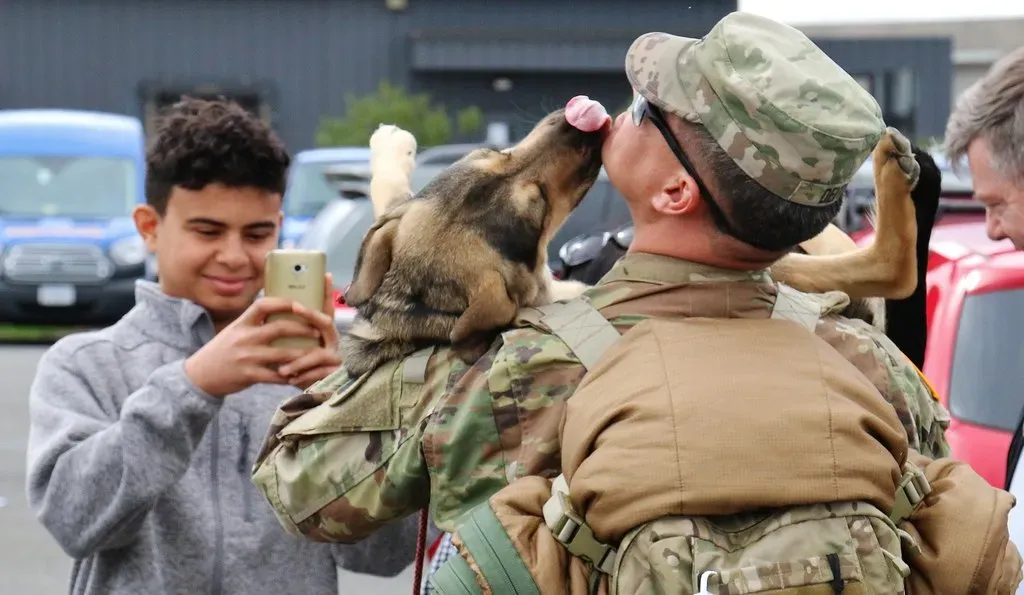
You might not get puppy-level chaos at the door anymore, and that scares a lot of people. But experts say the tiny reactions are what actually matter in older dogs. Watch closely when you walk in – do the ears perk? Does the head lift off the bed? Do the eyes brighten, even if the body stays put?
Senior dogs often celebrate your return with a small tail thump against the floor, a soft vocal huff or gentle whine, or a slow, deliberate walk over for a sniff or head bump. Those are love markers, not weakness. Physical limitations mute the celebration, but emotionally the attachment hasn’t dimmed at all. Most guardians misread “I’m too stiff to jump” as “I’m not that excited,” when really your dog is just trading theatrics for comfort.
At A Glance: The Homecoming Cues Most Owners Miss
- Ears perking up the second the door opens
- A slow head lift off the bed to track your arrival
- One or two solid tail thumps against the floor
- A soft huff, whine, or gentle vocal greeting instead of a bark
#7 – It Leans On You Harder During Stressful Moments
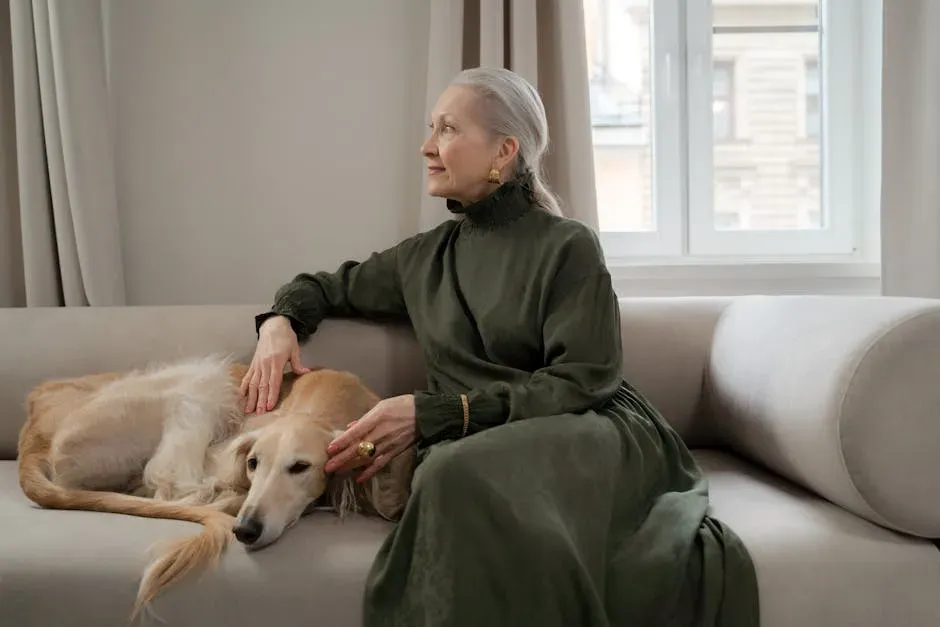
Here’s a hard truth: if your dog didn’t feel loved, it would avoid you when it’s scared or uncomfortable. Instead, many senior dogs become more dependent on their person as their world shrinks. Thunderstorm? It comes to your side. Vet visit? It presses against your leg. New visitor? It checks in with you before deciding how to react.
As sight and hearing fade, older dogs use their humans as an emotional anchor. If your dog moves closer when confused or disoriented, or seeks your lap or hand the moment pain flares up, it’s sending you the clearest message it has: “You are my safe place.” That instinct isn’t random – it’s built over years of consistent care. A dog that didn’t feel loved would hide. Yours clings instead.
#8 – It Still Tries, In Its Own Slower Way, To Keep Your Old Rituals Alive
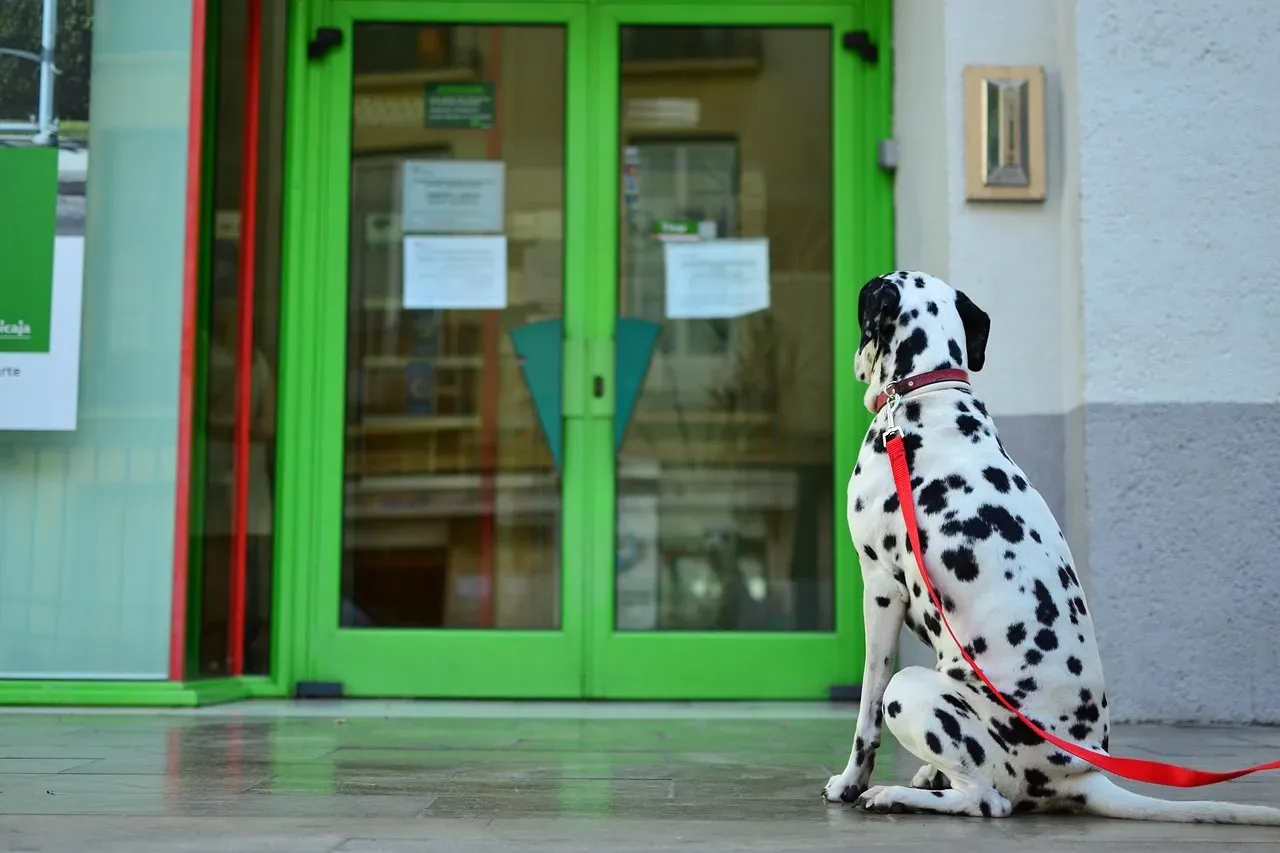
This is the one that hits most people in the gut. Maybe your dog used to sprint for the ball and now just trots over and watches you throw it once. Maybe it used to leap into the car and now stands by the door, patiently waiting for a boost. That attempt, however small, to keep up your old routines is a sign of deep emotional investment.
Look for effort instead of performance: bringing you a toy but not playing for long, walking to the door the second it hears the leash even if the walk will be short, or struggling up onto the couch because that’s always been “your spot” together. Your dog isn’t doing this out of obligation. It’s trying to stay connected to the things that have always meant “us.” The body can’t match the old enthusiasm, but the desire to still share the moment says everything.
#9 – It Gives You Softer, Longer Eye Contact Than Ever Before
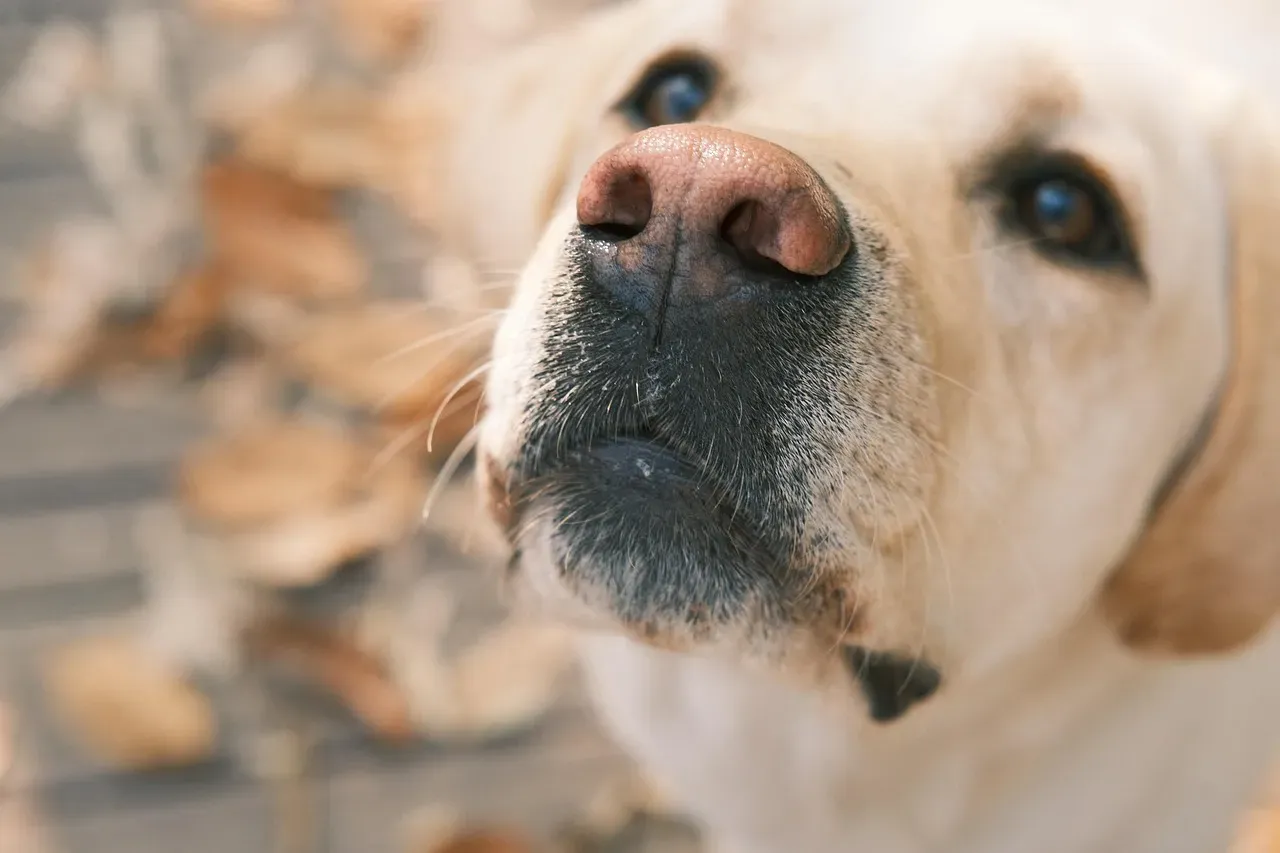
Most people obsess over tricks and obedience, but behaviorists pay attention to something else entirely: the gaze. Soft, relaxed eye contact – especially in a senior dog – is a textbook sign of affection and trust. You might notice your dog quietly watching you from its bed, blinking slowly, or holding brief, gentle eye contact when you talk to it.
This isn’t a stare-down. It’s eyes slightly squinty or relaxed, slow blinks instead of hard wide stares, and a calm turn away instead of snapping to alert. That kind of gaze actually triggers oxytocin, the so-called bonding hormone, in both dogs and humans. Seniors often drop the frantic, hypervigilant scanning of their younger years and replace it with quiet watching. If your old dog seems to just take you in from across the room, that’s not boredom. That’s attachment, distilled.
“Our data suggest that owner-dog bonding is comparable to human parent-infant bonding, that is, oxytocin-mediated eye-gaze bonding.”
Takefumi Kikusui, animal behaviorist, Azabu University
#10 – It Still Listens For Your Voice Above Everything Else
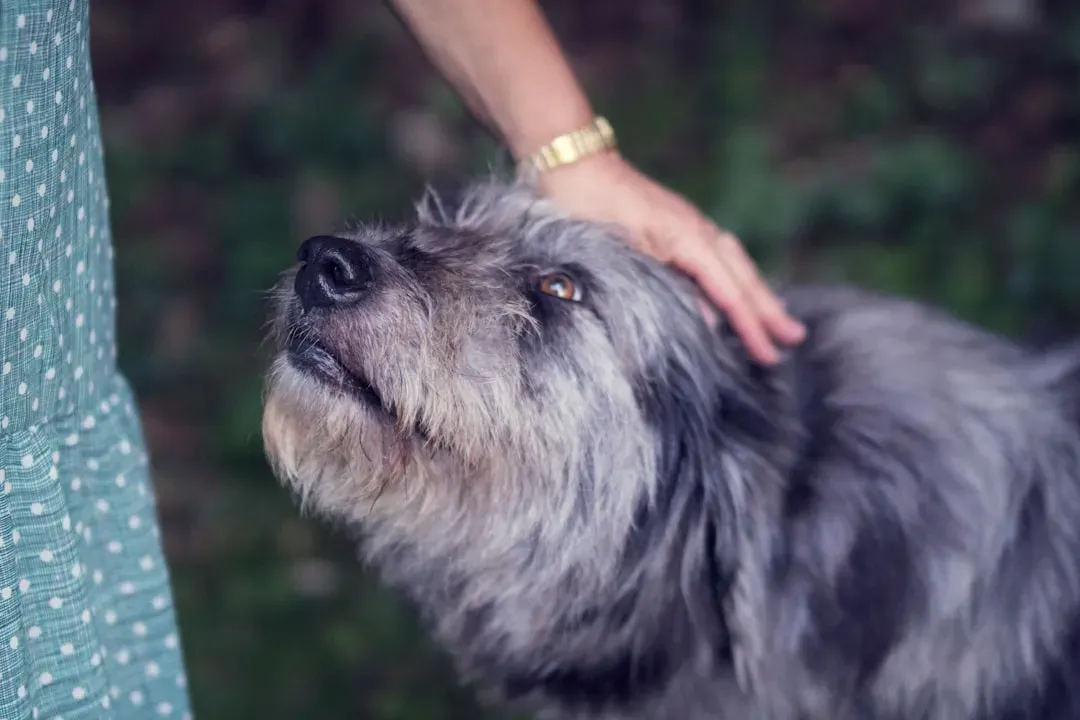
As dogs age, their hearing often dulls, but the emotional pull of your voice usually doesn’t fade at all. If your senior dog still orients to your voice, even inconsistently, it’s a huge sign your presence still matters more than anything else in the room. Maybe it no longer hears the doorbell but still lifts its head when you say its name, laugh, or slip into that ridiculous “dog voice” you’d never admit to using in public.
You might notice it settles faster when you speak calmly, follows verbal cues better than hand signals (or vice versa, depending on which sense is stronger), or looks around for you the moment it hears you in another room. Older dogs often need louder, clearer cues, but the fact that they still care enough to respond at all shows the connection is holding strong. It isn’t obedience for its own sake. It’s relationship.
#11 – It Sleeps Deeply, Completely, Right Next To You
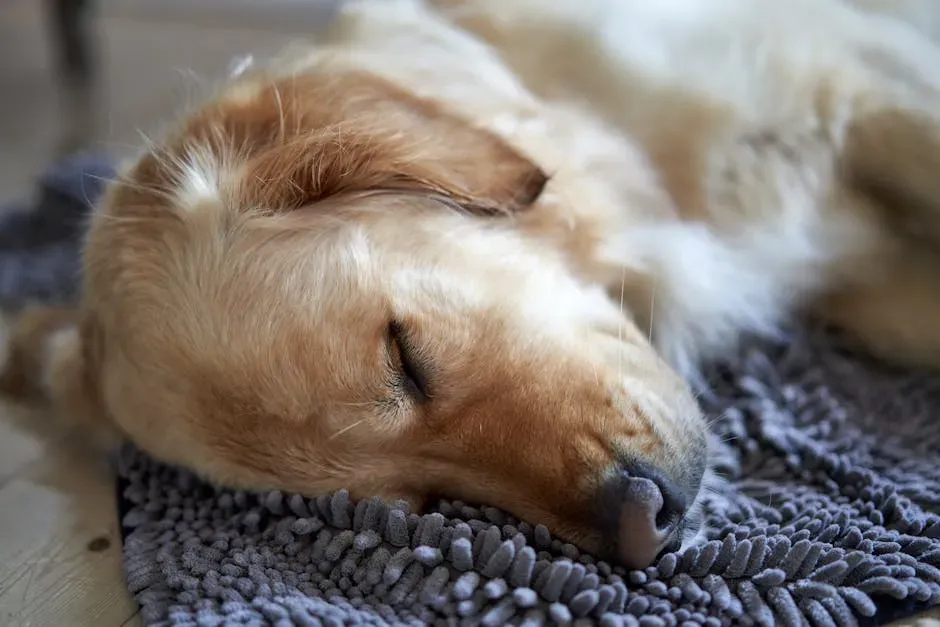
Some people misread more sleep as emotional withdrawal. In reality, deep, relaxed sleep in your presence is one of the most honest “I feel safe and loved” signals any dog can give. Predators don’t sleep deeply around things they don’t trust, so a senior dog fully switching off next to you is an enormous compliment.
Look at the details: a loose body instead of a tight, curled ball, an exposed belly or side that leaves it more vulnerable, gentle twitching or dreaming without jolting awake every time you shift. Older dogs naturally need more rest, but where and how they sleep still matters. If your dog conks out beside your bed, against your leg on the couch, or under your desk at the office, it’s basically saying, “I can finally relax, because you’re here.” That’s not detachment. That’s complete emotional safety.
#12 – It Forgives The Unfun Stuff Without Ever Pulling Away
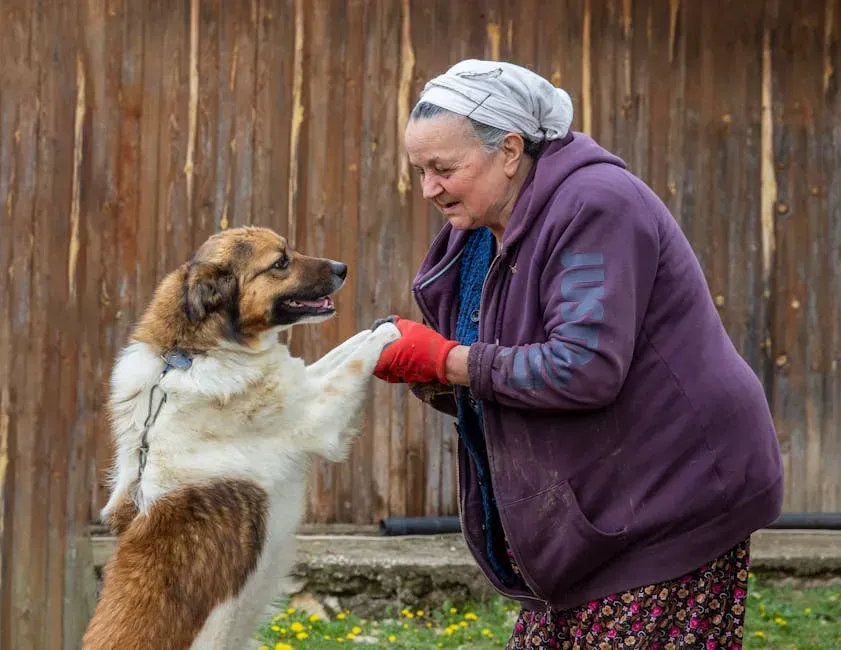
Here’s an uncomfortable truth: loving a senior dog often means doing things it hates – baths, vet visits, injections, uncomfortable grooming sessions. If, after all of that, your dog still chooses to come back to you, lean on you, or sleep near you, that’s bulletproof proof it feels loved. Dogs that feel unsafe or unloved avoid the source of stress long-term, and seniors especially won’t waste energy on people they don’t trust.
So if your dog comes back for a cuddle after you give meds, nudges your hand after a vet appointment, or stays close instead of hiding when you pull out the ear cleaner, it’s telling you something simple and enormous: your overall standing with them is sky-high. You’ve banked enough love over the years that a few rough moments don’t come close to erasing it.
Quick Compare: Trust Vs. Distrust After A Rough Moment
- Trust: Leans into your hands, sighs during a nail trim, presses into you for comfort afterward
- Distrust: Stiffens, pulls away, avoids eye contact, tries to bolt
- Trust: Returns to your side minutes after a bath or injection
- Distrust: Hides, avoids the room, or won’t settle for hours afterward
#13 – It Calmly Accepts Your Aging Right Back
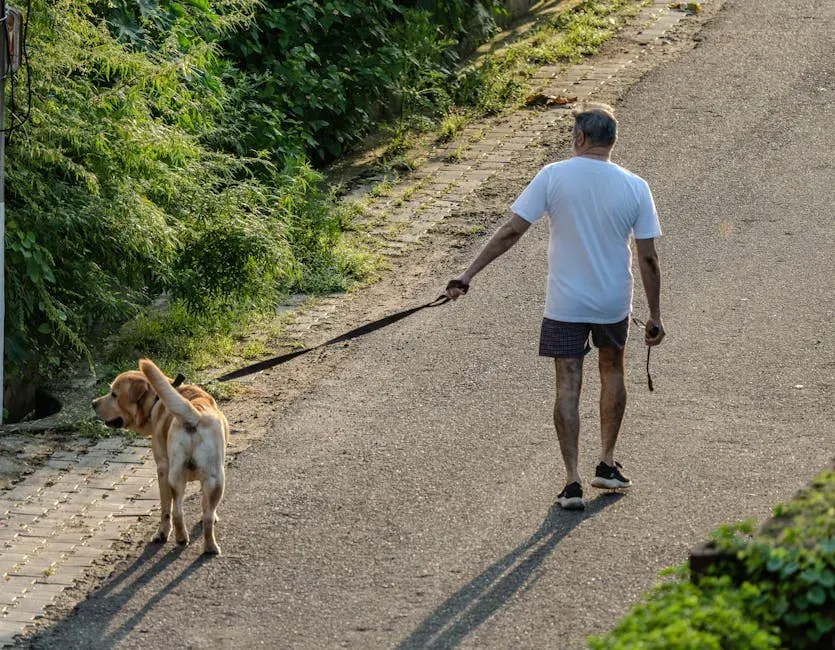
Here’s the one almost nobody talks about, and it might be the most important sign on this entire list. If your senior dog has adjusted to your slower pace, your changed work schedule, a new baby, or your own health issues, and still chooses you anyway, that’s the ultimate confirmation it feels loved. Dogs are stunningly sensitive to our stress, pain, and mood, and old dogs in particular become masters at quietly adapting to us.
Maybe you can’t walk as far anymore, and your dog seems perfectly content with the shorter loop. Maybe you work different hours, and it naturally shifts its nap and mealtime rhythm to match. Maybe you’re more tired or distracted than you used to be, and it still wags, still follows, still settles the second you finally sit down. Your dog riding out your life changes, not just the other way around, is a love story running in both directions. The real question was never just whether your senior dog still feels loved. It’s whether the two of you can keep adapting to each other. If the answer is yes, it already does.
The Bottom Line
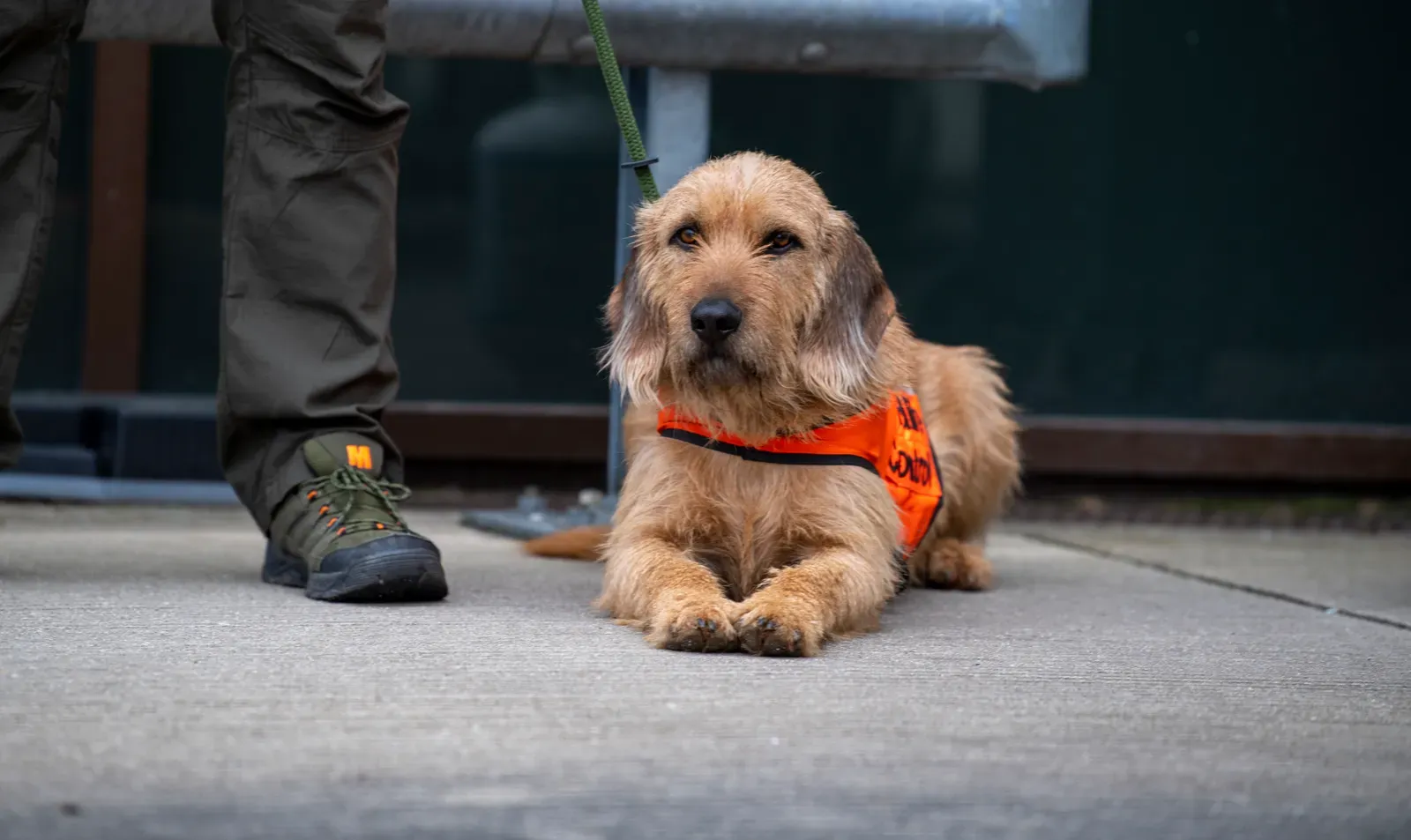
Most people assume love between humans and dogs fades as bodies slow down and routines shrink. The evidence says the exact opposite. Senior dogs often show the deepest, most trusting version of love they’re capable of – it’s just quieter, slower, and far easier to miss if you’re only watching for puppy-level fireworks.
Choosing your scent, syncing to your routine, sleeping deeply by your side, leaning on you when the world gets scary – these aren’t small behaviors. They’re the clearest proof your dog still sees you as safety, comfort, and home. Some people will insist real love only looks like big, bouncy greetings and long hikes. They’re wrong. The love of an old dog lives in the tiny, deliberate choices it keeps making to stay near you, rely on you, and forgive you your imperfections, every single day it has left.
Did we miss one of your senior dog’s secret love signals? Drop it in the comments.


