
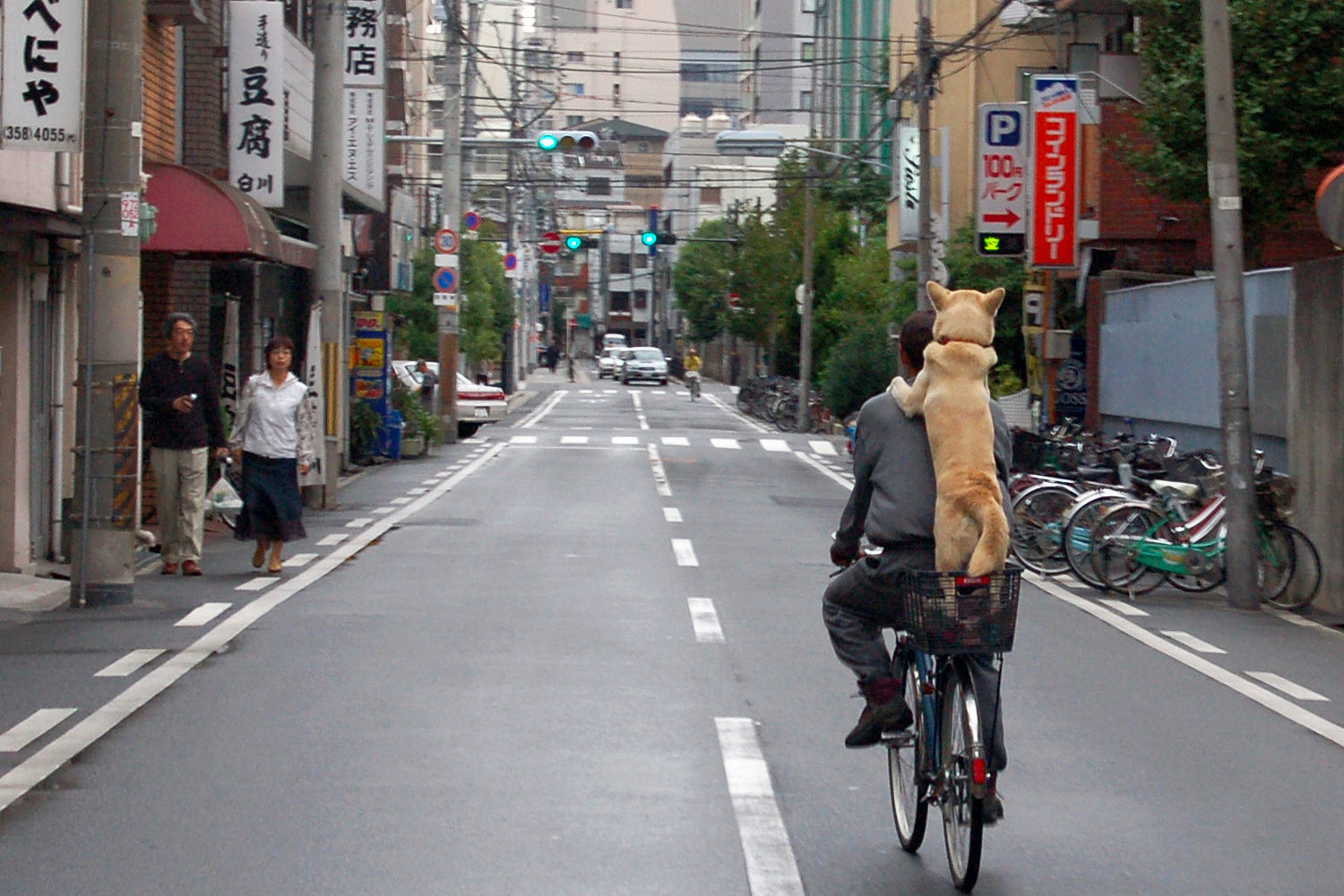
Most people assume the ultimate proof of a dog’s love is the frantic door greeting – the spin, the whine, the full-body slam into your legs. But that’s actually the least interesting part of the bond. It’s loud, sure, but it’s also automatic. It happens whether your dog feels truly “gotten” by you or not.
The real proof shows up in the moments nobody films: a glance before they chase the squirrel, the exact spot they choose to nap, how fast their body relaxes when you talk to them. Dogs read our tone, posture, and routines with unsettling accuracy – often better than we read theirs. Once you start noticing these small signals, you realize your dog isn’t just attached to you. They feel decoded by you. Here are the 14 moments that prove it.
#14 – They Check Your Face Before They Act
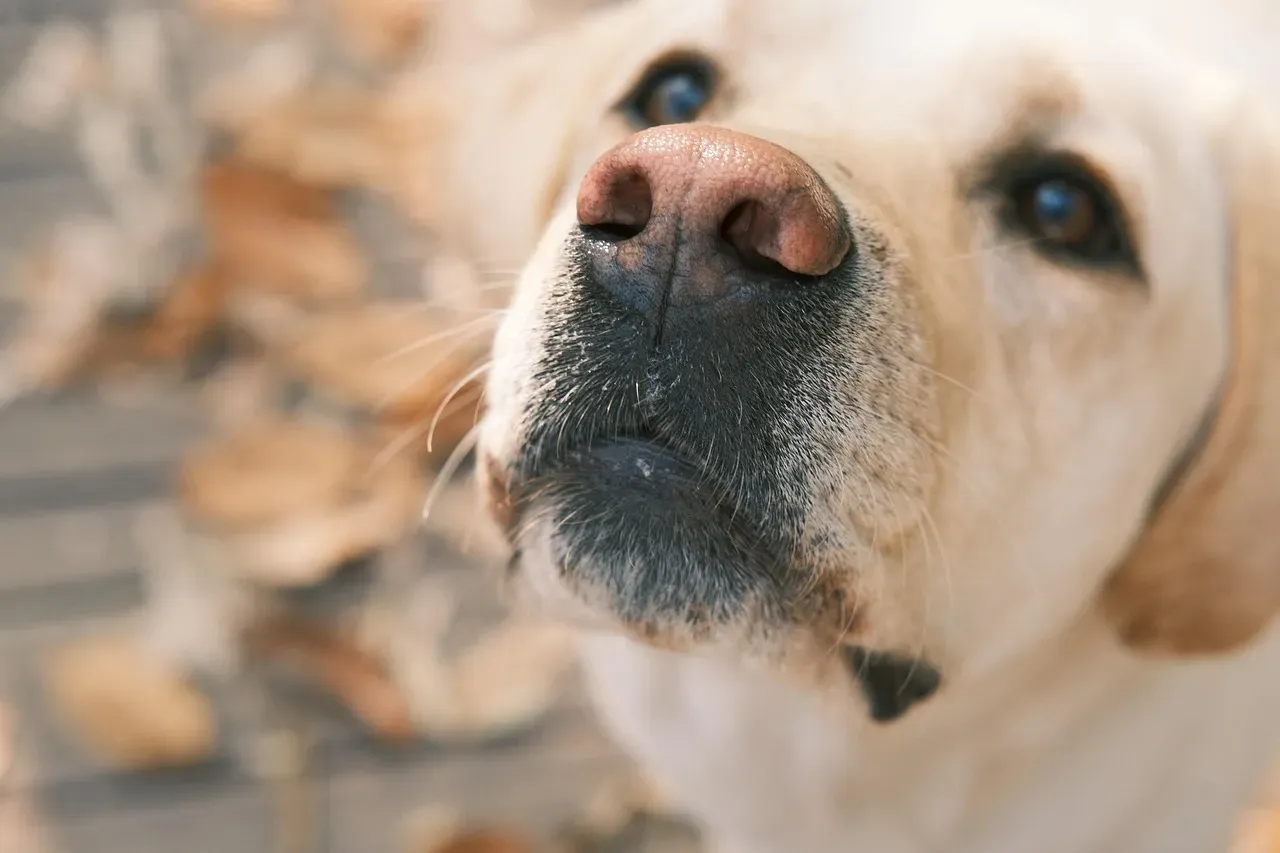
Your dog pausing to “ask permission” with their eyes isn’t just good manners – it’s trust in action. When a dog glances at your face before bolting after a squirrel or grabbing food off the counter, they aren’t confused about what to do. They’ve learned that you’re the reference point for what’s safe, allowed, or worth worrying about.
This is called social referencing, and it’s the same thing human toddlers do with a parent before touching something new. A dog who feels understood doesn’t just react to the world around them – they loop you into the decision first. That split-second eye contact is basically your dog asking, “You get how I feel about this, right?”
- Before they meet a new dog or person
- When they hear a strange noise in the house
#13 – They Relax Faster When You Speak Calmly
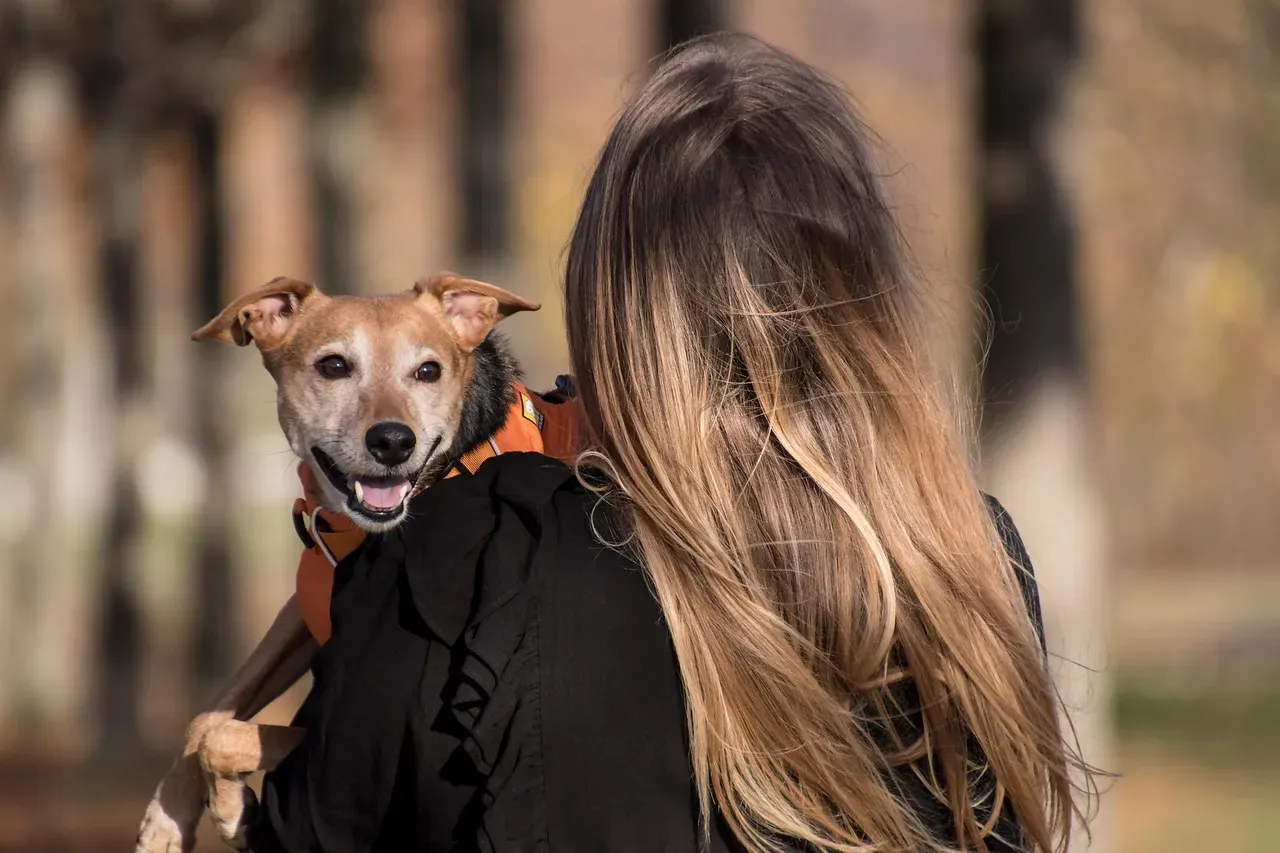
Most people assume talking to their dog is just for their own benefit, but your voice can physically change your dog’s nervous system. Watch what happens after something startling – a thunderclap, a dropped pan, a stranger knocking. If your dog looks to you, hears your voice, and their body actually softens, that’s not a coincidence.
Ears loosen. Blinking increases. Breathing slows. Maybe a sigh slips out. Your dog isn’t calming down randomly – they’re syncing to your emotional signal, like it’s a weather report they trust. A dog who doesn’t feel understood usually stays keyed up no matter what you say. One who melts at the sound of your voice believes you read their fear correctly.
- They settle faster when you’re calm than when someone else tries
- Certain phrases (“you’re okay,” “all done”) work like an off switch
#12 – They Choose Your Scent Over Everything Else

This one’s less romantic and more biological: your smell is your dog’s emotional anchor. In scent studies, dogs have been shown to respond to their person’s smell differently than to anyone else’s – even when that person isn’t in the room. Scent is memory, and for a dog, your scent is proof you exist even when you’re not physically there.
Notice where your dog goes when you’re gone. If they curl up on your side of the bed, burrow into your dirty laundry, or claim your spot on the couch the moment you stand up, that’s not random wandering. It’s emotional regulation. Your scent reliably predicts comfort and safety, so your dog uses it as a stand-in for you.
- They raid the laundry pile only for your clothes
- They move to your exact spot the second you leave it
Fast Facts
- Dogs have up to 300 million scent receptors, compared to roughly 6 million in humans
- The brain region devoted to analyzing smell is estimated to be dozens of times larger in dogs than in people, relative to overall brain size
- Researchers estimate a dog’s sense of smell is tens of thousands of times more sensitive than a human’s
#11 – They Match Your Energy Without Being Asked
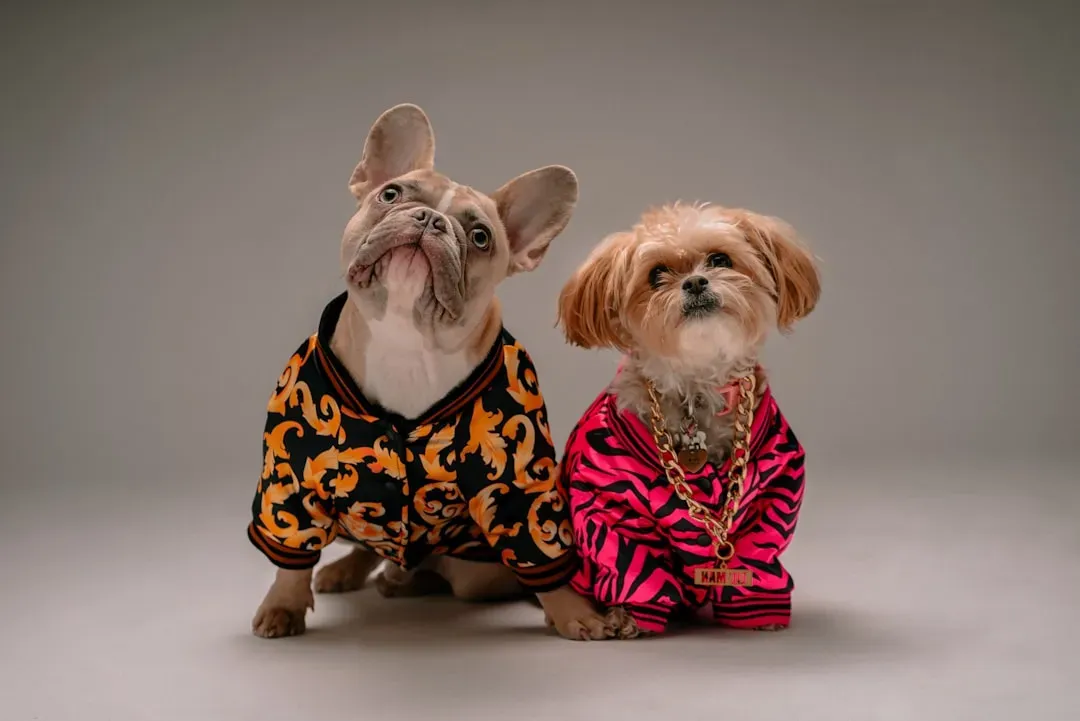
Everyone brags about how “hyper” or “chill” their dog is. The real flex is a dog who can be both, depending entirely on you. If your dog zooms around the yard with you but instantly shifts into quiet cuddle mode the moment you sink into the couch, that’s emotional fluency, not obedience.
They’ve studied your body language closely enough to regulate their own energy to match your state. A dog who feels seen doesn’t need constant verbal cues to know what’s happening – they just read the room, the same way a close friend would.
- Wild play outside, then calm behavior the second you sit down to work
- Grabbing a toy when you’re playful, but simply lying near you when you’re tired
#10 – They Use You as a Safe Base in New Places
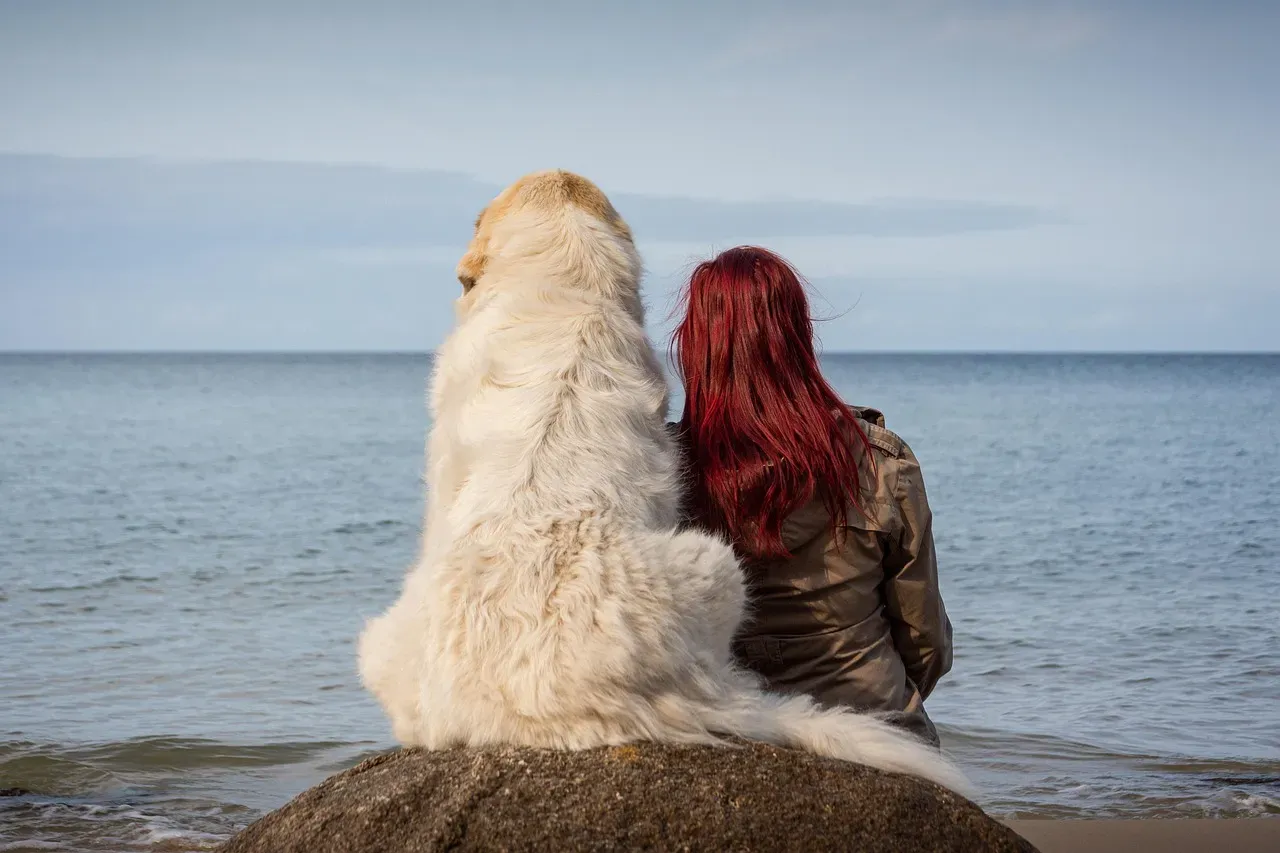
A lot of owners get this one backwards: a dog glued to you in public isn’t automatically “clingy.” In attachment studies, confident dogs explore new environments freely, but they repeatedly circle back to their person, using them as a home base before venturing out again.
If your dog leans on your leg at the vet, tucks behind you when an off-leash dog charges over, or keeps checking back with you at the park, that’s them saying, “You understand the scary stuff. I trust your read on this.” Dogs who don’t feel understood tend to either shut down completely or spiral into chaos in unfamiliar places. Dogs who feel safe keep you in their mental map at all times.
- They weave back to you even during off-leash play
- They relax faster if they can physically touch you
#9 – They Respect Your “No” Without Looking Crushed

Here’s a controversial one: a dog who can handle boundaries is usually more emotionally secure, not less. If you say “no” or gently block them from something and they pause, maybe huff, then move on, that’s the behavior of a dog who trusts your decisions make sense – even when they’re disappointing in the moment.
They’re not spiraling into anxiety or escalating into a battle of wills. They’ve experienced enough consistent, fair communication from you to know that “no” doesn’t mean rejection. It just means no, and life goes on.
- They stop begging at the table once you calmly reinforce the rule
- They don’t sulk for hours after being crated or moved off the bed
Worth Knowing
- Consistent, calm boundaries help dogs learn to self-regulate instead of escalating
- Dogs raised with predictable rules often show fewer stress signals, like lip licking or yawning
- A quick recovery after hearing “no” is often a stronger trust signal than instant obedience
#8 – They Bring You the “Right” Toy for the Mood
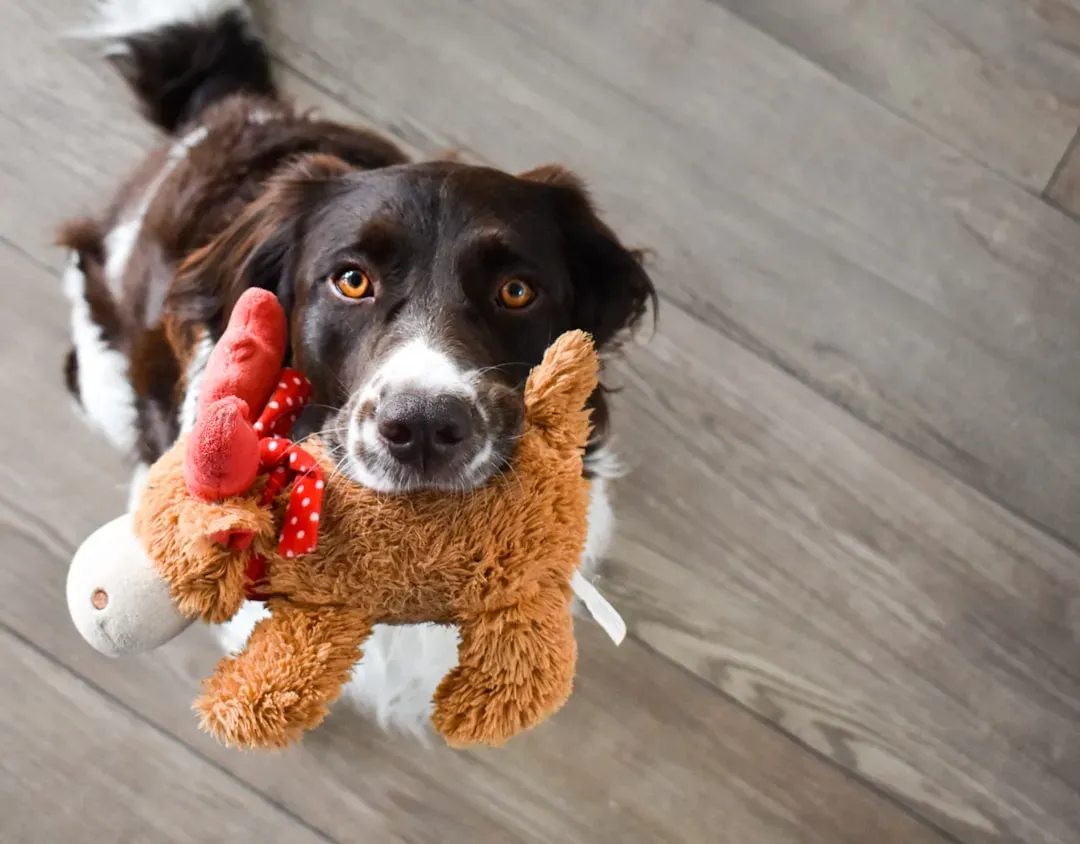
Not all toy-bringing is created equal – what they grab actually matters. Pay attention next time you’re home: after a long day, does your dog bring a soft plush and curl up beside you, versus a squeaky ball when you’re feeling upbeat? Plenty of dogs develop an eerily accurate sense of which toy fits which mood.
If your dog consistently chooses calmer toys when you’re low-energy and durable, rowdy ones when you’re pumped up, that’s not toy obsession – that’s them reading your emotional state and responding to it. It’s a two-way transaction, not random fetch.
- A tug toy for high-energy, social moments
- A chew or stuffed toy when you’re on the couch or your phone
#7 – They Adjust Their Body Language Around You vs. Strangers
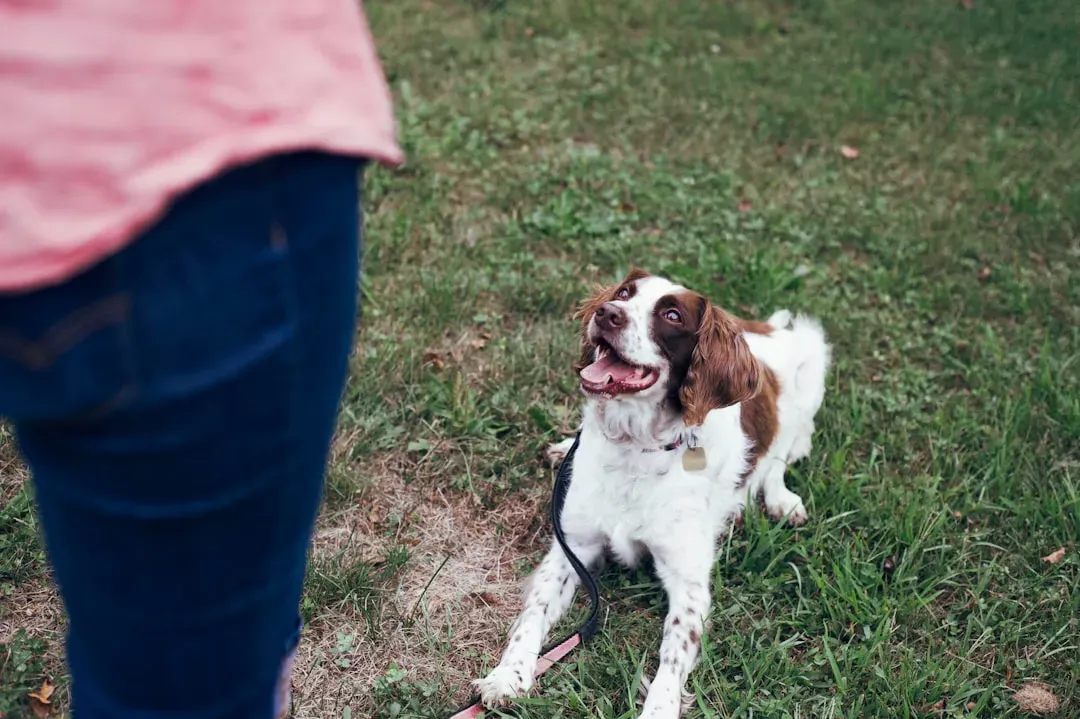
Most people miss this one because they compare their dog to other dogs, not to the same dog in different situations. Watch how your dog greets a stranger – maybe some barking, a stiff posture, cautious sniffing. Now compare that to how they approach you after even a short time apart.
If their whole body softens – curved spine, loose tail, squinty eyes, slow full-body wags – they’re literally dropping their defenses because they know they’re correctly read and safe with you. It’s not just “happy to see you.” It’s “I don’t need my armor right now.” Dogs who feel misunderstood often stay slightly tense even at home. One who turns instantly loose and floppy the second you walk in has handed you radical trust.
- With you: wiggle butt, soft eyes, full-body wag
- With others: measured movement, even when friendly
#6 – They Copy Your Routines Without Being Trained
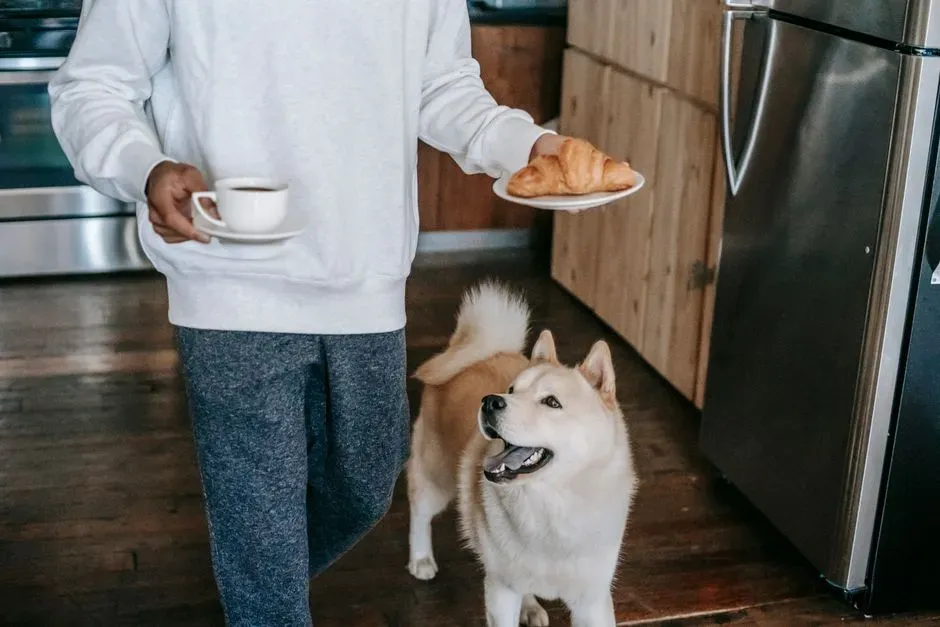
You probably didn’t realize your dog is quietly cosplaying as you. Some dogs start mirroring human routines with zero formal training – lying in the bathroom while you get ready, waiting by the door at your usual departure time, heading toward the bedroom the second you pick up your nighttime items.
If your dog anticipates your next move based on subtle cues, they’ve studied you the way you study a favorite show – closely, and over a long time. That’s not habit. That’s pattern recognition built on paying attention to you specifically.
- They automatically move aside when you pick up the vacuum
- They head to their spot when you grab your laptop or coffee mug
#5 – They Seek You Out Specifically When They’re Unwell
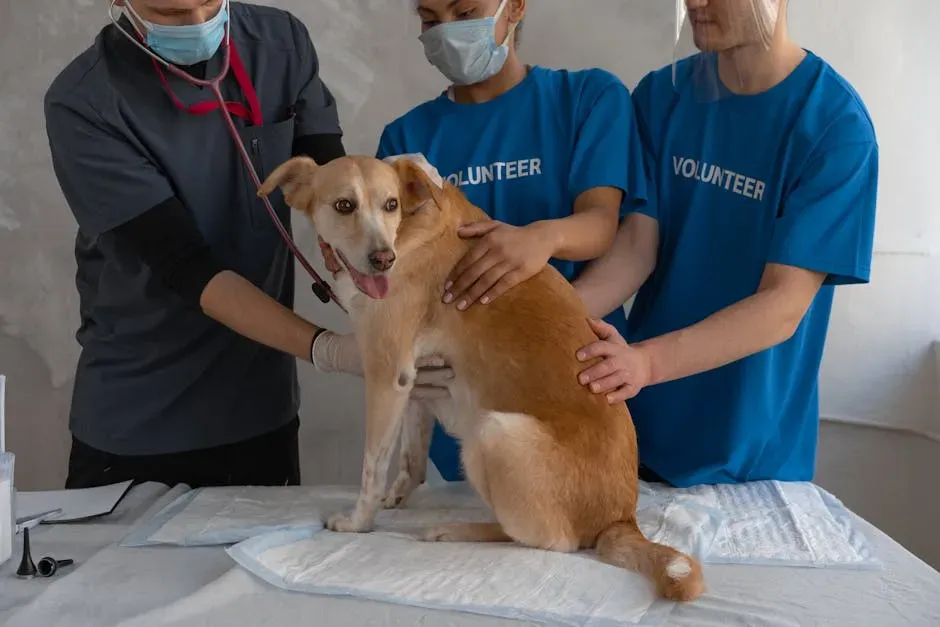
Here’s where a lot of owners underestimate themselves. When dogs feel sick or in pain, some instinctively hide. But many will do something very specific instead: they come find you, stare, lean in, or lie pressed against you like they’re saying, “Something’s off.”
If your dog has learned over time that you notice subtle changes – eating less, moving stiffly, licking one spot too much – and respond with a vet visit, rest, or medicine, they start treating you as their health advocate. A dog who brings their discomfort straight to you is voting with their paws: you’ve proven you notice and respond to their quietest signals.
- Clinginess only when they feel off, not randomly
- Eye contact that reads searching rather than playful
Quick Compare
- Hiding instinct: More common in independent dogs or those less socially bonded to people
- Seeking you out: A social response, often stronger in dogs with a secure attachment to their person
- What it signals: Coming to you when unwell suggests they trust you as part of their coping strategy, not just their vet-taker
#4 – They Wake You Only for “Real” Emergencies
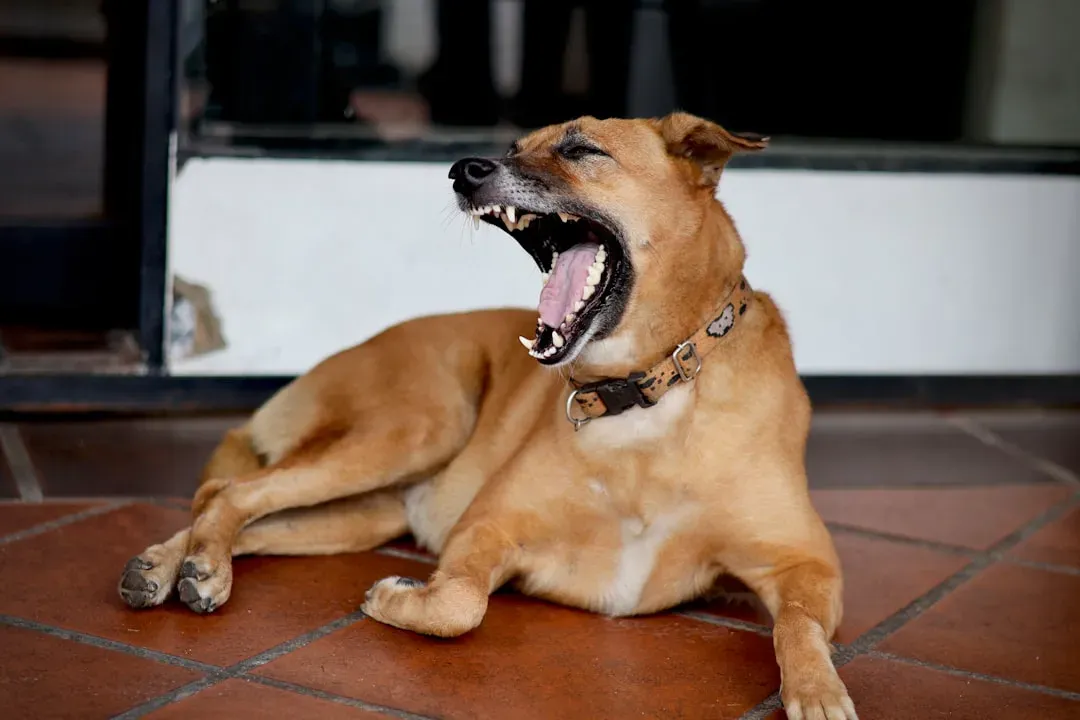
Yes, some dogs are chaos machines at 3 a.m. But pay attention to whether yours is selective. If your dog lets you sleep through normal household noise but wakes you only for something genuinely unusual – a violent storm, someone at the door, another pet in distress, or their own urgent need to go outside – that’s not just instinct.
It’s accumulated experience of what earns your serious response versus what earns a “shh, it’s fine.” That kind of filtering means your dog understands what actually matters to you, and respects it.
- They ignore most car doors but react to unusual ones
- They only paw at you at night for real, urgent needs
#3 – They Know When You Need Space – and Actually Give It
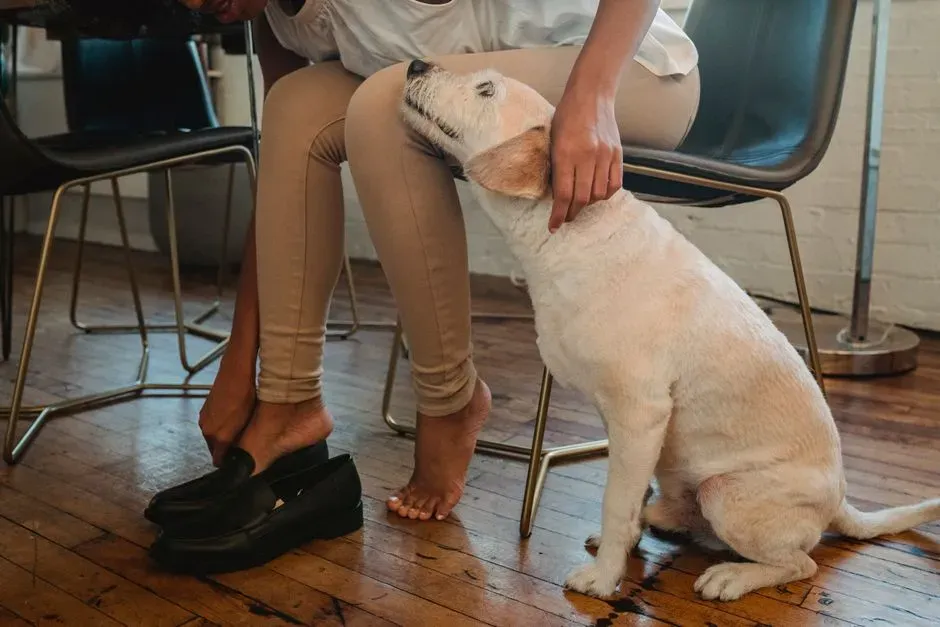
Dog people hate hearing this, but here it is: a dog who can leave you alone is often more secure than one who can’t. If you’re upset, buried in work, or clearly overwhelmed, and your dog chooses to lie nearby instead of climbing all over you, that’s not disinterest.
It can be a sign they understand your emotional bandwidth and have learned that quiet presence is what you actually want in that moment. They may still keep you in their peripheral vision, but they’re not demanding attention. That’s not aloofness – it’s a sophisticated form of empathy.
- They shift from in-your-face cuddles to simply lying at your feet
- They check in with a glance, then settle back down
#2 – They Celebrate Very Specific Shared Rituals
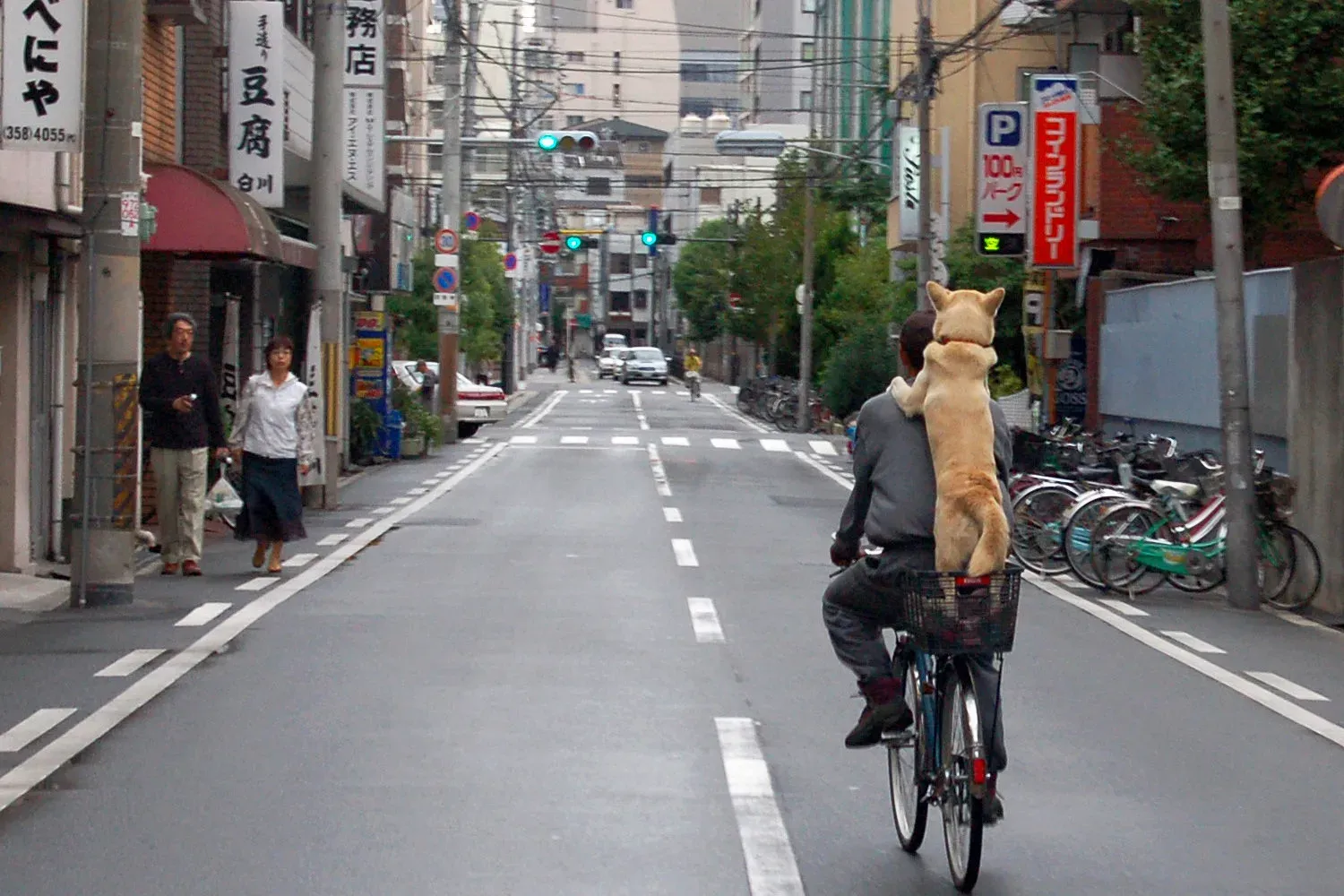
It’s not just “walk time” or “dinner time” that gets your dog excited. It’s your weird little rituals that give the game away. Maybe your dog explodes with joy at a specific inside joke you say before walks, or does a specific spin every time you open the cabinet where the weekend treats live.
If your dog lights up for unique, person-specific cues that no one else uses, that’s proof they recognize your personal language with them. These rituals are tiny contracts between you and your dog – and the more they lean into them, the more they’re telling you they feel deeply, personally understood.
- A goofy dance you started once, now expected every Friday night
- A certain phrase (“wanna help?”) that sends them trotting to the kitchen
Why It Stands Out
- Rituals are unique to your relationship, not generic commands every dog responds to
- They rely on memory, timing, and emotional anticipation – not just repetition
- The specificity is the point: no one else could replicate the exact cue and get the same reaction
#1 – They Sleep Deeply Near You, Not Just Next to You
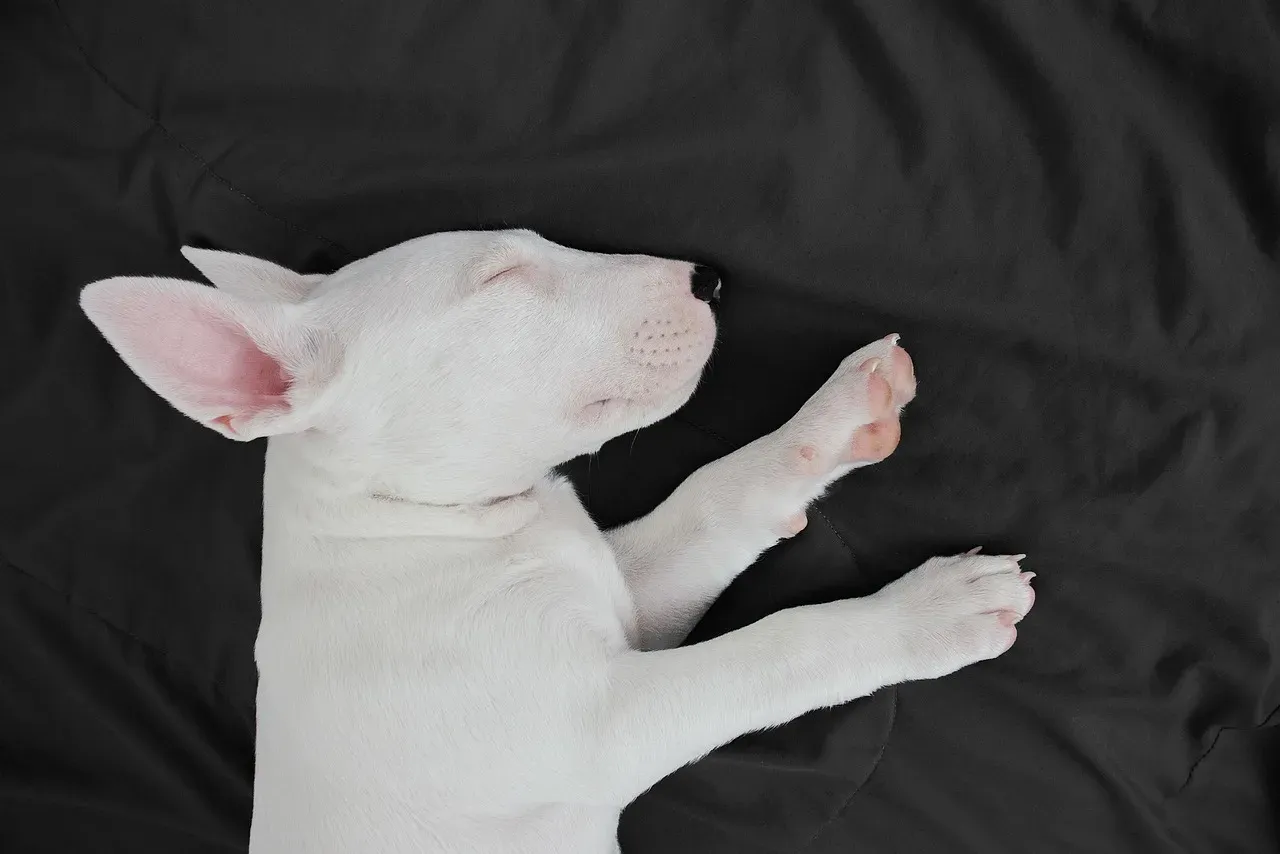
This is the quiet mic drop: how your dog sleeps around you says more than any tail wag ever could. Plenty of dogs will lie beside a human without much thought. But a dog who slips into true, vulnerable, twitchy-dream sleep near you – on their back, belly exposed, pressed against your body, or turned away with full trust – is announcing something bigger.
Sleep is when animals are at their most physically vulnerable. Choosing to fully shut down next to you is about as loud as “I trust you with my life” gets. A dog who feels misunderstood stays half-alert, relocates constantly, or startles awake at the smallest movement. The one who uses your body as a literal safe harbor is telling you everything: they get you, and they finally get to rest.
- Deeper, heavier breathing once they settle against you
- Staying asleep even when you move, because your touch is familiar
The Bottom Line
If you recognized most of these moments, your dog isn’t just “bonded” to you – they’re living in a world where their needs, fears, and quirks are consistently decoded correctly. That’s rarer than most owners admit. Plenty of dogs get food, walks, and affection, but never experience the quiet confidence of feeling truly understood by their person.
The small behaviors – checking your face, matching your energy, using you as a safe base – are your report card, not theirs. If that stings a little, good. It means you care enough to pay attention and adjust.
So be honest: which of these signs does your dog show, and which ones are missing? And more importantly – do you think that’s about them, or about you? If we missed a moment that proves your dog knows you “get” them, drop it in the comments.


