
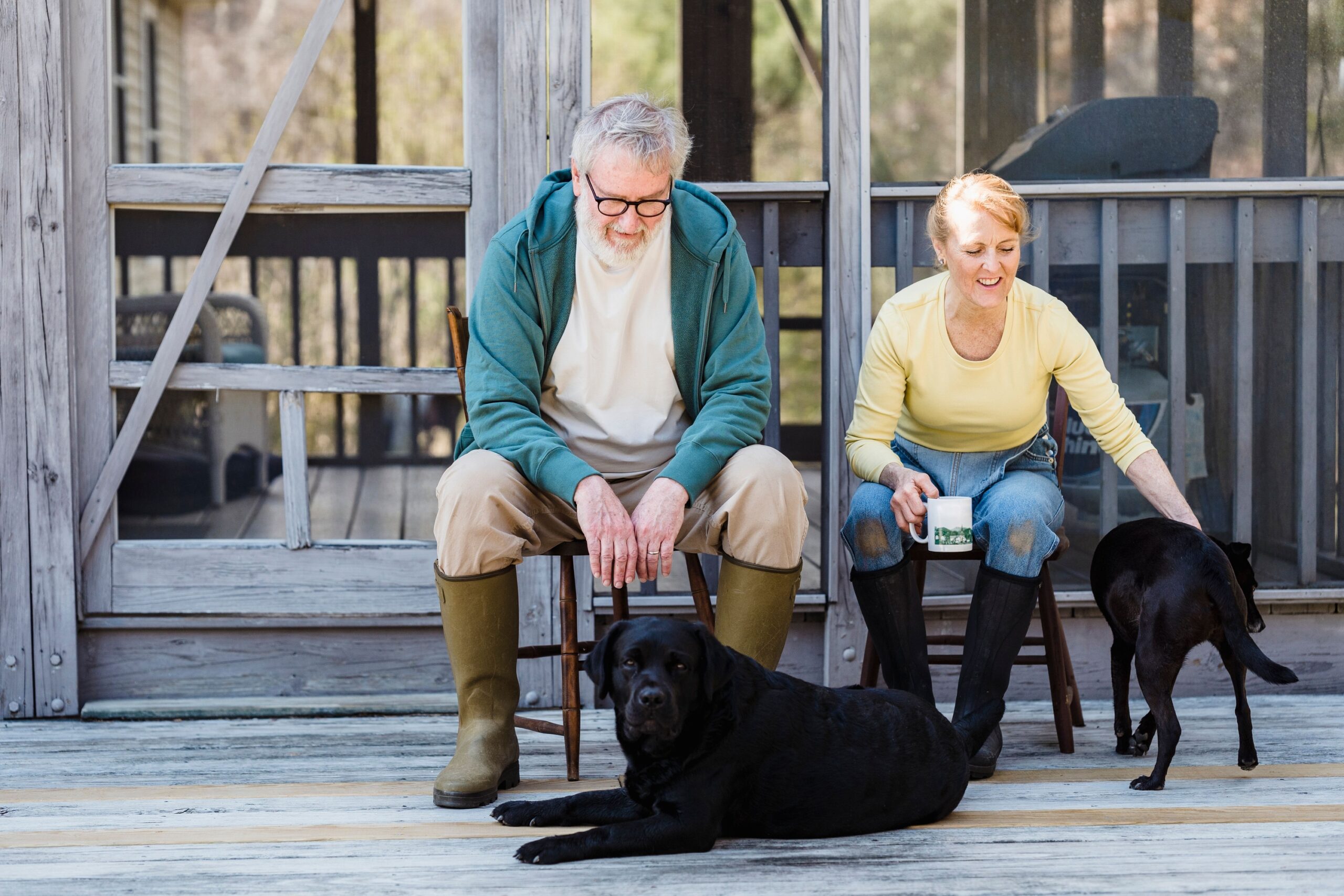
Everyone assumes a dog’s love is loud – tail wags, zoomies, sloppy kisses at the door. But the dogs who are most devoted to you almost never make a scene about it.
The real proof hides in the boring moments: where they choose to sleep, how they track you across a room, the half-second glance back on a walk that you probably never noticed. Trainers and behaviorists say these quiet, almost invisible habits reveal more about a dog’s attachment than any trick, kiss, or greeting ever could. Stick around, because once you see these signs, you won’t be able to unsee them in your own dog.
#1 – They Always Know Exactly Where You Are
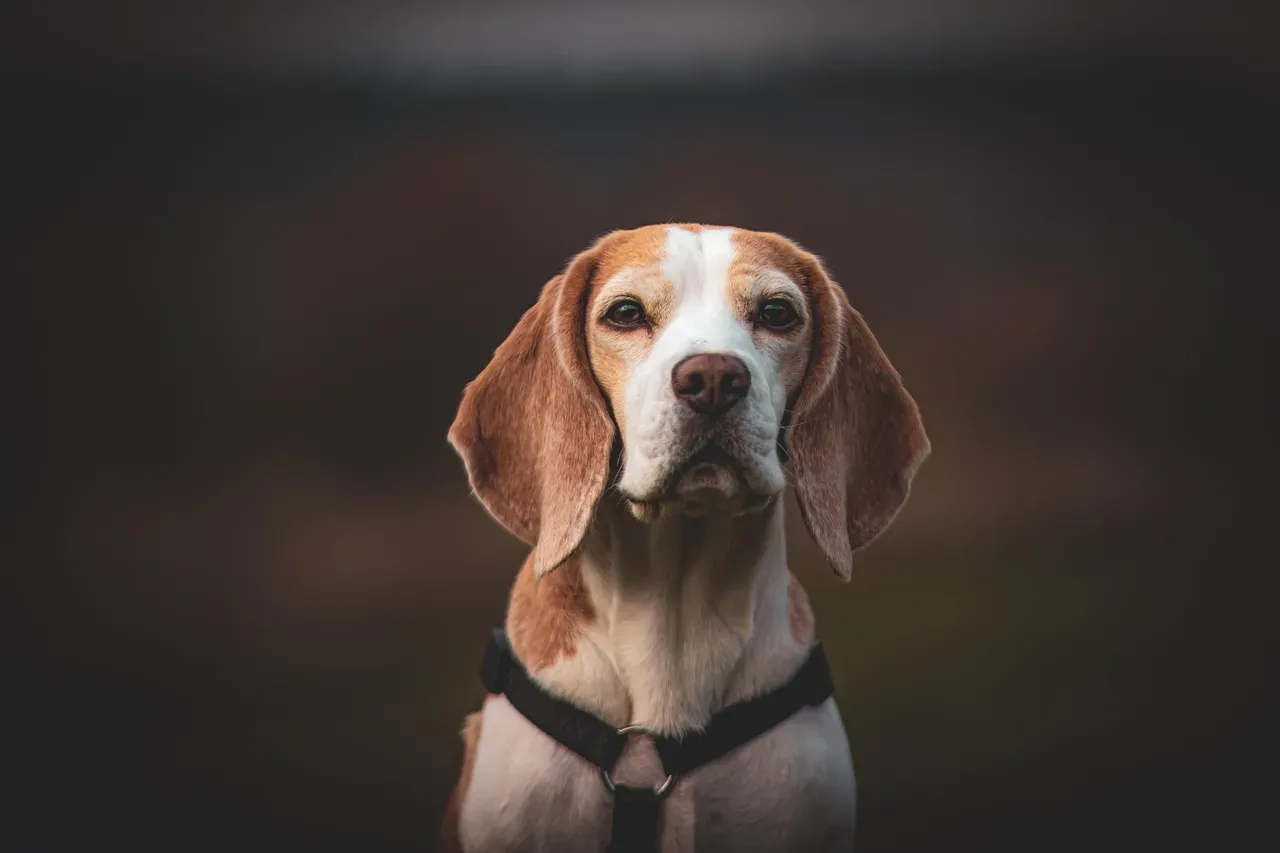
When a dog is truly bonded, they don’t just love you – they track you. That’s why some dogs will nap peacefully until you stand up, then suddenly “remember” they have urgent business in the exact room you just walked into.
They’re not being nosy. They’re confirming their most important person hasn’t vanished. Behaviorists point to this constant quiet checking-in as proof your dog sees you as their safe base – their anchor in the world, not just the hand that fills the food bowl. Watch closely on a normal day: do their ears twitch when you open a drawer two rooms away? That low-key radar isn’t anxiety for most dogs. It’s attachment, as automatic as breathing.
Fast Facts
- Researchers adapted the Strange Situation Test – originally designed to study human infants – to study dogs, and found dogs behave similarly to children towards the mothers… owners are the preferred recipient of affiliative behaviours
- After being separated and reunited, dogs show an increase in social behaviours towards their owner, but not toward strangers in the room
- This attachment pattern shows up broadly across dogs, since researchers did not find any effect of gender, age, living conditions, or breed on most of the behavioral variables
#2 – They Sleep Where Your Scent Is Strongest
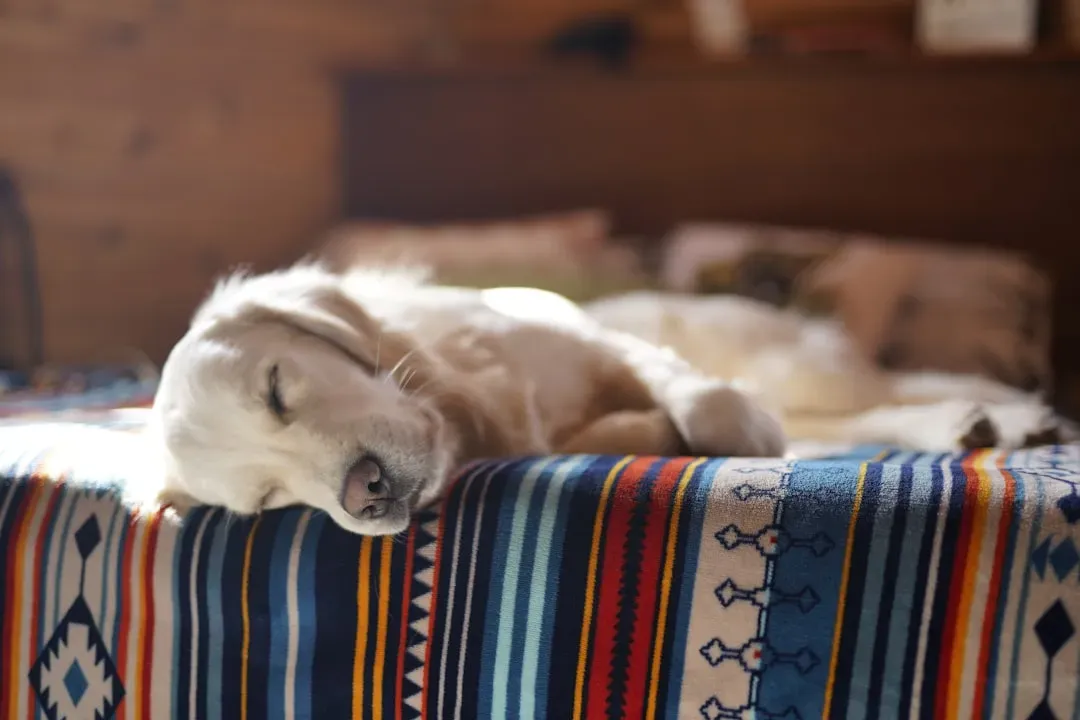
Most people assume dogs sleep on the bed or by the shoes because it’s soft. Actually, scent runs the whole show. Your smell is their comfort channel, their home screen.
When a dog picks the warm spot you just left on the couch, claims your side of the bed, or burrows into a pile of your dirty laundry, they’re doing something intensely emotional – wrapping themselves in you, even when you’re not there. Dogs process the world largely through their noses, and familiar human scent is known to activate reward centers in their brains. That’s also why some of the most heartbroken grieving dogs sleep on their person’s unwashed clothes after a loss. It isn’t random. It’s grief wearing a different name.
#3 – They Adjust Their Energy to Match Yours
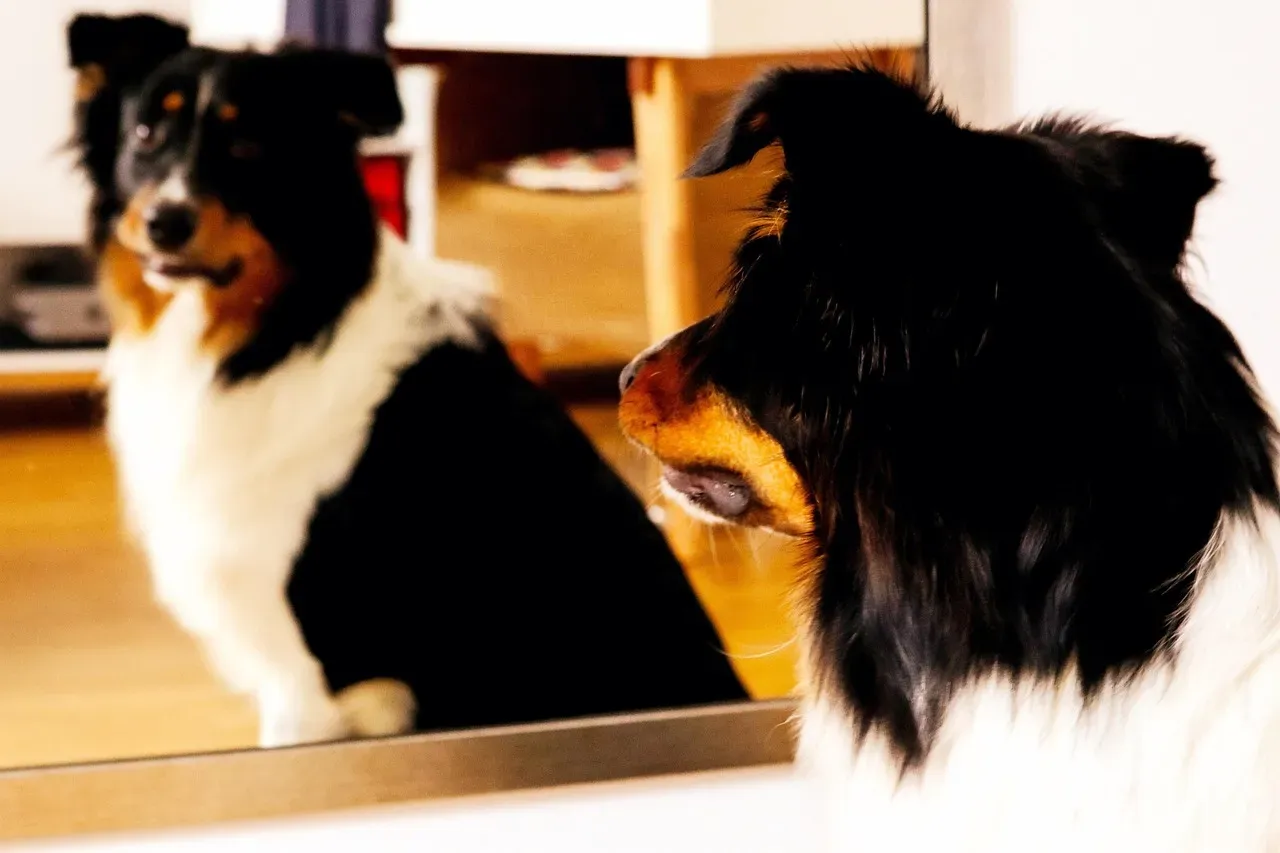
A dog that sees you as their whole world doesn’t just live near you – they sync to you. Compare a lazy Sunday to a chaotic Monday morning and watch what happens.
On tired evenings they curl up quietly; on frantic mornings they’re suddenly alert and ready to move. That’s not coincidence, it’s social mirroring. Scientists call it emotional contagion – your dog is reading your tone, your posture, even your breathing, and adjusting accordingly. A usually playful dog choosing to lie quietly beside you when you’re exhausted isn’t being lazy. That’s devotion dressed up as stillness.
#4 – They Check In With Eye Contact, Then Look Away
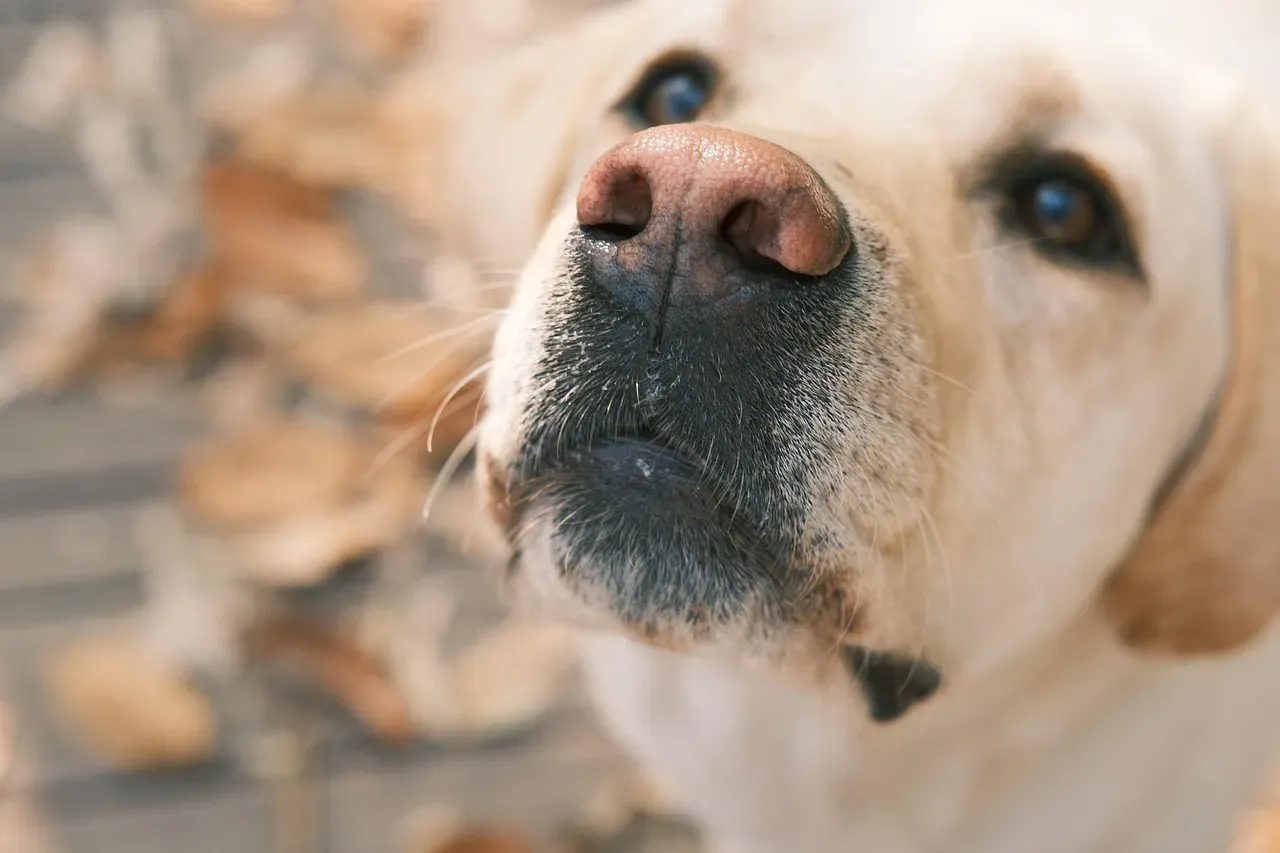
Everyone loves the idea that a dog staring into your eyes means “I love you,” and there’s truth to it – mutual soft eye contact can release oxytocin in both humans and dogs, the same bonding hormone at work between parents and babies.
But the real tell is more subtle: quick, frequent check-ins. A glance up from a toy. A look back mid-walk. A brief lock of eyes before they return to whatever they were chewing. Dogs who feel secure don’t cling to eye contact – they use it like a touchstone, a quiet “still there? good” before moving on. That balance, connection without panic, is the actual hallmark of a healthy bond.
Worth Knowing
- A landmark 2015 study found that eye contact between humans and their dogs triggers reciprocal increases in oxytocin levels, mirroring patterns observed in human parent-infant dyads
- The bonding boost wasn’t automatic – dogs and owners who exchanged long gazes had an increase in oxytocin, whereas oxytocin concentrations remained stable in dogs and owners that shared shorter gazes
- Researchers describe the effect as similar to that of human mother-infant relations
- Follow-up work suggests the strongest version of this loop occurred only with female dogs
#5 – They Follow You, but Never in a Panic
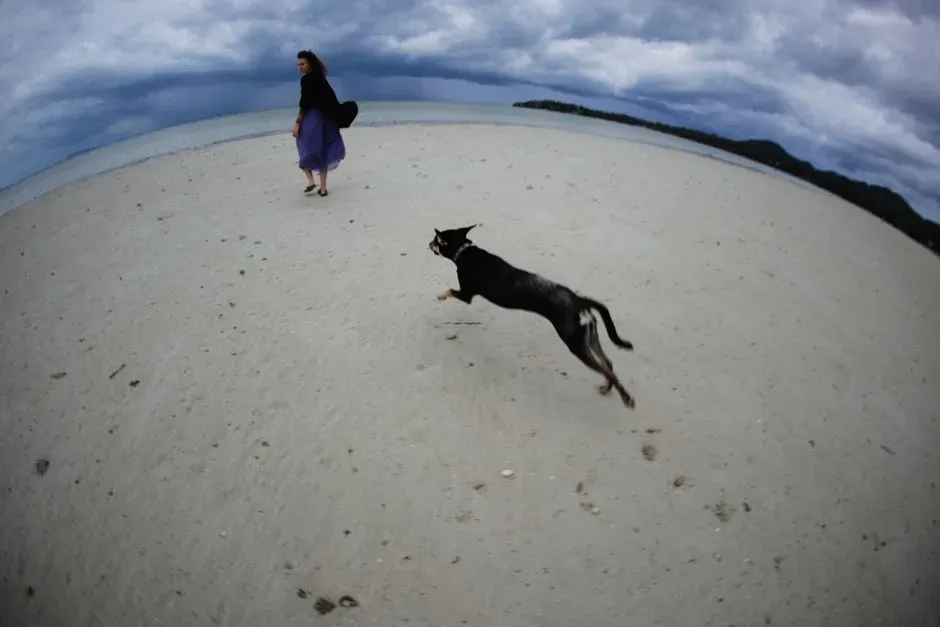
There’s a real difference between a dog trailing you because they’re attached and one glued to you because they’re anxious. A dog who sees you as their whole world usually does a version of both, minus the drama.
They wander into the kitchen after you, then flop down nearby. They peek into the bathroom, then wait patiently outside the door. This isn’t neediness – it’s companionship. Dogs are wired to move as a group, and you are their group. People love bragging about “independent” dogs who ignore them, but trainers quietly admit the shadow-dog, the one who just wants to be near you, is often the more deeply bonded one.
#6 – They Bring You Their Favorite (Or Only) Toy
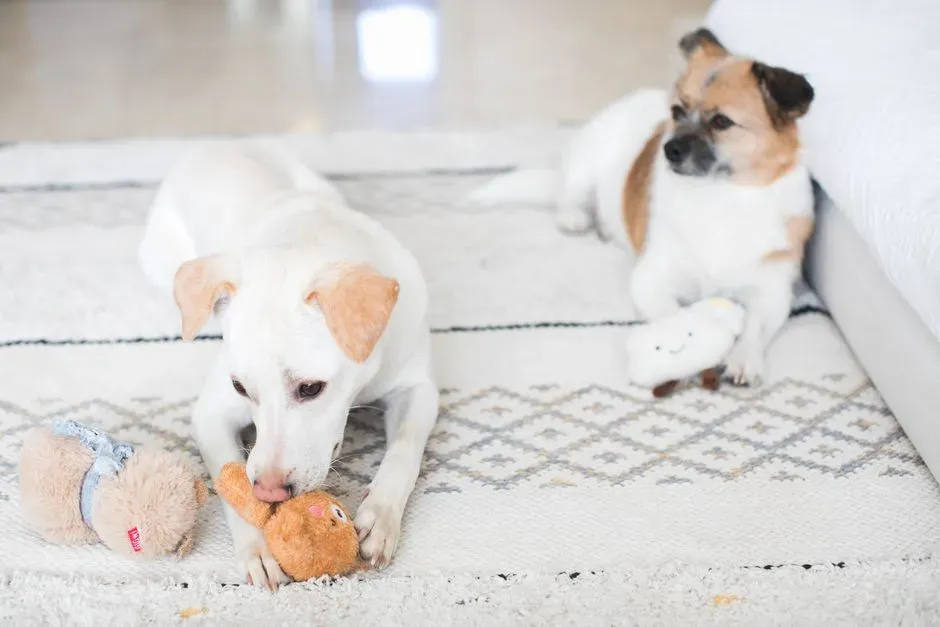
It’s easy to write this off as “they just want to play.” Sometimes that’s true. But context matters more than people realize.
When a dog brings you their one battered toy, a plush they almost never share, or a random treasure they just found in the yard, they’re offering connection through shared activity. In dog language, “here, take this” can translate roughly to “I want you in my world right now.” Some dogs drop the toy at your feet and lie back down without even asking you to throw it. That’s not about fetch. That’s inviting you into their emotional comfort zone.
#7 – They Relax Their Whole Body When You Touch Them
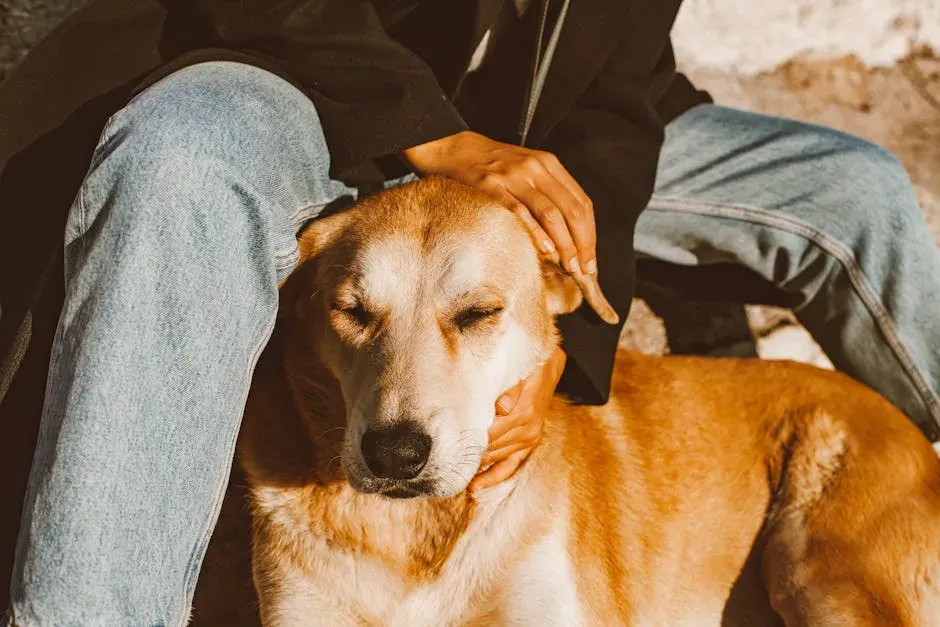
You can spot a dog’s true feelings in slow motion. When you reach out to pet them, do they stiffen slightly, or do they melt?
A dog that sees you as their whole world often responds to touch like a switch flipping – muscles soften, breathing deepens, eyes half-close. This isn’t just enjoying contact. It’s surrendering tension, because your hands have become a signal of safety. Some dogs will only expose their most vulnerable spots, the belly, the throat, to one or two humans on earth. That’s not spoiled behavior. That’s trust you earned slowly, one calm interaction at a time.
#8 – They Choose You Over Food (At Least Sometimes)
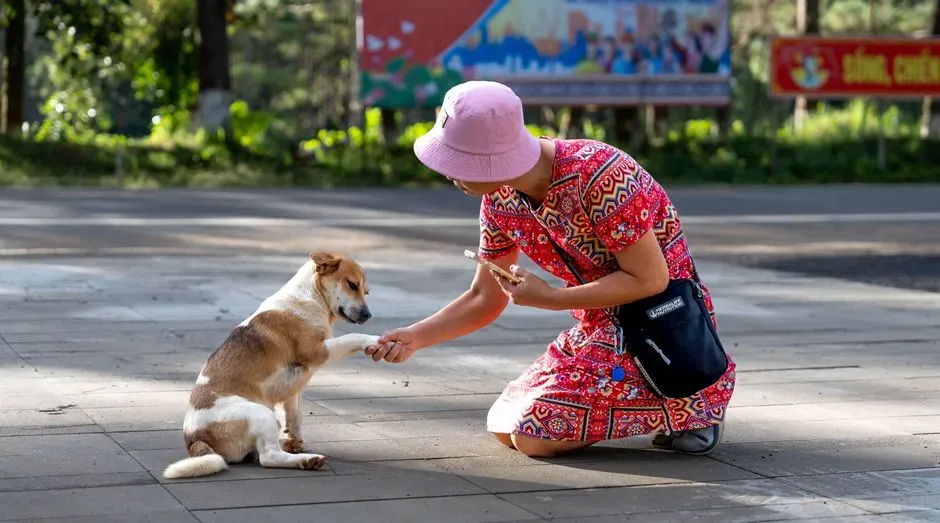
To be fair, food is enormous for most dogs – we bred them for generations to respond to treats. So when a dog momentarily ignores food just to greet you or stay pressed against your leg, that’s a big deal.
Some dogs will genuinely pick interaction with their person over a food reward. You might see it when you come home and they abandon a full dish to sprint for the door, or during training when they keep glancing up at your face instead of just your hand. This doesn’t mean a food-motivated dog loves you less. But when that priority quietly flips, human first, snack later, it’s a real vote about where you rank in their world.
Quick Compare
- Relaxed and bonded: soft eyes, loose tail, leaning into touch, slow blinking
- Anxious or unsure: stiff body, tucked tail, lip licking, looking away
- Truly at ease: exposing belly or throat, long sighs, dozing off mid-pet
#9 – They Guard You Casually, Not Aggressively
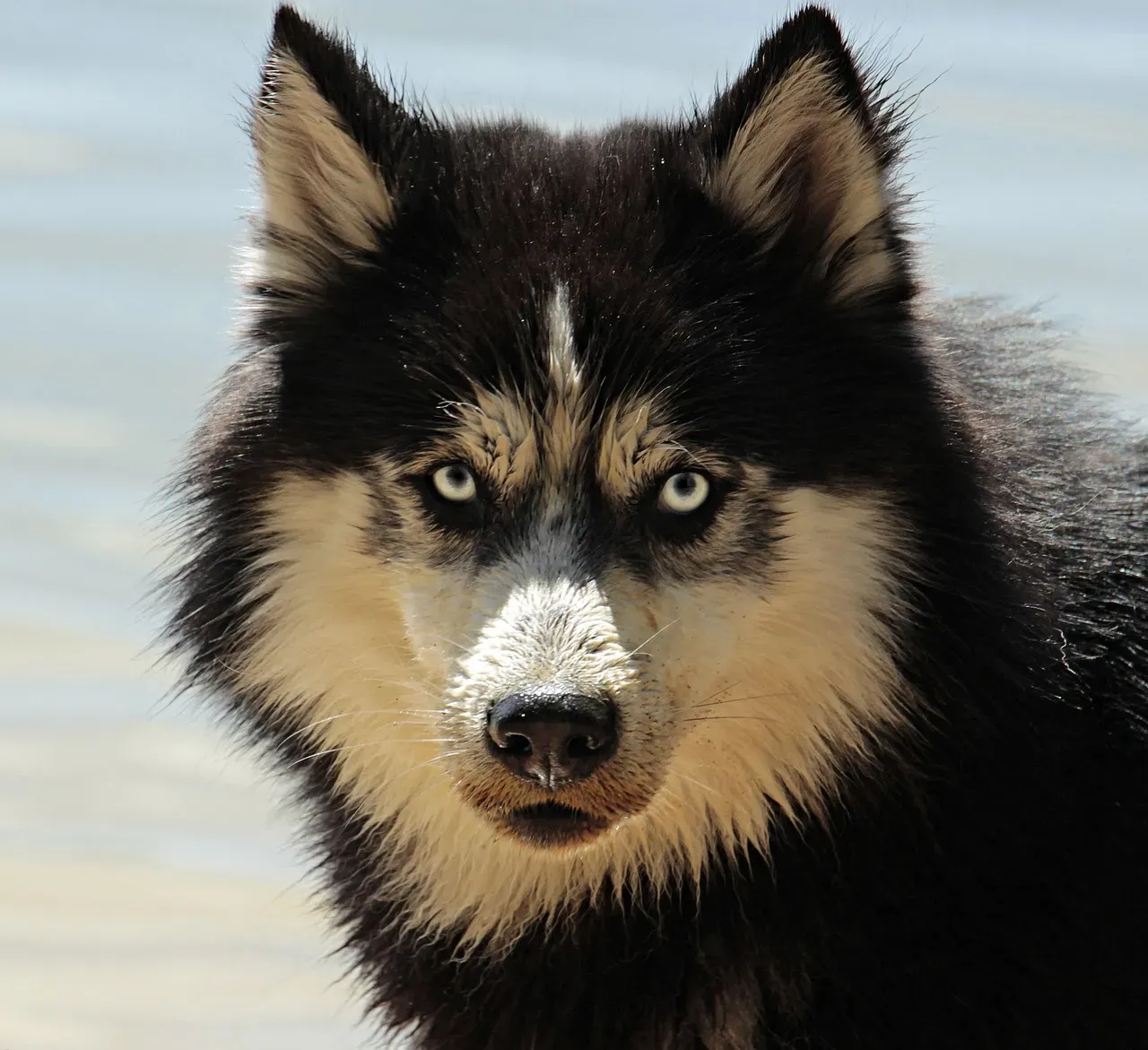
Social media glorifies protective dogs snarling at strangers. In reality, true devotion usually looks like quiet positioning, not drama.
Notice where your dog sits in public – between you and the door, slightly ahead of you when someone unfamiliar passes, pressed against your leg without being asked. There’s no lunging or frantic barking, just steady presence and watchful eyes. Ironically, the dogs performing the most over-the-top “guard dog” theatrics are often anxious, not confident. The quietly watchful dog adjusting their position to keep tabs on you is the one truly invested in you as their person.
#10 – They Celebrate Your Return Like Nothing Else Matters
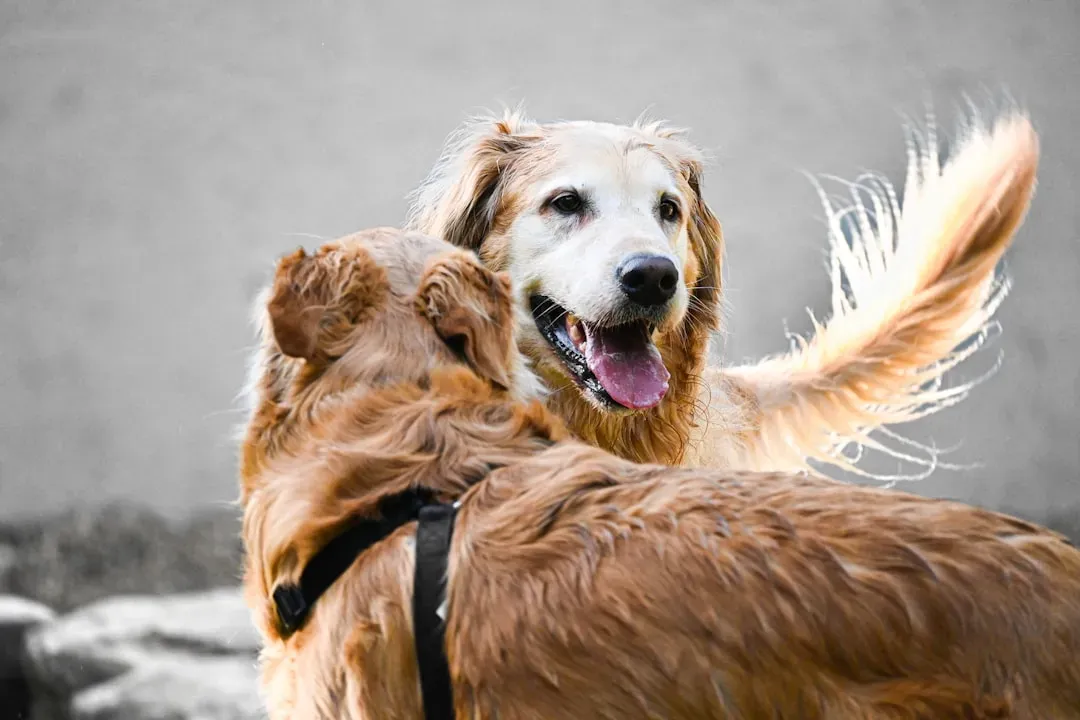
We joke about dogs “losing their minds” when we walk in the door, but hidden inside that chaos is something genuinely profound. Your return is the highlight of their entire day.
In reunion experiments, dogs have shown clearly stronger excitement and heart-rate spikes for their own person compared to a stranger walking in. Watch closely next time: the happy whines, the full-body wiggle, the loop from you to the hallway and back like they’re rebooting. Your roommate walking in gets mild interest. You walking in gets emotional fireworks. That contrast isn’t random.
#11 – They Tolerate Things They Don’t Actually Love, Because It’s You
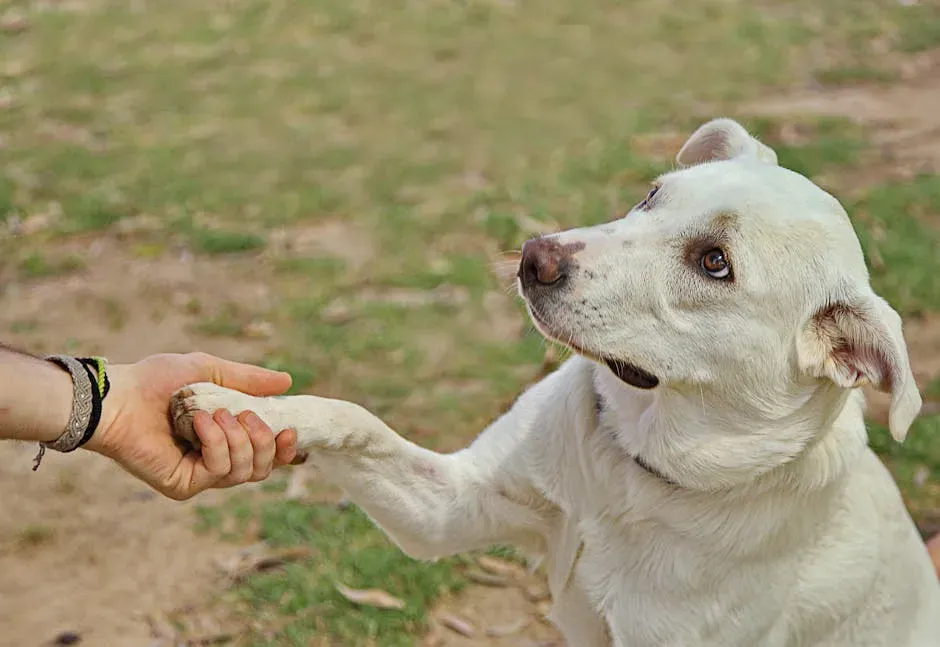
This is the one almost nobody talks about, and it’s a little controversial. Dog people love to insist “my dog loves everything we do together,” but that’s not quite true.
Some dogs tolerate nail trims, baths, car rides, or being picked up purely because they trust the person doing it – not because they enjoy the activity itself. Watch their body language: soft-ish eyes, no hard pulling away, coming right back to you once the unpleasant thing is over. That’s not permission to ignore their limits. But the fact that they stay close after a vet visit, or lean into you during a thunderstorm, shows they see you as their safest option, even when life isn’t fun.
#12 – They Mimic Your Routines and Habits
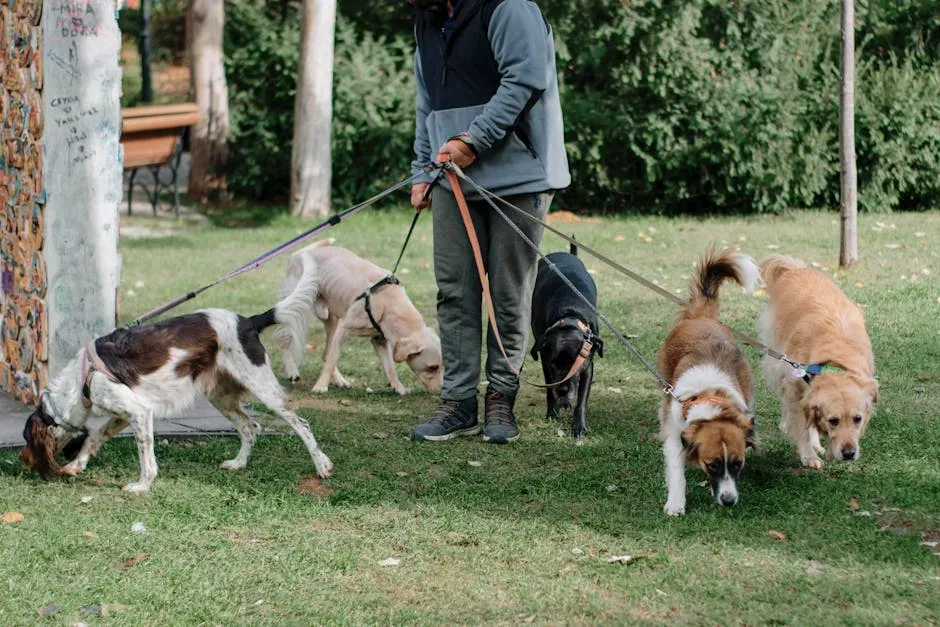
Ever notice your dog seems to know your schedule better than you do? They stretch when you stretch, settle in when you open your laptop, and park themselves by the door five minutes before you usually grab the leash.
That’s not just “internal clock” magic. Dogs are expert pattern-readers, and bonded dogs weave themselves directly into your patterns. Some wake up the moment your alarm goes off, even on weekends. Others adopt oddly specific quirks – sitting on the same side of the couch every night, circling the kitchen right at your usual coffee time. It might look small, but it means their entire day is quietly built around yours.
At a Glance
- Dogs pick up on subtle cues – light changes, sounds, even your own habits – to anticipate what happens next in the day
- Many dogs learn to predict departures and arrivals within minutes of a consistent schedule
- The more consistently an owner interacts with a dog, the more tightly the dog’s routine tends to wrap around theirs
#13 – They Seek Comfort From You, Not Just From Anyone
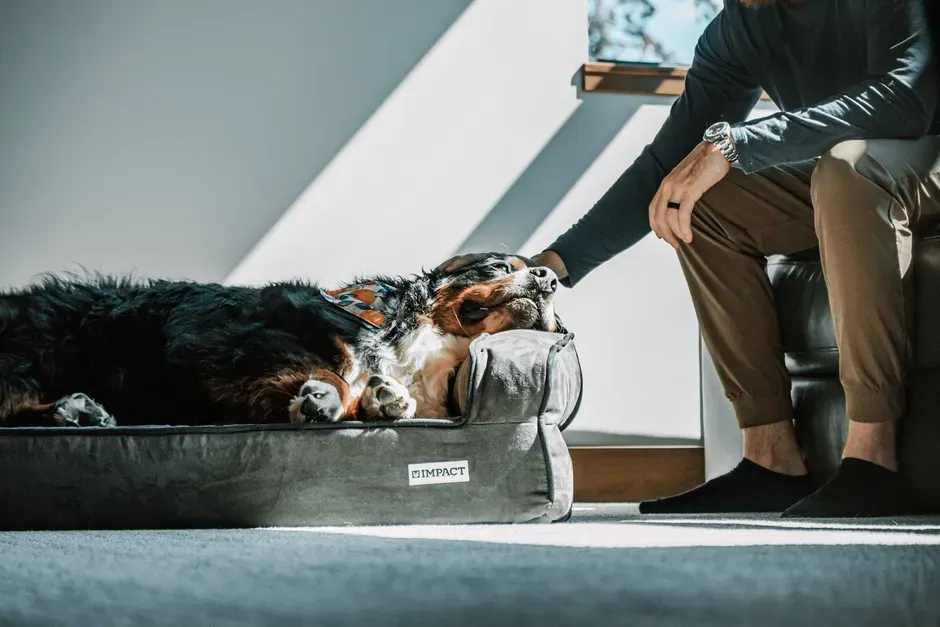
Lots of dogs like people. Far fewer have one clear favorite. The dog who sees you as their whole world doesn’t just accept comfort from you, they prioritize it above everyone else.
In scary or overwhelming moments – fireworks, thunderstorms, a crowded vet waiting room – who do they run to? If it’s consistently you, that’s an emotional neon sign. Resting a paw on your foot, leaning into your leg when a stranger gets close, tucking themselves behind your chair in a crowded room – they’re using your body as both shield and anchor.
A dog is the only thing on earth that loves you more than he loves himself.
Josh Billings
#14 – They Age Around You, Not Away From You
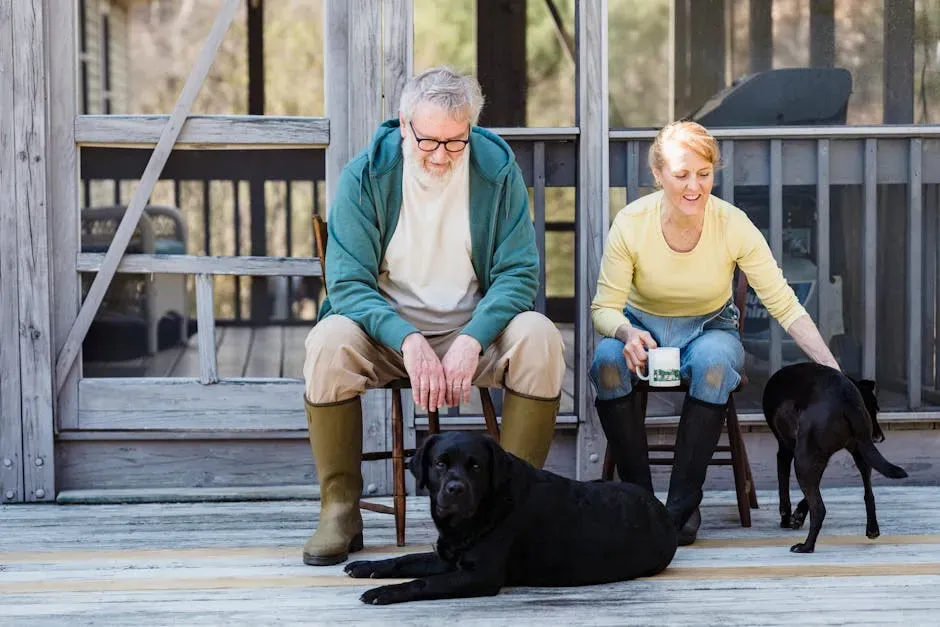
This is the one that hits people in the gut. As dogs get older, they have every reason to withdraw – aching joints, fading hearing, dimming eyesight.
And yet many senior dogs do the exact opposite. They move slower, but they still shuffle room to room just to be near you. They nap more, but they nap wherever you are. You might notice them struggle up just to greet you, then lie right back down seconds later, or relax the instant your hand rests on them. They’re not clinging to youth. They’re clinging to you. That quiet choice, to keep choosing your company even as the body fails, might be the clearest, most heartbreaking way a dog ever says “you’re my whole world.”
The Bottom Line
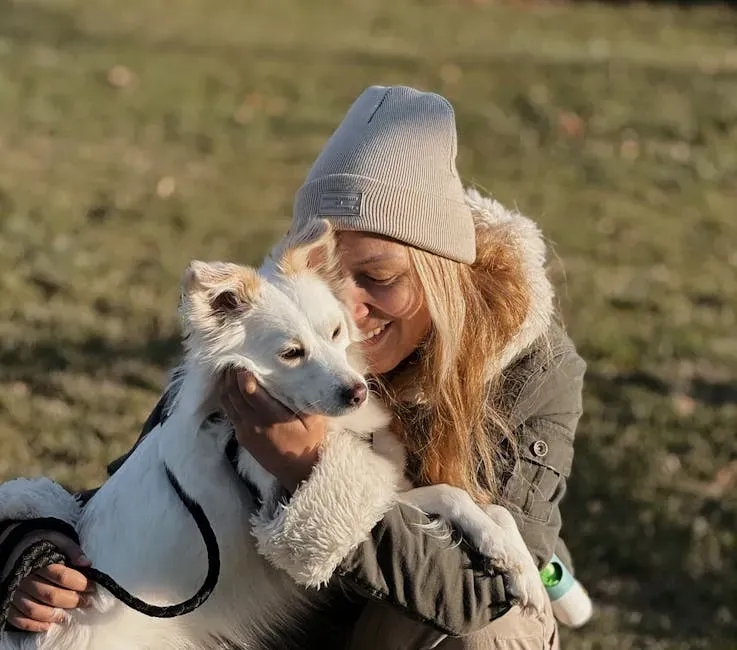
Strip away the viral videos and cutesy captions, and here’s the uncomfortable truth: a dog’s deepest love almost never shows up in the dramatic moments. It hides in the boring ones.
It hides in the way they check where you are. In the spot on the floor they always pick. In the slow sigh when your hand finds their fur. These 14 small behaviors aren’t random quirks – together they form a pattern of attachment closer to family than “pet.”
Here’s the part nobody wants to admit: you don’t earn this kind of devotion with treats or trendy training hacks. You earn it with consistency, safety, and simply showing up, over years, not weeks. Some will insist dogs “love anyone who feeds them.” The lived reality of millions of owners says otherwise – they love someone more. If you recognized your own dog in these signs, you already know the answer to the only question that matters: are you that someone?


