
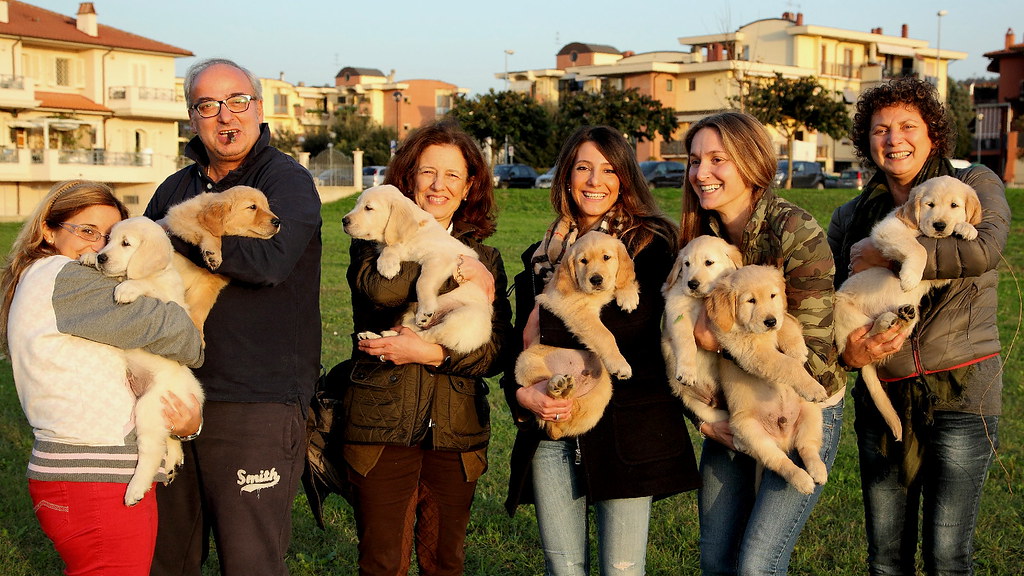
If you’ve ever watched an older person light up when a dog walks into the room, you’ve seen something almost medicinal happen in real time. Their shoulders relax, their voice softens, and for a moment the worries about pills, blood pressure, or loneliness fade into the background. We talk a lot about miracle drugs and cutting-edge treatments, but we rarely talk about the quiet life support system that walks on four legs and wags its tail.
Science backs up what many families already know: sharing life with a dog can encourage movement, lower stress, ease loneliness, and even support heart health. Not every breed is a good match for seniors, though. Some dogs are basically extreme athletes trapped in fuzzy bodies; others are couch philosophers with surprisingly powerful emotional radar. Below are seven breeds that, in my view, feel like nature’s own version of assisted living: warm, watchful, grounding, and weirdly good at keeping people going when life gets hard.
Cavalier King Charles Spaniel: The Little Heart Doctor on Your Lap
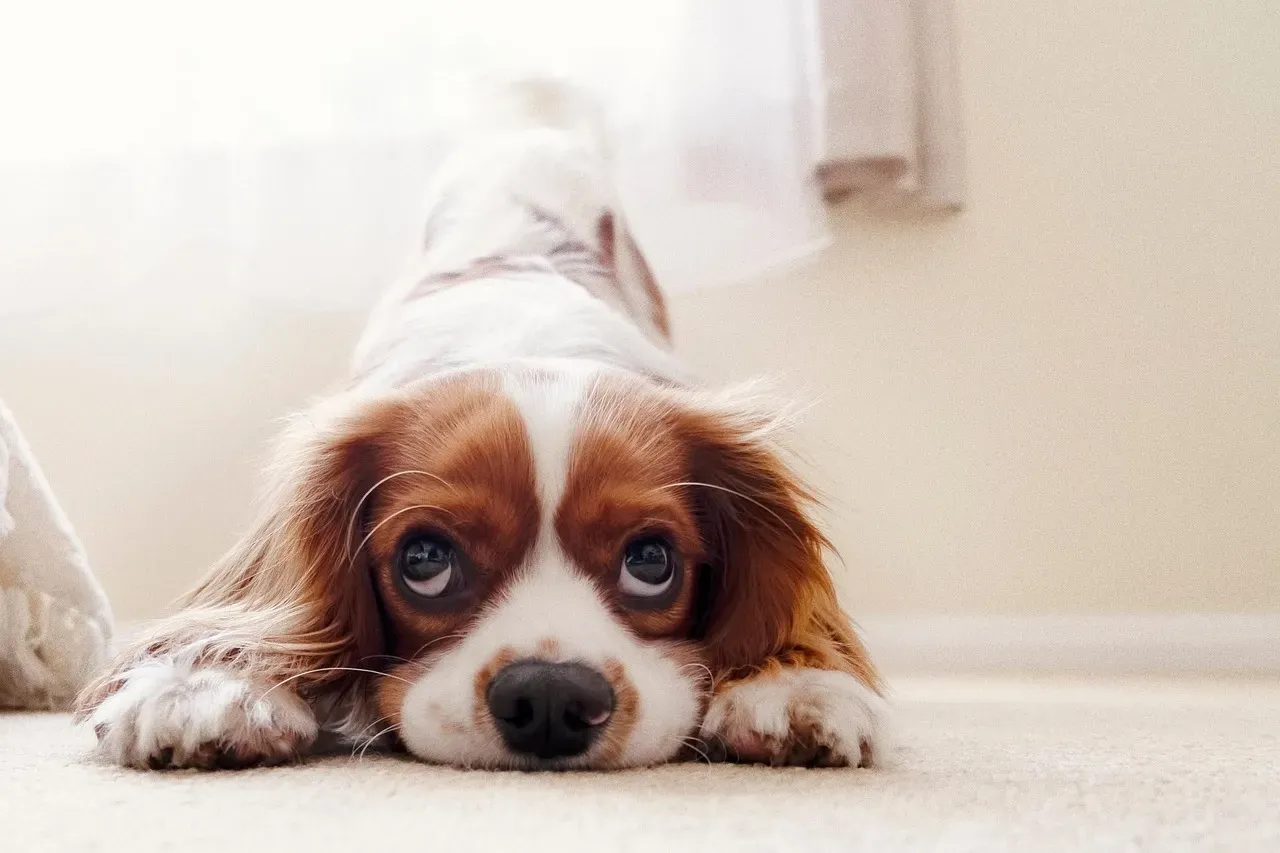
There is something almost disarming about how a Cavalier looks at you, like it has been waiting all day just for you to sit down. These small spaniels were historically bred as companion dogs, and that is still their primary superpower. For many elderly people, especially those living alone, a Cavalier becomes a kind of living, breathing antidepressant that also happens to snore softly on their lap during afternoon TV.
Health-wise, their size and temperament make them practical. They are light enough to be managed by someone with limited strength, yet active enough to nudge an older owner into short daily walks, which can help with circulation, joint mobility, and mood. I remember visiting a neighbor in her late eighties whose Cavalier would not leave her side when she felt unwell; that constant gentle presence did not cure her conditions, but it made her days feel less frightening and much less empty.
Poodle (Miniature and Toy): The Brainy Allergy-Friendly Lifesaver
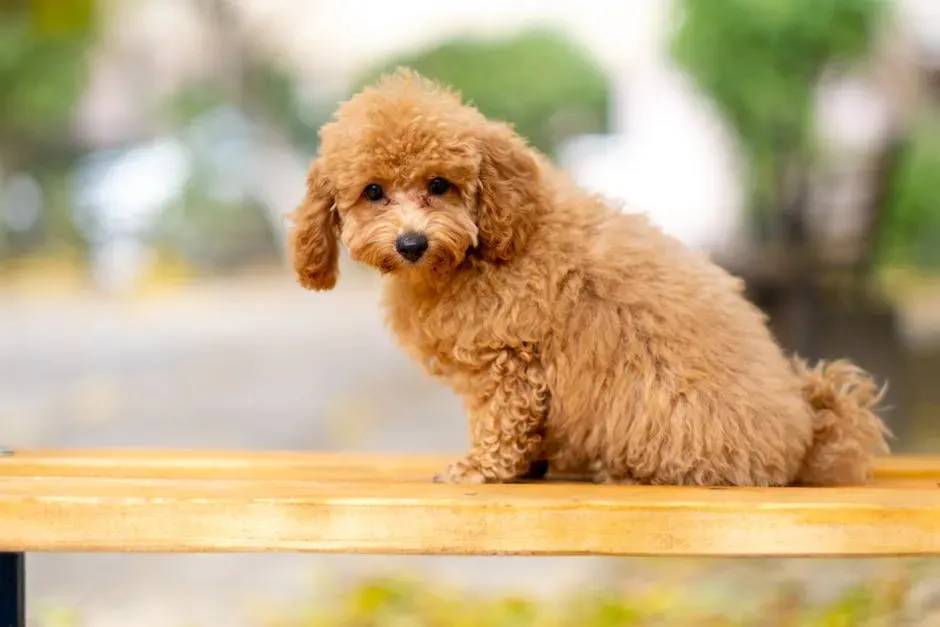
Poodles seem like they were engineered by a committee of doctors, therapists, and neat freaks. Miniature and toy poodles are small enough for apartment living, incredibly trainable, and usually more allergy-friendly than many other breeds. For older adults who are worried about shedding or have mild sensitivities, that can be the difference between “I wish I could have a dog” and “I have a dog, and it’s keeping me going.”
Their intelligence also matters more than people realize. Smart dogs are easier to house-train, easier to teach basic manners, and more adaptable when an owner’s routine changes due to medical appointments or mobility shifts. A well-trained poodle quickly learns to move carefully around walkers or canes, to settle when needed, and to respond reliably when called. When life already feels precarious, that predictability can bring down stress levels in a way no supplement ever could.
Shih Tzu: The Calm Companion for Slower Days

Shih Tzus are like the living embodiment of a quiet Sunday afternoon. They are typically content with moderate exercise and a whole lot of together time, which aligns beautifully with many seniors’ daily rhythms. For someone whose energy is limited, a dog that is happy to take a gentle stroll and then nap beside them for hours feels like a blessing, not a burden.
Emotionally, Shih Tzus are experts at creating a feeling of being accompanied, which is priceless in later life. Many older people report that the hardest part of aging is not pain, but silence and emptiness after a partner dies or the kids move away. A Shih Tzu waiting by the door, following them from room to room, or snuggling on the couch can literally change how an elderly person experiences their home: suddenly it is not “just me here,” it is “us,” and that subtle shift can keep someone emotionally afloat for years.
Labrador Retriever: The Gentle Fitness Coach in Fur
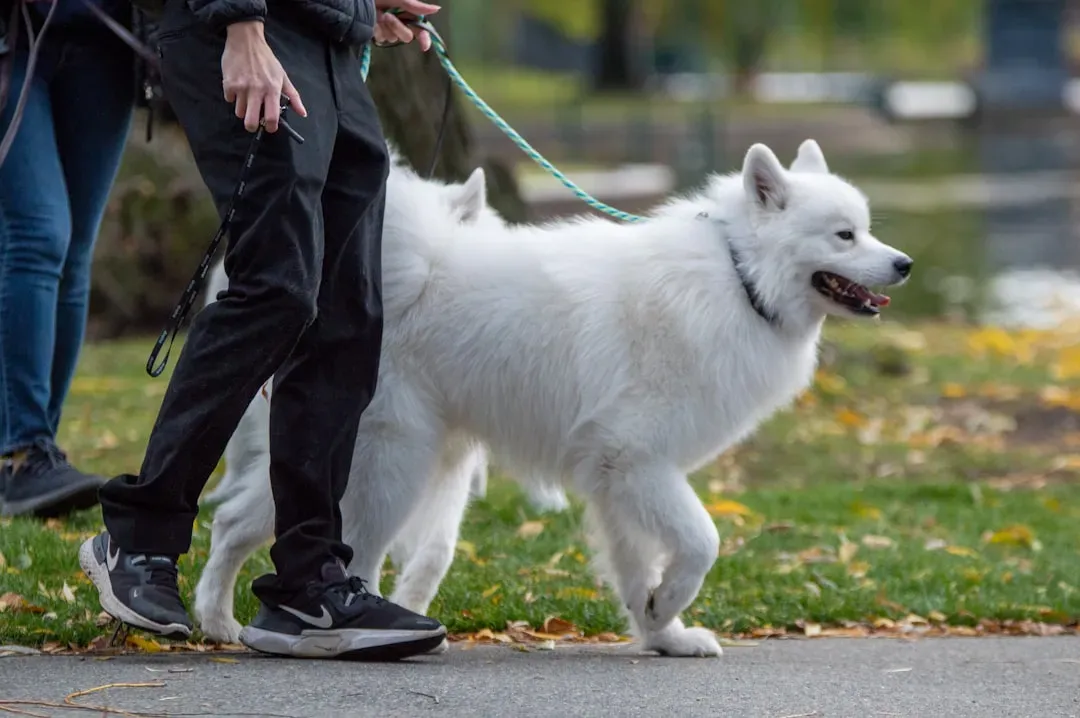
At first glance, recommending a Lab for an elderly person might sound reckless, because young Labradors can be bouncy like toddlers on espresso. But when carefully chosen and properly trained, especially if the dog is an adult rather than a puppy, Labs can be some of the best health partners a senior could have. They are often used as service and assistance dogs for a reason: they are steady, people-focused, and eager to cooperate.
Where they really shine is in encouraging movement. A Lab will stare you down at walk time with a mix of hope and expectation that is hard to ignore. Those regular walks can support heart health, balance, and weight management more reliably than any exercise program a doctor might suggest and that never actually happens. And emotionally, Labs radiate optimism; living with one feels like living with a furry motivational speaker that never gets bored of you, even on your worst day.
Bichon Frise: The Walking Mood Booster
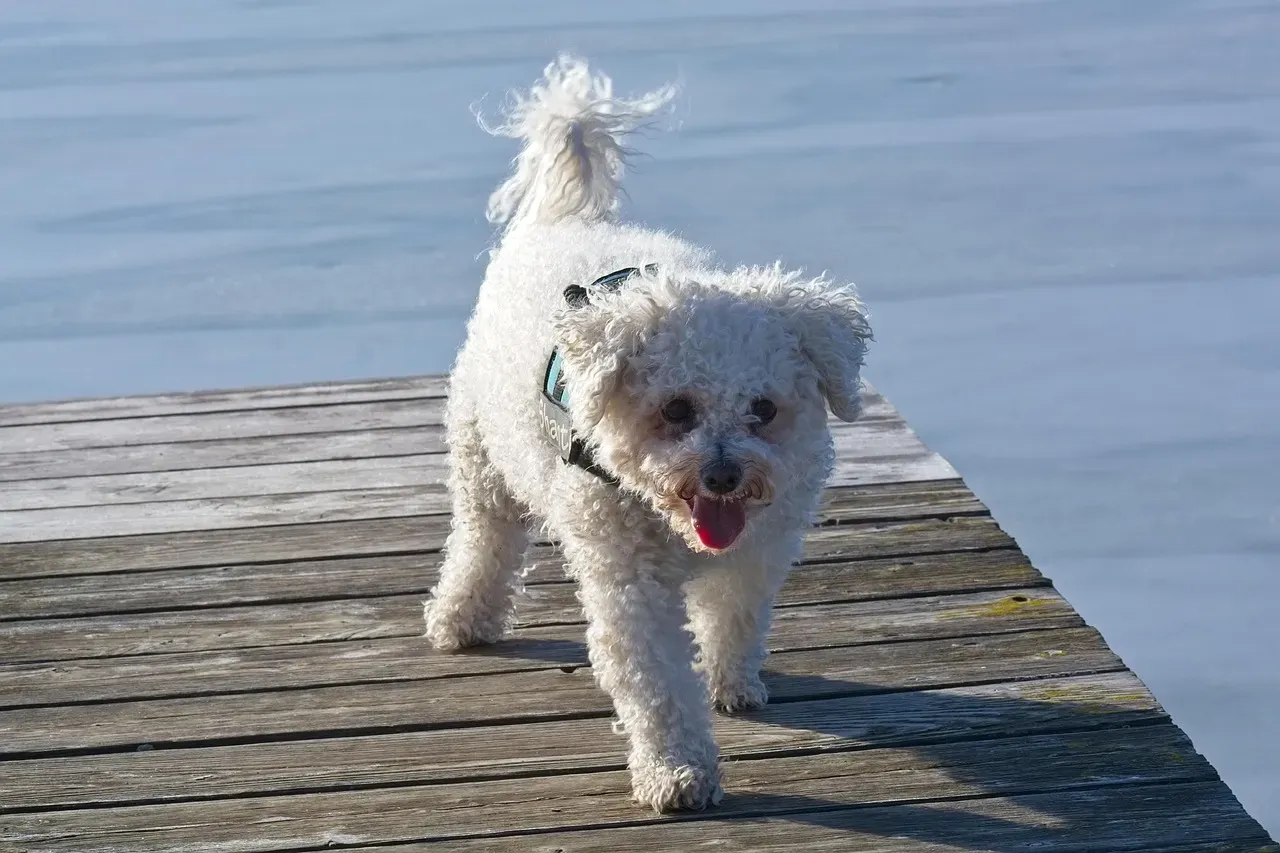
Bichon Frises look like tiny clouds that accidentally became sentient, and they behave like they still cannot believe their luck that people exist. They are typically cheerful, friendly with strangers, and affectionate with their people. For an elderly owner who might be socially isolated, having a dog that attracts conversation at the park or in the hallway of a building can slowly rebuild a sense of community.
There is also the psychological effect of caring for something small and slightly ridiculous-looking. It is hard to stay fully lost in worry about medical test results when a little white puffball is spinning in circles because you picked up the leash. That sense of being needed can give seniors a reason to get out of bed on days when life feels heavy. It is not an exaggeration to say that for some people, the responsibility of feeding, grooming, and walking a Bichon is the thin but sturdy thread that keeps their days structured and meaningful.
Golden Retriever: The Emotional Anchor Through Hard Times
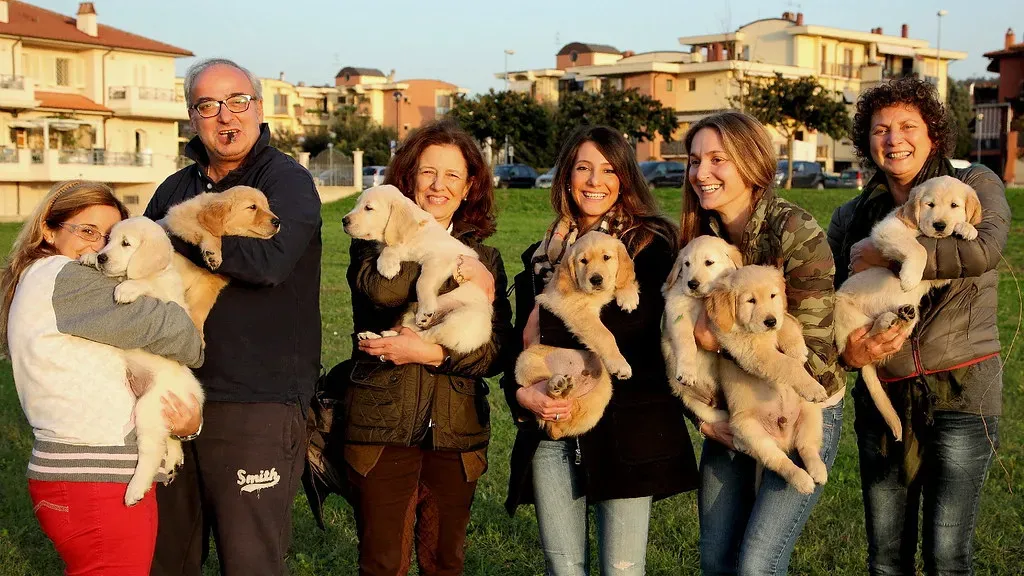
Golden Retrievers are often portrayed as the ultimate family dog, but they can be deeply stabilizing for older adults as well. Their signature warmth and calm friendliness create an atmosphere of emotional safety that is invaluable for seniors facing illness, grief, or the slow loss of independence. A Golden has this way of leaning against you as if to say, without words, that you do not have to handle everything alone.
Physically, a well-trained Golden can accompany an elderly person on longer, slower walks, acting almost like a furry metronome that sets a gentle, consistent pace. They are often patient with medical equipment, visitors, and changing routines, making them good companions for people who may need home care or frequent checkups. I have personally seen a widowed grandfather rediscover a daily rhythm thanks to a Golden that insisted on morning walks and evening cuddle time; it did not erase his grief, but it gave his life a new spine of predictable comfort.
Maltese: The Pocket-Sized Guardian of Routine
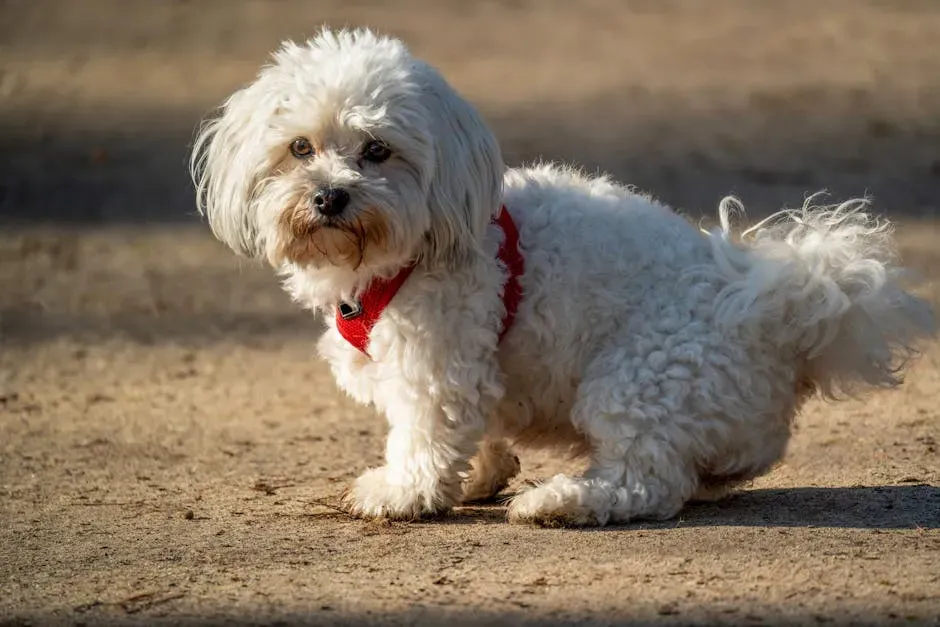
The Maltese is small enough to carry but big enough in personality to make a house feel alive. For seniors with very limited strength or mobility, their tiny size is not just cute; it is physically manageable. You can lift them onto the couch, bathe them in a sink, and gently guide them with one hand without fear of being pulled over, which makes ownership more realistic for people with balance or joint issues.
What I love about Maltese dogs for elderly people is how strongly they bond to routine. They quickly learn when it is time to get up, time to eat, and time to settle. That regularity can structure an older person’s day better than any planner app. In a stage of life where appointments and medications can blur together into a confusing fog, the simple pattern of caring for a Maltese can restore a sense of predictability and control, which in turn supports emotional resilience.
Why These Breeds Can Help Seniors Live Not Just Longer, but Better
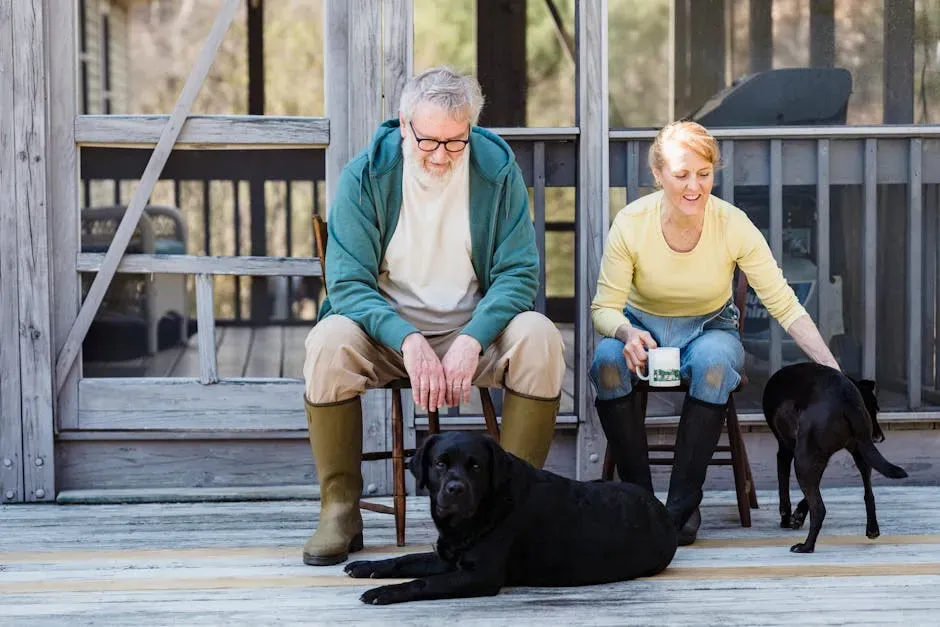
None of these breeds is a magic life extension pill, and it would be dishonest to pretend otherwise. But taken together, they offer something very close to what modern medicine keeps trying to manufacture: more movement, less stress, deeper connection, and a reason to show up for each new day. The right dog adds small but crucial habits (walks, play, social encounters) that quietly stack up over years into better heart health, sharper minds, and more stable moods.
My personal view is this: if we measured the impact of a good dog on an elderly person’s life with the same seriousness we use for medications, dogs would be prescribed far more often. The trick is not to chase the cutest puppy on the internet, but to choose a breed and individual temperament that truly matches an older adult’s energy, health, and living situation. When that match is right, nature and nurture team up in a way that feels almost miraculous. If you picture yourself many years from now, sitting in your favorite chair, who do you imagine quietly settling at your feet and helping you keep going just a little bit longer than you otherwise might?


