
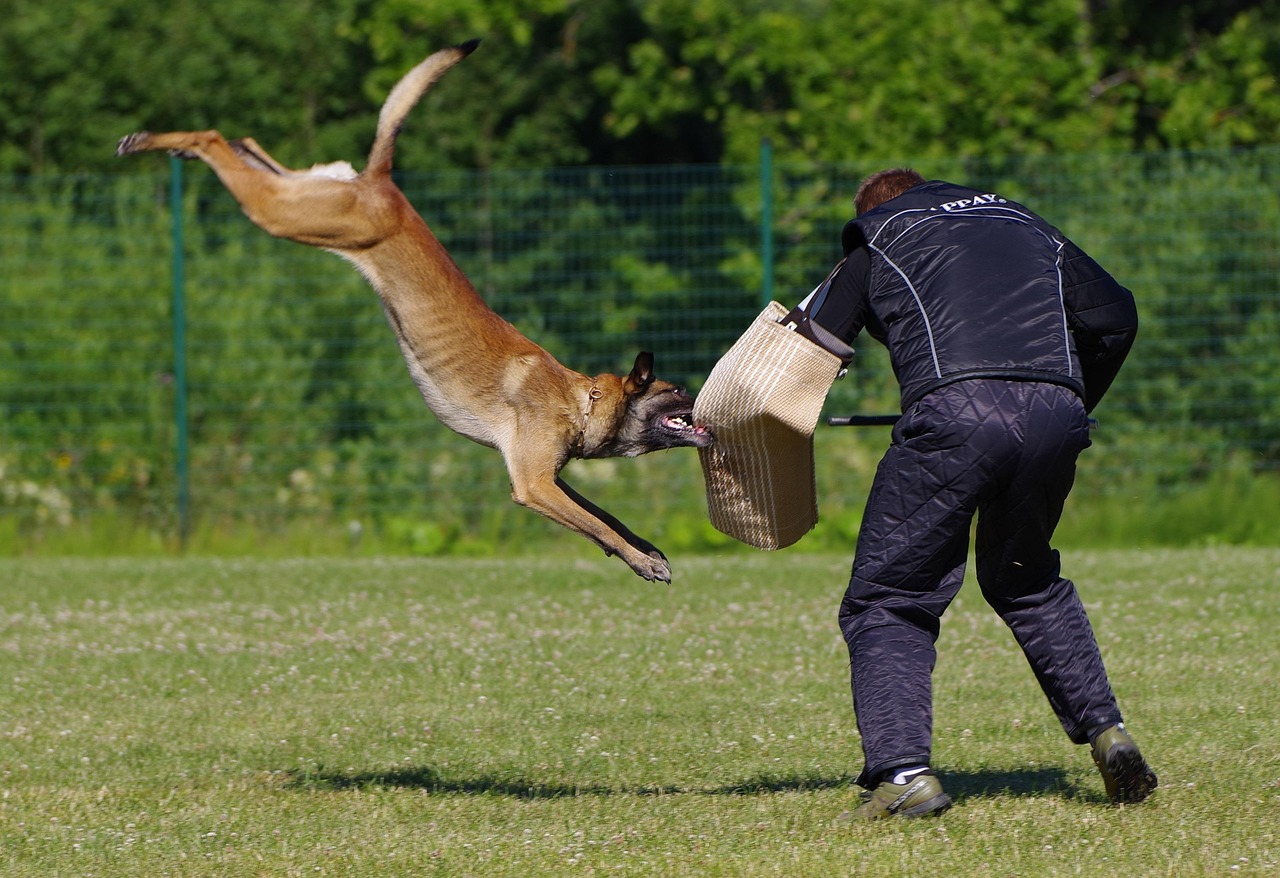
Some dogs like you. Some dogs tolerate you. And then there are dogs that would quite literally charge into chaos, teeth bared and heart pounding, just to reach the person they love. These are the dogs with legends behind them: war stories, rescue records, and generations of work that forged almost ridiculous levels of loyalty and courage.
Of course, any individual dog can be shy or laid back. Breed is never destiny. But certain breeds have been shaped by history to stand between their people and danger, over and over again. Their stories are not fairy tales. They come from battlefields, avalanche sites, police archives, and farms where a dog was the line between life and death. Let’s dive into seven breeds whose devotion is not just a feeling – it is written into their job descriptions and their past.
German Shepherd: From War Trenches to Search‑and‑Rescue Heroes
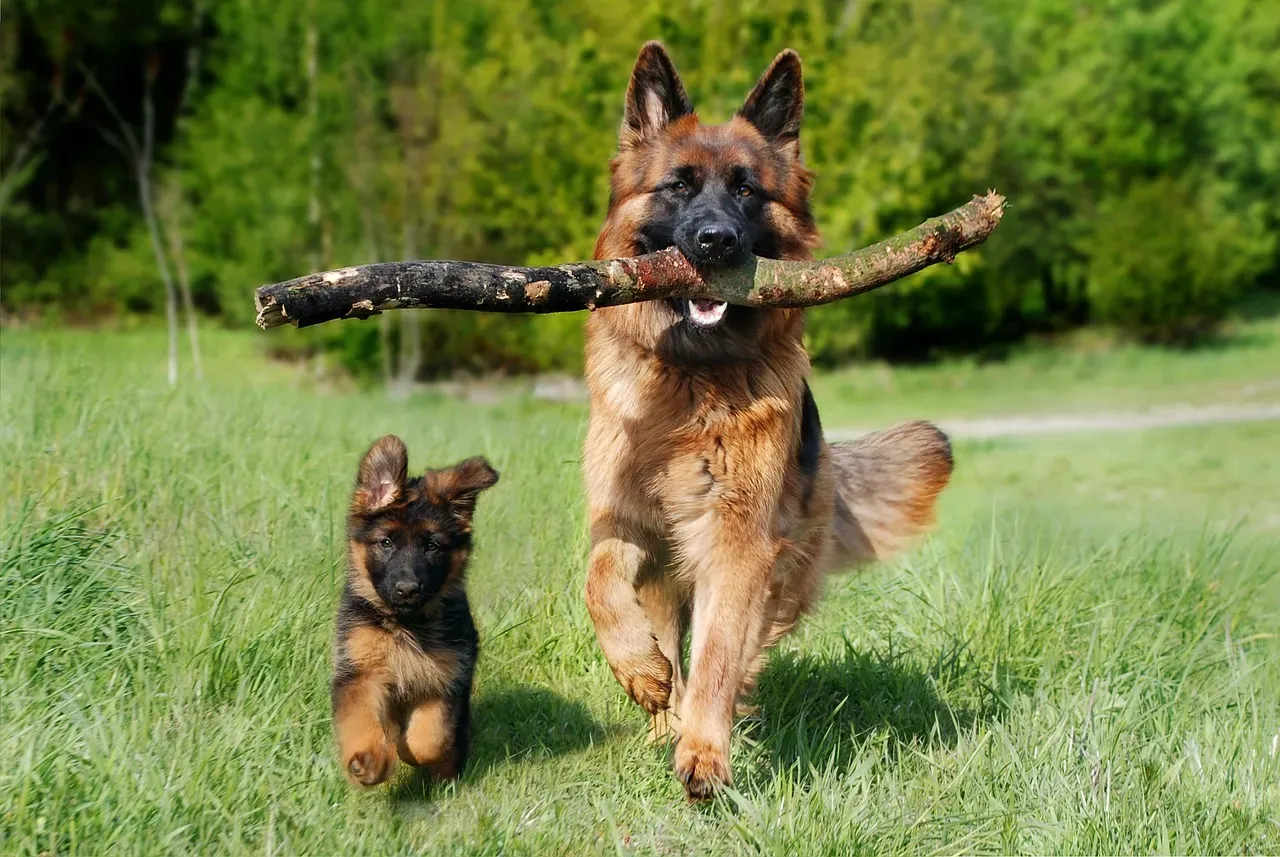
Imagine a dog steady enough to work under gunfire, intelligent enough to follow complex commands, and attached enough to its handler that it will push through fear just to stay close. That combination is exactly why German Shepherds were used as messenger dogs, sentry dogs, and even ambulance dogs in the First and Second World Wars. Their jobs often meant running across open ground, weaving through explosions and chaos, to bring messages or lead medics to wounded soldiers.
That same courage and loyalty shows up today in police K‑9 units, military working dog programs, and urban search‑and‑rescue teams. There are countless documented cases of German Shepherds tracking lost children through harsh conditions, confronting armed suspects, and even shielding handlers from bullets or knives. They are not fearless robots; they feel fear and push through it because of training, bonding, and genetics that reward staying with their person. If you earn a German Shepherd’s trust, you’re not just a pet owner – you become their mission.
Labrador Retriever: The Soft‑Mouthed Lifesaver With a Steel Nerve
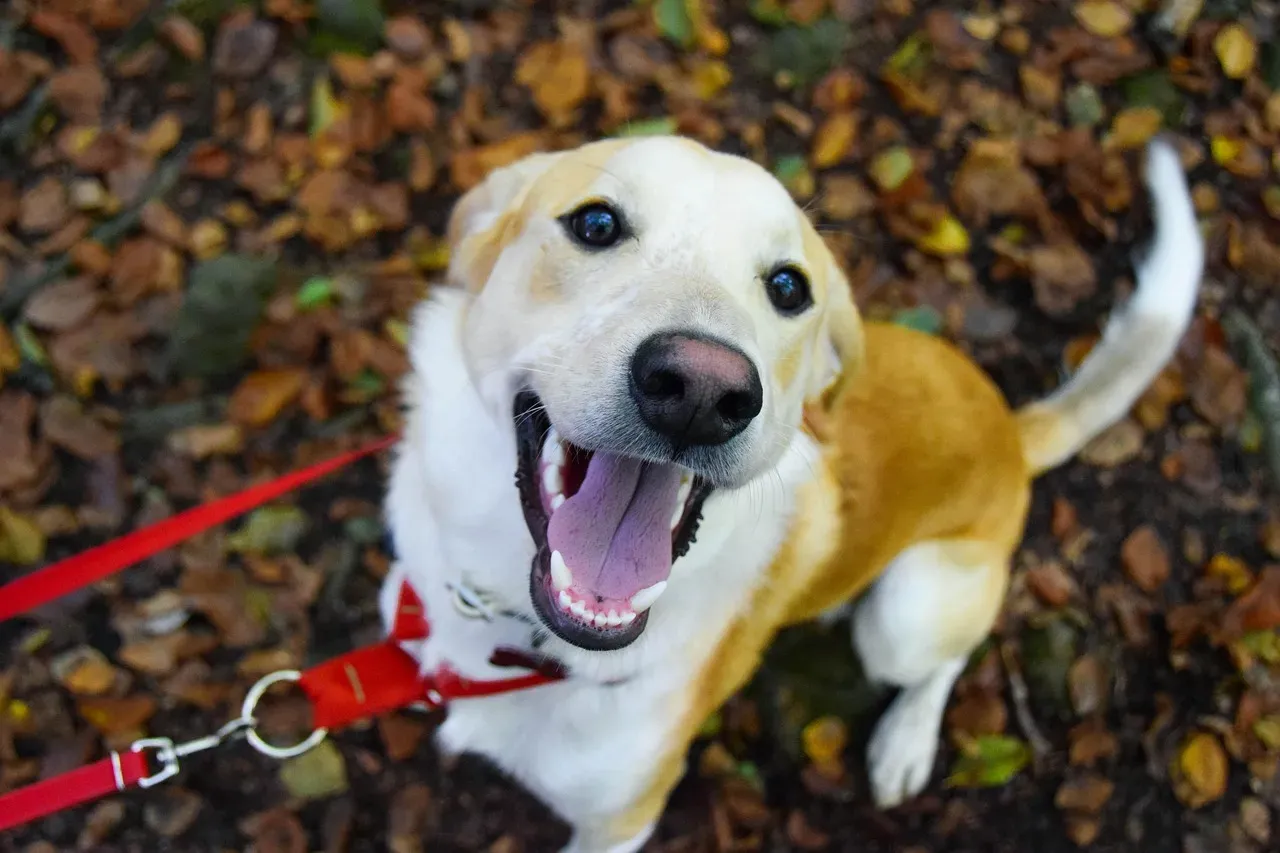
Labradors are usually associated with goofy grins, muddy paws, and an obsession with tennis balls, but beneath that friendly exterior is one of the most reliable working dogs in the world. Historically bred as fisherman’s partners in Newfoundland, early Labs jumped into freezing waters to haul nets, ropes, and even struggling people to safety. That combination of water tolerance, stamina, and eagerness to work alongside humans laid the foundation for their modern role as assistance and detection dogs.
Today, Labradors are mainstays in guide dog programs, bomb and drug detection units, and search‑and‑rescue organizations. Their willingness to tirelessly scan luggage in airports or lead a blind handler through busy streets is not just about food rewards – it reflects a temperament that locks onto the human in front of them and treats that person’s safety as a priority. When disaster strikes, you will often see yellow, black, or chocolate Labs clambering through rubble or wading into floodwaters. They might look like family pets, but when someone needs help, a well‑trained Lab turns into a quiet, determined first responder.
Saint Bernard: Legends of Alpine Rescue With Real‑World Receipts
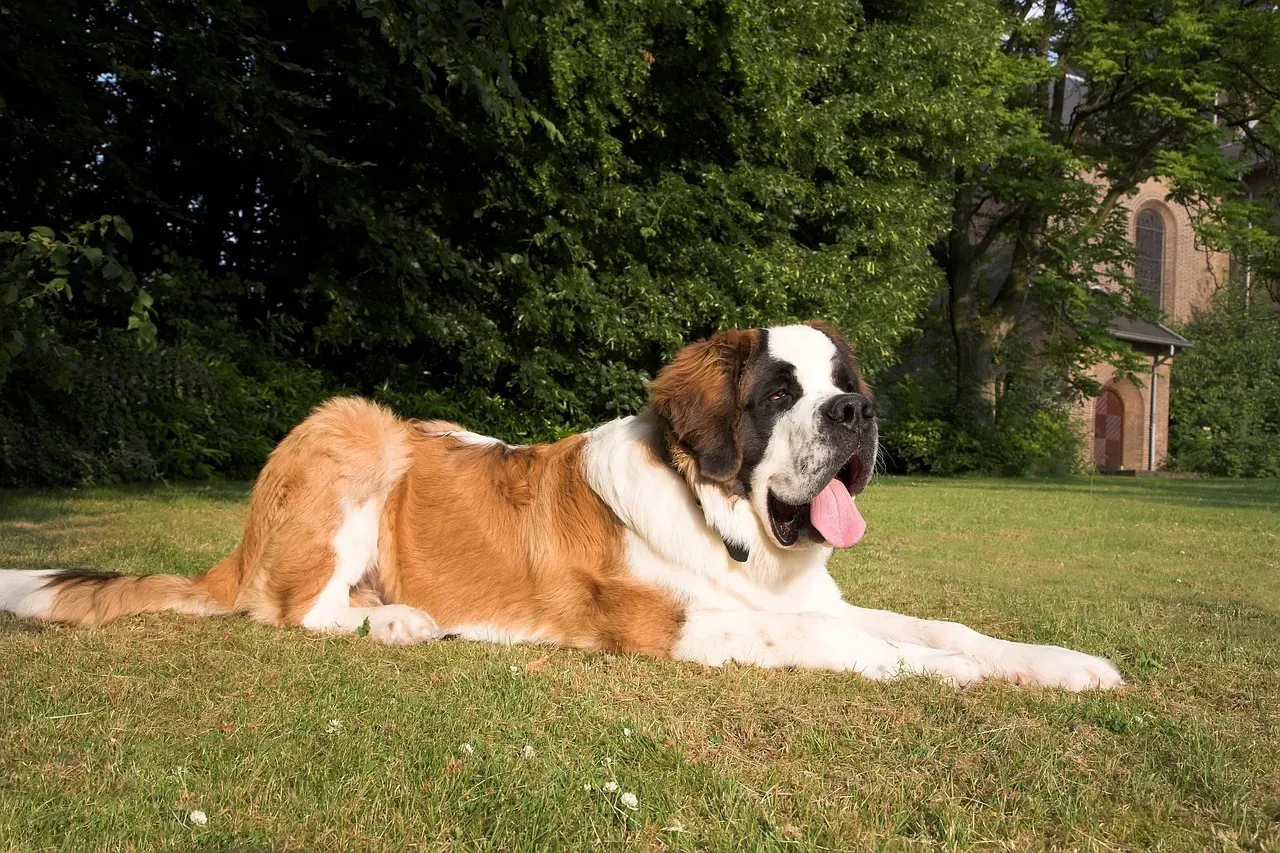
Stories of Saint Bernards saving stranded travelers in the Alps have been told for centuries, and while the details sometimes get exaggerated, the core is real. Monks at the Great St. Bernard Hospice in the Swiss and Italian Alps bred these massive dogs to help find people lost in snowstorms and avalanches. Saint Bernards would patrol treacherous passes, using their powerful build and keen senses to locate humans buried or immobilized in the snow.
Historical records from the hospice include accounts of specific dogs credited with multiple rescues across their lifetimes, sometimes pulling half‑frozen travelers out of the snow and staying with them for warmth until human help arrived. The classic image of a giant dog leaning over a shivering stranger is not far from the truth. This mix of physical strength, cold resistance, and human focus makes Saint Bernards the kind of dog that will push through brutal weather not because it is fun, but because a human might be out there and that matters to them.
Doberman Pinscher: The Bodyguard With a Wartime Resume
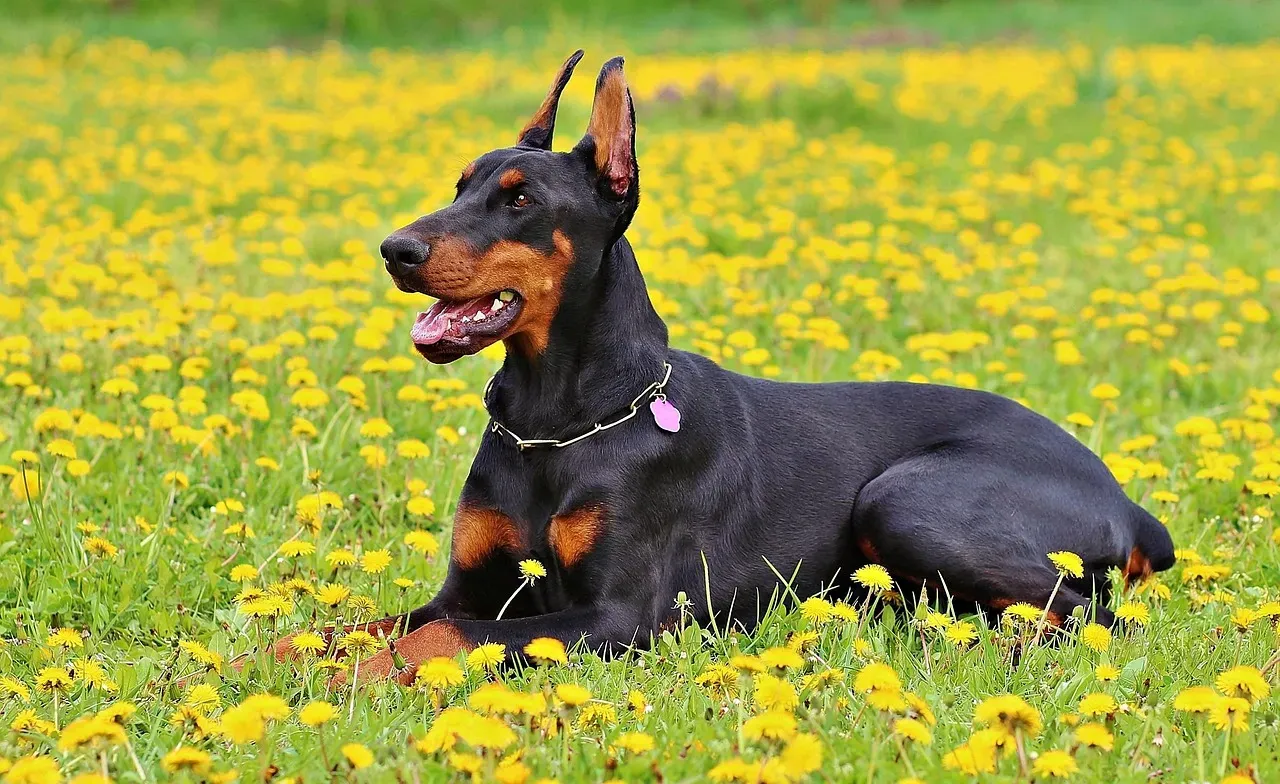
Dobermans were originally developed in Germany by a tax collector who needed a protective but controllable dog to accompany him on rounds. That origin alone says a lot: these dogs were bred to walk straight into hostile situations and stand their ground beside their person. Their athletic build, alert mind, and strong protective instincts made them quickly popular as guard dogs, police dogs, and personal protectors.
Their courage became legendary during the Second World War, where Dobermans served with the United States Marine Corps in the Pacific. Historical accounts describe these dogs running ahead of patrols, warning of ambushes, and even dying while shielding soldiers from grenades. In recognition of their service, a war dog cemetery in Guam honors several Dobermans that saved many lives. When you look at a Doberman calmly leaning against their owner’s leg, you are looking at a breed shaped by generations of stepping between danger and the human they love.
Belgian Malinois: The Modern Warrior of High‑Risk Missions
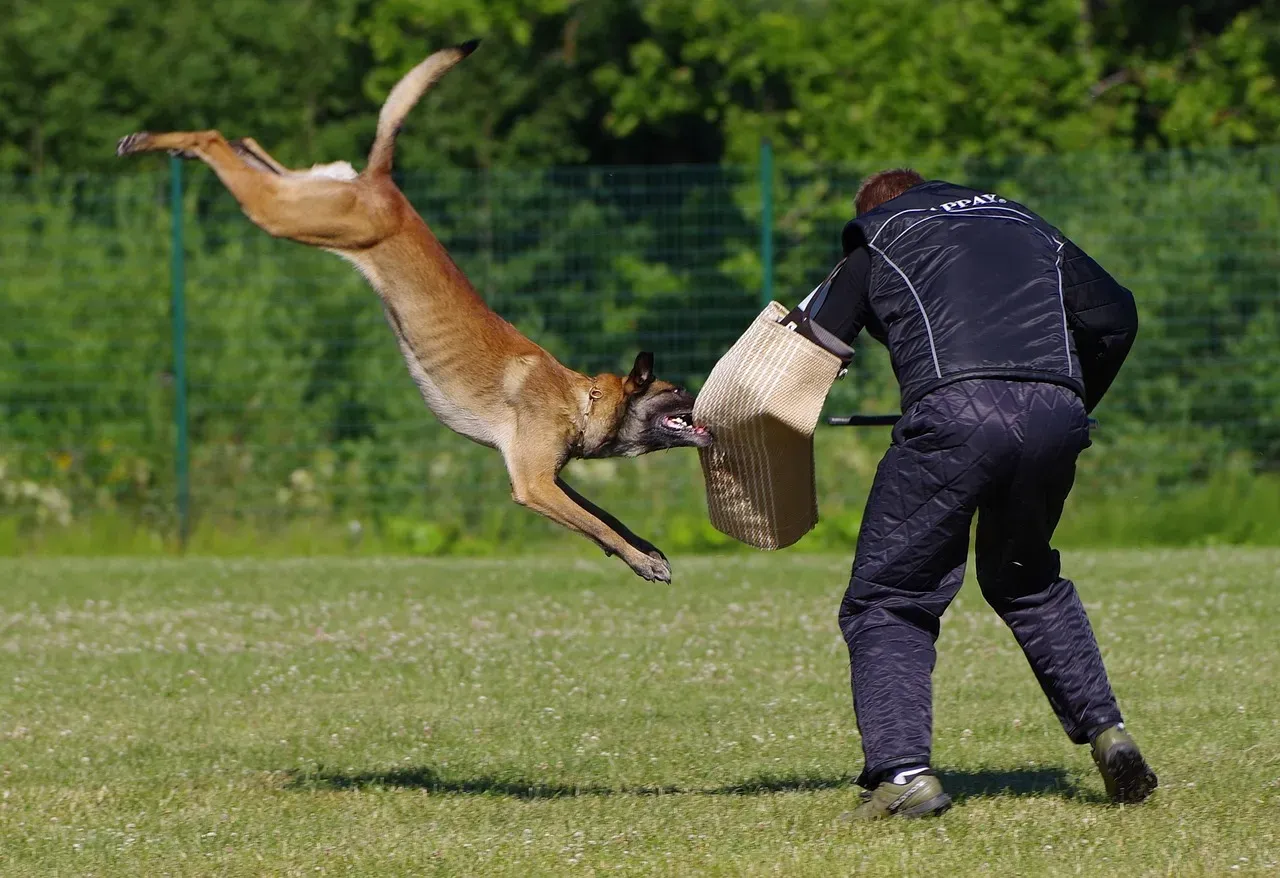
If German Shepherds were the classic war and police dogs of the twentieth century, Belgian Malinois might be the undisputed specialists of the twenty‑first. Originating as herding dogs in Belgium, they were bred to be fast, agile, extremely responsive to handlers, and mentally tough. Those qualities translated almost perfectly into modern roles like special operations support, high‑risk police work, and advanced detection tasks.
There are widely documented cases of Malinois parachuting or rappelling with handlers, tracking insurgents, and locating explosives in harsh environments. They are often described in official reports as pushing through fire, gunfire, and collapsing structures to reach targets or stay with their handlers. In everyday life, a well‑managed Malinois tends to latch onto their person with almost laser‑focused intensity. Without an outlet, that drive can be overwhelming, but channeled properly, it creates a partner that will go where most humans hesitate, simply because their human is going too.
Newfoundland: The Cold‑Water Guardian of Sailors and Swimmers
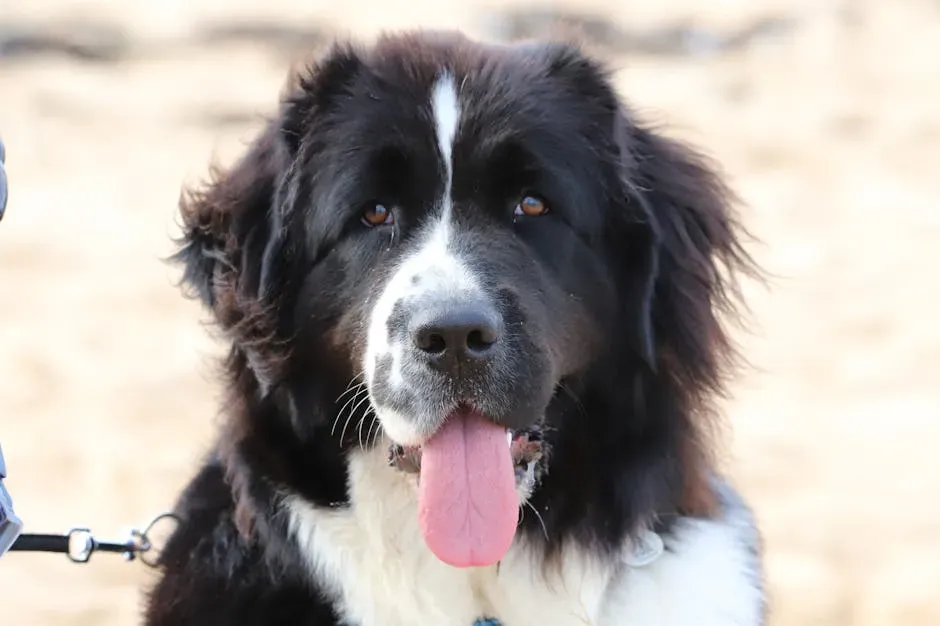
Long before organized search‑and‑rescue units existed, Newfoundlands were already hauling people out of deadly waters. Bred on the coasts of Newfoundland and Labrador, these dogs worked on fishing boats and coastal villages, leaping into icy seas to help retrieve equipment and, crucially, rescue humans who had fallen overboard. Their thick, water‑resistant coat, webbed feet, and immense strength turned them into natural lifeguards.
Historical and modern accounts both describe Newfoundlands breaking through surf to reach drowning people, grabbing them gently by clothing or limbs, and towing them back to shore. In some European countries, they are still used in water rescue units, jumping from boats or even helicopters in training and real emergencies. What stands out in many of these stories is how spontaneously they respond to a struggling human, often moving toward danger without being commanded. When a Newfoundland bonds with a person or a family, that instinct to keep “their” humans safe in and around water becomes a quiet but powerful constant.
On a personal level, I once met a Newfoundland at a lake who would physically wedge himself between children and the deeper water, gently steering them back if they went too far. No one had taught him that exact behavior, but all those generations of water work showed through. Watching him, it felt like witnessing history wrapped in wet fur and drool.
Akita: The Silent Sentinel of Unshakeable Devotion
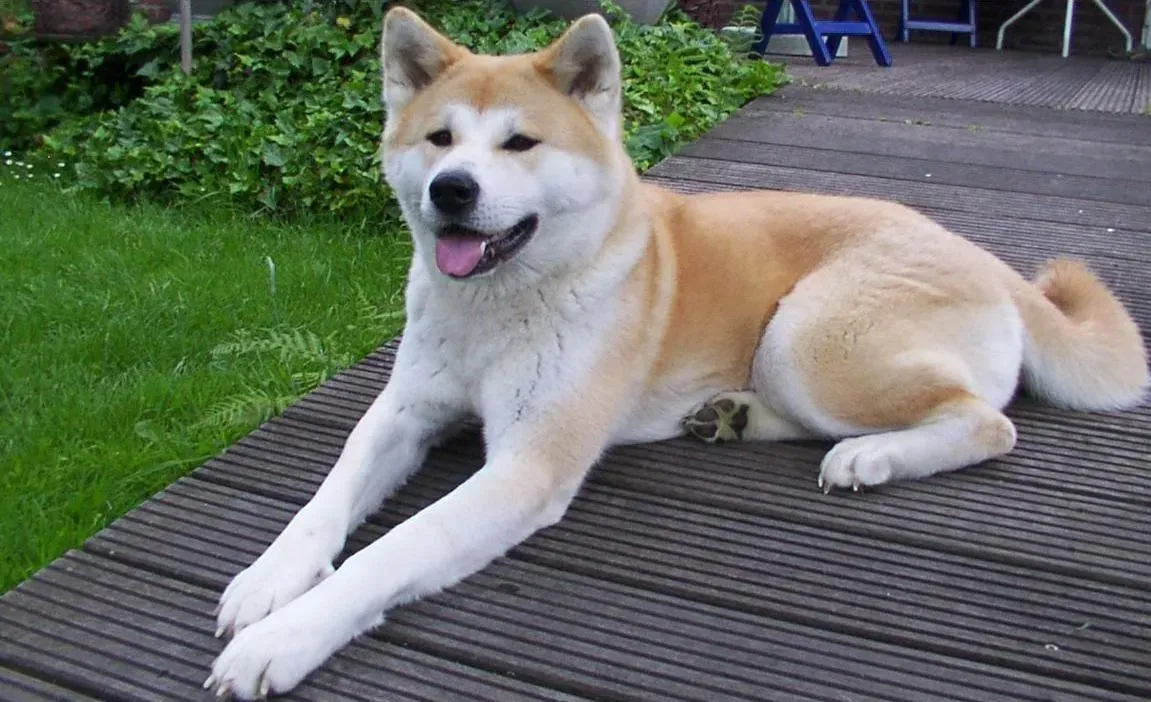
Akitas come from Japan’s cold northern regions, where they were historically used for hunting large game and, later, for guarding homes and families. Their reputation for intense loyalty is not marketing fluff; it is deeply rooted in the culture that shaped them. These dogs were expected to stand watch, make independent decisions, and stay close to their chosen person or family even in harsh conditions.
One of the most famous stories associated with the breed involves a dog that continued to wait for his deceased owner at a train station for years, becoming a national symbol of faithfulness. Beyond that well‑known tale, Akitas have long been regarded as protectors in Japanese households, trusted to alert to threats and stand firm against intruders. They are not typically as demonstrative as some breeds, but when an Akita decides you are theirs, that bond can be almost shockingly deep. This is not a dog that loves everyone; it is a dog that chooses a few and holds on tight, come what may.
Rottweiler: From Roman Drover to Family Guardian
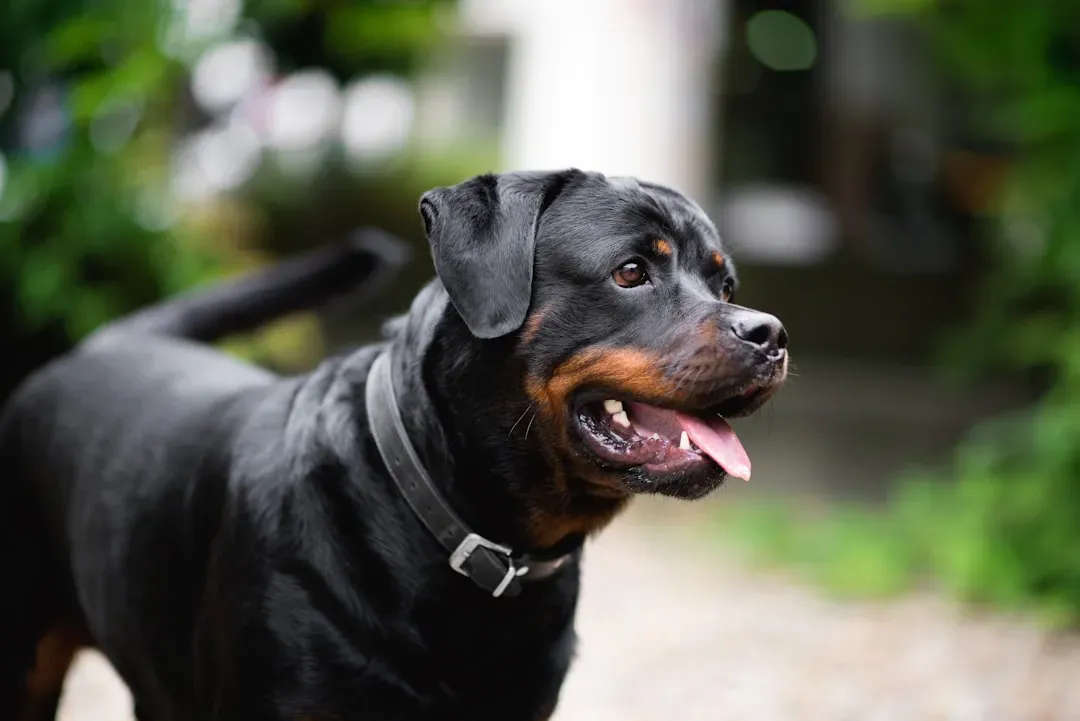
Rottweilers trace their roots back to drover dogs that helped move cattle and protect livestock and money on long journeys in what is now Germany, with likely ancestry reaching as far back as Roman working dogs. Their job was demanding: keep the herd together, protect it from thieves and predators, and stay near the humans in charge. A dog that ran from conflict simply would not have survived that kind of work, so courage and loyalty were non‑negotiable traits.
Modern Rottweilers appear in roles like police work, search‑and‑rescue, and personal protection, where their stability and attachment to their handler can literally save lives. There are documented cases of Rottweilers placing themselves between children and aggressive strangers, confronting intruders, or staying beside injured owners until help arrived. Despite their tough image, many of them are deeply affectionate with their families, often described as shadowing their favorite person from room to room. The impressive muscles and serious expression are real, but so is the dog that, when it counts, will plant itself in harm’s way because you matter more.
Conclusion: Courage, Love, and the Dogs Who Take It Too Far
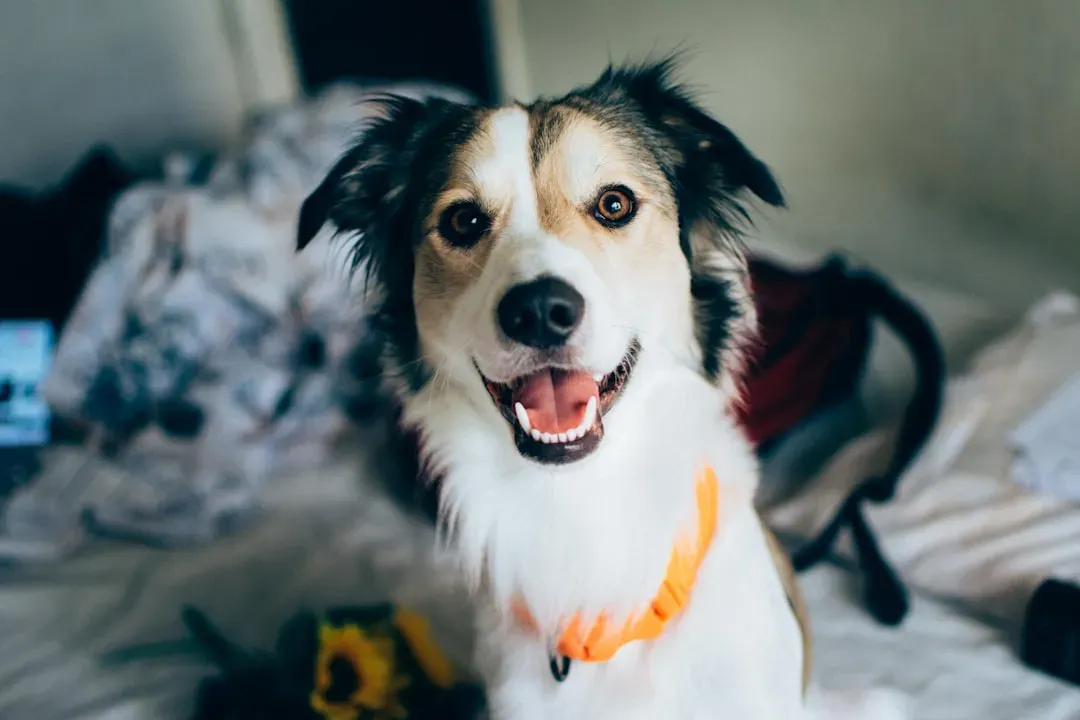
Looking across these seven breeds, a pattern jumps out: their bravery is almost never about raw aggression. It is about a dog so bonded to its human, and so focused on its job, that backing down simply is not an option in its mind. History gave us real examples – war records, rescue logs, and working dog archives – that show these animals walking straight into danger for the sake of people they trusted.
In my view, we sometimes romanticize this to the point of forgetting the responsibility on our side. A dog that would walk into fire for you deserves an owner who would never casually lead it toward unnecessary risk. The deeper truth behind these heroic stories is not just that some breeds are incredibly loyal; it is that when humans invest time, respect, and care into a dog, that dog often gives back more than we deserve. Knowing that, the real question becomes: if your dog would walk into fire for you, how far are you willing to go to protect them in return?


