
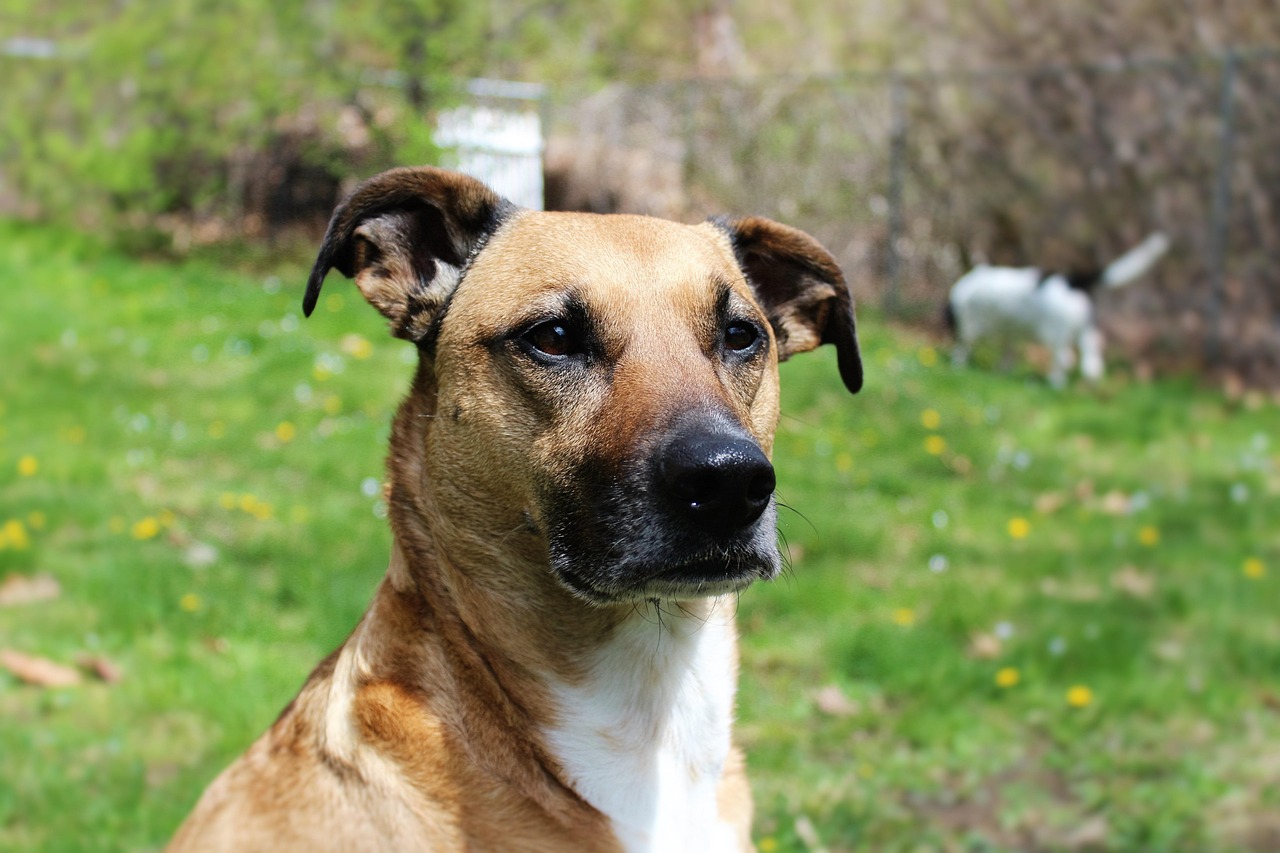
If you’ve brought home a rescue dog and feel their eyes on you almost all the time, you’re not imagining it. That long, intense stare can feel flattering, unsettling, or oddly emotional, sometimes all at once. Many behaviorists call this pattern hypervigilant monitoring, and it often shows up in dogs who are still waiting to find out if they’re finally safe.
When I fostered my first rescue, I remember waking up to find her silently sitting by the bed, just watching my face like she was trying to decode what kind of human I was. At first I thought it was adorable; later, I realized it was also a little heartbreaking. That stare was not just affection. It was a dog who had learned that paying attention to humans could mean the difference between comfort and chaos.
From Surviving to Observing: Why Rescue Dogs Become Little Detectives
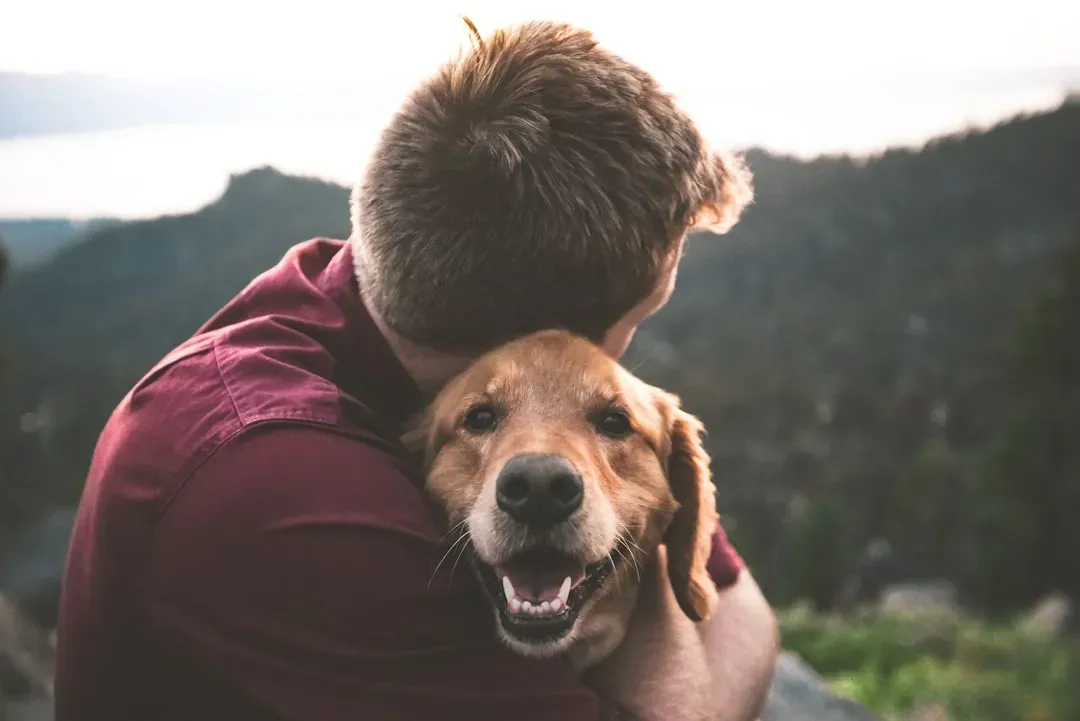
Hypervigilant monitoring is a fancy way of saying your dog is on high alert and constantly checking you for information. Many rescue dogs have lived in unpredictable environments where watching people closely was how they stayed safe. Imagine growing up in a house where a slammed door might mean nothing today but big trouble tomorrow; you would start scanning faces and body language for the smallest hint of what was coming.
When a dog like that lands in a new home, the habit does not turn off overnight. Instead, they bring their personal “survival toolkit,” and one of the biggest tools is observation. Staring at you helps them track your movements, guess your mood, and prepare for anything – good or bad. To them, you are the weather forecast, and their eyes are glued to the sky.
Attachment Still Under Construction: The Role of Insecurity and Uncertainty
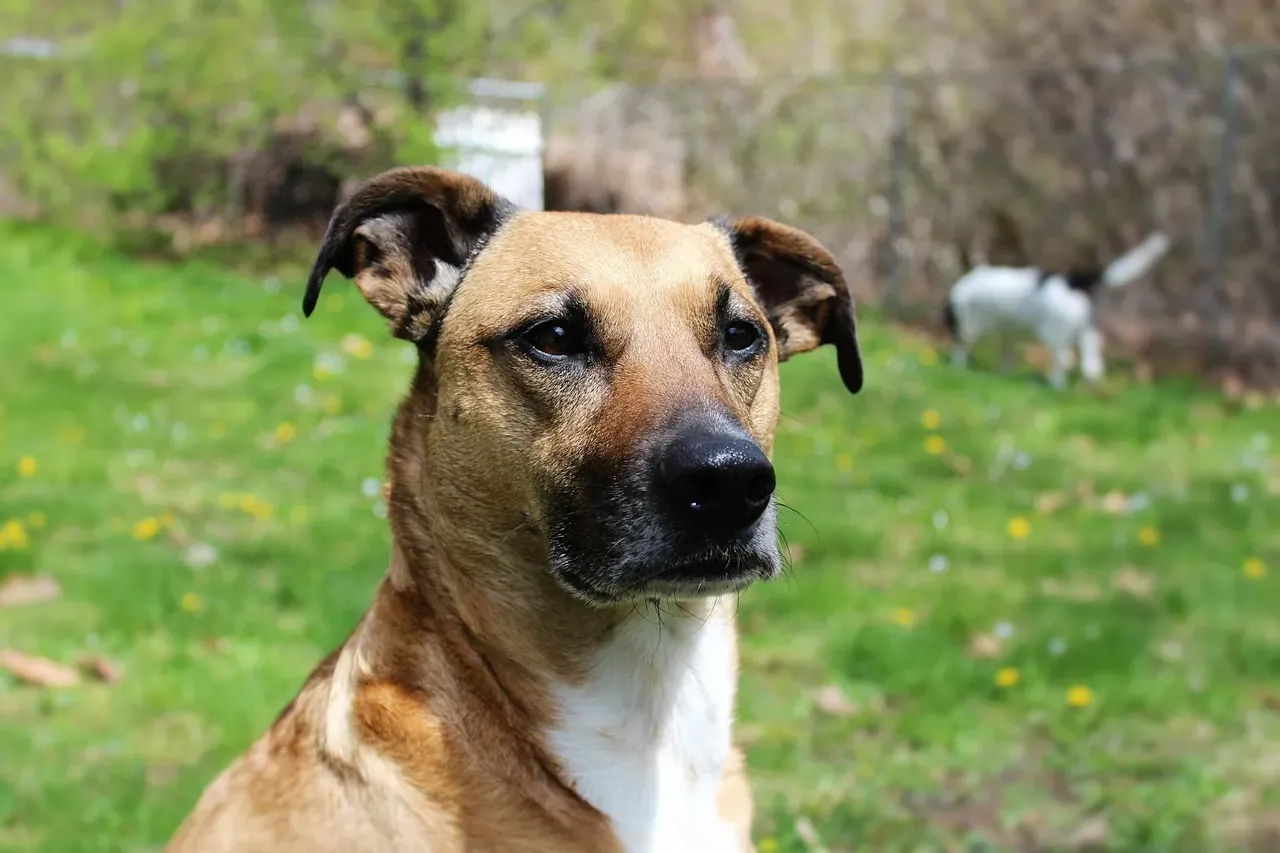
In securely attached dogs, the owner is a safe base, not a potential threat or mystery to be constantly scanned. Rescue dogs, especially in the early weeks and months, often do not feel that certainty yet. They may not fully trust that the food will always arrive, that walks are guaranteed, or that affection will not suddenly disappear. So they watch, and watch, and watch.
That extended stare can be the dog’s way of asking a quiet question: Are you really staying? Are you predictable, or are you going to change like the others? Behaviorally, this shows up as following you from room to room, staring at you while you talk or move, and almost never truly relaxing unless they can see you. It is less like a fan gazing at their favorite celebrity and more like a kid in a new foster home, trying to figure out the new adults in charge.
Stress, Trauma, and the Brain on High Alert
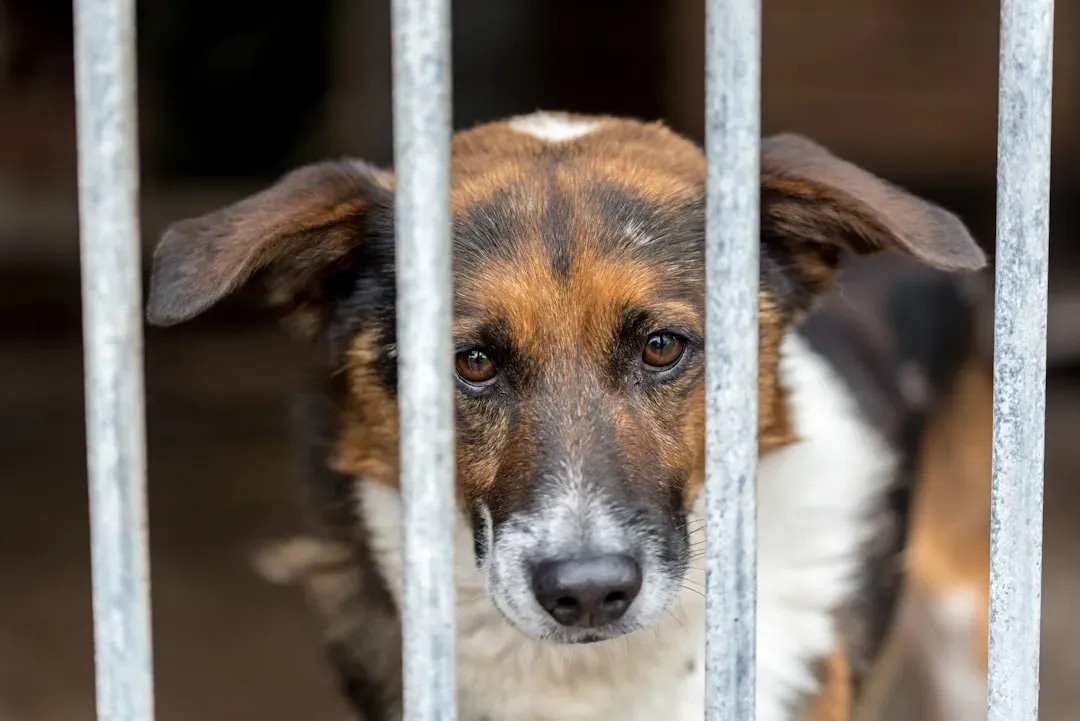
Many rescue dogs have experienced chronic stress, and that leaves marks on their nervous system. When a dog lives with fear, neglect, or constant change, their brain becomes excellent at spotting possible danger and not so great at powering down. Hypervigilance – the constant scanning and monitoring – is one of the ways a brain adapted for survival keeps trying to stay ahead of the next bad thing.
In practical terms, that means their “alarm system” switches on easily and is slow to switch off. Your rescue might seem calm on the surface while still running a background process of tracking every sound, movement, and facial expression you make. The long stare is not always relaxed curiosity; sometimes it is an anxious dog staying ready, just in case. The hard part is that this can look like devotion when, at its core, it may be tension that has not yet learned how to let go.
Reading the Stare: Affection, Anxiety, or Both at the Same Time?
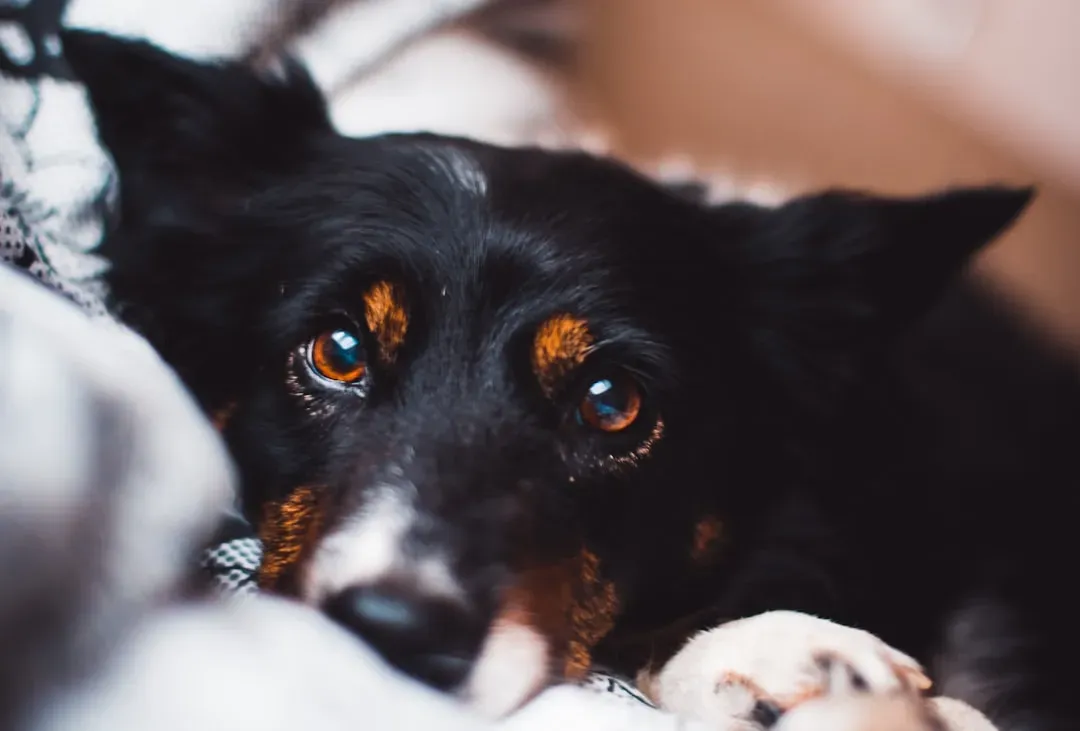
Not every long gaze from a rescue dog is a red flag, and context matters a lot. A soft, squinty-eyed look with a relaxed body, loose jaw, and maybe a gentle tail wag often signals affection and comfort. That kind of stare feels warm, like the dog is soaking you in, memorizing the shape of their new person in a peaceful way.
On the other hand, a rigid body, wide eyes, closed mouth, or frozen posture tell a different story. If your dog locks onto you and barely seems to blink, especially in new or busy situations, that is more likely hypervigilant monitoring. They are not just looking at you; they are reading you like a live subtitles feed, trying to preview the next scene before it happens. In many rescues, you will see a messy mix of both: tender attachment starting to grow on top of old, wary habits.
The Human Side: How Our Behavior Shapes Their Watching
Dogs are experts at patterns, and rescue dogs are especially quick studies because their past demanded it. If your moods swing wildly, if rules change from day to day, or if different people in the household act in opposite ways with the dog, the staring and shadowing usually get stronger. Unpredictability teaches them that they must watch more closely to stay prepared.
The flip side is powerful: consistency is one of the best ways to soften that intense gaze over time. Feeding at similar times, using the same words for cues, responding calmly instead of explosively, and setting gentle, clear boundaries all tell your dog that the world finally makes sense. When life becomes more reliable, the dog does not have to spend every waking moment checking your face for clues. That is when you start to notice them sleeping deeper, playing more freely, and looking at you with curiosity rather than concern.
Helping a Hypervigilant Dog Relax: Practical Steps That Actually Matter
One of the kindest things you can do for a rescue dog who stares a lot is to give them safe predictability plus meaningful choice. That can look like giving them a consistent resting spot where they will not be bothered, letting them choose whether to join you on the couch or stay on their bed, and avoiding forcing interactions when they look overwhelmed. Regular routines for walks, meals, and rest act almost like a lullaby for a worried nervous system.
Enrichment and gentle training also help shift their brain from survival mode to learning mode. Short, reward-based training sessions, sniffy walks, puzzle feeders, and calm, low-pressure outings create new experiences where watching you leads to good, understandable outcomes. Over time, the dog learns that your body language predicts treats, play, and calm – not chaos. The goal is not to stop them from ever staring, but to help that stare transform from a frightened scan into a relaxed, trusting gaze.
When Staring Is a Symptom: Knowing When to Involve a Professional
There is a difference between a watchful rescue dog who is slowly loosening up and one who is stuck in a near-constant state of hypervigilance. If your dog spends most of their day tracking you, startles easily, struggles to settle, or pairs staring with other signs like pacing, whining, or difficulty sleeping, it may be time to get extra help. In some dogs, long-term stress and anxiety become so ingrained that they need more than just time and love.
Working with a qualified behavior professional and, when appropriate, a veterinarian can change everything for these dogs. Behavior plans that use humane, reward-based methods, sometimes combined with medical support, can dial down the intensity of that ever-watchful gaze. I tend to think of it this way: if a friend told you they could never relax, constantly watched others for danger, and barely slept deeply, you would not tell them to simply wait it out. Rescue dogs deserve the same seriousness, because their mental health is not a side issue – it is the foundation of that future secure attachment.
Opinion: The Stare as a Measure of How Much We Owe Them
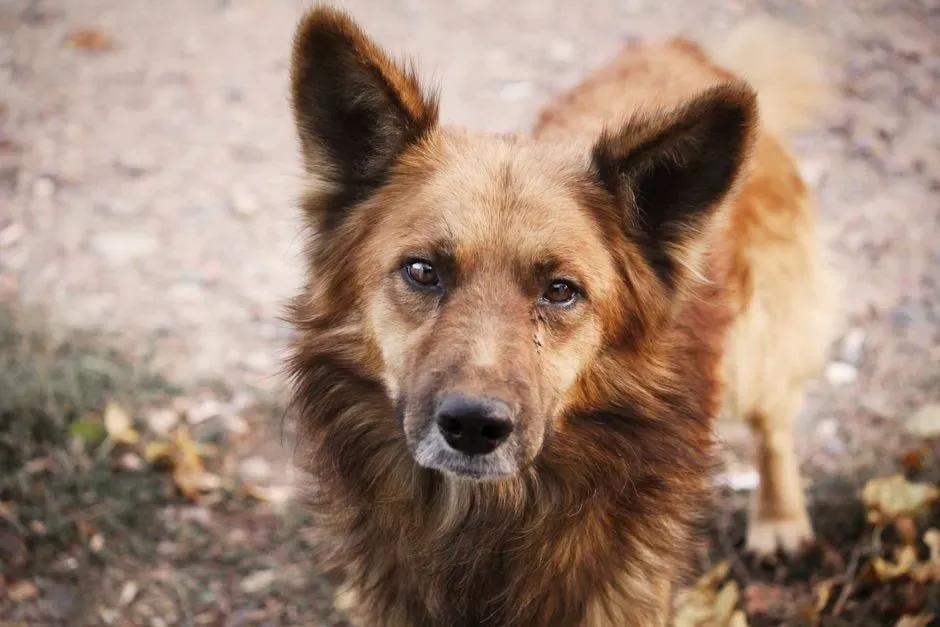
I think the rescue dog stare is one of the most misunderstood behaviors in modern pet culture. We love to romanticize it as instant loyalty or soul-deep connection, and sometimes it really does have that sweetness. But often, hidden inside that long gaze is a dog quietly asking whether this will finally be the home where they can stop being on guard. Ignoring that layer, or brushing it off as just neediness, feels like missing the whole point of rescuing in the first place.
To me, the real goal is not to have a dog who stares at us endlessly; it is to have a dog who eventually feels safe enough not to. When a once-watchful rescue can nap in another room, play without checking your face every few seconds, and glance at you with easy, casual trust, that is the true victory. Their eyes tell the story of where they have been and whether we have kept our promise to be better than their past. So the next time your rescue locks eyes with you for a long, searching moment, it is worth asking yourself: am I giving them the kind of life where, one day, they will not need to watch me so closely anymore?


