
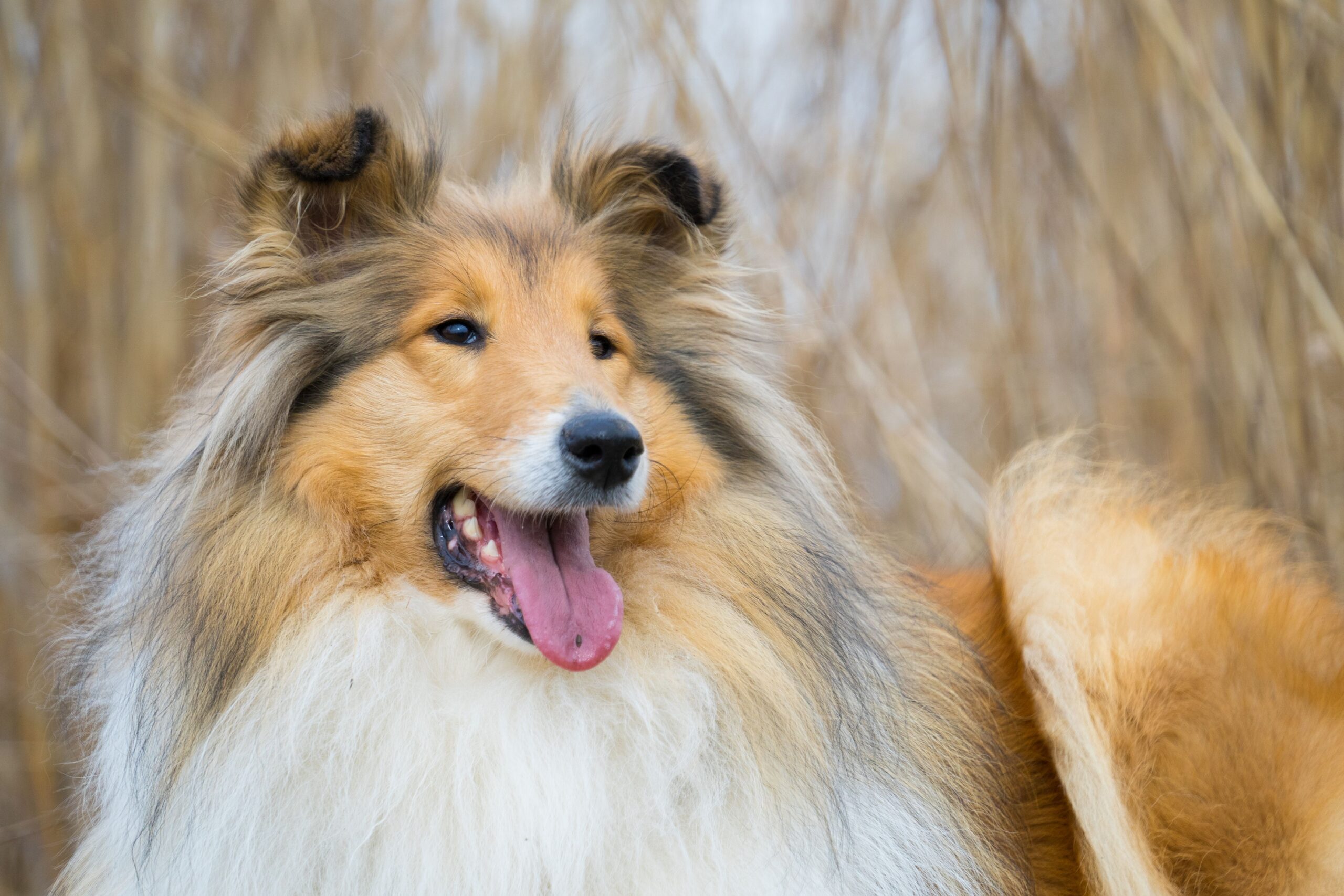
There’s a certain kind of dog that doesn’t just love you; it watches you. Not in a creepy way, but in that quiet, laser‑focused, are‑you-okay way. These are the dogs that history shaped for one specific job: stick with the human, especially when things go wrong. Fallen shepherd, lost traveler, buried skier, injured hunter – these breeds were built to stay, signal, guard, or guide until help arrived.
What’s wild is that even though most of these dogs now live in apartments, suburbs, and city parks, that old code is still running in the background. You can see it when they check over their shoulder on a hike, when they circle back to the slowest person, or when they refuse to leave a sick kid’s bedside. Let’s dive into the breeds whose entire identity was forged around one powerful instinct: never abandoning their person.
1. Saint Bernard: The Snowbound Lifesaver of the Alps
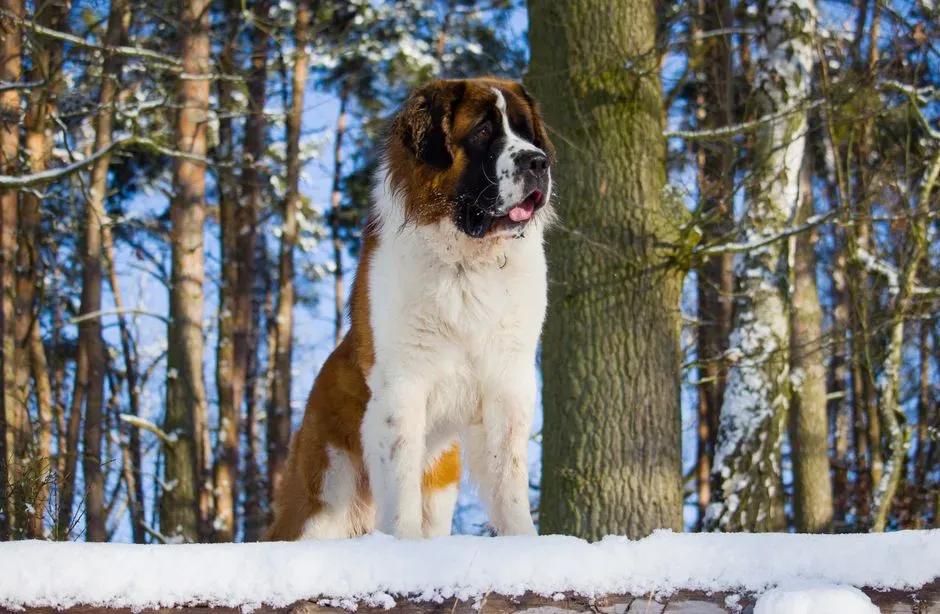
If you picture a dog finding a stranded traveler in a blizzard, odds are you’re picturing a Saint Bernard. These giants were developed by monks at the Saint Bernard Pass in the Alps to locate and stay with lost or buried people, often in brutal, near‑whiteout conditions. Their job was not just to find a fallen human, but to remain with them, provide warmth, and alert the monks so a rescue team could dig them out.
That history still shows in modern Saint Bernards. Many are remarkably calm around injured or upset people, often planting themselves right beside someone in distress like a furry weighted blanket with a heartbeat. They’re not the fastest dogs, and they’re not built for marathon hikes in the heat, but if you slip on ice or faint on the living room floor, a Saint Bernard is exactly the kind of dog that’s likely to stand guard instead of wandering off to find something more interesting.
2. Border Collie: The Hyper‑Vigilant Shepherd Who Counts Every Human
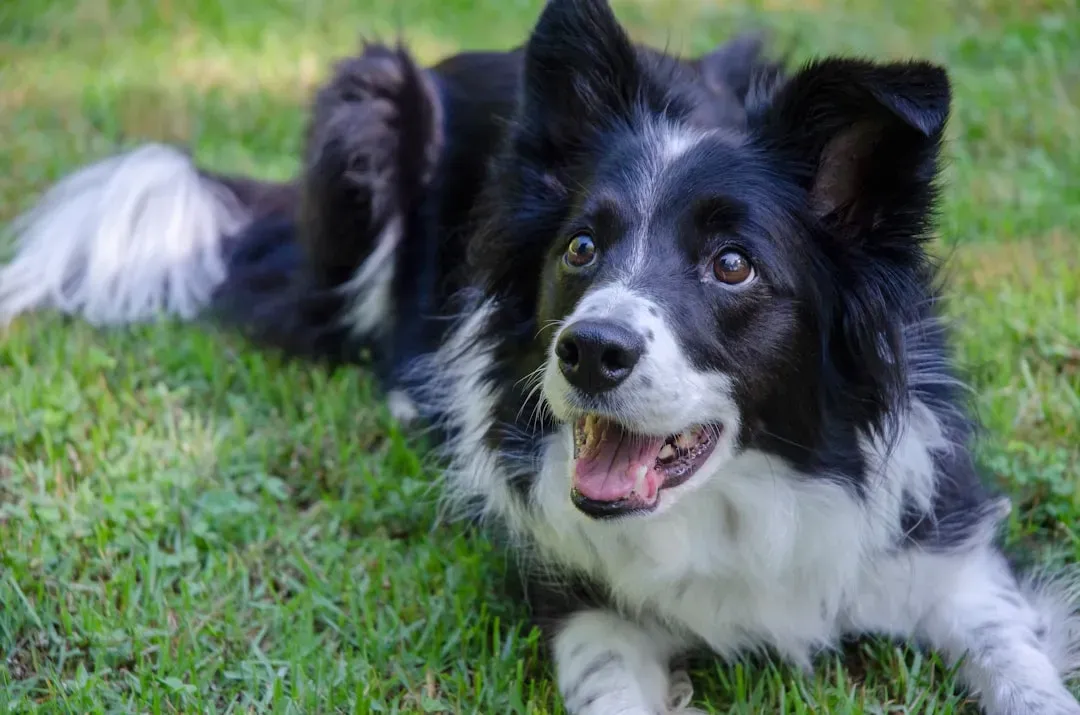
Border Collies are known as the geniuses of the dog world, but people often forget what that intelligence was actually for: managing sheep on rough, sometimes dangerous terrain while glued to a shepherd’s side. A shepherd could fall, twist an ankle, or go down in bad weather, and the dog’s instinct was not to drift away with the flock. Instead, the working bond meant the dog stayed close, watched, and responded to any sudden change in their human’s behavior.
Even as pets, that farm-bred vigilance has not gone away. Border Collies routinely “check in” with their people, especially outside, constantly scanning faces and body language. On hikes or runs, they’re the dog that notices when you slow down, trip, or sit suddenly, and they react like it’s a job assignment. If you want a dog that treats your safety like a full‑time project, a properly trained Border Collie will absolutely keep you on its internal checklist and will not just trot off if you go down.
3. German Shepherd: The Guardian Designed to Work Through Crisis
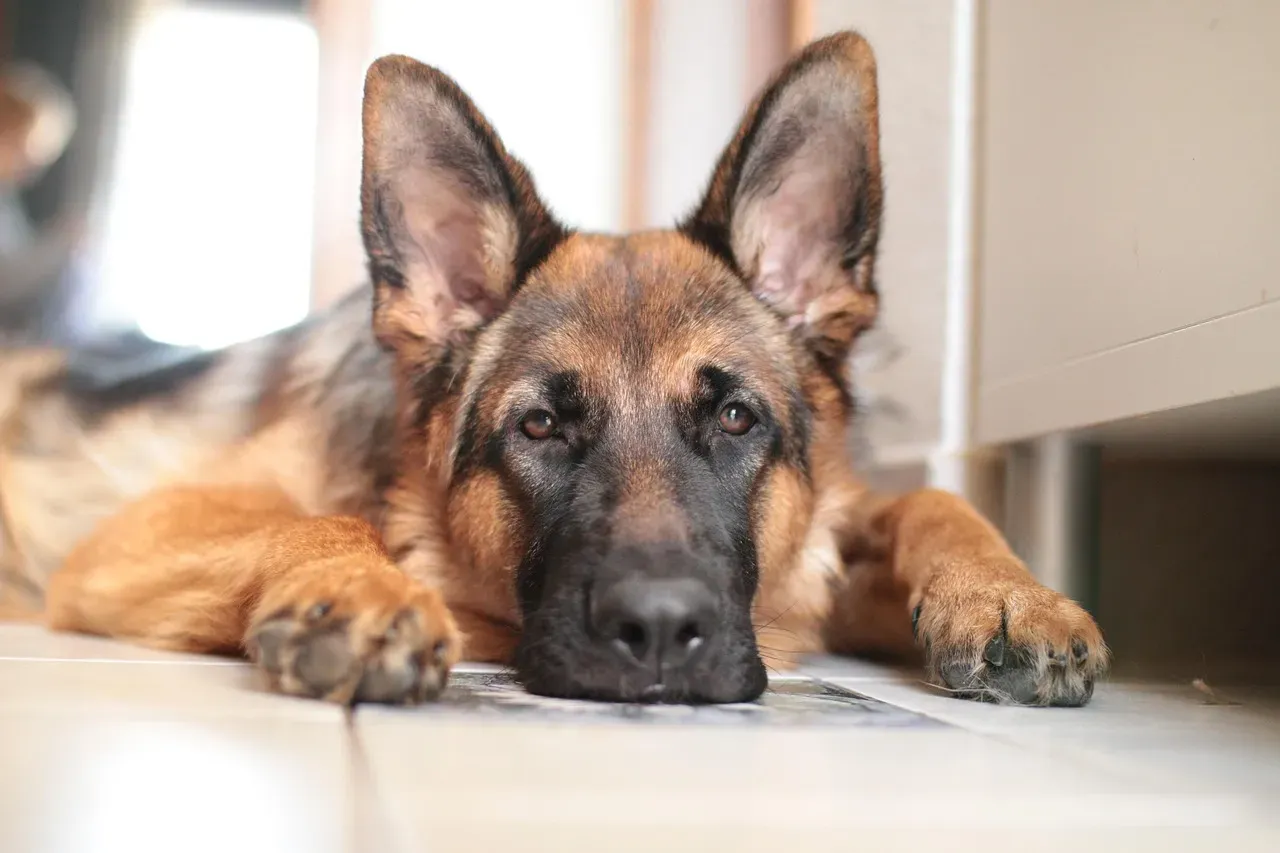
German Shepherds were developed in Germany as herding and farm dogs, but quickly evolved into one of the world’s most trusted working breeds – from police and military roles to search and rescue. Their training often revolves around one central idea: stay engaged with the handler no matter what is happening, even in chaos, danger, or confusion. That means if a handler is injured or collapses, a solid German Shepherd doesn’t just wander away; the dog stays locked onto the situation.
In modern life, this translates into that unmistakable guarding presence many owners feel. A well‑socialized German Shepherd tracks where every member of the family is, especially outdoors. If someone falls, cries out, or behaves strangely, the dog often reacts right away, hovering, nudging, or even barking for attention. Their loyalty can be intense, and in the right hands, that intensity becomes exactly what the breed was shaped for: a dog that remains at your side when everything goes sideways.
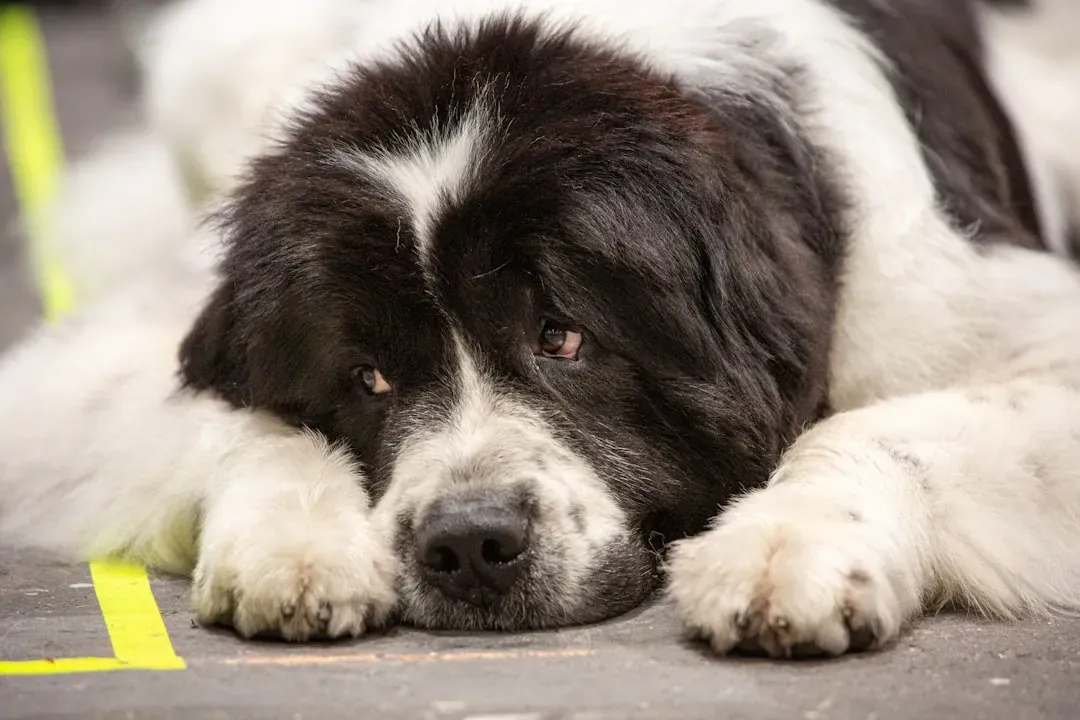
4. Newfoundland: The Water Rescue Powerhouse
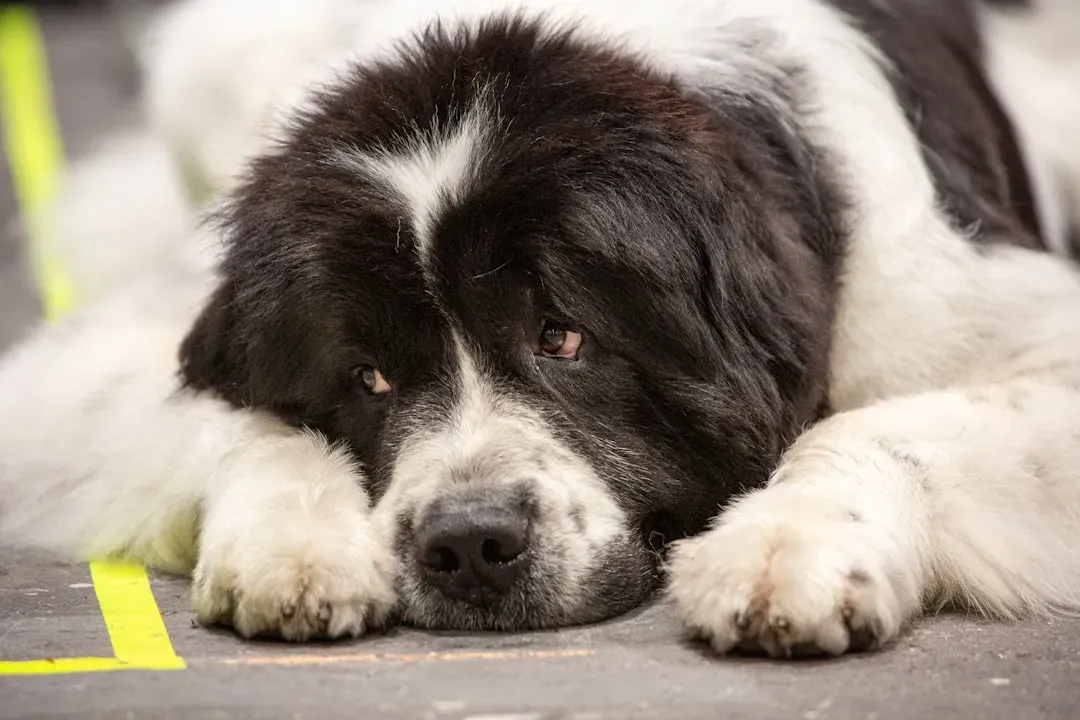
Newfoundlands were bred in harsh coastal environments to work alongside fishermen, haul nets, and, most dramatically, pull drowning people from icy water. In water rescue work, leaving a struggling or unconscious human is not an option – the entire point is to stay connected, sometimes literally by grabbing clothing or an arm and towing the person to safety. That stick‑with‑you mentality is built into the breed’s story.
Even when they’re just family pets, Newfoundlands often act like lifeguards in slow motion. Many are particularly watchful near pools, lakes, and oceans, following kids into shallow water and hovering nearby. They may not sprint around like smaller breeds, but they have that calm, deliberate sense of responsibility. If you trip near the edge of a dock or slip into the water, a Newfoundland’s instinct is not to panic and run, but to stay close and try to help, even if help is just staying right on top of you until another human arrives.
5. Labrador Retriever: The Versatile Helper With Rescue in Its Bones
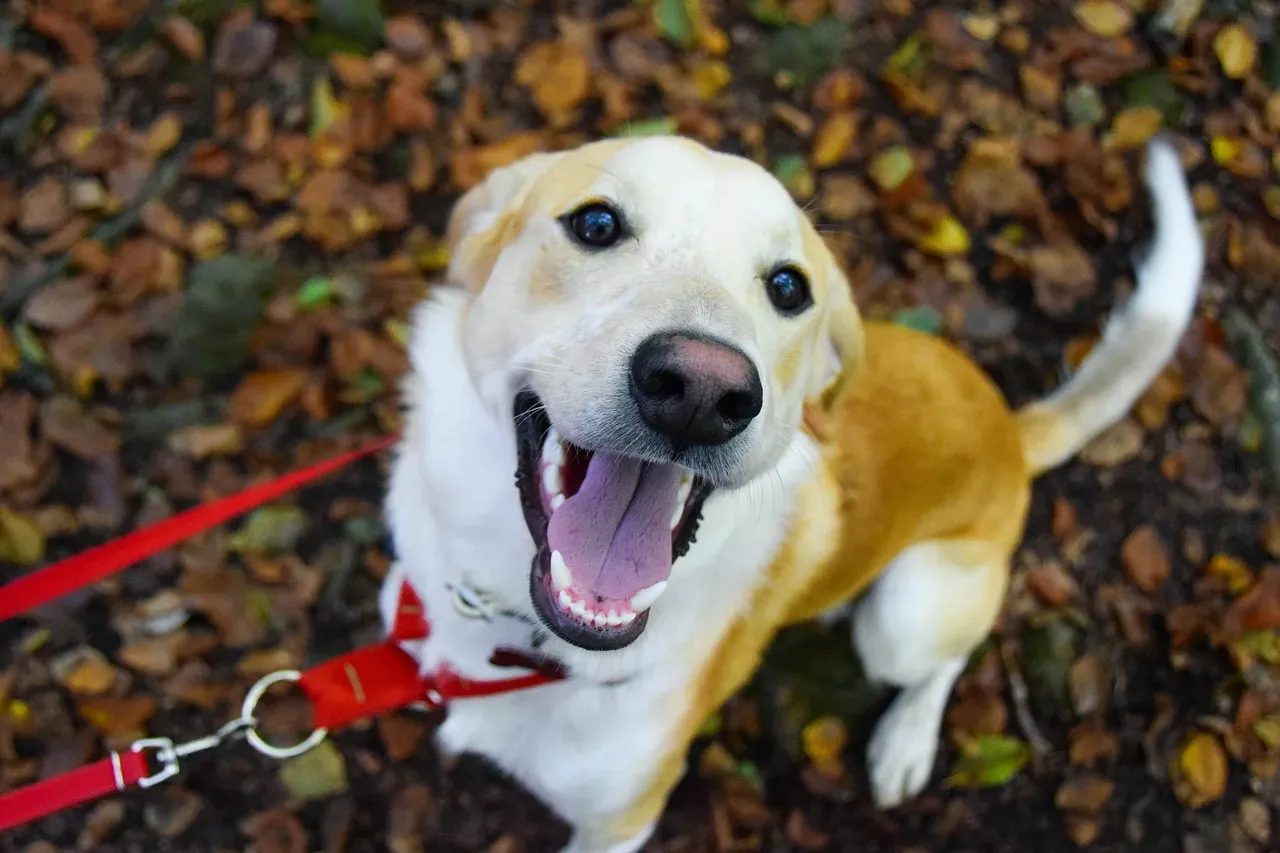
Labrador Retrievers started as fishing and retrieving dogs in Canada, pulling in nets and recovering game from cold water. Over time, their biddable nature, strong retrieve drive, and people focus made them ideal for roles like search and rescue, avalanche work, and assistance dog tasks. In all those jobs, leaving a fallen or vulnerable human is literally a failure, so the dogs selected for these roles tended to be the ones who stayed engaged under pressure.
Today, many Labs are family companions, but the same wiring is still there. They’re famous for sticking close to “their” people, shadowing them from room to room and circling back on walks. If someone in the household has a health condition, it’s not unusual for a Lab to become extra attentive, sometimes lying beside them during episodes or barking when something seems off. They may be goofy and food‑obsessed, but beneath the clown suit, a good Lab is that dog who will sit next to you after a fall rather than wandering off to go sniff the bushes.
6. Bernese Mountain Dog: The Draft Dog Who Watches Over the Farm
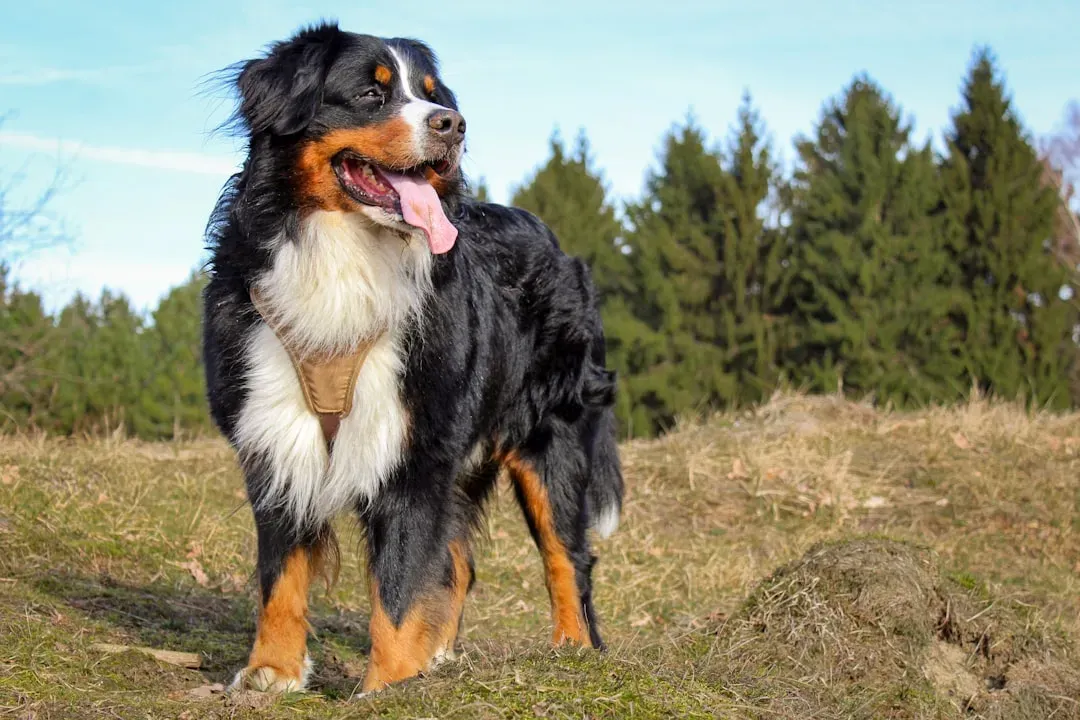
Bernese Mountain Dogs were originally Swiss farm and draft dogs, pulling carts, moving loads, and hanging around people all day in fields and villages. They were not designed to roam off on their own; they were meant to work right beside farmers and families. When your job is to pull a cart or follow a person through uneven terrain, abandoning that human in a moment of trouble is not an option that gets rewarded.
That background helps explain why so many modern “Berners” are described as velcro dogs. They often pick a favorite person and plant themselves close, especially when that person is seated, sick, tired, or upset. On a walk, they may not race ahead like some breeds; they prefer that slow, steady pacing with their humans. If someone stumbles or drops to the ground, a Bernese Mountain Dog is exactly the sort of dog that will circle back and linger, almost as if making sure the rest of the team is still intact.
7. Great Pyrenees: The Silent Sentinel Who Refuses to Leave
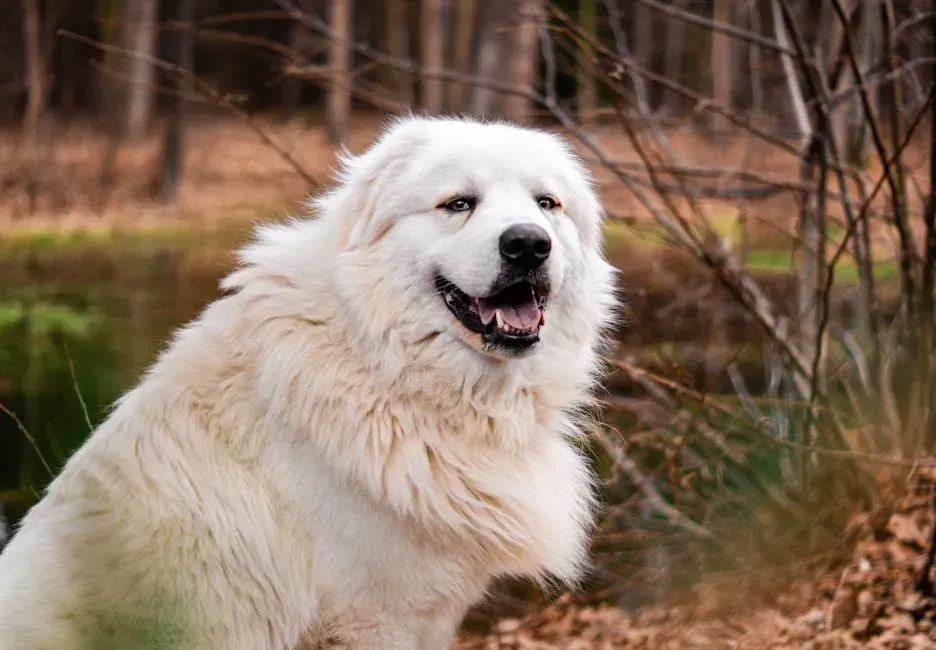
Great Pyrenees dogs were bred as livestock guardians in rugged mountain regions, working independently but always in relation to a flock and the shepherd. Their job was to stand between danger and those they protected, especially at night or in bad conditions. If a shepherd or child fell asleep in the pasture or was in trouble, the Pyrenees instinct was not to wander away; it was to stay and watch over them until the situation changed.
Today, that protective stillness can be almost eerie. Many Pyrenees will lie down near doorways, staircases, or in yards where they can see everyone, quietly monitoring. They’re not usually clingy in an in‑your‑face way, but they’re unshakably loyal to their post. If you collapse in the yard, a Great Pyrenees is the kind of dog that will stand over you, bark at anyone approaching, and refuse to budge, because in that dog’s mind, the assignment is to guard the vulnerable creature on the ground – and that creature is you.
8. Rough Collie: The Watchful Family Shepherd That Tracks Every Move
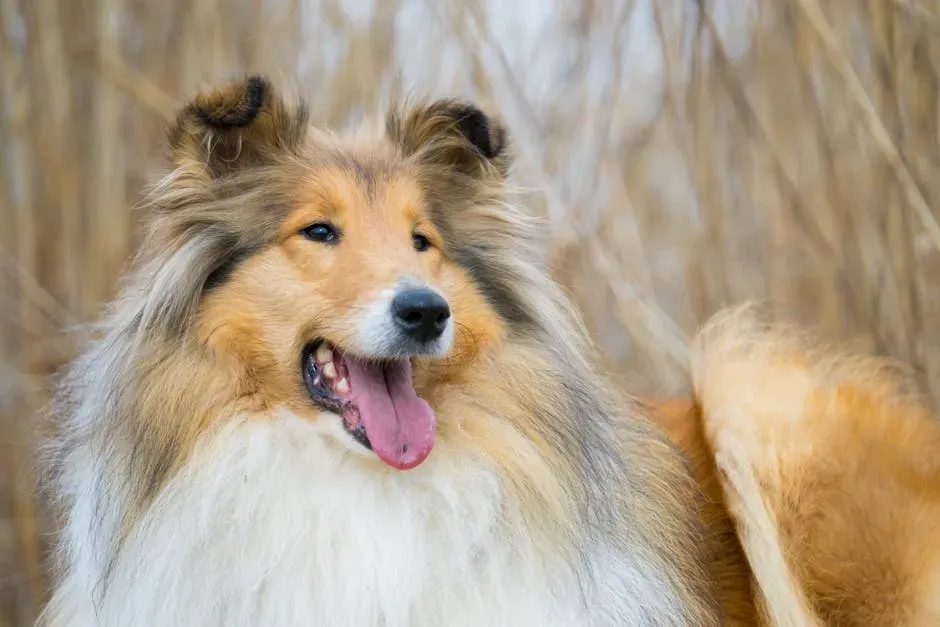
Rough Collies, the classic long‑haired shepherd dogs, were developed to manage sheep and later became beloved for their family orientation. A shepherd’s dog must always know where the human is, especially when working over hills and uneven land. If the person falls or disappears from view, the dog reacts, often going back, searching, or sounding the alarm. Leaving the human behind breaks the working pattern these dogs were chosen for.
In modern homes, that translates into a dog that quietly keeps tabs on every family member. Rough Collies are often sensitive to tone of voice and posture, and some are surprisingly quick to notice someone lying down in an unusual way or crying. They may nudge, paw, or bark for other humans when something feels off. While they may look elegant and gentle, there is a very practical herding brain underneath that says: no one in this little “flock” gets left behind, especially if they’re down.
9. Golden Retriever: The Soft‑Mouthed Rescuer With a Heart for Humans
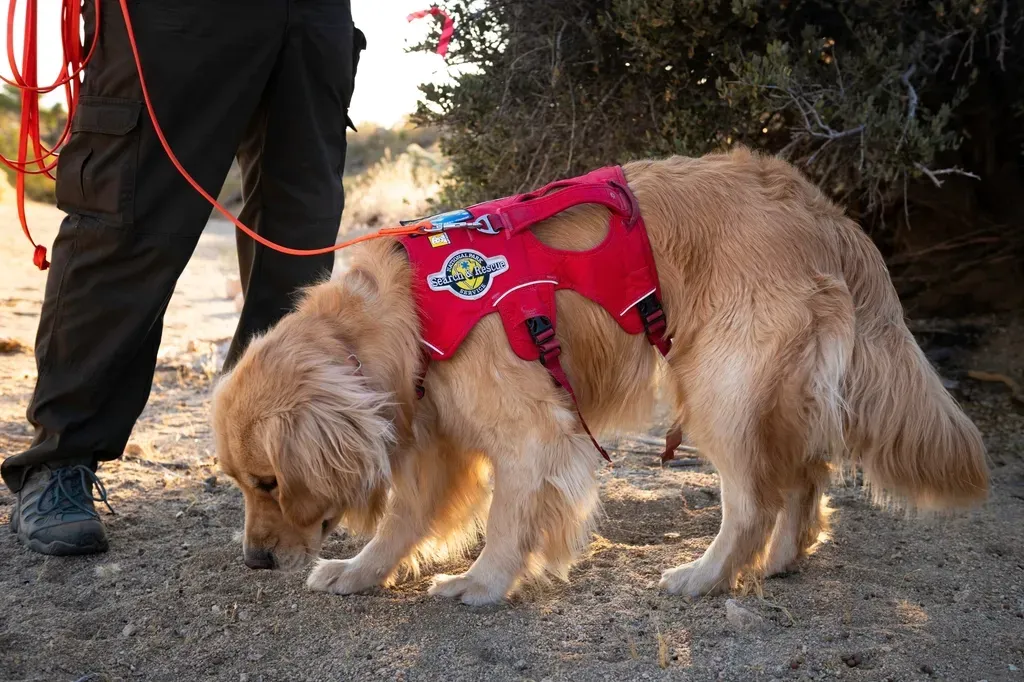
Golden Retrievers were created in Scotland as gundogs, bred to retrieve downed birds on land and in water and to work closely with their handler. A dog that gives up on a difficult retrieve or loses track of the human’s signals is not very useful, so the breed was refined around persistence, soft mouths, and deep human focus. That same persistence is exactly what makes Goldens so strong in search and rescue and assistance roles today.
As everyday companions, Goldens often become emotional barometers in a home. They seem to recognize when someone is upset or unwell and frequently chose to stay near that person rather than chase the next distraction. On a trail, they may zip around playfully, but most regularly loop back to check on you. If you fall, sit suddenly, or cry, a Golden is one of those dogs that tends to press close, lean in, and wait it out, because walking away from a struggling human feels completely wrong to them.
10. Alaskan Malamute: The Sled Dog Whose Team Is Everything
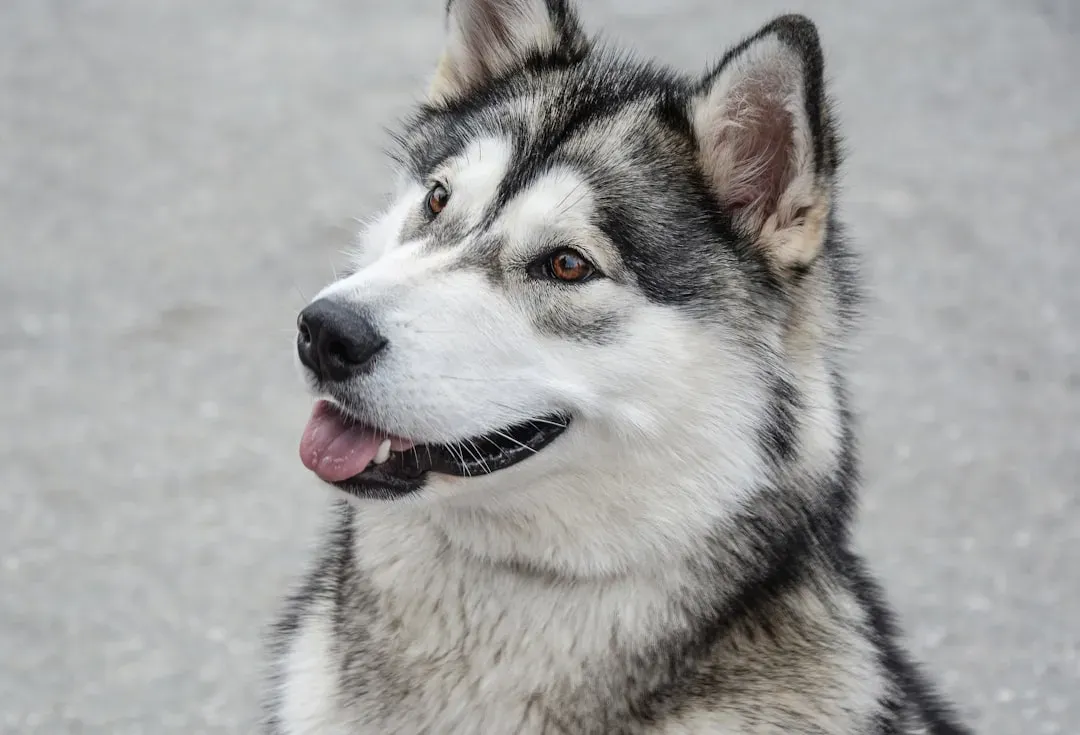
Alaskan Malamutes were bred as freight sled dogs in Arctic conditions, hauling heavy loads over long distances in extreme cold. In that world, survival depends on the team. A fallen musher or exhausted traveler is not just an inconvenience; they’re part of the group, and leaving them behind could threaten the entire journey. Historically, dogs that stayed near their humans, responded to trouble, and worked cooperatively were the ones people kept breeding.
Even as companions, Malamutes often show strong loyalty to their human “pack,” though it comes wrapped in a highly independent, sometimes stubborn personality. They’re the kind of dog that can handle harsh environments and still keep an eye on who belongs with them. If someone drops on the snow or sits down in the cold looking unwell, a Malamute is much more likely to hover, pace nearby, or even howl for attention than to disappear into the distance. For a dog forged in survival conditions, a human lying on the ground is a problem to address, not a scene to abandon.
Conclusion: The Old Instinct That Still Shows Up in Living Rooms
What strikes me most about these breeds is how a job written in their DNA generations ago still plays out in ordinary homes. A Saint Bernard that once guarded snowbound travelers now lies beside a sick child; a Border Collie that used to track a shepherd across hills now checks in on the family member working late at the kitchen table. We like to say dogs are loyal, but with these breeds, it goes a step further – they were literally selected for not walking away when a human is down.
Of course, no breed is magic, and training, socialization, and individual personality matter just as much as ancestry. But if you’ve ever had a dog quietly refuse to leave your side when you were ill, injured, or just emotionally wrecked, you’ve tasted a tiny piece of the history behind these working partners. Maybe that’s the real reason we keep coming back to them: in a world where people sometimes do walk away, these dogs are living reminders of a promise to stay. Which of these guardian hearts would you trust to sit beside you when you fall?


