
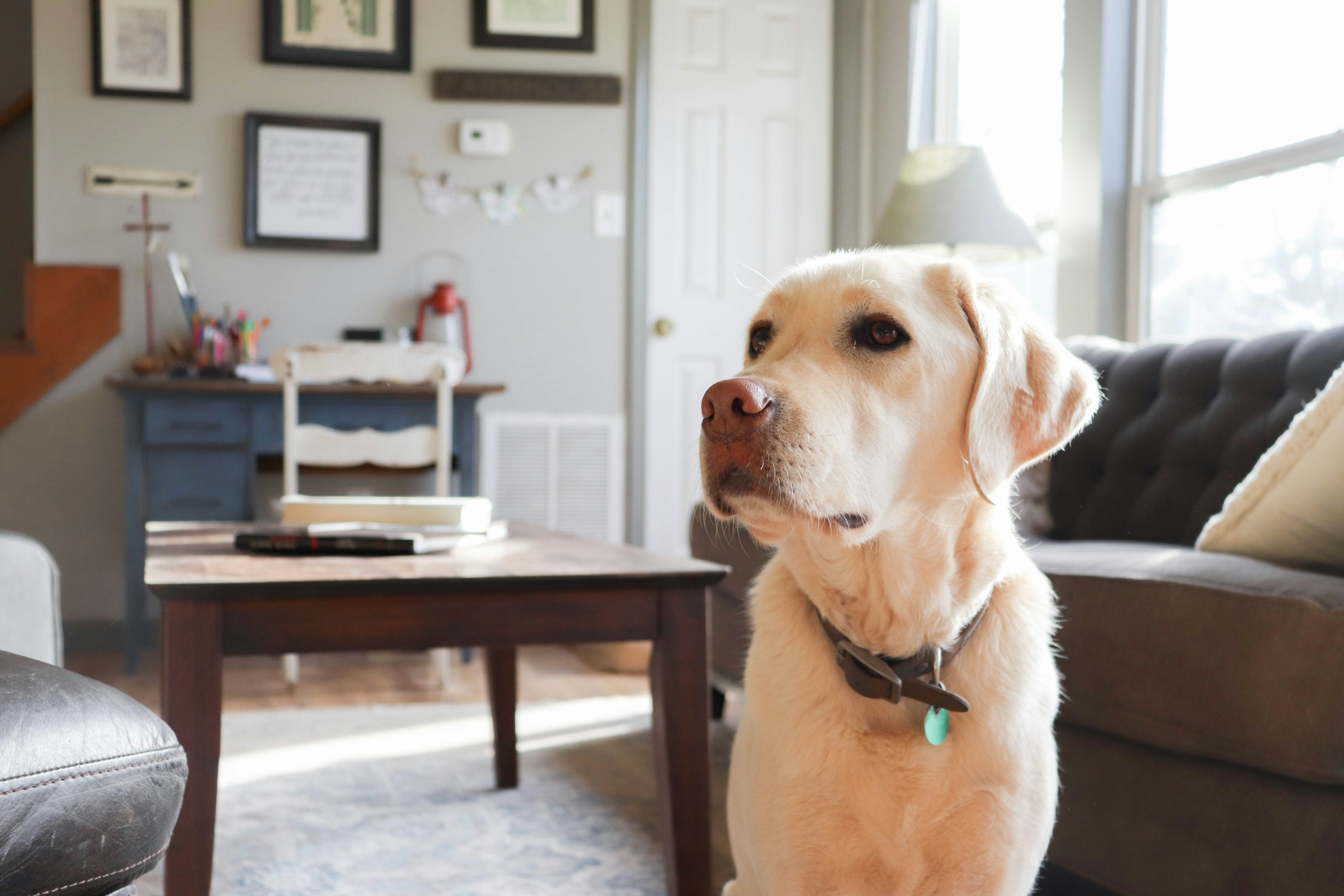
There’s something quietly devastating about a dog that keeps waiting for someone who will never come home. You can explain death to a child. You can sign paperwork, hold a funeral, say goodbye. But to a dog, an empty doorway is just a delay, not an ending. They sit. They listen. They wait longer.
Stories of loyal dogs camping at a grave, returning to a station, or standing guard at a front gate for years pull at us for a reason. They are grief and love stripped of all the human complications. While almost any dog can bond deeply, some breeds seem almost wired to hang on longer, cling harder, and keep their silent vigil long after the rest of the world has moved on. Let’s look at seven breeds that are especially known for that fierce, heartbreaking loyalty.
1. Akita: The Icon of Unshakable Devotion
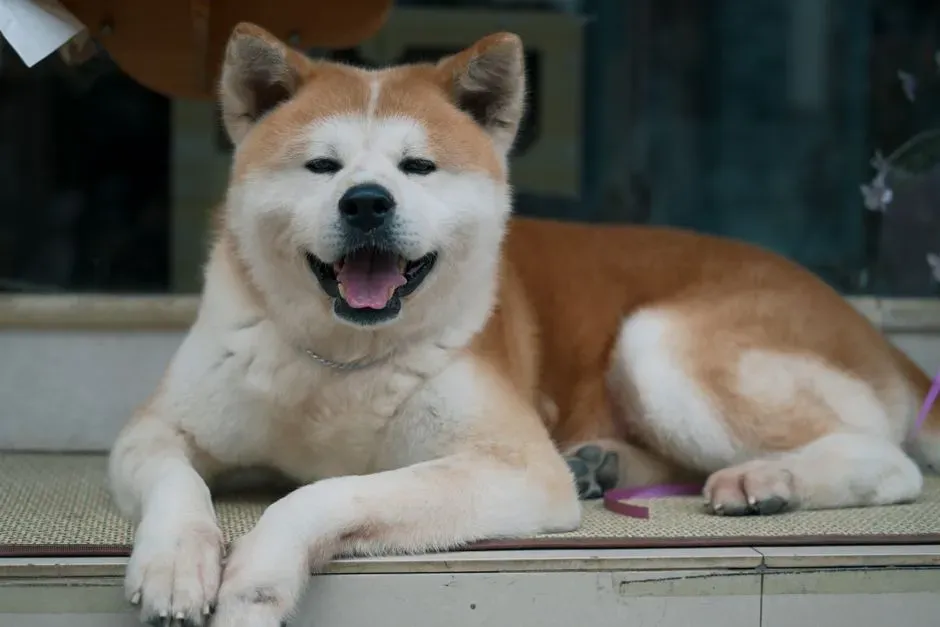
If you picture a dog waiting by a train station for years, chances are you’re imagining an Akita. This Japanese breed has become a symbol of loyalty across the world, in large part because of repeated real-life accounts of Akitas that kept returning to the same spot long after their person had died. What makes them different is not just affection, but a deep, almost reserved attachment that forms a single, powerful bond rather than spreading evenly across everyone in the family.
Akitas tend to be dignified, quiet, and observant, which can make their loyalty feel even more intense. They’re not usually goofy social butterflies; they pick their person and orient their whole world around them. That kind of laser focus is beautiful when life is stable, but it’s also why an Akita may literally wait for years, anchored to a routine that no one told them to stop following. In my view, anyone drawn to this breed for its legendary faithfulness has a moral duty to plan ahead, because an Akita left behind is not just “a dog that misses you” – it’s a dog whose entire identity has been built around your presence.
2. German Shepherd: The Guardian Who Never Clocks Out
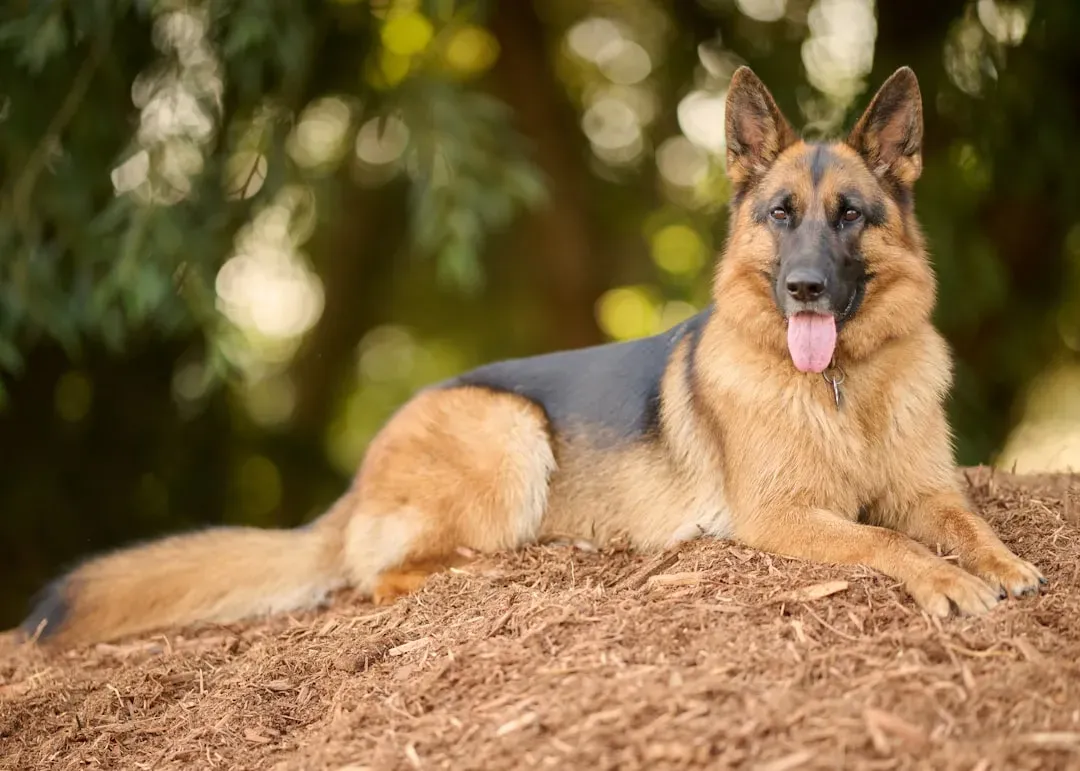
German Shepherds are famous for working alongside humans in police, military, and search-and-rescue roles, which already hints at how strongly they attach to “their” person or team. Their loyalty is practical, focused, and often expressed as a drive to protect, guide, and stay close. When a German Shepherd loses their owner, they don’t suddenly become less of a guardian; they just end up guarding the wrong thing – a doorway, a yard, a path they used to walk together.
Because they’re so intelligent and sensitive to routine, German Shepherds can struggle profoundly when the familiar rhythm of life is broken. You’ll often hear of dogs pacing the same routes, sleeping in the same spot by the bed, or waiting by the gate at the same time every day. In working contexts, some will stand by an empty locker or search a familiar vehicle over and over. I’d argue that with this breed, loyalty is less like a feeling and more like a job description they never formally retire from, even when the person they’re working for is gone.
3. Labrador Retriever: The Optimist Who Keeps Hoping
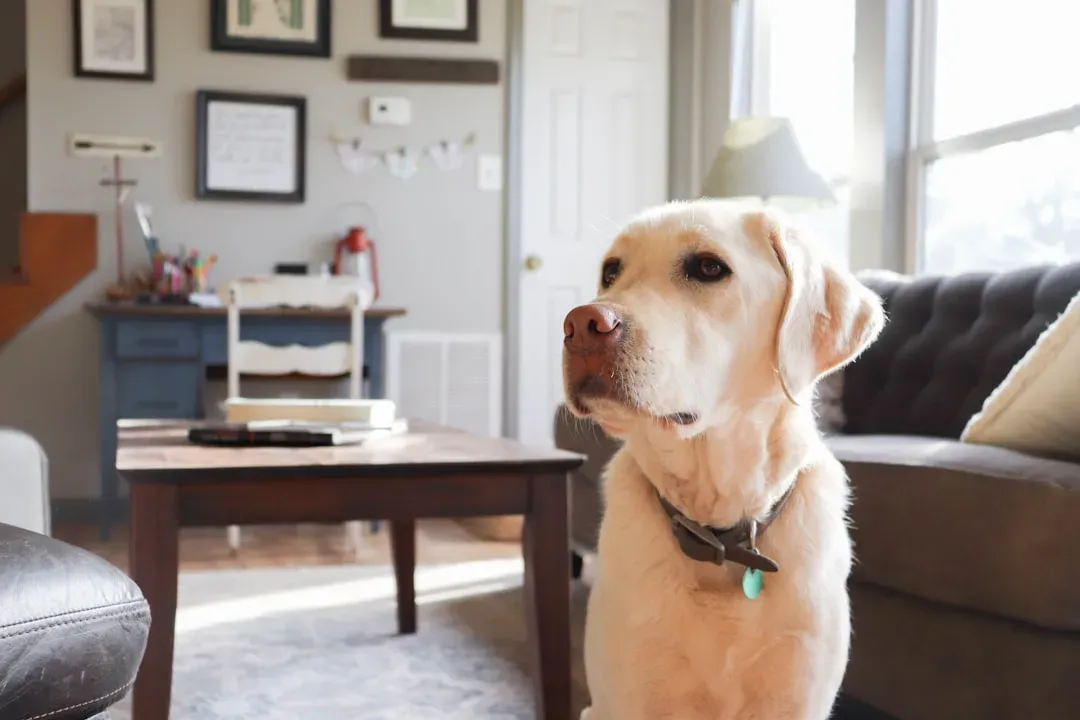
At first glance, Labs might not seem like tragic, waiting-by-the-door types. They’re cheerful, social, and always ready for the next game of fetch. But that optimism is exactly what can keep a Labrador emotionally tethered long after their owner is no longer there. A Lab often expects good things to happen when they hear footsteps, keys, or a car in the driveway, and they’ll keep checking, just in case this is finally the moment their favorite person returns.
Labradors are also famously people-oriented; they don’t just love one person, they tend to love everyone. But most still have a clear favorite, the one who throws the ball best, who shares the couch, who sneaks them treats. When that person disappears, Labs may cope a little better in the short term because they can still bond with others. Yet many will maintain small rituals that look a lot like waiting: sleeping by the same chair, staring at the front door, or rushing to the sound of a familiar car model. Their hopefulness becomes heartbreaking, like someone who refuses to accept the final chapter has already been written.
4. Border Collie: The Workaholic Searching for Their Missing Teammate
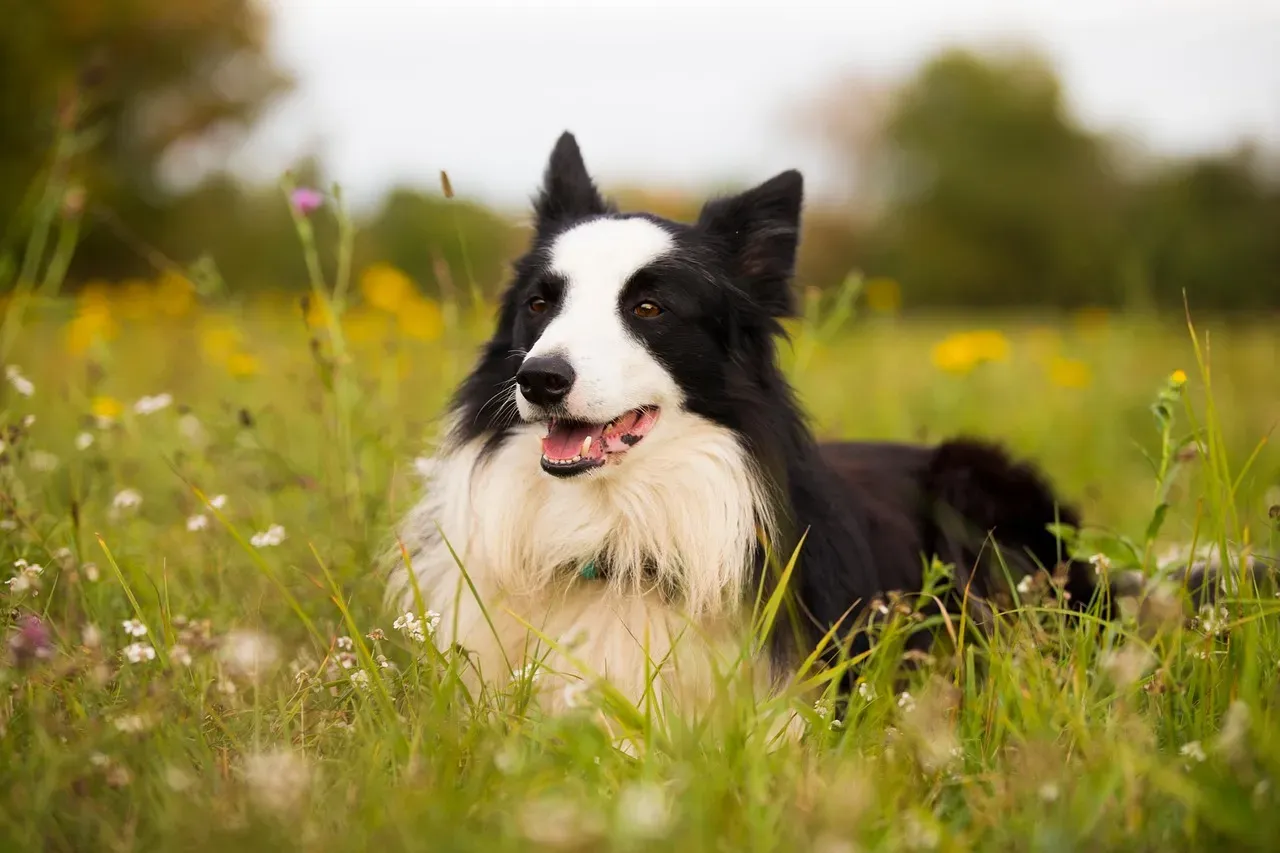
Border Collies are often called the smartest of all dog breeds, but that intelligence comes with a price. They don’t just bond emotionally; they build mental maps of people, places, and patterns. When an owner dies, a Border Collie may not just feel sad – they may act like a teammate frantically looking for a missing partner in an unfinished job. They go to gateways, barns, fields, or front doors, repeatedly checking the spots where their person used to appear.
Because they are so tuned into task and routine, Border Collies can show their grief in quiet, obsessive ways. Some will insist on lying near their owner’s chair or bedside, even if that person is gone. Others will drag toys to the door or stand alert at certain times of day when walks or chores used to begin. In my opinion, their loyalty is sharpened by their need for purpose; without their human, the “work” does not make sense anymore, and so they keep scanning, herding ghosts into the shape of the life they remember.
5. Great Pyrenees: The Silent Sentinel Who Refuses to Abandon Post
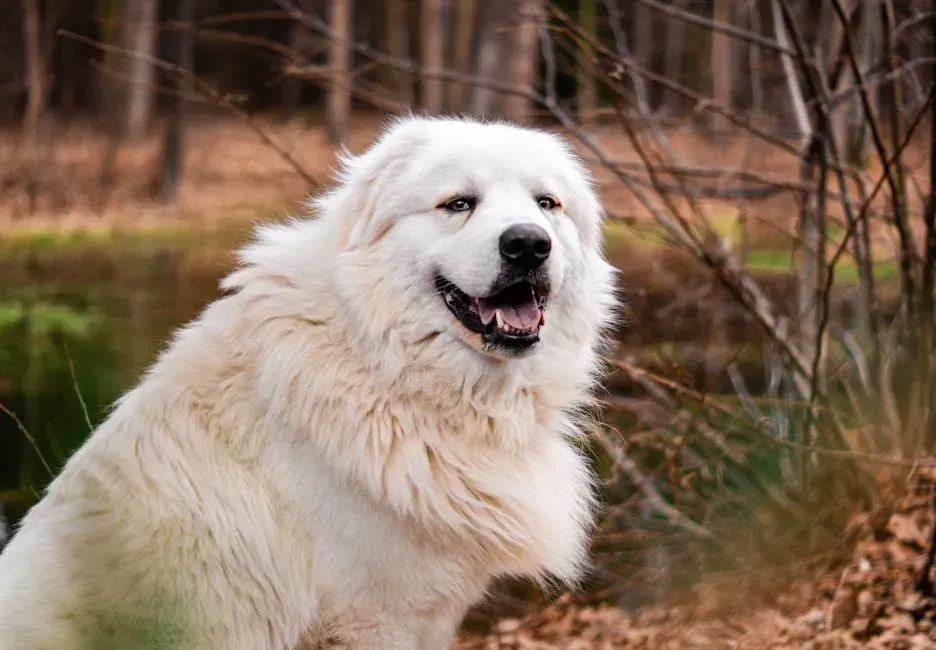
Great Pyrenees dogs were bred to guard flocks independently in the mountains, often making decisions far away from direct human supervision. That independent streak might make you assume they’re less likely to pine for one person, but the opposite often happens. Once a Great Pyrenees decides a certain human and home are their flock, they will quietly stand guard, even when no one is left who understands what they’re doing.
These dogs are often calm and unhurried, which can make their grieving look subtle but incredibly enduring. Instead of dramatic distress, you might see a Great Pyrenees camping in the same spot by a doorway, on a porch, at the edge of a property, watching for something that never arrives. They’re not just sentimental; they’re fulfilling what they see as a lifelong duty. I think that makes their kind of loyalty especially haunting – they’re not waiting for comfort or treats, they’re waiting because, to them, leaving that spot would mean failing the person they once protected.
6. Beagle: The Tracker Who Follows a Scent That Fades Too Slowly
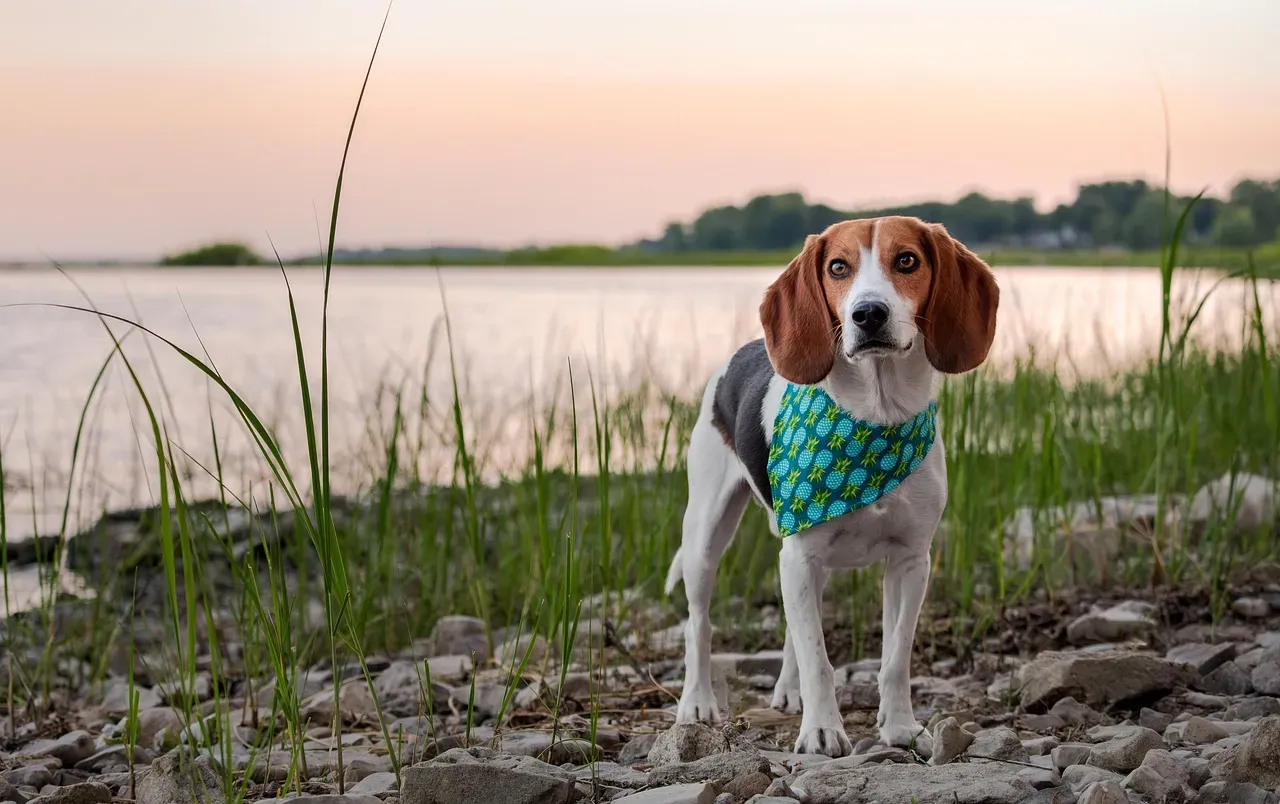
Beagles are driven by their noses more than almost any other part of their brain. That tracking instinct is cute when they’re chasing a trail on a walk, but it takes on a different tone when they’re searching for an owner who is no longer there. A Beagle can follow a familiar scent path around a home, yard, or neighborhood, almost like they’re running the same story again and again, hoping the ending might change.
They’re also deeply social pack animals, bred to hunt in groups, which means losing a key member of that “pack” hits hard. Even if they adjust to new people, many Beagles will keep revisiting their old routes, beds, and doorways, noses working, tails hesitant. In an odd way, they show how loyalty can be sensory as much as emotional – they’re not only loyal to the memory of their person but to the lingering smell of that person on a coat, a chair, or a pillow that should not be taken away too quickly.
7. Mixed-Breed and Rescue Dogs: Loyalty Forged in Second Chances
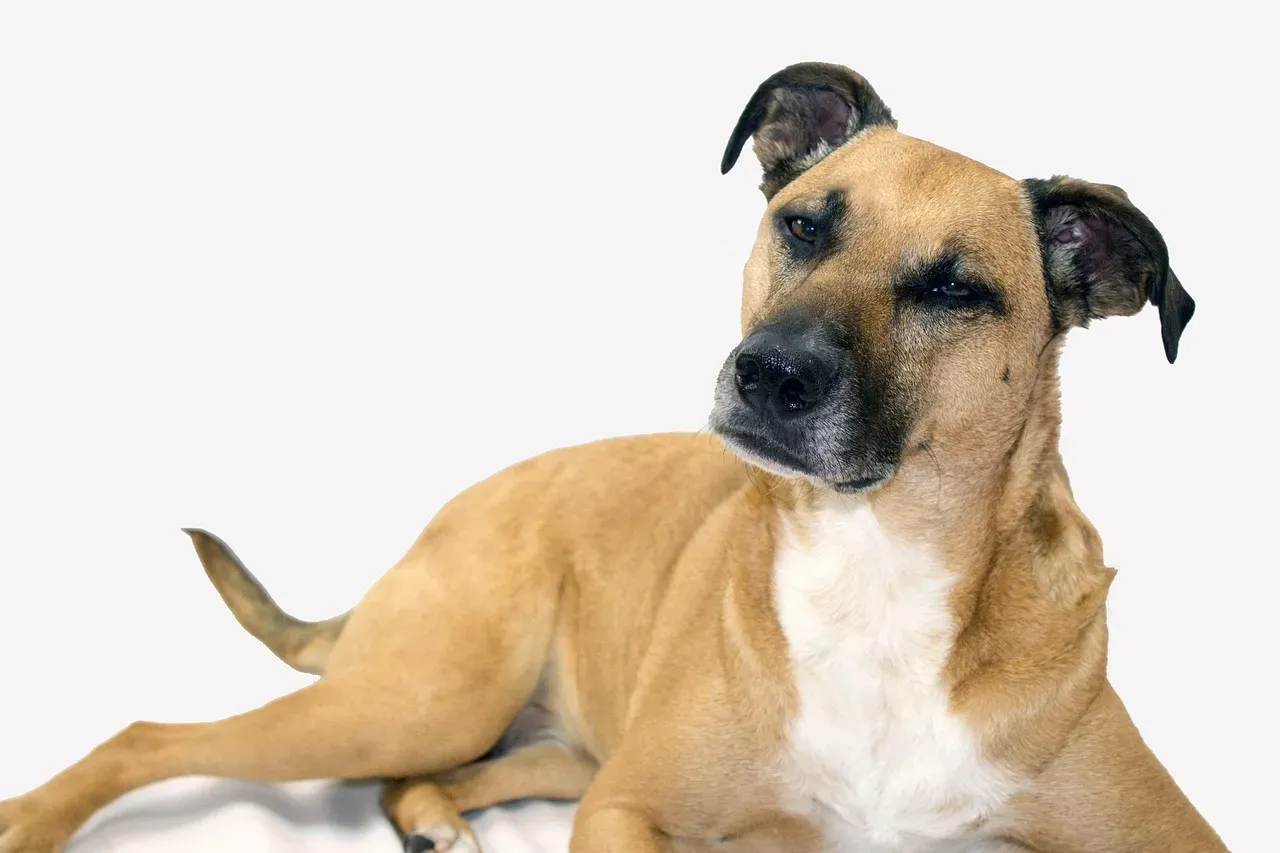
It’s tempting to focus only on purebred dogs when we talk about loyalty, but some of the most powerful waiting stories come from mixed-breed and rescue dogs. Many of them have already lost one or more homes before finally landing somewhere safe. When they do attach, it can be with a kind of raw, desperate sincerity – as if they’ve decided this is the last time they’ll risk believing they belong. When that person dies, the dog may cling even harder to old routes and routines, because everything before felt unstable.
Rescue dogs, especially those who were neglected or abandoned, often develop deep bonds with the first human who treats them kindly. You’ll hear of dogs that sleep on the last shirt that smells like their owner, refuse to leave a yard, or camp out in a hallway where they used to greet them. In my opinion, this is where our responsibility is at its highest: when we take in a dog with a complicated past, we owe them not just daily care, but a clear plan for who will love them when we’re gone, so their hard-won trust doesn’t end in yet another unexplained absence.
Conclusion: Loyalty This Deep Demands Better from Us
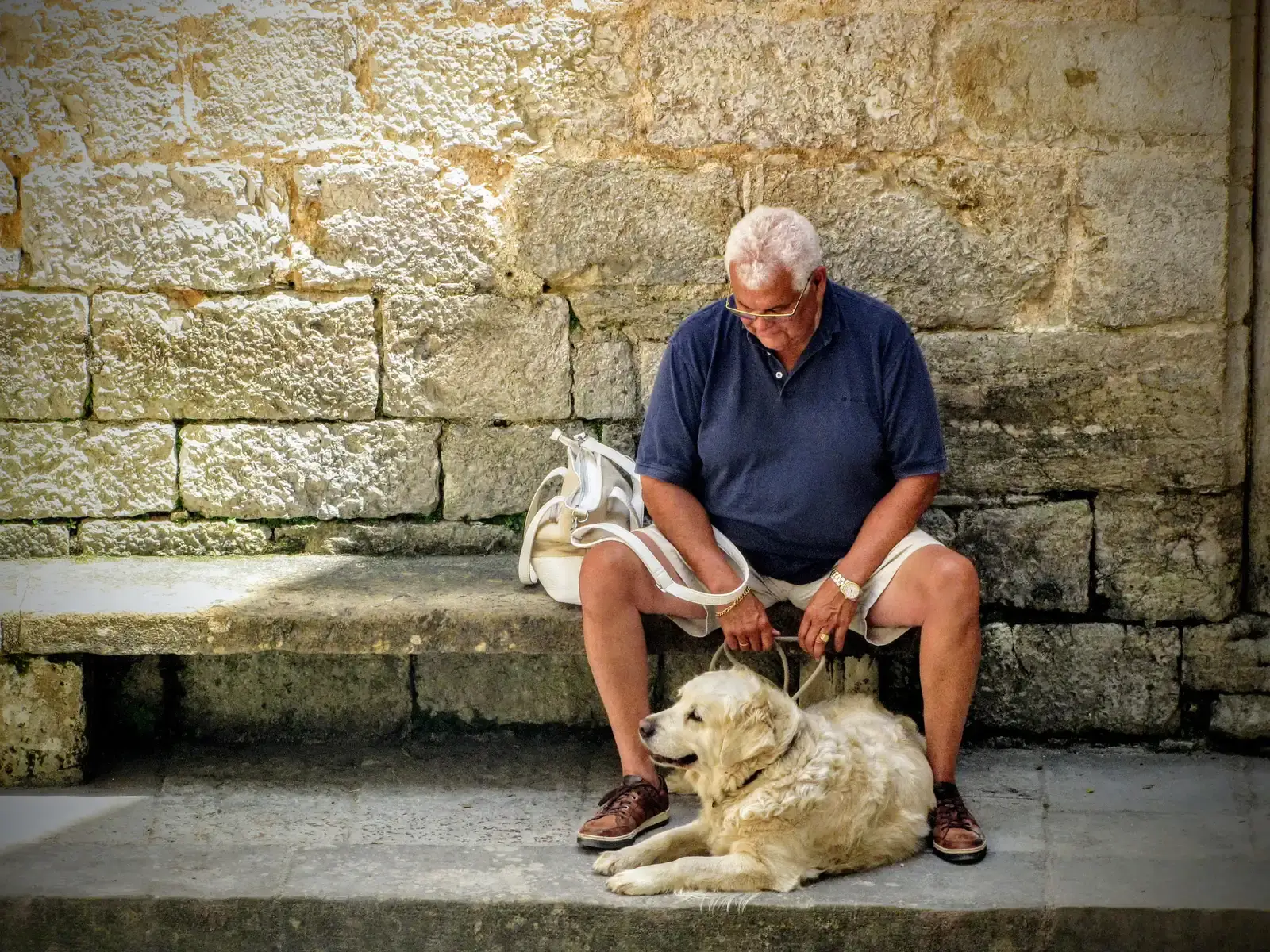
Stories of dogs outliving their owners and waiting for them are not just touching animal tales; they’re quiet indictments of how casually we sometimes treat lifelong bonds. These animals do not know what a will is, or what probate means, or why a hospital door closed and never opened again – they only know that their person vanished, and no one ever clearly told them it was time to stop waiting. Different breeds express it in different ways, but the pattern is the same: when we become their world, they do not imagine a version of that world without us.
Here’s the uncomfortable truth: a dog’s legendary loyalty is only heartwarming if we match it with foresight. That means planning who will take them, writing it down, talking about it, and refusing to shrug it off as something “the family will figure out.” To me, the real measure of love is not just how we treat our dogs while we are here, but how seriously we protect them for the chapter they cannot possibly understand. When you look at your dog standing at the door, tail wagging, convinced you’re always coming back – doesn’t that kind of faith deserve more than hope and a handshake?


