
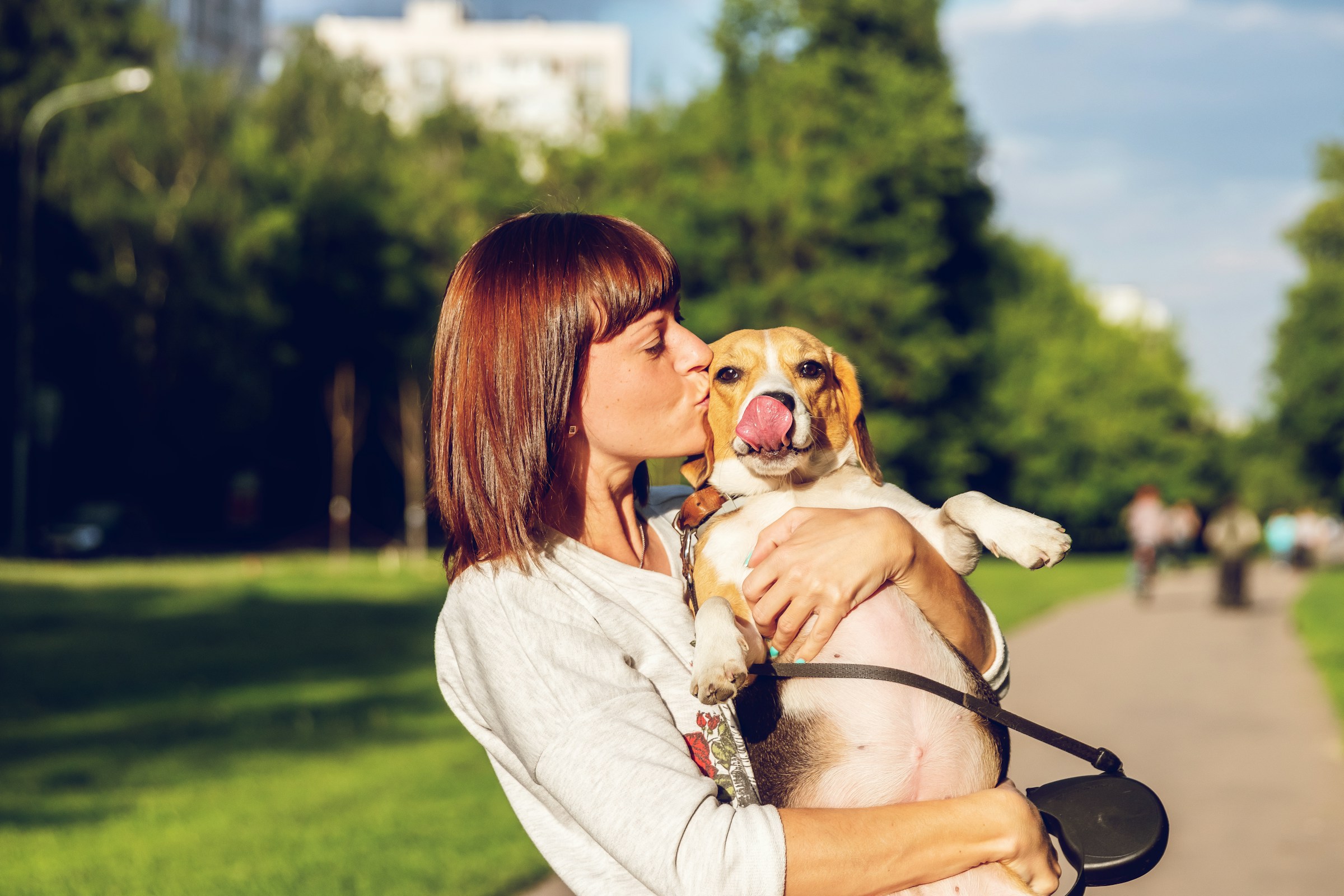
If you’ve ever leaned in to pet your dog and watched them quickly lick their nose or swipe their tongue over their lips, you might’ve shrugged it off as nothing. Maybe you assumed they were hungry, or just being a bit quirky. But that tiny, almost throwaway movement can be one of the clearest windows into your dog’s emotional world.
Canine behavior researchers and experienced trainers now recognize this as a classic appeasement signal: a way for dogs to say they’re a bit uncomfortable, unsure, or trying to keep the peace. Once you learn to read it, you’ll realize your dog has been “whispering” to you in body language the entire time. And the real shift happens when you start to listen.
The Science Behind Nose and Lip Licking as an Appeasement Signal
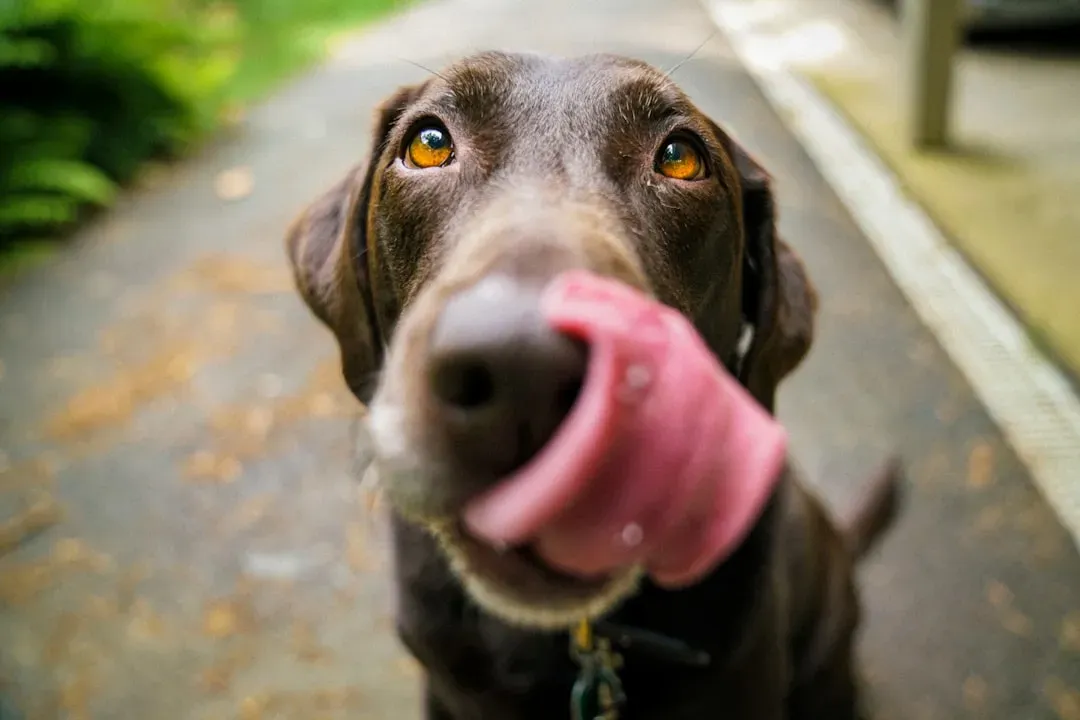
One of the most surprising things for many dog guardians is that lip and nose licking has actually been documented in behavioral studies as a form of calming or appeasement signal, especially in social interactions. It’s not just something “dog people” made up because it sounds nice; researchers observing canine body language across different situations found that dogs show more of this behavior in mildly stressful or uncertain contexts. Think of it as the dog’s version of a nervous human smile or someone smoothing their hair when they feel awkward.
In these studies, dogs didn’t just lick randomly; the timing matched interactions that were slightly tense, unfamiliar, or socially loaded. When a person moved closer, leaned over them, or spoke loudly, those little tongue flicks often increased. That pattern strongly suggests communication rather than coincidence. In other words, your dog isn’t just “being weird” – they’re sending a message about how they feel right here, right now.
Why It’s Not About Hunger: Context Is Everything
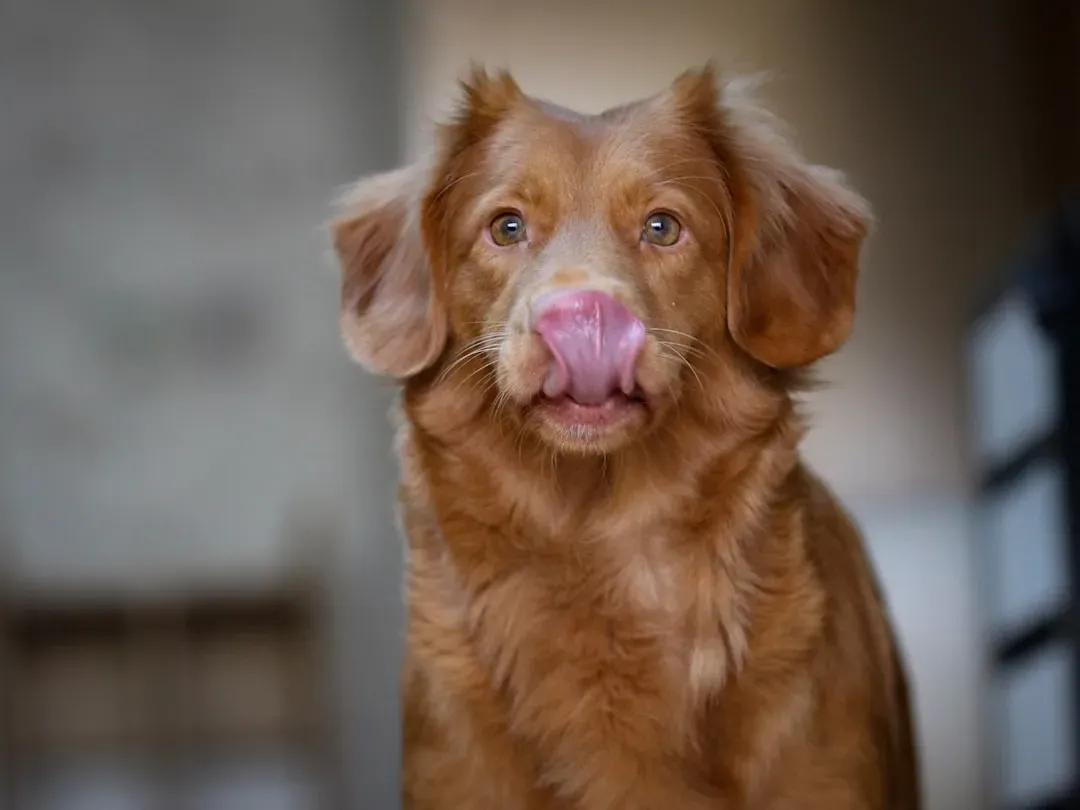
It’s easy to assume that anything around your dog’s mouth must be about food, but in this case, context tells a different story. A dog signaling hunger behaves differently: they might hover near the kitchen, stare at their bowl, follow you more intensely, or show excitement when they hear you rustling food bags. Hunger-related licking usually happens around actual food, smells, or feeding routines, not when someone leans down to say hello.
When a dog licks their nose or lips during a social interaction – like when you hug them, bend over them, or when a stranger approaches – it’s about emotion, not appetite. If your dog licks their lips when a child suddenly throws their arms around their neck, that’s not a craving for snacks. That’s your dog saying, “I’m not completely comfortable with this, but I’m trying to be polite and avoid conflict.” Ignoring that difference can put unnecessary pressure on your dog without you even realizing it.
What Your Dog Is Actually “Saying” With These Tiny Tongue Flicks
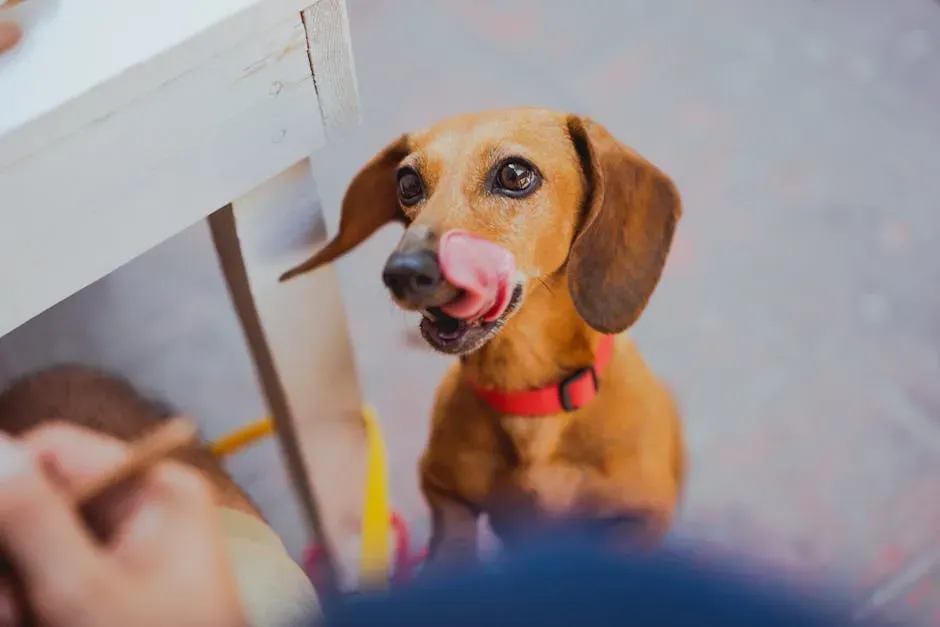
When dogs lick their nose or lips during an interaction, they’re often trying to soften the moment, cool things down, or show that they’re not a threat. It’s a peacekeeping gesture, a way of saying, “I’m friendly, I’m not looking for trouble, let’s keep this calm.” Many dogs do it when someone stares directly at them, looms over them, or reaches toward their face, all of which can feel a bit intense from a canine point of view.
Sometimes the message is more like, “This is a lot for me, and I’m coping.” It can be a polite warning sign before any bigger reactions show up. Lip licking might come just before the dog turns their head away, shifts their body, or tries to move off. If those signals are missed or ignored over and over, that same dog might eventually feel they have no option but to growl or snap, and then people mistakenly label them as “unpredictable.” The truth is, they were communicating the whole time – just in a language we weren’t taught to read.
Appeasement vs Anxiety: How to Tell the Difference
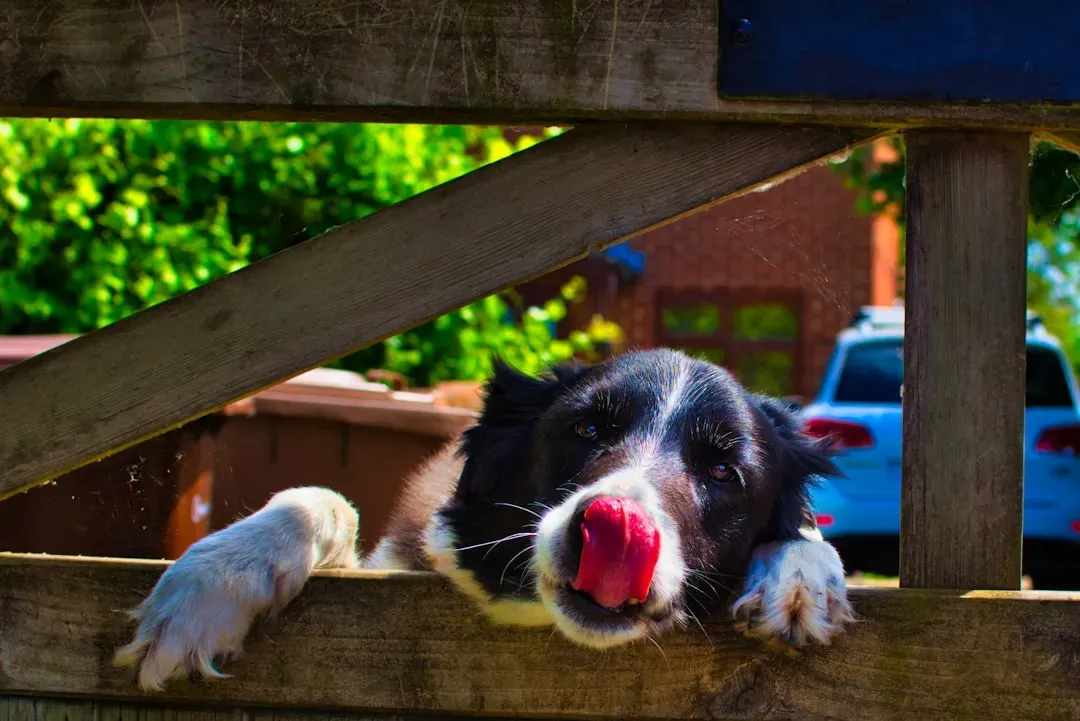
Nose and lip licking can be part of a calm, polite appeasement signal, but in some situations it edges into anxiety. The difference usually lies in intensity and what else is happening in the dog’s body. A single, soft tongue flick with relaxed eyes and a loose body can be your dog gently saying, “I’d like a little more space, please.” That’s appeasement: low-level discomfort, handled in a socially smooth way.
But if the licking becomes rapid or repeated, paired with wide eyes, pinned ears, a tense jaw, yawning, panting without heat, or a low posture, you’re now looking at a dog who’s heading into genuine stress. That’s no longer just “I’m being polite,” that’s “I really need this situation to change.” Learning to distinguish those shades of meaning helps you intervene early, adjust the environment, and protect your dog’s emotional well-being before things escalate.
Common Situations Where Lip Licking Is a Red Flag You’re Missing
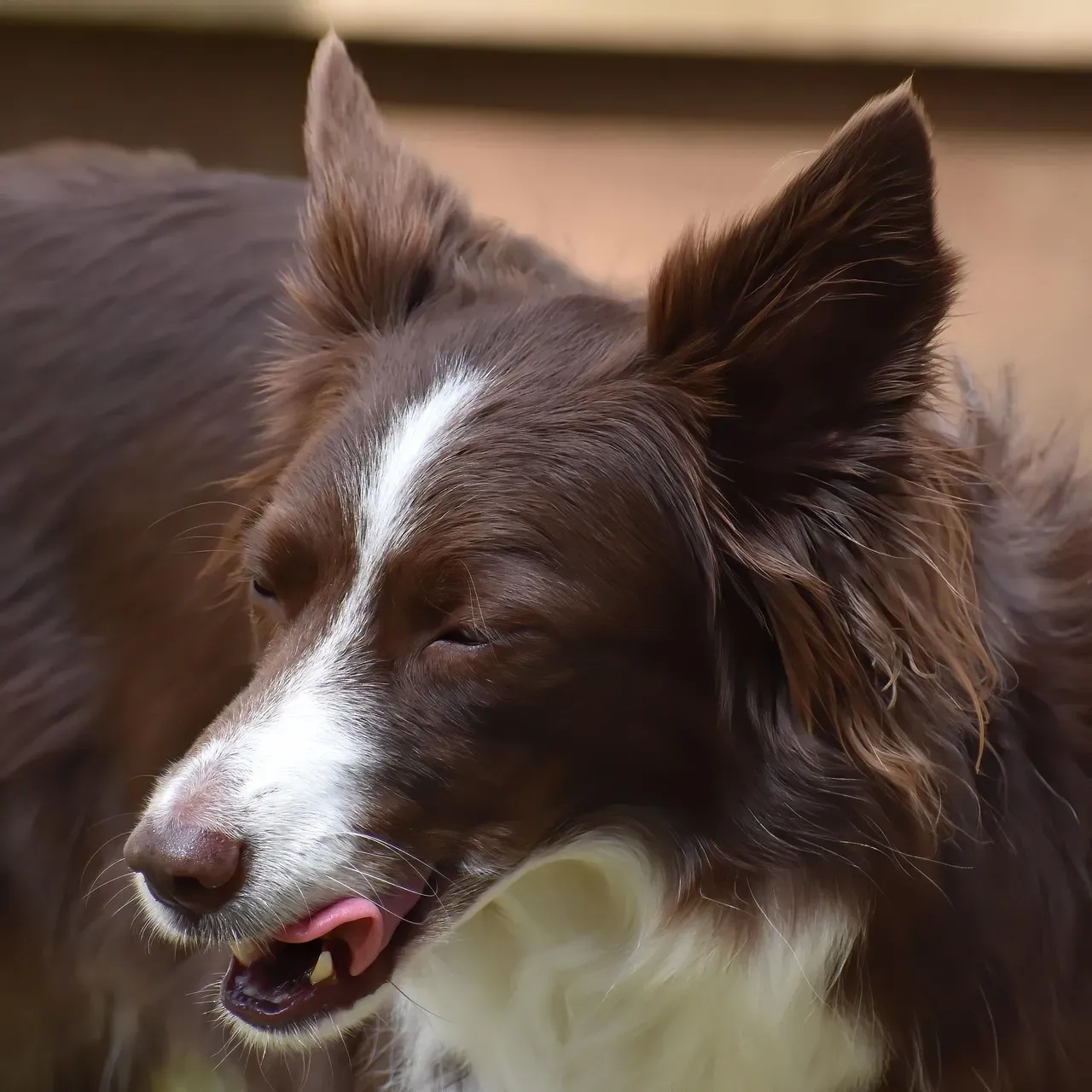
Once you know what to look for, you’ll start seeing nose and lip licking in all kinds of everyday moments. A classic one is when people bend right over a dog’s head to kiss them. From a human angle that feels loving; from a dog’s angle, it can feel invasive. If you notice your dog doing a quick tongue flick, turning their head away, or blinking rapidly, they’re quietly saying they’d prefer affection delivered in a softer, less intense way.
You’ll also see these signals with children who move unpredictably, strangers who rush in to touch your dog, or even at the vet when the exam starts to feel overwhelming. Grooming, nail trims, or forced hugging are all common triggers. The problem is that many owners interpret a non-reactive dog as a comfortable dog, when in fact the dog is actively self-soothing and appeasing. Catching that lip lick in those moments is like finally noticing the friend who always laughs nervously in tense conversations.
How to Respond When Your Dog Shows This Signal
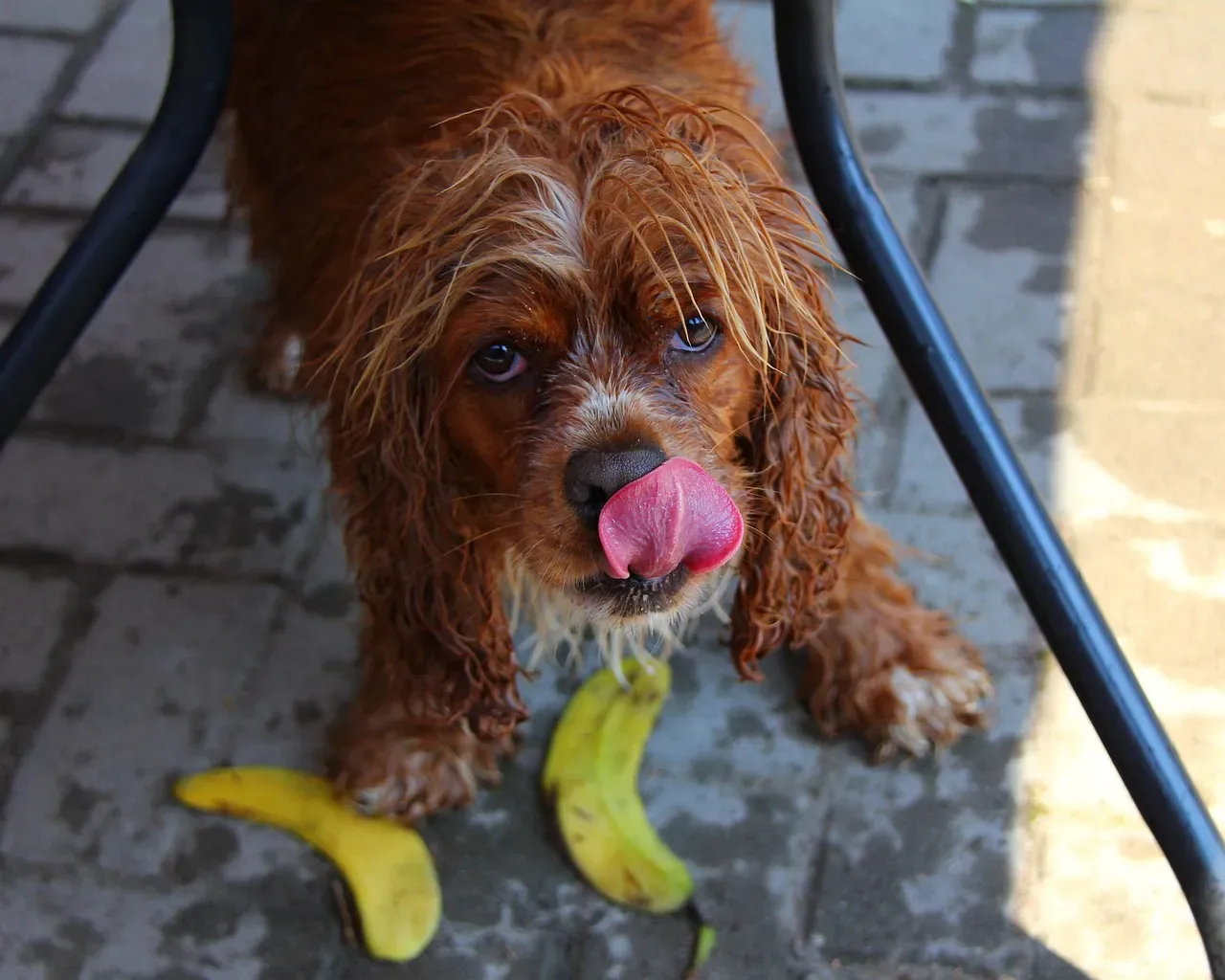
When you catch your dog licking their nose or lips during an interaction, the most respectful and relationship-building thing you can do is dial the situation down. That might mean giving them a bit more space, easing off physical pressure, turning your body slightly sideways, or asking other people to approach more calmly. Often, simply pausing and softening your voice is enough to let your dog exhale mentally.
You can also use it as real-time feedback: your dog is telling you where their comfort line is, so you adjust your behavior accordingly. Over time, this builds trust. The dog learns that when they communicate politely, you listen, and that makes them far less likely to ever feel the need to shout with a growl or snap. It’s like living with someone who notices when you’re overwhelmed and offers you a break instead of pushing you harder.
Raising Kids and Guests Who Read and Respect the Signal
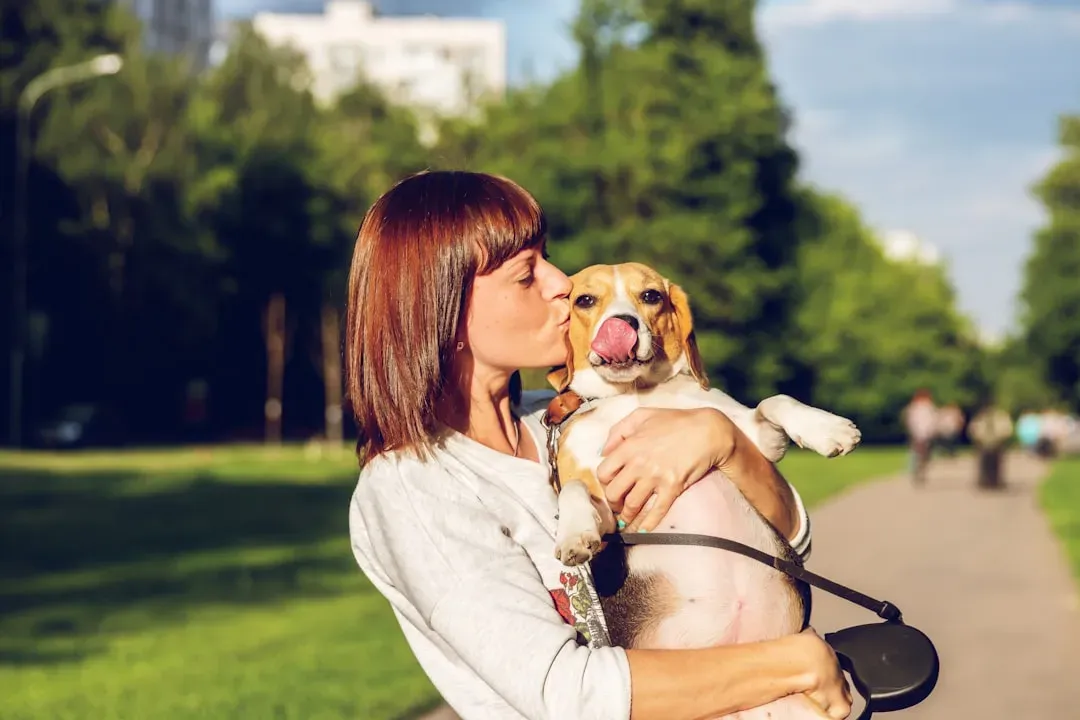
One of the most powerful things you can do for your dog is to teach the humans around them to recognize this tiny signal. Kids, especially, are often drawn to hug dogs, grab their faces, or get close in ways that look adorable in photos but feel intense to the dog. Showing children how to spot that quick lip lick and explaining that it means “the dog needs a bit more space right now” gives them a simple, concrete rule to follow.
The same goes for guests who want to say hello but might come on too strong. Instead of the usual “he’s fine,” you can say, “If you see him lick his lips or turn his head away, pause and give him a second.” You’re not being dramatic; you’re being an advocate. You’re honoring your dog’s subtle voice, which often makes everyone safer and the interactions genuinely more enjoyable for the dog.
Why This Tiny Detail Changes How You See Your Dog Forever
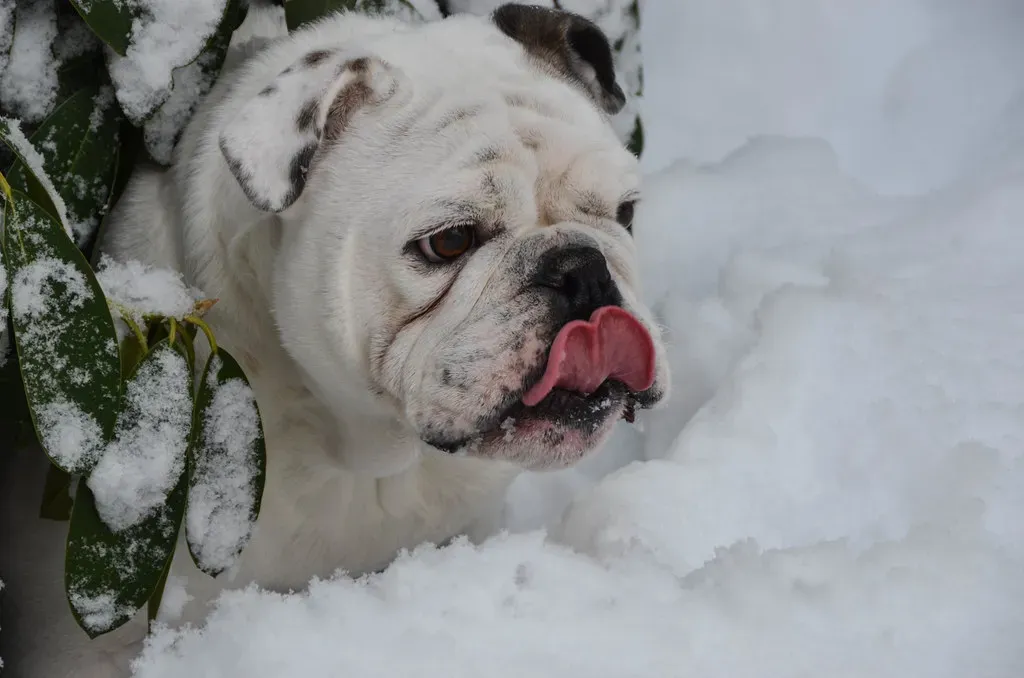
Once you understand that a nose or lip lick during an interaction is a documented appeasement signal, it completely shifts the story you tell yourself about your dog. They’re no longer just a cute, slightly mysterious roommate; they’re a social, emotional being constantly trying to communicate in the only language they have. That shift from “random quirk” to “meaningful message” makes your relationship feel deeper and more collaborative.
Personally, I remember the moment I re-watched old videos of my own dog interacting with people and suddenly saw a dozen tiny lip licks I had ignored at the time. It was sobering and a bit humbling. I thought he was endlessly tolerant; in reality, he was extremely polite. Realizing that made me far more protective of his comfort. In the end, that’s the opinion I land on strongly: if we choose to live with dogs, we owe it to them to learn their language. After all, if your best friend had been quietly asking for a little more space all along, wouldn’t you want to finally hear them?


