
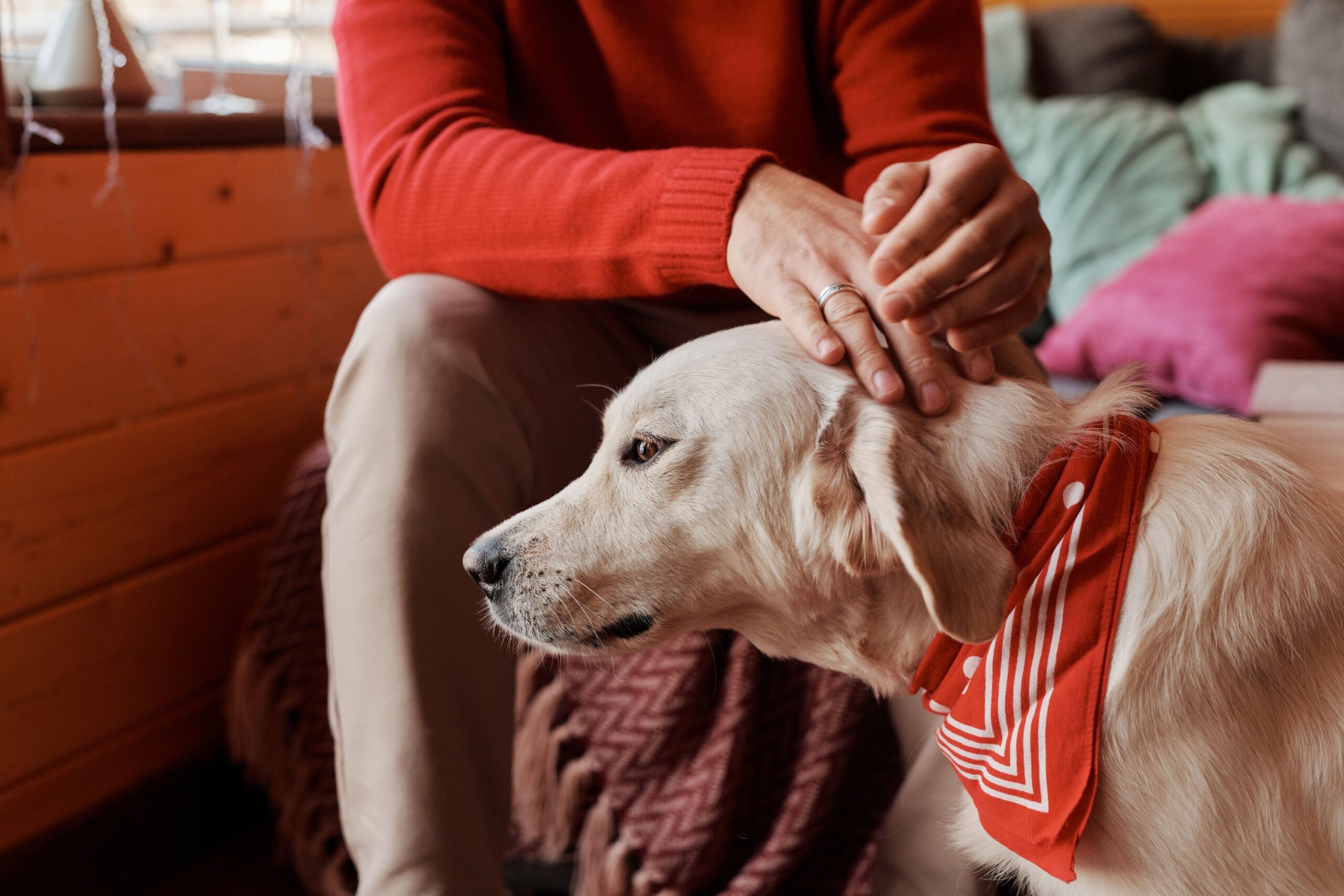
If you have ever had a bad day and noticed your dog hovering nearby, watching you a little more closely, you are not imagining it. Across multiple studies, researchers are finding that dogs do not just read our moods in the moment; over time, their bodies actually start to echo our long‑term stress patterns. It is as if your dog is quietly keeping a biological diary of your emotional life, written in hormones and heartbeats instead of words.
This discovery is both touching and a little unsettling. On one hand, it confirms what many dog owners feel deep down: the bond is real, and it runs deep. On the other, it means our mental health is not just ours anymore; we are sharing it with a creature that depends on us completely. Once you see your dog as a living mirror of your own well‑being, it becomes impossible not to wonder: what, exactly, is your dog reflecting back?
How Scientists Actually Measure “Shared Stress” Between Dogs and Humans

It sounds poetic to say that dogs “mirror” our stress, but animal science takes this very literally. Researchers often measure stress using biomarkers like cortisol, a hormone released when the body is under pressure. One clever method is analyzing cortisol stored in hair for humans and in fur for dogs, which shows patterns of stress levels accumulated over weeks or months rather than just a single bad afternoon.
When scientists compare these long‑term cortisol patterns from people and their dogs, they often find that the lines move together, like two synchronized graphs. Higher chronic stress in the human tends to be linked with higher chronic stress in the dog. It is not just that the dog reacts to one argument or one rush‑hour meltdown; over time, the dog appears to calibrate its own internal state to match the general emotional climate of the household.
Psychological Well‑Being Synchronization: What Does That Even Mean?

Psychological well‑being is a broad idea that covers mood, resilience, life satisfaction, and how we handle daily challenges. When scientists talk about synchronization between owners and dogs, they mean that shifts in the owner’s long‑term emotional state tend to be reflected in corresponding shifts in the dog’s physiological stress markers. If an owner consistently feels tense, overloaded, or low, the dog’s body often starts to “hum” at the same frequency.
This does not happen overnight. Think of it less like a light switch and more like two clocks slowly adjusting to tick in unison. Over months and years of shared routines, tones of voice, and daily micro‑interactions, the dog learns our patterns. It starts to anticipate, adapt, and eventually embody the emotional rhythm of the person it is most closely attached to, the way a roommate might unconsciously pick up your phrases, schedule, and habits.
The Subtle Ways Dogs Pick Up on Human Stress Signals
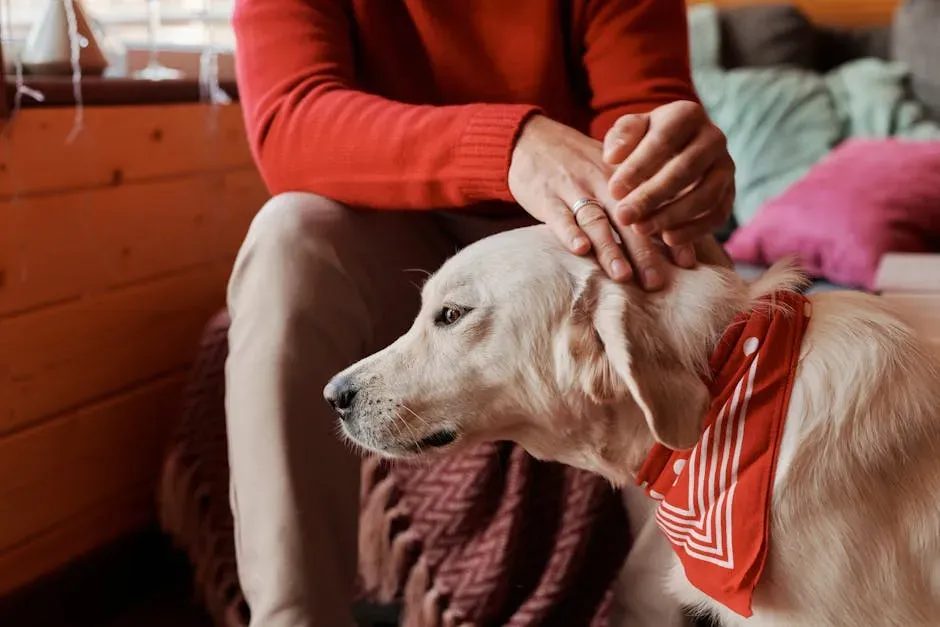
Dogs do not need a psychology degree to track our stress; they are expert observers of tiny details we barely notice ourselves. They read our posture, how quickly or slowly we move, how tense our shoulders are, and whether we make eye contact. They hear micro‑changes in our voices: that slightly tighter tone, the way we sigh more often, or talk less. To a dog, these cues are as loud as shouty headlines.
On top of that, dogs live in a rich world of scent that we are almost completely blind to. When we are stressed, our bodies release different chemical signals through our sweat and skin. Experiments have shown that dogs can distinguish between human scents linked to calm states and those linked to anxiety. Over time, this constant stream of sensory data lets them build an internal model of how we feel, long before we say a word about it.
When Your Lifestyle Becomes Your Dog’s Stress Template
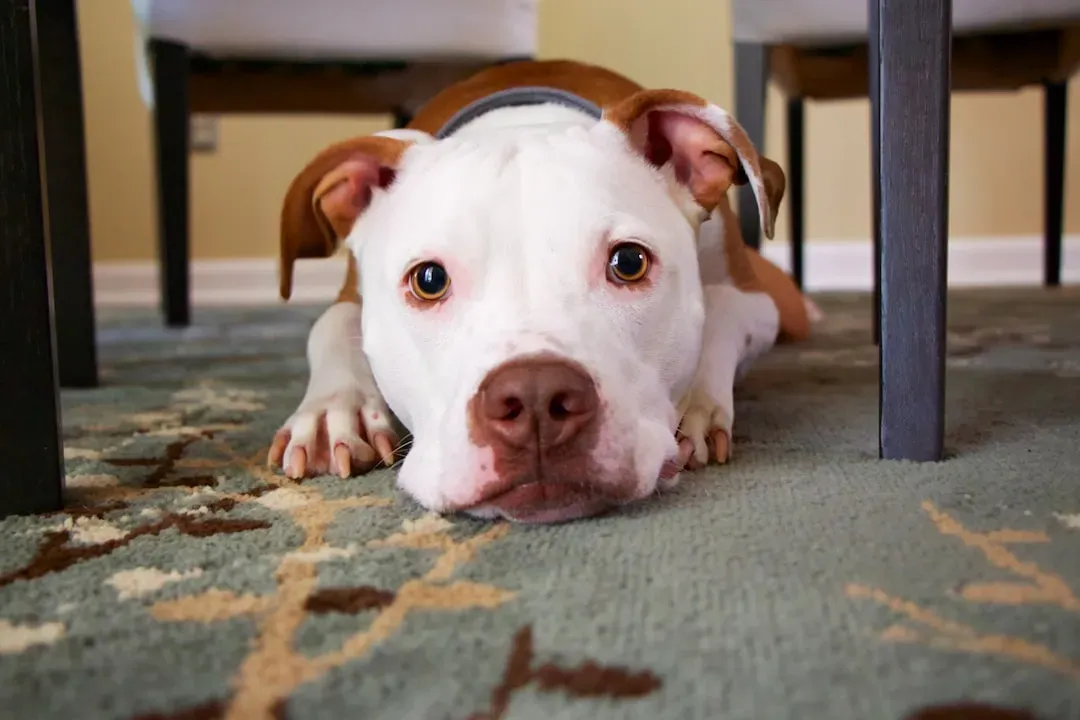
It is one thing to say your dog “feels your feelings,” and another to realize your actual lifestyle can set the blueprint for your dog’s long‑term stress. Owners who rush constantly, sleep poorly, or live in a loud, chaotic setting may have dogs whose bodies are constantly braced for the next jolt. That does not necessarily mean the dog is miserable, but it does mean their baseline wiring might skew toward vigilance rather than easy relaxation.
On the flip side, dogs who live with humans who have steady routines, reasonably predictable schedules, and healthy coping strategies tend to show calmer patterns. Your daily habits – whether you scroll angrily through emails late at night or take ten minutes to breathe and wind down – become part of your dog’s world. Over months and years, those patterns settle into their nervous system like grooves in a well‑worn path.
Are Some Dogs More Sensitive to Owner Stress Than Others?

Just like people, dogs are not all built the same. Some breeds have been selected for high responsiveness to human cues, such as herding and working breeds, which may make them especially tuned in to owner emotions. Individual personality plays a role too; some dogs are naturally more cautious, more excitable, or more laid‑back, and these traits can shape how intensely they absorb the emotional tone around them.
My own opinion, based on both research and experience, is that some dogs are emotional sponges while others are more like emotional umbrellas. The sponges soak up everything; they are the ones pacing when you are anxious or hovering when you are sad. The umbrellas seem to hold a bit of distance, not because they do not care, but because their temperament gives them a thicker buffer. Both are normal, but knowing which type you live with helps you understand what your dog might be carrying for you.
Protecting Your Dog by Taking Your Own Stress Seriously

There is a slightly uncomfortable truth here: one of the most powerful ways to improve your dog’s long‑term well‑being is to take your own mental health seriously. Forget expensive toys for a moment; a calmer, more supported you may be one of the best “treats” your dog can get. Therapy, support groups, better sleep, boundaries at work, or just learning to say no more often – these are not selfish luxuries when you live with a highly attuned companion animal.
Small changes can ripple outward in surprising ways. A ten‑minute daily walk where you leave your phone at home and simply notice your surroundings can shift both your heart rate and your dog’s. A slightly more predictable routine can turn your home from a roller coaster into a gentle train ride. When you frame stress management as something you do for both of you, it can feel less like another task and more like a shared act of care.
Simple Habits to Break the Stress Synchronization Loop

While you cannot remove stress from life, you can change how deeply it soaks into your shared human‑dog system. One simple habit is building in deliberate “calm rituals” with your dog: slow sniff‑walks, quiet cuddle time on the couch without screens, or short training sessions that are fun and easy, not pressured. These activities tell both your nervous systems that not every interaction is rushed or tense.
Another powerful habit is changing how you move through stressful moments in front of your dog. Instead of slamming doors or pacing with your phone, try pausing, breathing, maybe stepping into another room to decompress. Over time, your dog learns that your spikes of stress come down in a safer, softer way. You will not be perfect – nobody is – but even small shifts in how you respond can gradually rewrite the emotional “script” your dog has been following.
What This Science Really Says About the Human–Dog Bond

To me, the most striking part of this research is not the stress itself, but the depth of the connection it reveals. The fact that a dog’s long‑term biology can synchronize with a human’s emotional life is both awe‑inspiring and a little heavy. It means your dog is not just watching you live your life; they are living a version of it alongside you, carried in their own body like a shadow.
My personal take is that this places a real responsibility on us, but also offers a quiet kind of comfort. If our stress can ripple into our dogs, then so can our healing, our joy, and our hard‑won stability. We will never be perfectly calm, perfectly balanced owners, and that is okay. What matters is noticing that your dog is more than a pet on the sidelines; they are a participant in your emotional story. Knowing that, how do you want the next chapter to feel – for both of you?


