
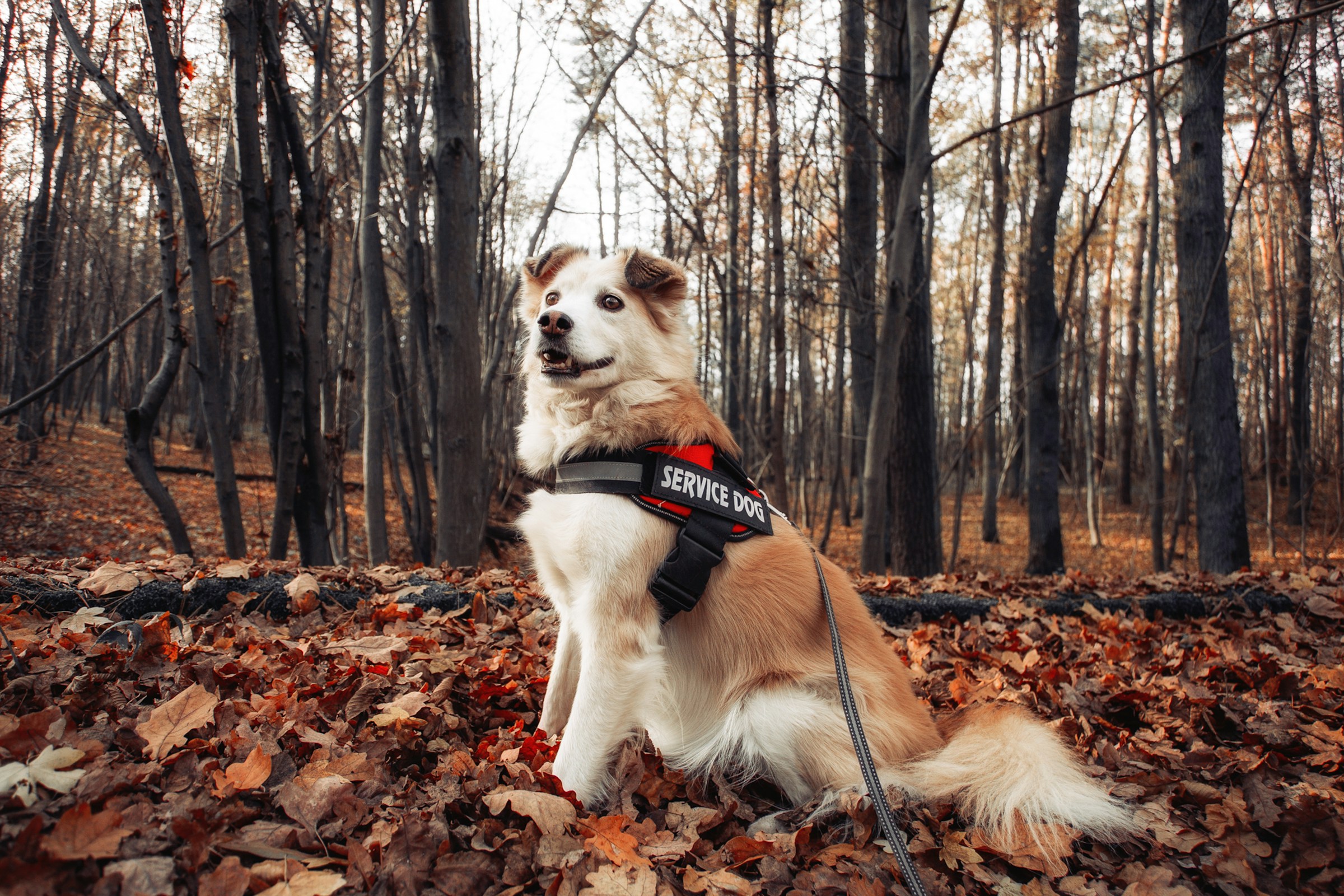
Most people picture soft ears, goofy zoomies, and cozy couch naps when they imagine getting a dog. What they do not picture is standing in a vet’s office doing mental math while your dog eats another plastic toy they were never supposed to swallow. The emotional payoff of having a dog is huge, but the financial reality can be surprisingly sharp if you are not ready for it.
Dog ownership is a bit like signing a long-term subscription you are emotionally attached to. The monthly fees are not always obvious at the start, and the fine print is written in vet bills, cleaning products, and chewed-up furniture. Let’s walk through the big hidden costs many new dog owners barely think about until the bills start arriving.
1. The True Price of the First Vet Visit
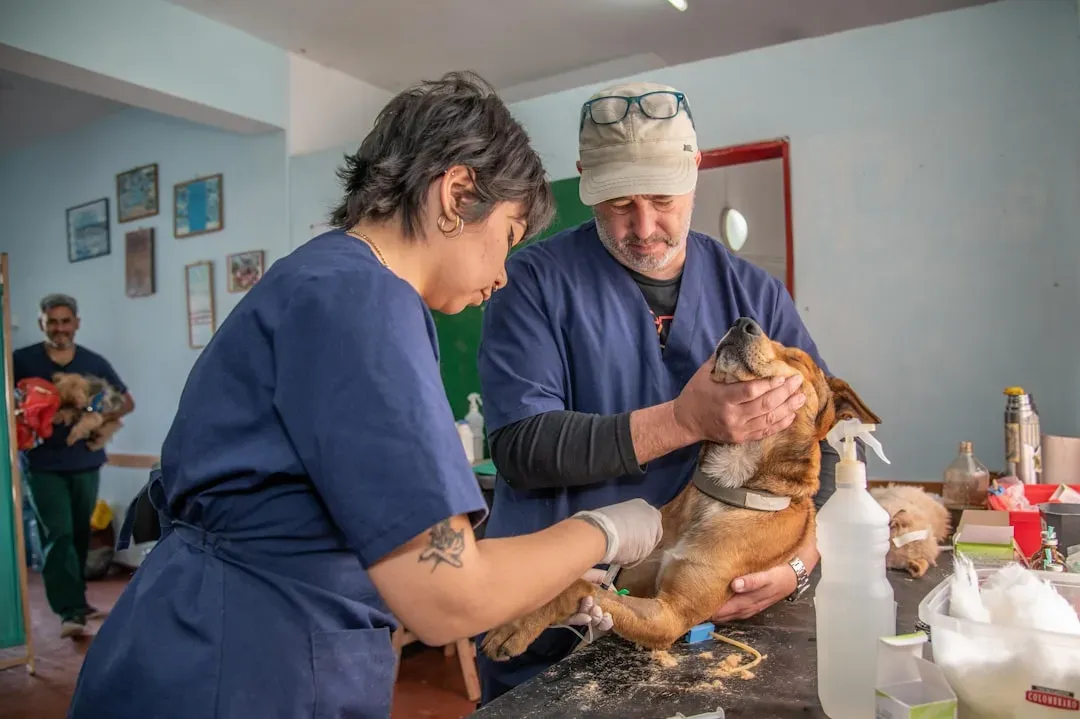
The adoption or purchase fee feels like the big hurdle, but that first vet visit can easily double what you thought you were spending. Beyond a quick checkup, many new dogs need core vaccinations, deworming, flea and tick prevention, and sometimes blood tests or stool checks to rule out hidden issues. If your dog comes from a shelter, some of this might already be done, but there are usually still gaps to fill.
What catches people off guard is how these “small” line items stack up: consultation fee, vaccines, microchip registration, parasite prevention, maybe a health certificate if you plan to travel. Even a relatively healthy dog can cost a few hundred dollars in that first month alone. Think of it as the entry fee to responsible ownership, not a one-time optional extra.
2. Vaccines, Boosters, and Annual Wellness Exams
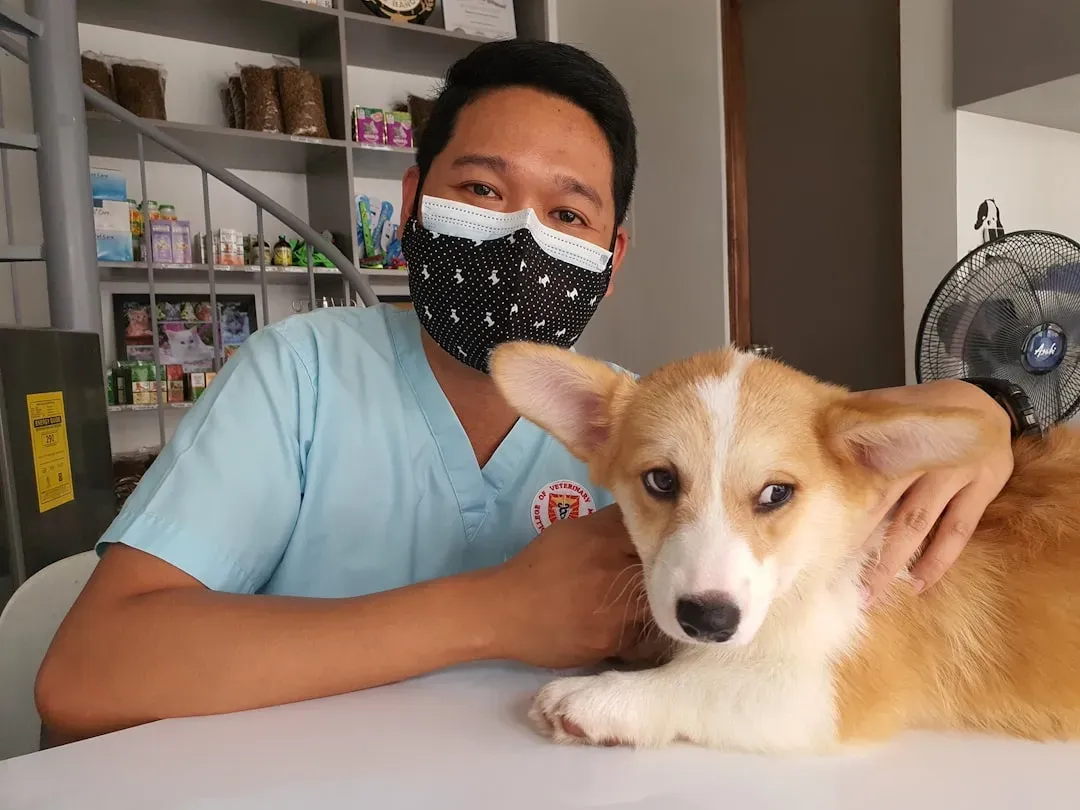
Many people assume vaccines are a puppy-only thing, like baby shots for humans. In reality, dogs need regular boosters for core diseases and often non-core vaccines depending on lifestyle and region. Then there are annual or semiannual wellness exams where your vet checks weight, teeth, joints, behavior changes, and sometimes recommends bloodwork as your dog ages.
These visits are incredibly valuable because they catch problems early, but they are ongoing expenses you have to plan for every single year. Skipping them can feel like saving money in the moment, but it is a bit like driving your car without ever changing the oil. Eventually, that “saving” can turn into a much more expensive crisis.
3. Parasite Prevention: Fleas, Ticks, and Heartworms

Flea and tick medications are not glamorous purchases, but they are some of the most important. Preventing parasites is almost always cheaper and safer than treating the fallout, which can range from skin infections to serious diseases transmitted by ticks and mosquitoes. Heartworm prevention, in particular, is one of those costs people do not always see coming but should never skip in at-risk areas.
These medications are not one-off costs; they are month after month, year after year. When you add up flea, tick, and heartworm prevention over the lifespan of a dog, you are easily looking at thousands of dollars for a medium to large dog. It feels invisible in the moment, but over time, parasite prevention can rival the cost of food.
4. Spay, Neuter, and Unexpected Reproductive Health Issues

Many rescues include spay or neuter in the adoption fee, but if they do not, this surgery can be a substantial bill. Larger dogs, brachycephalic breeds, or dogs with complicating health factors often cost more for anesthesia and surgical time. Even when done at a low-cost clinic, it is still an expense most new owners underestimate or delay.
Then there is the quiet risk of not doing it, especially for female dogs. Conditions like pyometra, a dangerous uterine infection, or certain cancers are far more expensive and risky to treat than a planned spay surgery. With males, behavioral issues and health concerns can also show up later. So whether you budget for a spay/neuter now or roll the dice on future medical issues, the reproductive system tends to send a bill at some point.
5. Training Classes, Behavior Help, and “Problem Dog” Costs

People love to say there are no bad dogs, only untrained ones, but they forget to mention that training is not free. Basic obedience classes, socialization courses for puppies, and private sessions for behavior issues can cost more than you might expect. If your dog develops anxiety, reactivity, or aggression, that price can climb quickly with specialized trainers and behaviorists.
The truth is, many of the most stressful and expensive dog situations could have been prevented or softened with early training and socialization. But when you are already frustrated, sleep-deprived, and dealing with a dog that barks through the night or bites the leash, paying for professional help can feel like the only way out. It is a cost that is easy to ignore in theory and almost impossible to avoid in reality.
6. Professional Grooming and Coat Maintenance

Short-haired breeds can trick people into thinking grooming will be free or close to it. In practice, nail trims, occasional baths, and deshedding tools still add up, especially if you are not comfortable clipping nails or dealing with things like anal gland expression at home. Even basic maintenance can involve regular trips to a groomer or vet tech.
For doodles, poodles, Maltese, and other high-maintenance coats, grooming is an entire separate budget category. You are not just paying for a bath and a bow; you are paying for skilled labor to prevent painful matting, skin issues, and infection. Miss a few appointments, and your dog might end up needing a full shave-down, which looks dramatic and costs even more. It is like owning a living, breathing, very hairy luxury sweater that constantly needs dry cleaning.
7. Food Quality, Portion Sizes, and Special Diets

Everyone remembers they need to buy dog food; what they forget is how wildly those costs vary and how quickly they can change. A large breed on a high-quality diet can eat through a bag in what feels like minutes, especially during puppy growth spurts. Cheaper food might save money short-term, but it can aggravate allergies, stomach problems, or weight gain in some dogs.
Then there are special diets for sensitivities or medical issues: limited ingredient foods, prescription diets for kidney disease or allergies, joint-support formulas, and more. These can cost several times what you thought “normal” food would run. Once you see your dog finally stop itching or having diarrhea on the right food, it is tough to go back, even if your wallet winces every time you hit the checkout.
8. Emergency Vet Visits and After-Hours Care
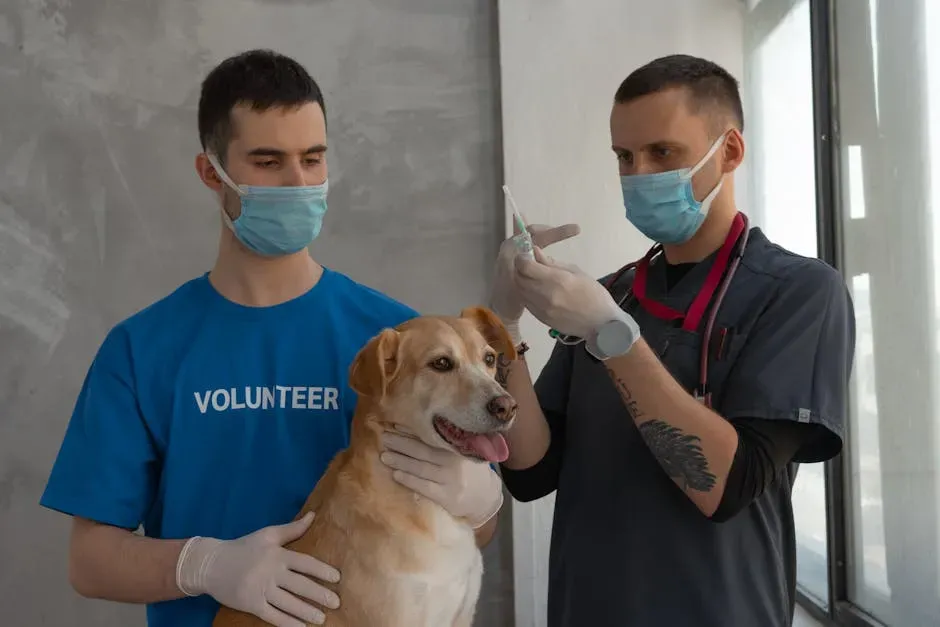
This is the cost that can break people, emotionally and financially. Emergency vet clinics run outside normal hours, use specialized equipment, and must staff for critical cases, so their prices reflect that. A single emergency visit for something like a swallowed sock, a car accident, or sudden bloat can quickly run into four figures.
No one brings home a puppy thinking about midnight x-rays or emergency surgery, but these are the realities that come with living animals and real risks. Even mild emergencies like allergic reactions or minor injuries can still involve exam fees, medications, and monitoring. If you do not have a savings buffer or pet insurance, one unpredictable night can rearrange your finances for months or years.
9. Chronic Medications and Long-Term Health Conditions
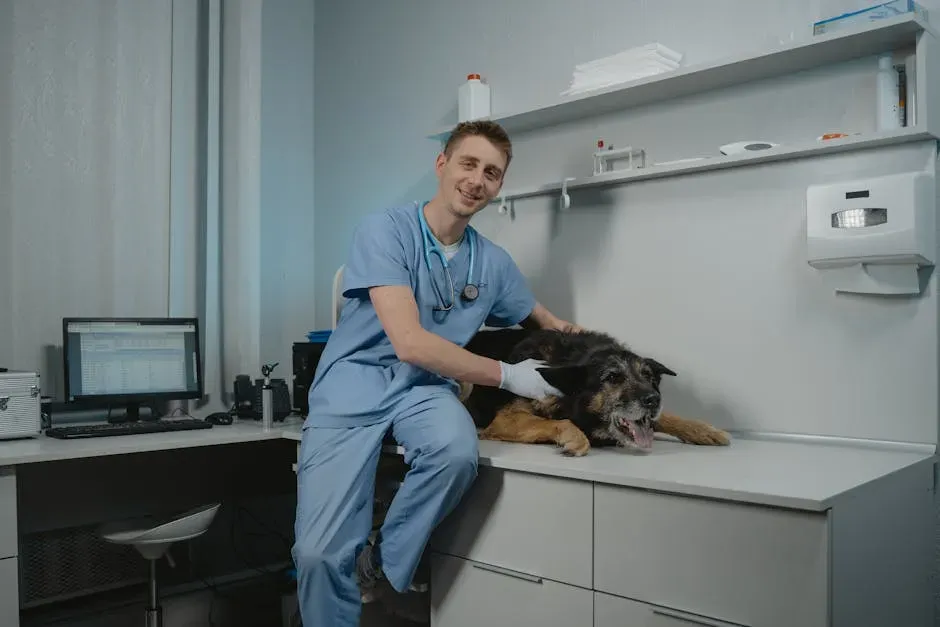
As dogs age – or sometimes even when they are young – chronic health conditions start appearing. Arthritis, allergies, thyroid issues, diabetes, heart disease, and seizure disorders are all more common than most people realize. Each of these often comes with daily medications, regular lab work, and occasional adjustments in treatment.
These costs usually do not feel like a dramatic, one-time hit; instead, they are slow, steady drips over years. A joint supplement here, a pain medication there, prescription eye drops, special shampoos. Before you know it, your monthly “dog bill” rivals a car payment. Emotionally, it is a strange place: you will spend it because you love them, but you may find yourself wishing someone had warned you just how high maintenance a senior dog can be.
10. Household Damage: Chewing, Scratching, and Accidents

I still remember the morning I walked into my living room and realized my young dog had turned the corner of my brand-new rug into modern art. Puppies, especially, are little chaos machines with teeth. They chew furniture, scratch floors, shred pillows, and occasionally decide that the leg of your dining chair is a perfectly acceptable teething toy.
Beyond furniture, there are the less glamorous costs: enzyme cleaners, odor removers, carpet spot treatments, and possibly professional cleaning after repeated accidents. If a dog scratches at doors, chews baseboards, or digs under fences, you may also be looking at repair or replacement for parts of your home. In the moment it feels like a battlefield; in your bank account, it looks like a renovation project you never planned on.
11. Leashes, Collars, Crates, and Gear Replacements
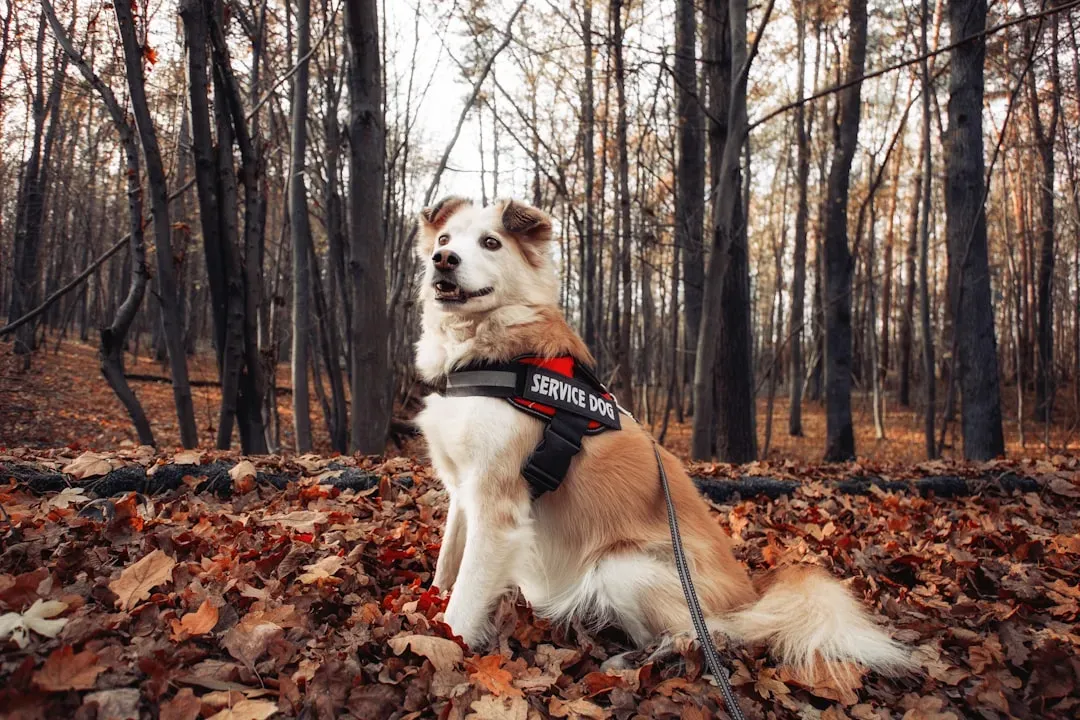
People love shopping for the fun part: cute collars, matching leashes, cozy beds, adorable sweaters. The hidden cost is not just buying these once; it is buying them again and again as your dog grows, chews, or simply outwears them. Puppies often outgrow their first harness in what feels like weeks, and strong pullers can ruin leashes or snap cheap clips.
Crates, baby gates, car seat belts, and secure harnesses are not just optional accessories; they are safety tools. Good ones cost more but last longer and protect your dog better during car rides or when you are not home. Owners who try to go budget-only on gear often end up buying twice – once for the cheap version, once for the quality replacement after something breaks at the worst possible time.
12. Boarding, Pet Sitters, and Travel Logistics
Before getting a dog, it is easy to imagine you will just travel less or always find a friend to watch them. In reality, schedules clash, favors run out, and eventually you end up paying for boarding or a pet sitter. Good care is not cheap, especially around holidays, and some places charge extra for medication administration, solo playtime, or larger dogs.
If you decide to travel with your dog instead, there are other hidden costs: pet-friendly accommodation fees, additional cleaning charges, airline or train pet fees, travel crates, and health certificates. Suddenly, a spontaneous weekend trip is not so spontaneous. You are not just packing your suitcase; you are financially and logistically packing your dog’s entire life.
13. Licensing, Microchipping, and Local Compliance Fees

Many regions require annual dog licenses, and while each individual fee might seem small, it is another recurring cost layered on top of everything else. On top of that, responsible owners generally microchip their dogs and keep that registration information updated over time, especially if they move or change phone numbers.
There can also be specific local requirements: fees for dog park permits, breed-specific insurance requirements in some areas, or fines for noncompliance if your dog is found without proper identification. These administrative costs are not emotionally satisfying to pay – no one gets excited about a license tag – but they matter for legal reasons and for getting your dog back if they ever slip their collar and go wandering.
14. Time Costs and the “Hidden Price” of Your Schedule

Not all costs are measured in dollars. The time you spend walking, training, cleaning, grooming, and scheduling vet visits is a kind of currency too. For people with demanding jobs, that can translate into real financial tradeoffs: hiring dog walkers, coming home earlier, turning down overtime, or working remotely in less-than-ideal conditions because the dog cannot be left alone all day.
There is also the mental load: constantly planning around your dog’s needs, arranging care if you will be late, monitoring food and medication schedules, and adjusting your social life to get back for bedtime walks. Your life bends around your dog far more than you expect in those first giddy days of ownership. Many people accept that trade wholeheartedly – but it is still a price worth naming out loud.
15. End-of-Life Care, Euthanasia, and Aftercare
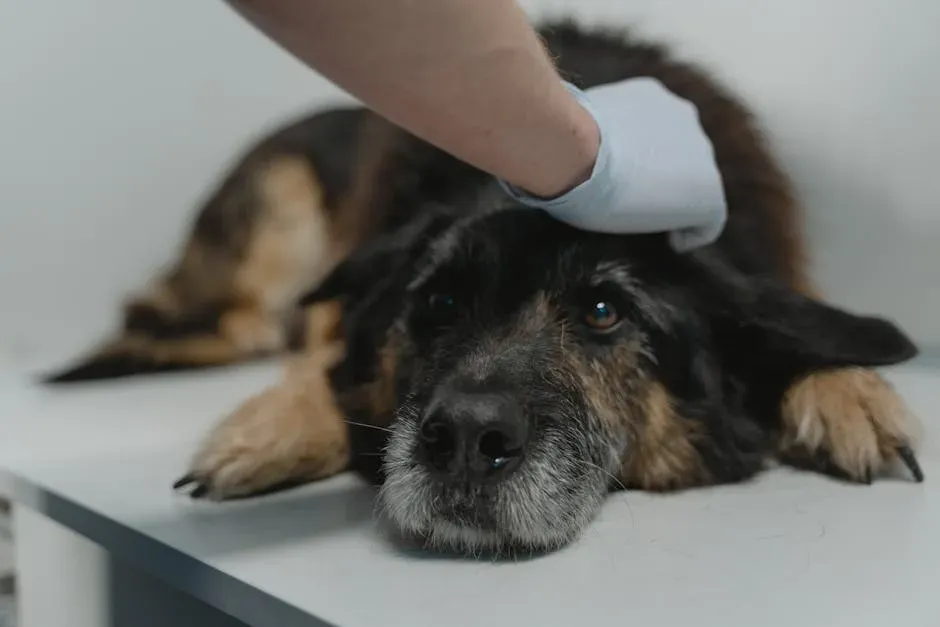
This is the cost no one wants to think about when they are scrolling through adorable puppy photos. Yet end-of-life care is one of the most emotionally and financially intense parts of owning a dog. As dogs age or become seriously ill, there are often tough decisions about diagnostics, treatments, pain management, and quality of life, each with attached price tags.
When the time comes for euthanasia and aftercare, there can be costs for at-home services, cremation, memorial options, and sometimes grief support. None of these feel like “optional extras” when you are in the moment; they feel like the last acts of love you can offer. It is a brutally honest reminder that the real cost of a dog is not just money – it is the emotional toll of signing up for a love story you know will end long before you are ready.
Conclusion: The Real Question Is Not “Can I Afford a Dog?”

If there is one uncomfortable truth about dog ownership, it is this: the adoption fee is the cheapest part. The real cost lives in the quiet, ongoing, sometimes unpredictable expenses that pile up over ten or fifteen years – vet visits, grooming, emergencies, replacements, travel, and finally, saying goodbye. Pretending those costs do not exist does not make you a more loving owner; it just makes you an unprepared one.
In my view, no one should bring home a dog without running the numbers as seriously as they would for a car payment or a move to a new city. Dogs are not budget decorations; they are long-term commitments that reshape your finances, your schedule, and your emotional life. And yet, for many of us, the chaos, the bills, and even the heartbreak still feel worth it every single day. The real question is not just whether you want a dog – it is whether you are truly ready to pay the full price of loving one, in every sense of the word.


