
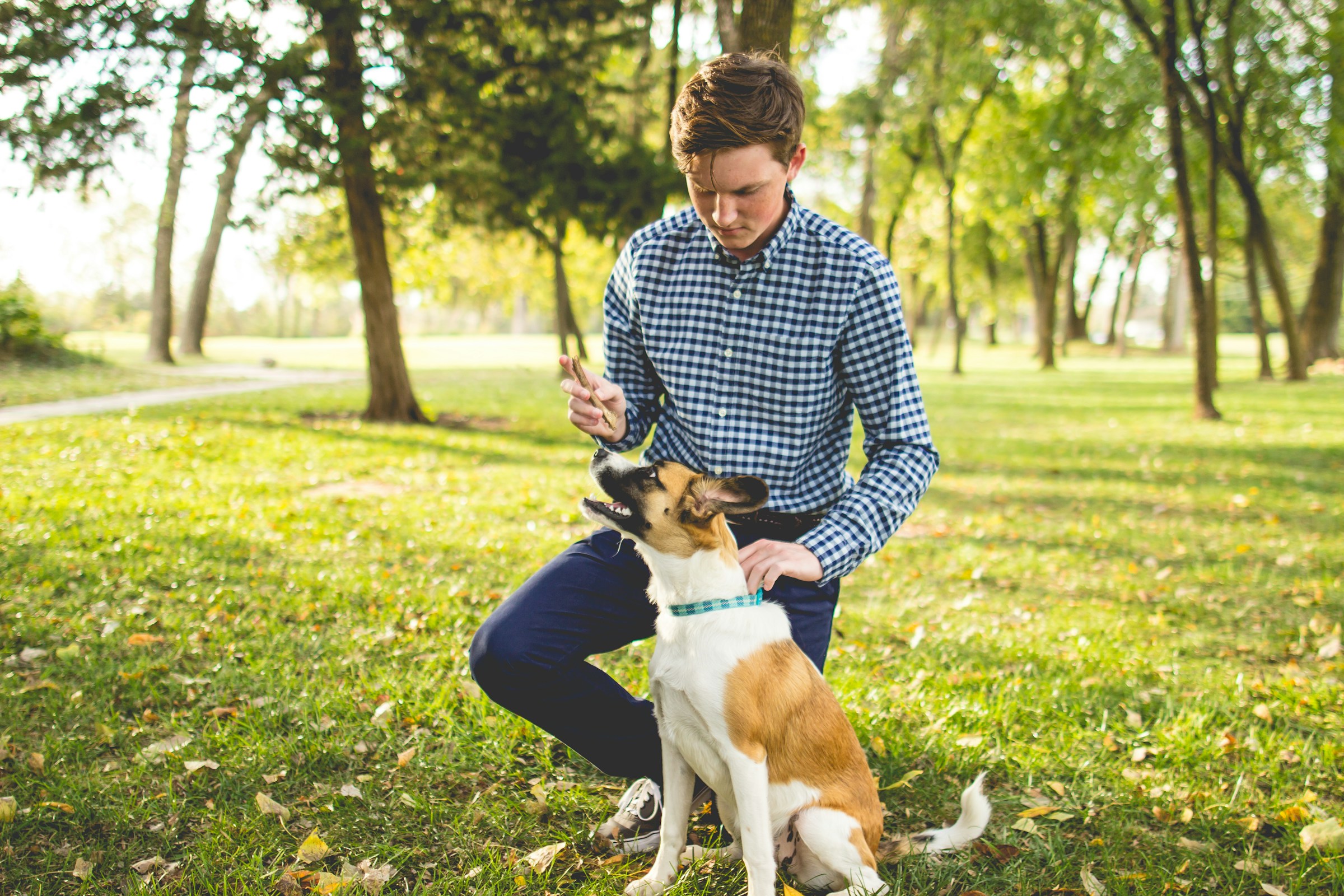
Have you ever met a dog that seems sweet but strangely “shut down,” like it is always waiting for permission to relax? Many of those dogs are not naturally aloof; they have simply learned that being themselves is risky. When training is built on fear, pain, or intimidation, the emotional cost quietly adds up over time.
Modern behavioral science is increasingly clear on this: chronic fear changes how the brain works, how the body feels, and how relationships form. That includes the bond between humans and dogs. As the pressure to obey at all costs rises, the dog’s ability to offer affection freely often fades. It is not that the love disappears; it is that the dog no longer feels safe enough to show it.
Fear-Based Training: What It Really Looks Like (And Why It “Works” So Fast)
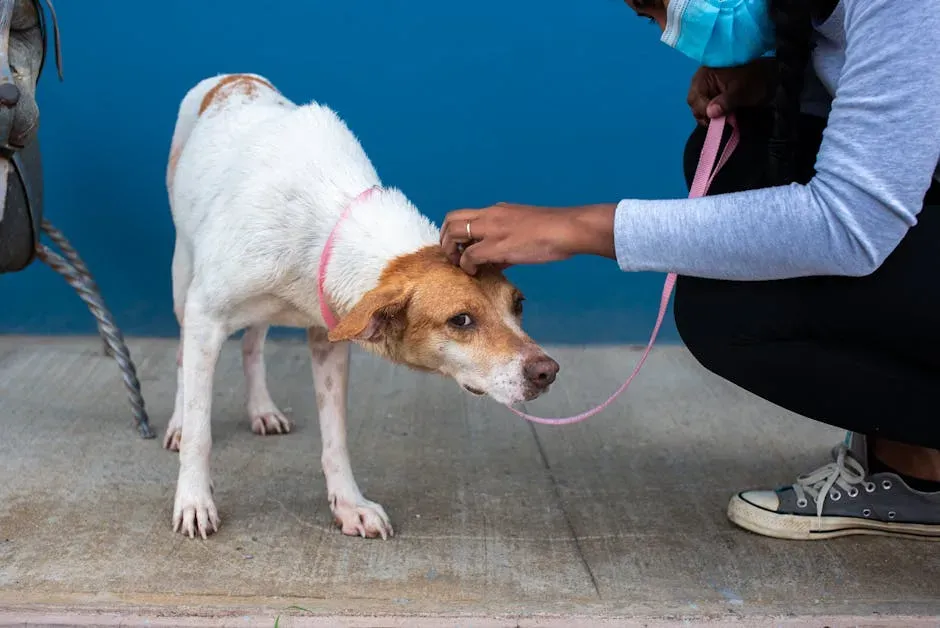
Fear-based training is any method that relies on pain, intimidation, or the threat of something unpleasant to make a dog comply. This can include harsh leash jerks, shock or prong collars, screaming, hitting, or even subtle but constant looming and physical pressure. On the surface, it can look like “instant obedience” because the dog quickly stops unwanted behaviors to avoid punishment.
From a behavioral science perspective, this is classic negative reinforcement and punishment: the dog learns to move, freeze, or stop in order to escape or avoid something scary or painful. The problem is that while the behavior might change, the dog’s emotional state often worsens. The dog becomes more tense, hyper-vigilant, and careful, like a child who never knows when the next outburst will come.
How Chronic Fear Rewires a Dog’s Brain and Body

Long-term fear is not just a feeling; it is a physiological state. When dogs are regularly exposed to intense stress, their stress-response systems become overactive. Hormones like cortisol and adrenaline remain elevated more often, keeping the dog in a kind of simmering “fight, flight, or freeze” mode. Over time, this can alter brain structures involved in learning, memory, and emotional regulation.
In practical terms, this means a dog trained this way may struggle more with impulse control, become more reactive, or shut down emotionally. The nervous system learns that the safest strategy is to stay small, quiet, and careful. In that state, playful affection, goofy joy, and spontaneous cuddles feel risky. A dog whose brain is prioritizing survival cannot fully relax into warmth and connection.
The Subtle Ways Affection Starts to Shut Down

Loss of free affection does not usually happen overnight. Early on, you might just notice fewer wags, more hesitation before approaching, or a dog that leans away instead of melting into your touch. The dog may follow commands and even come when called, but their body language looks tight: tail low, ears pinned slightly back, stiff posture instead of a loose, wiggly body.
As time goes on, many dogs stop initiating contact altogether. They might tolerate petting but rarely seek it. Some dogs become what trainers call “learned helpless” – they simply comply and endure. From the outside, it can look like politeness or calm. On the inside, it is often resignation. Affection is no longer something they offer; it is something they cautiously allow.
Attachment and Trust: Why Safety Is the Gateway to Love
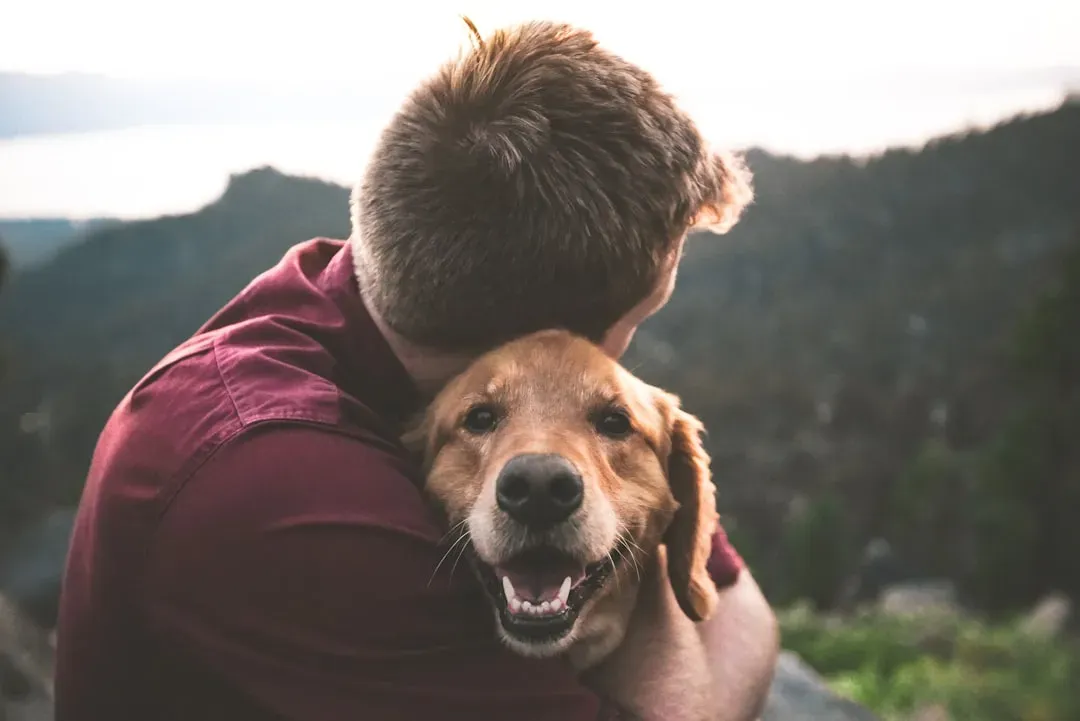
Psychology and attachment theory tell us that secure relationships grow out of safety. In human children, we know that when caregivers are frightening or unpredictable, kids become anxious, clingy, avoidant, or shut down. Dogs, who share similar social and emotional wiring, experience something very parallel. When the person they rely on is also the source of fear, trust becomes fragile or fractured.
A dog that does not feel safe cannot fully relax into affection, no matter how much it might care about its person. Instead of reading human touch as comforting, it may read it as a test, a prelude to correction, or a potential threat. The dog might hover near but not quite touch, or look away when stroked. Love is still there, but it is filtered through constant self-protection.
Why “Obedient” Is Not the Same as “Emotionally Healthy”
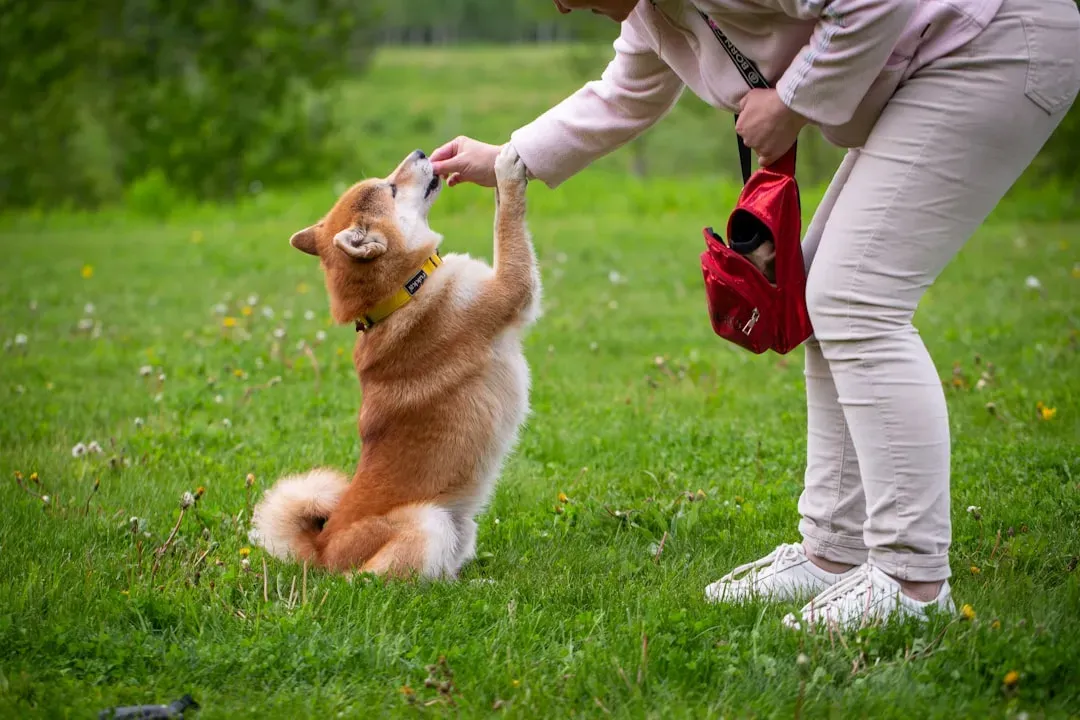
One of the most misleading things about fear-based training is how impressive it can look. The dog sits instantly, heels tightly, and seems laser-focused. To someone used to chaotic, untrained dogs, this can look like a dream. But obedience built on fear is like a beautiful building on a cracked foundation: it stands, but it is not safe inside.
An emotionally healthy dog shows a mix of responsiveness and personality. It may hesitate, make mistakes, get excited, and still be able to settle and listen. It seeks contact, wags freely, plays, and recovers quickly from surprises. When a dog looks like a robot – perfect on the outside, blank or wary on the inside – that is not a sign of a deep bond; it is often the mark of emotional suppression.
Evidence for Positive Methods: What Research and Real Life Both Show
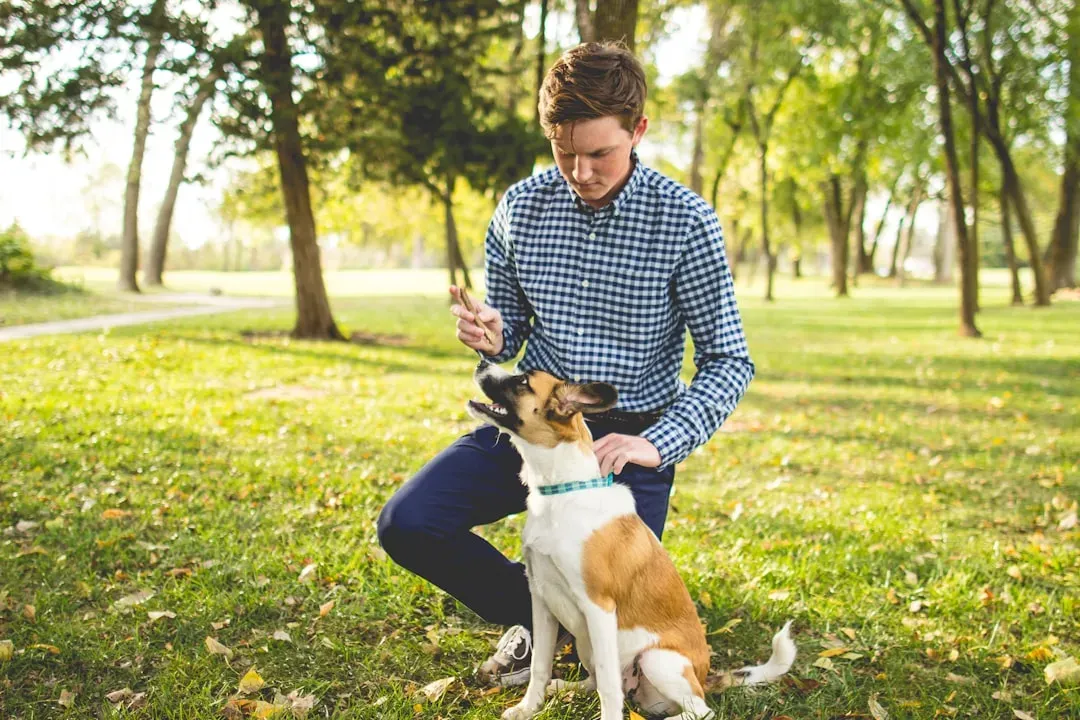
Studies comparing aversive training methods to reward-based approaches have repeatedly found that dogs trained with more punishment show more signs of stress. These can include yawning, lip licking, paw lifting, body tension, and avoidance. Dogs trained with rewards tend to show more relaxed postures and are more likely to approach their handlers willingly. In many cases, they also learn just as fast or faster, especially when learning complex behaviors.
In real life, you can often see the difference in small, everyday moments. Reward-trained dogs usually light up when their owner grabs the treat pouch or training leash; dogs trained by fear often look wary, guarded, or flat. One approach builds the association “training with my human is fun and safe,” while the other risks creating “training is when I try not to get hurt or yelled at.” Over time, those emotional associations shape whether the dog offers its affection freely or withholds it.
Helping a Shut-Down Dog Reclaim Its Affection

The hopeful news is that many dogs who have been trained with fear can heal, at least partially. The process usually involves slowing down, removing aversive tools, and rebuilding trust through predictability and kindness. That might mean hand-feeding meals, inviting contact instead of insisting on it, and respecting when the dog says “no” by moving away or freezing. Safety must become the new baseline.
As the dog starts to believe that nothing bad happens when it expresses itself, little sparks of affection often reappear. Maybe it starts to lean into your hand, follow you from room to room, or offer a tentative tail wag. These small moments are huge wins. They show that underneath the fear, the dog still wants connection. Our job is not to dominate that impulse but to nurture it carefully back to life.
Why Choosing Kindness in Training Is a Moral Choice, Not Just a Method

Some people argue that “a little fear” is fine if it gets results. But once you understand that those results can include a quieter dog at the cost of its emotional freedom and affectionate nature, it becomes hard to call that a fair trade. We share our homes and lives with dogs who did not choose us. That gives us power over them – and with power comes responsibility.
In my view, fear-based training is not just outdated; it is ethically wrong when kinder, science-backed alternatives exist. Dogs are capable of rich emotional lives, deep bonds, and spontaneous displays of joy and love. When we train in ways that shut that down, we are not just shaping behavior – we are shrinking a heart that came to us wide open. The real question is not whether fear “works,” but whether we are willing to pay the hidden price in lost trust and silent affection. Knowing that, how could we choose anything but compassion?


