
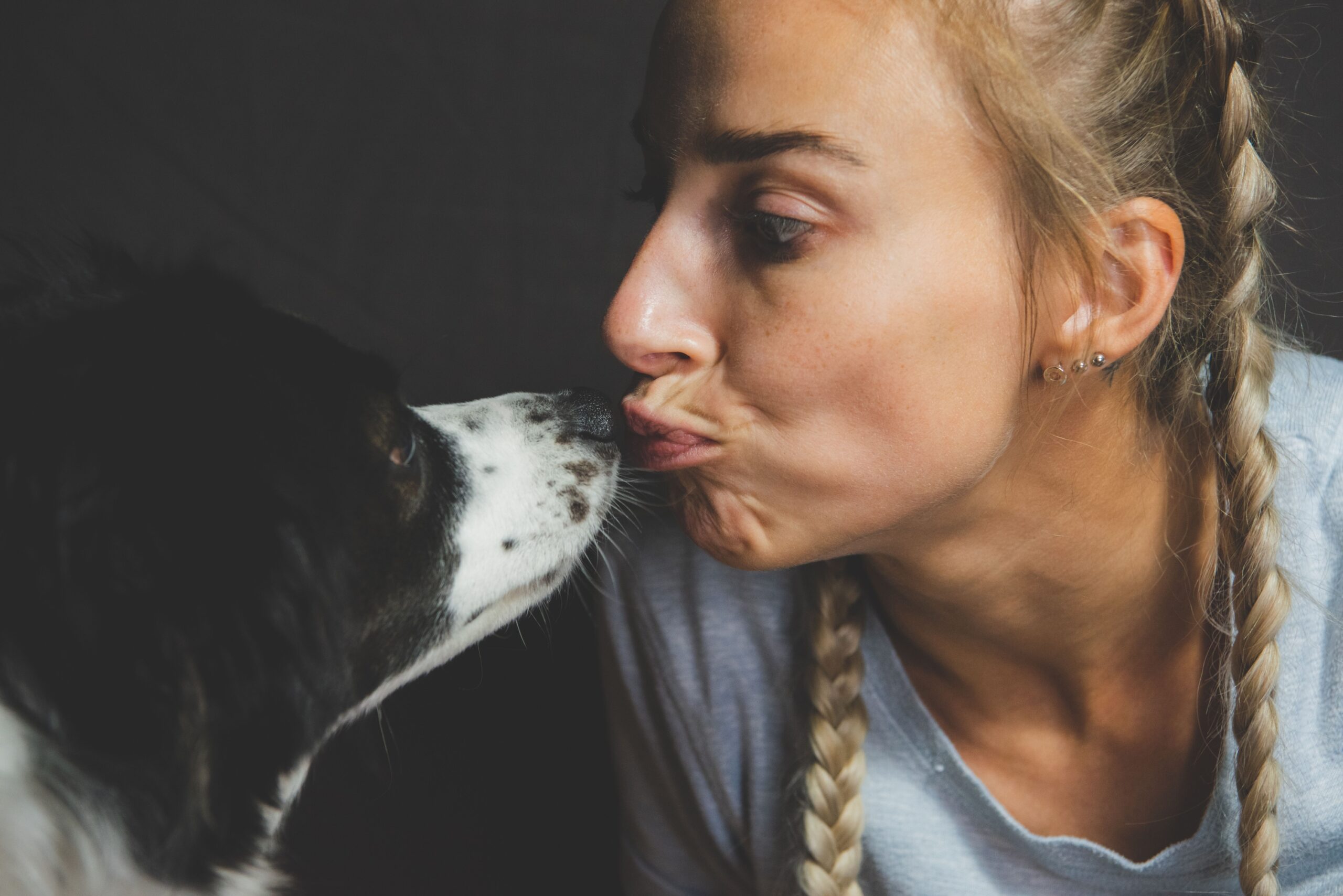
Your dog has probably been there for first apartments, breakups, career changes, maybe even your kids. One day you look over and realize the once-hyper puppy now naps in sunbeams and takes the stairs a little more slowly. That moment can feel both tender and a bit scary: is this normal ageing, or is something wrong?
The truth is, many changes in older dogs are signs that they’re settling into a comfortable, dignified stage of life. But mixed in with those sweet “old soul” moments can be quieter warning signs that deserve urgent attention. Knowing the difference is one of the kindest, most powerful things you can do for your senior dog.
1. A Softer Pace: When Slowing Down Is Simply Graceful Ageing
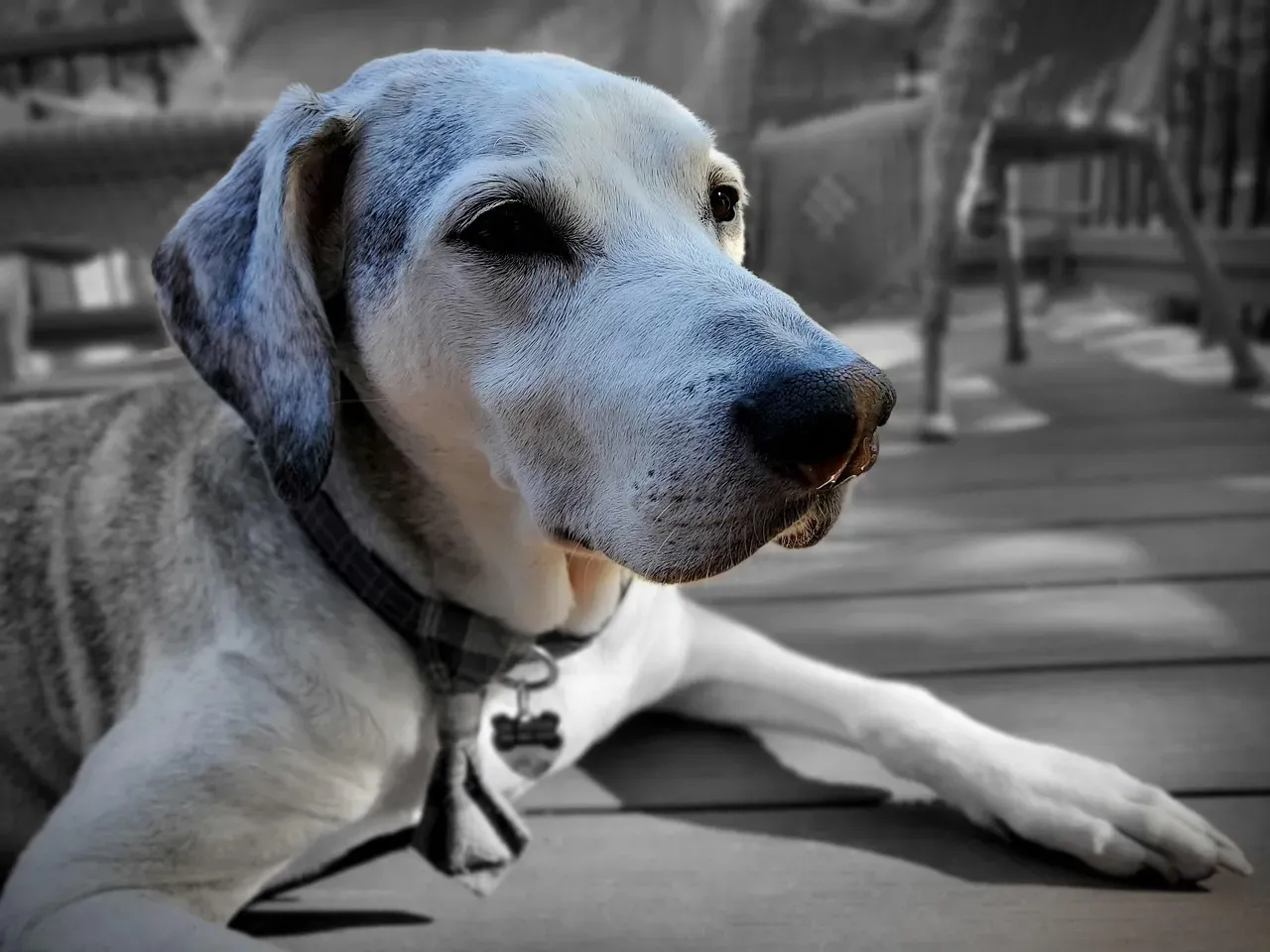
It can be startling when a dog that once bounced off the walls now prefers a gentle stroll and a long nap, but a calmer energy level is often a perfectly normal part of getting older. As joints, muscles, and even the heart age, the body naturally conserves energy and chooses comfort over chaos. Think of it less as “losing their spark” and more as your dog finally learning the art of taking it easy.
You’ll often notice they still enjoy walks, playtime, and sniffing everything in sight – they just move at a more measured pace. If your dog is still interested in life, perks up for treats and toys, and happily joins you for outings even if they tire sooner, that’s usually a sign of graceful ageing rather than illness. You can support them by shortening walks, avoiding high-impact jumping, and letting them set the rhythm instead of dragging them into your old routine.
2. Frosted Face and Whiter Fur: The Charm of the “Sugar Muzzle”
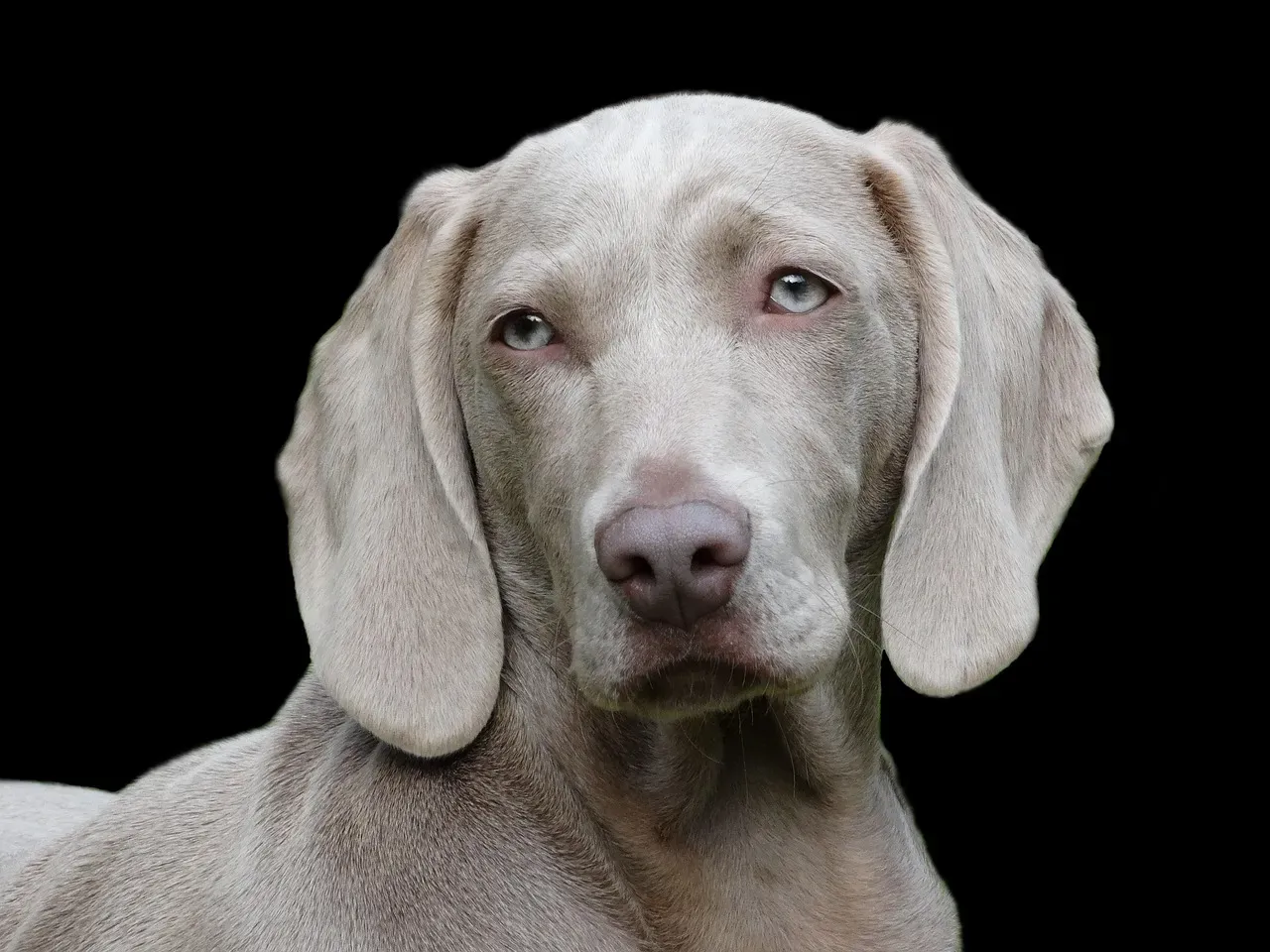
One of the most beautiful signs of a senior dog is that frosted muzzle – the gray or white hair around their face, eyebrows, and paws. This change usually creeps in gradually and can start as early as middle age for some breeds, or later for others. Just like humans getting gray hair, this is usually cosmetic and not a health crisis in itself.
A whiter coat can actually make your dog’s expressions look even more intense and soulful, like nature has painted their wisdom on their face. As long as the coat remains mostly full, not patchy, and the skin underneath isn’t red, scaly, or inflamed, this whitening is a normal and rather endearing part of the process. Pair that sugar muzzle with regular brushing, a good diet, and gentle grooming, and your senior dog can look every bit as stunning as they did in their younger days – just in a different way.
3. Deeper Sleep and Longer Naps: Resting More Without Losing Interest
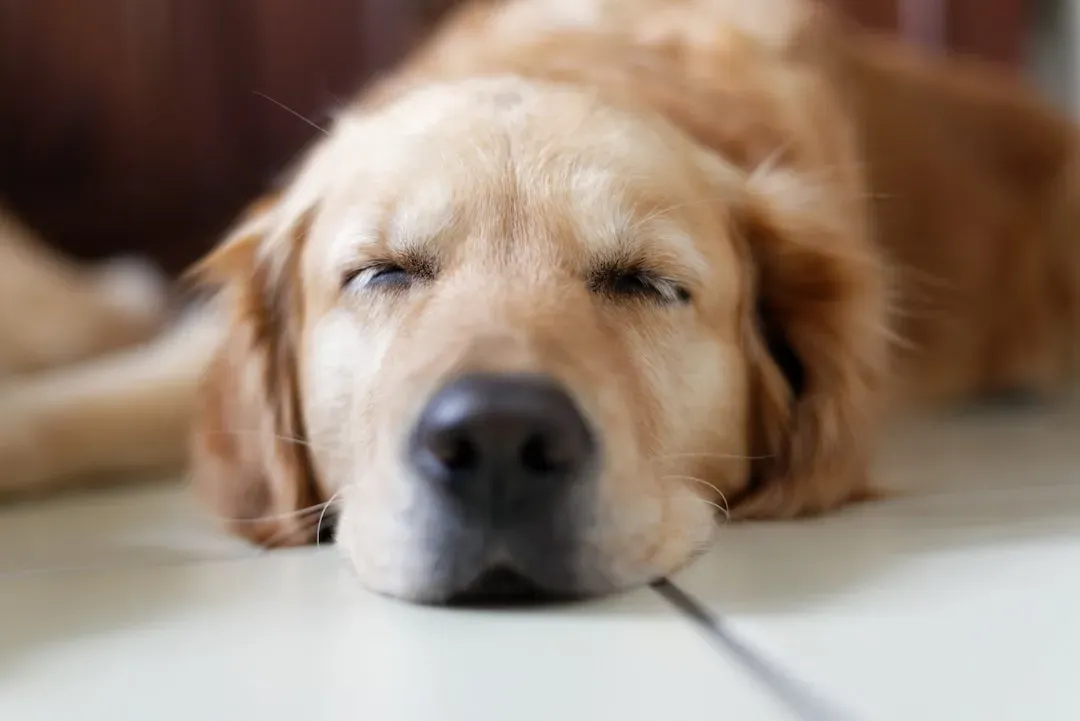
Senior dogs tend to sleep a lot, sometimes what feels like “all day.” Their brains and bodies need more downtime to repair and reset, just as many older humans require more sleep and rest. You might find them seeking out the softest bed, warmest patch of sunlight, or coziest corner on the couch, and that’s perfectly normal.
The reassuring sign is what happens when they wake up. A dog that rises to greet you at the door, wags when you pick up the leash, and still shows enthusiasm for meals and play is likely just embracing a well-earned retirement lifestyle. If rest is balanced with moments of joy, curiosity, and connection with you, it’s a sign of healthy ageing, not a red flag. You can nurture this by giving them supportive bedding, quiet spaces, and permission to nap guilt-free.
4. A Bit of Cloudiness in the Eyes: When It Looks Scary but Isn’t Always Dangerous
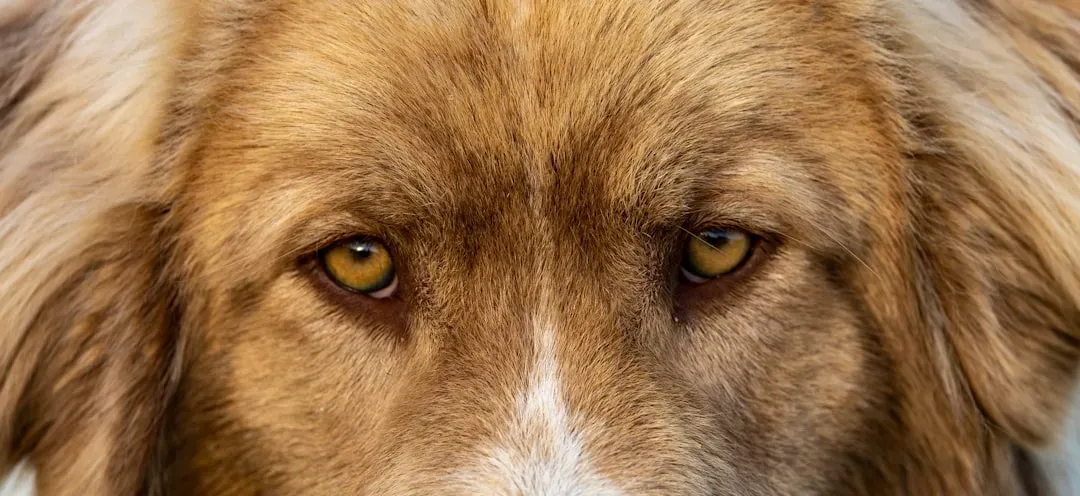
Many guardians panic the first time they notice a hazy or bluish tint in their dog’s eyes, especially in dim light or at certain angles. In a lot of older dogs, this mild cloudiness is something called lenticular or nuclear sclerosis – a normal change in the lens of the eye that comes with age. It can slightly affect how sharply they see, especially up close, but most dogs adapt so well that you hardly notice.
You might see them judge distances less precisely or hesitate a bit in low light, but otherwise navigate the world just fine. As long as the eyes are not red, painful, excessively tearing, or causing your dog to bump into things, this gentle haze is usually more of a cosmetic change than a crisis. Still, regular eye checks with a vet are wise, because some eye diseases in seniors can look similar at first but need treatment.
5. A Mature, Calmer Temperament: From Wild Child to Old Soul
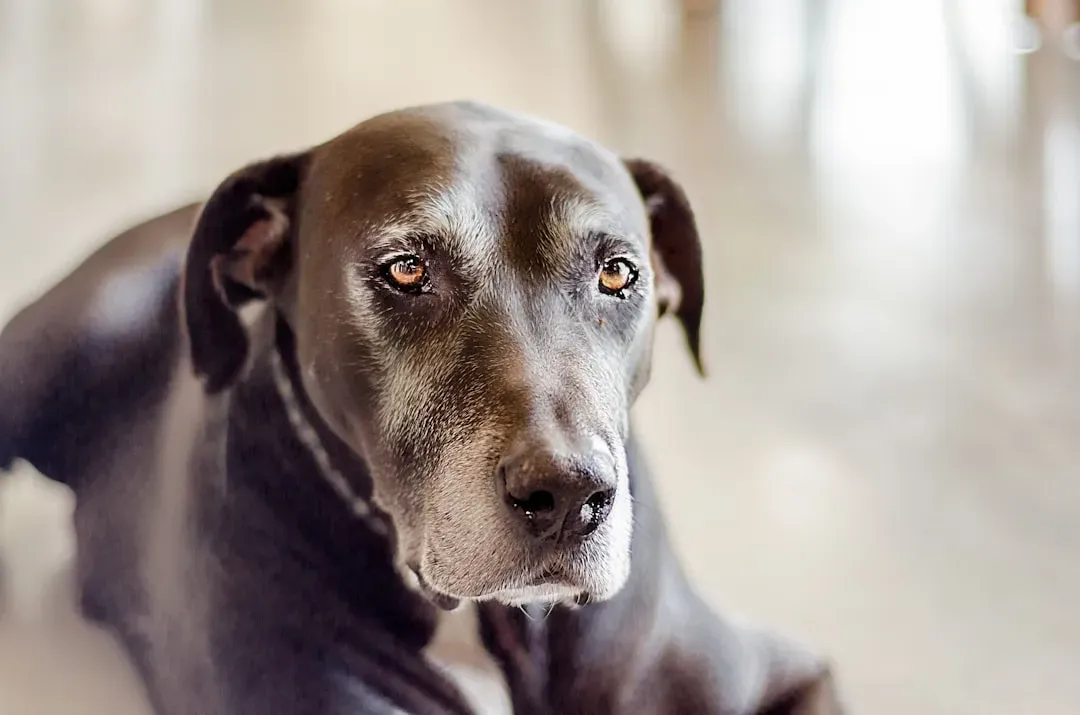
Remember when your dog chewed everything in sight and sprinted laps around the house for no reason at all? Senior dogs often trade that chaos for an almost meditative calm. They may become more predictable, less reactive, and more content to simply be near you rather than constantly demanding action and adventure.
This shift in temperament can feel like living with a wise old friend instead of a hyper toddler. Many older dogs are actually easier to live with: they know the house rules, they’re less interested in mischief, and they often become more cuddly and affectionate. That mellow vibe, paired with consistent good appetite and willingness to engage, is typically a lovely sign that your dog is ageing beautifully on the inside as much as the outside.
6. Shorter But Still Happy Walks: Enjoying Movement Without Overdoing It
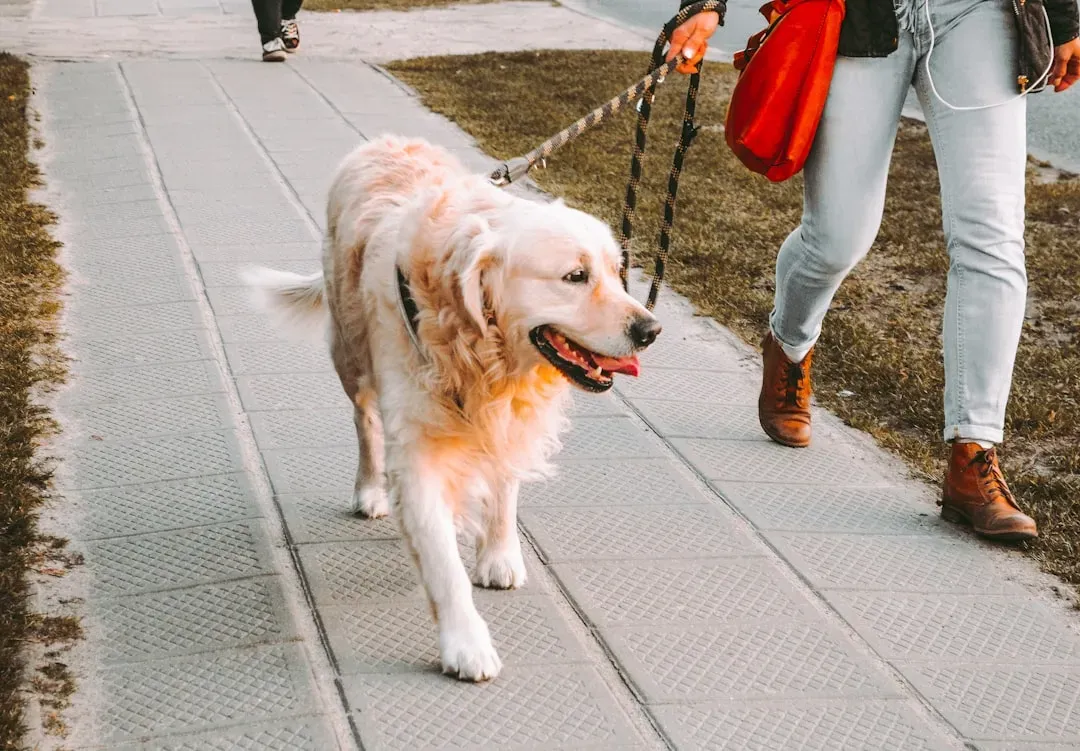
As dogs age, their stamina naturally drops. They may happily trot around the block but no longer want the five-mile hike they once tackled without blinking. This does not automatically mean something is wrong; it often just reflects changes in their heart, lungs, joints, and muscle strength over time.
The key is that your dog still looks forward to going out, sniffs with enthusiasm, and walks with a mostly normal gait – even if they slow down later or rest more afterward. That pattern suggests normal ageing rather than an acute health problem. You can support them by breaking exercise into shorter, more frequent outings, avoiding steep hills or rough terrain, and letting them communicate when it is time to turn back.
7. A Slightly Stiffer Start: Mild Morning Stiffness That Eases With Movement
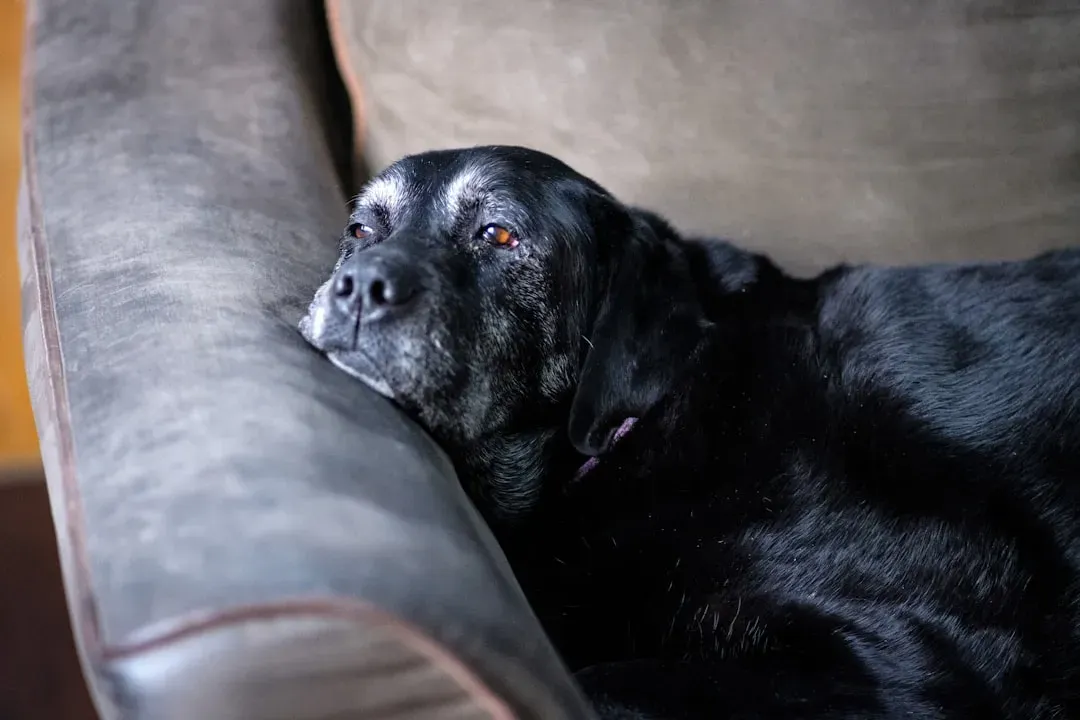
Just like many people feel creaky getting out of bed, a lot of older dogs move stiffly at first, especially in the morning or after a long nap. You might notice a few careful steps, a slower rise, or a little hesitation before jumping off the couch. If that stiffness eases within a few minutes of gentle walking, it often reflects mild age-related joint wear rather than severe disease.
This kind of “warm-up stiffness” is common in seniors and can be managed with weight control, joint-support supplements, soft bedding, and low-impact exercise. Many dogs with mild arthritis still live very full, happy lives when their pain is well controlled. Being proactive – instead of waiting until they are clearly limping or in distress – is one of the best ways to help them age comfortably and gracefully.
8. Slight Hearing Changes: When Your Dog Is “Selective,” Not Suddenly Lost
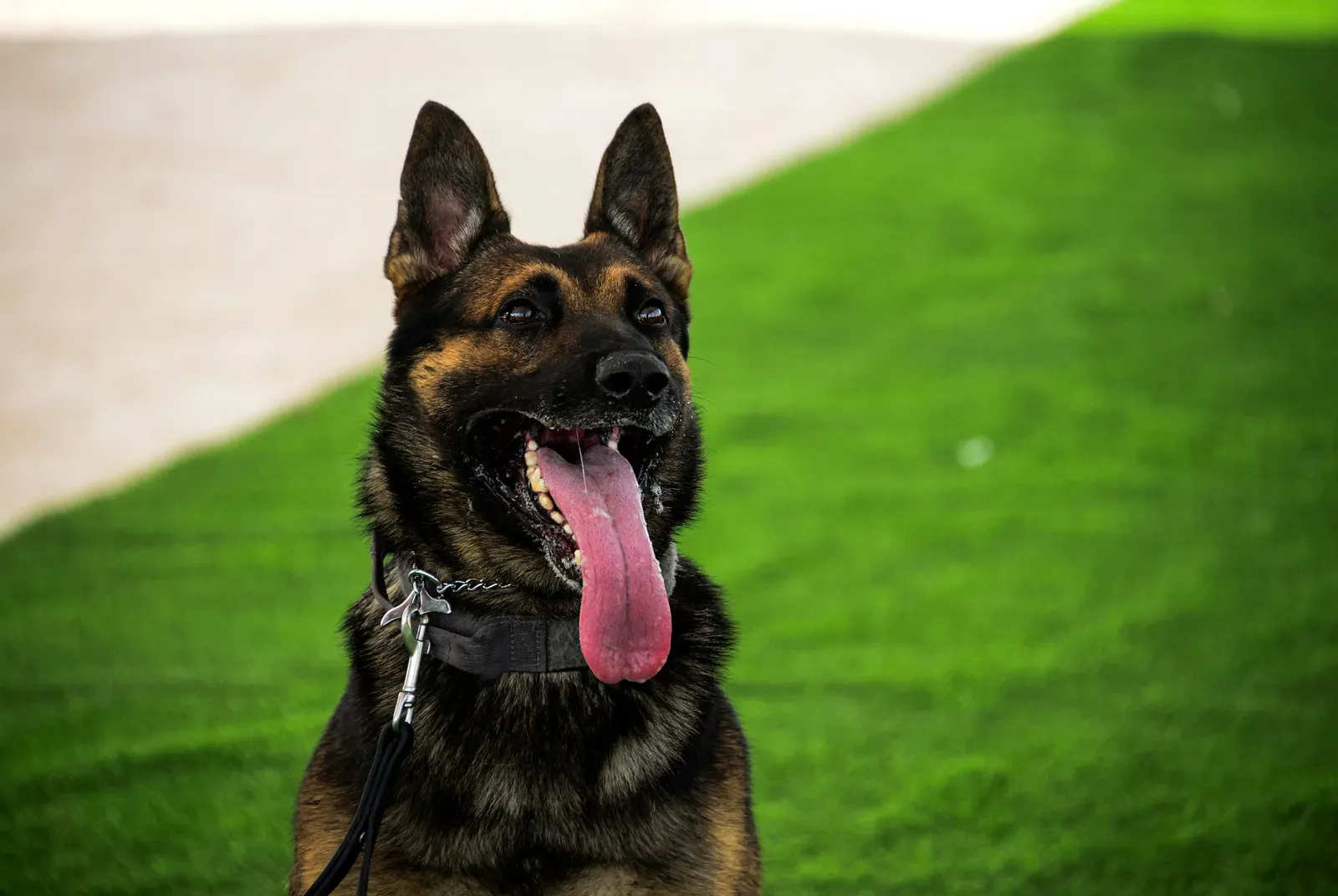
If your senior seems slower to come when called or sleeps through sounds that once made them bolt upright, some degree of hearing loss may be appearing. Age-related hearing changes usually come on gradually and are surprisingly easy for dogs to adapt to. They rely heavily on body language, vibration, and routine, so many dogs cope well even with partial loss of hearing.
One gentle sign of healthy adaptation is that your dog still seems relaxed, follows you around, and responds to visual cues, even if they miss softer sounds. Teaching simple hand signals, stomping lightly on the floor to create vibrations, or walking closer before you speak can lessen frustration for both of you. It can be emotional to realize your dog can’t hear you like before, but with patience, this change can be folded naturally into your life together.
9. Changes in Coat Texture and Body Shape: The New Senior Silhouette
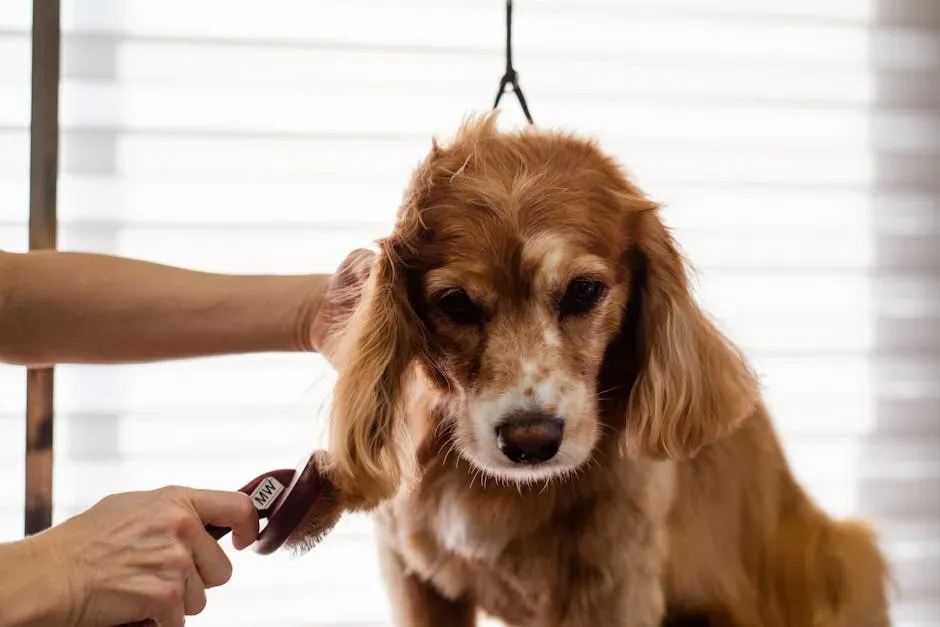
Aging often brings a shift in your dog’s overall “outline.” Some seniors lose a little muscle and look bonier in the hips or shoulders, while others gain a bit of padding due to slowing metabolism and less activity. The coat may become drier, less glossy, or slightly thinner. These changes are not inherently alarming as long as they are gradual and your dog’s weight stays relatively stable.
What you want to see is a steady pattern, not a sudden plunge or spike on the scale. Regular, gentle grooming can stimulate the skin, improve circulation, and help keep the coat in the best shape possible. A balanced senior-appropriate diet, with the right mix of protein and calories, can also support healthy body composition so that your dog looks like a vibrant older athlete rather than a frail shadow or an overstuffed couch potato.
10. A Deeper Bond and More Eye Contact: Emotional Ageing Done Right
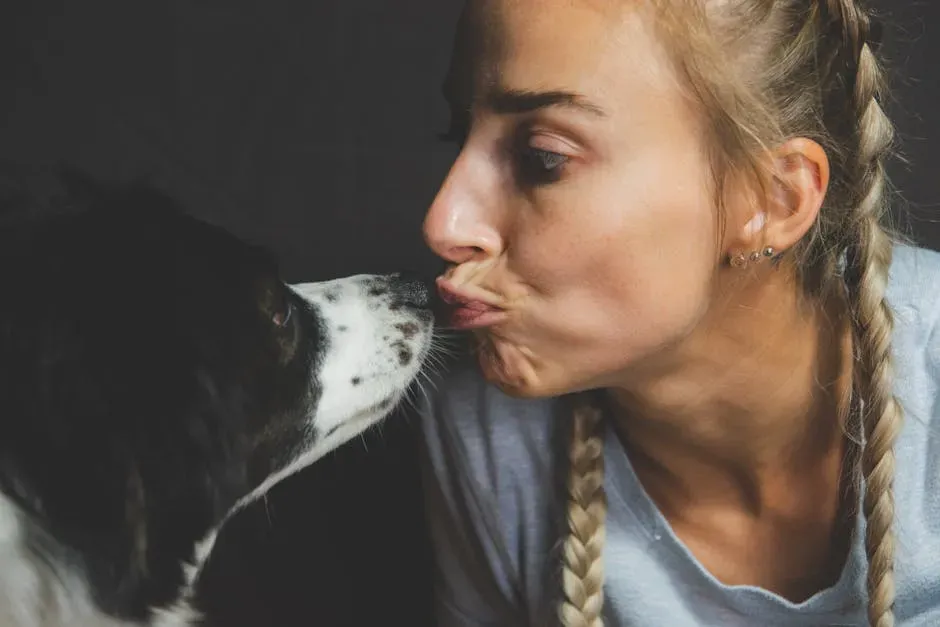
One of the most beautiful signs that your dog is ageing well is often the least “medical” one: your connection gets deeper. Older dogs tend to spend more time simply watching you, resting their head near you, or following your movements with those wise, slightly cloudy eyes. The frantic energy of youth gives way to something quieter and more profound – and you can feel it.
Many people say their senior dog seems more emotionally tuned in, as if years of shared experiences have woven a kind of invisible language between you. That extra eye contact, the slow tail wag when you walk into the room, the way they settle closer when you are sad – these are subtle but powerful signs that your dog is not just surviving their later years but genuinely thriving in them. It is a reminder that ageing beautifully is as much about the heart as it is about the body.
11. Sudden Loss of Appetite or Weight: A Red Flag You Should Not Ignore

Now let’s pivot to the warning signs, starting with one of the biggest: a clear, noticeable drop in appetite or rapid weight loss. If your senior, who normally eats reliably, suddenly turns away from food for more than a day, or you can feel bones that were not obvious a few weeks ago, that is not just “old age.” It can signal anything from dental pain and kidney disease to cancer, stomach issues, or other serious conditions.
Dogs are masters at hiding discomfort, so appetite changes are often one of the earliest clues that something deeper is going on. Waiting to see if it “fixes itself” can let a treatable issue become an emergency. If your senior dog’s appetite crashes, if they seem nauseous, or if their weight drops quickly, it is time to book a vet visit this week – and sooner if they also seem weak, dehydrated, or uninterested in life.
12. Noticeable Drinking or Peeing Changes: From Subtle Shift to Serious Signal
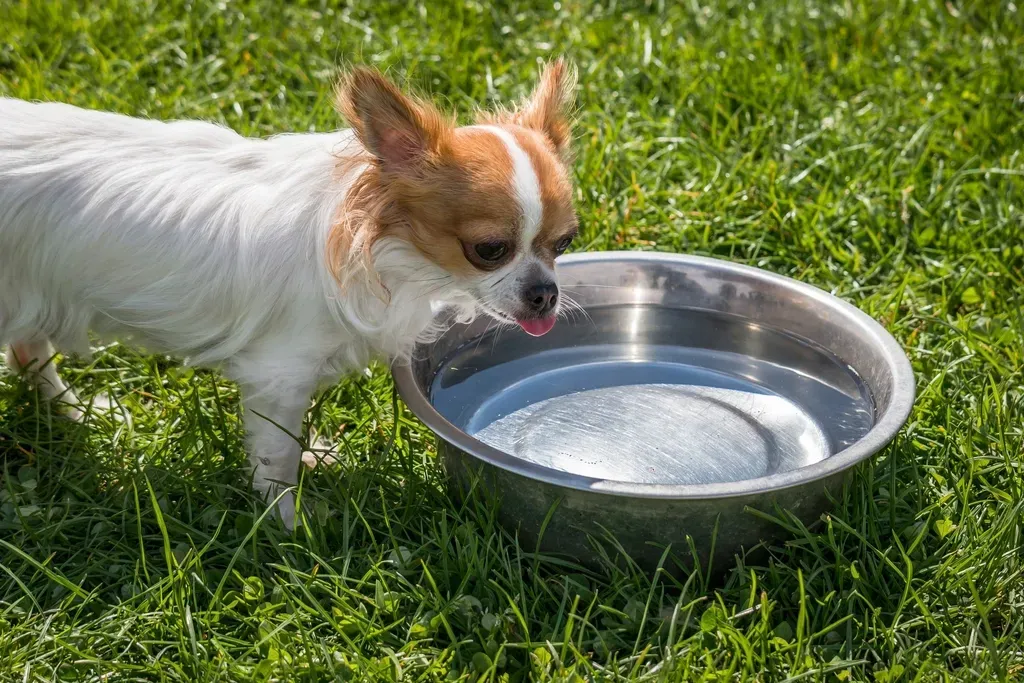
Another quiet but important warning sign is a clear change in how much your dog drinks or urinates. If you suddenly find yourself refilling the water bowl far more often, noticing indoor accidents from a previously house-trained dog, or watching them ask to go out many more times at night, do not brush it off as “just getting old.” These changes can be early signs of kidney issues, diabetes, hormonal disorders, urinary infections, or other problems that need attention.
Conversely, drinking far less than usual can also be a concern, especially if paired with lethargy, vomiting, or diarrhea. A simple set of blood and urine tests can reveal a lot about what is happening inside your dog’s body. The earlier conditions like kidney disease or diabetes are diagnosed, the more options you have to manage them and keep your dog comfortable – which is why this is absolutely a “call your vet this week” situation, not a wait-and-see issue.
13. Persistent Coughing, Heavy Panting, or Breathing Changes: Do Not Delay
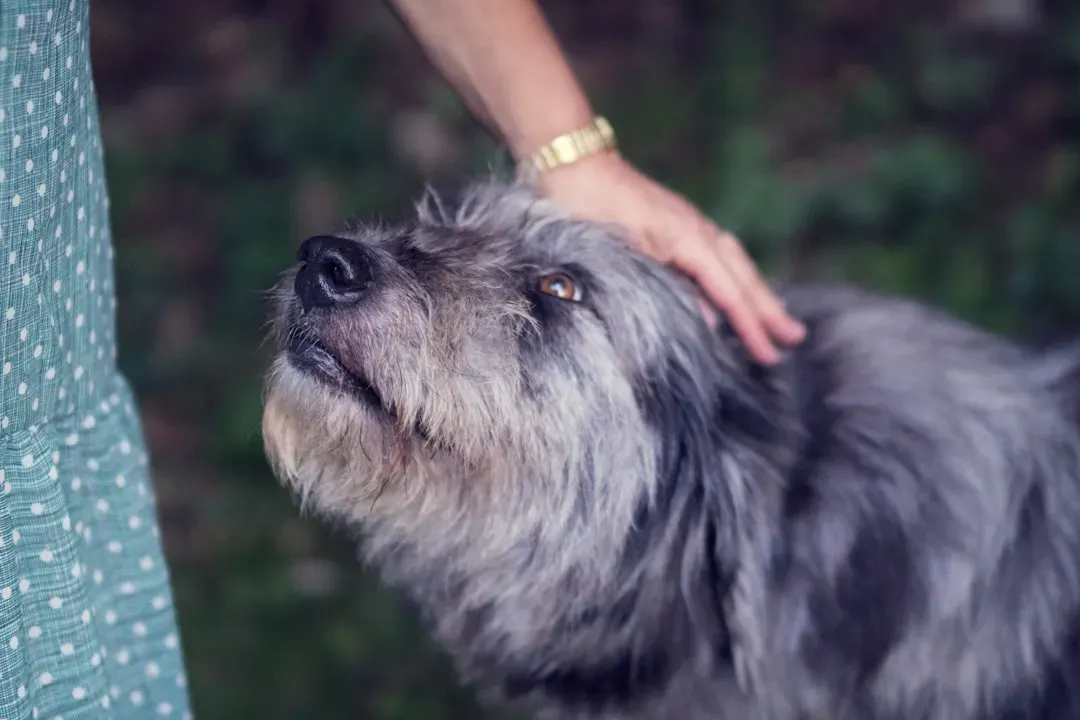
If your senior starts coughing regularly, especially at night or after mild activity, or seems to pant heavily even in cool weather and at rest, your alarm bells should go off. These can be signs of heart disease, lung problems, airway issues, or even certain cancers. Breathing is life; any sustained change here deserves fast attention rather than reassurance that it is just age.
Other concerning signs include breathing that looks more labored, flaring nostrils, a belly that seems to work harder with each breath, or a blue or gray tinge to the gums. These are not symptoms to monitor for weeks; they warrant a vet visit promptly because some heart and lung issues can escalate quickly. Sometimes, early treatment can dramatically improve comfort, stamina, and even lifespan, turning a scary situation into something manageable.
14. Sudden Behavior Changes, Confusion, or Personality Shifts: When “Just Old” Is Not Enough
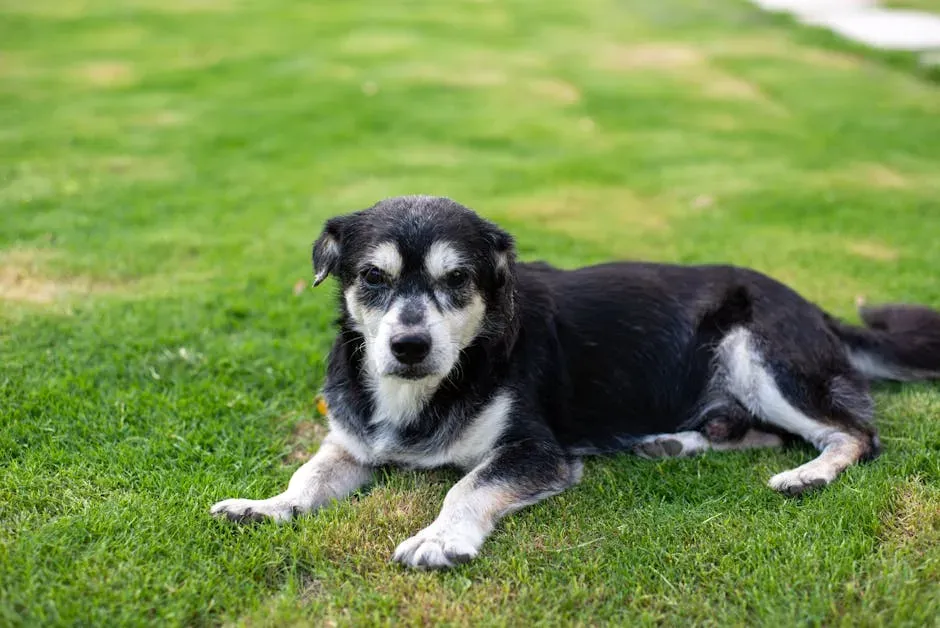
While a calmer demeanor is normal, a sharp, sudden shift in your dog’s behavior can signal something more serious. If your friendly dog becomes uncharacteristically snappy, withdrawn, or fearful, or if they start pacing at night, staring at walls, getting “stuck” in corners, or seeming confused about familiar places, it may be more than normal ageing. These patterns can be linked to pain, cognitive decline, metabolic disease, or neurological problems.
Many guardians blame these changes on “doggy dementia” and assume nothing can be done, but that is not always true. Pain management, environmental adjustments, medications, and dietary support can make a real difference, especially when started early. If your senior suddenly feels like a stranger, or you catch yourself saying, “They just are not themselves anymore,” it is time to have a serious conversation with your vet rather than quietly worrying at home.
15. Repeated Vomiting, Diarrhea, or Signs of Pain: Your Dog Should Not “Tough It Out”
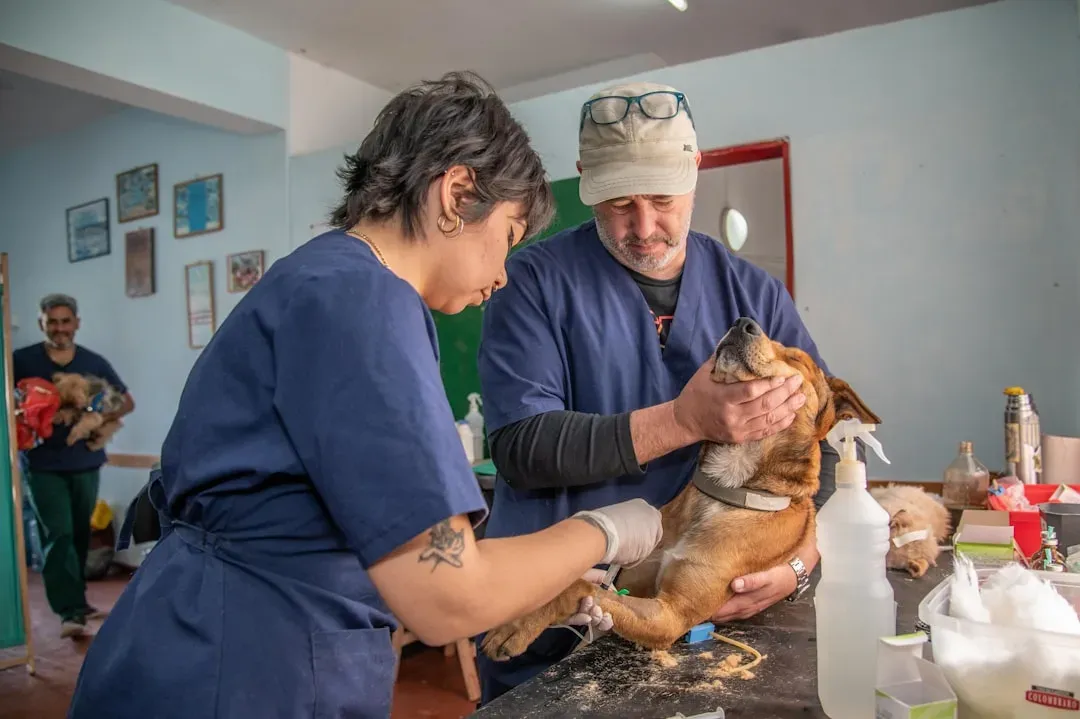
Occasional stomach upset happens, but repeated vomiting, ongoing diarrhea, or visible signs of pain in a senior dog are never something to ignore. If they yelp when moving, refuse to climb stairs they used last week, hide away from the family, tremble, or lick one area obsessively, their body is telling you something is wrong. Seniors often have less physical “reserve,” so they can get dehydrated, weak, or unstable much faster than a younger dog.
Waiting days to see if things improve can mean missing a narrow window where treatment is easier and more effective. If your older dog has more than a single “off” day, or the pain seems significant or constant, contact your vet promptly. You are not being overprotective; you are giving your dog what they truly cannot give themselves – timely medical help when their body is struggling.
Conclusion: Ageing Beautifully Means Loving Bravely
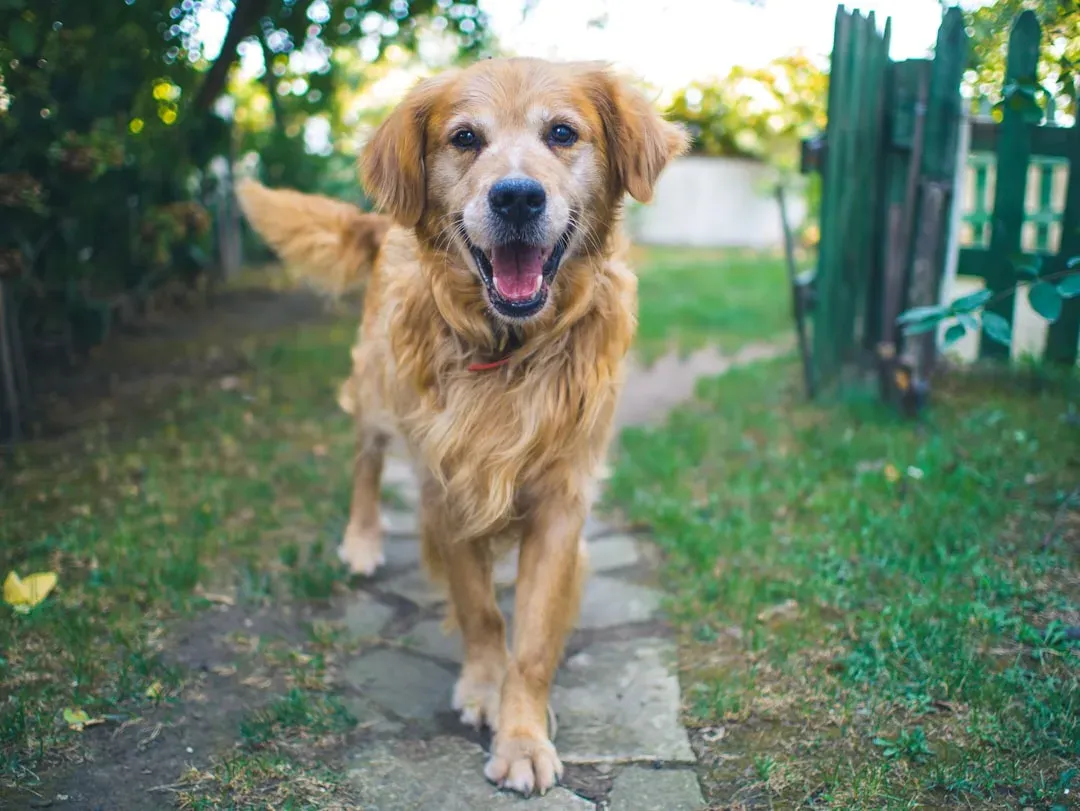
Living with a senior dog is a strange mix of sweetness and ache. On one hand, you get the profound peace of an old friend who knows your rhythms better than anyone. On the other, you carry a quiet awareness that time is not infinite, and that every change might mean something more. In my own life, the dogs that stayed with me into their gray years taught me more about patience, presence, and unconditional love than any self-help book ever could.
The real art of caring for an older dog is learning to celebrate the soft, gentle signs of graceful ageing while refusing to ignore the red flags that call for action. That balance – that willingness to enjoy the naps and sugar muzzle while also picking up the phone when something feels off – is how you help your dog age not just longer, but better. In the end, the question is simple and powerful: will you be the person who notices, and acts, when your best friend needs you most?


